

Pets are remarkably good at keeping secrets, especially when those secrets involve their own suffering. It’s not stubbornness or indifference on their part. The tendency for pets to conceal discomfort comes from their wild ancestors. In nature, showing signs of pain or weakness could make an animal a target for predators or cause them to lose status within their social group. This evolutionary instinct remains strong in our household companions, making it difficult for pet owners to recognize when something is wrong.
Many pets continue eating, playing, or wagging their tails even when they’re uncomfortable, which is why early detection often depends on close observation at home. Knowing what to look for can genuinely make a difference in your pet’s life.
Sign 1: Sudden Changes in Behavior or Personality

Pain can cause noticeable changes in your pet’s personality or behavior. Some pets may become more withdrawn and avoid social contact. However, others may seem more irritable, fearful, or aggressive, or otherwise act out of character.
One of the first indicators of pain is a shift in behavior, and these changes may be subtle and gradual. A normally affectionate pet becoming distant or reactive may be experiencing discomfort.
Dogs may express signs of pain differently depending on the breed, individual, age, and chronicity. Behavioral changes due to pain often develop gradually, so being attentive to your dog’s daily habits is key, as these subtle behavioral cues will be more readily detected early on by someone most familiar with the dog.
These signs are often mistaken for aging, but pain should never be considered “normal,” even in senior pets. If something about your pet’s temperament feels off, even in a way you can’t quite put into words, that instinct is worth following up on.
Sign 2: Reduced Activity and Reluctance to Move

When pets experience pain, they tend to decrease their level of activity and overall zest for life or play. This goes for all pets of all sizes, from cats and dogs to birds and gerbils.
Limping is an obvious sign, but even decreased willingness to walk, climb stairs, or play can signal joint or muscle pain. Slowed movements or hesitation to get up are common after orthopedic injury or surgery.
If your pet is slower to get up from a nap or cuddle session, this could be an early sign of osteoarthritis, which can be painful for dogs and cats.
If you used to see your pet hop up the stairs with no problem and now notice a change in the way they climb stairs, this could be a sign they are experiencing joint pain or have an existing injury keeping them from their usual spryness. Subtle shifts in daily movement patterns are worth noting carefully.
Sign 3: Changes in Grooming Habits and Physical Appearance
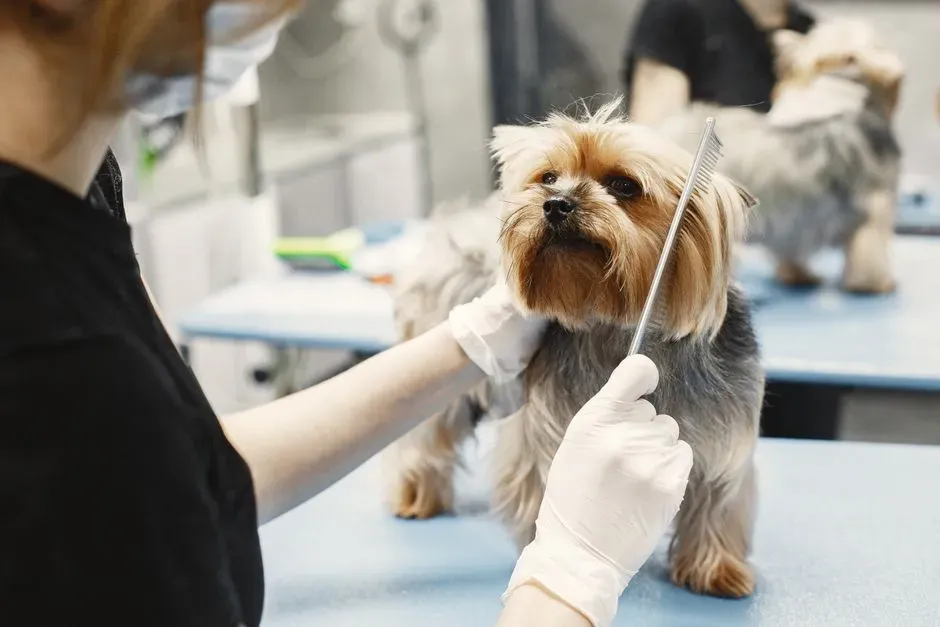
Grooming behaviors often shift when a pet is in pain. Cats, for example, may over-groom one area to the point of causing bald patches, or they might stop grooming altogether, leading to a dull, unkempt coat. Dogs sometimes lick or chew at a sore spot, which can lead to redness or even sores.
Research indicates that dog owners should be alert to altered sleep patterns, restlessness, clinginess, and unusual licking or chewing their body. Even changes in a dog’s ear position, coat quality, texture, or how their coat lies on their skin can indicate underlying discomfort.
Changes in posture, such as arching the back, favoring one limb, or shifting weight when sitting or lying down, may also signal discomfort.
Pets, like us, will change their posture according to how they feel to avoid discomfort and protect any painful or weakened areas. Common posture changes include an arched or hunched back, tucked tail, sitting with one leg cocked to the side, flopping into a down position instead of gradually reclining, and struggling to transition from one position to another. These physical signals are easy to dismiss at first glance, but they often point to something real going on beneath the surface.
Sign 4: Changes in Eating, Drinking, and Sleeping Patterns

If eating is significantly decreased or stopped altogether, you should visit your vet. Chronic mouth pain or dental disease in pets can be a cause of this.
Dental disease is one of the leading sources of chronic pain in pets. Issues with teeth or gums, such as abscesses or broken teeth, can cause significant pain that often goes unnoticed until it becomes severe.
A reduced interest in food is a recognized pain indicator, as are altered sleeping patterns. A pet may sleep more than usual or cannot get comfortable when trying to sleep, and may even urinate or defecate indoors uncharacteristically.
Internal problems like bladder infections, kidney disease, or gastrointestinal issues may also manifest with subtle behavioral changes rather than overt symptoms. These shifts in routine are some of the most reliable early warning signs available to an attentive owner.
Sign 5: Unusual Vocalization, Facial Expressions, or Defensive Reactions

Whining, yelping, purring, or excessive panting are classic pain responses. Pets may also change their facial expression, showing narrowed eyes, flattened ears, or a tense jaw. If your normally silent friend suddenly vocalizes or seems unsettled, pain could be the culprit.
A previously gentle dog who snaps when touched, or a cat who hisses when picked up, is sending a message. Pain often triggers protectiveness over the affected body part, and even a slight touch can prompt a defensive response.
A dog panting heavily even though they have not been exercising is a warning sign. Shallow breathing can be a sign that it is painful to take a breath.
Soreness can manifest outwardly as lameness, lethargy, or a lack of desire to exercise or play, but it can be easy to miss more subtle signs such as altered blinking, momentary pauses, or freezing. When a pet that is ordinarily calm or social becomes reactive to touch, that change deserves prompt attention, not reassurance.
What You Should Do Next
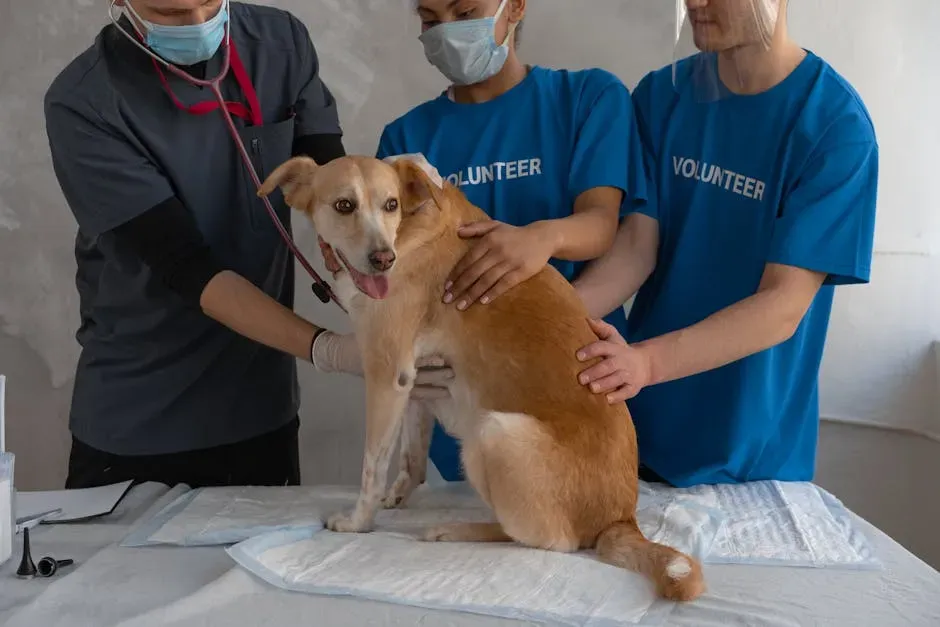
It can be helpful to take pictures or a video of your pet when they are showing signs of pain or discomfort, as they are more likely to do so at home than at the veterinary clinic. Write down when the signs occur and what your pet was doing at the time. This helps your vet understand the scenarios in which your pet is experiencing pain, as well as the types of symptoms they are displaying.
Anxiety or fear may mask certain pain behaviors in a clinic setting, so observations from home can provide critical insights. Your veterinarian will evaluate your dog’s condition with a thorough physical exam to identify the cause of their pain and develop a tailored treatment plan.
Pain doesn’t merely hurt. Left untreated, chronic or ongoing pain can lead to harmful changes in your pet’s body and mind, resulting in significant and sometimes permanent complications.
Treating your pet’s pain will relieve them of stress, increasing their well-being, and help them live a longer, healthier life. Your pet relies entirely on you to notice what they can’t say out loud. The good news is that you’re probably already closer to noticing than you think. Trust the small signals. They’re rarely nothing.

- 6 Exotic Bird Species You Can Spot in U.S. National Parks - July 19, 2026
- 11 Iconic American Birds Facing New Challenges and How You Can Help - July 19, 2026
- 10 Friendliest Animals in the World - July 19, 2026