

Ever watched a hummingbird hover at your window and wondered what more you could do? Your backyard might seem ordinary, but it holds enormous potential to become a wildlife sanctuary. With habitat loss pushing countless creatures from their homes, even the smallest patch of green space can make a real difference. Think of your yard as part of a larger puzzle, where each piece connects to form vital corridors that help animals survive and flourish.
Urban sprawl has forced native wildlife to relocate as their habitats change and disappear. The good news is that you don’t need acres of land or a hefty budget to make an impact. Simple, practical changes can transform your outdoor space into a haven where birds, butterflies, bees, and other creatures can find what they desperately need. So let’s dive in and explore how you can turn your backyard into a thriving ecosystem.
Plant Native Species That Wildlife Actually Recognize
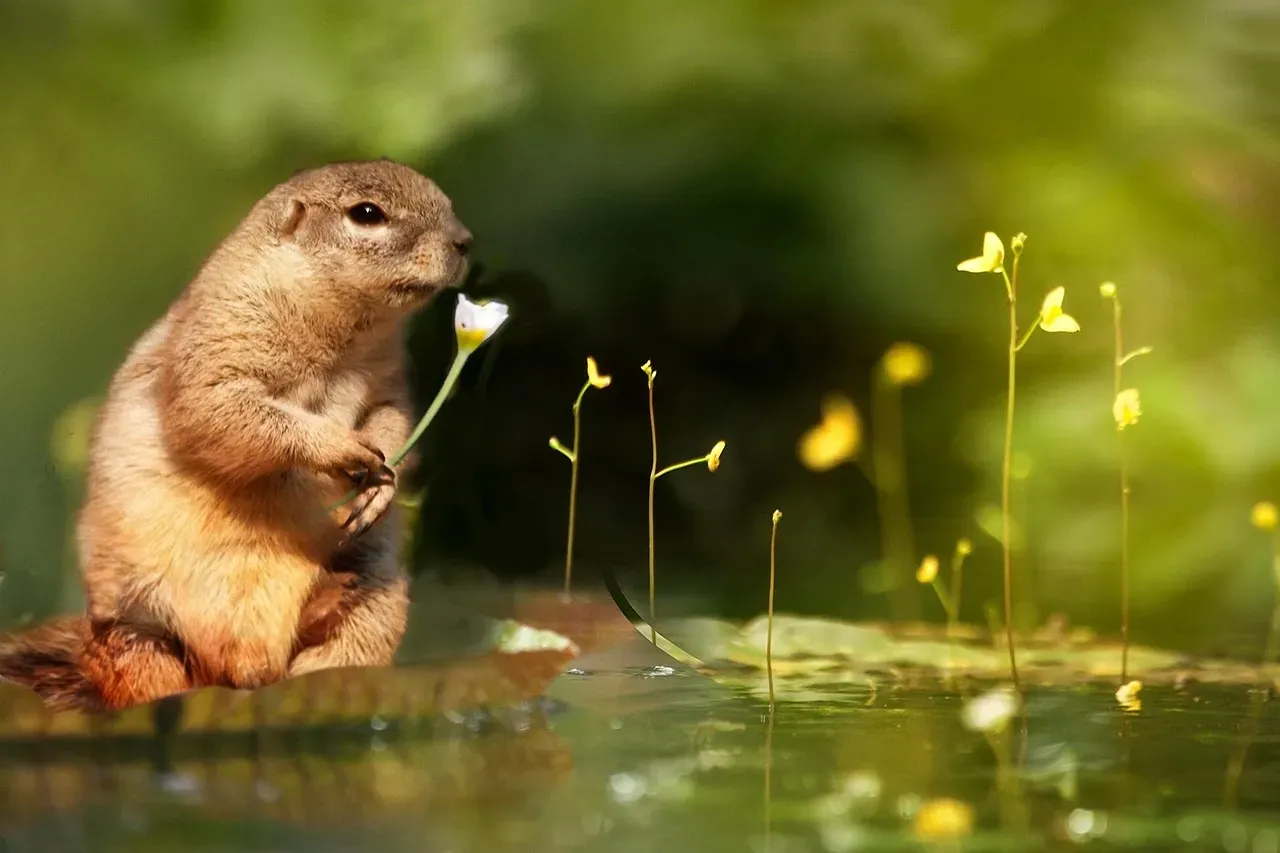
Here’s the thing about native plants: they’re like comfort food for local wildlife. The simplest, most tangible and effective action you can take to help the planet is to restore whatever part of the environment you control with native plants. These are plants that evolved alongside the animals in your region, creating relationships that span thousands of years. While that butterfly bush at the garden center might look pretty, it simply doesn’t offer the same value.
Consider this: native oaks support 532 species of native caterpillars, while the non-native Butterfly Bush supports only one. That’s a staggering difference! Native habitat gardens can support two times the amount of wildlife when compared to properties with primarily turf lawn.
Native plants use about half as much water as non-native plants like turf grass and have longer roots adapted to reach more than a foot underground to access water. Honestly, they’re easier to maintain once established because they’re already adapted to your local rainfall and soil conditions. You can help pollinators significantly by growing a diversity of native plants in your space. Our regional native plant lists, though not exhaustive, highlight species that have been shown to provide a number of benefits to a diversity of pollinators.
Create a Clean Water Source That Actually Works
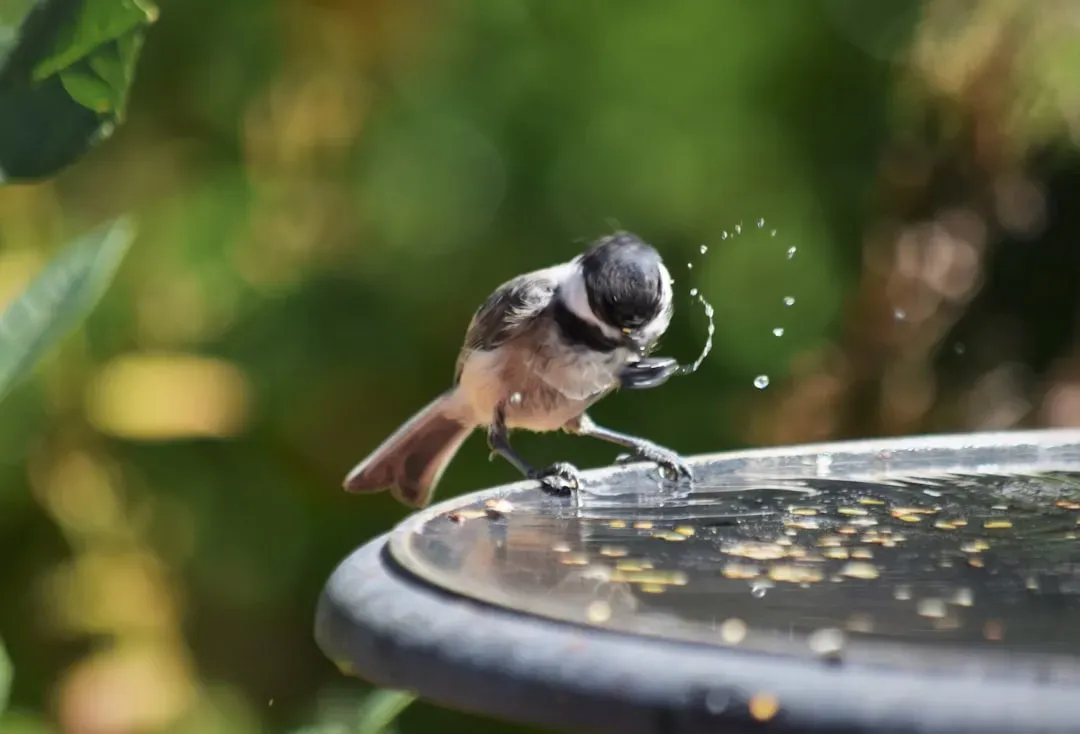
Let’s be real: water is absolutely critical for wildlife survival. Supplying fresh water for wild birds is a lot more important than supplying them with seed or other foods. During hot summers or freezing winters, finding clean water can be life or death for many creatures.
Birdbaths should only be one to three inches deep to allow songbirds to get in the water and bathe their feathers. You don’t need anything fancy. A simple shallow basin, an upturned garbage can lid, or even a plant saucer will work perfectly fine. Water sources that are low-to-the-ground seem to be the most accessible for wildlife. A large metal one I added is a favorite of squirrels, flocks of winter birds, and nighttime critters.
The maintenance part is crucial, though. A dirty bird bath can do more harm than not having any water because it can spread disease and parasites. But don’t worry, cleaning is quick. Just spray with diluted vinegar (1 part vinegar to 9 parts water), wipe, then spray with a hose or rinse with additional water before adding the clean water for wildlife. Place your water source near protective cover like bushes or trees so birds feel safe enough to stop by.
Skip the Pesticides and Let Nature Balance Itself
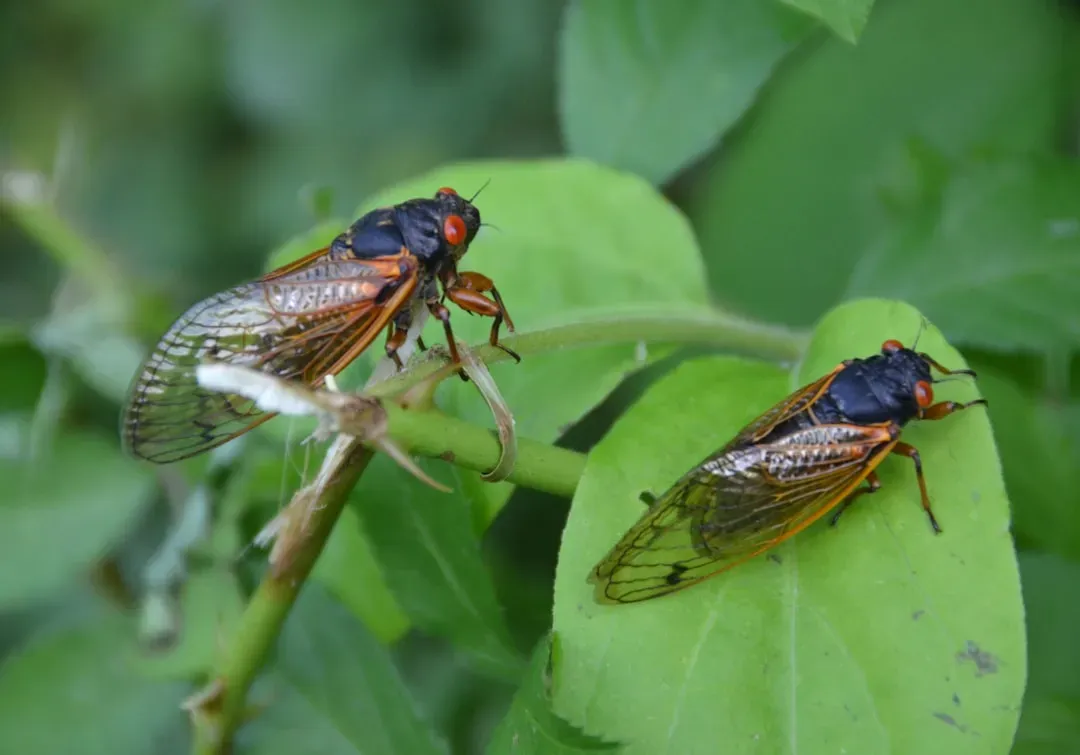
I know it sounds crazy, but those bugs you’re trying to eliminate? They’re actually part of a functioning food web. Pesticides, especially insecticides, are one of the biggest problems for pollinators. When you spray chemicals across your yard, you’re not just killing pests – you’re eliminating the very insects that birds need to feed their babies.
Caterpillars are important because they are the primary food source for nestlings of 96 percent of all bird species. Think about that for a moment. Without caterpillars, most baby birds simply won’t survive. By planting a diverse palette of native plants, we invite not only the plant-eating insects, but also their predators as well as pollinators, seed dispersers, and recyclers, which work together to make a garden function like a system.
Your yard doesn’t need to be sterile to be beautiful. Natural gardens have a bit of messiness to them, and that’s exactly what wildlife needs. Those dried stalks and seed heads you might be tempted to cut down in fall? They’re providing food and shelter for the creatures you’re trying to help. It’s hard to say for sure sometimes, but accepting a little wildness often leads to the most rewarding wildlife encounters.
Add Shelter and Nesting Spots Throughout Your Space
Food and water are great, but animals also need places to hide, rest, and raise their young. A wildlife habitat is a combination of four elements: food, water, shelter, and space. Creating layers in your landscape makes a huge difference – think trees, shrubs, perennials, and groundcovers all working together.
The vegetation, dead trees, and logs in your yard can provide shelter for many species of wildlife, as well as nesting sites for birds. Dead wood might not look manicured, but it’s incredibly valuable. Provide hollow twigs, rotten logs with wood-boring beetle holes and bunchgrasses and leave stumps, old rodent burrows, and fallen plant material for nesting bees.
You can also add specific structures. Consider adding a bird nest box, bat house, pollinator nesting box, or brush or rock pile to your backyard habitat. These simple additions give creatures safe spaces to nest and overwinter. Piles of branches, leaf litter, and even that brush pile you’ve been meaning to haul away can become essential wildlife apartments. The more diverse your shelter options, the more species you’ll attract.
Reduce Lawn Area and Embrace a Wilder Look
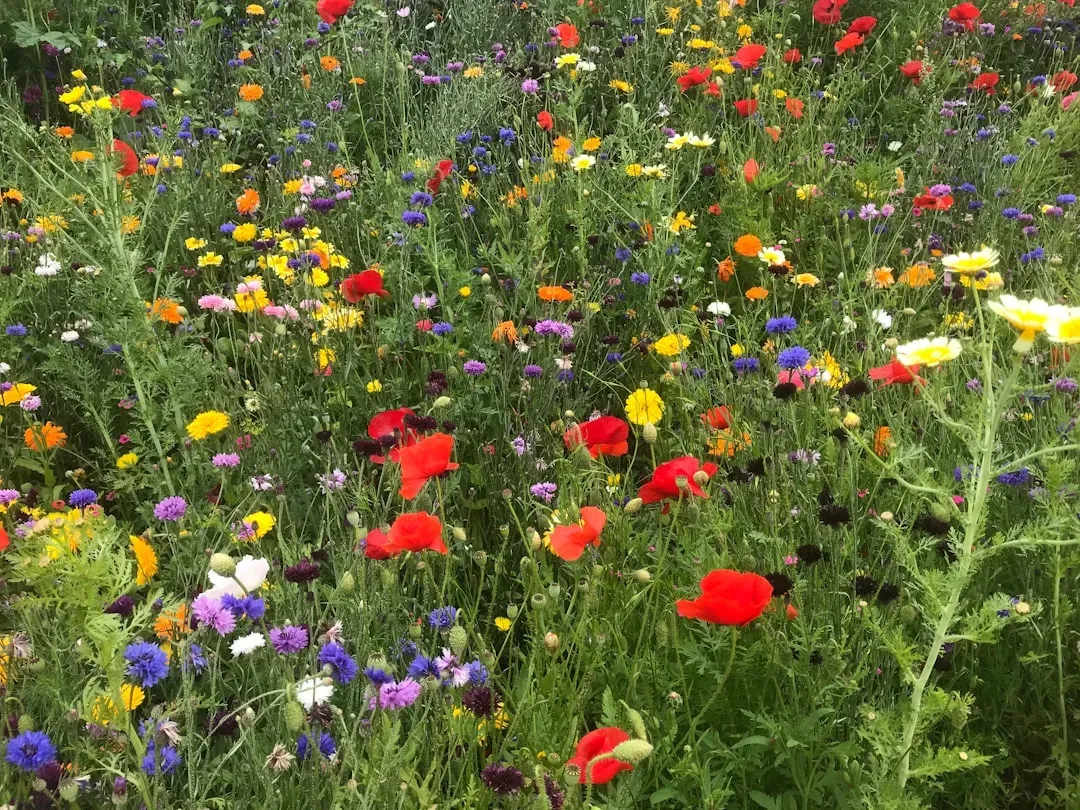
Traditional lawns are poor habitat for wildlife. They’re essentially green deserts – monocultures that require constant mowing, watering, and chemical treatments while offering almost nothing to local creatures. The vast majority of our suburban landscapes are dominated by turf grass, and it’s honestly one of the worst things we can do for biodiversity.
Consider mowing less, ditching chemical treatments and planting native plants. Even converting a small section of your lawn into a meadow or native plant garden creates meaningful habitat. Even small habitat improvements can make a big difference for wildlife! When combined with the efforts of your neighbors and others in your community, you can provide all the resources wildlife need to survive.
It is important to remember that these gardens often do not look like traditional formal landscaped gardens. Your plants may appear tall and weedy until they flower, often late in the summer, but remember they are providing a valuable habitat for bees, butterflies and others. Some neighbors might raise their eyebrows at first, but once they see the butterflies, birds, and beneficial insects thriving in your yard, they might just be inspired to follow your lead.
Conclusion
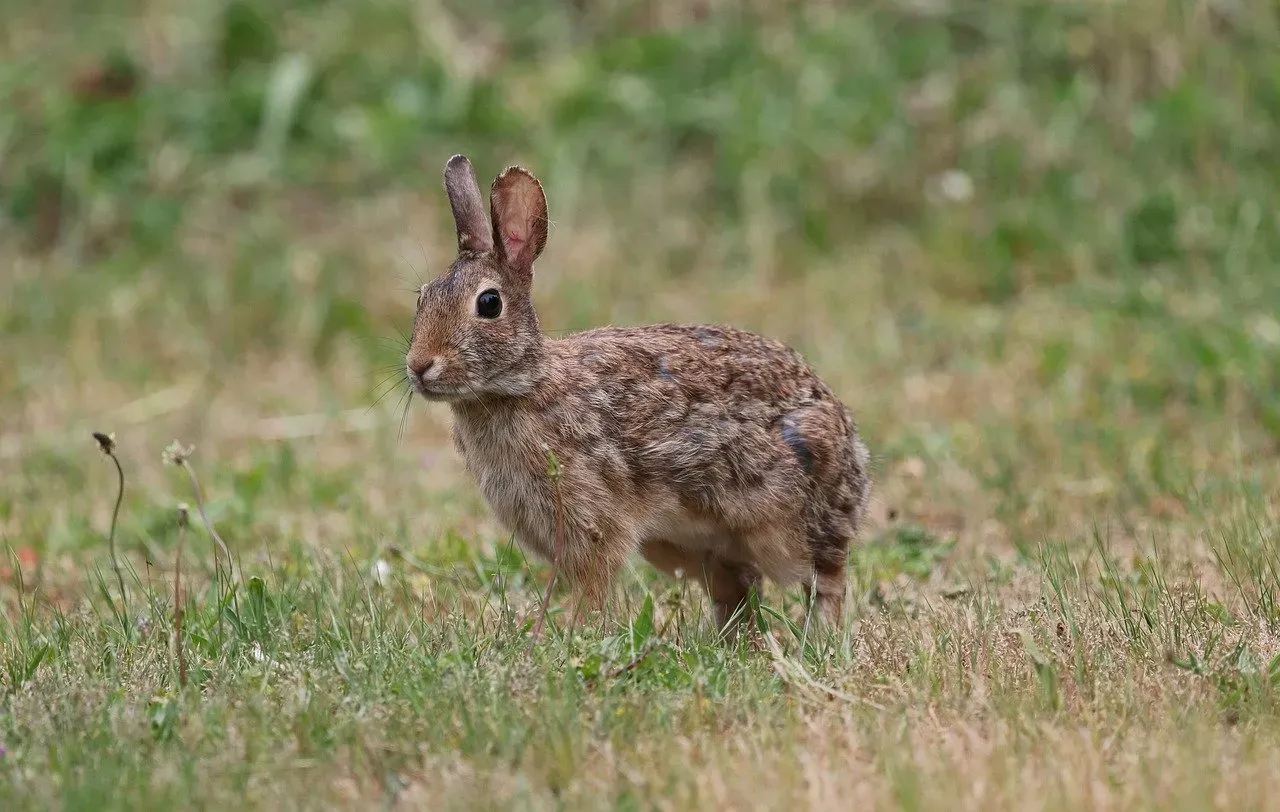
When we all take action, we create connected corridors of habitat that support bird populations across the landscape. Your backyard isn’t just your own little patch of earth – it’s part of a much larger network that wildlife depends on for survival. Each native plant you add, every water source you maintain, and all the wild spaces you protect contribute to something bigger than any single yard.
The beauty of these changes is that they benefit you too. You’ll spend less time mowing and more time watching the incredible variety of life that shows up when you create the right conditions. From hummingbirds to fireflies, from butterflies to songbirds, your yard can become a daily source of wonder and connection to the natural world.
What small change will you make first in your backyard? Every action counts, and local wildlife is counting on us.

- 12 Architectural Wonders From The Ancient World That Inspire Us Today - July 18, 2026
- 6 Beautiful Ancient Cities That Time Forgot (But Shouldn’t) - July 18, 2026
- 6 Common Animal Behaviors That Are Often Misunderstood by Humans - July 18, 2026