

Creating a wildlife pond in your garden is a rewarding project that not only enhances the beauty of your outdoor space but also supports local biodiversity. Before you begin, it’s important to plan carefully. Decide on the size and location of your pond, taking into account the amount of space you have and the needs of wildlife. Ideally, choose a spot that receives enough sunlight to encourage plant growth, yet has some shaded areas to prevent excessive temperature rise. Keep in mind the need for easy access for both humans and animals, and ensure there’s a safe, shallow area for creatures to enter and exit.
Excavation and Lining
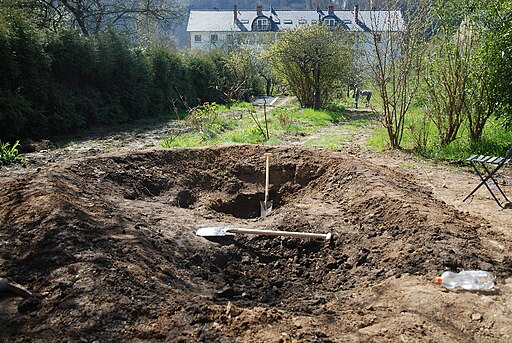
Once you’ve planned the layout, it’s time to dig. Mark the perimeter using strings or a garden hose to outline the shape. Start digging from the edge, working your way to the center. The depth should vary, with a shallow area for marginal plants and deeper sections for aquatic life. It’s essential to incorporate shelves at different levels, as they provide varied habitats and help stabilize planting containers.
After excavation, line your pond with a pond liner to retain water. PVC or rubber is preferred for their durability; however, ensure it’s UV resistant to prolong its lifespan. Spread a layer of sand or old carpet at the bottom to protect the liner from sharp stones.
Filling the Pond and Water Quality
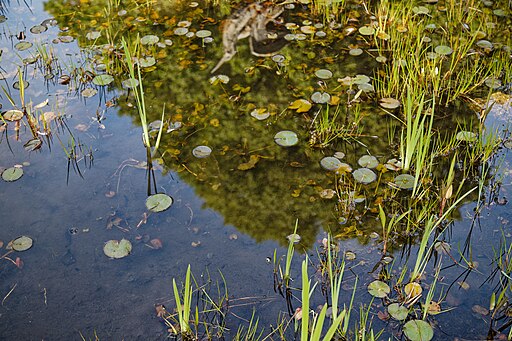
With the liner in place, slowly fill the pond with water, ideally using rainwater to avoid introducing chemicals. If you must use tap water, let it sit for at least a week to allow chlorine to dissipate before introducing wildlife or plants. Monitoring the pH and nutrient levels is crucial for maintaining water quality. Aim for a neutral pH and keep nitrate levels low to control algae growth. As your pond establishes, avoid using filters or pumps; instead, rely on plants for natural filtration.
Planting for Habitat Creation

Plants are essential for a healthy wildlife pond as they provide oxygen, food, and shelter. Incorporate a variety of native plants that serve different functions: submerged oxygenators like hornwort, marginal plants such as marsh marigolds for the edges, and floating species like water lilies to offer shade and reduce algae growth. When planting, be mindful of the sun and shade needs of each species and secure plants on the shelves within your pond. Native plants are preferable because they integrate more seamlessly into local ecosystems and provide beneficial resources to native wildlife.
Introducing Wildlife and Maintenance
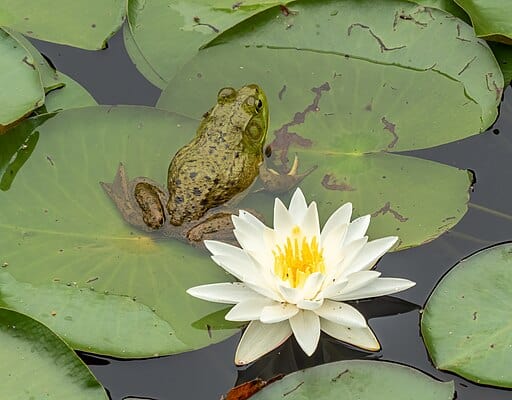
Patience is key as you introduce wildlife to your pond. Avoid stocking the pond with fish, which can disrupt the ecosystem by eating insect larvae and outcompeting other species. Instead, allow insects, amphibians, and birds find their way naturally. You can speed up this process by adding some pond water or mud from an existing healthy pond as inoculation.
Routine maintenance is necessary to keep your pond thriving. Regularly remove dead plant material to prevent decay, which can deplete oxygen levels. Check plants for signs of invasive growth and thin them out if needed. Top up the pond during dry spells using rainwater to maintain its depth.
Building a wildlife pond is a commitment, but as it establishes, you’ll be rewarded with a vibrant and diverse ecosystem. It becomes not just a feature of your garden but a thriving habitat contributing to biodiversity conservation.

- 10 Signs Your Dog Might Be Happier Than You Think They Are - August 13, 2026
- 5 Steps to Build a Wildlife Pond for Your Garden - August 13, 2026
- 10 Birds That Can Mimic Almost Any Sound They Hear - August 13, 2026
Leave a comment
You must be logged in to post a comment.