

Florida is extraordinary in so many ways. The weather, the beaches, the wildlife. But here’s the part the travel brochures tend to leave out: there are roughly 1.3 million alligators sharing this state with you, living in virtually every body of freshwater you can think of. That’s not a scary statistic, it’s just reality.
Alligators have inhabited Florida’s marshes, swamps, rivers and lakes for many centuries, and are found in all 67 counties. So whether you’re jogging past a retention pond, letting your dog splash near a canal, or paddling a kayak through the Everglades, a gator encounter is always a possibility. Most of the time, you’d never even know one was nearby.
The good news? Attacks are rare. The better news? Almost every dangerous encounter comes down to human behavior, not gator aggression. Knowing what NOT to do could quite literally save your life. Let’s dive in.
1. Never Feed an Alligator – Not Even a Little Scrap
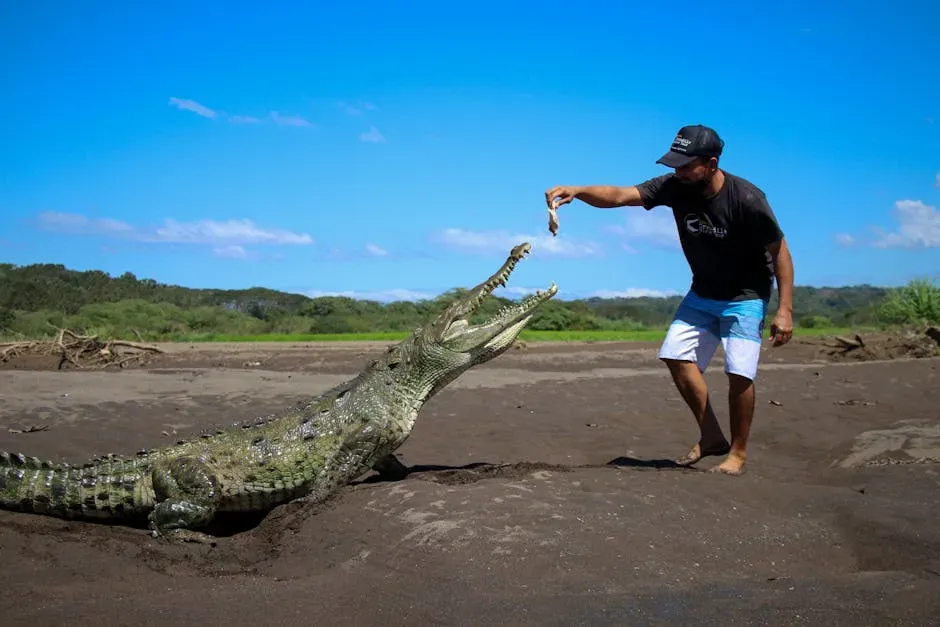
Here’s the thing: feeding an alligator might feel harmless in the moment. A crust of bread, a leftover fish fillet tossed near the water’s edge. How bad could it be? Honestly, pretty bad.
When fed, alligators can lose their natural wariness and instead learn to associate people with the availability of food. This can lead to dangerous circumstances for yourself and other people who could encounter the alligator in the future.
Many nuisance alligator reports begin when someone has been feeding gators. If an alligator becomes a threat, it may have to be removed and euthanized. So that one “harmless” act could cost the gator its life.
Beyond the ethical side, there’s a legal one too. Feeding wild alligators has been illegal in Florida since 1987 and is classified as a second degree misdemeanor. Violators can face fines up to $500 and up to 60 days in jail. Think about that the next time someone tosses leftovers toward the pond. It’s not a cute photo opportunity. It’s a crime that puts lives – human and reptile – at risk.
2. Never Approach or Attempt to Touch One
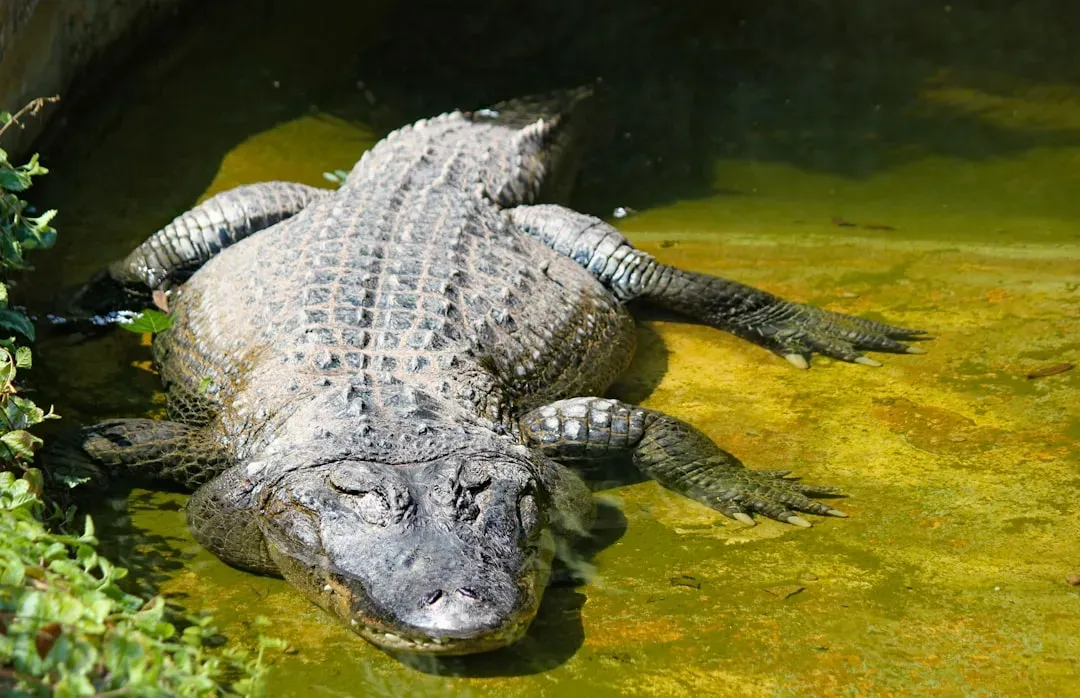
I know it sounds crazy, but people genuinely try to get close to alligators. For photos. For bragging rights. Sometimes out of pure curiosity. It is, without question, one of the most avoidable mistakes a person can make in this state.
Alligators often get agitated when someone is approaching, so if you hear one hiss, you are too close. That hiss isn’t a greeting. It’s a warning. One that most people ignore until it’s too late.
While alligators aren’t typically aggressive, they will protect themselves or their nests if they feel threatened. And here’s a detail that surprises a lot of people: baby alligators are especially dangerous to approach. Those one-foot baby alligators, even though they’re so cute, are among the most dangerous to mess with – because there’s possibly a nearby mother ready to protect her young.
The rule is simple: admire from a distance. Experts recommend keeping at least 15 to 30 feet between yourself and any gator you spot. Unless you’re licensed and trained, it’s best to admire these ancient reptiles from a safe distance.
3. Never Swim in Undesignated or Unfamiliar Water Bodies
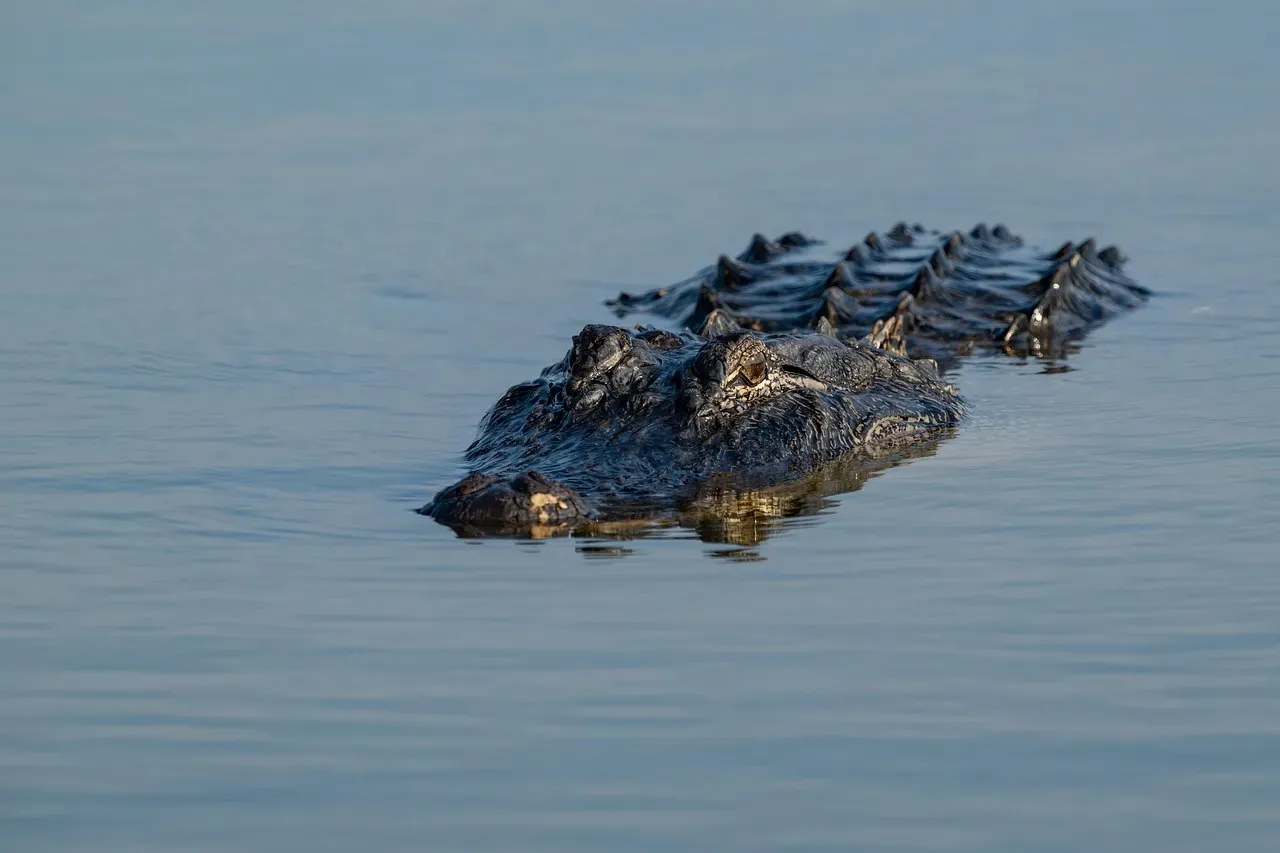
Florida’s waterways are stunningly beautiful. Dark, still canals. Glassy lakes fringed with Spanish moss. Winding rivers that feel like something out of a dream. They also happen to be prime gator territory, and that gorgeous-looking water could be hiding something massive just below the surface.
Alligators can hold their breath up to two hours underwater, so just because you do not see one, it does not mean one is not nearby. That alone should give you pause.
Nearly 94 percent of Florida bite victims were injured in water or near the shore. The severity of the bite seems directly correlated to the depth of the water: the deeper the water, the more serious the injuries. That’s a sobering pattern.
Swim only in designated swimming areas during daylight hours. Alligators are most active at night, so daytime is probably a safer option. Think of it this way: swimming in an unmonitored Florida waterway at dusk is a bit like wandering into traffic blindfolded and assuming the cars will stop for you. The gators don’t know your plans.
4. Never Run in a Zigzag Pattern – And Never Freeze Either
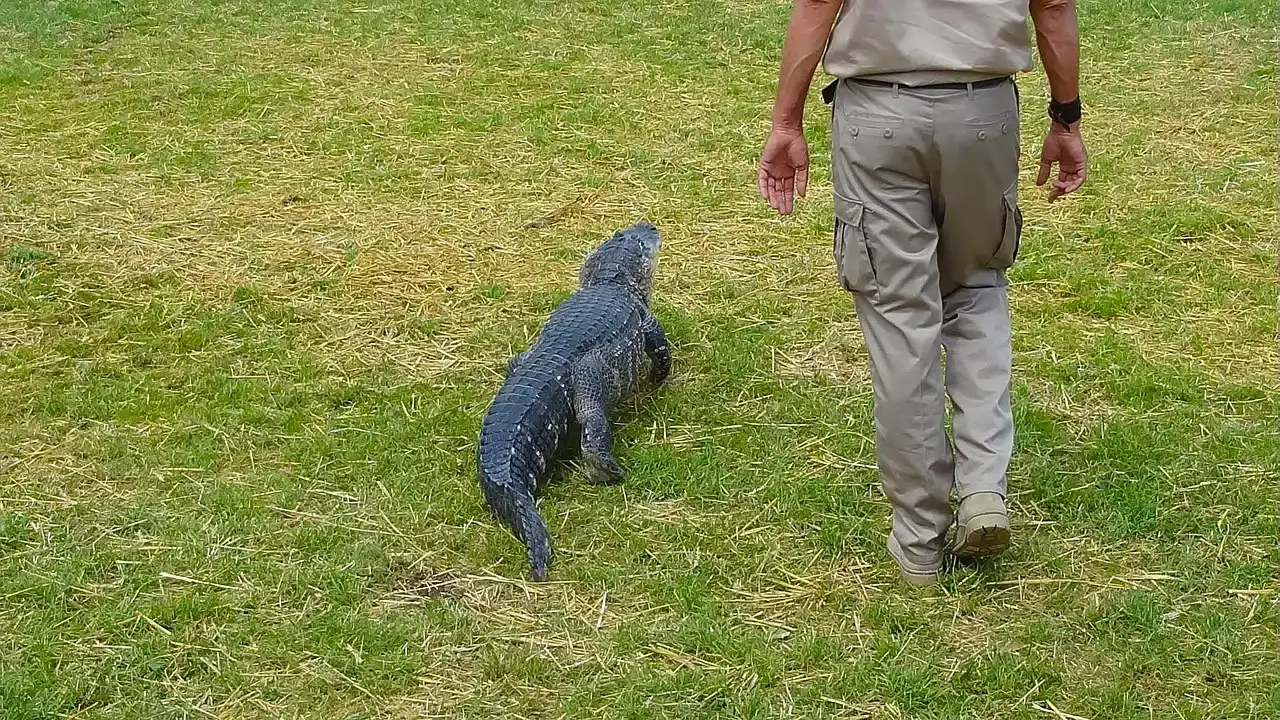
This one is genuinely surprising, because the zigzag myth has been circulating for years. You’ve probably heard it. Someone somewhere decided that running in a zigzag pattern confuses a charging alligator. The wildlife experts say: no, it really doesn’t. Worse, it actually keeps you in danger longer.
Contrary to popular belief, you should try to run away in a straight line and not in a zigzag pattern. Running in a straight line puts maximum distance between you and the animal as fast as possible. That’s exactly what you want.
Alligators can move at about 11mph, which is brisk, but not for very long, and they tend to zig zag. So ironically, if anyone is zigzagging in that scenario, it’s the gator. Gators can move really fast on land, but only in short bursts and distances before they tire out. Your goal is simply to outrun that burst. Get distance, get to higher ground, keep moving.
Freezing in place is equally dangerous. Remaining calm is wise, but standing still and staring at an approaching alligator as if it might change its mind is not a strategy. Move. Move fast. Move straight.
5. Never Try to Handle the Situation Yourself – Call the Professionals
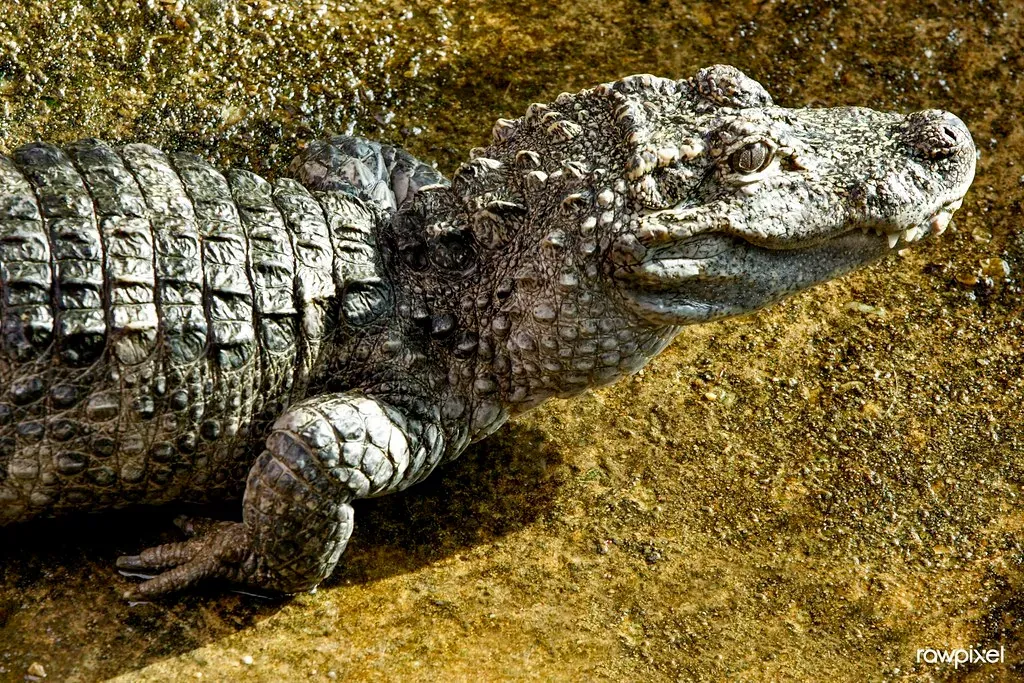
Let’s be real: the instinct to “deal with it” is very human. Maybe the gator wandered into your yard. Maybe it’s sunning itself too close to your kids’ play area. Maybe you think you can shoo it away, trap it, or relocate it. Please don’t.
Unpermitted killing, harming or transporting of an alligator is considered a third-degree felony. Florida takes this seriously, and rightfully so. These are protected animals, and the law exists for good reason.
For 2026, the most important thing to know is this: you cannot legally decide to handle an alligator problem on your own. Florida law and FWC guidance are built around public safety, wildlife protection, and controlled removal by authorized professionals. If you see an alligator near your home, trying to capture, relocate, injure, or kill it yourself can create serious legal and safety problems.
Call the FWC’s Nuisance Alligator Hotline at 866-FWC-GATOR (866-392-4286) if you believe an alligator poses a threat to people, pets or property. They will dispatch a trained trapper who knows exactly what to do. That call takes thirty seconds. It’s always the right move.
The Bottom Line: Respect the Gator, Respect the State
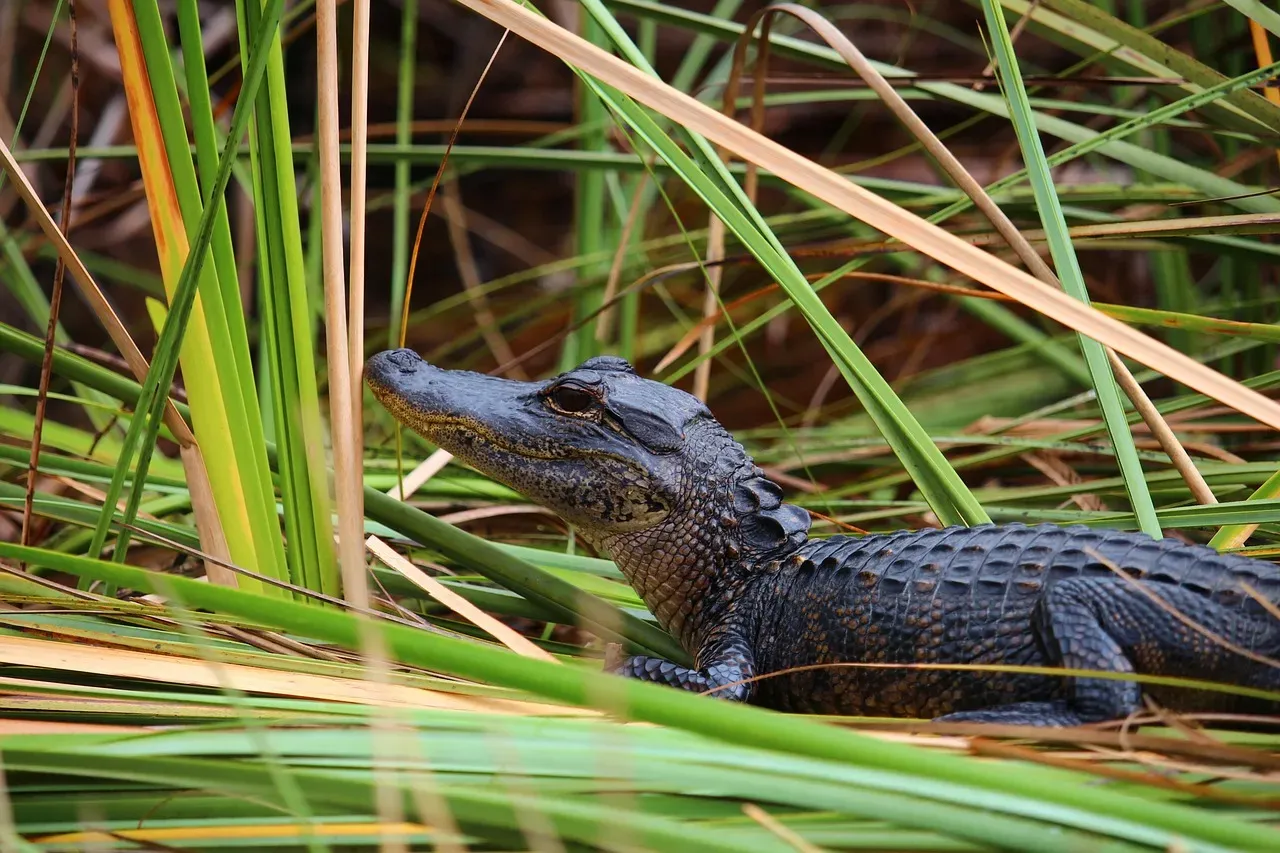
Florida’s alligators aren’t villains. They’re ancient, fascinating creatures that have called this land home far longer than any human has. FWC reports 500 unprovoked bites since 1948, including 32 fatal – across more than seven decades. That’s a remarkably low number given how many millions of people live alongside these animals every single day.
The likelihood of a Florida resident being seriously injured during an unprovoked alligator incident in Florida is roughly only one in 3.1 million. Perspective matters here.
The encounters that turn dangerous almost always come back to one thing: human behavior. Feeding, approaching, swimming in the wrong places, making poor decisions in the heat of a moment. The gators are just doing what gators do.
Stay aware, stay respectful, follow the rules, and this state’s most iconic reptile will almost certainly leave you alone. Florida is wild and beautiful precisely because of creatures like the alligator. Would you want it any other way?
