

Picture this. The house has gone still after everyone turns in for the night. Hallways stretch empty under dim lights, yet your dog suddenly plants its feet and unleashes a series of sharp barks at the vacant space ahead. Most owners brush it off as random noise or an overactive imagination, but the pattern often points to something more specific in how dogs experience their surroundings.
Those moments deserve a closer look because they reveal differences in perception that humans simply do not share. Understanding the triggers can turn confusion into useful awareness about what might actually be happening in the home.
Canine Hearing That Outperforms Ours

Dogs detect sound frequencies well above the range most people can register. A faint rustle from wiring, a distant rodent in the walls, or even the hum of an appliance can register clearly to them while remaining silent to us. This expanded range explains many nighttime outbursts that seem to target empty air.
Owners sometimes notice the barking repeats in the same spot night after night. That consistency often lines up with a steady source like a loose vent or small pest activity rather than random behavior. Paying attention to the location helps narrow down what the dog might actually be registering.
The Power of Their Sense of Smell

A dog’s nose processes scents at levels far more detailed than human capabilities allow. Traces left by visitors earlier in the day, changes in household items, or even subtle shifts from outside air seeping in can linger in a hallway long after the source has moved on. These odor trails stay vivid to the dog even in complete darkness.
Nighttime often brings cooler air that moves scents around differently than during the day. A dog may react to something carried in from an open window or a pet door that went unnoticed earlier. Tracking these patterns over several evenings can reveal whether the trigger stays consistent or shifts with weather and activity.
Visual Advantages in Low Light
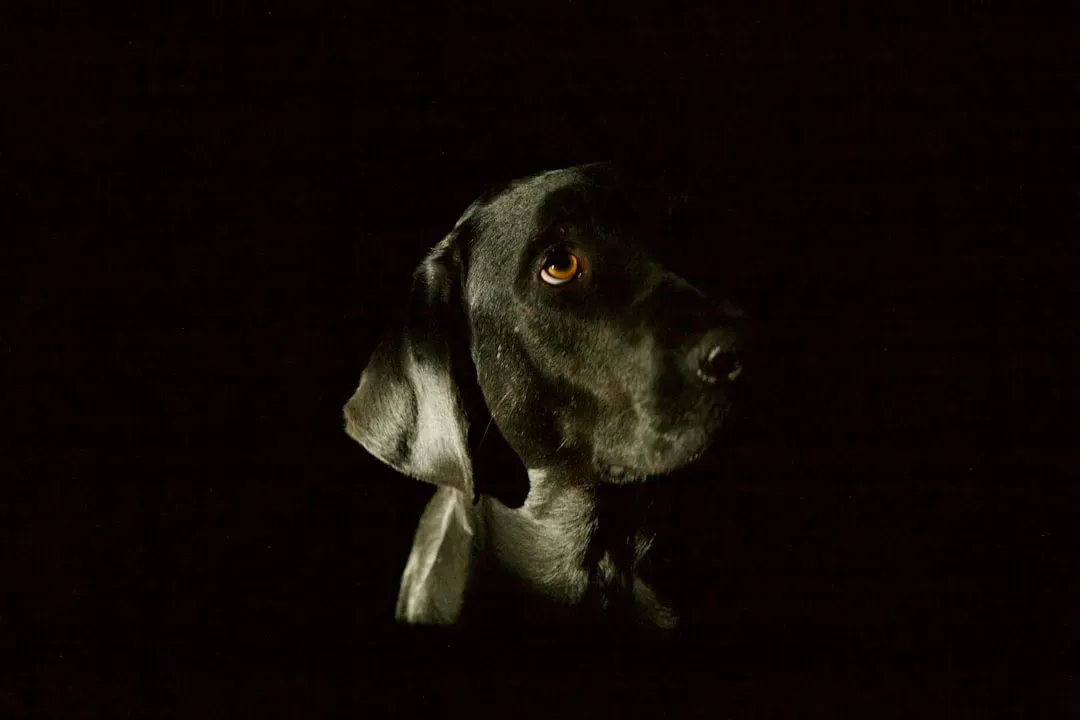
Dogs retain better vision in dim conditions thanks to more rod cells in their eyes. What looks like total blackness to a person can still show shapes or movement to them. Reflections from streetlights or the glow of electronics sometimes create enough contrast for a dog to fixate on a corner or doorway.
Some dogs also react to their own reflection in a mirror or glass surface that only becomes noticeable after lights go out. Others pick up on insects or small animals that move along baseboards. Observing whether the barking stops when a light is turned on can point to a visual cue rather than sound or smell alone.
Possible Health Concerns to Consider

Occasional barking at empty spaces rarely signals a problem on its own. Yet repeated episodes in older dogs sometimes connect to changes in hearing or vision that make ordinary stimuli feel more startling. A sudden increase in the behavior can also reflect discomfort from joint pain or other physical issues that keep the dog restless at night.
Veterinarians often suggest a checkup when the pattern changes without an obvious environmental cause. Simple adjustments like adding night lights or ensuring a comfortable resting spot sometimes reduce the episodes. Ruling out medical factors first keeps the focus on the right solutions.
Signs of Anxiety or Stress

Some dogs develop the habit because past experiences taught them that certain areas feel uncertain after dark. Thunder, fireworks, or even a single loud event can create lasting associations that surface later without the original trigger present. The hallway itself may hold no threat, yet the memory lingers.
Body language offers clues here. A stiff posture, tucked tail, or pacing alongside the barking suggests unease rather than simple curiosity. Addressing the underlying stress through routine, enrichment, or professional guidance often brings calmer nights without needing to pinpoint every sound.
Practical Steps to Investigate

Start by noting the exact time, location, and any recent changes in the home. Small adjustments like securing loose objects, sealing gaps, or moving electronics can eliminate common sources. Recording a short video on a phone during the next episode sometimes captures movement or noise that was missed in the moment.
Consistency matters more than dramatic changes. Testing one variable at a time, such as leaving a light on or closing a particular door, shows whether the barking decreases. Many owners find that a combination of small fixes resolves the issue without major disruption to the household.
Why Paying Attention Matters for Everyone

Dogs serve as early warning systems in ways that go beyond simple companionship. Their reactions can highlight maintenance needs, pest issues, or even security gaps before they become larger problems. Ignoring the signals entirely risks missing opportunities to keep the home safer and more comfortable for everyone inside it.
At the same time, the bond between owner and dog grows stronger when those moments receive thoughtful responses instead of dismissal. A quiet hallway at night holds different meaning once the reasons behind the barking become clearer. That awareness turns a puzzling habit into a practical part of shared daily life.

- 14 Things Rescue Dogs Do on Their First Night Home That Break Everyone's Heart - August 5, 2026
- 16 Animals Vets Say Form Bonds With One Person That Rival Any Dog – Most Families Never Expect Them - August 5, 2026
- 13 Gentle Signs a Senior Dog Is Saying Something Most Owners Don't Realise Until Later - August 5, 2026