

Cheetahs are widely known as the fastest land animals, capable of reaching incredible speeds of up to 60-70 miles per hour. This unique capability sets them apart from other predators in the animal kingdom. However, their reliance on speed goes beyond the mere ability to chase down prey. Cheetahs utilize a strategic blend of acceleration and precision to ensure that their hunting efforts are not wasted. The initial phase of the hunt involves patiently stalking their target from a distance of about 100 to 200 meters. Once close enough, the cheetah’s explosive acceleration comes into play. This quick burst of speed is often enough to close the gap between predator and prey, minimizing the energy expenditure that could come from a prolonged chase.
Strategic Stalking and Camouflage

Cheetahs employ their characteristic spotted coats not just for aesthetics but as an effective tool for blending into their environments. When they spot potential prey, usually in the form of smaller ungulates such as gazelles or impalas, they crouch low to the ground, using the tall grasses of the savanna as natural cover. This element of surprise is crucial for cheetahs because it allows them to get within striking distance without being detected. The element of camouflage, combined with their patient stalking techniques, ensures that cheetahs can increase their chances of a successful hunt.
Choosing the Right Prey
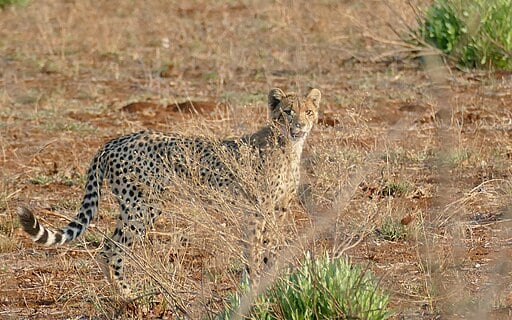
Cheetahs demonstrate remarkable selectivity when it comes to choosing their targets. They tend to opt for smaller or younger animals that are less likely to outrun them or put up significant resistance. This choice is not just due to ease of capture; it is also strategic to conserve energy. A cheetah’s high-speed chases are intense but short-lived, and such exertions require significant recovery time. By focusing on prey that can be subdued quickly, cheetahs not only increase their success rate but also minimize the risk of injury and conserve valuable energy for future hunts.
The Importance of Timing

Timing is everything for a successful cheetah hunt. Cheetahs prefer to hunt during daylight hours, especially in the cooler periods of early morning or late afternoon. This timing is intentional; during these hours, other predators like lions or hyenas, which might steal their kill, are less active. Moreover, cooler temperatures prevent overheating—a crucial factor since cheetahs can easily overheat due to the intense exertion required during a hunt. By timing their hunts strategically, cheetahs increase their success rate while mitigating the risk of losing their hard-earned catch to rival predators.
Agility and Precision
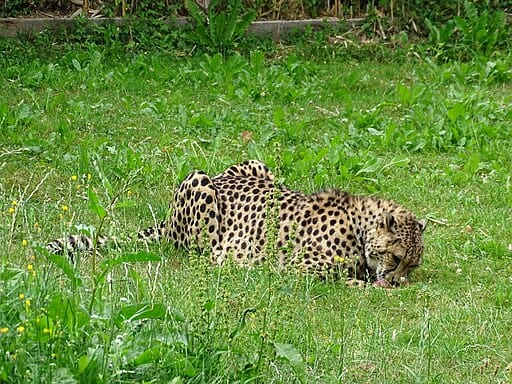
While the cheetah’s speed is its most famous attribute, its agility and precision are equally important in ensuring a successful hunt. Cheetahs can make sharp, quick turns to match the evasive maneuvers of their agile prey. This impressive agility is largely due to their specialized musculoskeletal system, which includes a flexible spine, long legs, and a unique tail that acts as a rudder to maintain balance during high-speed chases. As a result, even when prey attempts to zigzag and escape, the cheetah can quickly adjust its path, ensuring it stays locked onto its target.
In conclusion, the cheetah’s hunting prowess is a fascinating blend of natural abilities and learned behaviors. While speed is the most well-known aspect of their hunting strategy, features like camouflage, prey selection, timing, and agility all play critical roles in their success as predators. Together, these strategies ensure cheetahs remain one of the most efficient and adept hunters in the wild, highlighting the remarkable adaptations that have evolved in these majestic creatures over time.

- 8 Things You Should Never Do When You See a Wolf - July 23, 2026
- How Much Exercise Does Your Dog Need? - July 23, 2026
- Why You Should Never Feed Bears in Campgrounds - July 23, 2026