
You’ve probably noticed your dog staring at the door with those hopeful eyes, or maybe they’re bouncing off the walls by dinnertime. Exercise is clearly important to them. We all know dogs need movement, but here’s the thing: figuring out exactly how much can feel like guessing. Too little and you’re dealing with chewed-up furniture or midnight zoomies. Too much and you might actually harm their joints without realizing it.
The answer isn’t as simple as “one walk a day.” Some dogs could practically run a marathon while others are content with a stroll around the block. Let’s dive in and figure out what your furry friend actually needs.
Why Exercise Matters for Your Dog’s Health
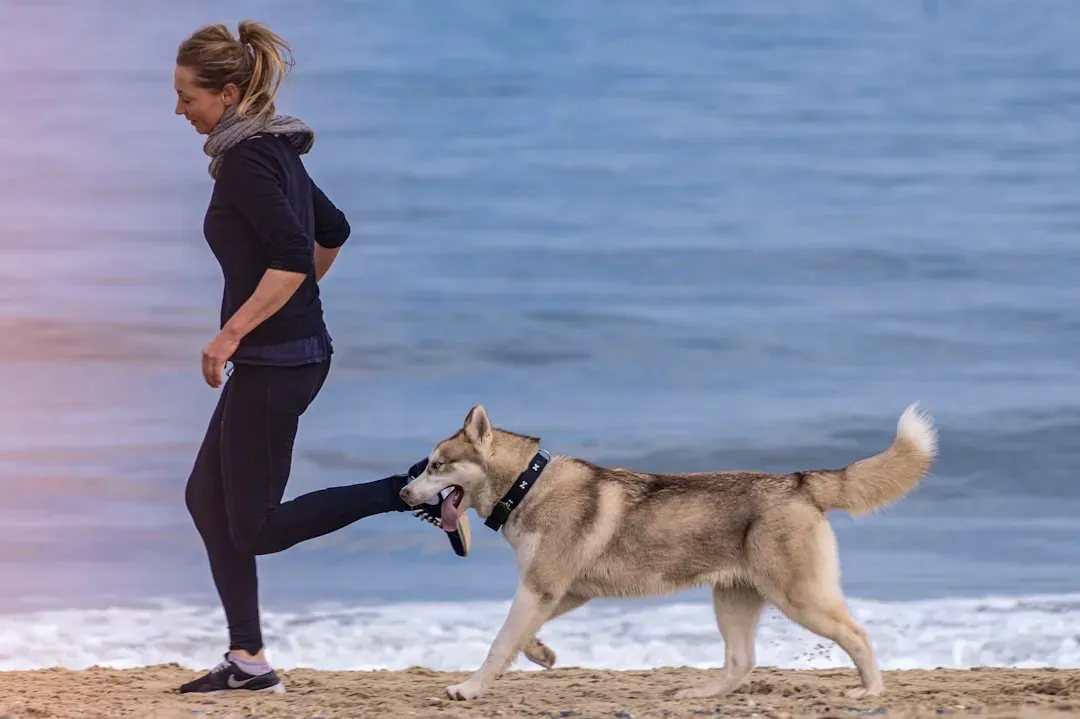
Exercise is good for you, and it’s good for your furry friends too. Think about all the ways exercise is good for you. It helps you maintain your joint health, relieve stress, and strengthen muscles. The same holds true for your dog.
Regular exercise is essential for maintaining your dog’s physical health. It helps prevent obesity, strengthens muscles, supports joint health, and promotes cardiovascular fitness. Honestly, when you think about it, carrying extra weight is linked to conditions that can shorten their lives significantly.
There’s also the mental side. Exercise can actually reduce the cortisol levels in your dog. Cortisol is directly associated with stress and anxiety. Lowering the cortisol levels can help your pet release endorphins, leading to a happier and less anxious dog. I think that’s why so many dogs seem genuinely joyful after a good run.
Breed Differences That Actually Matter
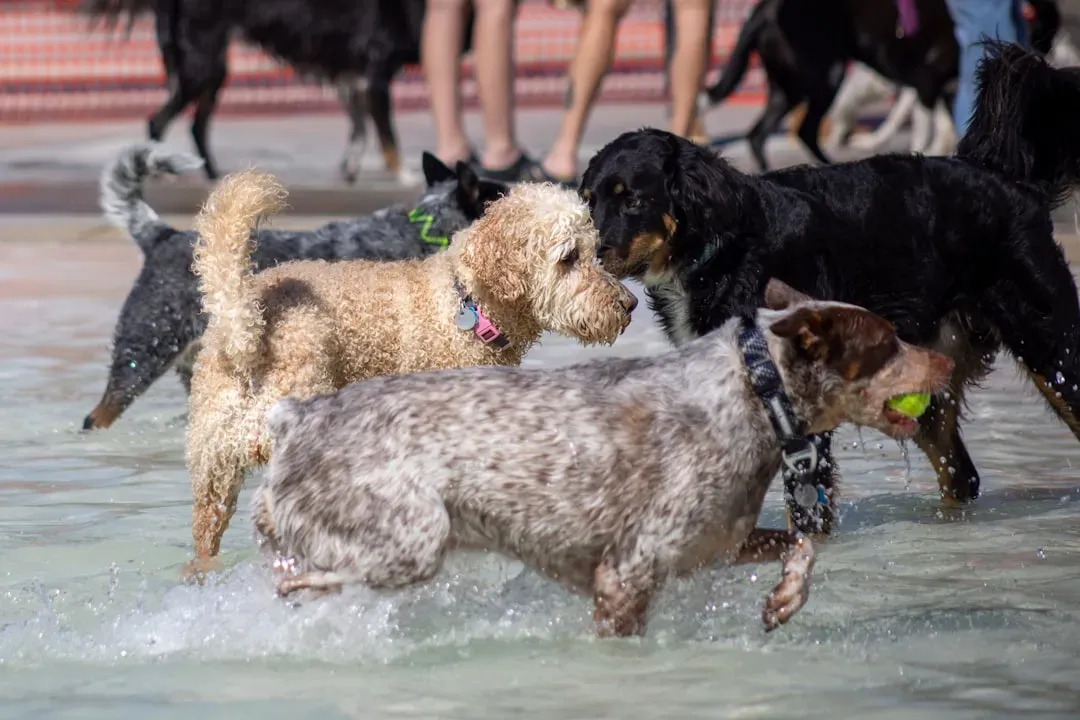
Let’s be real: not all dogs are built the same. Sporting dogs like Labradors and Golden Retrievers were bred for high-energy tasks like retrieving and swimming. These breeds thrive on regular, vigorous activities such as running, hiking, or dog sports. Aim for at least 90 minutes of exercise daily to keep them content. If you’ve got a Border Collie or Australian Shepherd, you’re looking at a similar situation – these dogs basically invented the concept of boundless energy.
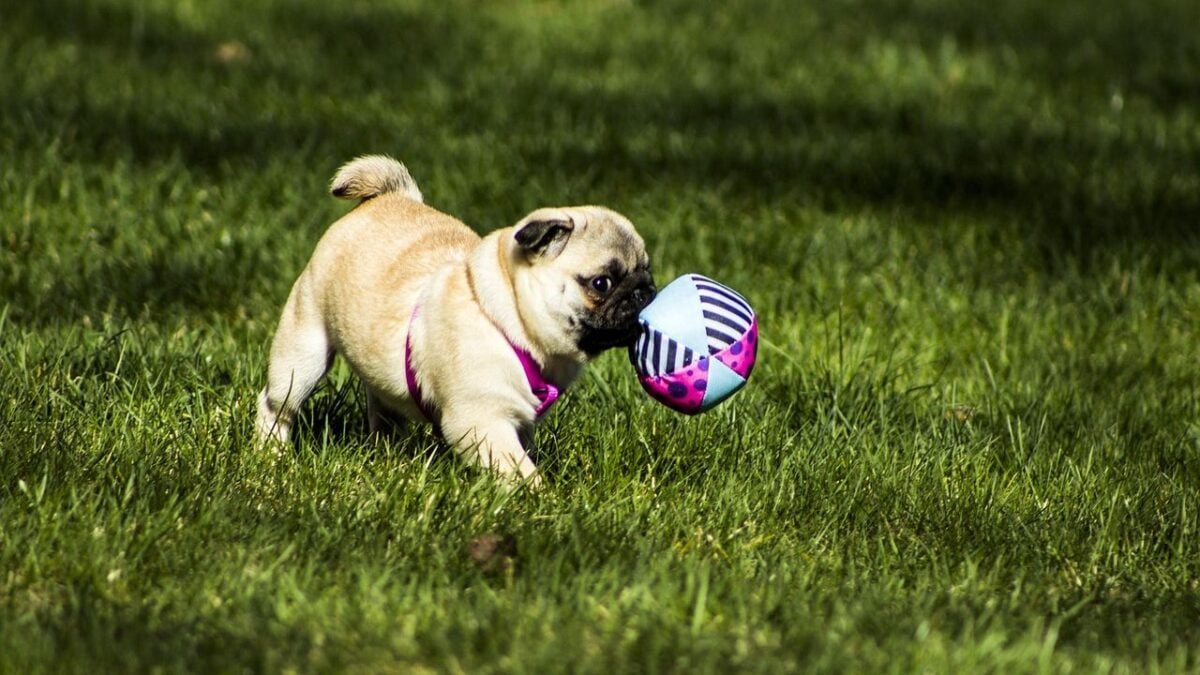
Flat-faced breeds like Bulldogs, Pugs, and Shih Tzus benefit more from shorter walks and low-key exercise. These smoosh-faced pups tend to have heat intolerance issues, which makes sense when you consider their anatomy. A ten-minute walk in mild weather might wear them out more than you’d expect.
Sighthounds like Greyhounds and Whippets need 30-45 minutes per day of moderate exercise with an occasional short burst of running. Interestingly, despite being the fastest dogs on the planet, they don’t require constant marathons. They’re more like sprinters than long-distance runners.
Size Isn’t Everything (But It Still Counts)
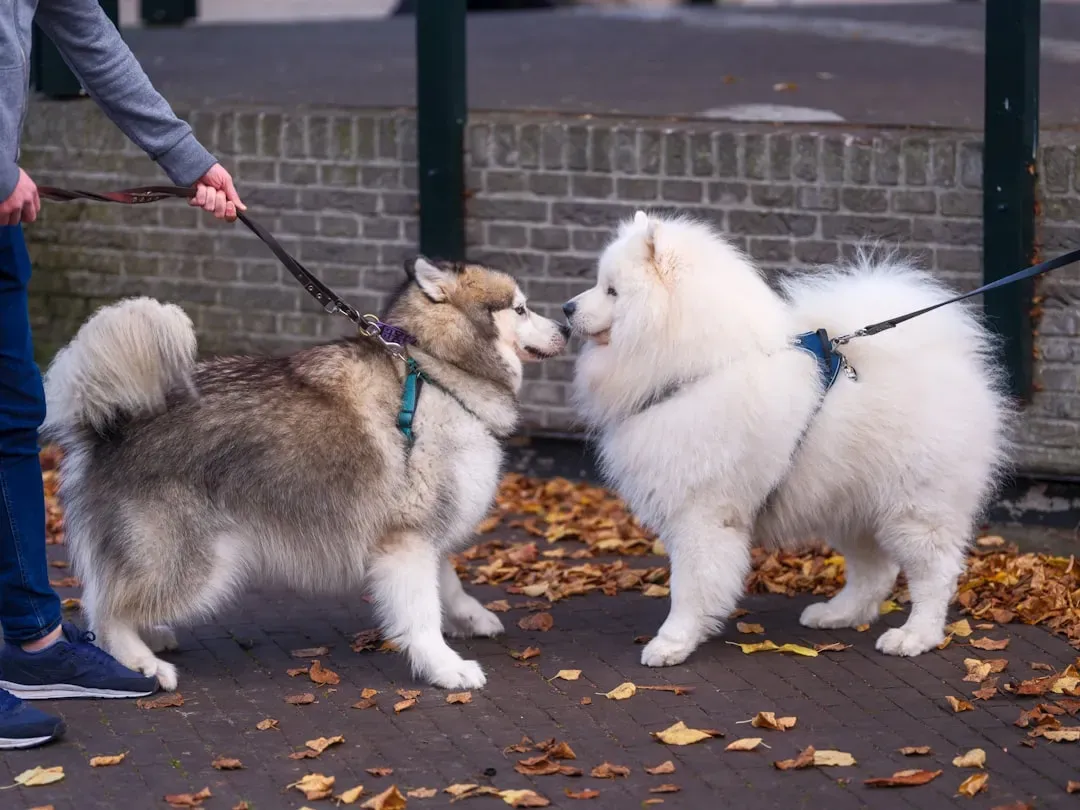
Here’s something that might surprise you: bigger dogs don’t always need more exercise. Bigger dogs don’t necessarily need more exercise, and they often require gentler movement for their large frames. Giant breeds like Great Danes, Newfoundlands, and Saint Bernards, are prone to hip and joint issues. Low-impact activities, such as short walks, swimming, or treadmill sessions, can keep them active without adding strain.
Small dogs can often meet many of their exercise needs indoors. Short walks, games of fetch, or running laps around the house can provide sufficient activity. That said, don’t fall into the trap of thinking tiny dogs don’t need outdoor time at all – they still crave mental stimulation from new sights and smells.
The key is understanding that a Saint Bernard’s gentle stroll might be equivalent to a Jack Russell’s full sprint in terms of what their body can handle. Different dogs, different rules.
Puppies Need Movement (But Not Too Much)
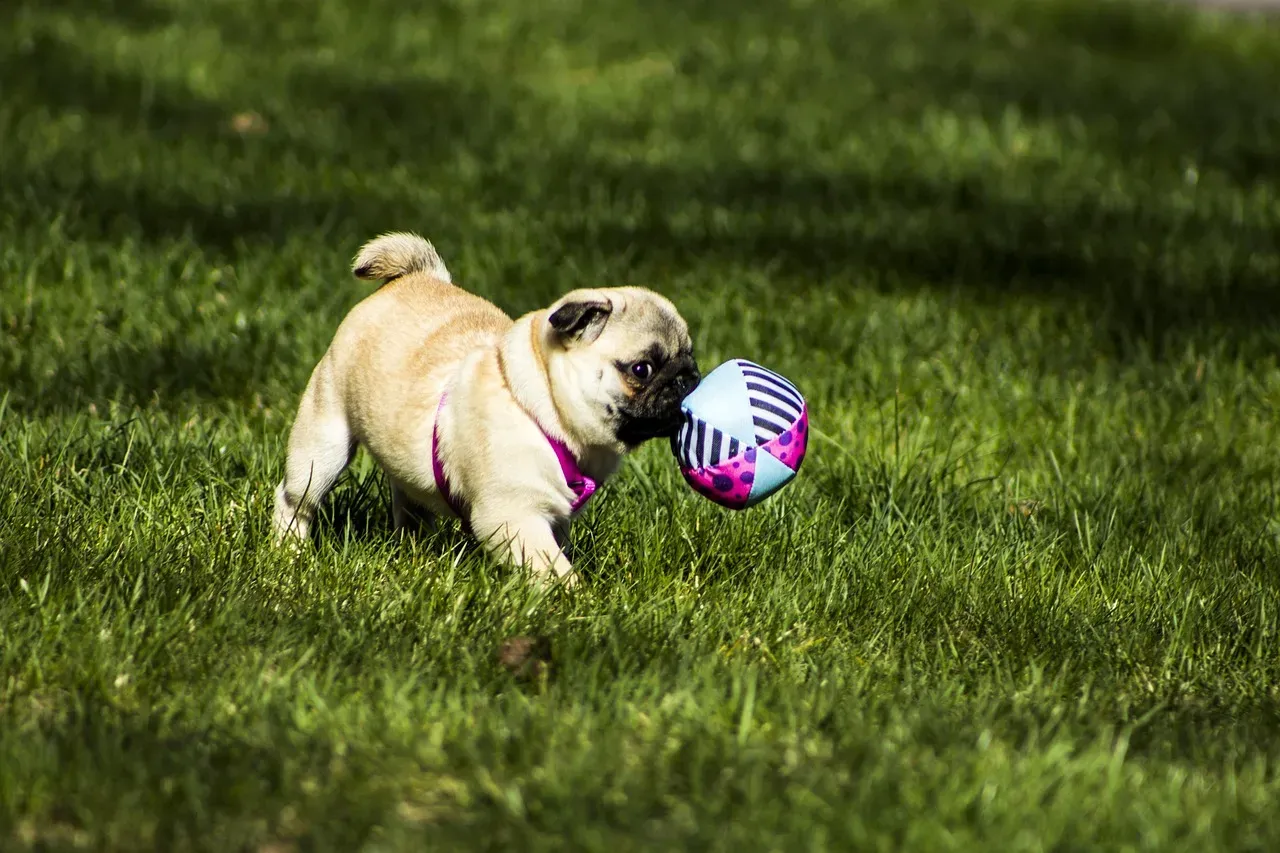
Puppies are adorable little chaos machines, but their exercise needs are surprisingly delicate. Veterinary researchers recommend that puppies can go for walks for about five minutes multiplied by every month of their age, once or twice a day, depending on speed of walk and how much time you have available. So a three-month-old puppy gets roughly fifteen minutes of formal exercise at a time.
It may seem like puppies have boundless energy, but their joints and muscles are still developing and it’s important for them to take breaks. Short, controlled play sessions and age-appropriate activities are best. Avoid repetitive, high-impact exercises like long runs while they are still growing. I know it’s tempting to bring your puppy on that big hike, especially when they seem so eager, but their growth plates are vulnerable to injury.
Let them play freely at their own pace. Pups naturally alternate between active play and rest. For example, an eight-week-old pup may play for 30–60 minutes and nap for one to two hours during the day with eight hours sleep at night. Allow puppies to set their own pace. They’re actually pretty good at self-regulating if we let them.
Adult Dogs in Their Prime Years
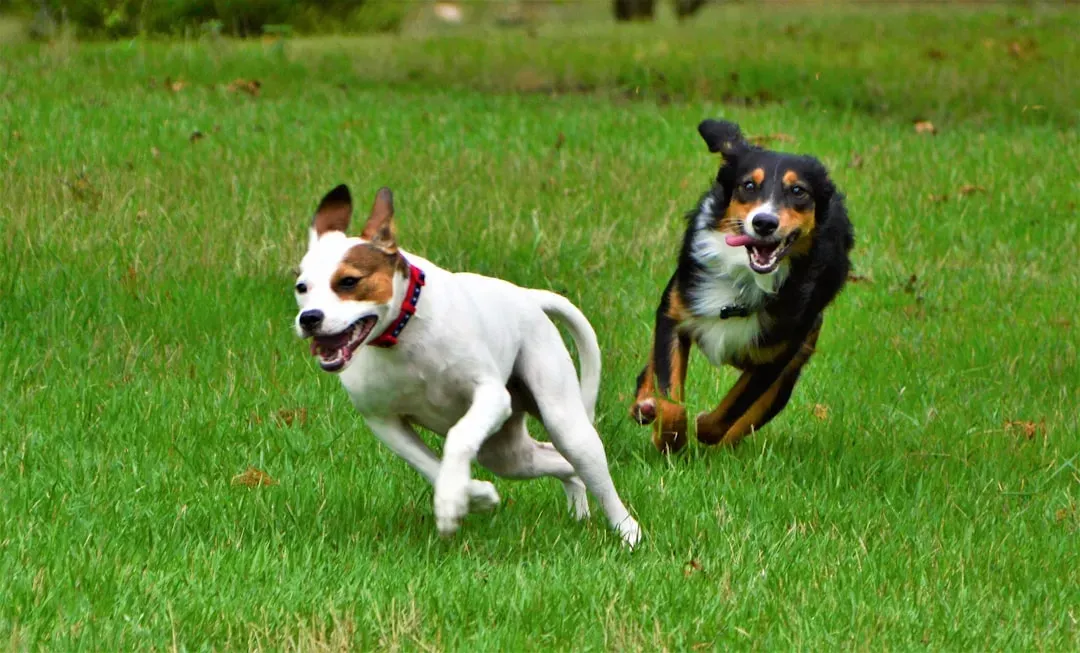
Most vets suggest dogs require between 30 minutes to two hours of exercise per day. That’s a pretty wide range, right? The specifics depend on what your dog was bred to do and their individual personality.
Labrador Retrievers are affable, energetic dogs who need an abundance of daily exercise. Somewhere between one and one-and-a-half hours of vigorous activity is about right for the breed. These are dogs that were literally designed to work alongside hunters all day long. Meanwhile, Bulldogs aren’t a top priority for exercise. A walk around the block and a few minutes romping in the yard are usually enough. Bulldogs are couch potatoes who are happy to doze through the day, but that doesn’t mean you’re off the hook regarding exercise: Regular walking and activity are necessary for health and to prevent unwanted weight gain. Set aside 20 minutes for a walk and play a little fetch indoors, and your bulldog will be happy.
High-energy breeds like German Shorthaired Pointers? The German Shorthaired Pointer needs a full two hours of varied exercise every day. These dogs won’t be satisfied with a leisurely stroll – they need intensity and variety.
Senior Dogs Deserve Thoughtful Exercise Too
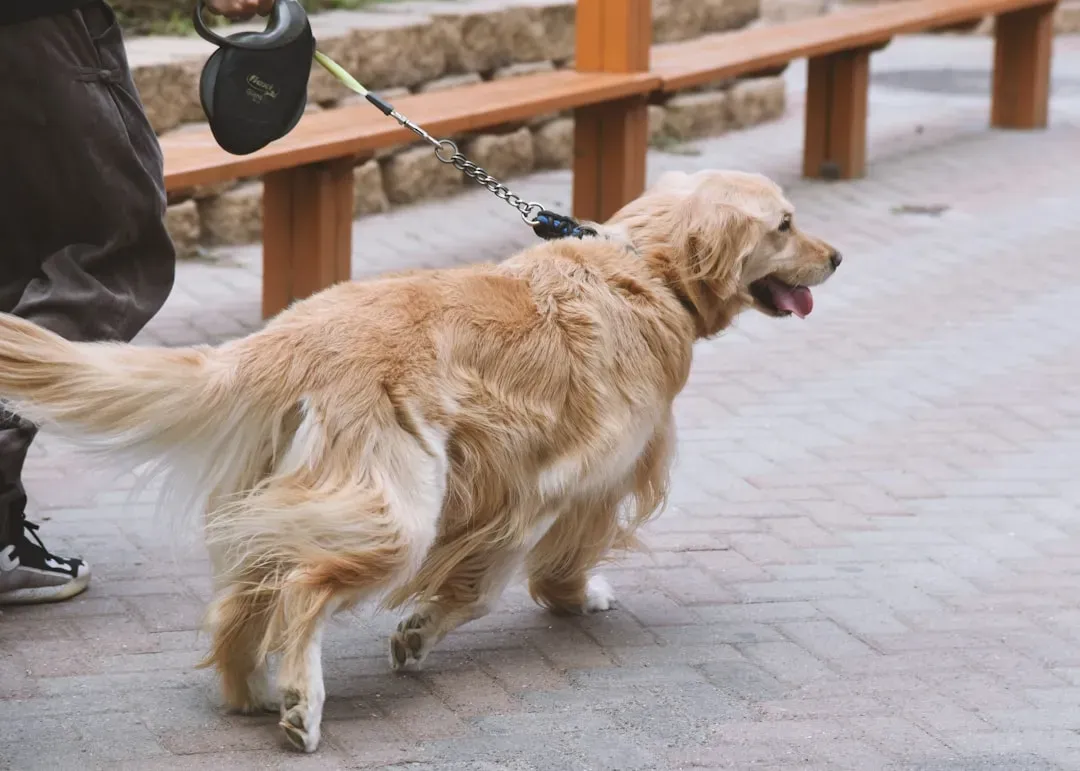
It’s generally recommended that senior dogs get at least 30 to 60 minutes of exercise daily. However, the intensity shifts dramatically. While seniors still need at least 30 minutes of exercise per day, what does change is the intensity required to maintain optimal health. Where puppies and adult dogs often require high-intensity exercise, seniors may only need low-impact exercises such as slow walks and puzzles to keep their bodies in good shape and their minds sharp.
Don’t stop walking. Your dog might not be able to go on longer walks anymore but they still need the opportunity to get outdoors every day to sniff, stretch their legs and get some fresh air. Make sure you keep to a fairly short route in case your dog gets tired. Watch for stiffness after walks – that’s your signal to dial things back a bit.
Swimming is fantastic for older dogs with joint issues. Slow walks, swimming with a life jacket, and fetch with soft toys are great ways to exercise an older dog. Always remember to allow them to set the pace and pay close attention to their energy levels. My own dog started slowing down around age nine, and I found that multiple shorter walks worked better than one long outing.
Signs Your Dog Isn’t Getting Enough Exercise
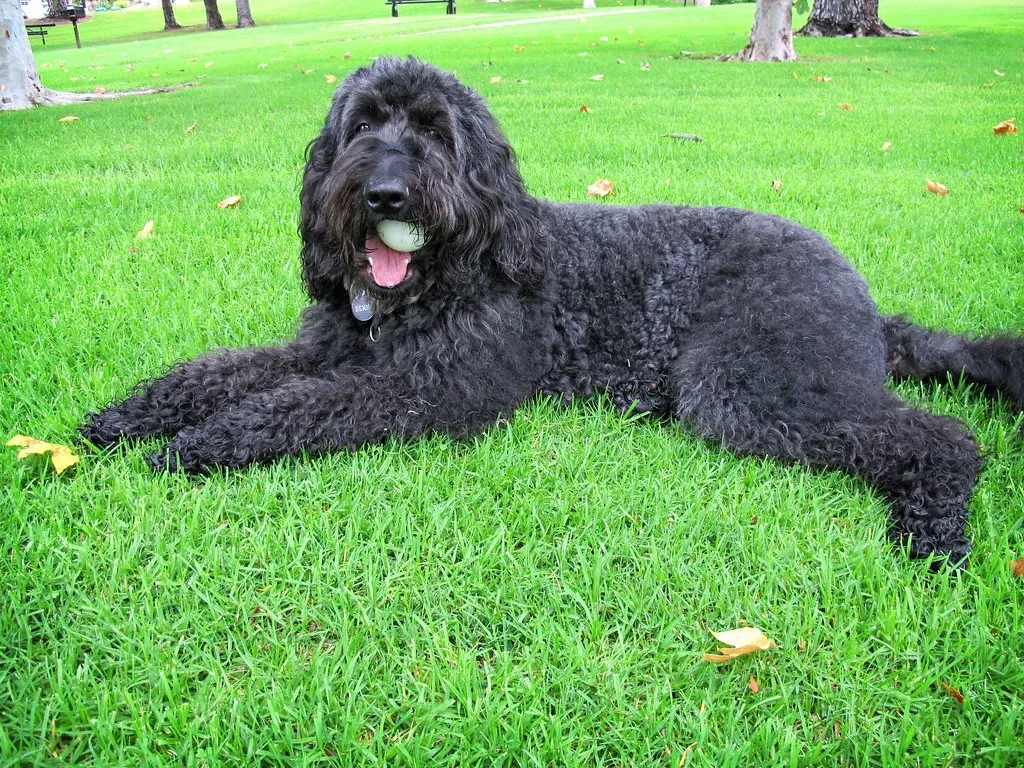
Behavioral problems, and especially destructive behavior, are commonly a result of not getting enough exercise. Many dogs, especially high-energy breeds, become bored and frustrated if they don’t get enough outdoor exercise and mental stimulation. If your dog is starting to chew things around the house, scratch or dig at doors, or raid the kitchen or trash can, the problem might be not enough exercise. It’s honestly one of the most common reasons people call trainers in frustration.
The most obvious sign that your dog needs more exercise is if they’ve started to gain weight. It’s hard to resist giving your dog a delicious treat when they look so sweet! But excess weight can eventually lead to more serious health problems such as diabetes and joint pain. You should be able to feel their ribs without pressing hard.
Dogs who can’t get their zoomies out or quiet their mind often struggle to settle down. This constant state of high arousal can make daily life stressful for both you and your dog. It may make training more challenging and lead to behavioral issues, such as reactivity. Ever had a dog that just won’t stop pacing? That’s often a red flag.
The Danger of Overdoing It
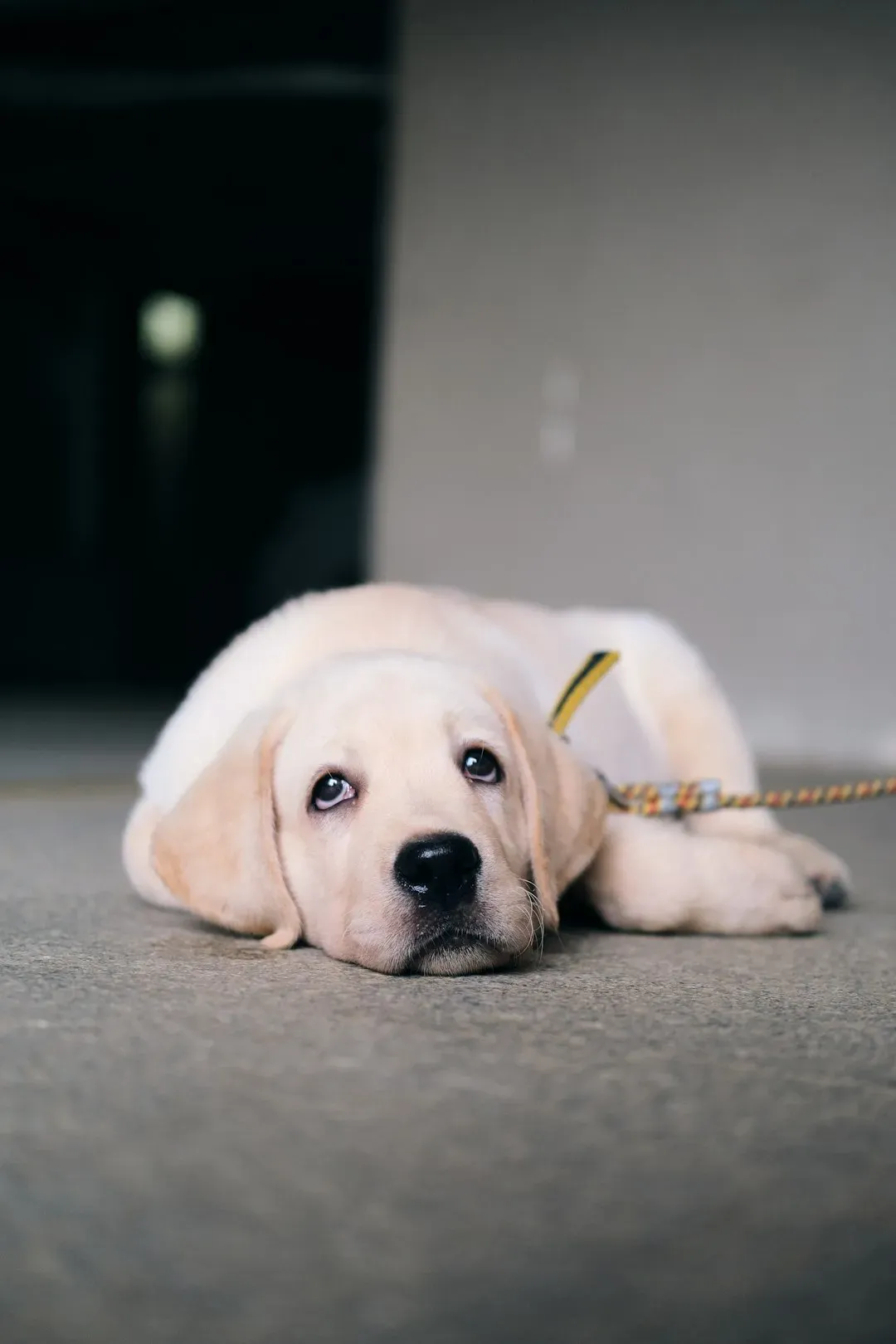
Here’s the thing people don’t talk about enough: you can actually give your dog too much exercise. Exercising your dog is important – but there can be too much of a good thing. Excessive physical activity, especially in puppies or senior dogs, can strain joints and muscles, leading to injuries or long-term issues like arthritis. Striking the right balance is key.
Some dogs have such a strong drive to work and play that they’ll push through severe fatigue and potential injury. That is the real danger. It is up to the pet parent to set boundaries and limit the high-drive dog to avoid over-exercise-related injury and exhaustion. Labs and Border Collies are notorious for this – they’ll run until they literally collapse if you let them.
Too much exercise can cause overexertion, which can hurt a dog’s joints and bones and, in some cases, lead to heat exhaustion or heatstroke. If the body temperature increases to above 106 degrees, it can be life-threatening. Aside from causing potentially life-threatening hyperthermia, dogs can also become dehydrated or have difficulties breathing. Watch for excessive panting, limping, or reluctance to continue – these are your dog telling you they’ve had enough.
Pay attention if your normally enthusiastic dog suddenly seems resistant to their usual activities. Muscle soreness and stiffness can develop over time from chronic overexertion.
Conclusion: Finding Your Dog’s Sweet Spot
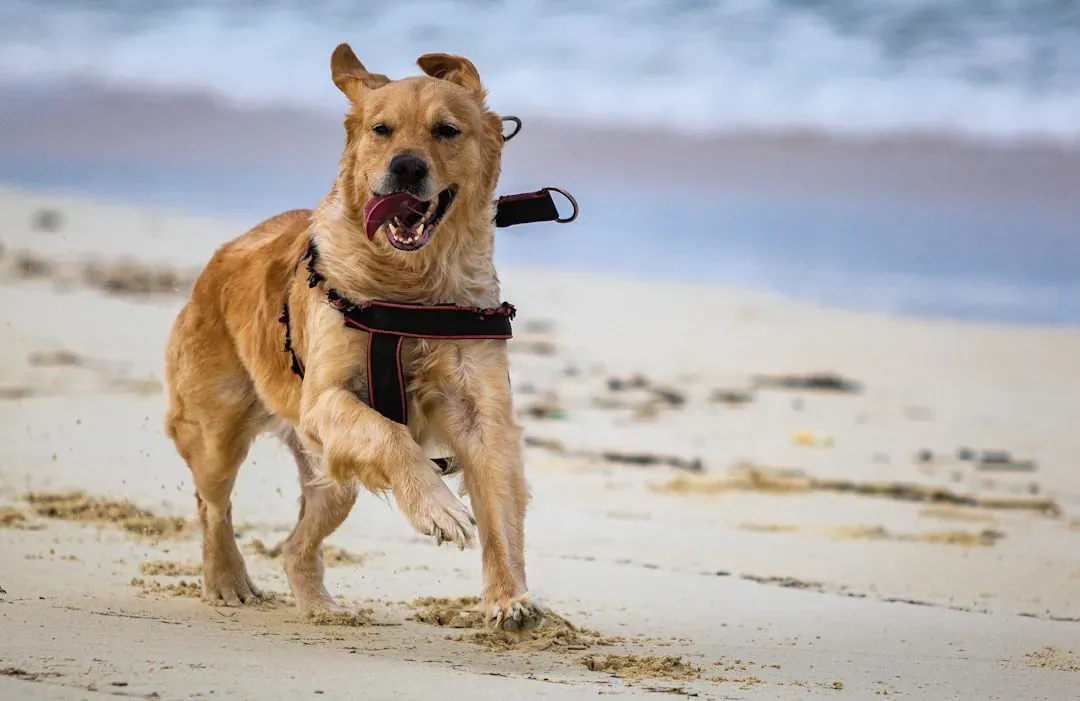
Every dog is different, and that’s what makes this both challenging and important. The Labrador who needs ninety minutes of fetch isn’t better or worse than the Bulldog content with twenty minutes of gentle walking – they’re just different.
The right amount of exercise for a dog varies based on their breed, how old they are, and any underlying health concerns. Some less active dogs do great with daily walks, while other more active dogs need more robust activities. Understanding your dog’s unique considerations will help you ensure they are getting the exercise they need to be happy and healthy.
Start by considering your dog’s breed, age, and current fitness level. Watch their body language during and after exercise. Are they happily tired or completely exhausted? Do they wake up stiff the next day or ready for more? Your dog will tell you what they need if you pay attention.
What’s your dog’s exercise routine like? Did any of these guidelines surprise you? Share your thoughts in the comments!

- The Largest Salmon Run Ever Seen in U.S. Rivers - July 23, 2026
- 8 Things You Should Never Do When You See a Wolf - July 23, 2026
- How Much Exercise Does Your Dog Need? - July 23, 2026