

There’s something humbling about standing at the edge of a canyon. Looking down into those layers of ancient rock, you realize you’re staring at millions of years of Earth’s history written in stone. The United States is blessed with some of the most spectacular canyons on the planet, each one telling its own story through swirling colors, towering cliffs, and landscapes that almost seem too beautiful to be real.
While most people immediately think of the Grand Canyon, there are other geologic marvels scattered across the country that deserve just as much admiration. These deep gorges offer not just stunning views but also fascinating glimpses into the forces that shaped our planet. Let’s explore five canyons that showcase nature’s incredible power and artistry.
Kings Canyon: California’s Granite Masterpiece
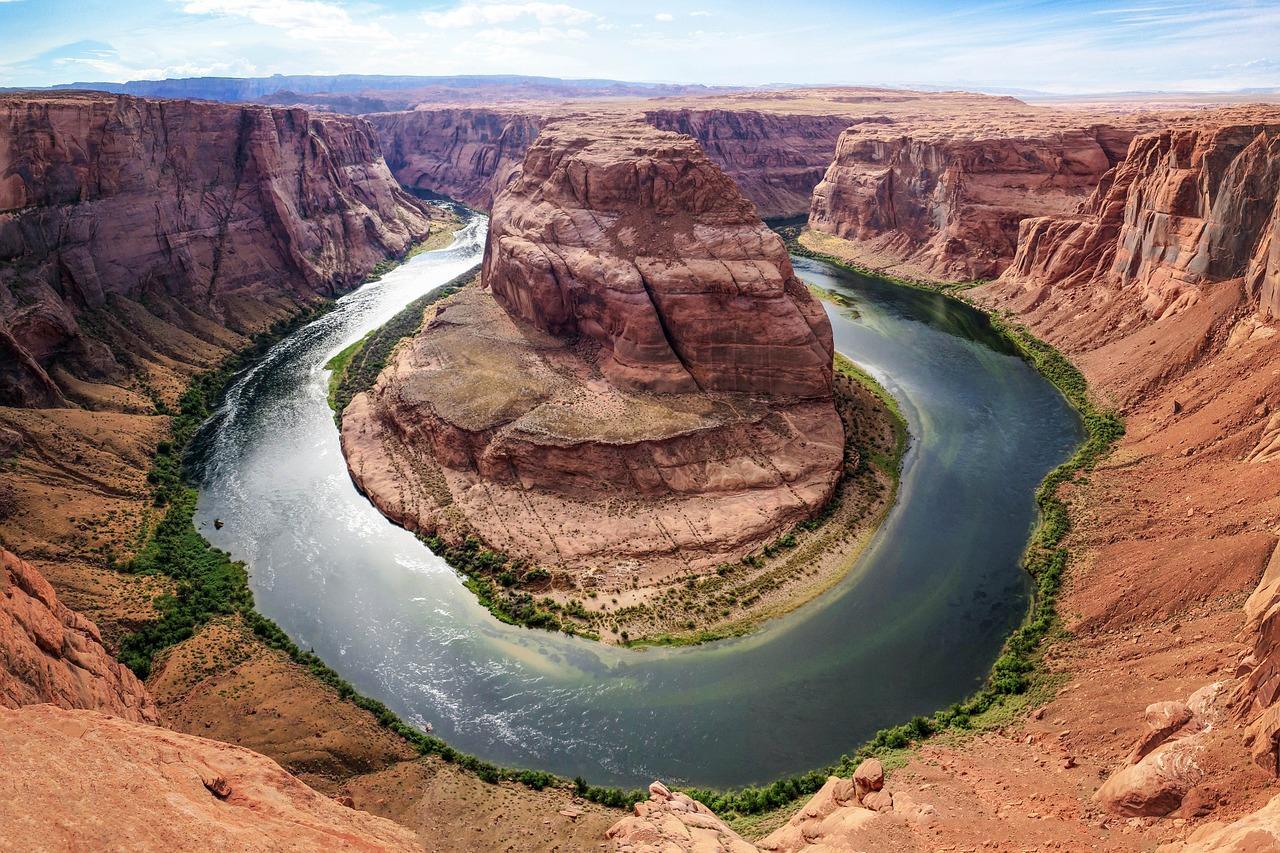
Tucked away in California’s Sierra Nevada mountains, Kings Canyon plunges to depths of 7,700 feet, making it one of the deepest canyons in North America. What makes this place truly special is its glacial heritage. The canyon is a glaciated valley, known for its high granite peaks and steep, rugged terrain with U-shaped valleys and sharply carved walls.
The surrounding national park is home to crystalline alpine lakes and over 1,200 plant species, including the world-famous General Grant Tree. The Kings River cuts through the canyon floor, continuing the work that ice and water began millions of years ago. It’s honestly a place where you feel dwarfed by the sheer scale of everything around you.
Black Canyon of the Gunnison: Colorado’s Dark Wonder
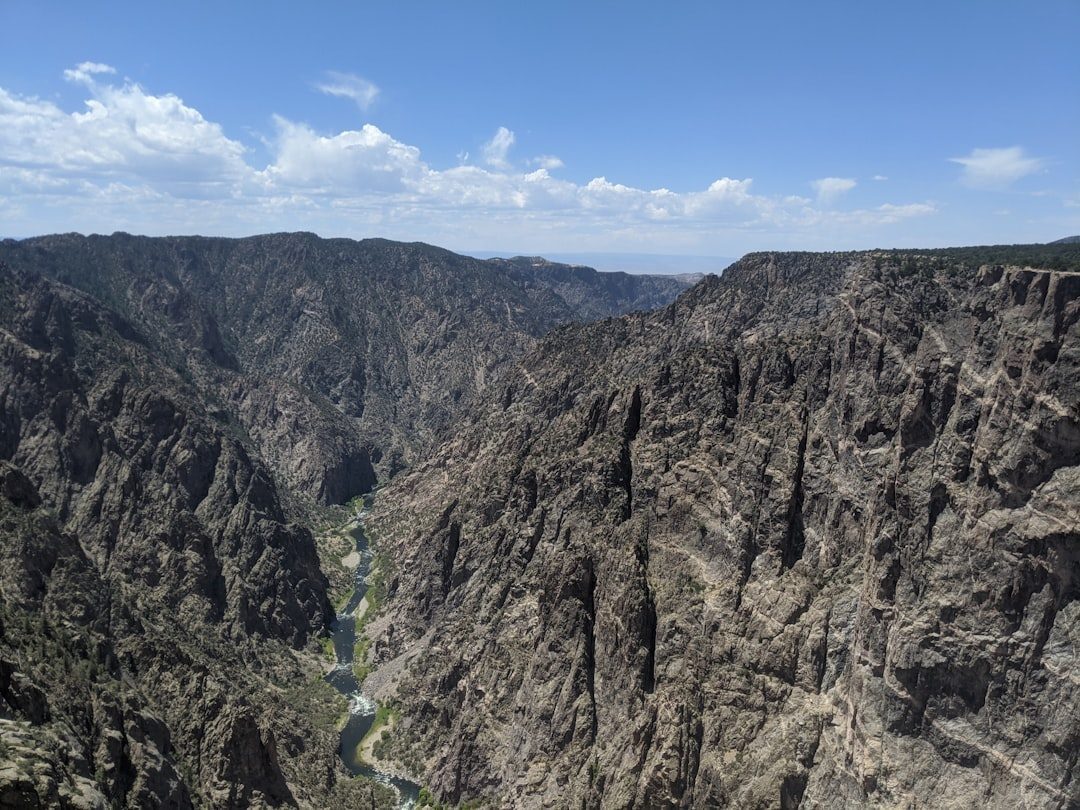
Nestled within western Colorado, the Black Canyon of the Gunnison is a stunning geological marvel with sheer cliffs and a narrow gorge that plunges to depths of up to 2,722 feet. The name isn’t just for show. The canyon’s dramatic landscape is characterized by its dark, metamorphic rock and the stark contrast of shadows and light cast by the sun throughout the day.
Here’s the thing about the Black Canyon: it’s incredibly narrow relative to its depth, which creates an almost claustrophobic sense of scale when you peer down into it. The Gunnison River has sculpted its walls over the course of two million years. The rock formations are some of the oldest and most dramatic you’ll find anywhere, exposing layers that go back nearly two billion years.
Waimea Canyon: Hawaii’s Tropical Surprise
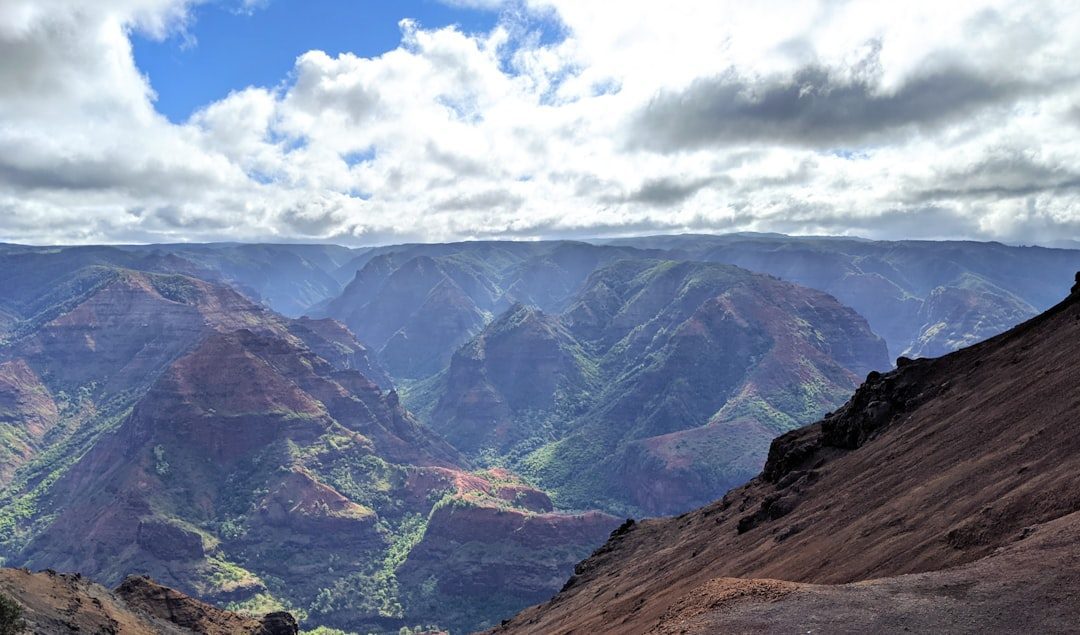
Located on the island of Kauai, Waimea Canyon is approximately 14 miles long and 1 mile wide, plunging to depths of up to 3,600 feet. Often called the Grand Canyon of the Pacific, this geological wonder offers something completely different from its mainland cousins. Its bright colors mix verdant greens, rich reds, and deep browns, all interspersed with cascading waterfalls and dramatic cliffs.
The canyon was formed not only by natural erosion but also by the catastrophic collapse of the volcano that created Kauai. The combination of volcanic activity and relentless tropical erosion created layers of color that shift depending on the light and weather. It’s hard to say for sure, but standing there amid the lush greenery while looking into such a massive gorge feels almost surreal.
Santa Elena Canyon: Texas’s Border Beauty
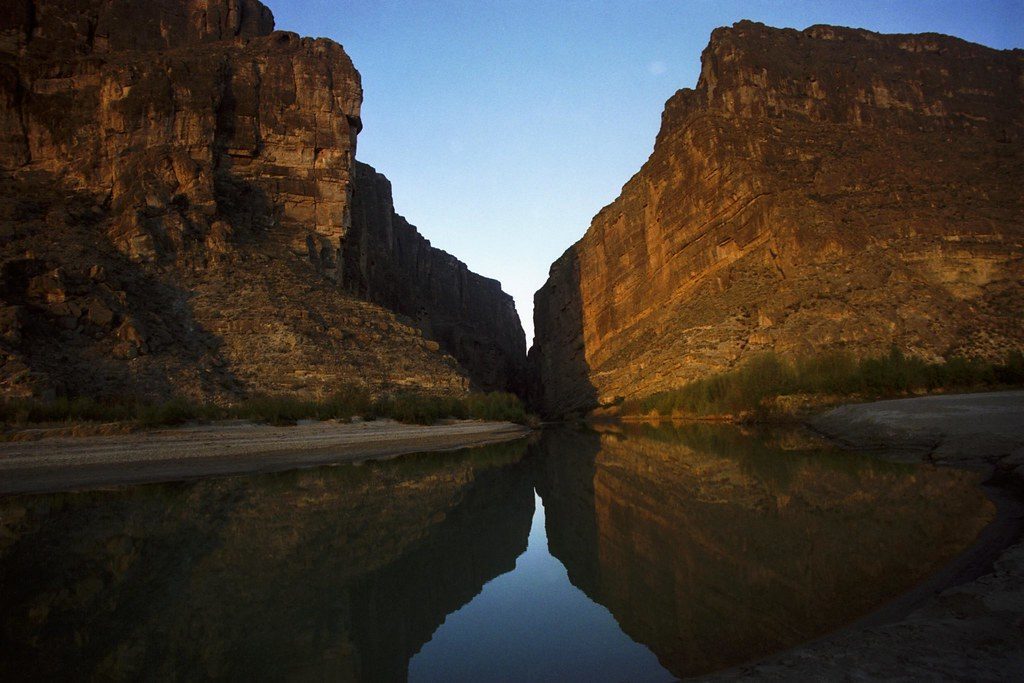
Nestled in the heart of Big Bend National Park, Santa Elena Canyon boasts a maximum depth of approximately 1,500 feet and stretches for 8 miles along the Rio Grande. The canyon is situated along the United States-Mexico border, with its soaring limestone walls forming a striking contrast against the arid landscape of the Chihuahuan Desert.
What’s fascinating here is how the canyon walls seem to close in on the river. The Santa Elena is somewhat unique in that it straddles two different countries, and its twin sides showcase different geological features, with the northern Texas side consisting of limestone from the Mesa de Anguila, while the southern Mexican side extends into the Sierra Ponce cliffs. Walking through the canyon, you’re surrounded by nearly vertical walls that amplify every sound.
Paria Canyon: Arizona and Utah’s Hidden Gem
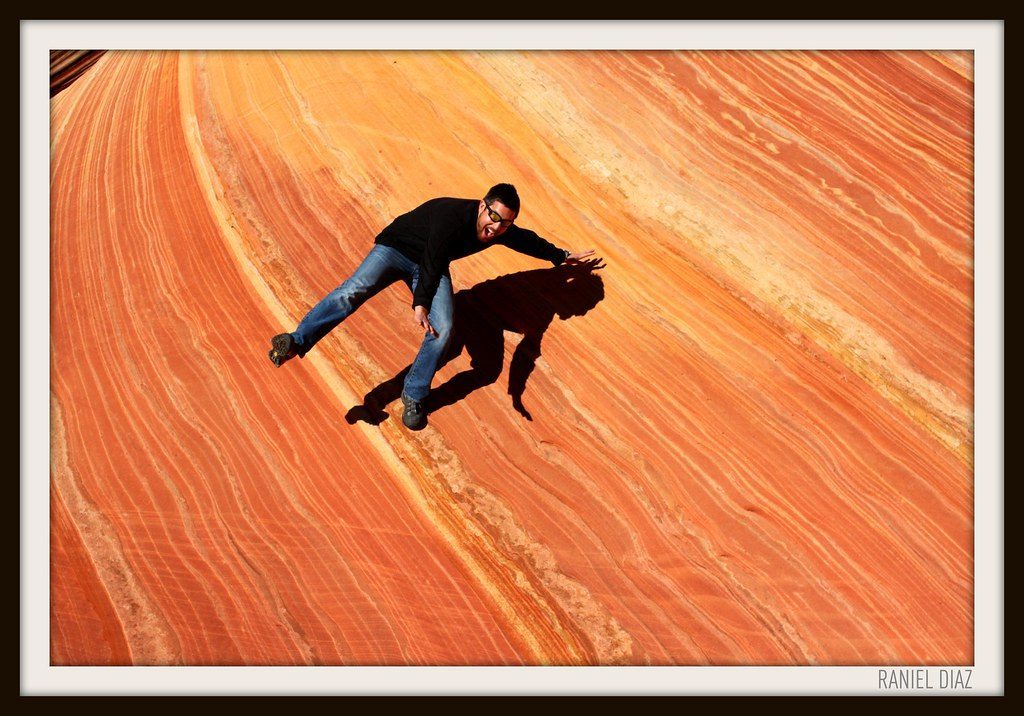
Paria Canyon is a truly remarkable spectacle located in the Paria Canyon-Vermilion Cliffs Wilderness Area within the larger Vermilion Cliffs National Monument in Arizona’s Coconino County. The vibrant canyon simultaneously displays deep and narrow canyon systems and truly bizarre rock formations that look straight out of a sci-fi movie.
The Paria Canyon was carved by the Paria River, a tributary of the Colorado River, and the deep and narrow network of canyons lies alongside the scintillating Vermillion Cliffs escarpment, shimmering with striking red sandstone. One of the longest continuous slot canyons in the world, Buckskin Gulch, passes through roughly 16 miles of the northern stretch of the Paria Canyon-Vermilion Cliffs Wilderness. The twisting passageways and wave-like rock formations create an otherworldly landscape that photographers dream about.
Conclusion
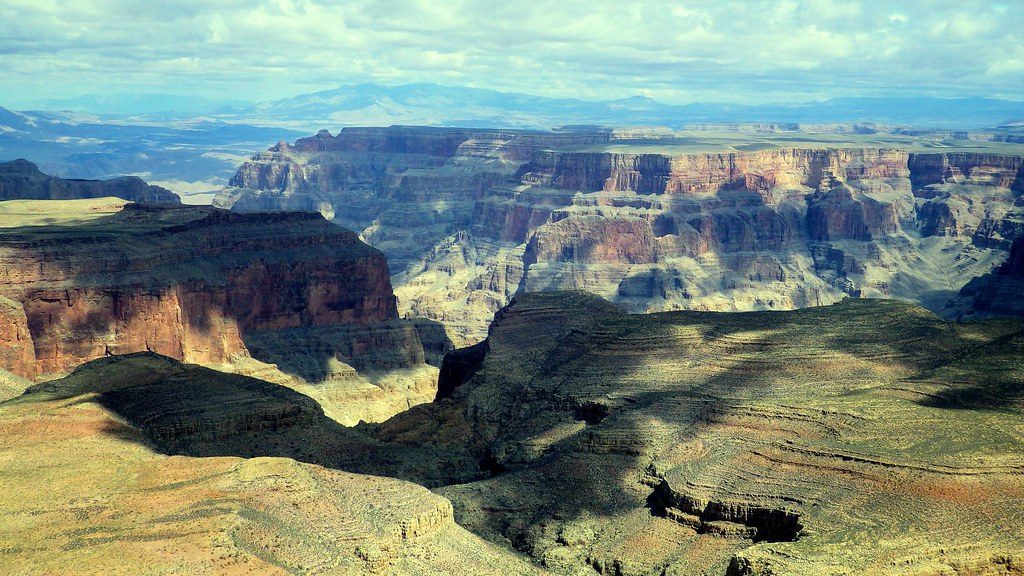
These five canyons represent just a fraction of the geological wonders scattered across the American landscape. Each one was carved by different forces over vastly different timescales, yet they all share that same power to leave you speechless. From the glaciated granite of Kings Canyon to the dark depths of the Black Canyon, from the tropical colors of Waimea to the desert beauty of Santa Elena and the surreal formations of Paria Canyon, these places remind us how dynamic and beautiful our planet truly is.
The layers of rock tell stories going back millions of years, stories of ancient seas, volcanic eruptions, glacial ice, and the relentless power of flowing water. Which of these geological marvels will you explore first?
