
Worried about unexpected vet bills?
Pet insurance can cover thousands in unexpected vet costs. Get a free quote from Lemonade in under 2 minutes.
Get My Free Quote →Sponsored · Opens Lemonade.com
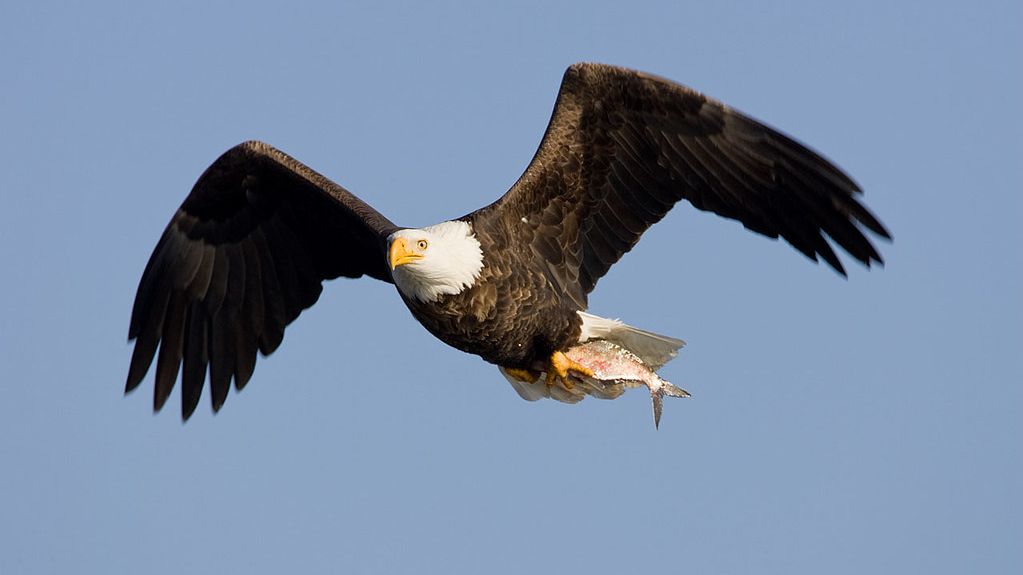
There’s something almost mythical about spotting a bald eagle soaring overhead. That white head gleaming in the sun, those massive wings cutting through the air with barely a flap. For decades, seeing one felt like catching lightning in a bottle. These magnificent raptors nearly vanished entirely from American skies, victims of habitat destruction, hunting, and the devastating effects of DDT poisoning.
Yet against all odds, bald eagles staged one of nature’s most remarkable comebacks. Today, their population numbers have soared beyond what anyone dared hope for back in the darkest days of the 1960s. Let’s explore the five states where these national symbols thrive most abundantly, revealing just how far we’ve come in preserving America’s most iconic bird.
Alaska: The Undisputed Eagle Capital
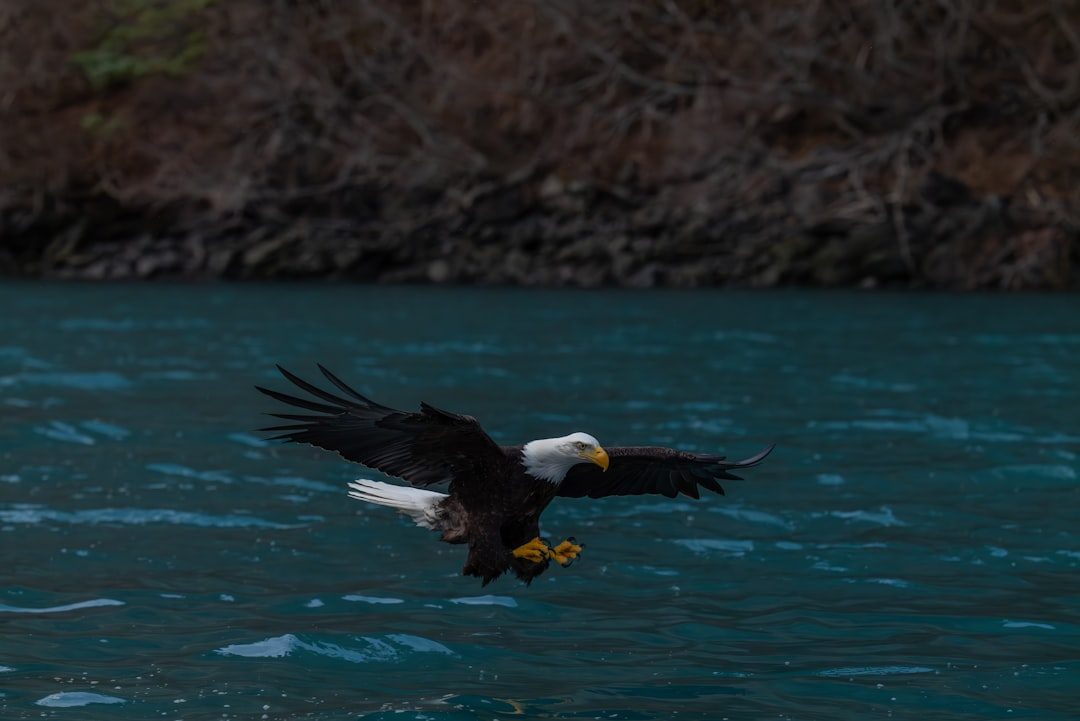
Alaska leads the pack with an estimated population of around 30,000 bald eagles, a number that dwarfs every other state combined. Bald eagles are often found along Alaska’s coast, offshore islands, and Interior lakes and rivers, being more abundant in Alaska than anywhere else in the United States. The Last Frontier provides everything these birds need: abundant fish populations, minimal human disturbance, and pristine wilderness stretching for miles.
What makes Alaska truly special is the sheer concentration of eagles in certain areas. In late fall and early winter, more than 3,000 bald eagles gather in the Chilkat Valley to feed on salmon. Think about that for a moment. Three thousand eagles in one valley. It’s a sight that borders on the surreal, a gathering of such magnitude that photographers and wildlife enthusiasts travel from across the globe just to witness it. Alaska didn’t just save its eagle population during the DDT crisis; it became their refuge.
Minnesota: Land of Ten Thousand Eagles
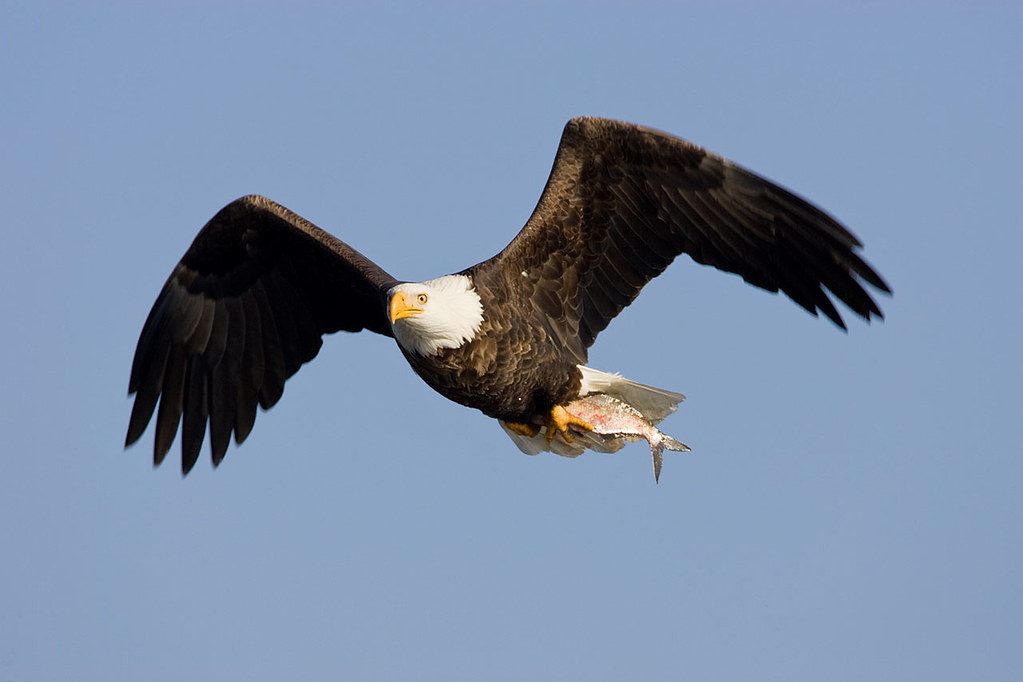
Minnesota follows closely behind with approximately 9,800 bald eagles, showcasing the species’ thriving presence in the region. Here’s what’s really impressive: Minnesota actually boasts the largest breeding population of bald eagles in the lower 48 states. The contiguous state with the largest number of breeding pairs of eagles is Minnesota, with an estimated 1,312 pairs, which tells you these aren’t just migrating birds passing through.
The North Star State’s abundance of clean lakes and robust fish populations creates ideal conditions for nesting eagles. Minnesota boasts one of the highest population of bald eagles in the U.S., outside of Alaska, and bald eagles have been doing so well in the state, official surveys and counts stopped in the mid 2000’s. That’s right, they stopped counting because the eagles were doing too well. It’s the kind of conservation problem you actually want to have.
Florida: The Sunshine State’s Surprising Stronghold
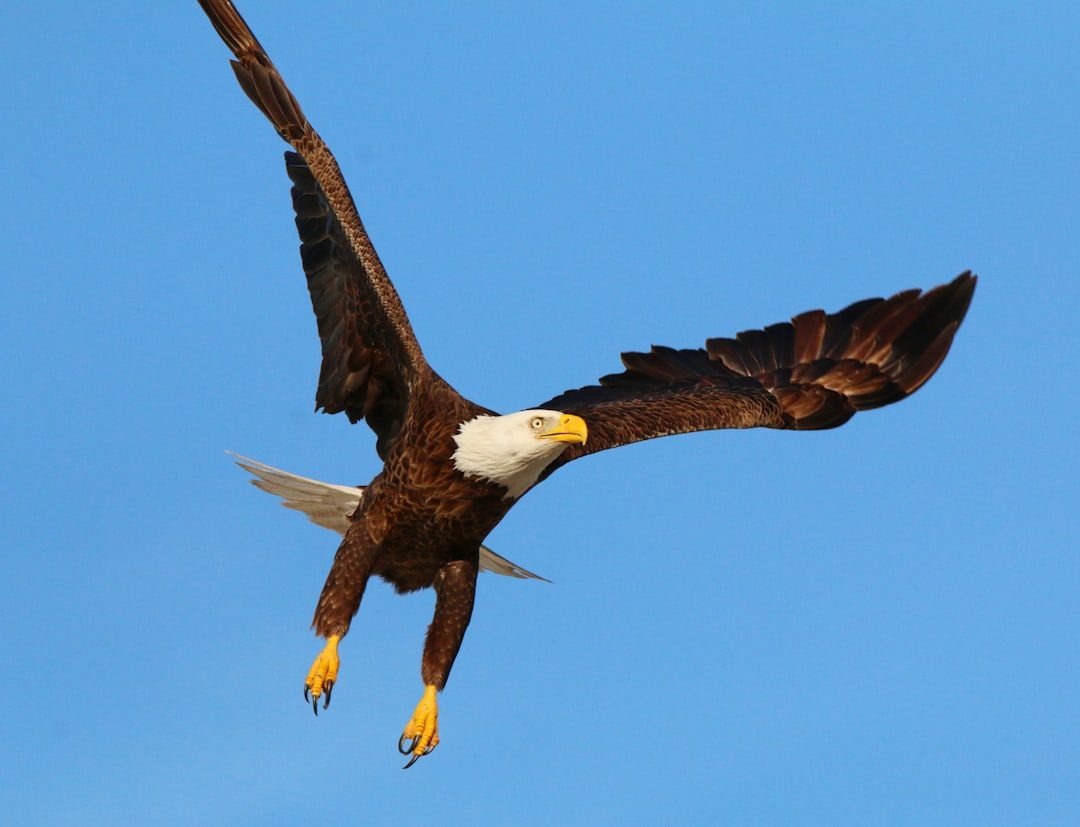
In states like Florida and Wisconsin, bald eagle populations have rebounded impressively, with around 1,500 individuals in each state. Florida might seem like an unlikely eagle haven, but it’s actually been critical to the species’ recovery. For some time, the stronghold breeding population of bald eagles in the lower 48 states was in Florida, where over a thousand pairs have held on while populations in other states were significantly reduced by DDT use.
The state’s year-round warm climate and extensive coastline provide perfect habitat. Florida’s eagles don’t migrate like their northern cousins, remaining residents throughout the year near coastal areas, rivers, and lakes. Even during the darkest days of the DDT era, when eagle populations collapsed nationwide, Florida maintained a foothold. Those surviving birds became seed stock for recovery efforts across the Southeast, with eaglets from Florida nests helping repopulate states that had lost their breeding populations entirely.
Wisconsin: The Badger State’s Quiet Success
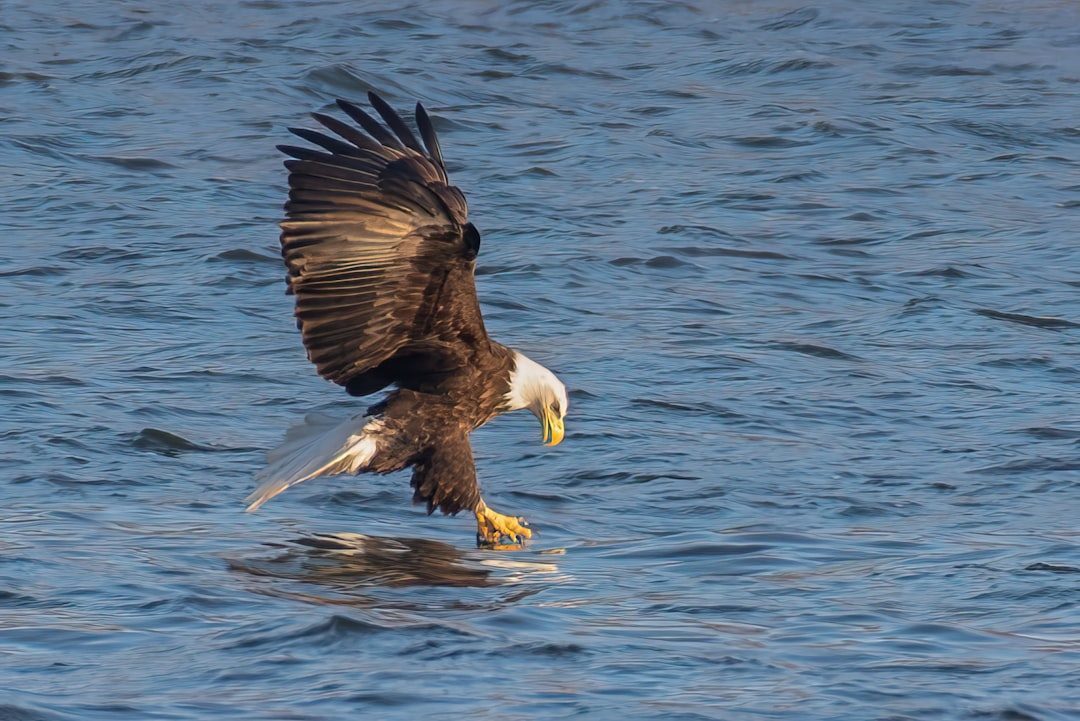
Wisconsin shares that impressive figure with Florida, hosting roughly 1,500 bald eagles. The state’s recovery story deserves more attention than it typically receives. Wisconsin’s bald eagle populations have rebounded impressively, thanks to decades of dedicated conservation work. The state’s many lakes, rivers, and extensive Great Lakes shoreline create abundant feeding grounds.
Let’s be real, Wisconsin doesn’t get enough credit for its conservation wins. While everyone talks about Alaska’s massive population or Florida’s historical importance, Wisconsin quietly went about the business of bringing eagles back from near extinction. The state’s mix of protected habitats and public education programs created conditions where eagles could not just survive but genuinely flourish. Watching eagles hunt over frozen Wisconsin lakes in winter has become a beloved pastime for residents and visitors alike.
Washington: The Pacific Northwest Powerhouse
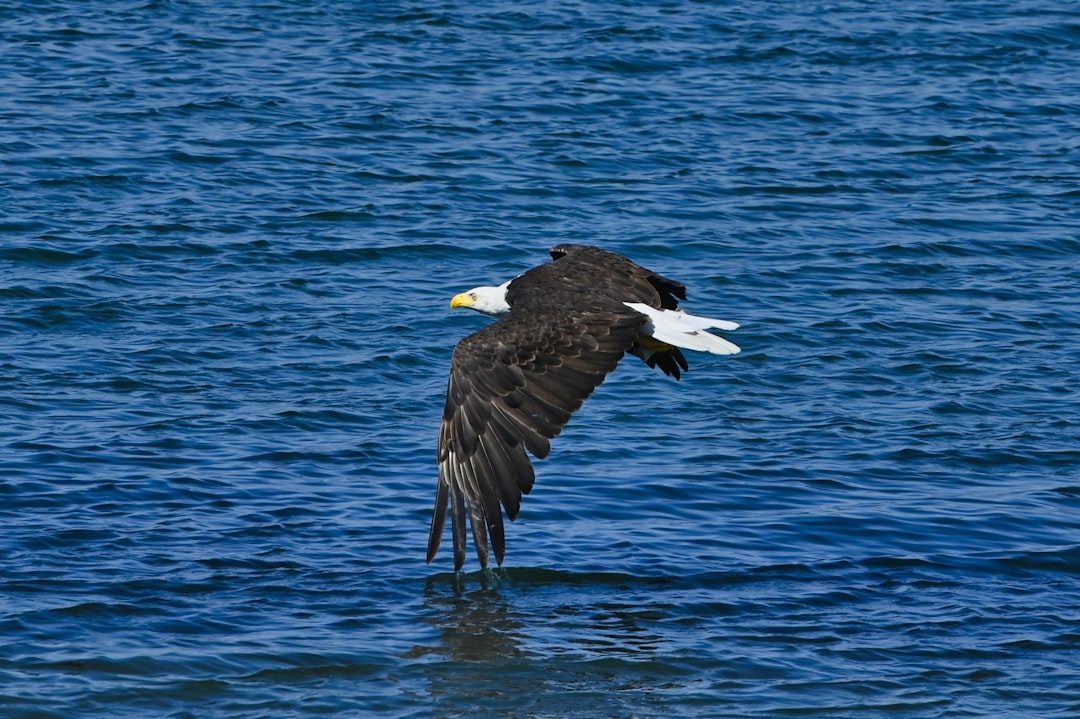
The Pacific Northwest has a very large Bald Eagle population, with hundreds of pairs breeding in Oregon and Washington. Washington State hosts a particularly robust population, with 1,334 known territories in Washington as of 2015. Bald Eagles are well distributed in Washington and are strongly associated with marine environments and nearly all major waterways, inland lakes, and reservoirs; Bald Eagles are most abundant west of the Cascade Range.
The abundance of salmon runs in Washington’s rivers provides eagles with their preferred food source. These fish migrations create natural feeding stations where eagles congregate in spectacular numbers. The state’s commitment to protecting old-growth forests has also preserved crucial nesting habitat, since eagles prefer building their massive nests in the largest, oldest trees they can find. Washington proves that even densely populated states can support thriving eagle populations when conservation is taken seriously.
Conclusion: A Conservation Triumph Worth Celebrating
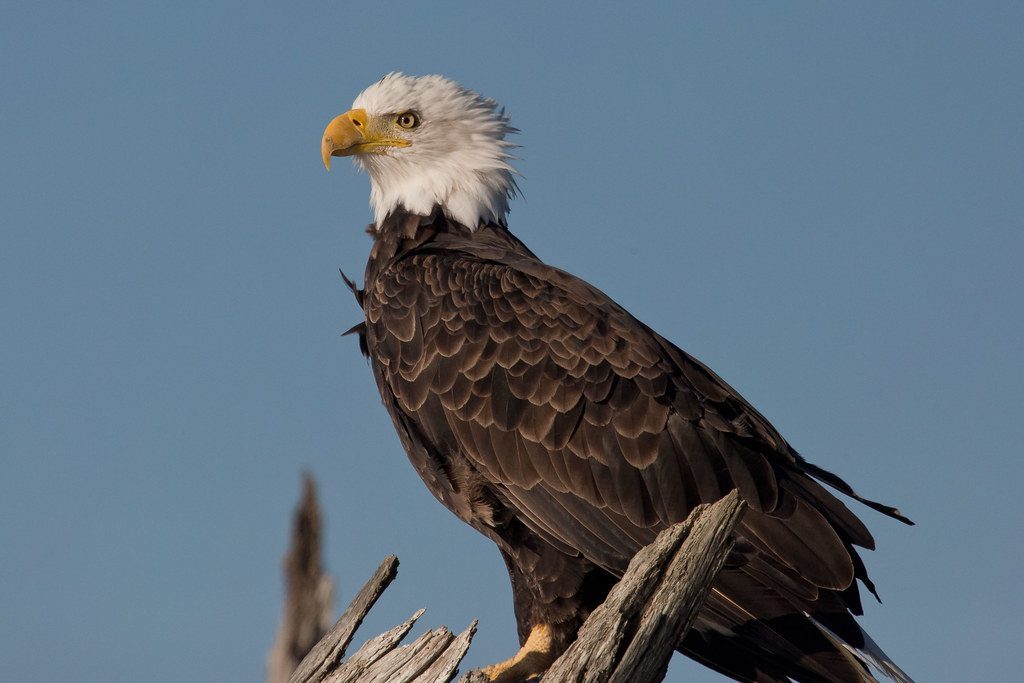
The bald eagle population climbed to an estimated 316,700 individual bald eagles, including 71,400 nesting pairs in the lower 48 states. This estimate indicates that the bald eagle population has quadrupled since the last set of data was collected in 2009. From fewer than 500 nesting pairs in 1963 to over 70,000 pairs today, this represents one of the most successful wildlife recovery efforts in history.
These five states demonstrate what’s possible when people commit to protecting wildlife and preserving habitat. Alaska reminds us that wilderness still matters. Minnesota shows us that lakes and clean water are invaluable. Florida proved that persistence pays off. Wisconsin taught us that quiet, steady conservation work produces results. Washington demonstrated that people and eagles can coexist.
The bald eagle’s return from the brink teaches an important lesson: extinction isn’t inevitable. With dedication, scientific management, and public support, we can reverse even catastrophic population declines. What do you think is the key to maintaining these eagle populations for future generations?
Worried about unexpected vet bills?
Pet insurance can cover thousands in unexpected vet costs. Get a free quote from Lemonade in under 2 minutes.
Get My Free Quote →Sponsored · Opens Lemonade.com

- The Ocean’s Deepest Creatures Hold Surprising Secrets to Longevity - June 10, 2026
- 6 Scents That Make Mosquitoes Target You First - June 10, 2026
- The Forgotten Deserts of America Where Wildlife Still Thrives - June 10, 2026