
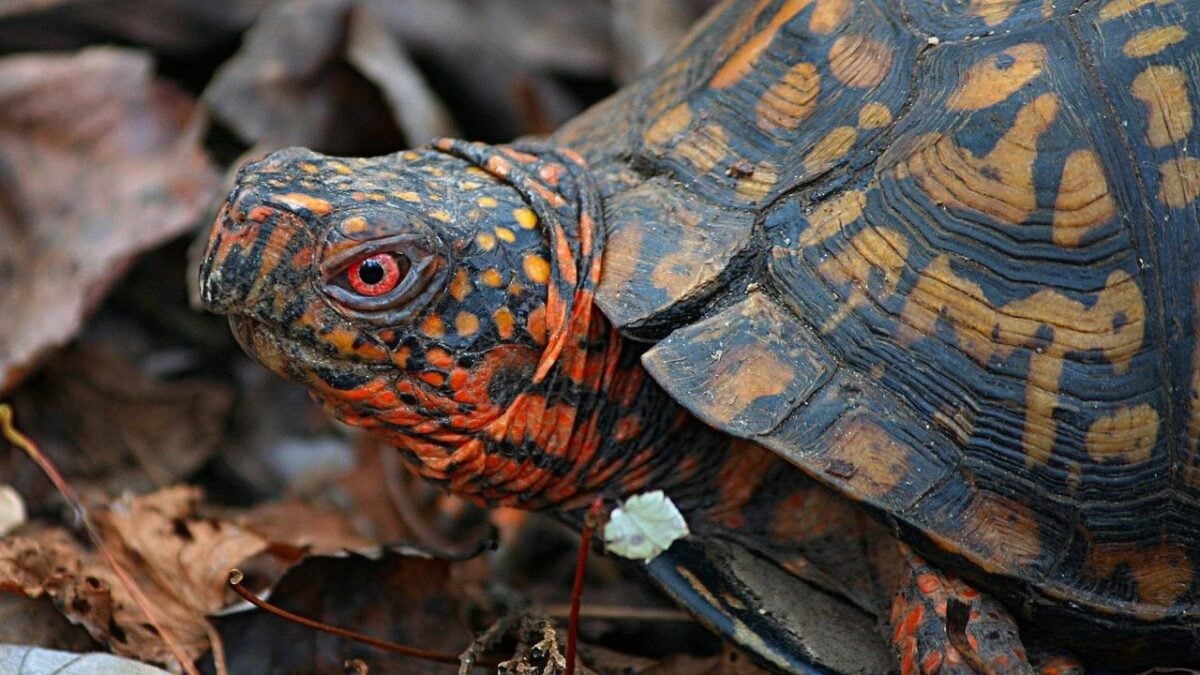
Picture a small creature with a dome-shaped shell wandering slowly through the forest floor, its unique ability to completely close itself inside its protective armor setting it apart from every other turtle in North America. These remarkable reptiles have been roaming the eastern United States for thousands of years, yet many people have no idea which states harbor the largest populations. Let’s be real, if you live in certain parts of the country, you might spot these fascinating creatures right in your own backyard. Their distribution across the landscape tells an interesting story about habitat, climate, and survival in modern America.
The eastern box turtle faces mounting challenges throughout its range. They’re currently fairly common in the southern part of their range, but many populations are declining rapidly due to habitat loss, degradation, and fragmentation caused by urbanization or other human use. So which states still boast the healthiest populations? Be surprised by what geography and ecology reveal about these ancient wanderers.
North Carolina: A Box Turtle Haven

This small, charismatic terrestrial turtle is seen frequently in fields, forests and neighborhoods throughout North Carolina, making it the most common terrestrial turtle in the eastern United States. North Carolina represents one of the absolute strongholds for eastern box turtle populations, offering ideal conditions across diverse habitats from coastal plains to piedmont regions.
The state takes its box turtle population seriously. Staff from several N.C. Universities, NCWRC, and State Parks, along with private landowners began a box turtle mark-recapture study to help monitor box turtle populations around the state. While commercial collection is prohibited, North Carolina’s varied ecosystems provide perfect sanctuary for these creatures. Here’s the thing: the abundant forests, moderate temperatures, and moisture levels create a turtle paradise that few other states can match.
Virginia: Where History Meets Habitat
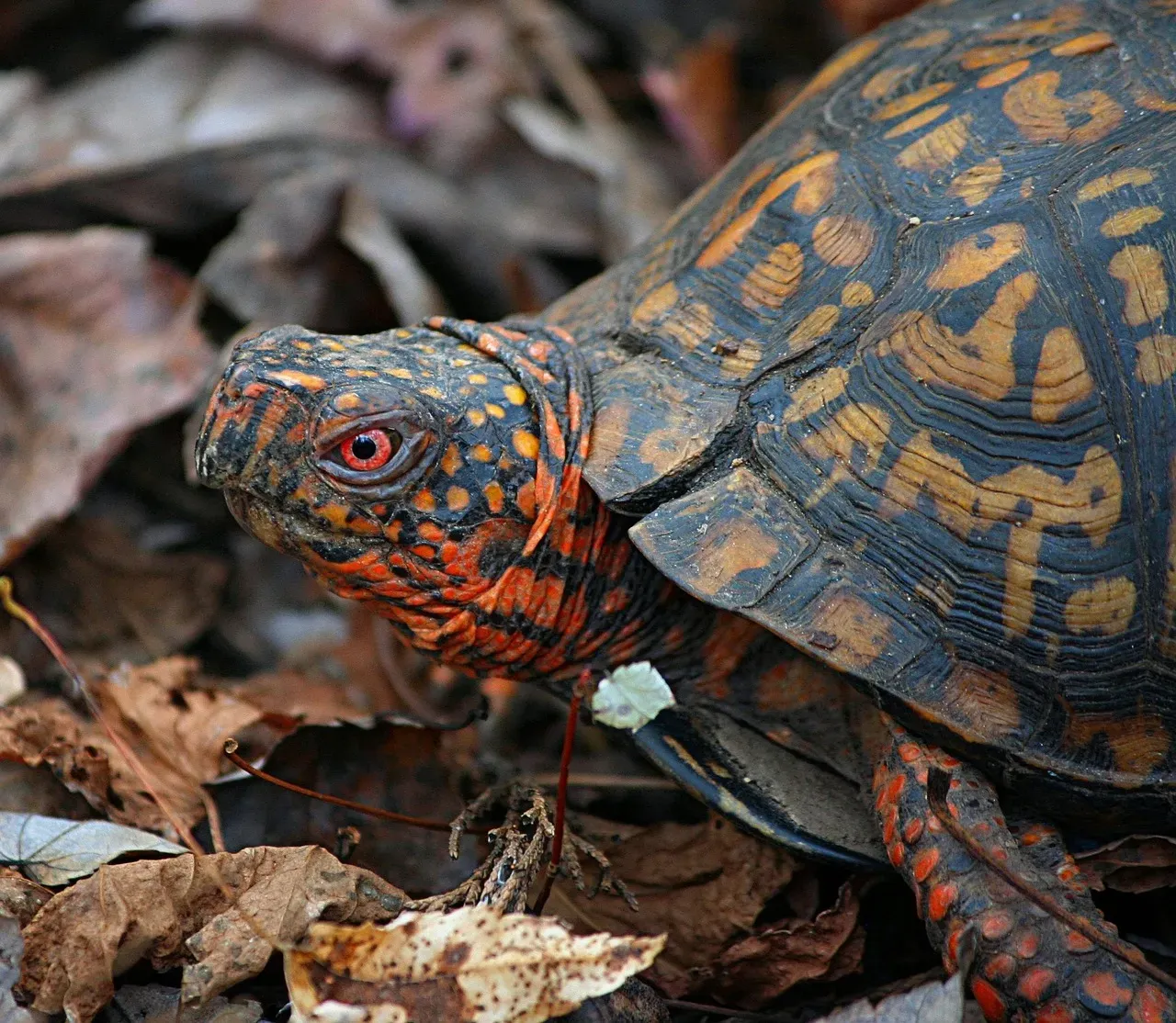
These turtles are present throughout most of Virginia, emerging from brumation in early spring and remaining active until late fall. Virginia stands as another powerhouse state for box turtle populations, with its extensive hardwood forests and diverse terrain offering premium real estate for these reptiles.
The Commonwealth’s box turtles have deep historical roots. Box turtle shells are often found at archeological sites in Virginia and were probably being used as food containers or rattles. Virginia’s varied landscape, spanning from coastal areas to mountainous regions, provides countless microhabitats where box turtles thrive. The state’s commitment to wildlife management helps sustain robust populations, though urbanization continues to fragment their natural territories.
Tennessee: The Volunteer State’s Shelled Residents
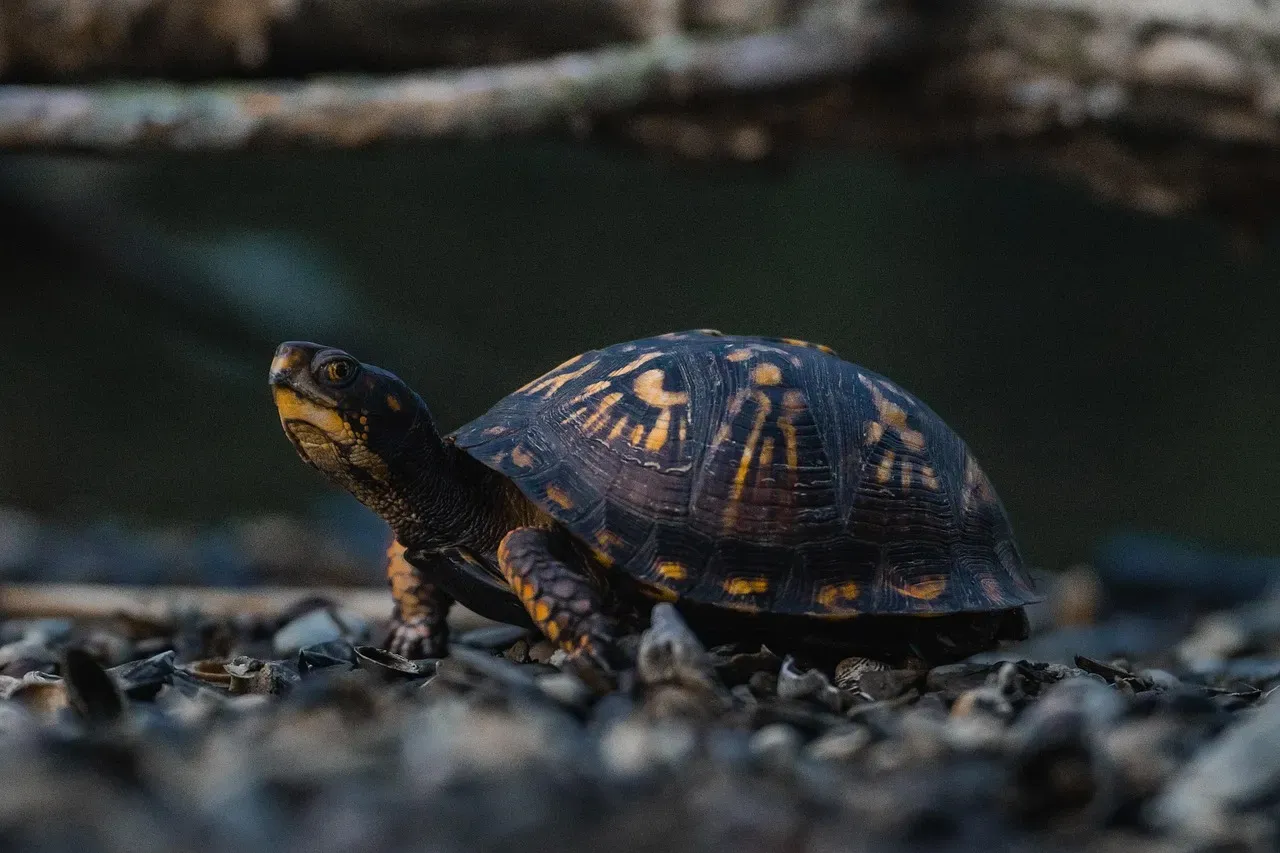
Tennessee holds a special place in box turtle conservation. Eastern box turtles are the official reptiles of Tennessee and North Carolina, reflecting the state’s recognition of these creatures’ importance. The state’s geography spans multiple ecological zones, from the Mississippi River floodplains to the Appalachian Mountains, creating varied habitats perfectly suited for box turtles.
The moderate climate and abundant rainfall throughout much of Tennessee support healthy turtle populations across both rural and suburban landscapes. Mixed hardwood forests intermixed with meadows and field edges provide the mosaic habitat structure that box turtles prefer. Tennessee’s relatively lower population density in rural areas means less habitat fragmentation compared to more urbanized states, allowing turtle populations to maintain stronger numbers and genetic diversity.
Indiana: Surprising Populations in the Heartland

The Eastern box turtle’s range covers much of the eastern and central United States, with box turtles found throughout Indiana but more common in the state’s southern half. Indiana might surprise those unfamiliar with box turtle distribution, yet the Hoosier State supports significant populations despite being near the western edge of their range.
The state has taken proactive conservation measures. Recent initiatives have led to the protection of the Eastern box turtle in Indiana, where since 2004 the collection of Eastern box turtles from the wild is prohibited. Indiana’s forests, particularly in the southern counties, provide suitable conditions for these reptiles. The state faces challenges with road mortality and habitat loss, yet scattered healthy populations persist thanks to dedicated conservation efforts and protected forest areas.
New Jersey: Dense Populations in Unexpected Places

The Eastern or Common box turtle occurs in the eastern United States and can be found in all of the 21 counties in New Jersey. Despite being one of the most densely populated states in America, New Jersey maintains surprisingly robust box turtle numbers throughout its territory.
Box turtles’ population is declining in New Jersey, though habitat destruction and fragmentation isolate individuals from finding mates and food. The Garden State’s remaining woodlands and protected areas serve as critical refuges. New Jersey’s box turtles demonstrate remarkable adaptability, persisting in suburban areas where careful homeowners recognize their presence. The state’s conservation designation as a Species of Special Concern reflects awareness that even healthy populations require vigilant protection against ongoing development pressures.
Conclusion
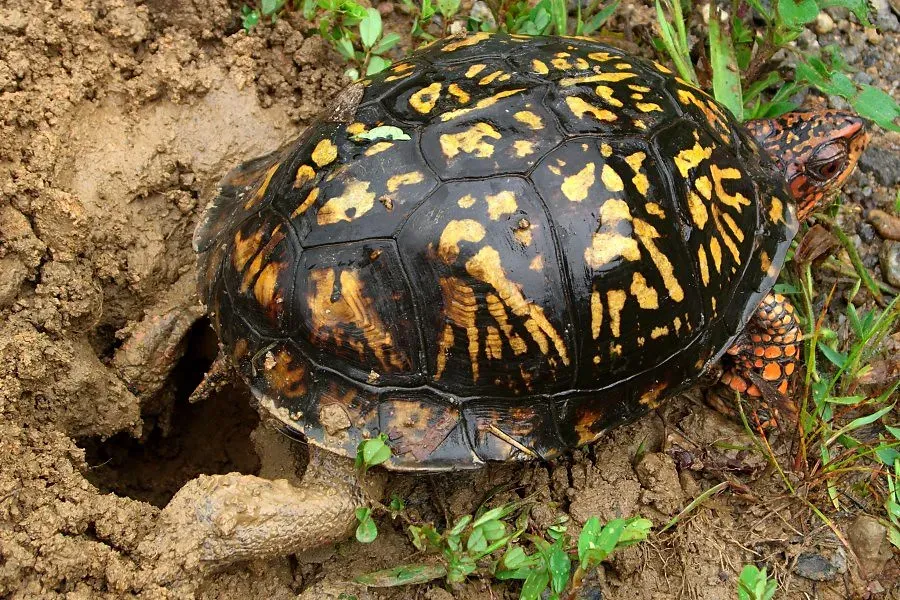
These five states represent the core strongholds for eastern box turtle populations, each offering unique combinations of habitat, climate, and conservation commitment. North Carolina and Virginia stand out with their extensive suitable terrain and robust populations, while Tennessee’s official recognition demonstrates governmental support for these creatures. Indiana and New Jersey prove that turtles can persist even near range edges and in more developed landscapes when protection measures are implemented.
The future of eastern box turtles depends on preserving connected habitats and reducing threats like road mortality and illegal collection. Did you notice how each of these states has implemented protection laws? That’s no coincidence. What’s your experience with box turtles in your area?
