
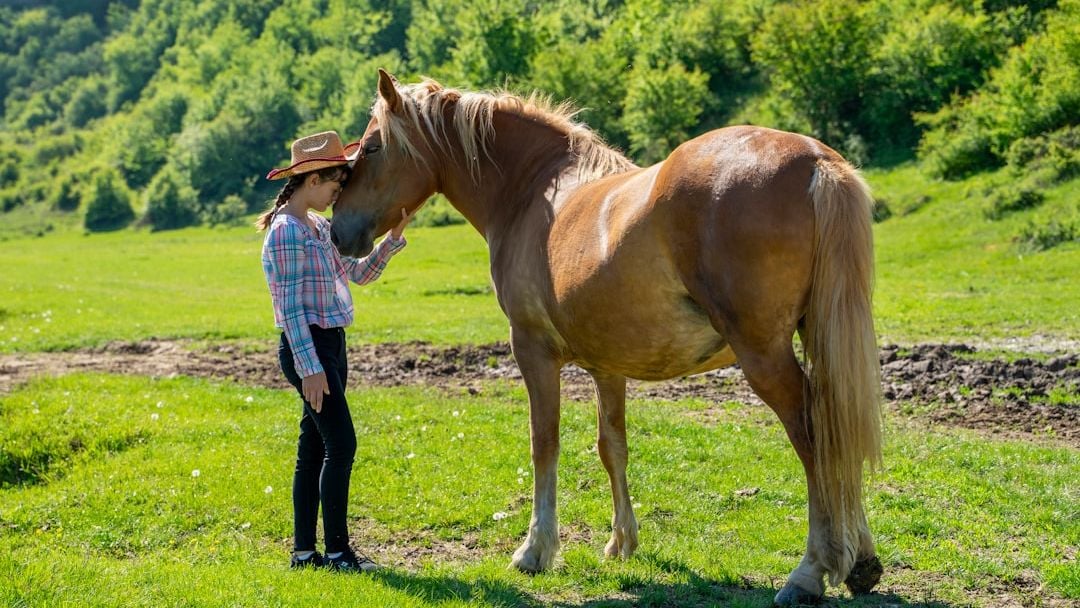
Most of us think we know when our horses are happy to see us. They whinny at the gate, trot over for treats, and tolerate our endless grooming sessions. Yet honestly, there’s so much more happening beneath the surface that we completely overlook every single day. Horses have their own language of gratitude, and it’s not always loud or obvious.
Unlike dogs who jump around and wag their tails, horses communicate appreciation in quieter, more sophisticated ways. Think about it, these animals evolved as prey species, so they’re masters of subtle body language. What we might dismiss as just standing around could actually be a horse saying thank you in their own way. Let’s dive into the understated expressions of equine gratitude that most people never notice.
The Soft Eye and Drooping Lids
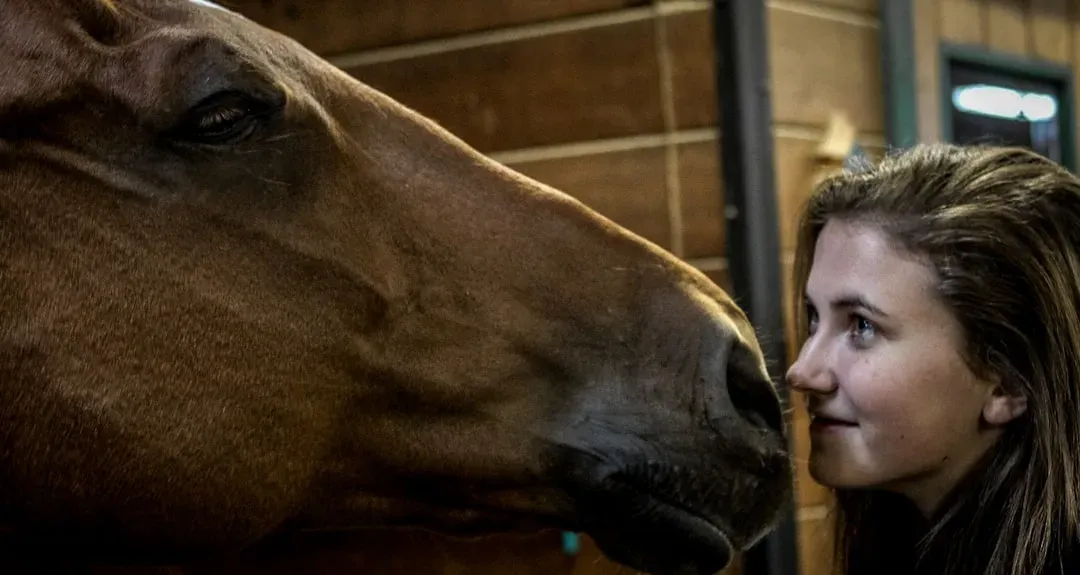
When a horse is truly content and appreciative of your presence, watch their eyes. A relaxed, drooping eyelid is one of the clearest signs that your horse feels safe and grateful around you. It’s easy to mistake this for boredom or sleepiness, but it’s actually something far more meaningful.
A horse will lower his head and relax his ears when he’s truly at ease, and the drooping eyes are part of that complete relaxation response. This usually happens during grooming sessions, especially when you hit that perfect itchy spot. The fact that they’re letting their guard down like this around you is huge. Remember, prey animals don’t close their eyes unless they feel completely secure.
I’ve seen horses stand with their eyes half-closed while their owners brush them, and the owners don’t even realize what a compliment they’re receiving. When a horse’s eyes droop as you spend time currying them, and they extend their neck when you scratch that itchy spot, they’re showing happiness and trust. That’s gratitude in horse language.
The Quiet Approach Without Expectation
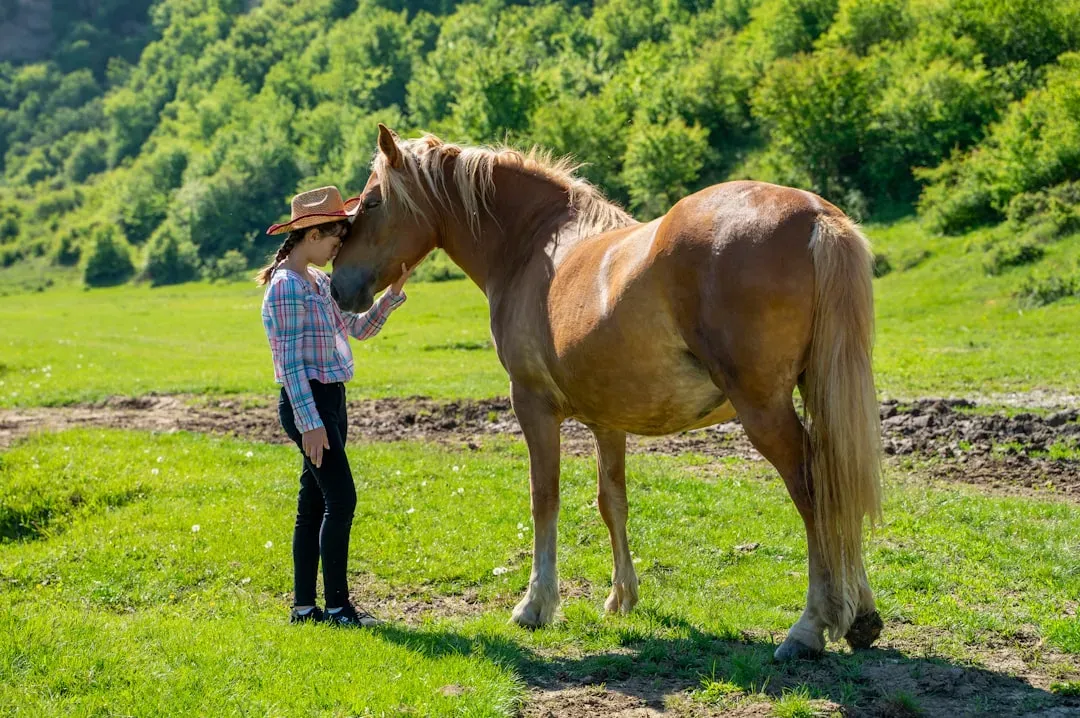
Here’s the thing about horses and food. They know who brings the grain bucket. Yet if a horse comes to you when you walk out into the pasture, not because they expect food but because they recognize you, and if they pick up their head from eating to come over, they’ve just shown that you are more important than their food.
Let that sink in for a moment. Food is incredibly important to horses. So when one leaves grazing or their herd mates just to be near you, that’s a profound statement. When your horse leaves his friends and walks straight up to you as soon as you enter the field, it’s a very good sign that he enjoys your company.
If your horse follows you around when they see you, they consider you as a friend. This isn’t about treats or demands. It’s about connection. They’re essentially saying they’d rather spend time with you than continue whatever they were doing. Most people just pat the horse and keep walking, never recognizing the gift they just received.
The Gentle Nudge and Returned Grooming
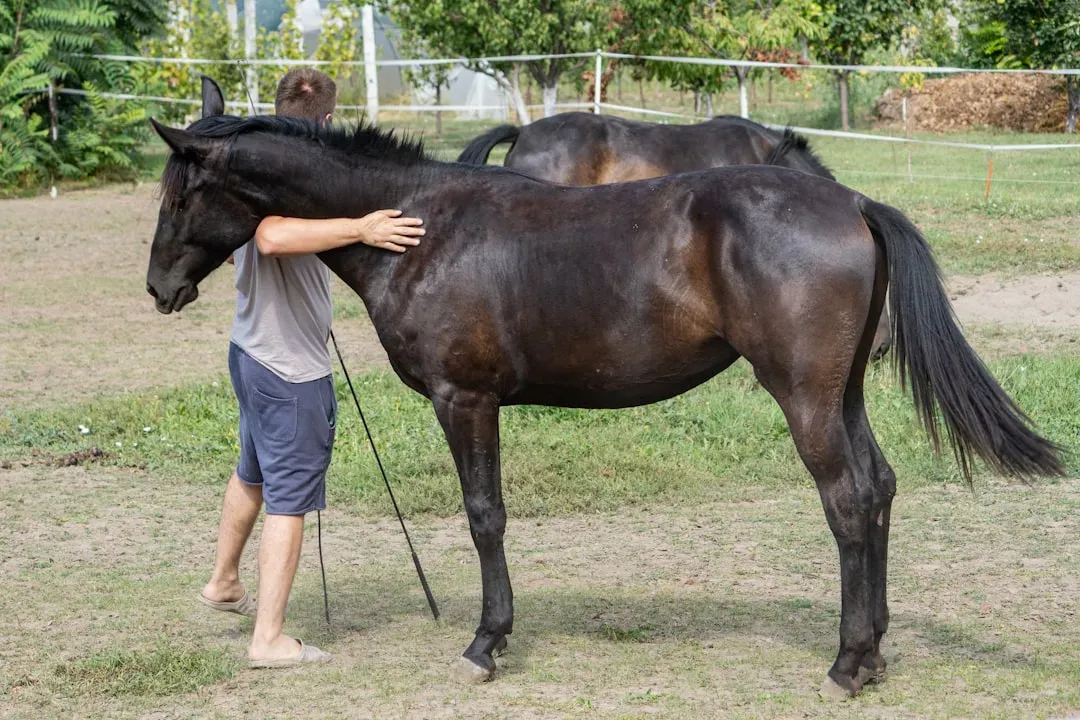
Not all nudging is created equal, and this is where things get tricky. If you normally have treats in your pockets, nudging is probably because the horse expects them, but if he does it when you go to stroke or groom him, he’s returning the affection you’re showing him. There’s a world of difference between these two scenarios.
Grooming is a great form of communication between horses that helps establish bonds and display affection through gentle nibbling. When your horse gently nuzzles you back while you’re brushing them, or when their lips are pursed during scratching because of their mutual grooming instinct, they’re responding to that just-right itchy spot by wanting to groom you back.
Sometimes a horse will rest their muzzle on your shoulder or breathe softly on your arm. Horses will blow air in your face through their nostrils to show they care about you, like they do with other horses. These are intimate gestures that signal deep trust and appreciation. Yet so many people brush these moments off as the horse just being nosy or pushy.
Staying Close During Stressful Moments
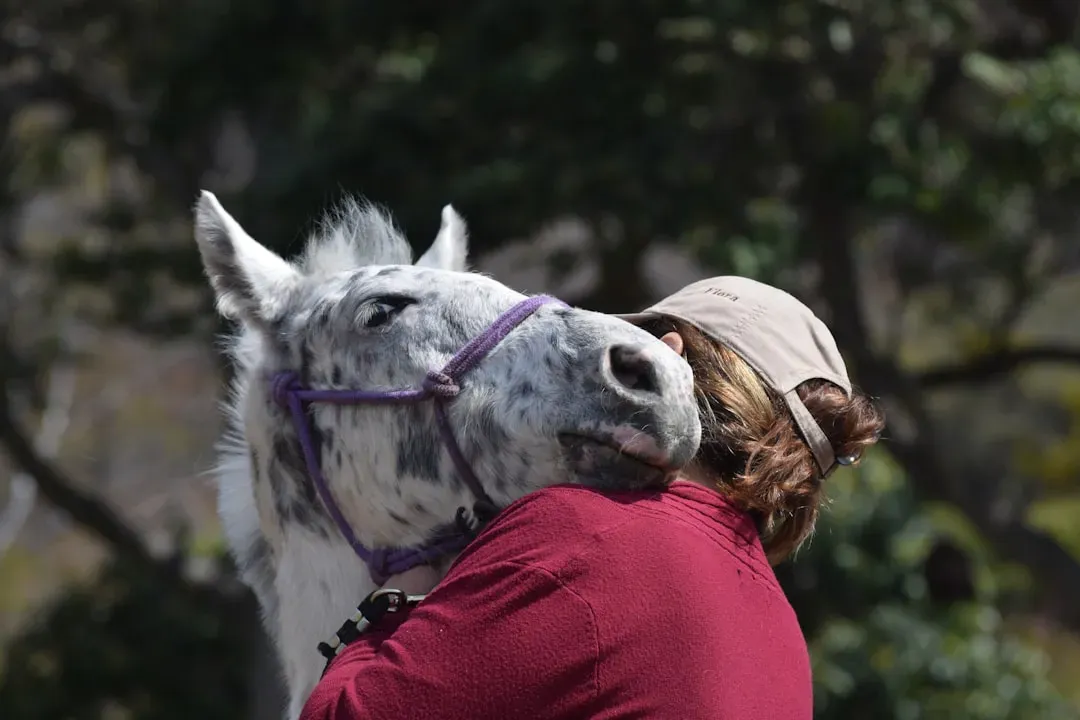
Horses possess exceptional social intelligence as herd animals, with a natural inclination to empathize and bond with others, allowing them to recognize human emotional states and respond through gentle nuzzling, attentive listening, or simply standing quietly by. This ability is especially noticeable when you’re having a rough day.
Some horses are capable of absorbing your energy like a sponge when you’re feeling sadness or grief, and you might notice you feel better after time spent around your horse because he is taking away your pain. It sounds almost mystical, but anyone who’s cried into their horse’s neck knows exactly what this feels like. They stand solid and steady, offering their presence as comfort.
Horses thrive on routine, and a big part of that routine may be the consistent presence of their primary handler, so when you’re gone, some horses show signs of distress as they associate you with safety and companionship. That means when they choose to stay near you during difficult moments, they’re giving back what you’ve given them. It’s their way of saying thanks for always being there.
The Contented Snort and Soft Nicker
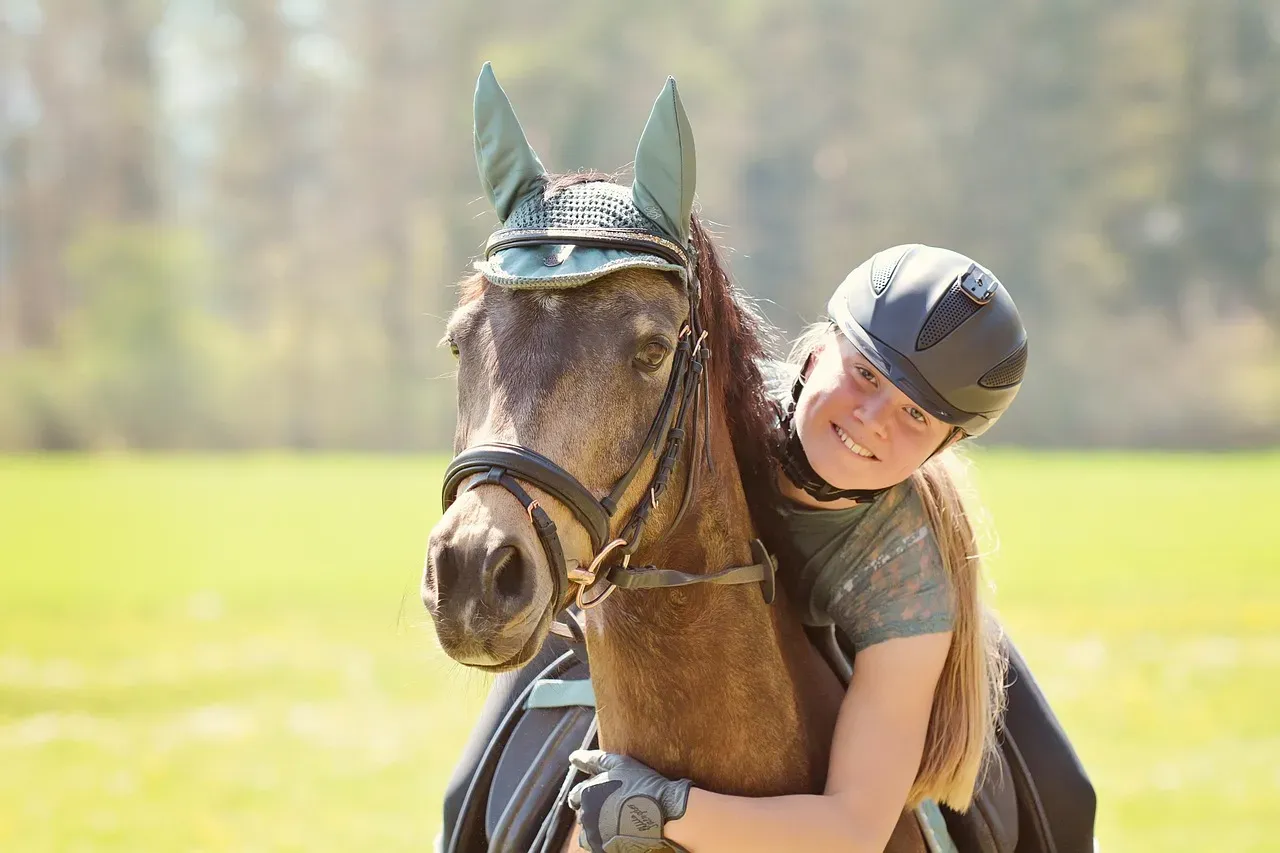
We tend to focus on whinnies and neighs, but the quieter sounds are where true gratitude hides. A snort can be a good sign that a horse is happy or feels at peace, and the more they snort along with other positive visual indicators, the more they are likely feeling calm and comfortable. That little blow of air through the nostrils isn’t random.
When a horse makes a low soft nickering sound, they’re actually showing affection and often greet each other this way too. This is different from the loud whinny you hear at feeding time. A nicker is intimate, almost conversational. It’s what a mare uses with her foal, and when your horse uses it with you, they’re placing you in that inner circle of trust.
Scientists found that there are two frequencies to a whinny, one expressing whether feelings are positive or negative, and another conveying how strongly they feel that emotion, with a short, low sounding whinny expressing contentment. So next time you hear that soft rumble from your horse’s chest, stop and acknowledge it. They’re thanking you in their own voice.
Conclusion
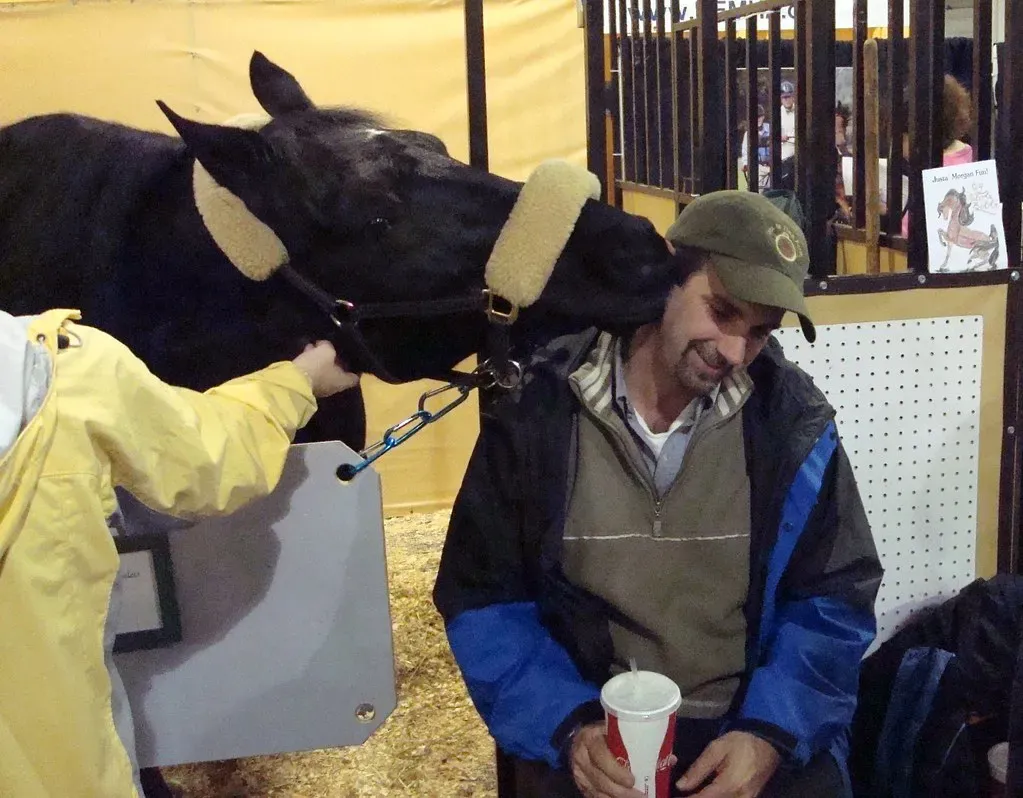
Horses speak in whispers when it comes to gratitude, and we need to listen more carefully. The drooping eyelid, the unprompted approach, the gentle returned nuzzle, the steady presence during hard times, and the quiet vocal acknowledgments are all ways these magnificent animals say thank you. They’re not as obvious as a wagging tail, but they’re every bit as sincere.
Horses can read human facial expressions and remember a person’s previous emotional state, then adapt their behaviour according to the emotion, which is seldom seen outside of human cognition. They’re paying attention to us in ways we barely understand. Maybe it’s time we returned the favor and started recognizing the gratitude they’ve been expressing all along.
What subtle signs of gratitude have you noticed from your horse? The more we learn to read their language, the deeper our connection becomes.
