
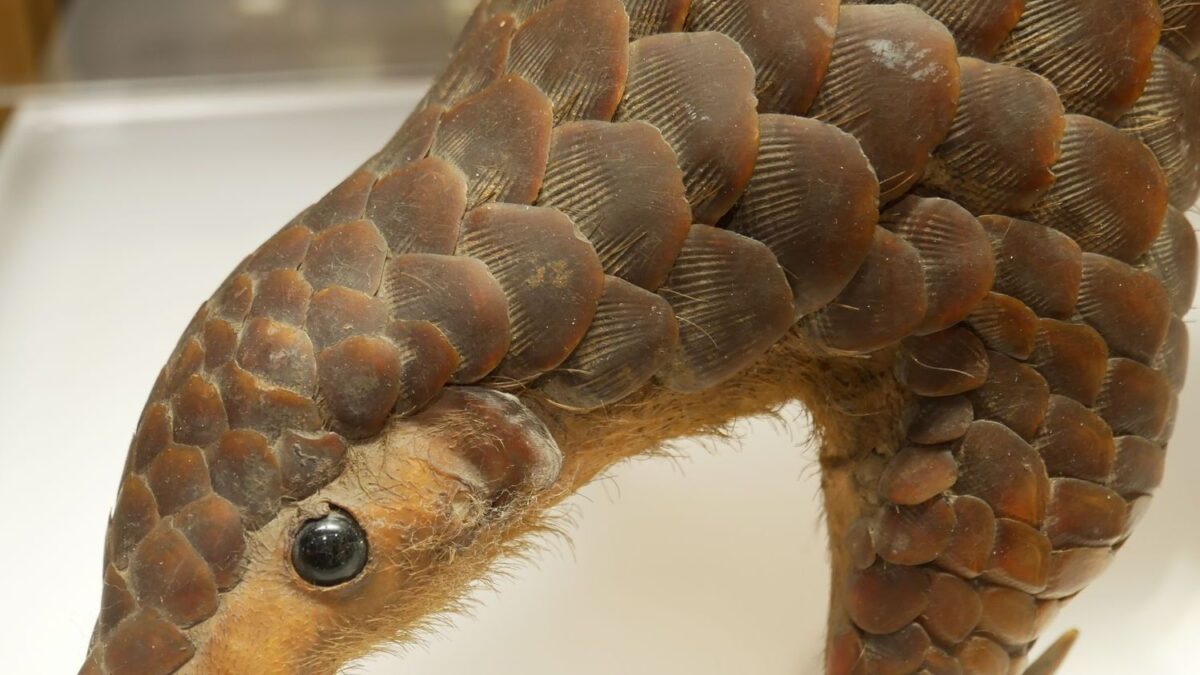
Picture a creature that looks like something out of a fantasy novel. Covered head to tail in overlapping scales, it waddles through forests under moonlight, hunting for dinner with a tongue longer than its entire body. Sounds made up, right?
Yet the pangolin is very real, though most people have never heard of it. This peculiar mammal exists in both Asia and Africa, living a secretive nocturnal life that keeps it mostly hidden from human eyes. However, their mysterious nature hasn’t protected them from becoming targets. In fact, these gentle animals face a heartbreaking reality. Let’s dive into the bizarre and beautiful world of the pangolin.
Their Scales Are Made From the Same Material as Your Fingernails
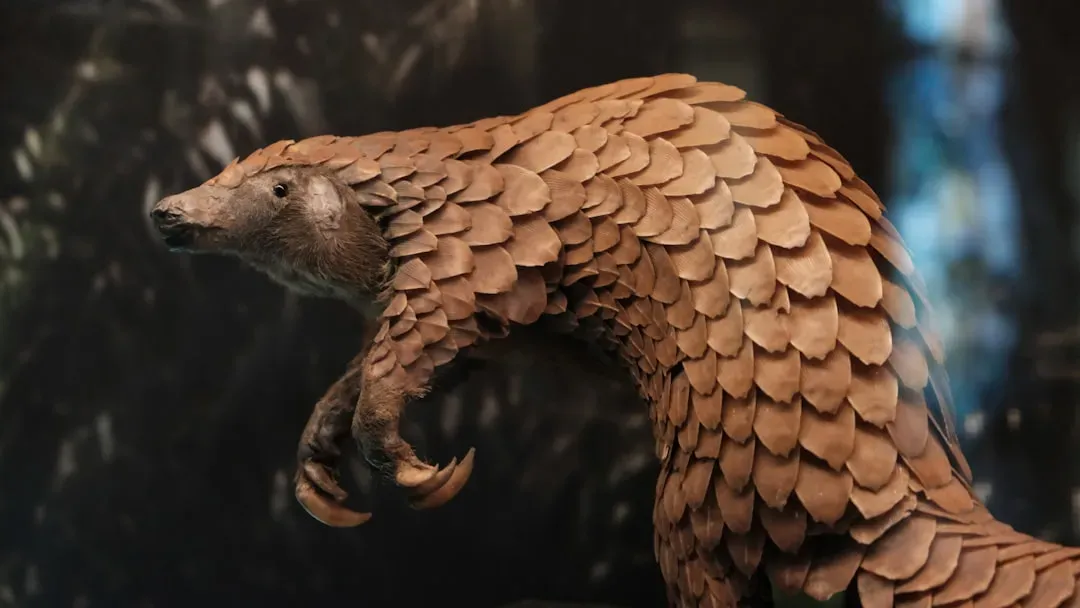
Pangolin scales are made of keratin, the same material from which human fingernails and tetrapod claws are made, which seems almost impossible when you consider their defensive power. The pangolin’s armor is so tough that even predators such as lions can’t bite through it.
What makes this especially fascinating is the internal structure. The study reveals a unique structure consisting of crossed lamellae and interlocking sutures that provide exceptional performance. Think of it like nature’s version of carbon fiber, except it grew organically on a living animal.
The scales and skin make up about 25 wt% of the pangolin’s body mass. That’s like walking around with an extra quarter of your body weight in protective plating. The scales aren’t static either; they are soft on newborn pangolins, but harden as the animal matures, developing into the formidable armor that defines their adult life.
They Have Ridiculously Long Tongues Stored Inside Their Bodies
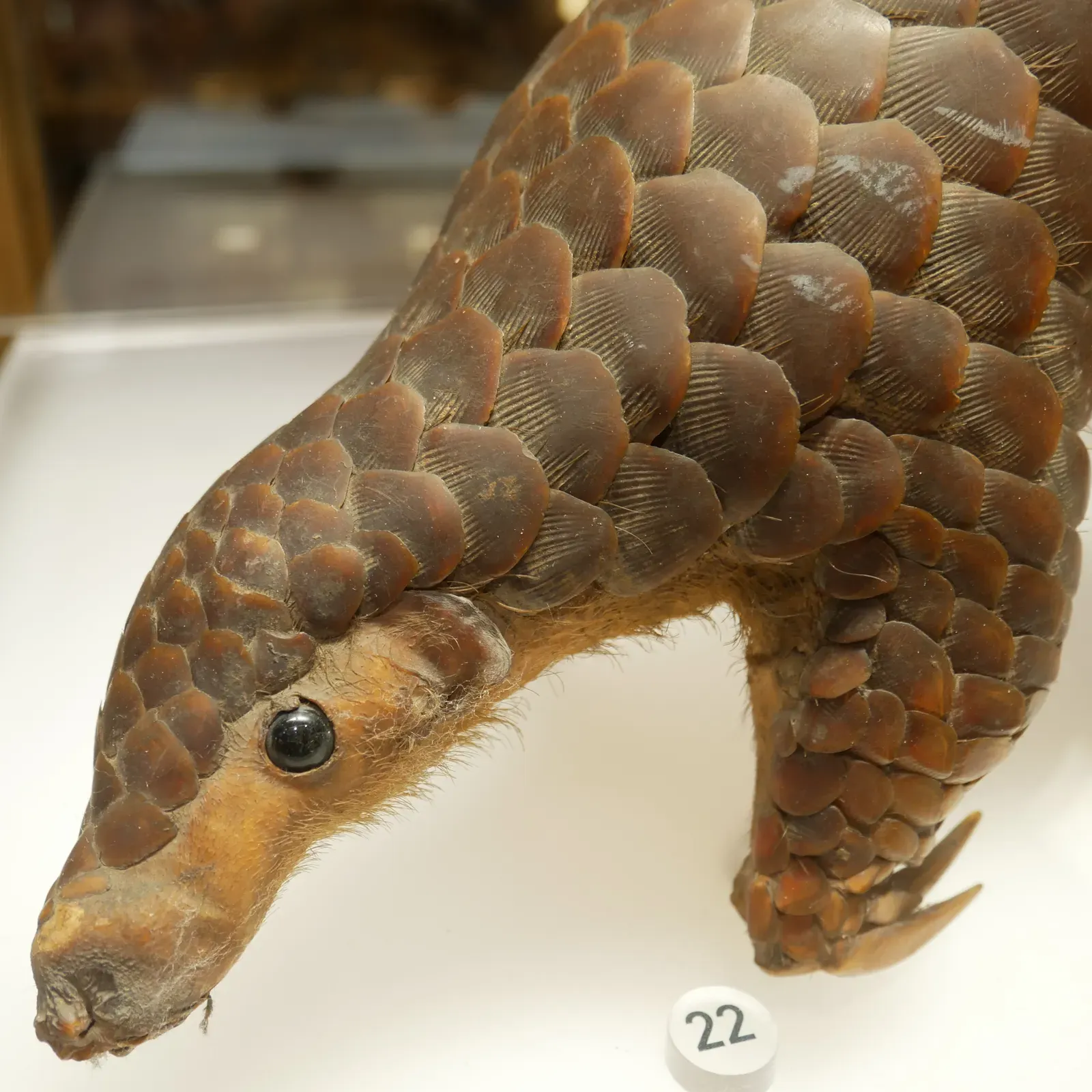
Forget everything you know about tongues. The root of the tongue is not attached to the hyoid bone but is in the thorax between the sternum and the trachea, and large pangolins can extend their tongues as much as 40 cm (16 in).
Imagine if your tongue started somewhere near your chest cavity. That’s the reality for pangolins, who need this extreme adaptation to reach deep inside termite mounds and ant nests. The tongue isn’t just long; it’s incredibly sticky, coated with a specialized saliva that causes ants and termites to stick to their long tongues when they are hunting through insect tunnels.
Here’s where it gets even stranger. Without teeth, pangolins cannot chew; so while foraging, they ingest small stones (gastroliths), which accumulate in their stomachs to help to grind up ants. This part of their stomach is called the gizzard. They’re basically walking around with a rock tumbler in their belly.
A Single Pangolin Can Devour 70 Million Insects Annually
Estimates indicate that one adult pangolin can consume more than 70 million insects annually. Let that number sink in for a moment. Seventy million. That’s an astonishing amount of pest control happening quietly in forests and grasslands.
Pangolins consumed between 1,000 and 60,000 insects per night (about 15,000 insects, on average). Every single night. Their appetite is so voracious that they play a crucial ecological role, helping to keep insect populations in check and preventing certain species from overwhelming their environments.
Interestingly, the pangolins were incredibly fussy eaters, focussing their diet on only three ant and termite species, and ate predominantly ants (~85% of the diet). They’re not just vacuum cleaners sucking up anything that moves; they’re selective connoisseurs with clear preferences.
They’re the Only Mammals Completely Covered in Scales
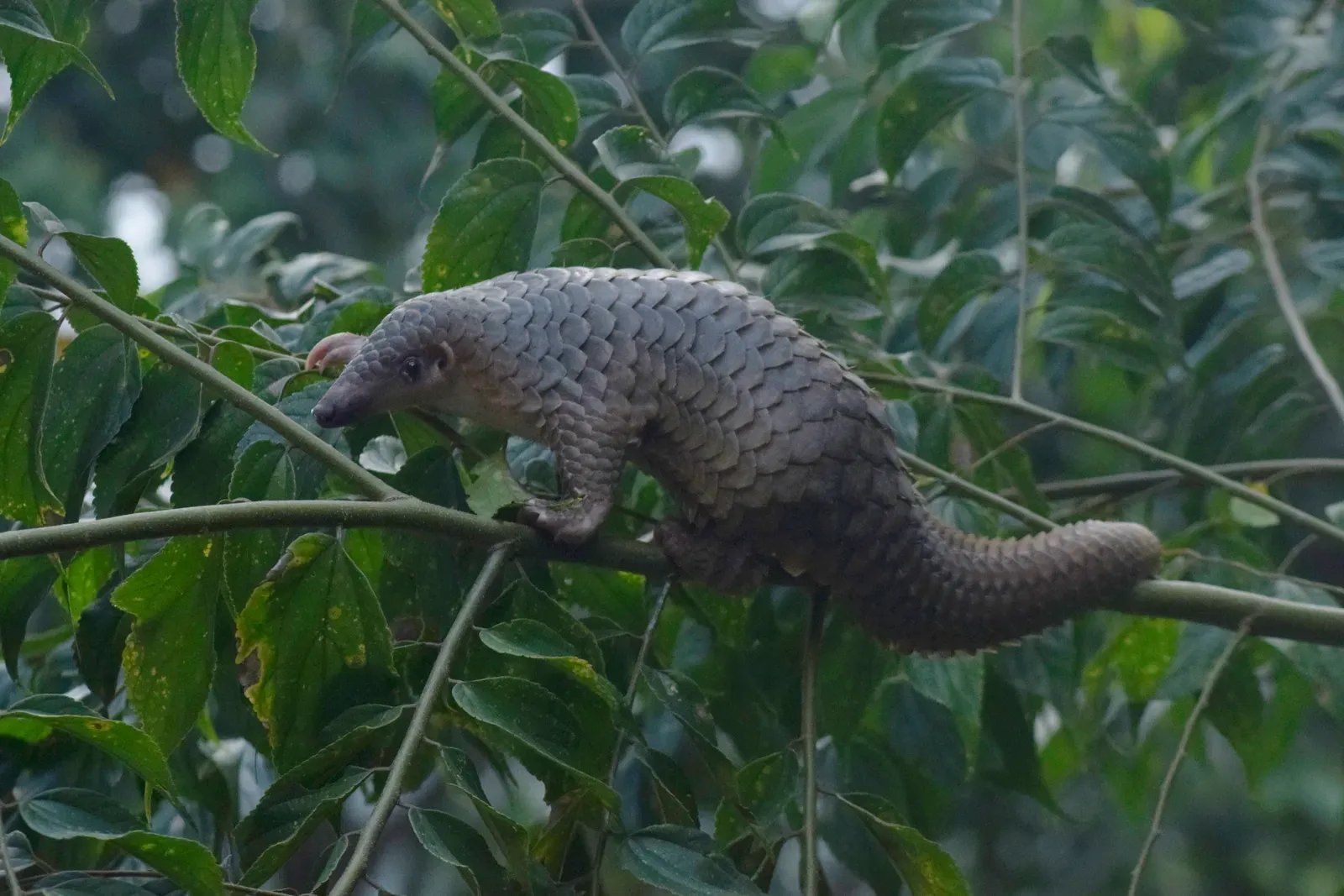
The pangolin is the only known mammal with this distinguishing adaptation: overlapping scales covering the body as flexible dermal armor. While armadillos have armor and rhinos have thick skin, pangolins stand alone in the mammal world with their scale-covered bodies.
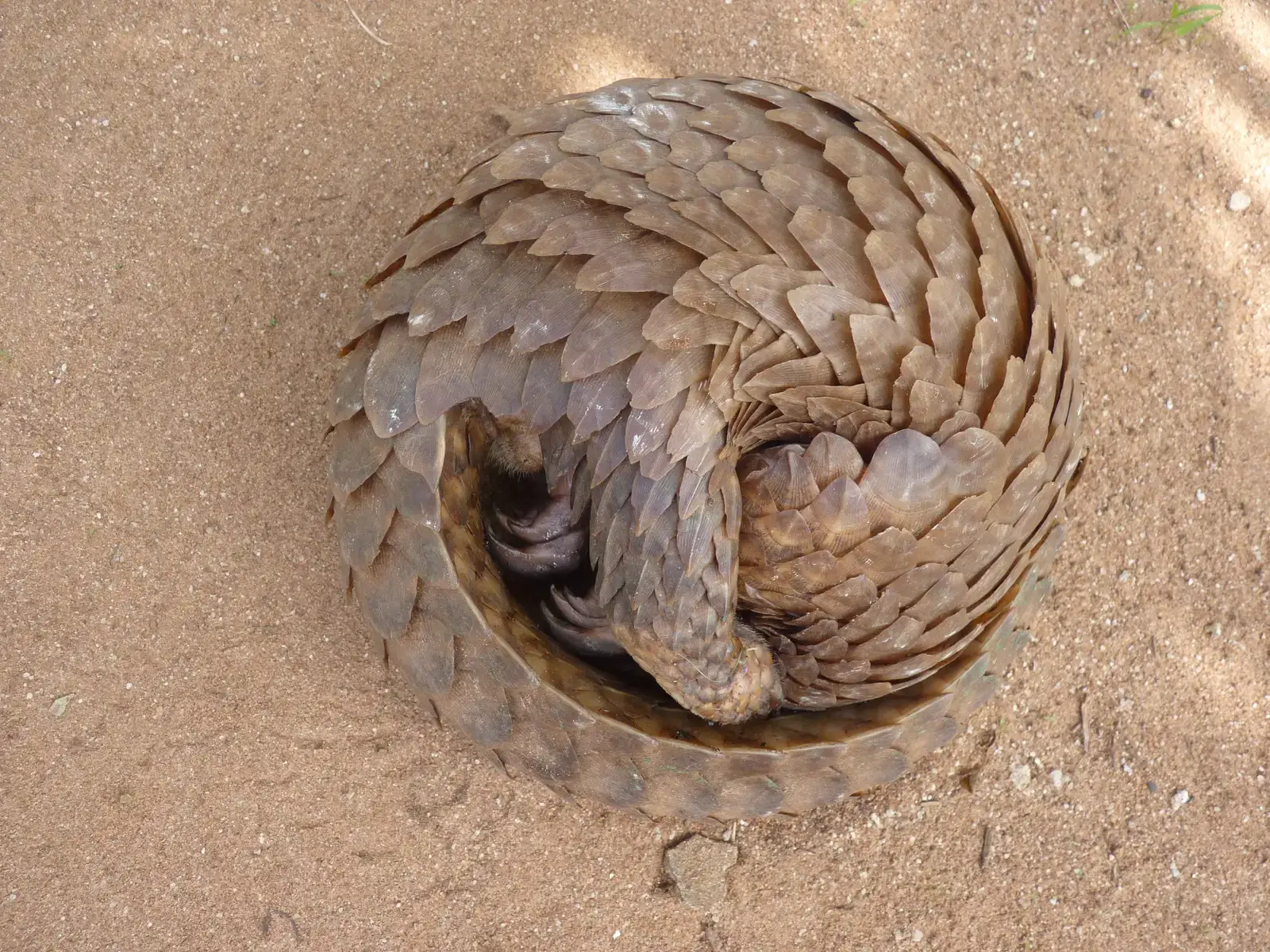
Each scale is at the center of neighboring scales arranged in a hexagonal pattern, creating an overlapping design that provides flexibility while maintaining protection. When threatened, it can curl up into a ball when threatened, with its overlapping scales acting as armor, while it protects its face by tucking it under its tail.
This defense mechanism is both their greatest strength and, tragically, their vulnerability. Rolling into a ball works brilliantly against natural predators like leopards or hyenas. Yet it makes them incredibly easy for human poachers to simply pick up and carry away. The scales are sharp, providing extra defense from predators, sometimes even cutting those who handle them carelessly.
They Have Virtually No Defense Against Human Trafficking
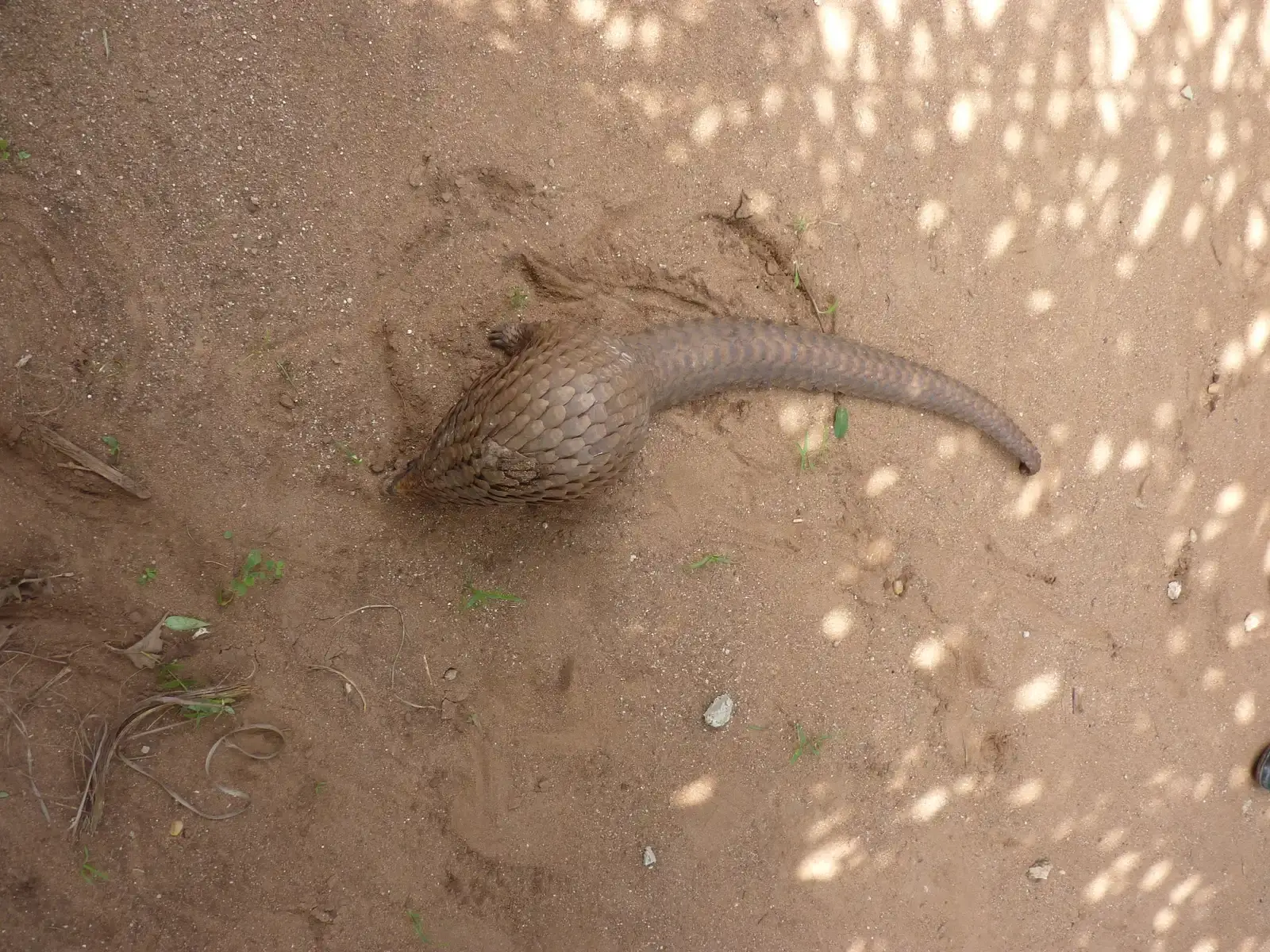
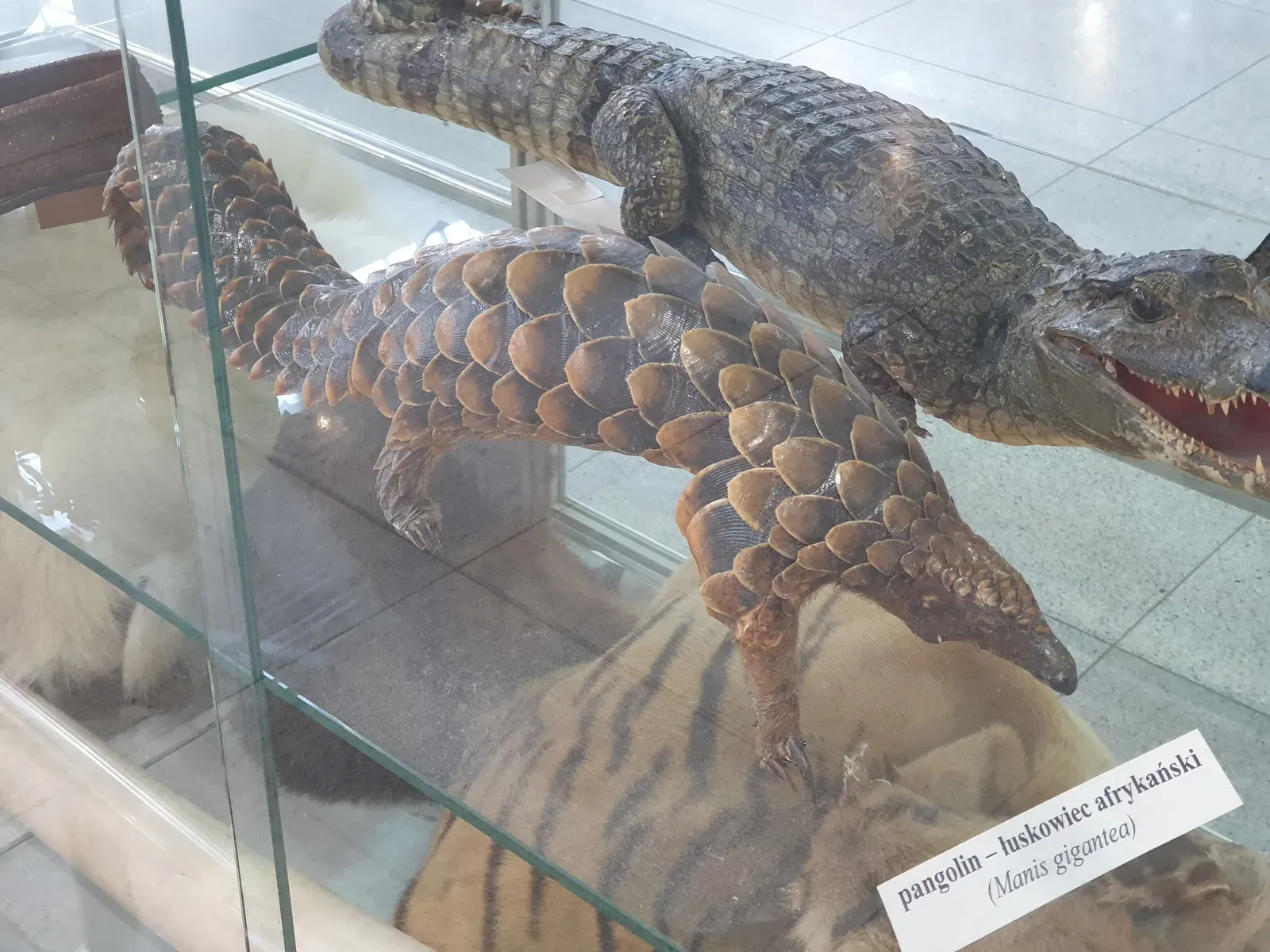
Here’s where the story turns dark. This makes them the most trafficked animal in the world. Recent estimates based on seizure data suggest that between 2000 and 2019, the equivalent of more than 895,000 pangolins were trafficked globally.
Their scales are believed to have medicinal properties in traditional Chinese and Vietnamese medicine. Their meat is also considered a delicacy, despite the fact that their scales, like rhino horns, have no proven medicinal value. It’s heartbreaking that this creature, which has existed for millions of years, now faces extinction because of unfounded beliefs.
All eight species of pangolin are assessed as threatened by the IUCN, while three are classified as critically endangered. Conservation efforts are ramping up globally, but the black market demand remains staggeringly high. The humble pangolin, which harms no one and quietly goes about eating insects, has become a victim of its own uniqueness.
Baby Pangolins Ride on Their Mother’s Tail
Let’s end on a slightly brighter note. The young cling to the mother’s tail as she moves about, although, in burrowing species, they remain in the burrow for the first two to four weeks of life. At one month, they first leave the burrow riding on the mother’s back.
During the vulnerable stage, the mother stays with her offspring in the burrow, nursing it, and wraps her body around it if she senses danger. This protective behavior shows the tender side of these armored creatures. They tend to be solitary animals, meeting only to mate and produce a litter of one to three offspring, which they raise for about two years.
When those baby pangolins are born, the scales are soft and white. After several days, they harden and darken to resemble those of an adult pangolin. Watching a tiny pangolin hitching a ride on its mother’s tail, scales still soft and pale, must be one of nature’s more endearing sights.
Conclusion
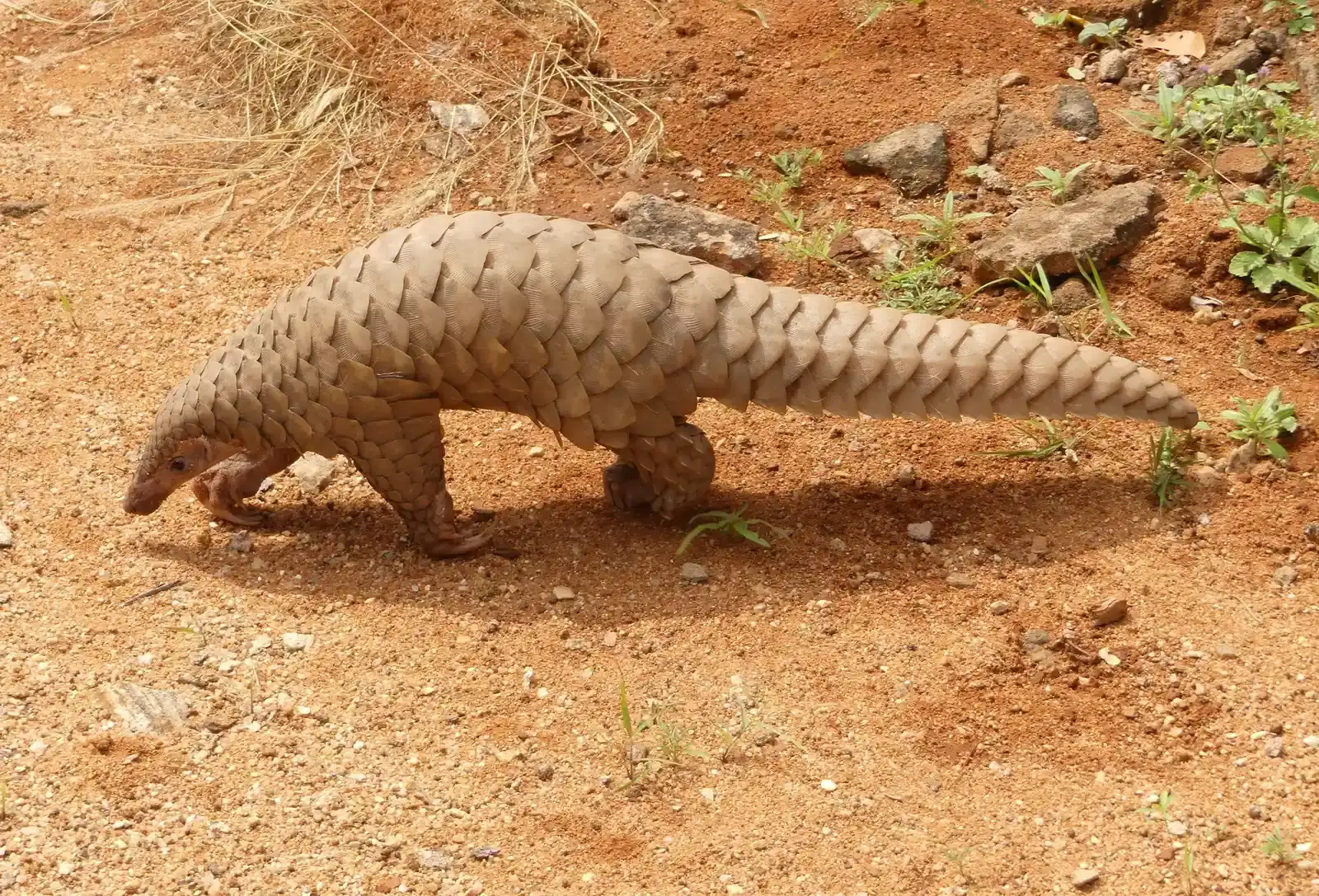
The pangolin represents one of evolution’s most remarkable experiments. From their keratin armor to their impossibly long tongues, from their massive insect appetite to their gentle parenting, these creatures are nothing short of extraordinary. Yet they remain largely unknown to most of the world, even as they teeter on the brink of extinction.
Their story reminds us how easily we can lose something irreplaceable before we even fully understand it. The fight to save pangolins continues, with conservationists, governments, and organizations working tirelessly to end the illegal trade and protect remaining populations. What do you think can be done to help save the world’s most trafficked mammal? The answer might determine whether future generations ever get to marvel at these incredible animals.

- 10 Dog Breeds That Are Surprisingly Good Apartment Dwellers - June 17, 2026
- The World’s Rainforests Teem With Undiscovered Species Waiting to Be Found - June 17, 2026
- 7 Surprising Benefits of Having a Cat in Your Home - June 17, 2026