

There’s something magical about how certain animals become intertwined with our Christmas traditions. Maybe it’s their connection to winter landscapes or their appearance in beloved stories we’ve heard since childhood. Whatever the reason, these creatures have carved out a permanent place in our holiday hearts.
From greeting cards to decorations, nativity scenes to animated specials, these animals show up year after year, bringing warmth and wonder to the coldest season. Let’s dive into the fascinating stories behind six animals that have become as synonymous with Christmas as stockings and carols.
Reindeer: The North Pole Superstars
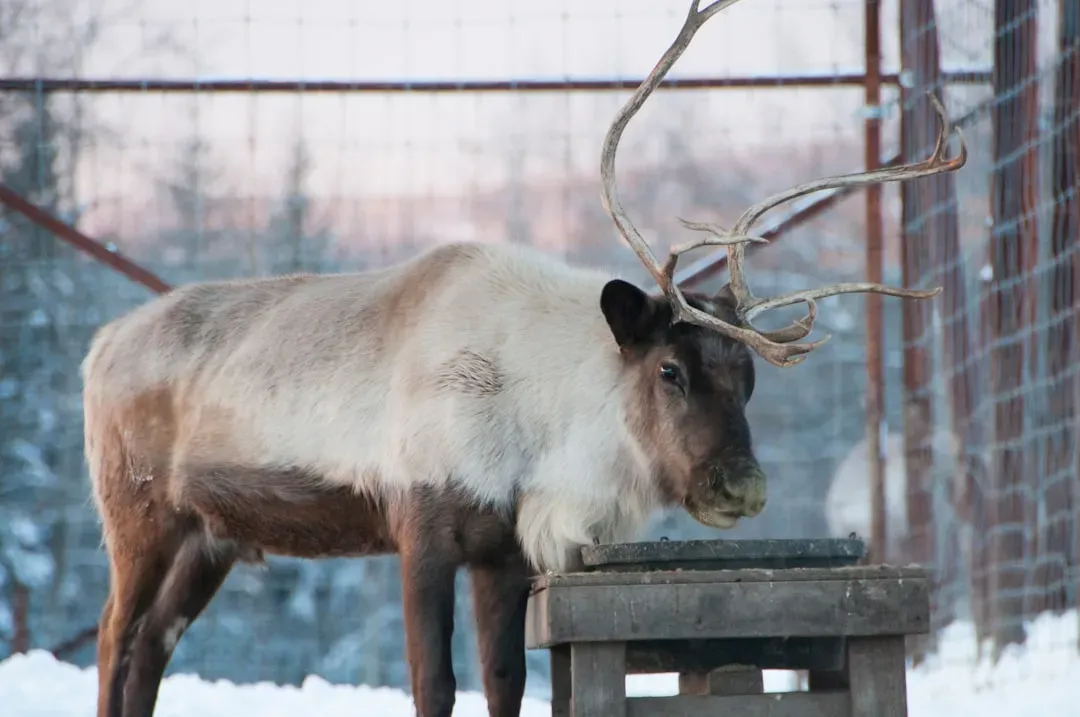
Let’s be real, when you think Christmas animals, reindeer probably gallop into your mind first. These magical flying creatures appeared in the 1823 poem “A Visit from St. Nicholas,” featuring eight named reindeer pulling Santa’s sleigh. Images and stories of Thor soaring through the sky in a chariot pulled by magical goats may have influenced the creation of Santa’s sleigh and flying reindeer.
The eight original team members had some pretty interesting names too. The final two reindeer, “Dunder” and “Blixem”, come from a Dutch oath meaning “thunder” and “lightning”. It wasn’t until much later that the most famous reindeer of all joined the crew. Rudolph’s story was originally written in 1939 for Montgomery Ward stores, and the 1949 Christmas song by Gene Autry further popularized the character.
What makes reindeer such perfect Christmas companions? Deer are native to European countries where Christianity took hold, and were an important food source in winter, frequently appearing as non-hibernating animals silhouetted against snowy landscapes. Found in Arctic and sub-Arctic regions, reindeer are perfectly adapted to the cold, and living near the North Pole makes them one of the most beloved animals associated with Christmas.
Here’s the thing though. Reindeer came to symbolize creativity, resourcefulness and knowledge, whilst representing safe journeying and endurance through travels, likely inspiring the popular story of Father Christmas. Their real-world ability to travel vast distances through harsh winter conditions makes that whole flying-around-the-world-in-one-night thing seem almost plausible.
The Charming Robin Redbreast
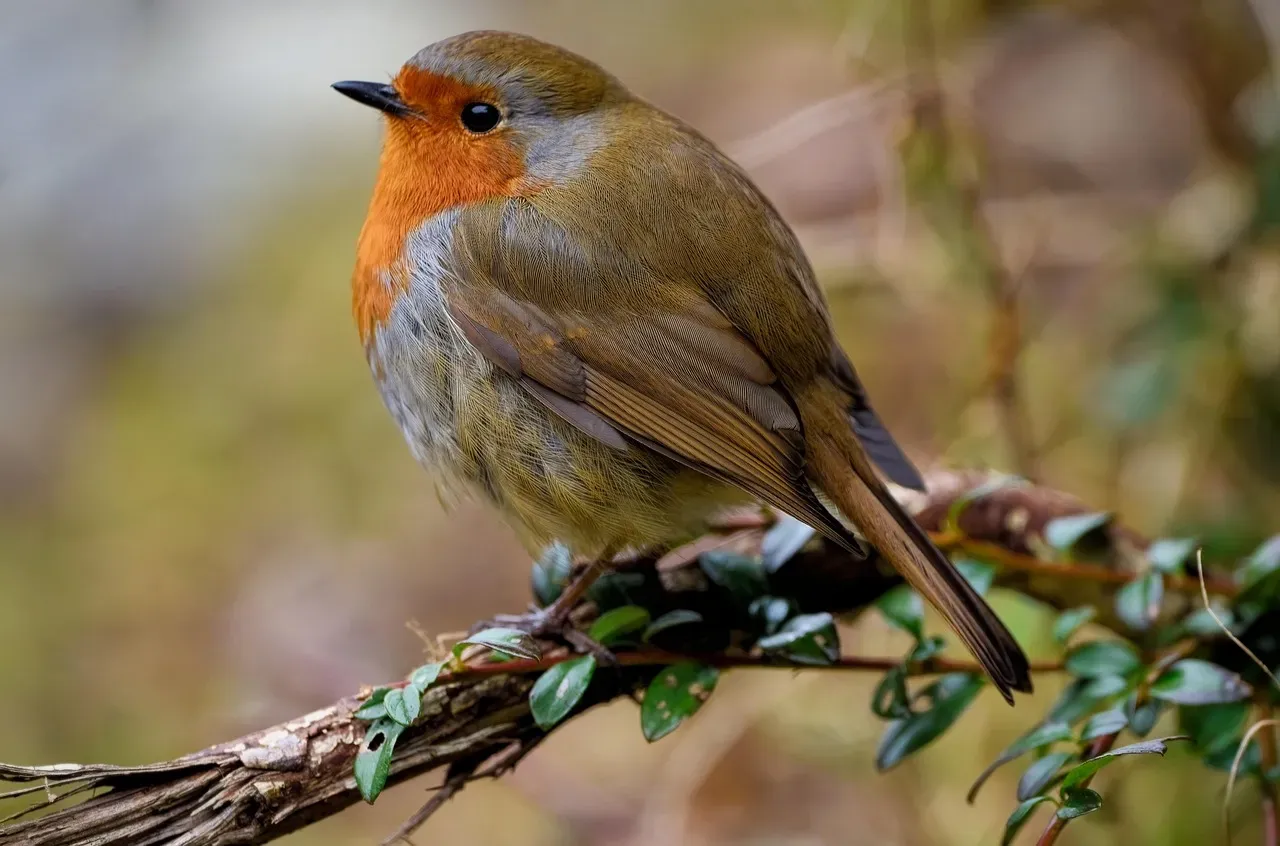
If you’ve ever wondered why those little red-breasted birds appear on nearly every British Christmas card, you’re not alone. The robin’s link to Christmas can be traced back to the early Victorian era when letter carriers wore bright red uniforms, earning them the nickname ‘robins’ or ‘redbreasts’, and as Christmas cards became popular, the crimson-clad postmen delivered festive mail.
Victorian illustrators loved this poetic connection, and soon robins became a fixture of festive imagery, often depicted carrying Christmas cards in their beaks. What started as a clever visual pun turned into an enduring Christmas symbol. The little bird literally represented the mail carrier, making it a natural choice for cards sent through the post.
Some folklore goes back even further. In one legend from the nativity story, Mary had lit a fire in the stable to keep warm, but it was in danger of going out, when the robin appeared and fanned the flames with its wings, scorching its feathers and turning its breast a bright red. That’s quite a heroic origin story for such a tiny bird.
While summer birds migrate south for winter, robins remain steadfast companions throughout the darkest days of the year, with their plump forms and glowing orange plumage brightening many frosty winter mornings. There’s something comforting about spotting that flash of color against the grey winter landscape. Symbolically with their red feathers bringing colour and light to frosty gardens, the robin parallels the joy and warmth Christmas brings to the middle of winter.
Polar Bears: Winter’s Gentle Giants
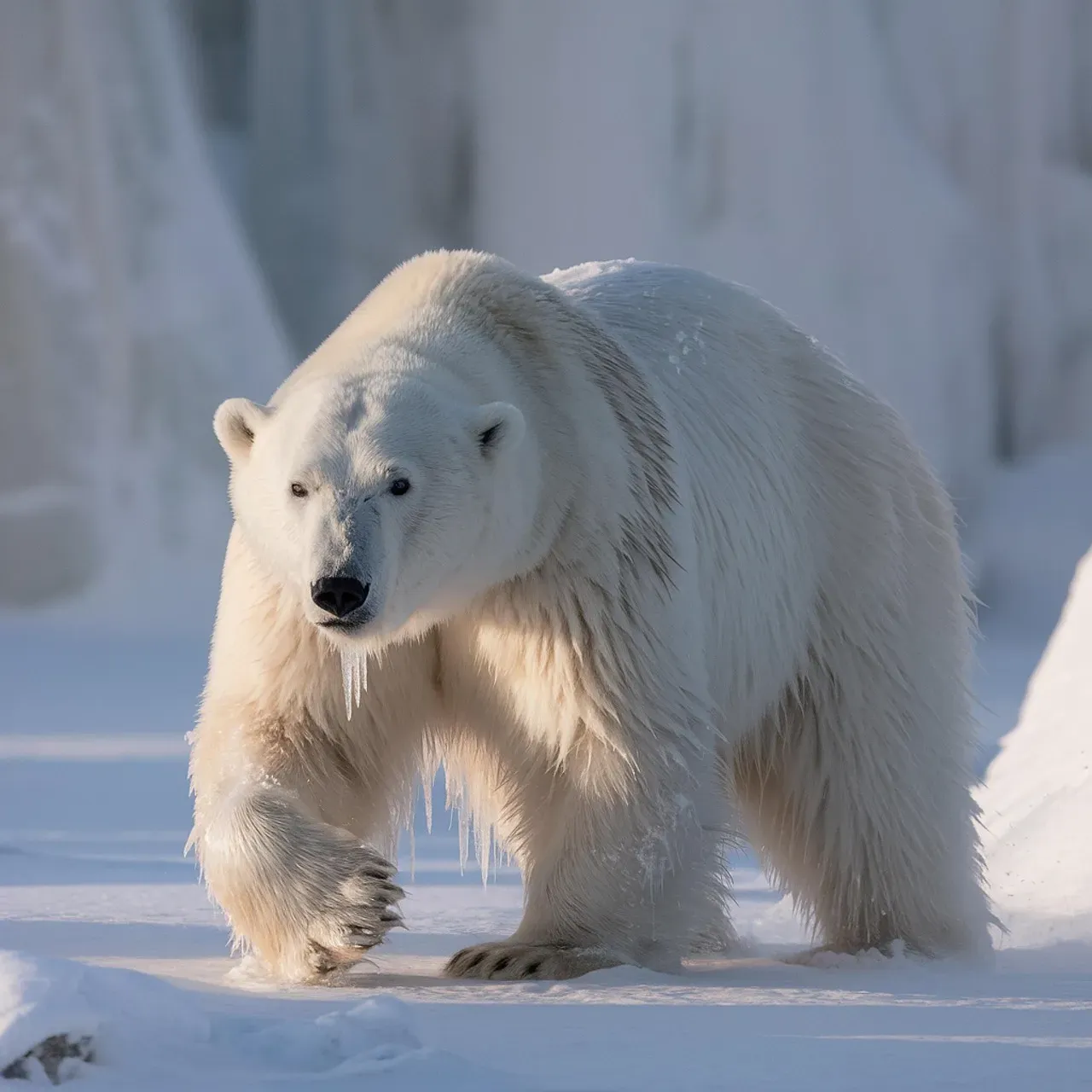
Many folks associate polar bears with Christmas, partly because of their snowy white fur and that they live in the polar regions where Santa Claus hails from. It’s hard to think of a more perfectly winter-appropriate creature. These massive Arctic dwellers have found their way onto ornaments, inflatables, and countless decorations despite not actually living at the North Pole where Santa’s workshop supposedly sits.
Polar bears are iconic symbols of winter, evoking images of snowy landscapes and cozy holiday moments, and by choosing polar bear Christmas ornaments, you’re creating a winter wonderland in your home. Their white fur and association with ice and snow make them natural fits for winter wonderland themes. You’ll find them on everything from greeting cards to yard decorations, often dressed in festive scarves and Santa hats.
The appeal is pretty straightforward. Polar bears represent the beauty and majesty of winter itself. They pair beautifully with other winter-themed decorations like snowflakes, icicles, and silver accents, and their timeless appeal ensures they’ll remain a cherished part of holiday traditions for years to come. There’s also something endearing about these powerful predators portrayed as cuddly and gentle in Christmas imagery.
The fact that polar bears are Arctic animals living in snowy environments has made them a popular choice for many Christmas and winter holiday advertising campaigns, with Coca-Cola releasing its first polar bear print advertisement in France in 1922. That famous advertising campaign certainly cemented polar bears as Christmas icons in modern culture.
The Humble Donkey of Bethlehem
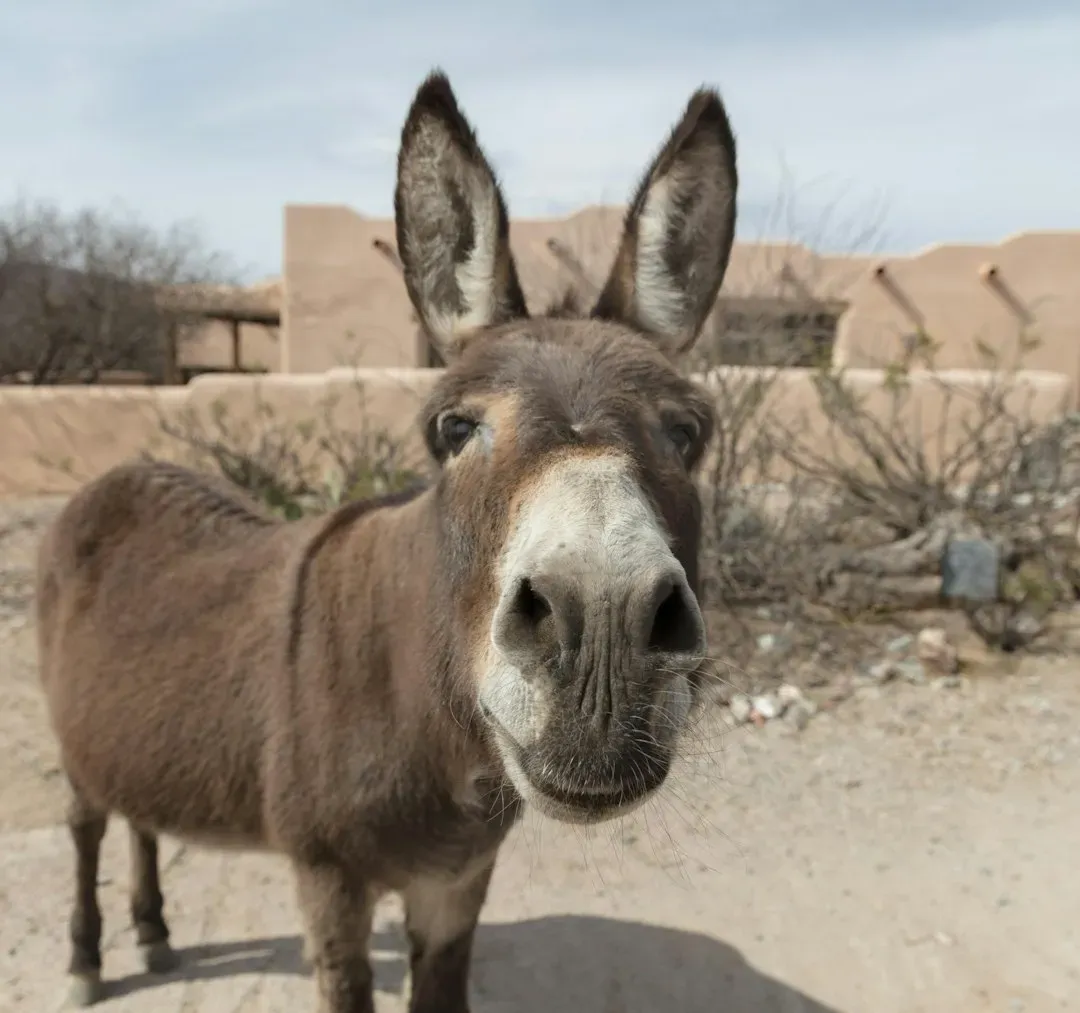
Walk into any church or home with a nativity scene and you’ll likely spot a donkey standing quietly near the manger. Mary traditionally rode a donkey on the journey to Bethlehem. This gentle beast of burden has become inseparable from the Christmas story, even though there’s a twist to this tale.
Mary did not ride to Bethlehem on a donkey, as nowhere in any Gospel does it say that Mary did anything but walk, and the whole journey is given in three lines with no mention of transportation. Yet the tradition persists, and honestly, it makes sense. An early Gospel story that didn’t make it into the Bible, the Proto-Gospel of James from the second century AD, describes Joseph saddling up a donkey and putting Mary on it to ride the long journey.
The ox and donkey have been indispensable parts of pictorial representations of the birth of Jesus since early Christianity, however the animals do not appear in the Bible, as the Gospel of Luke only mentions a crib stable and manger. According to Bible scholars, the two animals have their basis in Isaiah’s prophecy, and the first Christians must have read these words as pointing to Jesus’ birth in a manger, a feeding trough for stabled animals.
There’s something beautiful about the donkey’s role. There is always a place in the nativity for the person who will plod along expecting no applause, bear up under the weight of the long haul, and carry the One who will carry us all. The donkey represents faithful service without seeking glory.
Penguins: The Unlikely Christmas Birds
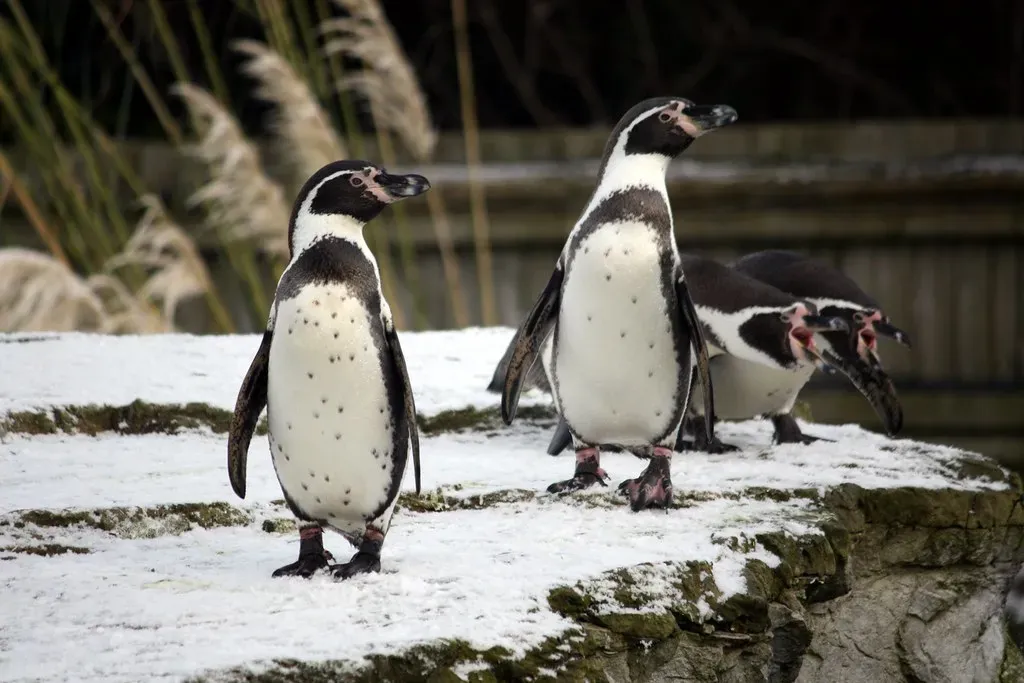
Wait a minute, you might be thinking. Penguins? Those birds live in Antarctica, nowhere near the North Pole! You’d be absolutely right, yet though they live in the Southern Hemisphere, penguins are popular animals at Christmas time, as it’s hard to think about snow and ice without thinking about this flightless bird, and these comical and cute Christmas animals are favorites of many.
Some might tell you that Christmas penguins are a recent thing spurred by the birds’ popularity in films, however older readers might remember the 1970 TV special called Santa Claus is Comin’ to Town, in which Santa befriends a wayward penguin named Topper. Even in that show, the absurdity wasn’t lost. Even Mr. Claus remarks that it’s odd to see a penguin at the North Pole.
Their tuxedo-like appearance makes them naturally festive. Penguins always look dressed for a formal occasion, which fits perfectly with the celebratory nature of Christmas. Adding penguin ornaments brings a whimsical flair to holiday decor, as penguins are playful and charming, representing the joy of winter – perfect for the season.
Despite their existence on opposite poles, penguins and polar bears share lots of similarities that make them perfect bookends, as they both live in cold, snowy climates and both have adorable offspring. The cuteness factor is undeniable. Their waddling walk and endearing expressions translate beautifully into decorations, cartoons, and holiday merchandise.
It’s one of those wonderful examples of how Christmas traditions care less about geographic accuracy and more about capturing feelings. Penguins feel like Christmas because they embody winter charm, even if they’re technically summer creatures when December rolls around down south.
The Oxen: Silent Witnesses of the Manger
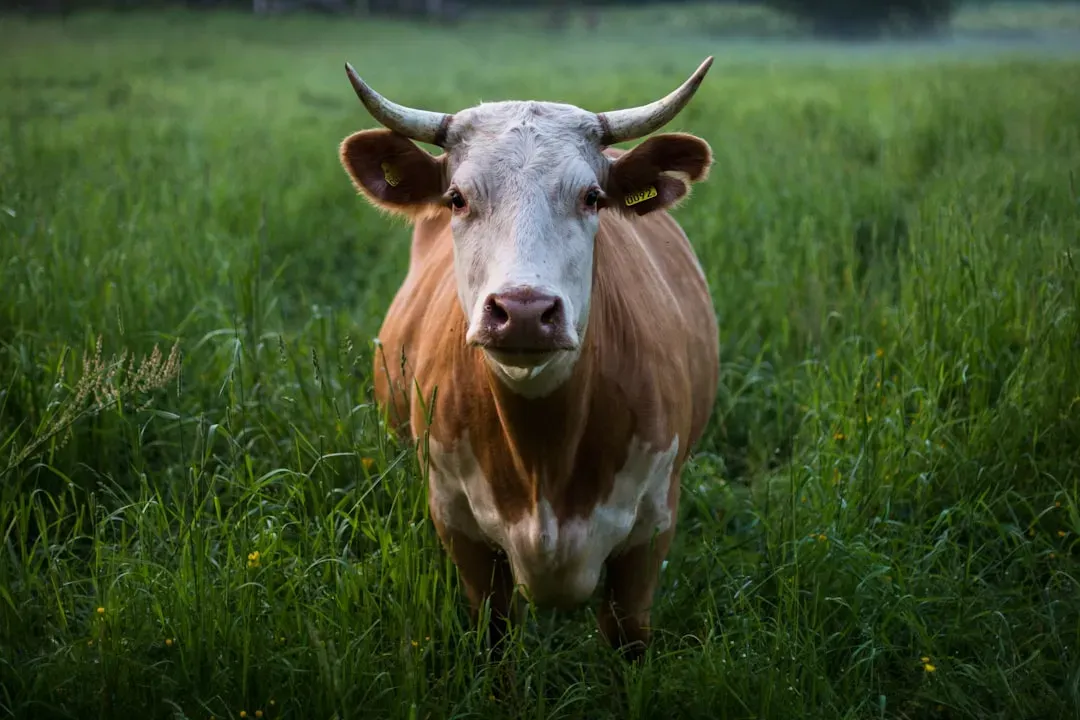
The ox has been an indispensable part of pictorial representations of the birth of Jesus since early Christianity, appearing in medieval frescoes and church windows from the 4th century onwards, however the animals witnessing Jesus’ birth do not appear in the Bible, with the Gospel of Luke only mentioning a crib stable and manger. Like the donkey, the ox earned its place through tradition and symbolism rather than scripture.
A Latin text from the seventh to eighth century called the Gospel of Pseudo-Matthew takes an earlier version and elaborates on it, and the famous ox and ass enter into the scene, bowing down to worship Jesus, a scene still immortalized on Christmas cards thousands of years later but never included in the Bible text. These animals became witnesses to the most important birth in Christian tradition.
According to Christian conception, the donkey at the manger represents the pagans, while the ox represents the Jews. The symbolism runs deeper than just stable decoration. These animals represented all of humanity coming to witness the miraculous event.
A manger without an ox or donkey would be incomplete, as the two animals, together with Mary, Joseph and baby Jesus, have appeared in so many nativity scenes that we expect them to be there as among the oldest Christian motifs. The Vatican itself has included animals in the nativity scenes it sets up each year in St Peter’s Square, and Benedict concedes that the tradition is here to stay, noting that no nativity scene will give up its ox and donkey.
The ox represents patience and quiet strength. Standing calm and still in the stable, these gentle giants provide warmth and a sense of peaceful protection around the vulnerable newborn. Their presence reminds us that even the mightiest can be gentle.
Conclusion

These six animals have woven themselves into the fabric of Christmas through folklore, tradition, advertising, and our collective imagination. Some appear in ancient religious texts and legends, while others are more modern additions, but all of them add layers of meaning and joy to the holiday season.
Whether it’s the faithful reindeer pulling Santa’s sleigh, the cheerful robin brightening winter days, the majestic polar bear representing winter’s beauty, the humble donkey and ox bearing witness to the nativity, or the delightfully out-of-place penguin bringing smiles to our faces, each animal carries its own story and symbolism.
They remind us that Christmas isn’t just about people and presents. It’s about the wonder of the natural world, the warmth of tradition, and the stories we tell and retell until they become as real as the snow outside our windows. These animals may not all belong together geographically or historically, yet somehow they’ve all found a home in our hearts each December.
Which of these Christmas creatures is your favorite? Do you have special ornaments or decorations featuring any of them? Share your thoughts and keep these wonderful traditions alive for future generations.

- 7 Ways Cats Show They're Secretly Annoyed With You - July 19, 2026
- What Small Dog Breed Are you According to Your Zodiac Sign - July 19, 2026
- The Zodiac Signs That prefer Dogs as Pets (And Those That Are More Cat People) - July 19, 2026