

You scrub the counters. You mop the floors. You take out the trash religiously. So why, then, does a cockroach scuttle across your kitchen floor at midnight like it owns the place? Honestly, it’s one of the most frustrating things a homeowner can experience – the creeping suspicion that your cleaning routine simply isn’t enough.
Here’s the thing: cockroaches aren’t moral judges. One of the most common misconceptions among homeowners is that cockroaches only infest dirty or cluttered spaces. The truth is, roaches aren’t judging your home’s cleanliness – they’re following their survival instincts. They’re essentially little survival machines, and some of your most well-intentioned cleaning habits may actually be rolling out the welcome mat for them.
What follows might just change how you clean forever. Let’s dive in.
Mistake #1: Not Cleaning Behind and Underneath Appliances
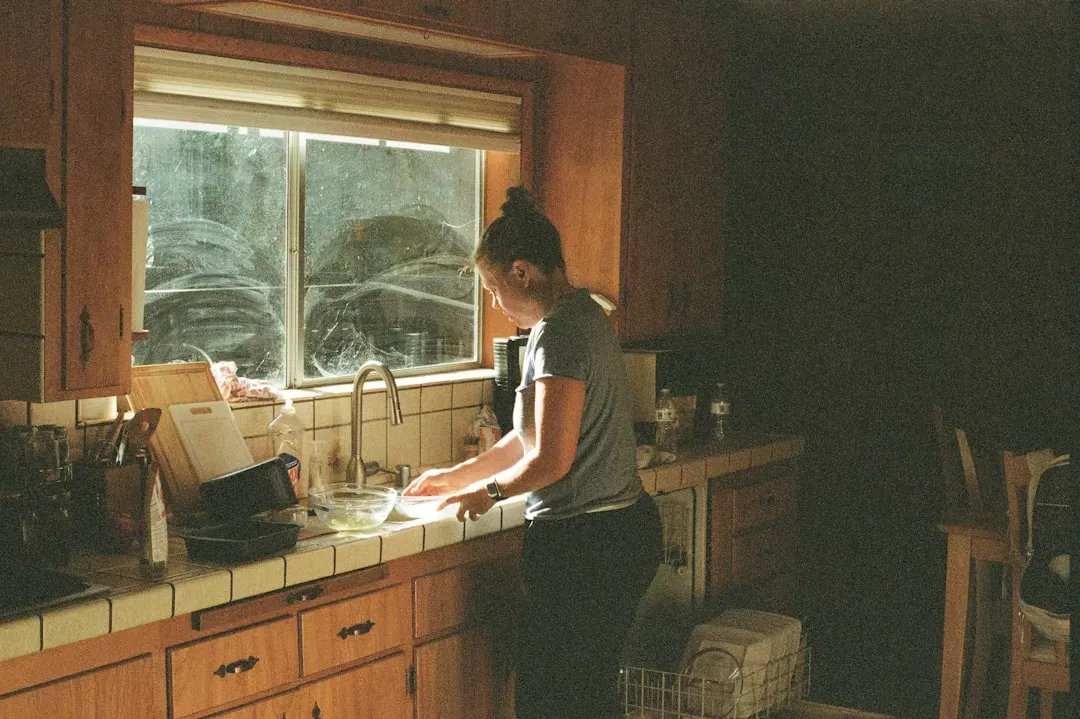
Most people wipe down the stovetop and call it a day. But here’s what’s lurking just out of sight. Roaches love the warm, dark, and often crumb-filled spaces behind your fridge, stove, and dishwasher. If you’re only wiping visible countertops and floors, you may be missing prime cockroach real estate.
Think of the back of your refrigerator like a dark little penthouse suite for pests. Warm, undisturbed, and stocked with food debris. Crumbs behind the fridge, grease build-up along the stove, and forgotten spills under the toaster are common sources of food for ants, cockroaches, and mice. If you’re not pulling out appliances or checking under furniture, you could be leaving behind a feast for pests.
Make sure to clean the space behind the refrigerator, stoves, ovens, and other appliances to avoid inviting cockroaches. Wiping off spills and splatters as soon as they appear is a good practice to keep these pests out of the kitchen. Even once a month is infinitely better than never. The grease and food residue that builds up silently over time is more than enough to sustain an entire colony.
Mistake #2: Just Emptying the Trash Without Cleaning the Bin
Emptying your trash bin feels like the right move. It looks clean, right? Not to a cockroach. Emptying the trash isn’t enough. If you’re not cleaning the inside of the bin itself, leftover residue or odors can linger – and that’s all it takes to attract pests.
Unsealed trash bins are a primary source of food for cockroaches. They are drawn to rotting food, scraps, and even non-food items like paper and fabric. That sticky residue at the bottom of your bin? It’s practically a five-star restaurant for them.
Use a bin with a tight-fitting lid, always use trash bags, and rinse the bin weekly with soap and water. Don’t forget your recycling bin, especially if it contains food containers or drink cans. Most people forget about the recycling entirely. That half-rinsed pasta sauce jar sitting in the recycling pile is sending out an invitation to every roach in the neighborhood.
Mistake #3: Ignoring Moisture and Leaky Pipes
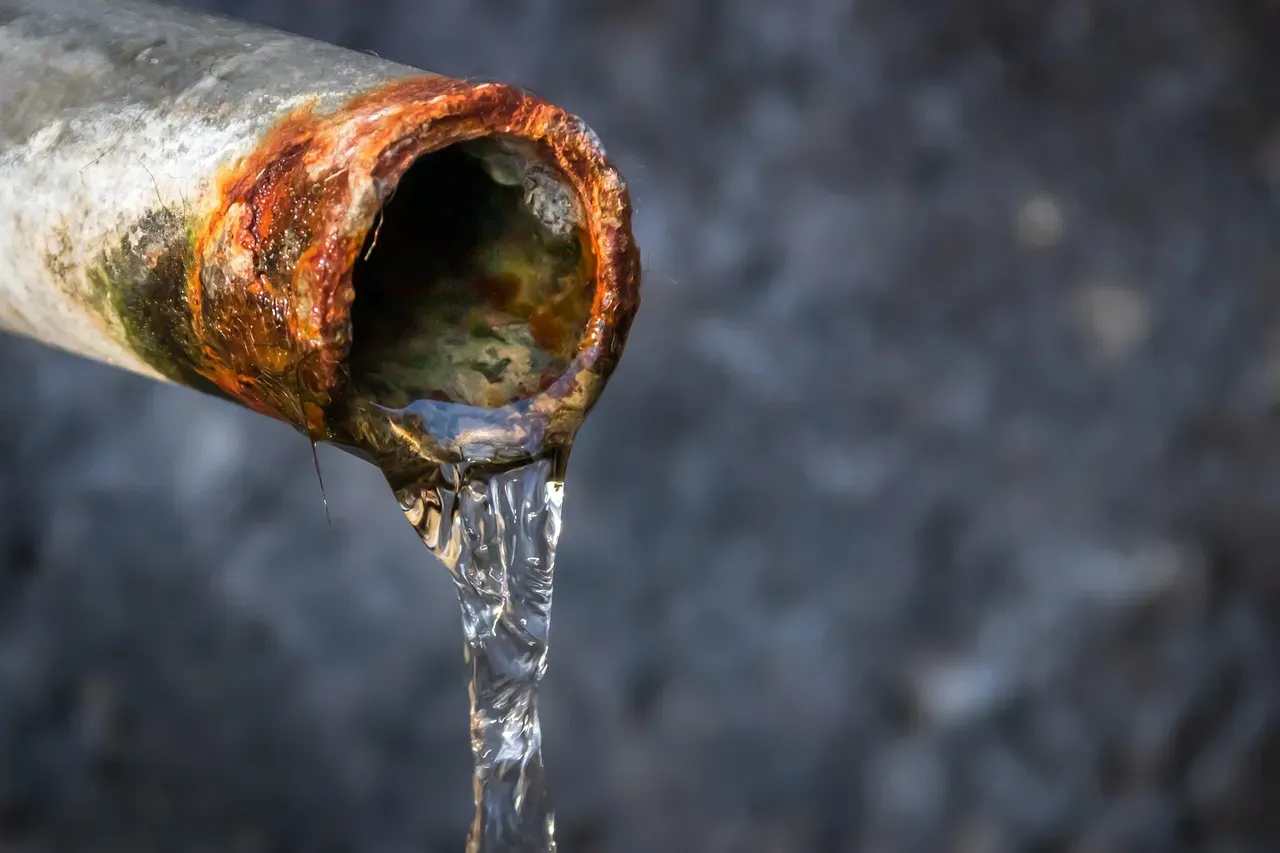
This one surprises a lot of people, and I think it’s the most underrated mistake of all. We tend to focus on food as the main cockroach attractant. But water is actually more urgent for them. Cockroaches can survive without food for a month, but can only survive for one week without water.
Cockroaches are drawn to any environment that provides them with hydration, making leaks, condensation, and excess moisture prime targets. Common household areas often accumulate moisture unnoticed, providing ideal conditions for roaches. Under sinks is a frequent culprit, where small leaks or drips may go unchecked. Around plumbing fixtures, even tiny amounts of moisture can be enough to draw these resilient creatures.
Basements, known for higher humidity levels, can also harbor cockroaches, especially if ventilation is poor. Appliances like refrigerators and dishwashers can also contribute to moisture buildup; condensation around these machines can create a perfect roach habitat. So the next time you notice a slow drip under the bathroom vanity, don’t put off fixing it. That tiny puddle is like a watering hole in a desert for these bugs.
Mistake #4: Leaving Pet Food and Water Bowls Out Overnight
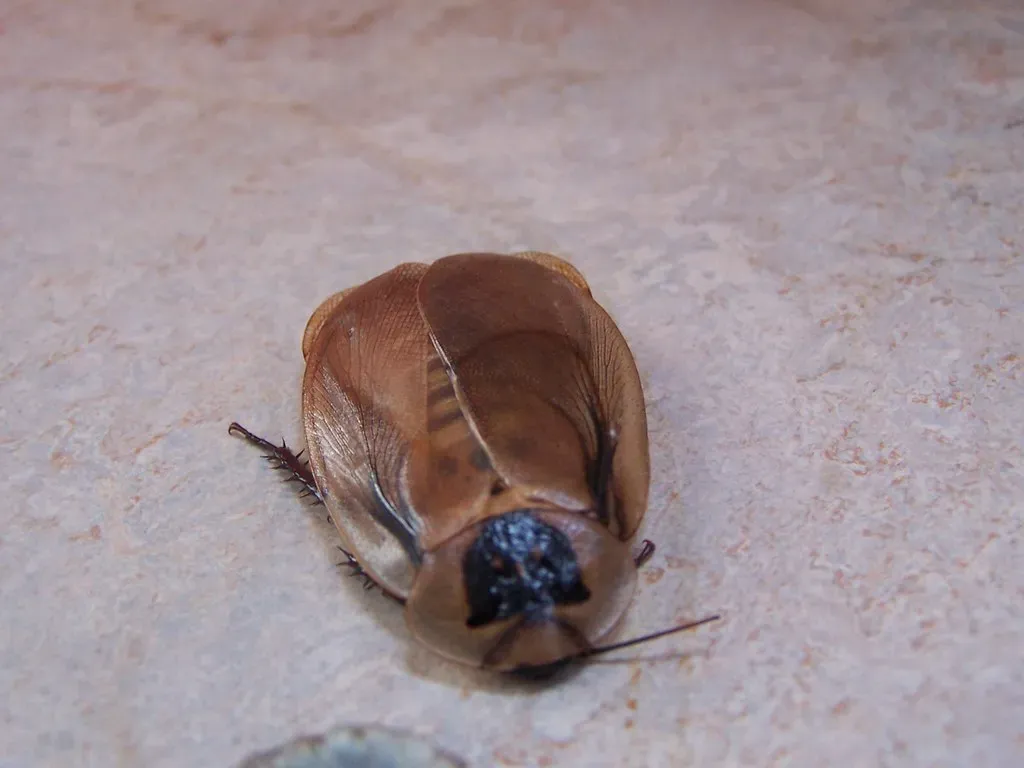
Let’s be real – most pet owners are guilty of this one. You feed your dog or cat, they wander off, and the bowl just sits there on the floor all night. Totally harmless, right? Wrong. Leaving pet food or water dishes out overnight, outside or in the garage, is a common mistake that attracts American cockroaches to homes.
Pet bowls are a midnight buffet for roaches. If food or water is left out while your pets sleep, pests will happily help themselves. It’s a bit like leaving a restaurant unlocked after closing time. Someone’s definitely going to wander in.
Like any other pantry essentials, it’s key to keep your pet’s food in tightly sealed containers. Removing food and water bowls from the ground when your pet is finished can also help to avoid roach encounters. It’s a small habit change that makes a genuinely big difference. If your pet doesn’t eat it, pick it up. Simple as that.
Mistake #5: Storing Food in Unsealed Pantry Containers

Here’s something that gets overlooked constantly. You might think your pantry is clean because it looks tidy. But if your rice, cereals, or flour are sitting in their original paper or cardboard packaging, you are essentially handing out free meals. Even if you tidy up your kitchen and dining area after each meal, it still might not be enough to prevent a roach from foraging through your home. Roaches often detect crumbs that have been missed under the refrigerator and microwave, and food that hasn’t been adequately sealed in the pantry.
It gets stranger. Roaches can digest cellulose, which allows them to eat things like paper, cardboard, and wallpaper. So those stacked cardboard boxes and old grocery bags sitting in your pantry or garage aren’t just clutter – they’re a literal food source. I know it sounds crazy, but a cockroach can eat the box your cereal came in.
Storing food incorrectly can attract roaches; if stored improperly, roaches will find it and use it as a food source. Transfer dry goods into airtight glass or hard plastic containers. It takes about five minutes and dramatically reduces what’s available to scavenging pests after dark.
Mistake #6: Skipping Deep Cleans in Hidden, Rarely Touched Areas
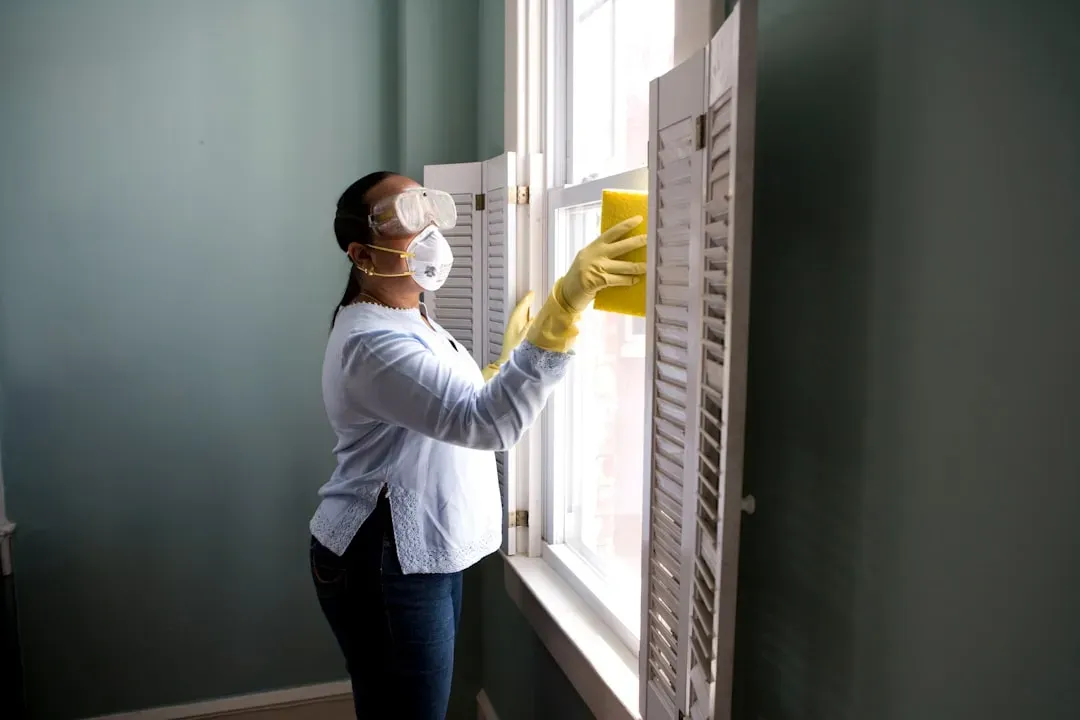
Day-to-day cleaning feels thorough. Surfaces get wiped, floors get swept, dishes get done. However, even if your daily cleaning is solid, occasional deep cleans – think pantry shelves, under furniture, and baseboards – are essential. These are often where roaches hide, nest, and lay eggs.
Cockroaches eat anything available to them, including trash, dead insects, leather, hair, glue, and cardboard. Unused boxes and piles of old magazines left in basements and attics are good targets when roaches are looking for food and shelter. That forgotten corner in the utility room, that dusty stack of boxes in the garage, those neglected spaces behind the washing machine – these are prime cockroach territory.
Day-to-day cleaning is great, but over time, small build-ups of grease, crumbs, or clutter can create cozy hiding spots. Experts often find roaches behind stacked boxes in the garage, near baseboards with dust, or inside forgotten storage bins. Scheduling a serious deep clean every few months, hitting all the spots you normally skip, is one of the most impactful preventative actions you can take.
The Bottom Line on Keeping Cockroaches Out for Good
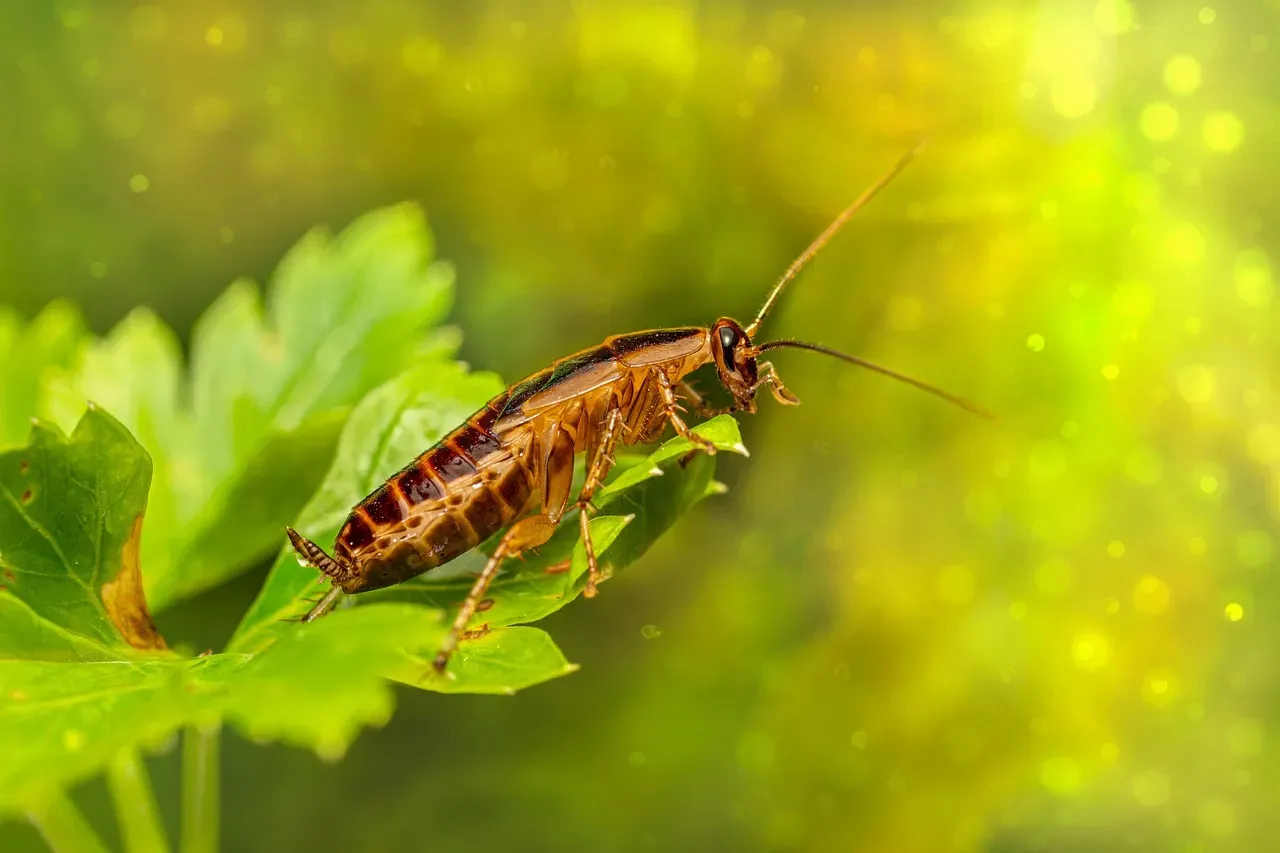
There is a deeply frustrating irony at play here. You can work hard to keep a clean home and still unknowingly be inviting one of the most resilient pests on Earth. The gap between “surface clean” and “roach-proof” is wider than most people realize. Cockroaches aren’t necessarily attracted to “dirt” – they’re looking for food, water, warmth, and hiding places. A spotless kitchen can still offer access to all four if certain conditions are right.
The six mistakes outlined here – ignoring behind appliances, skipping bin washing, tolerating moisture, leaving pet food out, using unsealed containers, and avoiding deep cleans – are all fixable. None of them require expensive products or professional help to prevent.
Sealing off entry points, eliminating water sources, properly storing food, and removing garbage and clutter can go a long way when it comes to keeping roaches at bay. The battle against cockroaches is ultimately about consistency, not perfection. A few small but deliberate changes to your cleaning routine can make your home dramatically less appealing to these incredibly stubborn creatures.
So next time you’re cleaning, ask yourself: are you cleaning for appearances, or are you cleaning against cockroaches? There’s a real difference – and the roaches already know which one you’re doing.

- Why Veterinarians Say If Your Cat Sleeps With Their Back to You, It's the Highest Form of Trust in Feline Behavior - July 20, 2026
- The Zodiac Signs That Owls Avoid Completely (And What Folklore Says It Means About Your Energy) - July 20, 2026
- 8 Amazing Animal Instincts That Continue to Puzzle Scientists Today - July 20, 2026