
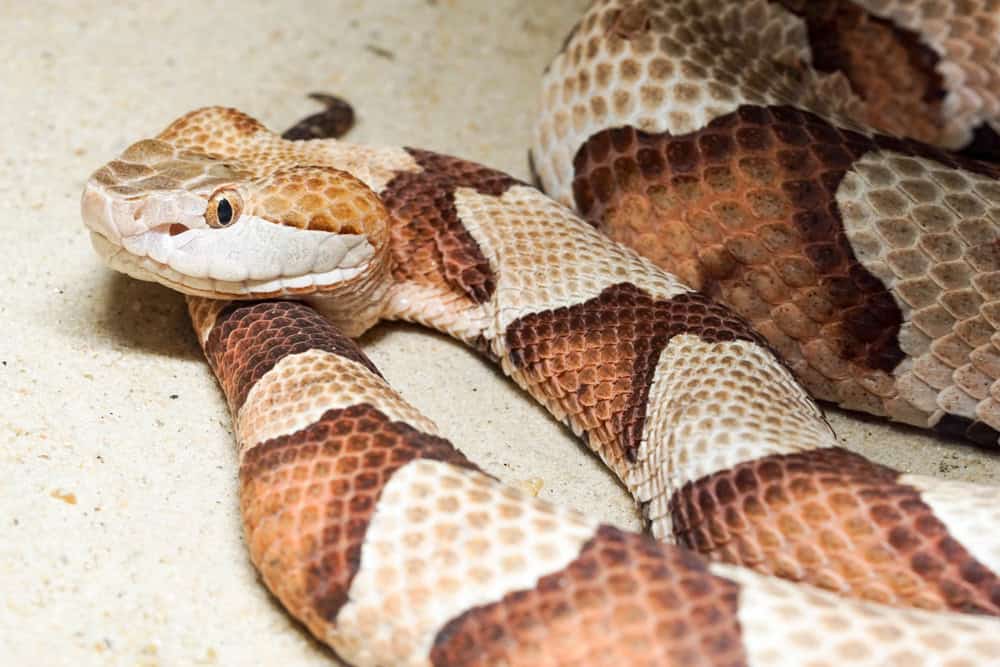
Copperhead snakes, scientifically known as Agkistrodon contortrix, are medium-sized venomous snakes native to the eastern United States. Renowned for their distinctive copper-colored heads and hourglass pattern, these snakes are a fascinating subject of study, often eliciting both fear and curiosity. Although they have a broad geographic range, there are specific areas within the United States where copperhead snakes decidedly do not reside. Understanding where these reptiles flourish and where they do not can provide insights into their preferred habitats, contributing to our broader knowledge of animal ecology.
Natural Habitat of Copperhead Snakes
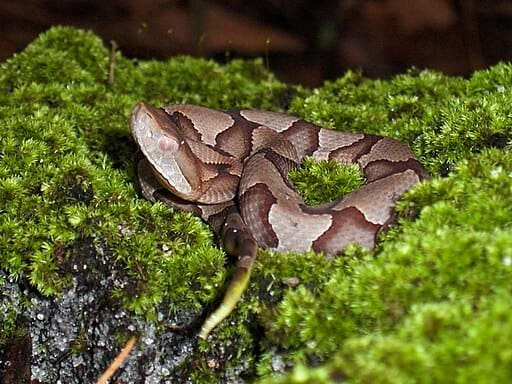
Copperhead snakes typically inhabit areas that provide a mix of shelter and foraging opportunities. They are commonly found in deciduous forests, rocky outcroppings, and mixed woodlands across their geographical range. Copperheads prefer environments where they can effectively camouflage against the natural backdrop, aiding in both predation and protection. These snakes are also known to inhabit areas near water sources, such as streams and marshes, which ensure an abundant supply of food. Because of their adaptability, copperheads thrive in both rural and semi-urban settings, contributing to their widespread presence in the eastern United States.
States Where Copperhead Snakes Can Be Found
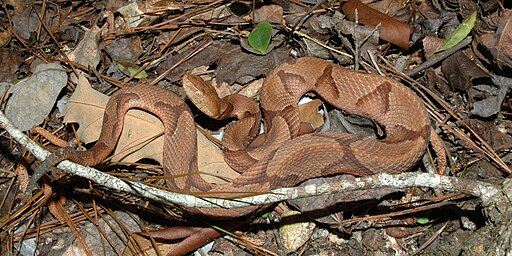
Most states in the Eastern and Central United States report the presence of copperhead snakes. They are particularly prevalent in states like Texas, Oklahoma, Georgia, and Kentucky, where suitable environmental conditions are abundant. Additionally, copperheads are frequently encountered in the central and southern areas of the Midwest, including Missouri and southern Illinois. This distribution pattern highlights their adaptability in environments ranging from dry, rocky landscapes to moist forest floor beds.
States Without Copperhead Snakes
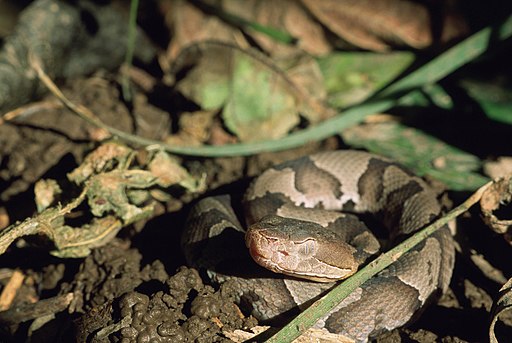
Despite their extensive range, there are notable regions where copperhead snakes are not found. These states typically lack the environmental conditions conducive to supporting a stable copperhead population. Specifically, states in the far northern parts of the United States, such as those in New England—Maine, Vermont, and New Hampshire—are devoid of copperhead populations. The colder climates and longer winters in these areas create an inhospitable environment for these reptiles.
Additionally, the Pacific Coastal states such as California, Oregon, and Washington do not have native copperhead populations. The ecological diversity and distinct climate zones in these western states do not align with the preferred habitat conditions that copperhead snakes seek, and thus, they are absent from these environments.
Factors Influencing Copperhead Distribution
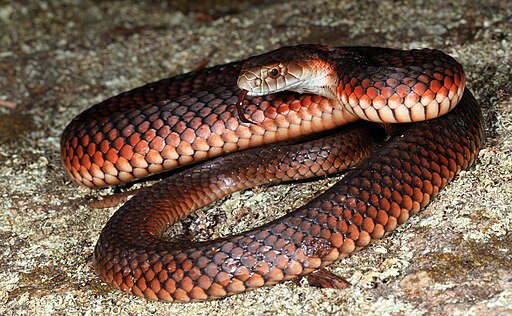
The distribution of copperhead snakes is influenced by a combination of climatic conditions, habitat availability, and ecological interactions. Temperature plays a crucial role, as copperheads are ectothermic creatures that rely heavily on ambient temperatures to regulate their body heat. As a result, they are more prevalent in warmer, temperate zones and absent from areas with harsh winters.
Moreover, habitat availability shapes their presence across different states. Copperheads thrive in areas that provide ample cover, prey availability, and minimal human disturbance. In contrast, regions with extreme environmental conditions, such as deserts or extensive urban landscapes, tend not to support sustainable copperhead populations.
Conclusion
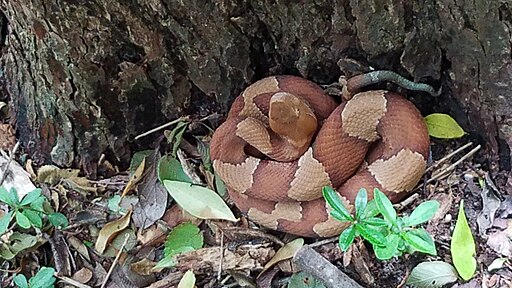
Copperhead snakes are undeniably captivating reptiles with a wide but selective distribution in the United States. Understanding where these snakes can and cannot be found is essential for both conservation efforts and public education. By acknowledging the states devoid of copperhead populations—primarily those in the northernmost and westernmost parts of the country—we can better appreciate the intricate balance between species and habitat, and further our understanding of ecological diversity across the United States.

- The Most Powerful Earthquake Ever Felt in the U.S. - July 19, 2026
- How Rhinoceros Males Compete for Mating Rights in the Wild - July 18, 2026
- 13 Spider Species Thriving in Changing Environments - July 18, 2026