
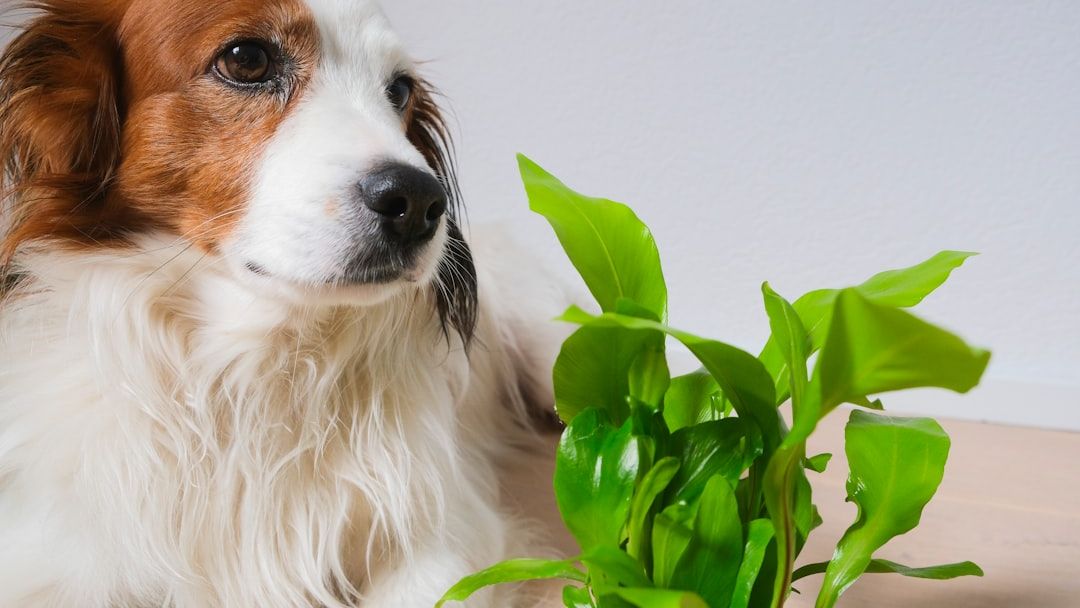
Most pet owners spend a good deal of time thinking about food safety for their animals. Far fewer think about the garden. It’s an easy oversight, especially when the plants in question look completely harmless, even beautiful. Roses, tulips, foxgloves, the elegant lily in a vase by the window – none of them announce their danger.
The list of poisonous plants found in home gardens and households is surprisingly long, and while the term “poisonous plants” might conjure images of a comatose animal rushed to the vet, many toxic plants will only cause digestive upset. Still, others carry a far more serious threat. Knowing the difference could genuinely save your pet’s life.
Lilies: Beautiful, Common, and Devastatingly Toxic to Cats
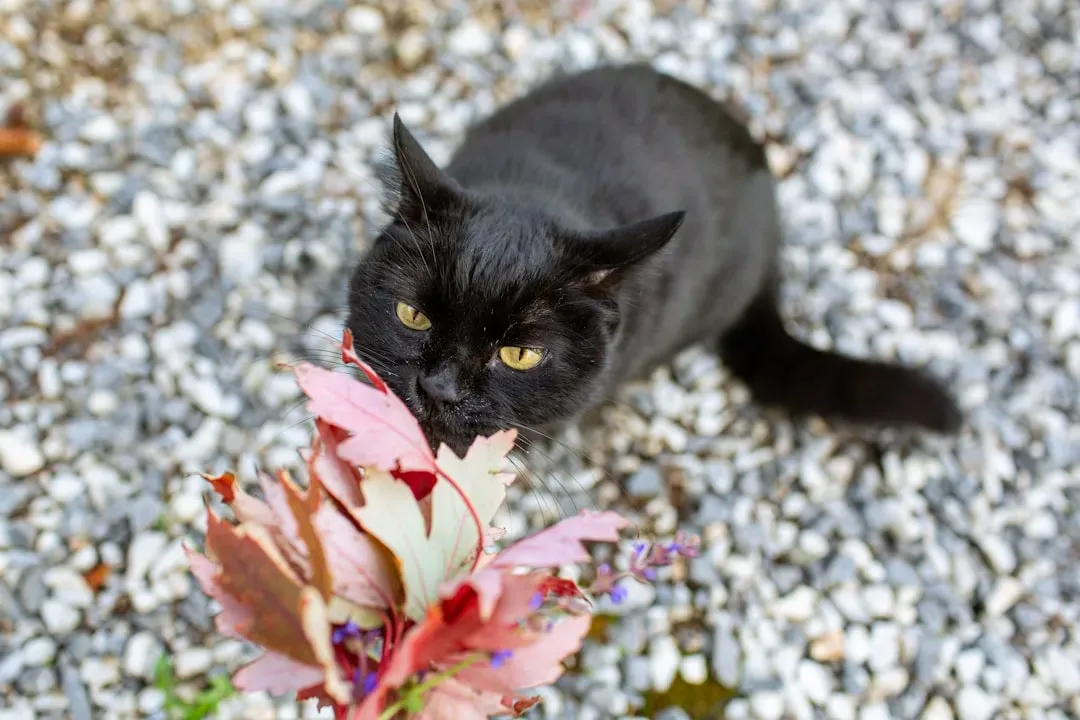
Of all the plants on this list, lilies demand the most urgent attention, particularly if you share your home with a cat. The most dangerous, potentially fatal lilies are true lilies, including tiger, day, Asiatic, Easter, and roselilies, all of which are highly toxic to cats, with even small ingestions of just two to three petals or leaves capable of resulting in severe kidney failure.
All parts of the plant are toxic, and if left untreated, lily intoxication causes acute renal failure within 12 to 36 hours, with cats only needing to ingest a very small amount to be affected. This includes pollen that falls onto fur and is ingested during grooming.
Lilies are mildly toxic to dogs, but their reactions are not quite so severe. The concern for dogs is primarily gastrointestinal upset rather than organ failure. If a cat consumes any part of a lily, it should be taken to a vet immediately, and if you have cats, trading lily plants for another pretty bloomer that is non-toxic is strongly advised.
Azalea and Rhododendron: The Landscaping Danger Nobody Talks About
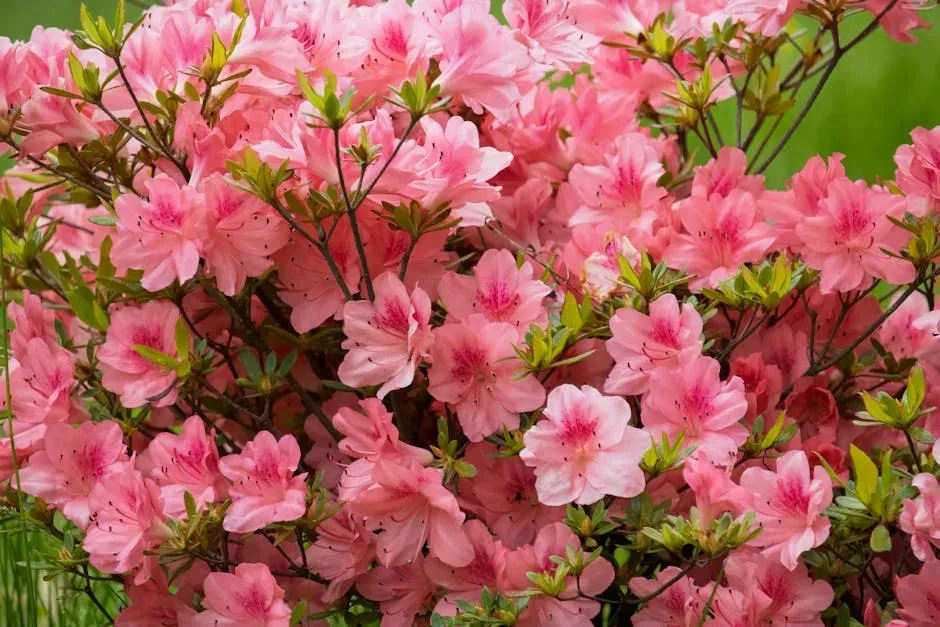
The flowering shrub azalea contains a powerful neurotoxin called grayanotoxin, which can disturb the proper function of the body’s cell membranes. This isn’t a plant that requires a large serving to cause harm. All parts of the plant are considered poisonous, and as little as ingestion of 0.2% of an animal’s body weight can result in poisoning.
When ingested, clinical signs include gastrointestinal symptoms such as drooling, vomiting, diarrhea, and abdominal pain, as well as cardiovascular effects including abnormal heart rate and hypotension, and central nervous system signs such as depression, tremors, transient blindness, seizures, and coma.
Used in landscaping and found in the wild, the entire genus is extremely dangerous for dogs, with even a few leaves capable of causing serious issues including vomiting, diarrhea, drooling, paralysis, shock, coma, and death. Given how widely planted azaleas and rhododendrons are in suburban gardens, this risk is one that genuinely deserves more awareness.
Foxglove: The Heart Medication That Can Stop a Heart
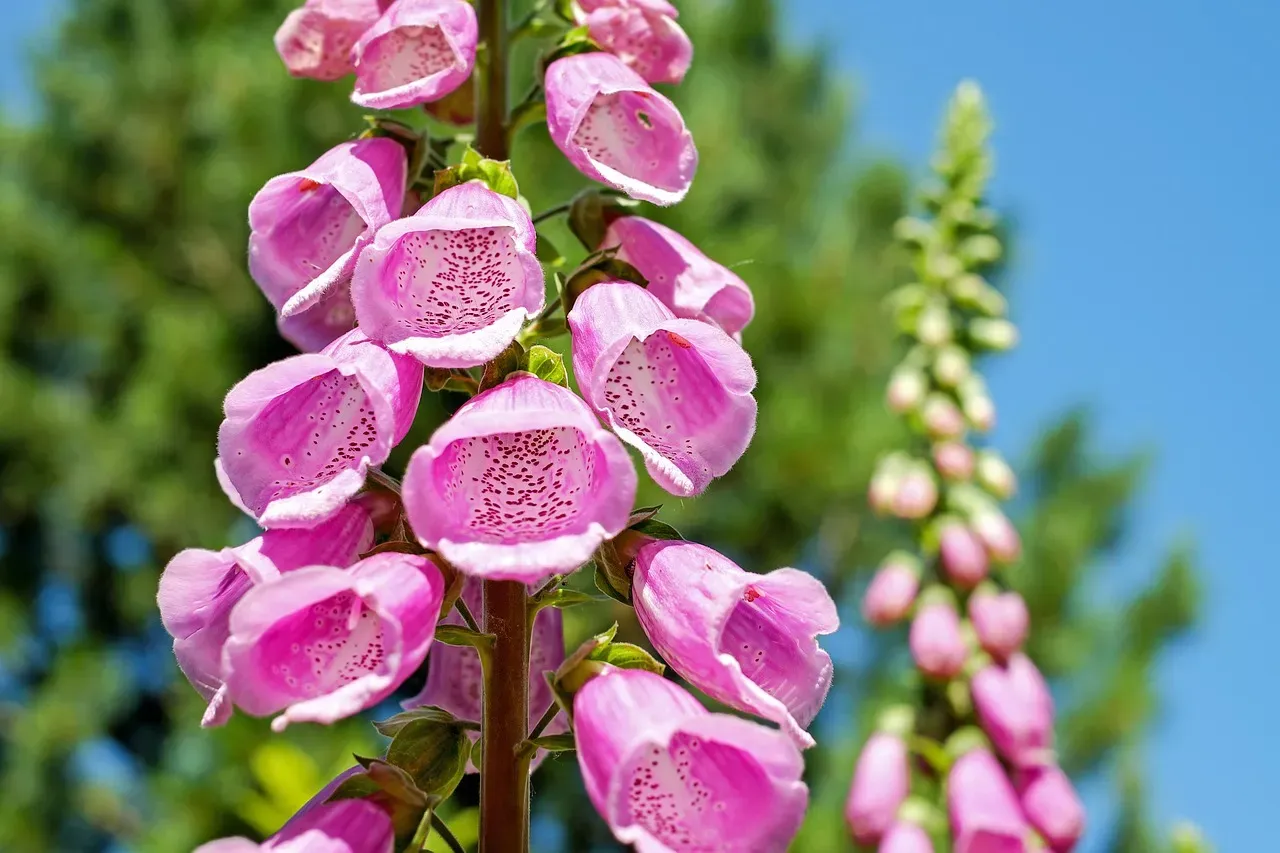
The foxglove is a beautiful, showy garden flower from which the heart medication digitalis is derived, but upon ingestion it causes vomiting, diarrhea, weakness, cardiac arrhythmias, and possibly death. There’s an irony in the fact that a plant used medicinally to regulate the human heart is so dangerous to the animals sharing our spaces.
All parts of the foxglove plant are poisonous to dogs, cats, and even humans, with its toxins, called cardiac glycoside toxins, affecting the heart by disrupting its internal balance. No part of the plant is safe to nibble on.
The level of toxicity varies between plants, with oleander and foxglove considered to be the most toxic, and cats are believed to be more sensitive than dogs. Fatalities have been reported after oleander and foxglove toxicosis even with aggressive treatment. This is one situation where waiting to see if symptoms resolve on their own is simply not an option.
Daffodils and Tulips: Spring’s Most Overlooked Hazard

All parts of the daffodil plant are considered poisonous, but the daffodil bulb is the most poisonous to dogs, and eating any part can cause vomiting, diarrhea, abdominal pain, arrhythmias, convulsions, and a serious drop in blood pressure. That beautiful spring display comes with real risk.
Daffodil bulbs contain crystals that are extremely toxic to cats if eaten, and the heads and leaves can also make a cat unwell, as daffodils contain a poisonous substance called lycorine which, if digested, can cause stomach upset, vomiting, or wider serious illness.
Tulips contain allergenic lactones while hyacinths contain similar alkaloids, with the toxic principle of these plants very concentrated in the bulbs versus the leaf or flower, meaning pets that dig up bulbs in the garden face the greatest risk, as chewing or ingesting them can result in tissue irritation to the mouth and esophagus. Dogs that love to dig are especially vulnerable in the weeks after spring planting.
Oleander: The Evergreen Shrub That Demands Respect
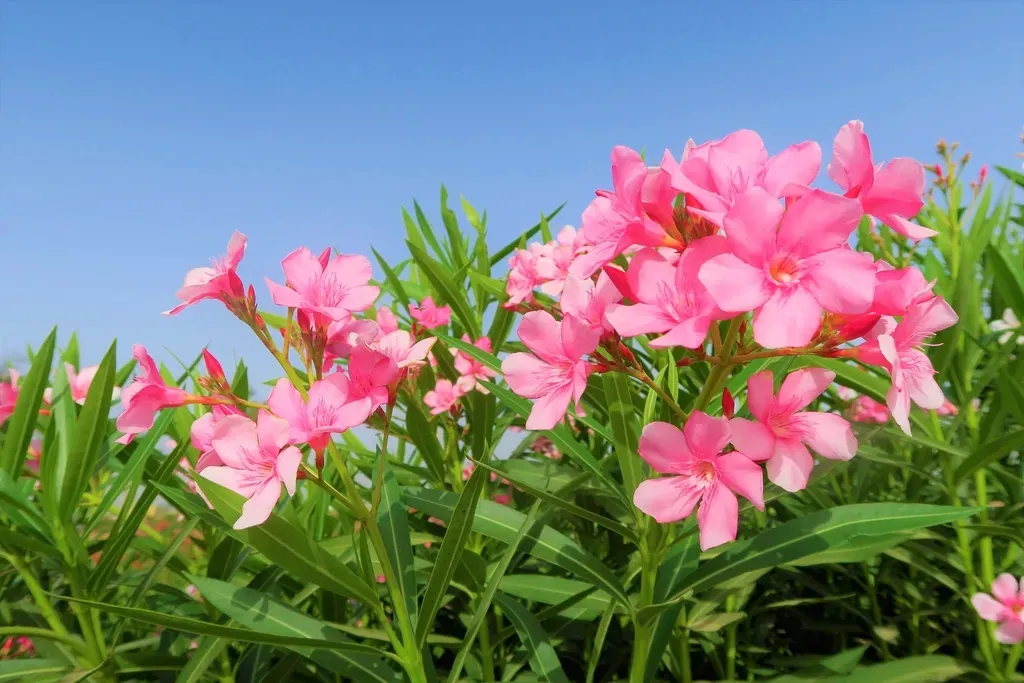
All parts of this popular ornamental shrub are toxic to both humans and dogs, and if a dog ingests the flowers or leaves, it can experience extreme vomiting, an abnormal heart rate, and even death, with other signs including tremors, drooling, seizures, and weakness.
All parts of oleander are dangerous, and even smoke from burning trimmings should be avoided. This makes it one of the more unusual hazards in the garden, since disposal of pruned material requires caution too.
When dogs swallow oleanders, they need to be treated by a vet as soon as possible. Oleander is widely planted in warm climates as a hedge or ornamental feature, which means it’s far more common in residential areas than its toxicity profile would suggest. If it grows in your garden or a neighboring one, it warrants serious attention.
Lily of the Valley: Small, Sweet-Smelling, and Seriously Dangerous
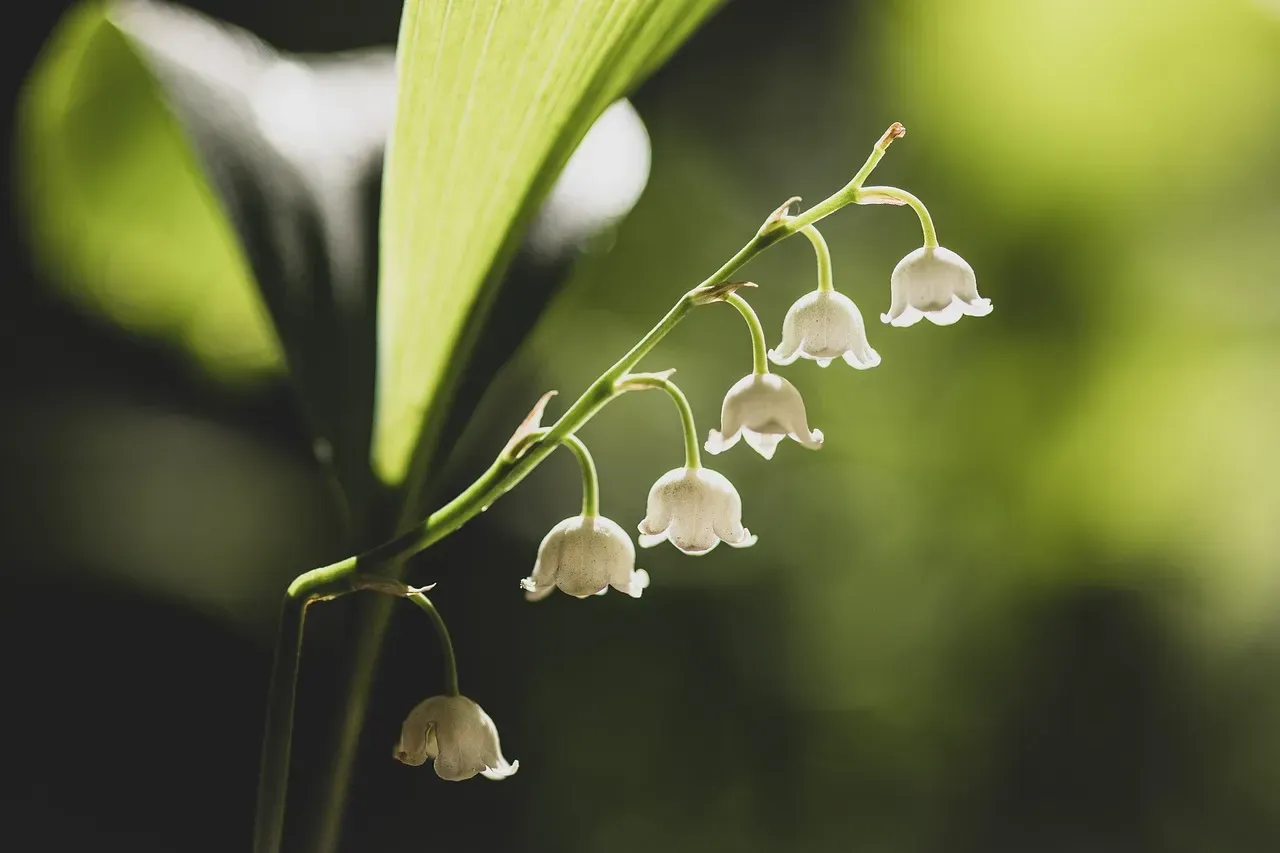
Lily of the valley is one of the most poisonous plants , with the plant’s bulb, roots, stems, leaves, blooms, and berries all poisonous. Its delicate white bell-shaped flowers and sweet fragrance make it a garden favourite, which is exactly why it poses such a significant risk.
Lily of the valley contains cardiac glycosides, which are toxic substances that can affect the heart and other organs, causing symptoms such as nausea, vomiting, abdominal pain, and irregular heart rhythms, with severe cases potentially leading to cardiac arrest and even death.
A common groundcover perennial in neighborhoods and wooded areas, lily of the valley contains chemicals that are very potent cardiotoxins, and ingestion results in vomiting, arrhythmias, decreased cardiac output, weak pulses, critically high potassium levels in the blood, and death. It is important to note that lily of the valley is also highly toxic to humans and can be fatal when ingested, especially by children.
What to Do If Your Pet Has Eaten a Toxic Plant

Symptoms can appear within minutes to hours, depending on the plant and amount ingested, and some toxins act rapidly while others may cause delayed effects, making early intervention critical. Don’t wait for visible symptoms to worsen before seeking help.
If you think your dog has eaten something toxic, contact your vet, emergency vet, or the Pet Poison Helpline for accurate advice, try to identify the plant by taking a sample or photo, and when you reach help, provide as much information as possible including the suspected plant, time of ingestion, your pet’s weight, and any symptoms.
Under no circumstances should you induce vomiting unless instructed to do so by the vet, as specific plant poisons require specific treatments and vomiting can make some cases worse. Keep the ASPCA Animal Poison Control number saved: the 24-hour emergency poison hotline is available at (888) 426-4435.
Conclusion
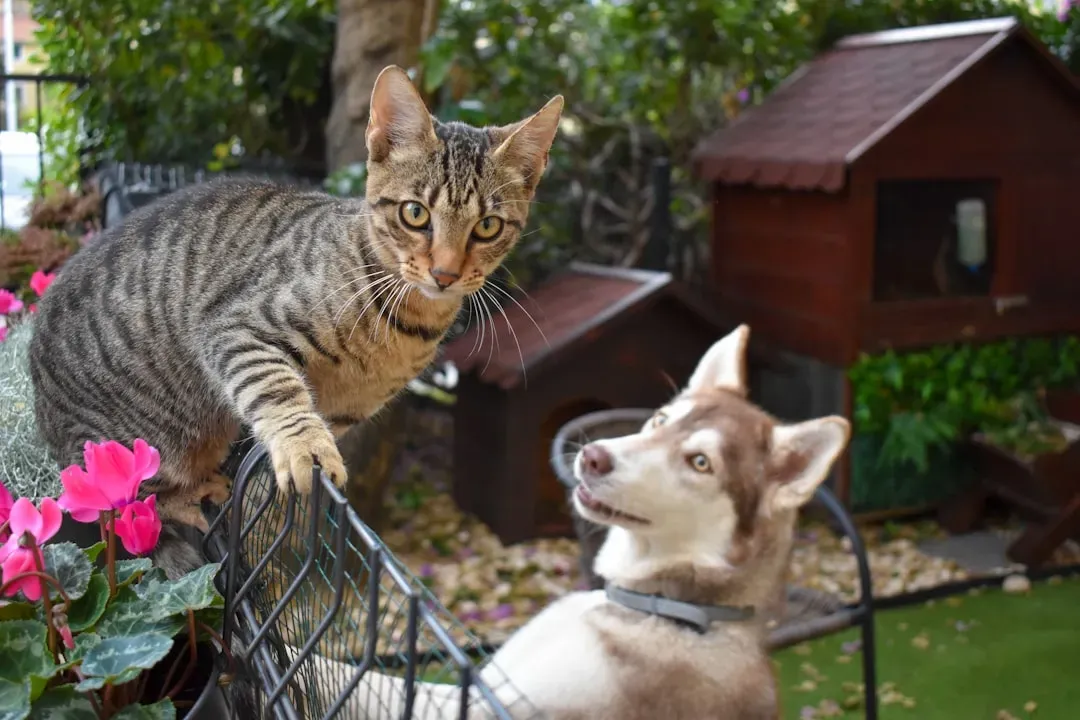
Gardens are genuinely one of the more underestimated hazard zones for pets. The six plants covered here are all remarkably common, frequently beautiful, and sometimes deadly. The good news is that awareness itself is a form of prevention.
If a yard contains toxic flowers or plants, pets should only be outside with supervision or the plants should be removed, and when walking through neighborhoods it’s wise to avoid areas with plants and shrubs and not allow pets to ingest plant material, while also taking time to identify every plant in the yard and remove those with potential toxicity.
None of this requires turning the garden into a barren landscape. Many safe, vibrant alternatives exist for every plant on this list. A little planning upfront, combined with knowing what to do if something goes wrong, is genuinely enough to keep most pets out of trouble. The garden should be a place of peace for the whole household, four-legged members included.

- 10 Dog Breeds That Are Surprisingly Good Apartment Dwellers - June 17, 2026
- The World’s Rainforests Teem With Undiscovered Species Waiting to Be Found - June 17, 2026
- 7 Surprising Benefits of Having a Cat in Your Home - June 17, 2026