
Picture this: you’re walking through your pasture on a crisp morning, watching your horses graze peacefully. Everything looks perfect until you spot something that makes your heart skip. There, tucked between the grass, grows a plant that could turn this idyllic scene into a nightmare. As horse lovers, we share a special bond with our animals, yet nature doesn’t always play fair. Some of the most beautiful plants hiding in our fields carry silent threats that could harm or even kill the animals we cherish most.
Understanding toxic plants isn’t just academic knowledge. It’s the difference between prevention and heartbreak. Let’s explore the dangerous plants that could be lurking in your pastures right now.
Ragwort – The Silent Killer in Yellow
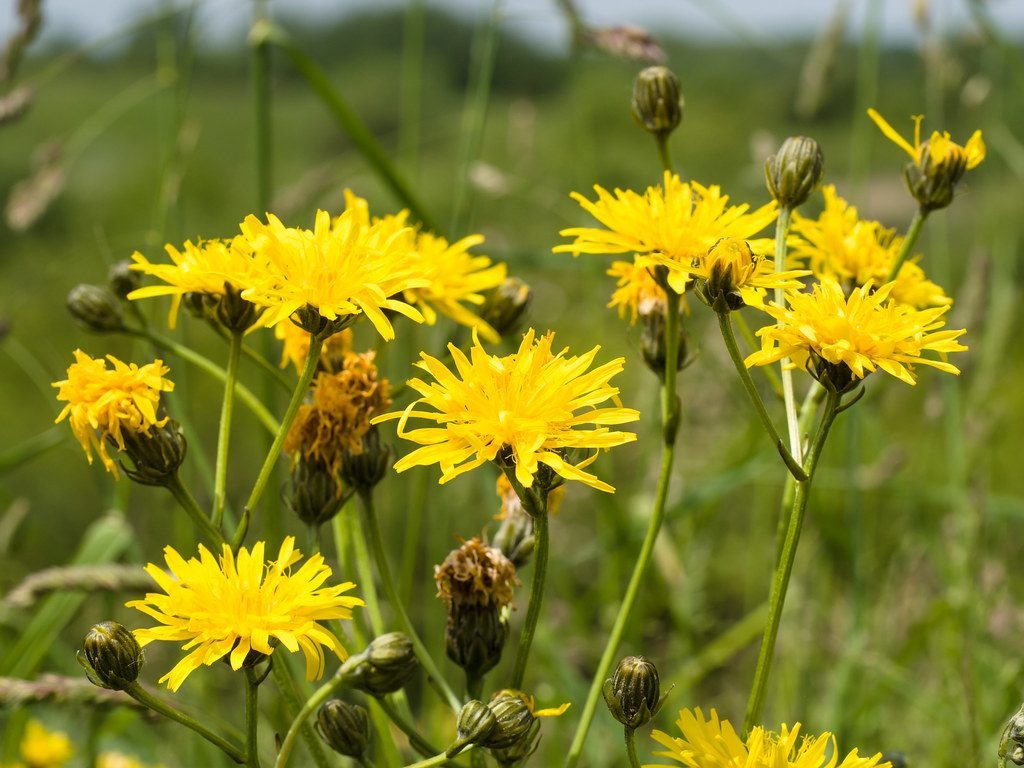
Ragwort is a poisonous weed containing toxic pyrrolizidine alkaloids, and can seriously harm grazing animals like horses, cattle, sheep and goats, if eaten. This bright yellow wildflower might look cheerful, but it’s one of the most dangerous plants your animals can encounter.
What makes ragwort particularly insidious is its cumulative effect. The effects of ragwort toxins are cumulative, thus it is common for ragwort poisoning to occur following consumption of small quantities of the plant over a long period of time. Your horse might nibble small amounts over months without showing symptoms, yet the damage quietly builds in their liver.
Liver failure caused by ragwort ingestion typically shows up with non-specific symptoms, such as poor health, weight loss and a general failure to thrive. In more severe cases, affected animals may exhibit heightened sensitivity to light (photosensitivity) or neurological signs like dullness, disorientation, and even collapse.
Here’s the cruel reality: Liver failure (hepatic failure) leads to a slow and painful death. Most horses affected by ragwort poisoning die after suffering for periods varying from a week to several months. Prevention truly is the only cure with this plant.
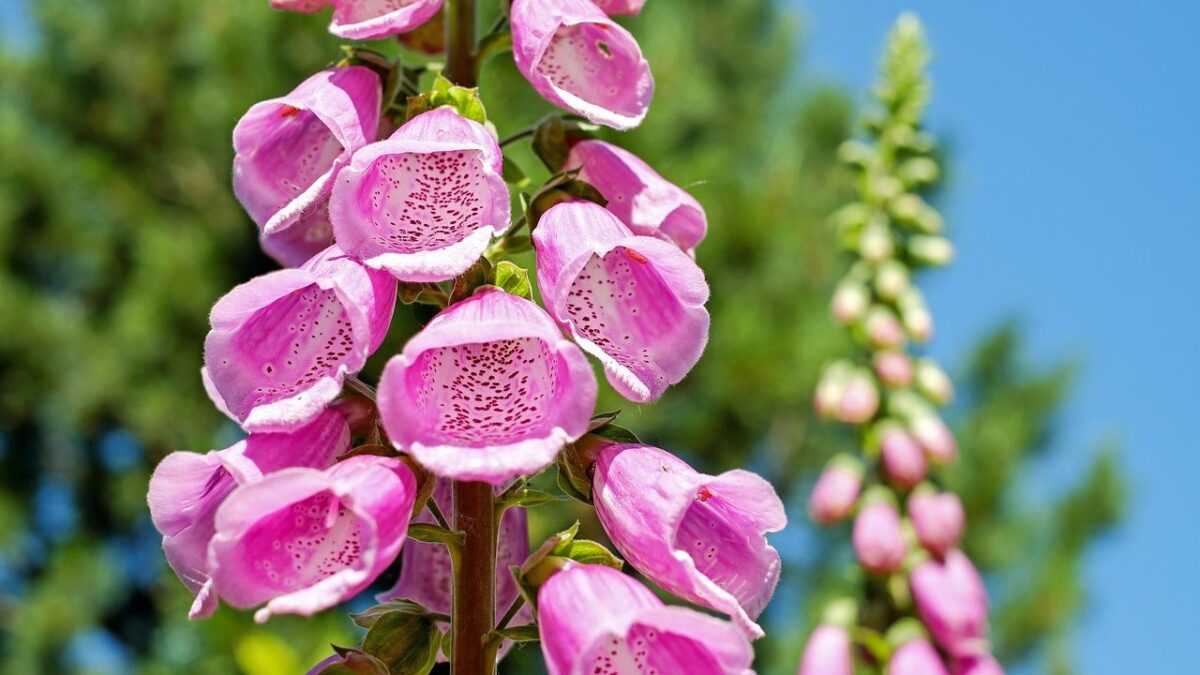
Foxglove – Beautiful but Deadly
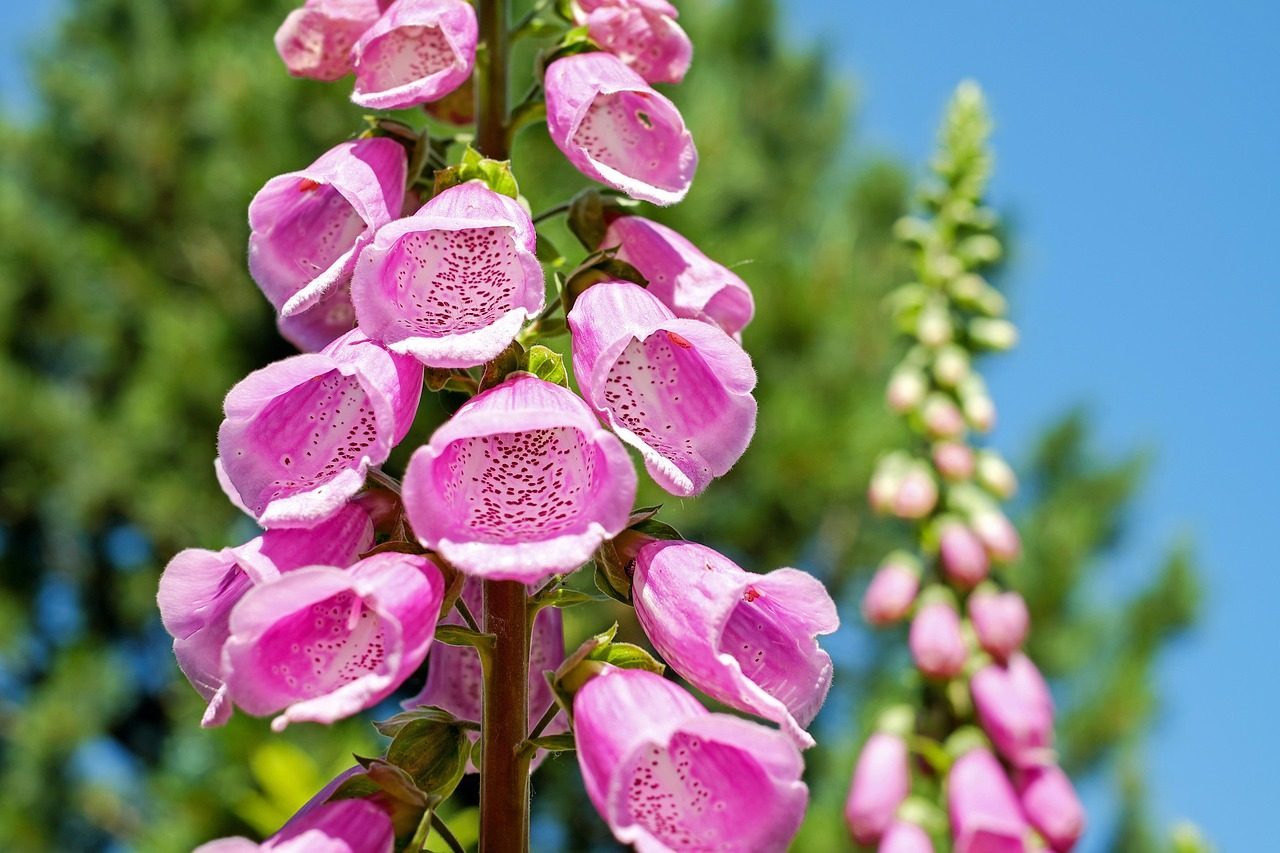
Those stunning purple, pink, or white tubular flowers that grace many gardens contain a lethal secret. Foxglove, oleander, and rhododendron contain toxins known as cardenolides or cardiac glycosides. Cardenolides interfere with the electrical conductivity of the heart, resulting in irregularities in heart rate and rhythm. Ingestion of any of these plants is associated with death in horses.
Consumption of only a few hundredths of a percent of the animal’s body weight are required for a fatal reaction, so horses should not be allowed to graze this plant. Colic, pain, irregular heartbeat and frequent urination are possible symptoms prior to death. The terrifying truth is that just a few hundred grams of fresh flowers can kill.
What’s particularly heartbreaking is how quickly things can deteriorate. Death from foxglove poisoning can occur after just a few hours. Even worse, The toxic dose can be as little as a few hundred grammes of fresh flowers but if dried can be even more potent!
Watch for early warning signs: Early signs of Foxglove ingestion may be drowsiness, depression, staggering, fitting, collapse and diarrhoea (often bloody). If you notice any of these symptoms, call your vet immediately, though treatment options remain frustratingly limited.
Oleander – Garden Beauty, Pasture Danger
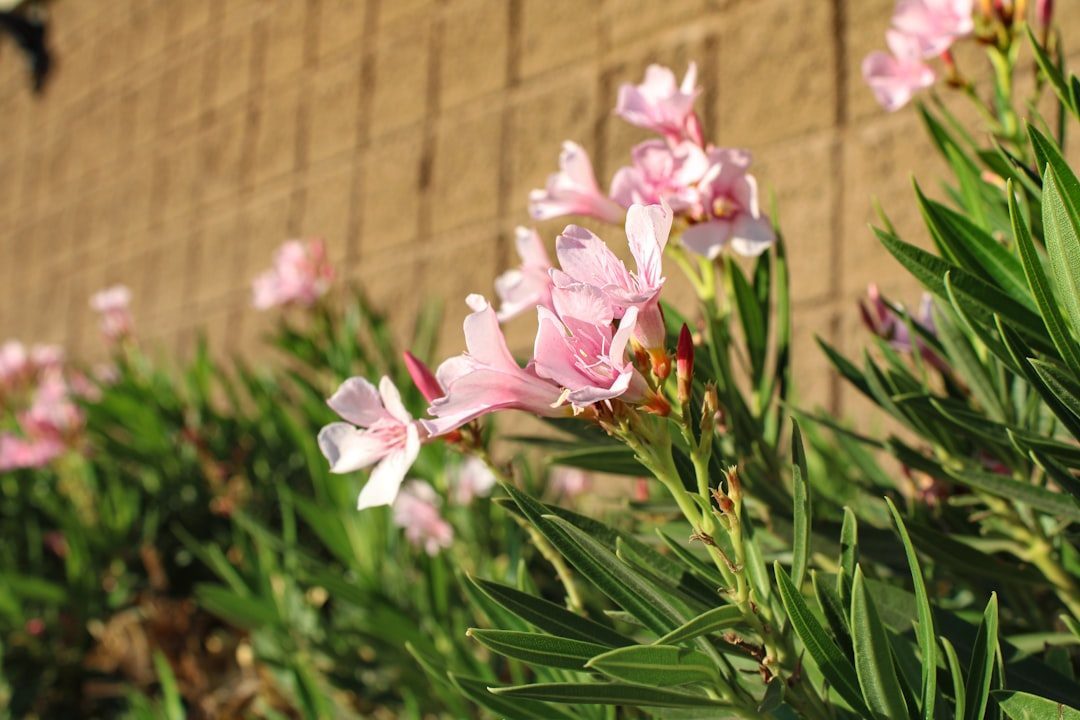
This popular ornamental shrub with its glossy leaves and showy flowers packs the same deadly punch as foxglove. As few as 30-40 leaves may kill an adult horse. That’s shocking when you consider how easily clippings might end up in a paddock.
Oleander shares the same mechanism of toxicity as foxglove, targeting the heart directly. As these plants directly damage muscle, especially heart muscle, poisoned animals often are cardiac cripples with decreased work capacity. Even animals that survive may never fully recover their athletic ability.
The danger often comes from well meaning neighbors who throw garden clippings over the fence, thinking they’re offering a treat. Don’t feed clippings from oleander to horses or any other livestock. This simple precaution could save your horse’s life.
Prevention is straightforward but critical: keep oleander well away from any area where horses might access it, and educate anyone who might handle your animals about the dangers of ornamental plant clippings.
Yew – The Churchyard Killer
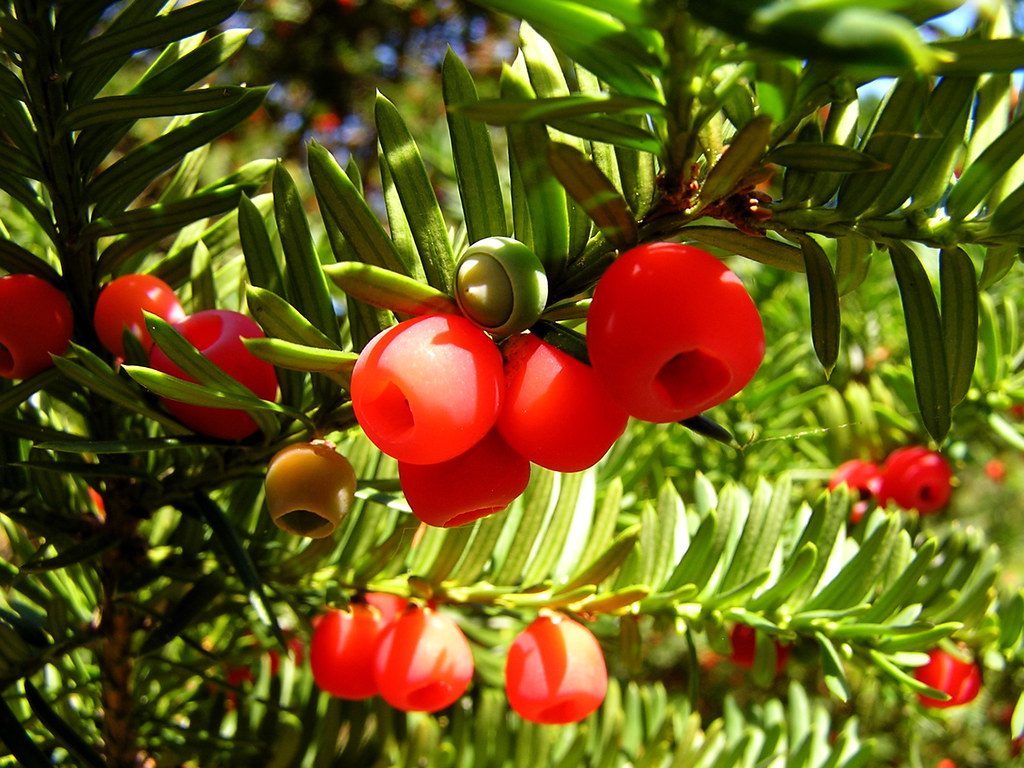
These evergreen shrubs might seem harmless with their flat needle like leaves, but they’re among the most lethal plants horses can encounter. This plant is extremely toxic to horses, with sudden death often the result of consumption of as little as 8 ounces of fresh yew.
The speed of yew poisoning is particularly devastating. Small amounts of yew leaves may be lethal to a mature horse. Often, death occurs before treatment of toxicity is present. There’s literally no time for heroic veterinary intervention.
Yew is an introduced ornamental that most commonly poisons animals when clippings are thrown into paddocks. Holiday decorations pose a particular risk during winter months, when people might thoughtlessly dispose of yew wreaths near horse areas.
The tragic reality is that with yew, prevention isn’t just better than cure, it’s the only option. Once symptoms appear, it’s typically too late to save the animal.
Death Camas – Early Spring’s Hidden Threat
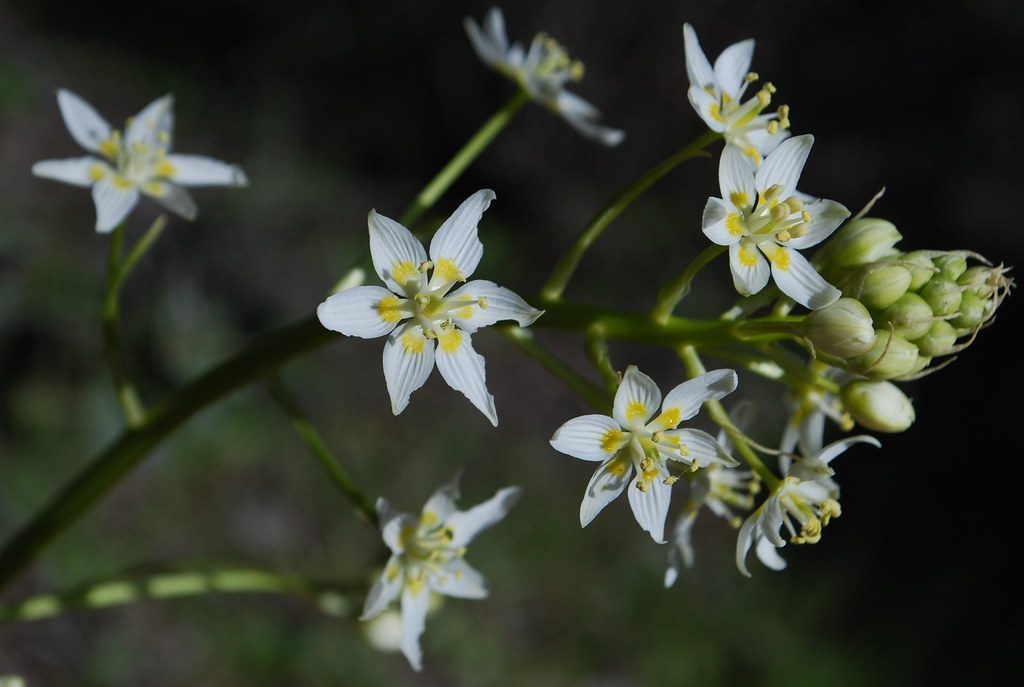
This plant lives up to its ominous name. Death camas is one of the first plants to begin growth in early spring. Without sufficient other forage, death camas may be heavily grazed and will cause severe losses. Spring snow storms may cover all forage except death camas, which may protrude through the snow and is available to the livestock.
The timing makes death camas particularly dangerous. When horses are hungry after winter and other forage is scarce, they might turn to this early emerger. Steroidal, glycosidal alkaloids. All parts of the plant are toxic throughout the year, however poisoning occurs most often in the spring when death camas is abundant.
Sheep are most vulnerable, but horses and cattle can also be poisoned. Sheep are poisoned more frequently than cattle and horses. Salivation, weakness, respiratory difficulty, nausea, convulsions, coma, death. Respiratory problems occur in sheep after eating ½ to 2 pounds.
What makes this plant especially cruel is that there’s no known treatment for death camas poisoning. The grass like appearance in early growth stages can fool both animals and owners into overlooking this deadly threat.
Horsetail – The Vitamin Thief
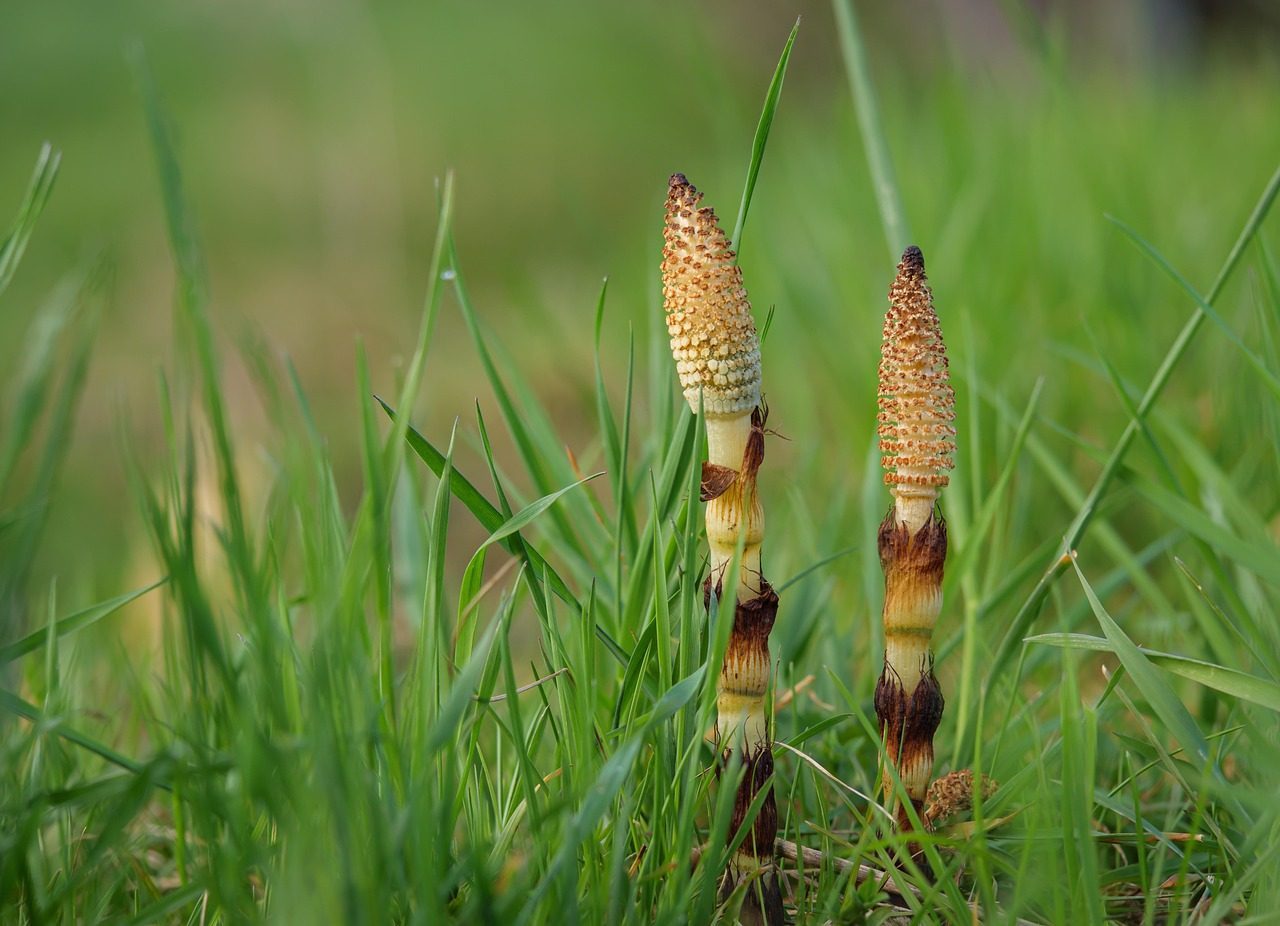
This ancient looking plant with its jointed stems might seem innocuous, but it poses a unique threat through nutrient depletion. All parts are toxic, particularly the roots. In horses, the toxin causes vitamin B1 deficiency, which leads to a high fever and lack of coordination. In cows, the fern causes hemorrhaging with swelling and bloody waste as symptoms. Sheep and goats are less susceptible.
Unlike plants that deliver immediate toxins, horsetail works by destroying vitamin B1 in the digestive system. Loss of condition, excitability, unthriftiness, staggering gait, rapid pulse, difficult breathing, diarrhea and emaciation. Death preceded by convulsions and coma. Deceased milk production in cows. Trembling in sheep. Poisoning accumulative over one month.
The challenge with horsetail is that it often gets mixed into hay during harvest. Horsetail is also toxic to horses. Although horses tend to avoid this plant, it can get mixed up in the hay making process. This means even careful pasture management might not protect your animals if contaminated hay enters their diet.
Watch for neurological symptoms that develop gradually: weakness, loss of coordination, and behavioral changes. Early intervention with vitamin B1 supplementation might help, but severe cases often prove fatal.
Protecting Your Precious Animals
Knowledge is your most powerful weapon against plant poisoning. Regular pasture walks, learning to identify these dangerous plants, and maintaining good grazing conditions are essential. Remember that hungry animals are more likely to eat toxic plants they’d normally avoid.
The harsh reality is that most plant poisonings have no effective treatment once symptoms appear. Animals showing signs rarely recover. This makes prevention absolutely critical.
Your horses trust you to keep them safe. By understanding these toxic threats and taking proactive steps to eliminate them from your property, you’re fulfilling that sacred responsibility. Regular vigilance today prevents heartbreak tomorrow.
What steps will you take this week to check your pastures for these silent killers? Your horses are counting on you.

- 10 Remarkable Facts About the African Cheetah: The Lightning of the Grasslands - July 29, 2026
- 10 Most Heroic Horses in History - July 29, 2026
- Why You Should Never Play Dead When Attacked by a Black Bear - July 29, 2026