
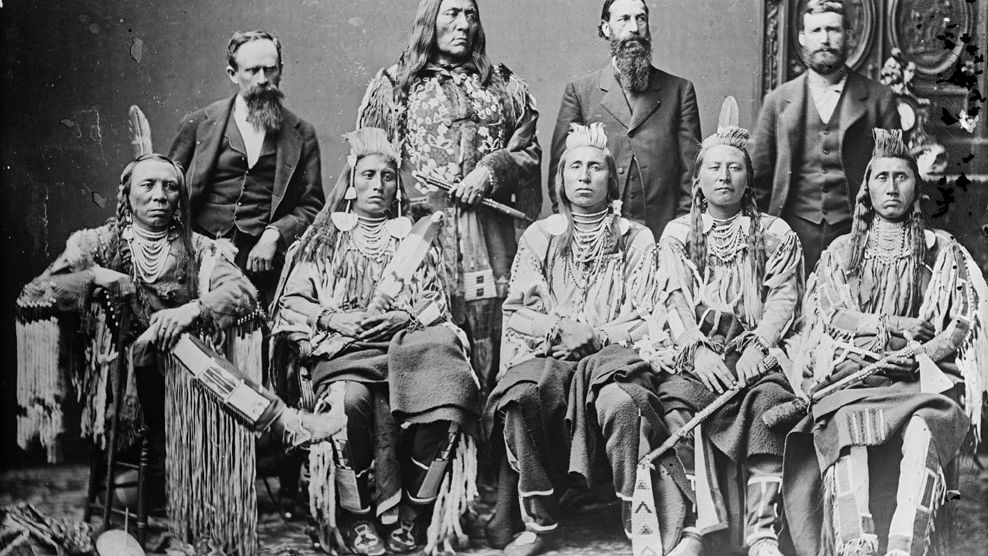
When you think about living cultures that have survived centuries of change, few stories are as compelling as the Crow Nation. The Apsáalooke, as they call themselves, have preserved traditions that reach back generations while adapting to modern life in Montana. Their story isn’t just about holding onto the past. It’s about actively choosing which threads to carry forward.
What makes these traditions so powerful? Honestly, it’s hard to say for sure, but you could argue it’s the way they weave together family, spirituality, and connection to the land into something living and breathing. Let’s dive in and explore the cultural practices that continue to shape the Crow Nation today.
The Matrilineal Clan System
The Crow clan system is an important concept that provides an extended family, accountability for your behavior, and encourages respect for all people. Unlike many Western family structures, the clan system is passed down on through the mother, with the Crow society being matriarchal. This isn’t some dusty relic from history books.
Crow people depend on their clan aunts and uncles for prayer and call upon them regularly for many reasons. Men and women honor their clan aunts and uncles by showing them respect and deference, showering them with gifts on special occasions, and feasting them, while in turn, the aunts and uncles praise their clan children’s good deeds publicly and offer their prayers, protection, and guidance. This creates a safety net that’s both emotional and practical, something many modern communities have lost.
The Sun Dance Ceremony
The Sun Dance is an annual, multi-day ritual, traditionally held in the summer, which is a profound act of sacrifice, prayer, and renewal for the individual and the entire community. Let’s be real, this isn’t a casual Sunday gathering. The experience is a sacrifice, meant for purification and prayer for the future.
The Crow Nation’s ritual is most commonly used to pray for family and loved ones or give thanks. Here’s the thing, the Crow Sun Dance was reestablished in 1941 partly in response to sending sons and daughters to aid the American effort in World War II. The tradition continues because people choose it, making vows during crisis or for spiritual guidance. Each generation finds new meaning in ancient practices.
Crow Fair and the Teepee Capital of the World
Crow Fair is “the teepee capital of the world, over 1,500 teepees in a giant campground”. It is currently the largest Northern Native American gathering, attracting nearly 45,000 spectators and participants. Can you imagine fifteen hundred teepees stretching along the Little Big Horn River? It’s breathtaking.
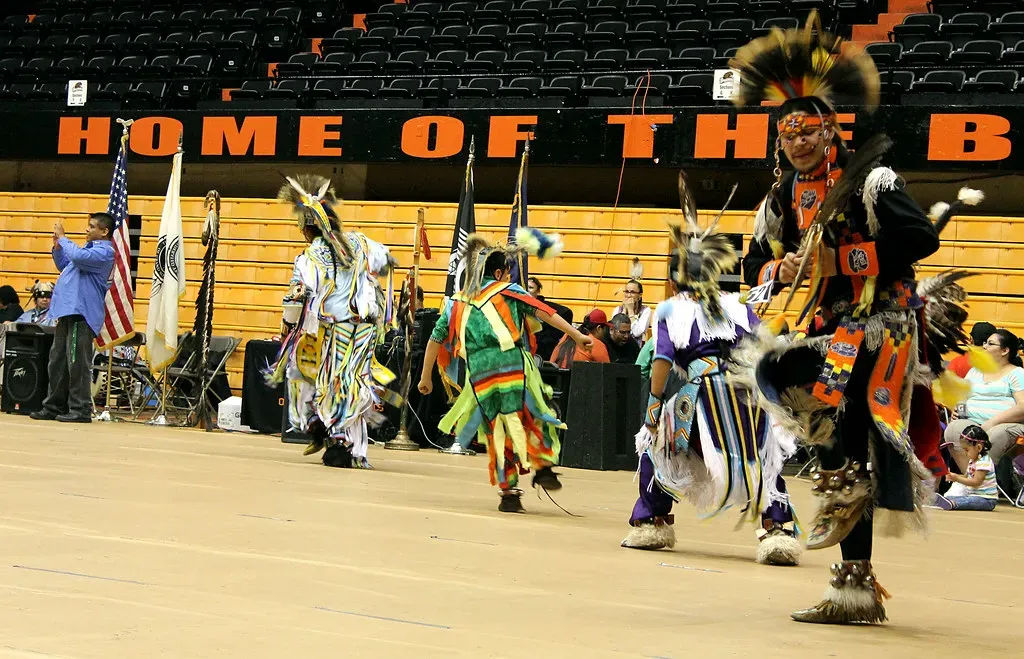
For more than 100 years, the Crow Tribe of Indians has gathered in Crow Agency, Montana to celebrate, commune and look forward to another year of prosperity at what is now known as Crow Fair. It brings together members of the Crow Tribe and visitors from around the world to celebrate Crow culture through parades, rodeos, dances, and traditional games, serving as a powerful reminder of the enduring strength and vitality of the Apsáalooke people. The morning parade alone is worth the trip, starting promptly at ten each morning throughout the fair week.
Traditional Beadwork and Artistic Expression
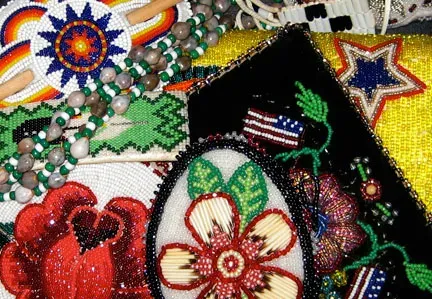
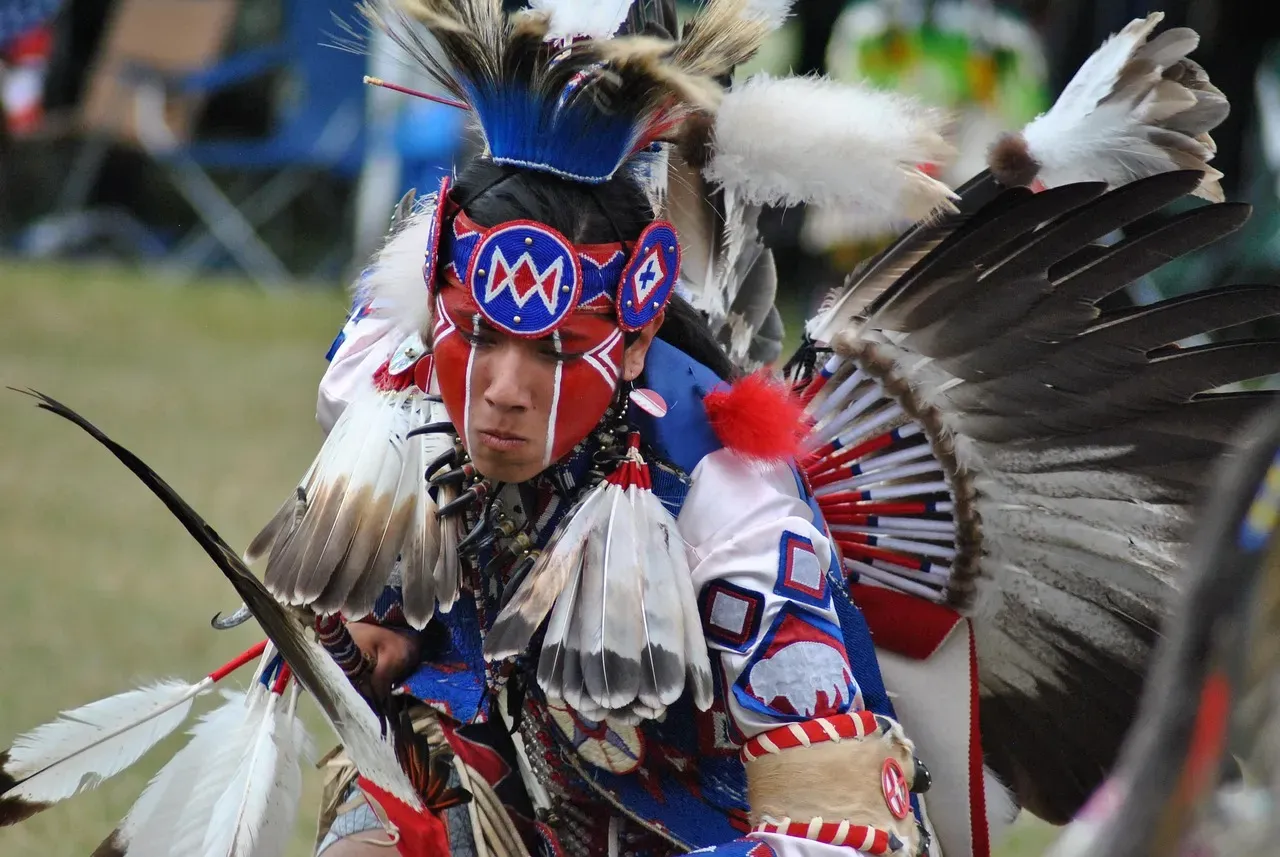
Beadwork is perhaps the most recognizable art form, known for its intricate designs, vibrant colors, and meticulous craftsmanship, with geometric patterns often inspired by nature that tell stories, convey status, and adorn everything from clothing and moccasins to bags and horse regalia. Every stitch carries meaning. Each stitch is an act of prayer and dedication, infusing the object with spiritual power.
Their clothing was often adorned with intricate beadwork, feathers, and animal teeth, and the Crow also made elaborate headdresses that were worn into battle. These aren’t costumes or decorations. These elements are far more than ornamental; they are sacred expressions of identity, lineage, and purpose. Modern Crow artists continue this tradition, creating pieces that honor ancestors while speaking to contemporary experiences.
Horsemanship and Sacred Connection to Horses
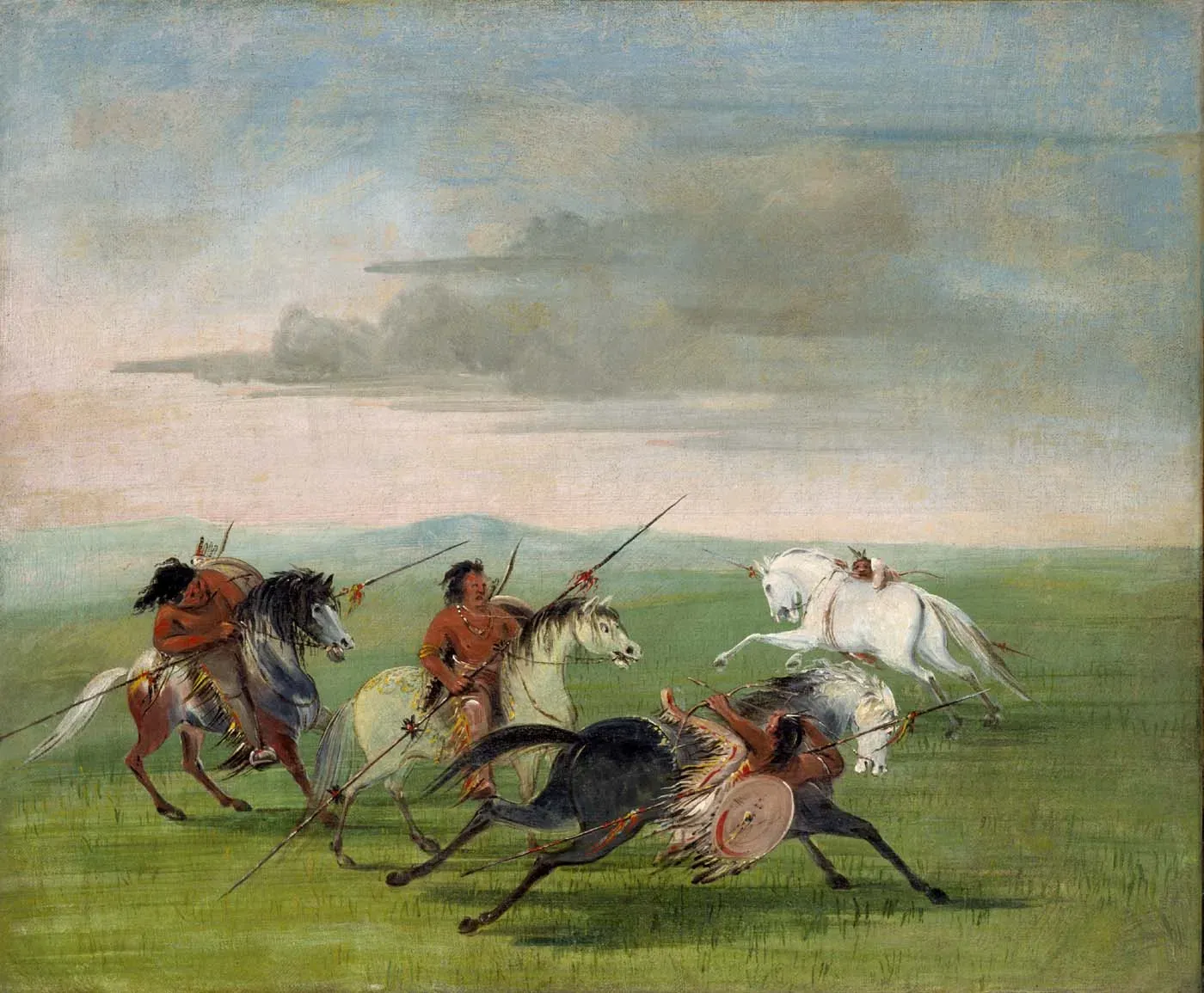
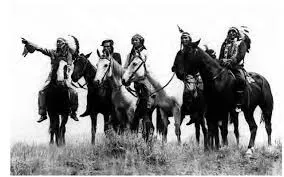
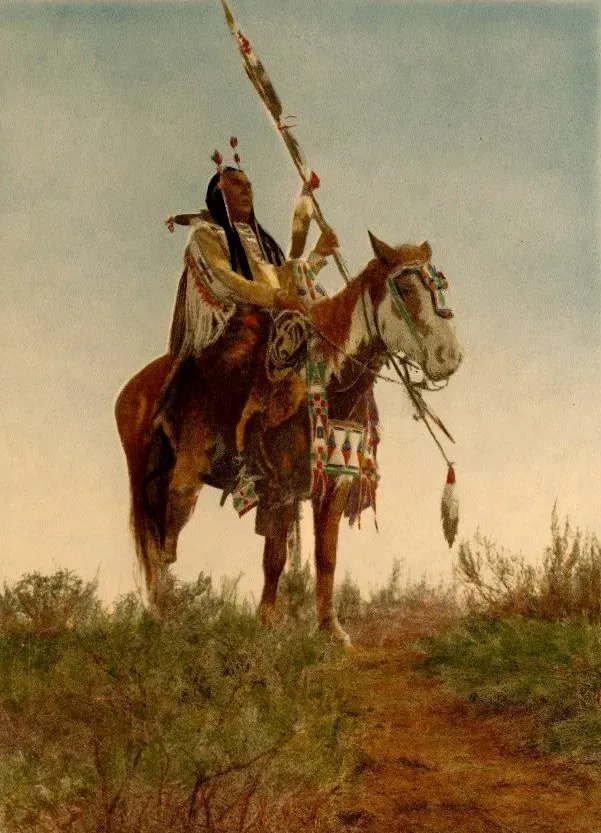
Horses became inextricably linked to Apsáalooke identity and spirituality, as they weren’t simply mounts but partners and honored members of the tribe. Horses are considered more than mere animals; they hold a sacred place within Apsáalooke cosmology, viewed as powerful and spiritual beings that play a key role in ceremonies and rituals. This bond runs deeper than utility.
The Apsáalooke carefully selected and bred their horses, prioritizing specific traits valuable for both hunting and warfare, with strength, endurance, and agility being highly sought-after characteristics. Today you can witness this legacy at Crow Fair during the morning parades and relay races. The skill level is astonishing. Watching families on horseback, dressed in full regalia, you understand that this isn’t performance, it’s identity.
The Crow Language Preservation
About 85% of the tribe speaks Crow as their first language, and it is taught in schools on the reservation alongside Crow history and culture. Think about that for a moment. While many Indigenous languages struggle for survival, the Crow language thrives. An estimated 85 percent of tribe members spoke Crow as their first language in the mid-2020s.
As a fundamental part of the Crow cultural identity, the Apsáalooke language serves as a powerful vehicle of expression and communication, directly connecting the Apsáalooke people with their ancestors, though in the past the United States directly attempted to sever this connection through the systematic destruction of the language. Despite boarding schools that punished children for speaking their native tongue, the language survived. That’s not luck or accident. It’s determination and community commitment to teaching the next generation.
Conclusion
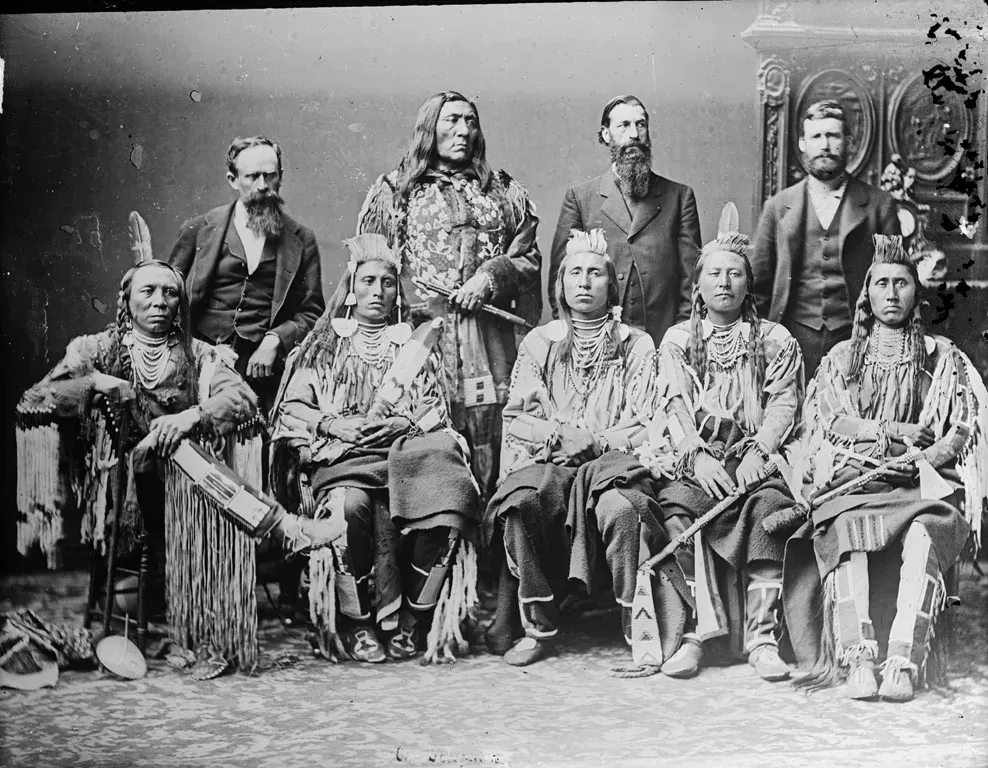
The cultural traditions of the Crow Nation aren’t museum pieces gathering dust behind glass. They’re living practices that adapt, grow, and continue to give meaning to thousands of people. From the clan system that creates extended families to the Sun Dance that renews spiritual commitments, these traditions offer something increasingly rare in modern life: deep connection to place, ancestry, and community.
The hope is to recover and recultivate Crow cultural practices to enhance the tribes’ livelihood and carry knowledge to further generations. Every time someone speaks the Crow language, every August when teepees rise along the river, every bead stitched with prayer, these traditions prove their resilience.
What strikes me most isn’t just that these practices survived, but that they continue to inspire. What do you think it takes for a culture to remain vital across centuries? Tell us in the comments.
