
Have you ever wondered if our planet is experiencing changes that are way more complex than we realize? While headlines often trumpet rising global temperatures, something far more intriguing is unfolding beneath the surface of those averages. The truth is, Earth isn’t warming evenly, and the differences between various regions are becoming impossible to ignore. One hemisphere is experiencing rapid shifts that scientists are only beginning to fully understand, and the consequences could reshape weather patterns, ocean currents, and even where rainfall appears across entire continents.
Here’s the thing: when we talk about climate, it’s easy to think of Earth as one unified system responding uniformly to changes. That couldn’t be further from reality. The planet is a patchwork of competing forces, and right now, an asymmetry is emerging that’s catching researchers off guard.
The Hidden Temperature Split Between Hemispheres
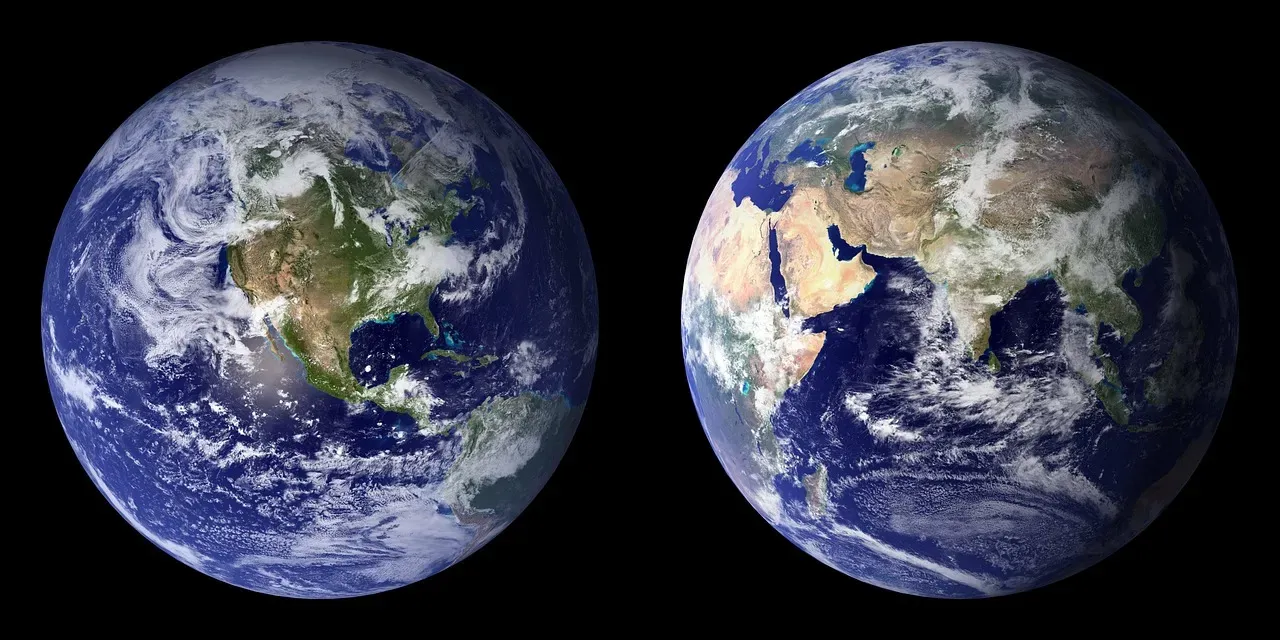
If global warming were a race, the Northern Hemisphere would be winning, warming faster than the Southern Hemisphere, with some of the most rapid warming rates on Earth located in the Arctic. Yet this isn’t the whole story. While both hemispheres are darkening, the Northern Hemisphere is darkening at a faster rate, breaking the long-held belief that hemispheric symmetry in albedo is a fundamental property of Earth.
The temperature difference between the two hemispheres has grown since 1980, and climate model projections show the Northern Hemisphere will continue to pull away from its hemispheric counterpart in the coming decades. This matters because temperature asymmetries don’t just affect local weather. They influence global circulation patterns, from tropical rainstorms to polar winds.
Why the Pacific Hemisphere Is Losing Heat Faster
The temperature story isn’t just about surface air. Deep beneath our feet, Earth’s internal heat is escaping unevenly. Research shows the Pacific hemisphere is losing heat faster than the African hemisphere, with this heat coming from Earth’s molten interior, which causes continental drift.
Think about it: the seafloor is far thinner than the bulky landmass, and temperature from within Earth is quenched by the enormous volume of cold water above it, with the gigantic Pacific Ocean dissipating heat more quickly than the opposite-side landmasses of Africa, Europe, and Asia. Water acts like a massive heat sink, pulling warmth away far more efficiently than land ever could. This fundamental difference in geology creates an imbalance that’s been present for hundreds of millions of years, though its effects are now interacting with modern climate shifts in unexpected ways.
Land Versus Ocean: The Unequal Warming Battle
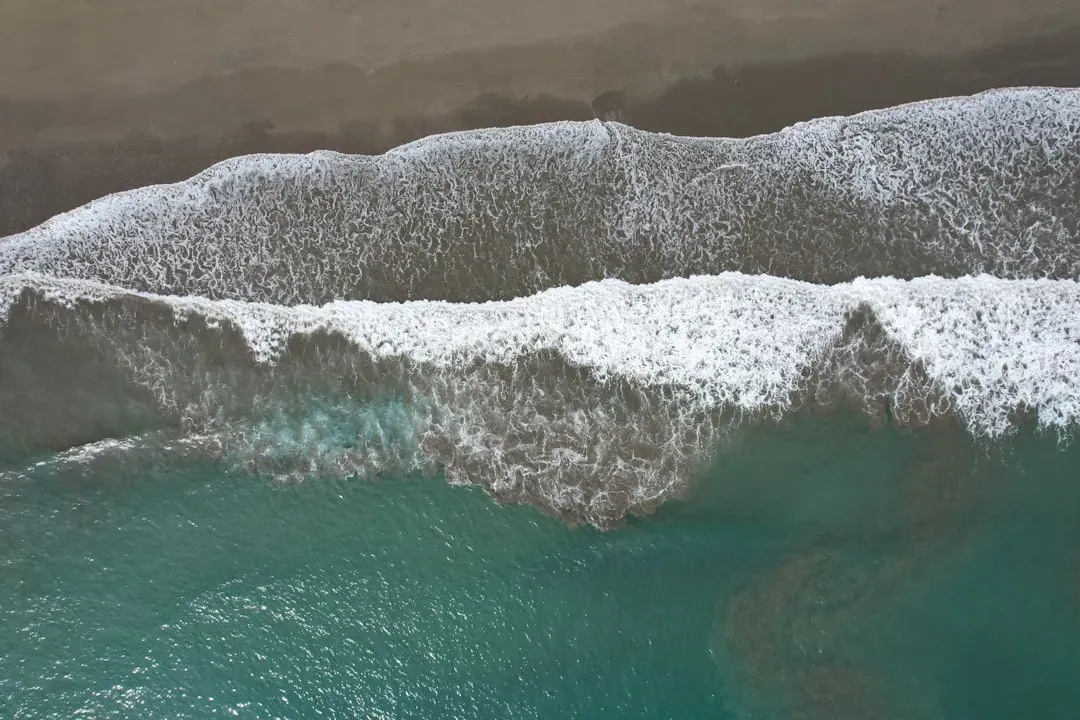
One of the most critical factors driving hemispheric differences is surprisingly straightforward: geography. The Northern Hemisphere has led the Southern Hemisphere in its rate of warming since about 1980, largely because the Northern Hemisphere has more land and less ocean than the Southern Hemisphere, and oceans warm relatively slowly.
The Southern Hemisphere has a lot less land and a lot more water than the Northern Hemisphere, and thanks to the influence of the southern oceans, land masses in the Southern Hemisphere tend to have fewer very extreme temperatures than land in the Northern Hemisphere does. Land heats up and cools down rapidly compared to water’s sluggish thermal response. This creates temperature swings that are far more pronounced in the north, amplifying warming trends and making the contrast between hemispheres increasingly stark.
The Darkening Northern Hemisphere Effect
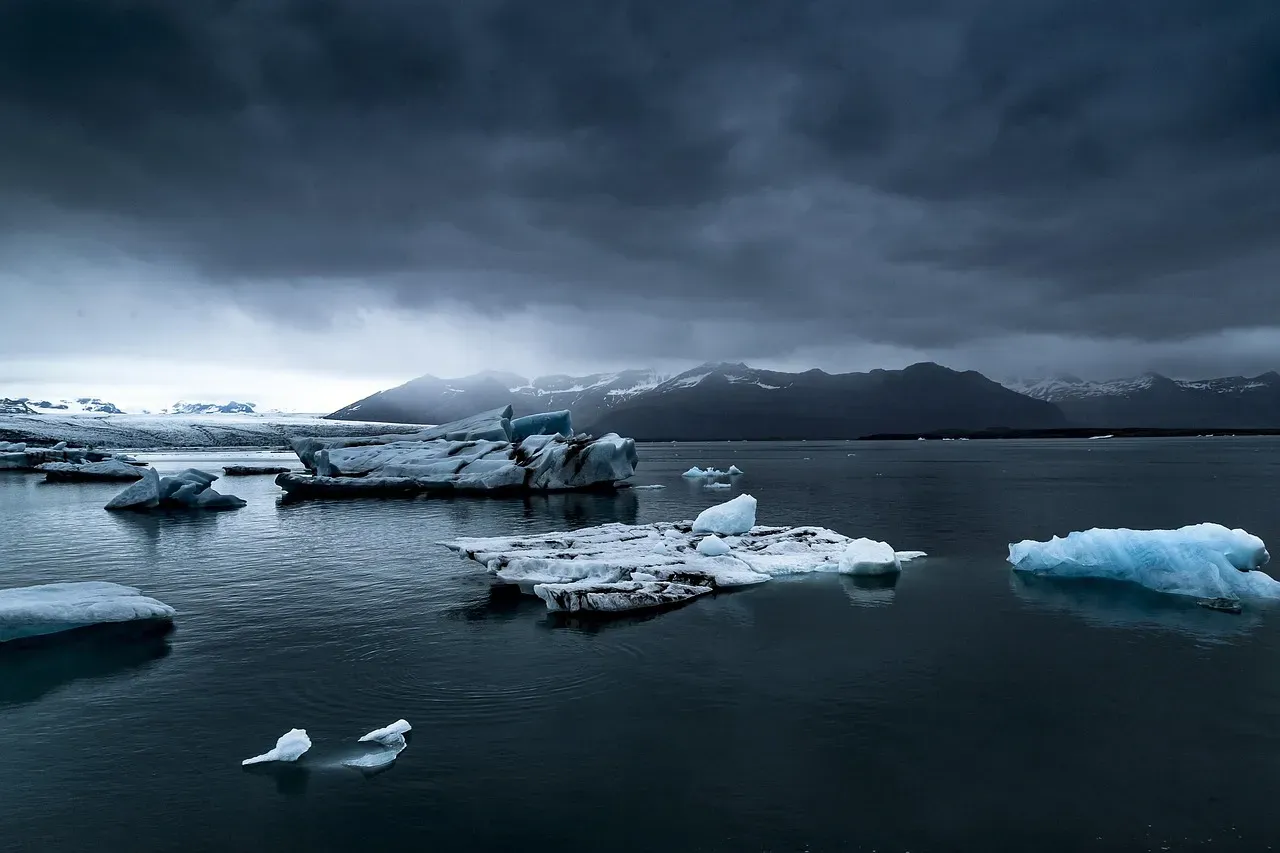
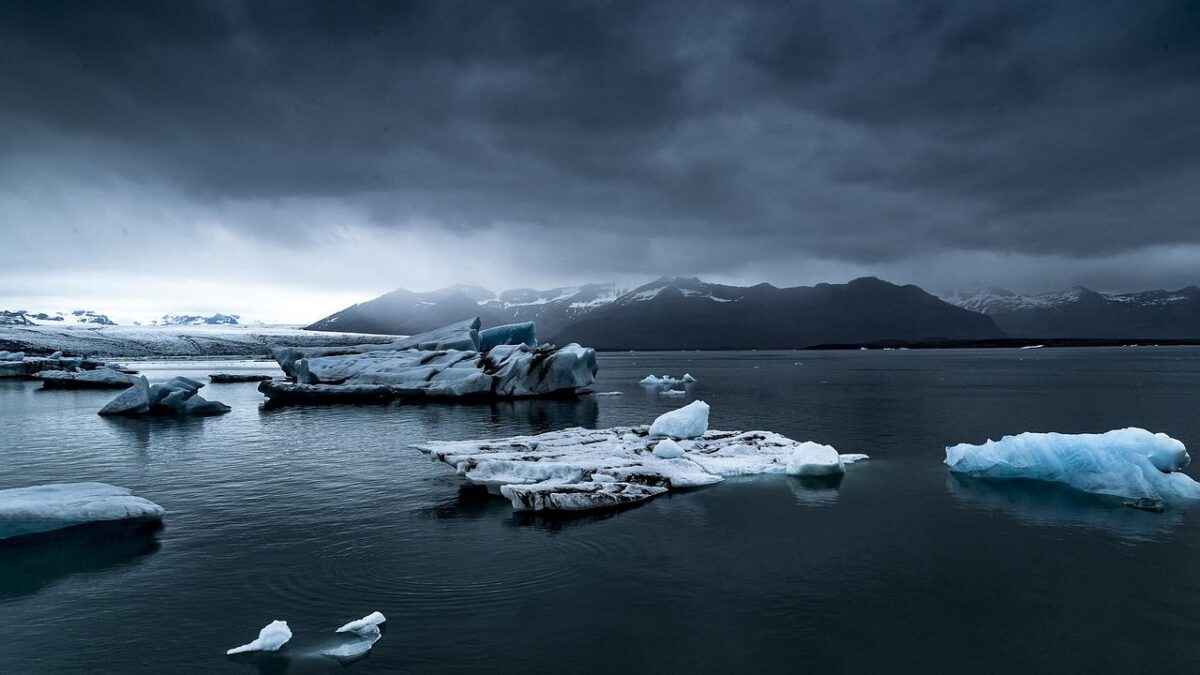
Earth’s Northern Hemisphere is growing darker faster than the Southern Hemisphere, with Earth dimming for decades, reflecting less light back into space. This phenomenon is tied directly to what’s happening with ice, snow, and atmospheric pollution. The Northern Hemisphere’s surface is getting darker because snow and ice are melting, exposing the land and ocean underneath, while pollution has gone down in places like China, the US and Europe, meaning there are fewer aerosols in the air to reflect sunlight.
Meanwhile, in the Southern Hemisphere, the opposite is occurring. Recent volcanic eruptions and wildfires have added more reflective particles to the atmosphere. This creates a feedback loop: darker surfaces absorb more heat, which accelerates warming, which melts more ice, which darkens surfaces further. It’s a self-reinforcing cycle that amplifies the hemispheric divide.
Ocean Currents Transporting Heat Northward
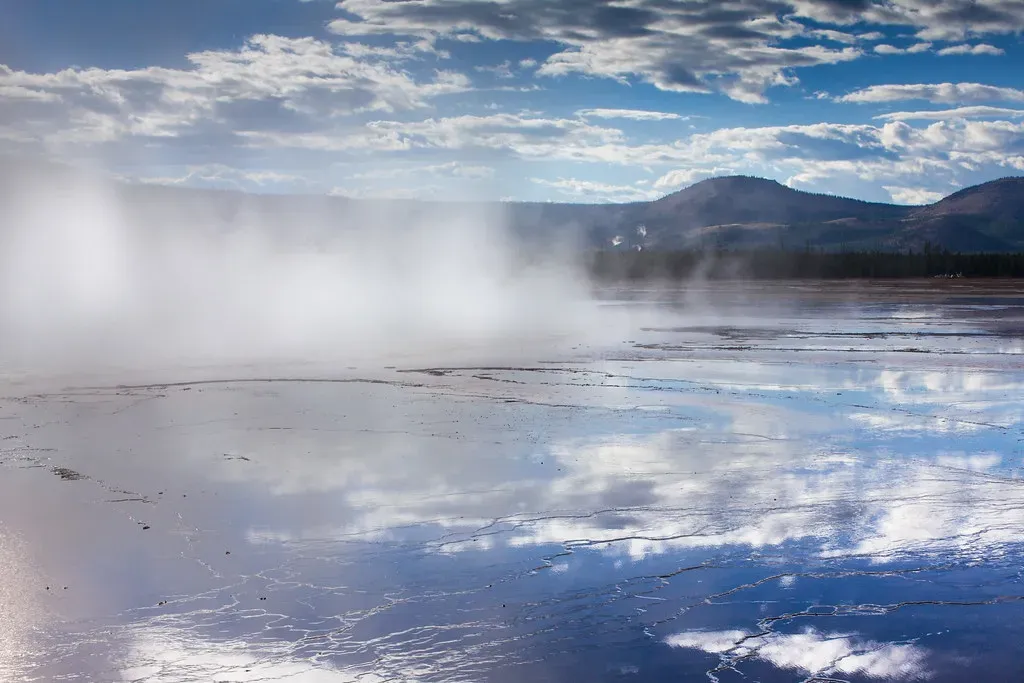
The oceans aren’t passive bystanders in this asymmetry. Global ocean currents transport heat away from southern waters and into the North Atlantic and North Pacific, helping to warm nearby land areas in the north even more. Major currents like the Gulf Stream essentially act as conveyor belts, moving thermal energy from one hemisphere to another.
This isn’t a new process, but it’s one that interacts with warming trends in complex ways. The heat transported northward doesn’t just warm the ocean surface. It influences atmospheric circulation, affects storm development, and even plays a role in how polar regions respond to climate change. Honestly, the more you examine these currents, the more you realize how interconnected every part of Earth’s climate system truly is.
Polar Vortex Disruptions and Cold Air Outbreaks
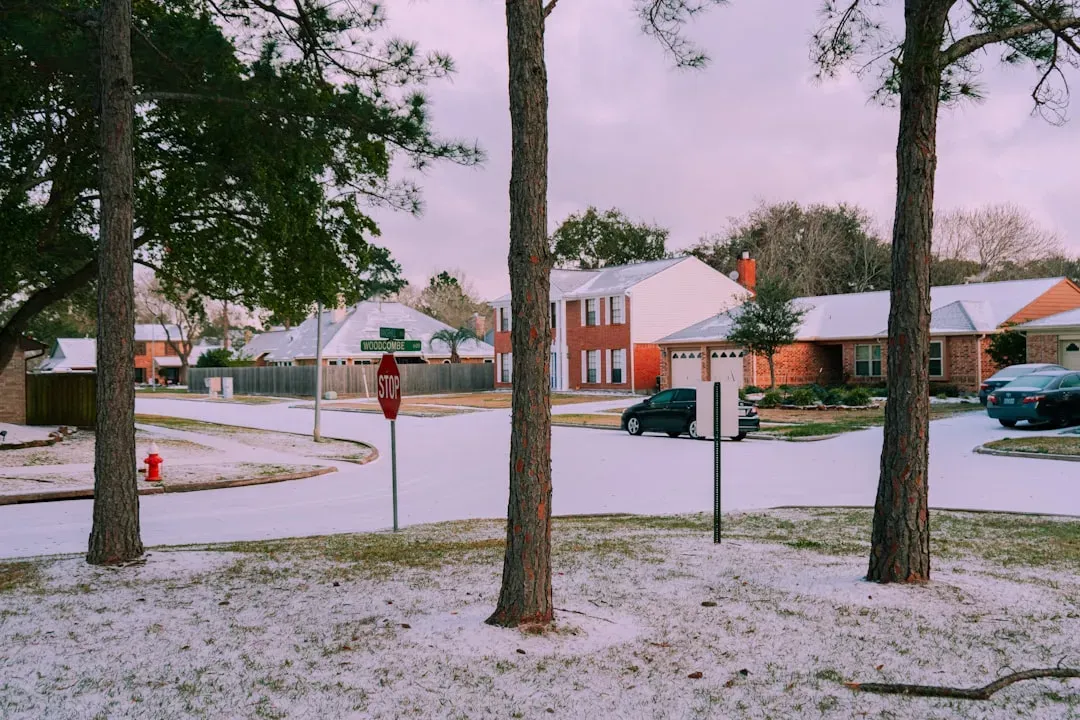
The Northern Hemisphere’s changing temperature profile is also linked to dramatic shifts in the polar vortex. The sudden warming in the far upper atmosphere is causing the polar vortex winds to weaken, and they could even reverse, triggering the most intense polar vortex cold-air outbreaks. Sudden stratospheric warming events of this magnitude are almost unheard of in November, yet they’re becoming more frequent.
Most of the time when this happens, some part of the mid-latitudes will ultimately experience a cold air outbreak. Recent events have sent frigid Arctic air plunging into North America, Europe, and Asia with alarming regularity. These outbreaks don’t mean global warming has stopped. They’re actually a symptom of the destabilized atmospheric circulation caused by uneven warming patterns. The contrast between a rapidly warming Arctic and cooler mid-latitudes creates the conditions for the vortex to wobble and split.
What This Means for Global Weather Patterns
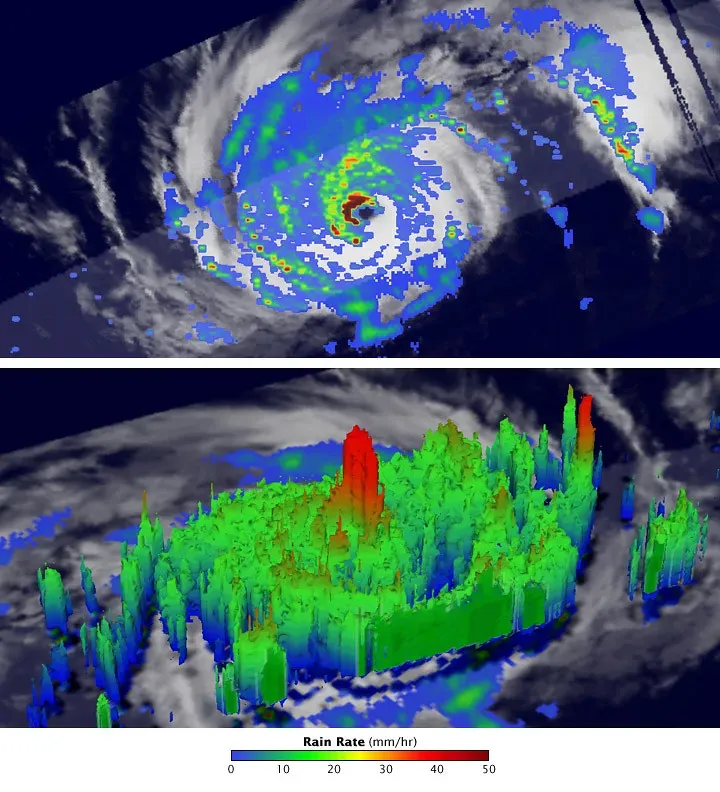
As the Northern Hemisphere warms up at a relatively faster rate, tropical rain bands that form near the equator may shift northward, drying out parts of the Southern Hemisphere. This isn’t just an academic curiosity. Shifts in rainfall patterns affect agriculture, water supplies, and ecosystems across entire continents.
Even small changes in the temperature difference between the Northern and Southern hemispheres could cause measurable changes in tropical rainfall, with most computer models predicting a steadily rising interhemispheric temperature difference through the end of the century, forecasting about a 1 degree Celsius increase in this difference by 2099. The consequences could range from intensified monsoons in Asia to prolonged droughts in parts of Africa and South America. We’re talking about fundamental shifts in where and when rain falls, which matters deeply for billions of people.
Conclusion
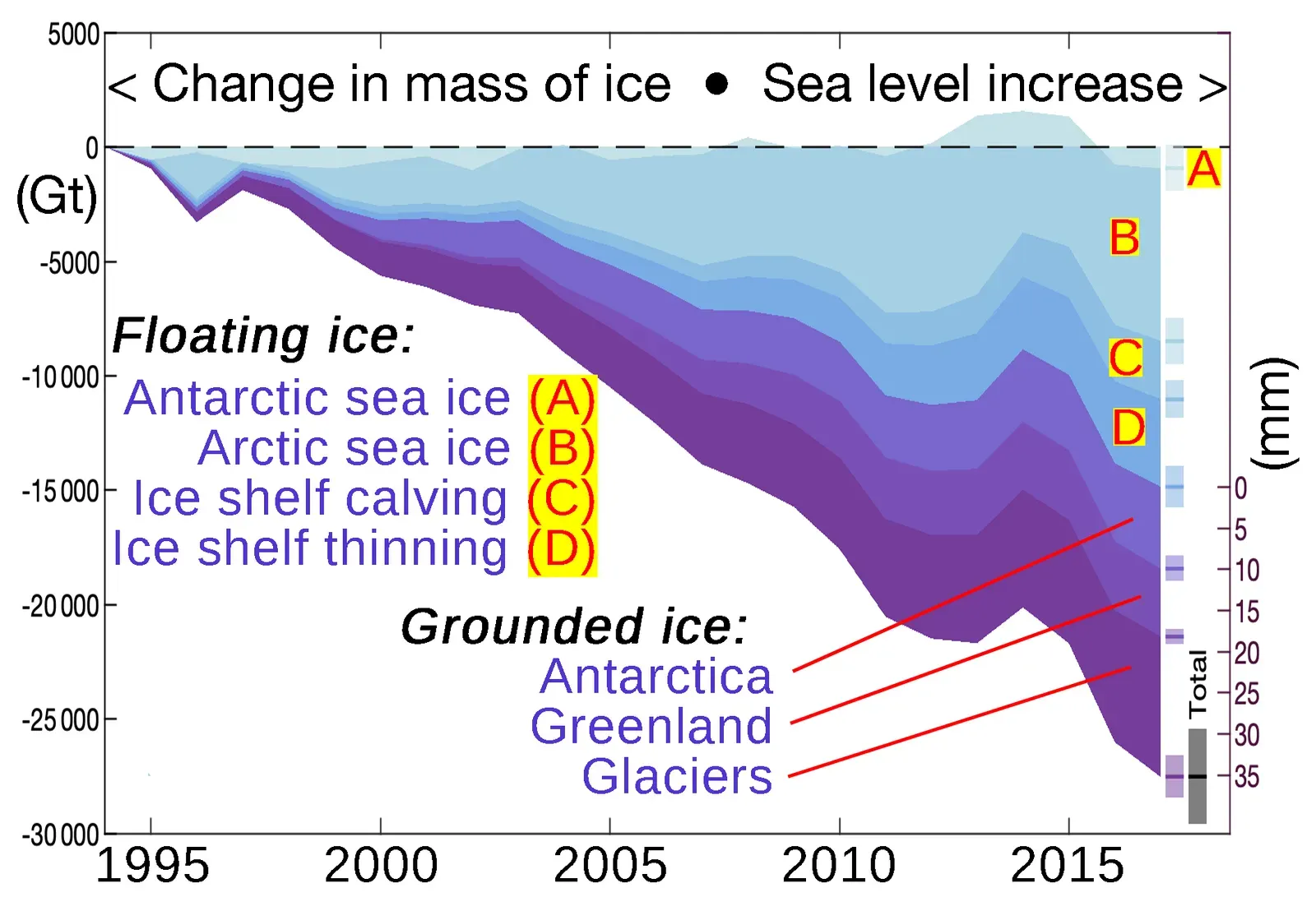
The asymmetry unfolding between Earth’s hemispheres reveals something essential: our planet is far more dynamic and unpredictable than simplified climate models might suggest. The Northern Hemisphere is warming faster, darkening more rapidly, and experiencing destabilized atmospheric patterns, while the Southern Hemisphere remains comparatively stable thanks to its vast oceans. Yet these aren’t isolated phenomena. They’re interconnected pieces of a larger puzzle involving ocean currents, ice loss, atmospheric circulation, and even the heat escaping from Earth’s interior.
Understanding these differences isn’t just about satisfying scientific curiosity. It’s about preparing for a future where weather patterns shift, rainfall moves, and temperature extremes become more common. The question isn’t whether one side of Earth is getting colder than the other in absolute terms, it’s whether the imbalances we’re creating will fundamentally alter how our climate system operates. What do you think this means for the regions where you live?

- 7 Ancient Volcanoes That Changed Earth Forever - July 12, 2026
- 10 Ice Age Facts Most People Don't Know - July 12, 2026
- 13 Things Only Cat Owners Notice in the Last Weeks of a Cat's Life - July 12, 2026