
Have you ever stepped back in alarm when your dog showed their teeth or started mouthing your hand? It’s hard to blame anyone for feeling a bit uneasy. We’re wired to read certain behaviors as threats, especially when they involve teeth, growls, or intense stares.
Yet here’s the twist. Dogs don’t speak our language, and we often misinterpret their ways of showing love. What looks aggressive to us might actually be their version of a hug, a playful nudge, or a genuine smile. Understanding the difference can completely transform your relationship with your furry friend and help you appreciate those quirky moments that aren’t threats at all. So let’s dive into the surprising ways dogs express affection that we often get completely wrong.
Mouthing and Gentle Nibbling
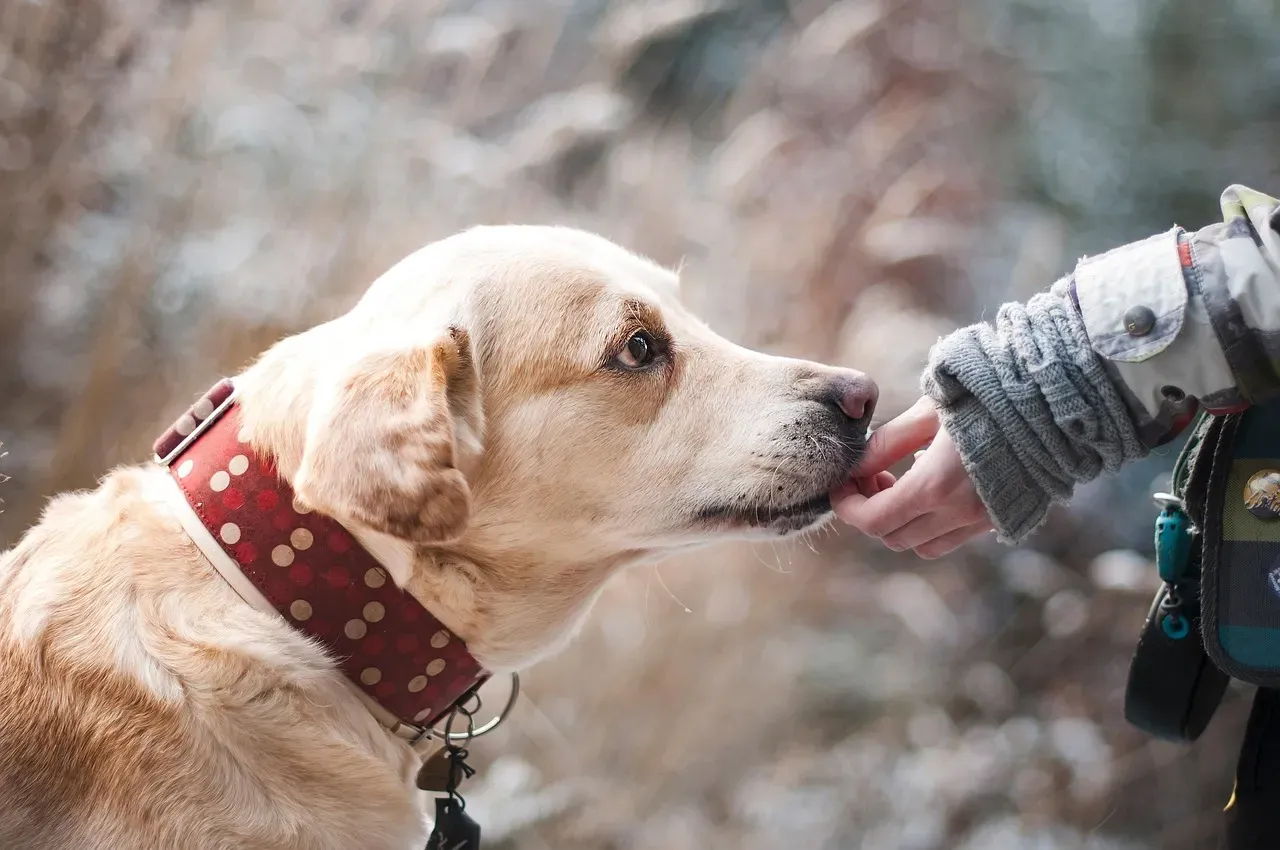
Mouthing is frequently confused with biting, yet it’s often a playful or affectionate gesture rather than aggressive behavior. When your dog gently places their mouth on your hand or arm without applying real pressure, they’re not trying to hurt you. Think of it as their way of holding your hand or giving you a gentle touch. This behavior typically happens during calm, relaxed moments and is considered a sign of trust and affection.
Dogs use their mouths to invite play or show affection, not to cause harm. Puppies especially rely on their mouths to explore the world around them, and this instinct doesn’t always disappear as they grow up. Certain breeds, such as German Shepherds, may be more inclined to mouth as an expression of love. If your dog’s body is loose and wiggly while they’re doing this, there’s nothing to worry about. It’s their unique way of saying they care about you.
Showing Teeth While Playing
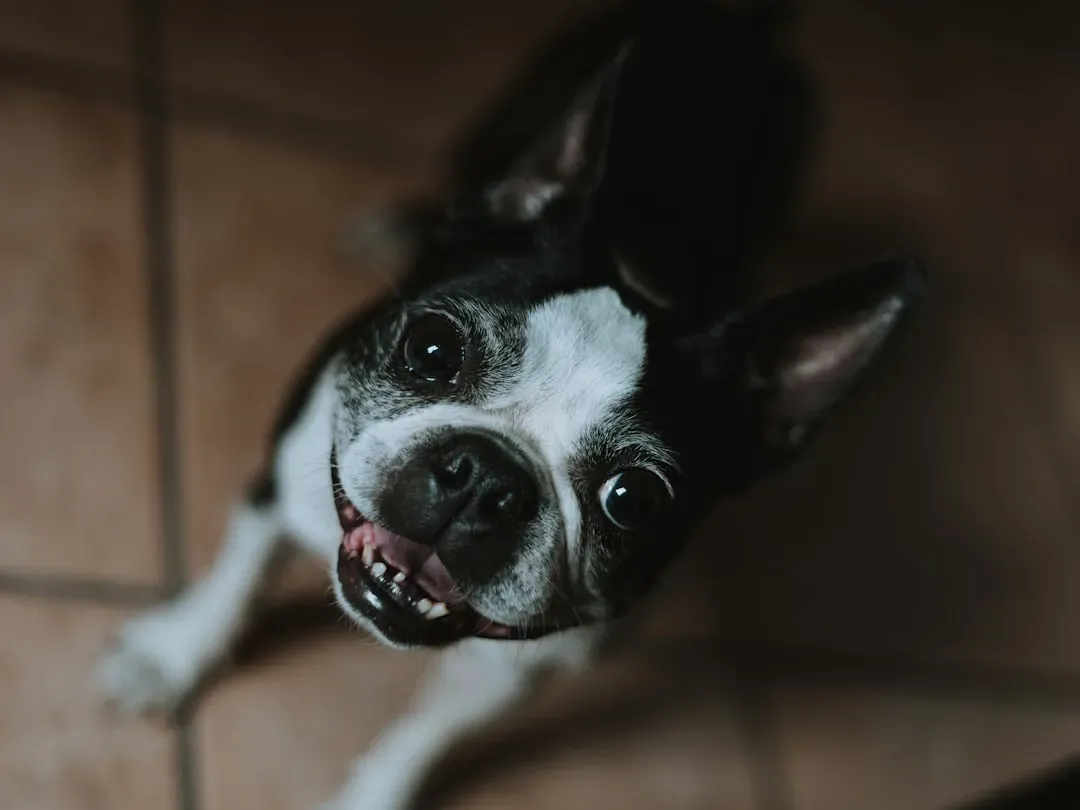
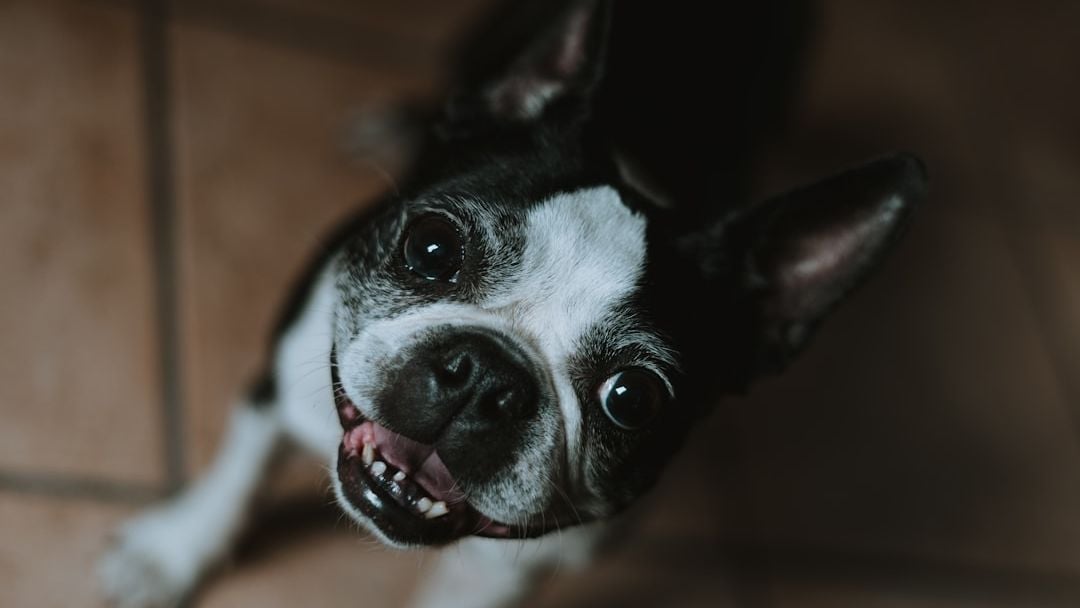
Let’s be real, seeing your dog bare their teeth can send a jolt of panic through anyone. When dogs flash their teeth at you, that’s actually a smile, though most people don’t recognize it as a way of expressing affection. It’s vastly different from an aggressive snarl where the lips curl back tightly and the muzzle wrinkles in tension.
A playful tooth display usually comes with relaxed body language. The dog’s eyes are soft, their tail might be wagging in that loose, happy way, and their whole body seems at ease. Playful behavior involves relaxed body language and a muzzle that may wrinkle without tensing. Context matters enormously here. If your dog is bouncing around, making play bows, and generally acting silly, those teeth aren’t a warning. They’re just part of the joyful chaos of playtime. It’s their version of a big grin.
Jumping Up on You
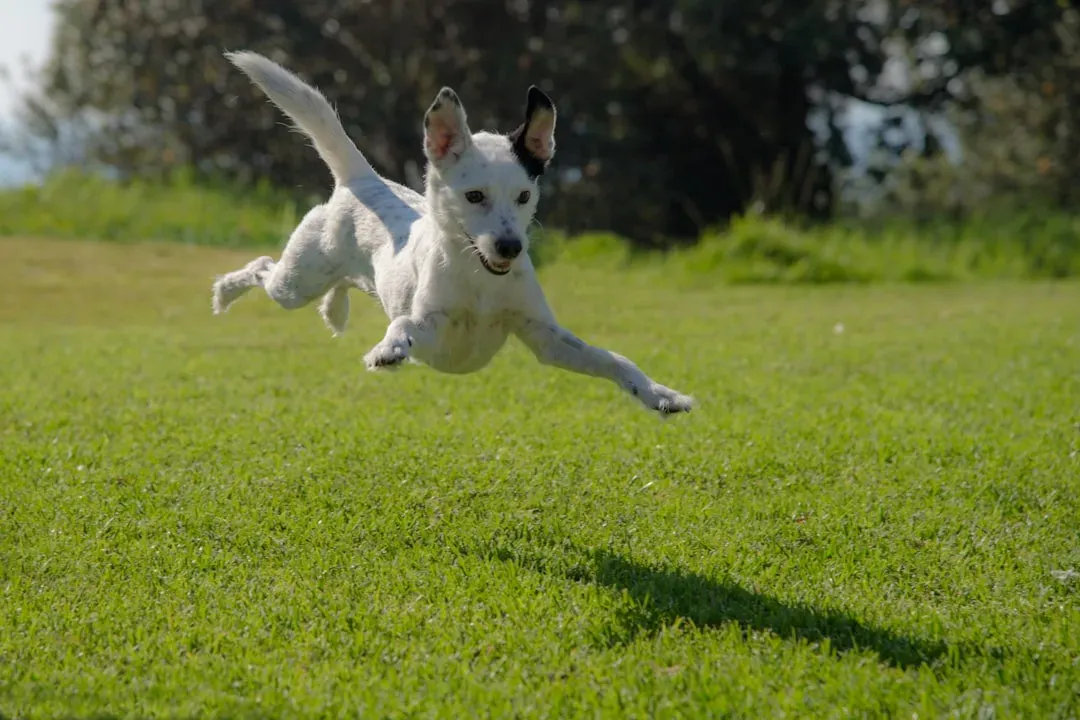
Many dogs greet people by leaping up to get closer to their faces, and while it might seem like bad manners, it’s usually a sign of overwhelming enthusiasm and affection. In the dog world, face-to-face greetings are how pack members show respect and connection. Your pup isn’t trying to knock you over or dominate you. They’re just absolutely thrilled to see you and want to get as close to your face as possible.
The problem is that what works between dogs doesn’t always translate well to humans, especially when your excited Labrador nearly tackles you at the door. Dogs show affection by engaging in spirited, physical games, and many social activities could resemble aggression to the naked eye. Still, that bounding leap means your dog adores you. Teaching them to keep all four paws on the ground is about manners, not about stifling their love. The affection is genuine even if the delivery needs some work.
Intense Staring and Direct Eye Contact
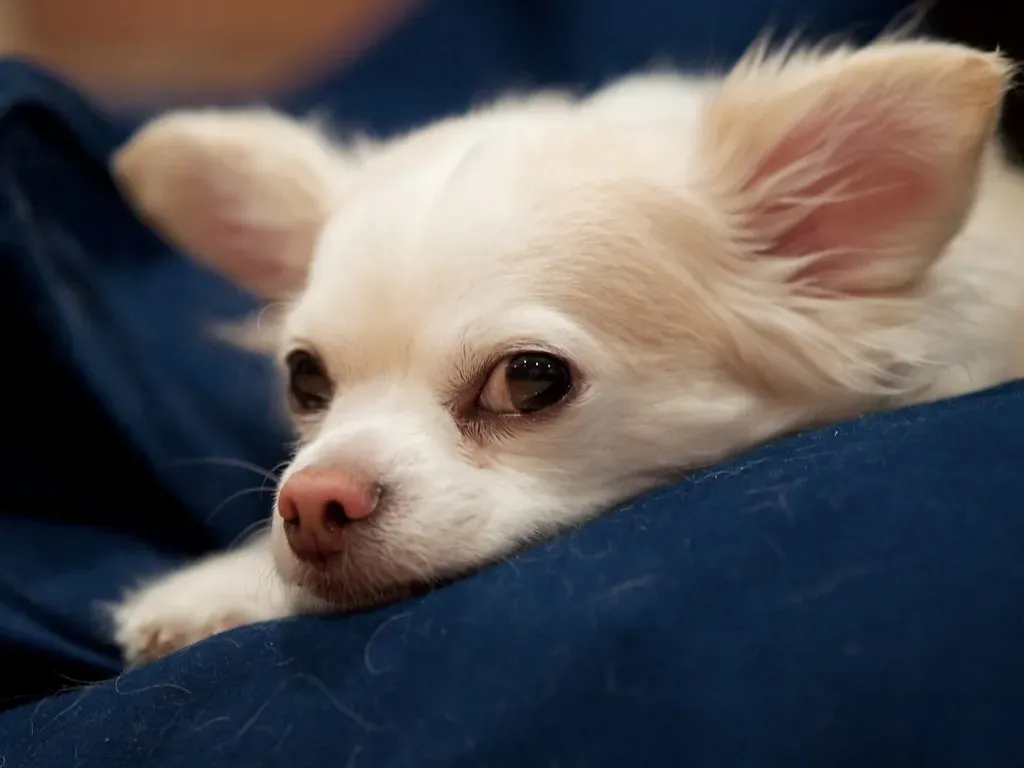
Long gazes are reserved for people we feel completely comfortable with, and the same goes for dogs. When your dog locks eyes with you and holds that gaze, they’re not challenging you or preparing to attack. Maintaining eye contact with your dog helps deepen your bond, and when your pup looks at you, their brain releases oxytocin, known as the love hormone.
It’s hard to say for sure, but those prolonged stares during quiet moments on the couch might be your dog’s most tender expression of devotion. Wild wolves use direct eye contact as a threat, which is why many people instinctively feel uncomfortable when a dog stares them down. Yet domesticated dogs have evolved to communicate with us differently. They’ve learned that looking into our eyes creates connection rather than conflict. So next time your dog gazes at you during a peaceful evening, remember they’re basically telling you they love you without saying a word.
Leaning Their Full Weight Against You
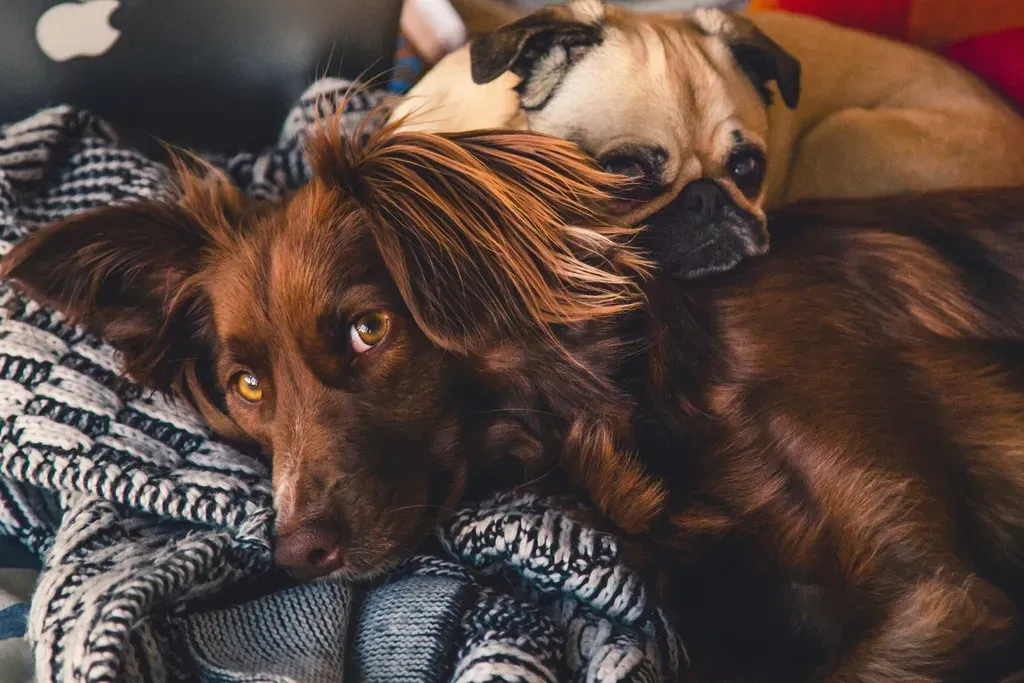
When dogs lean their full weight against you, it signifies complete trust, showing they see you as a protector, like the equivalent of a full-body hug. Some dogs practically try to become one with your leg, pressing so hard you might worry they’re trying to push you over. It might look pushy or even dominant, yet it’s actually the opposite.
You’re not going to lean up against someone you don’t feel safe and secure with, and neither is your dog. This behavior is most common when dogs feel anxious or scared, but it also happens during calm moments at home. Your dog might simply want to be close to you, to feel your presence and warmth. They’re seeking comfort and offering affection simultaneously. Honestly, it’s one of the sweetest behaviors once you understand what’s really happening. Your dog isn’t being needy or aggressive. They’re showing vulnerability and trust.
Growling During Play
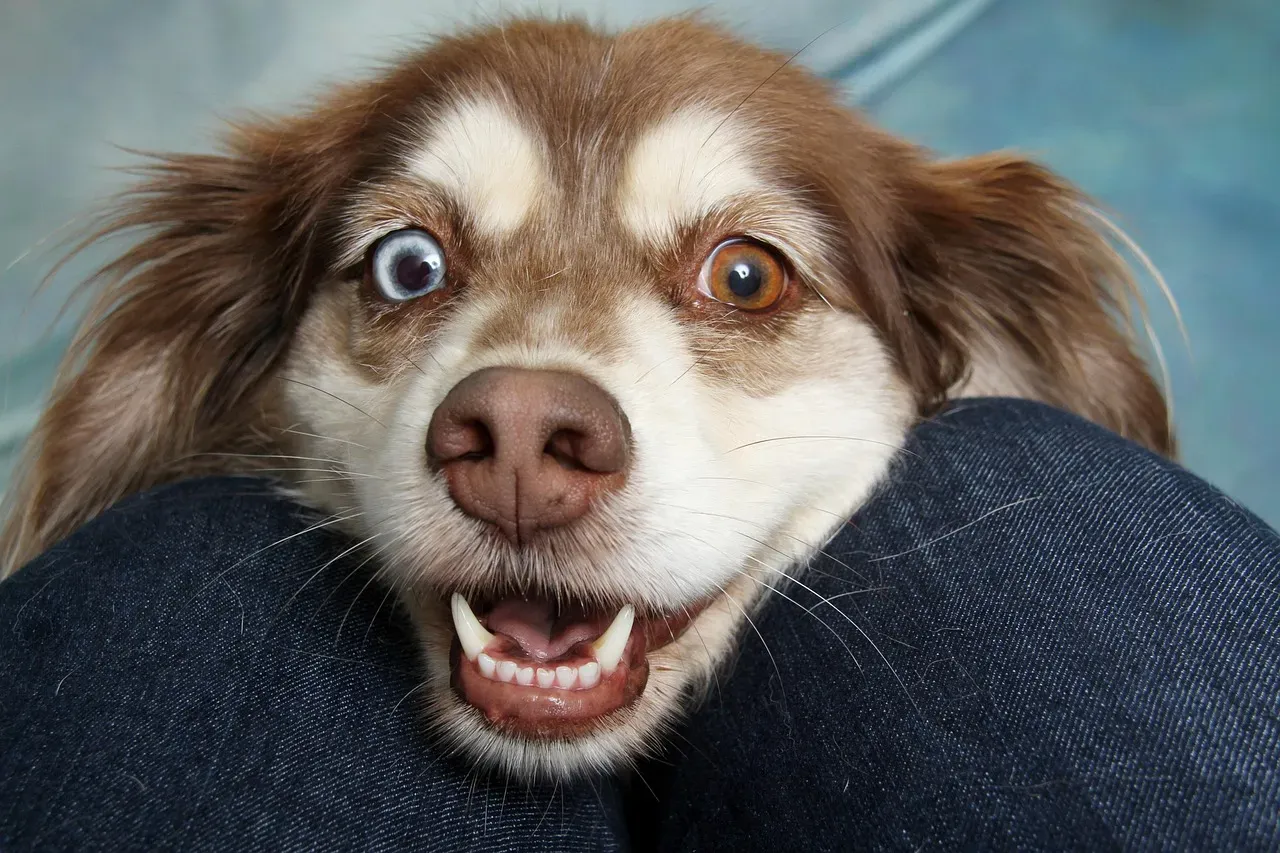
While growling can appear aggressive to people, it’s a dog’s way of expressing discomfort, fear, or stress, though it’s often a warning signal and not always a sign of aggression. Here’s the thing, play growls sound completely different from real aggressive growls. During a playful tussle with another dog or even with you, dogs make all sorts of vocalizations that might sound alarming.
A loud bark while watching a squirrel or hearing a knock might mean excitement rather than aggression, with excited barking usually having a higher pitch and faster rhythm. The key is looking at the whole picture. Is your dog’s body loose and bouncy? Are they taking breaks and coming back for more? Do they have that goofy play face with the mouth slightly open? Then those growls are just part of the fun soundtrack. Real aggression involves stiff body posture, fixed stares, and raised hackles. Play aggression looks and sounds completely different once you learn to spot the signs.
Conclusion
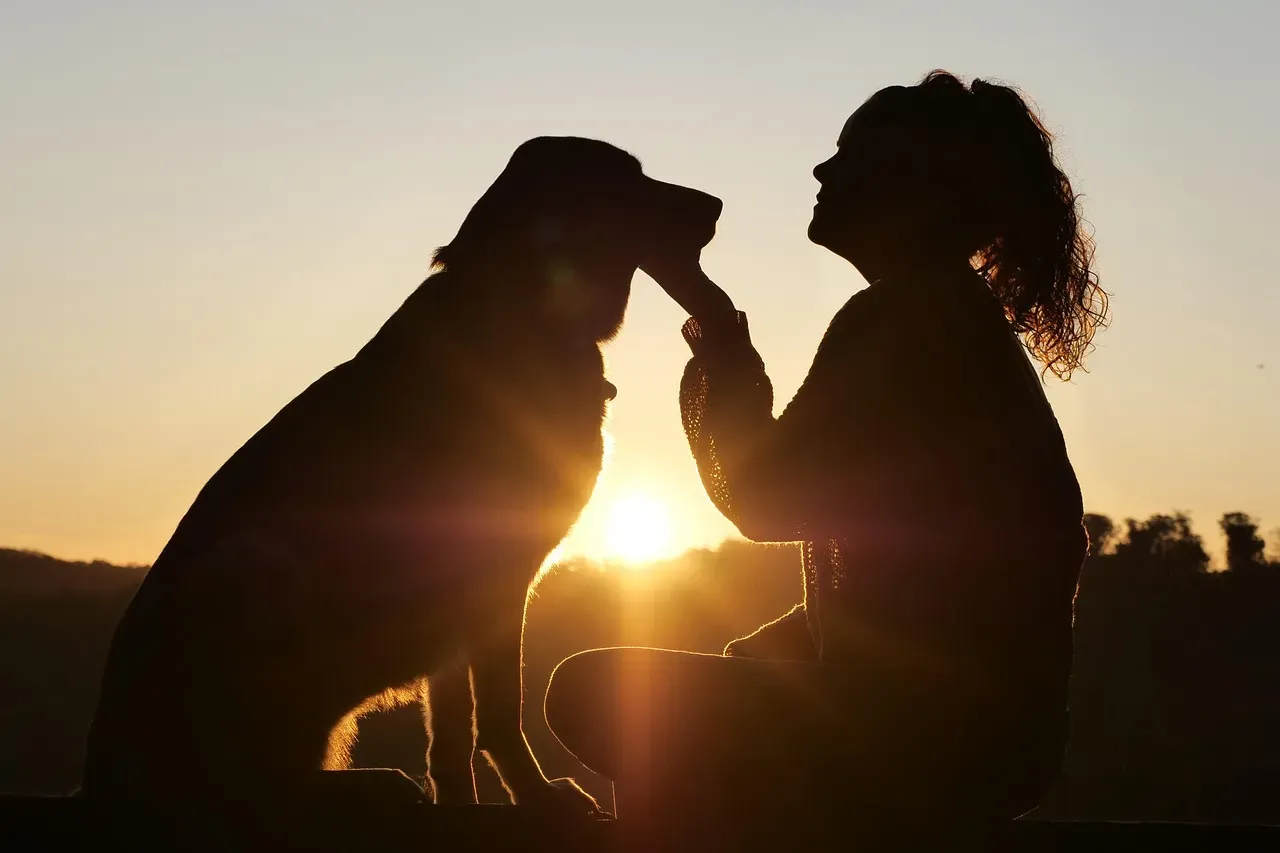
Understanding your dog’s body language transforms how you interact with them every single day. What once seemed threatening or confusing becomes a window into their emotional world and their unique ways of expressing love. Dogs didn’t evolve to speak English or follow human social rules, so they improvise with what they have: teeth, paws, bodies, and vocalizations.
The next time your dog mouths your hand, leans heavily against your leg, or stares into your eyes, take a moment to appreciate what they’re really saying. These behaviors aren’t aggression. They’re connection, trust, and affection wrapped up in canine communication. Once you start seeing these gestures for what they truly are, you’ll realize your dog has been telling you they love you all along. What’s the most surprising way your dog shows affection to you?
