

Worried about unexpected vet bills?
Pet insurance can cover thousands in unexpected vet costs. Get a free quote from Lemonade in under 2 minutes.
Get My Free Quote →Sponsored · Opens Lemonade.com
Ever wonder why your dog starts spinning in circles at exactly 6 PM or rushes to the door when you pick up your keys? Dogs aren’t just creatures of habit – they’re wired for predictability. Their entire world revolves around the rhythms you create, and those daily patterns aren’t just convenient for you. They’re essential for your dog’s mental and emotional health.
Most people think routines are just about structure, but honestly, they’re about so much more. Routine helps them feel secure, reduces anxiety, and creates a foundation for consistent training and better behavior. Think of it this way: in a world where your dog can’t check a calendar or set reminders, your daily habits become their GPS. Let’s dive into the six routines that truly matter to your furry companion.
Morning Walks at the Same Time

There’s something almost magical about the morning walk. Your dog doesn’t just need it for exercise – it sets the emotional tone for their entire day.
A morning walk provides both exercise and mental stimulation, helping to reduce boredom and destructive behavior. Walking at a consistent time each morning creates a rhythm your dog can count on. They wake up knowing what’s coming, which reduces restlessness and anxiety.
Let’s be real, dogs are sensory creatures. That morning stroll isn’t just about bathroom breaks. It’s their chance to gather information about the neighborhood – who walked by overnight, what critters wandered through, which dogs left their calling cards. Walking your dog at the same time each day, for instance, becomes more than just a bathroom break – it becomes a bonding experience, a sensory adventure, and a positive energy outlet. It’s their morning newspaper, and skipping it leaves them feeling out of the loop.
Feeding Schedules That Never Change

Food is love in the dog world, but it’s also about trust and security. When meals arrive at predictable times, your dog learns that their needs will be met without fail.
For example, feeding your dog at the same time each day sends a message that their needs are seen and will be met. This consistency builds a deeper bond between you and your pet. Dogs that eat on a regular schedule are also less likely to beg or scavenge for food and better understand the expectations of their environment.
I think most dog owners underestimate how much anxiety an inconsistent feeding routine can create. Imagine not knowing when your next meal would arrive – you’d probably obsess over food too. Dogs feel the same way. Feeding at roughly the same times each morning and evening gives them one less thing to worry about, allowing them to relax between meals instead of constantly hunting or begging.
Dedicated Playtime and Mental Challenges

Play isn’t optional for dogs – it’s a biological need. Yet it’s not just about burning energy. It’s about mental engagement, problem-solving, and connection.
Dogs need regular physical activity to stay healthy and engaged. Beyond burning off excess energy, playtime strengthens your bond and prevents destructive behavior caused by boredom. Scheduling playtime at consistent intervals means your dog isn’t left guessing when they’ll get your attention. They know it’s coming, which reduces attention-seeking behaviors like excessive barking or jumping.
Here’s the thing: mental stimulation matters just as much as physical exercise. Puzzle toys, scent games, and new tricks are excellent ways to keep a dog’s mind active and prevent boredom, contributing to their overall emotional well-being. A tired dog is a happy dog, but an engaged dog is an even happier one. Mixing up activities while keeping the timing consistent gives them variety without chaos.
Training Sessions That Build Confidence
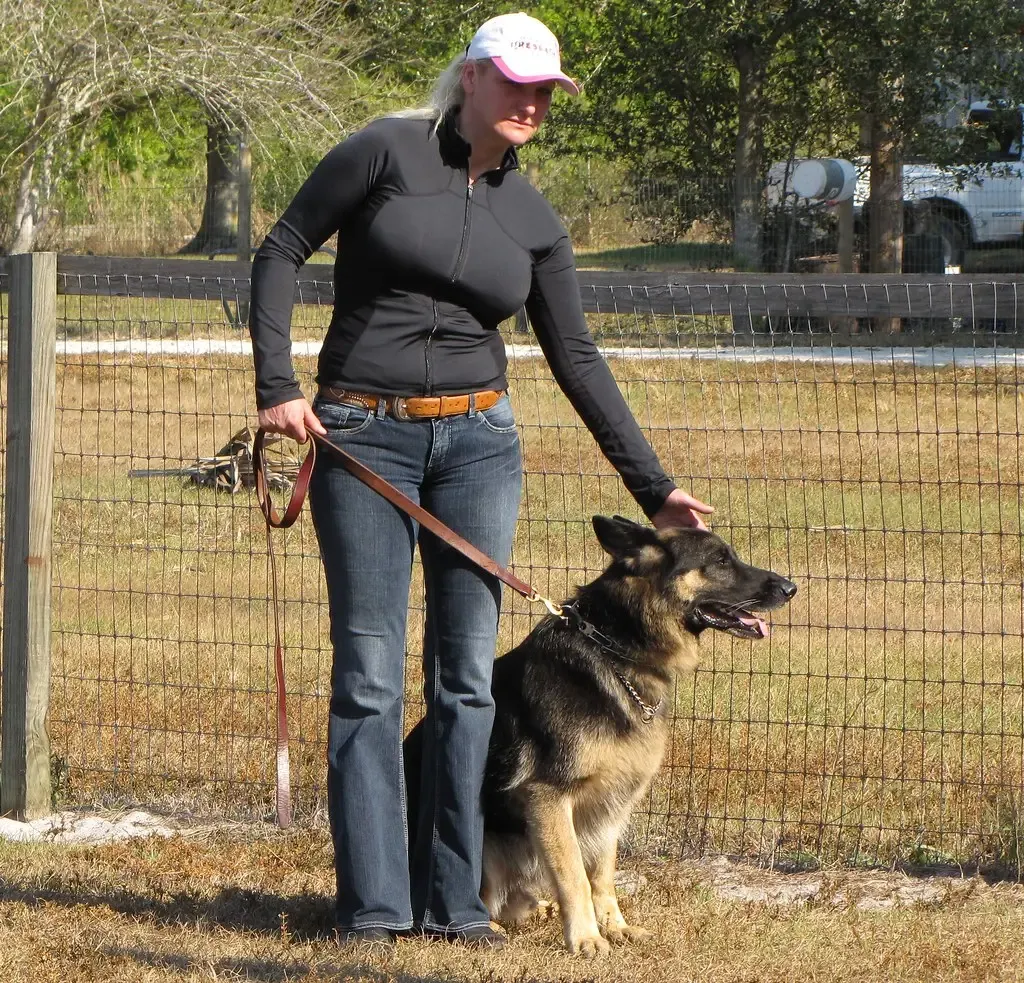
Even just five minutes of daily training can transform your dog’s behavior and deepen your relationship. Training isn’t about showing off tricks – it’s about communication and trust.
Routine gives training structure – it turns one-time lessons into habits. Short, daily sessions work best. Rather than hour-long training marathons, brief, focused sessions repeated at the same time each day are far more effective. When training becomes part of the daily routine, dogs learn faster and retain skills longer.
Training also gives dogs something many people don’t consider: a sense of accomplishment. Positive reinforcement training not only teaches dogs desired behaviours but also provides mental stimulation and a sense of achievement. Training sessions should be fun, rewarding, and free from punishment. Dogs want to understand you and make you happy. Consistent training time shows them exactly how to do that.
Regular Rest and Downtime

We often focus on how much activity our dogs need, but quiet time is just as crucial. Dogs require downtime to process their day and recharge emotionally.
Regular sleep patterns promote restfulness and reduce overstimulation. Creating a calm environment where your dog can retreat and relax teaches them that not every moment requires vigilance or excitement. This is especially important for anxious or high-energy breeds.
Think about it: dogs sleep more than humans do – often upwards of twelve to fourteen hours a day. That rest isn’t laziness; it’s biological necessity. Provide a quiet, comfortable area where your dog can retreat when feeling overwhelmed. Consistency in daily routines can help reduce anxiety by providing predictability. If your dog knows that after the evening walk comes quiet time, they’ll naturally settle into that rhythm without resistance.
Bedtime Routines That Signal Safety

The end of the day is when many dogs feel most vulnerable. A consistent bedtime routine tells them the day is done and it’s safe to let their guard down.
When daily activities like meals, walks, and bedtime align with these natural cycles, dogs feel more balanced and are less likely to act out due to stress or overstimulation. Dogs operate on circadian rhythms just like we do, and honoring those natural sleep cycles improves their overall wellbeing.
A simple bedtime routine might include a final bathroom break, a few minutes of calm interaction, and settling into their sleeping area. Routines help establish that trust. For example, feeding your dog at the same time each day sends a message that their needs are seen and will be met. The same principle applies to sleep. When bedtime is consistent, dogs relax more easily and sleep more soundly.
Conclusion

Routines aren’t about rigid schedules or micromanaging every moment of your dog’s day. They’re about creating a framework of predictability that allows your dog to feel secure, confident, and emotionally balanced. Creating a consistent daily dog routine does more than just keep your pup happy – it builds trust, encourages good behavior, and supports long-term health. Dogs thrive on structure, and as pet parents, it’s up to us to create a schedule that fits their needs and lifestyle.
The six routines we’ve explored – consistent morning walks, regular feeding times, dedicated play and mental challenges, daily training, scheduled rest, and predictable bedtimes – form the foundation of a happy, well-adjusted dog. These aren’t chores; they’re opportunities to strengthen the bond you share with your four-legged friend. So what do you think? Are there routines in your dog’s day that you could make more consistent? Your dog will thank you for it – probably with a wagging tail and a big, goofy grin.
Worried about unexpected vet bills?
Pet insurance can cover thousands in unexpected vet costs. Get a free quote from Lemonade in under 2 minutes.
Get My Free Quote →Sponsored · Opens Lemonade.com
