
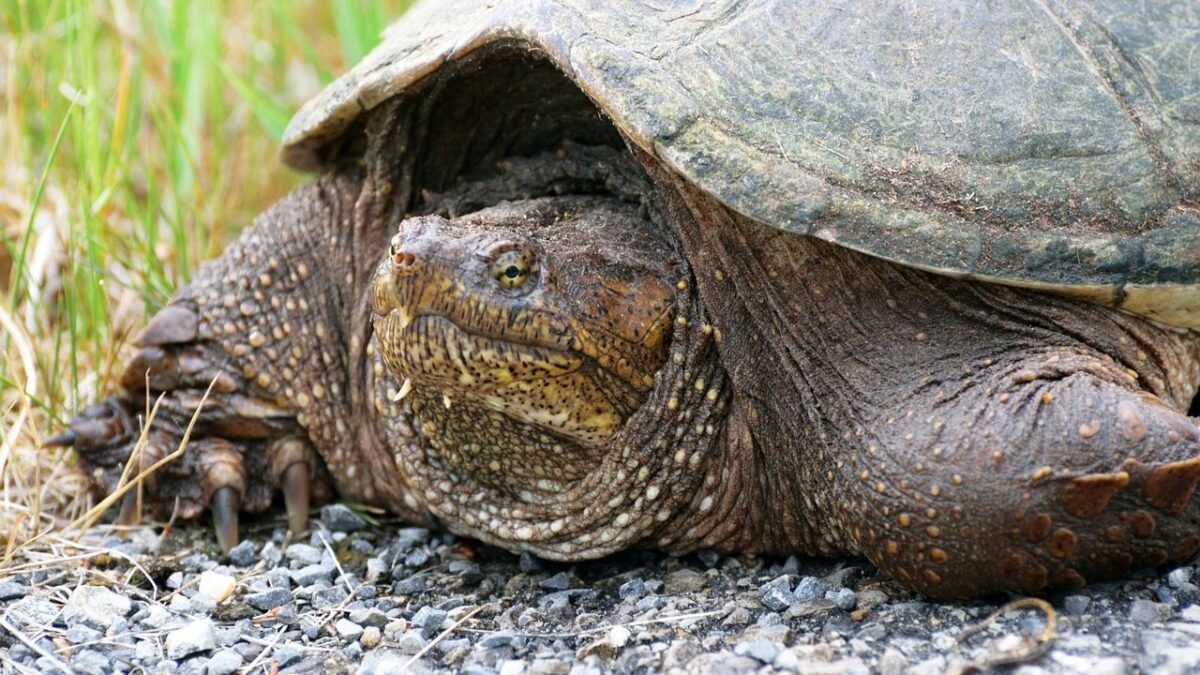
Picture yourself walking along a murky river in the southeastern United States. The water looks calm, almost too calm. Below the surface, something ancient lurks. Something that’s been perfecting its survival strategy for millions of years. Something with jaws powerful enough to snap bone.
We’re talking about the alligator snapping turtle, a creature that seems ripped straight from the age of dinosaurs. This reptile isn’t just another turtle. It’s a living fossil that commands respect and curiosity in equal measure. Let’s be real, there’s something both terrifying and fascinating about an animal that can weigh as much as a full-grown person and possesses one of nature’s most deceptive hunting tricks.
They’re the Heavyweight Champions of North American Freshwater
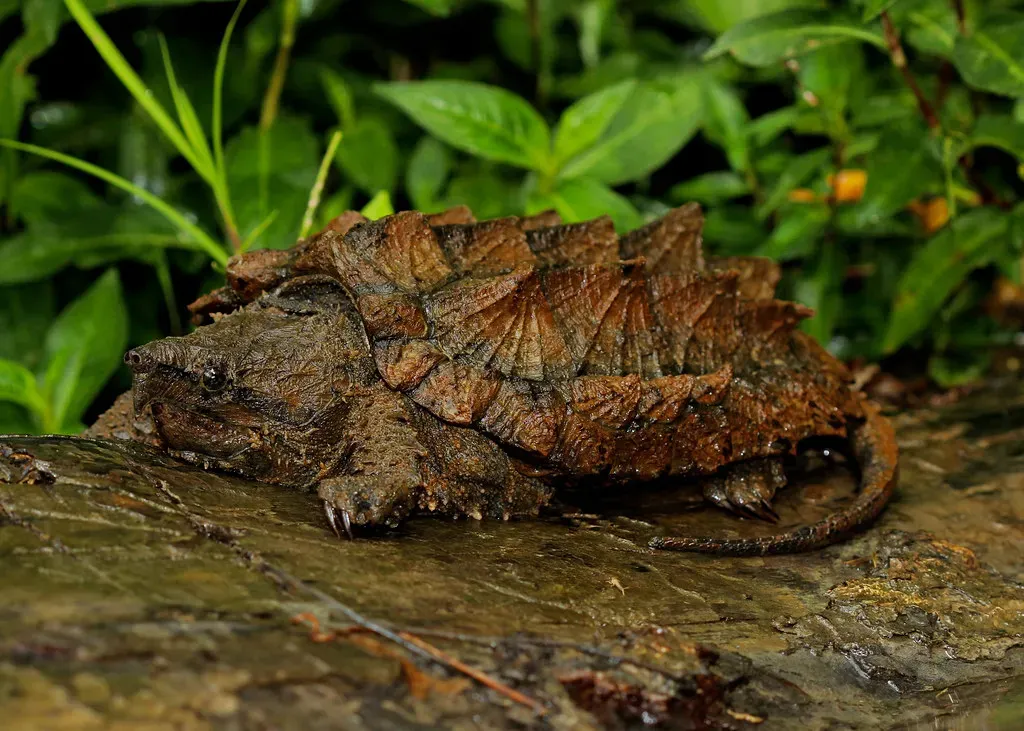
The alligator snapping turtle holds the title as the largest freshwater turtle in North America. We’re not talking about your average backyard pond turtle here. Adult males can reach lengths of up to 29 inches and weigh up to 249 pounds, while adult females can reach lengths of up to 22 inches and weigh up to 62 pounds.
Think about that for a moment. That’s like having a small refrigerator with teeth living in your local river. Males average 26 inches in shell length and weigh about 175 pounds, though some exceptional specimens push well beyond that. The sheer mass of these creatures makes them one of the heaviest freshwater turtles anywhere on the planet.
Their size isn’t just for show. It takes decades for these turtles to reach their maximum weight, growing slowly but steadily throughout their remarkably long lives. Males are considerably larger than females, which is typical for many turtle species.
That Worm-Like Lure Is Nature’s Perfect Fishing Rod
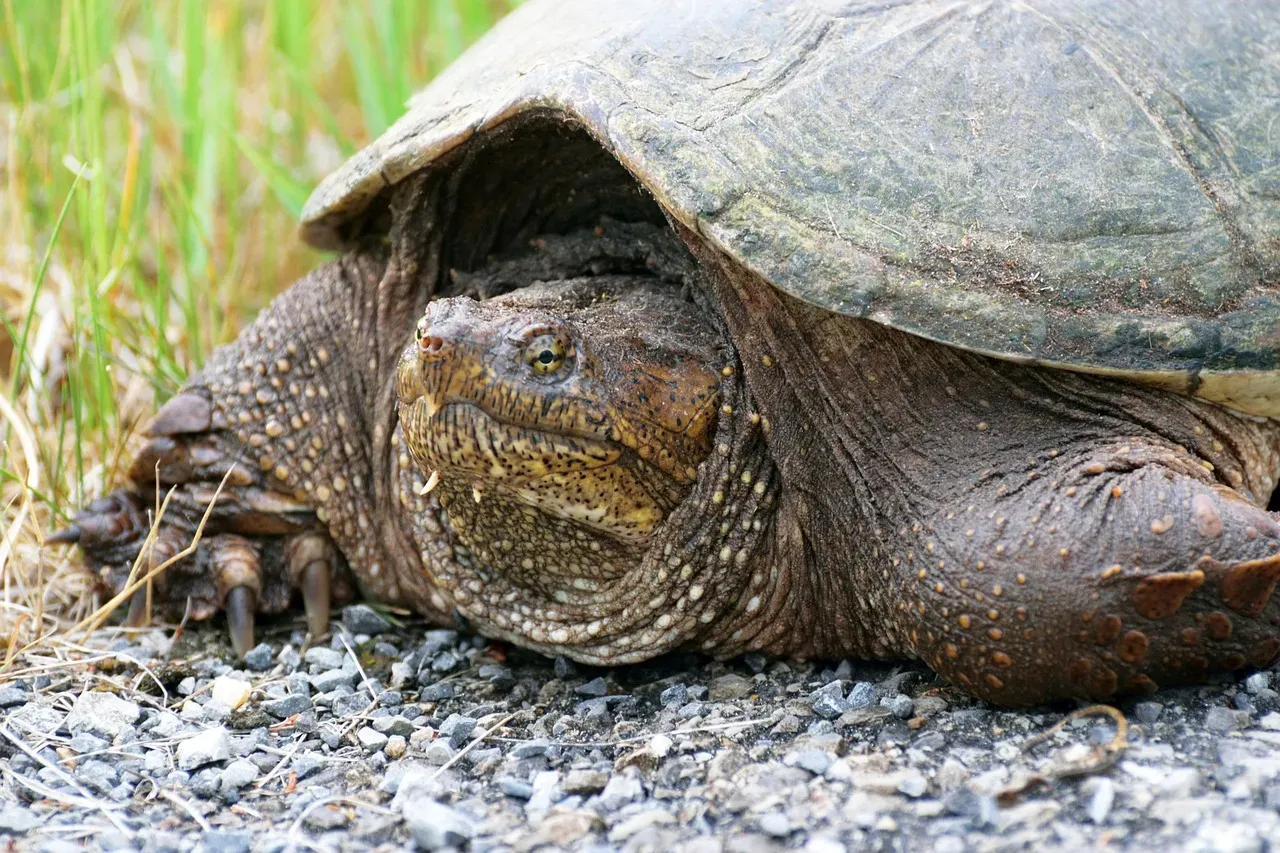
Here’s where things get interesting. An appendage on the alligator snapping turtle’s tongue resembles a worm, helping this ambush predator lure prey. It’s honestly one of the most brilliant hunting adaptations you’ll find in the animal kingdom.
The turtle will lay on the bottom of the riverbed and open its jaws to reveal what looks like a delicious bright red wriggling worm, luring prey by fiendishly twitching this appendage back and forth. Fish swimming by see what appears to be an easy meal and swim right into the turtle’s mouth. Game over.
The alligator snapping turtle is the only turtle species that has a part of their body for luring prey. This makes them unique among all turtles worldwide. The inside of their mouth is camouflaged, making the pink lure stand out even more dramatically against the dark background. It’s patient, efficient, and devastatingly effective.
Their Bite Force Can Crush Bone
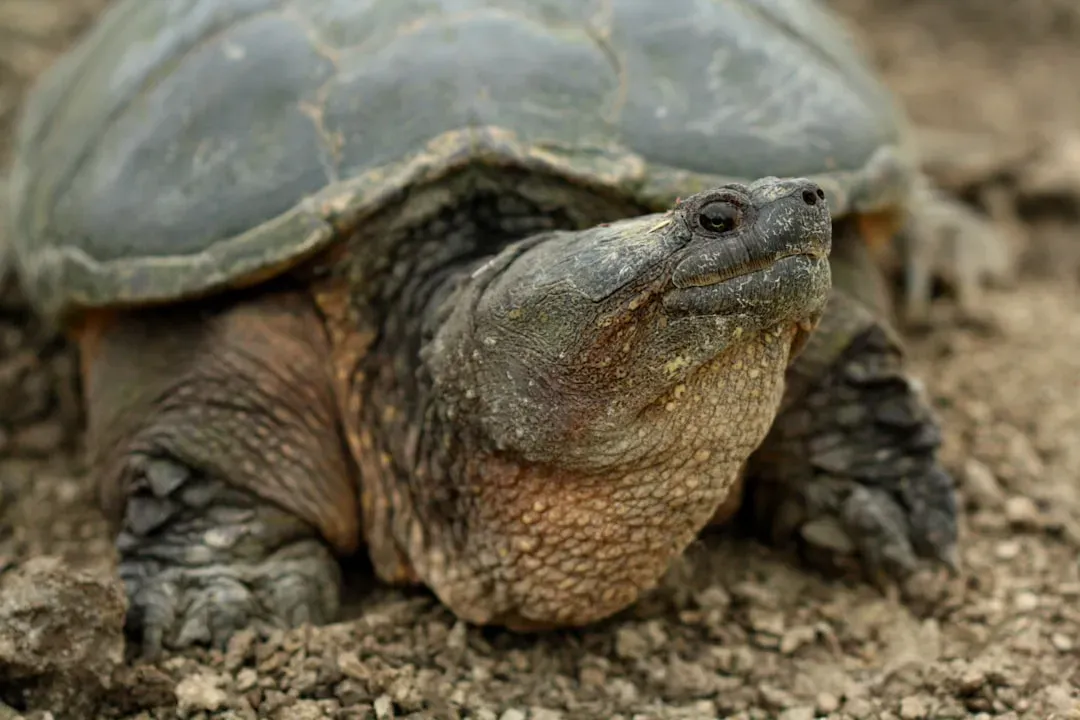
Let’s talk about those jaws. With a bite force of 1,000 pounds, their powerful jaws can snap through bone, which means you should absolutely never handle these turtles in the wild. In rare cases human fingers have been cleanly bitten off by the species.
A study conducted in 2023 found that this turtle’s bite force can range between 8.2 and 1872 Newtons of force. That’s a massive range, but it makes sense when you consider the size difference between juveniles and massive adults. The bite force depends heavily on the size of the individual turtle.
Despite their fearsome reputation, here’s something most people don’t know. There are many myths about alligator snapping turtles attacking, even killing, humans; none of which are true. These turtles are actually quite docile when left alone in the water. They become defensive primarily when handled or threatened on land.
They Can Hold Their Breath for Nearly an Hour
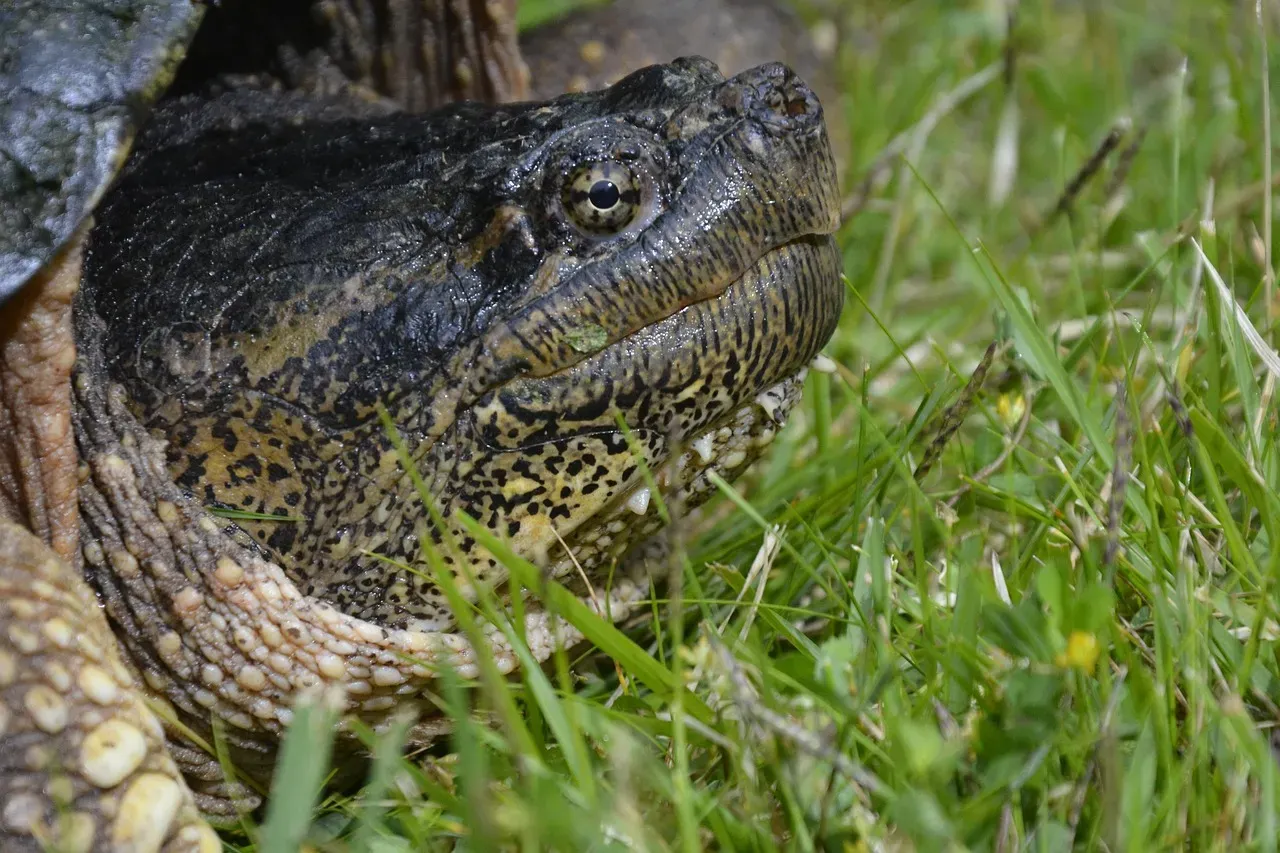
Alligator snapping turtles can stay submerged for 40 to 50 minutes before needing to surface for air. That’s longer than most people can sit through a TV show without checking their phones. This incredible ability allows them to remain motionless on river bottoms for extended periods while hunting.
Their aquatic lifestyle is almost total. Typically, only nesting females venture onto open land. Males might spend their entire lives without ever leaving the water. They’re so sedentary underwater that algae and moss often grow on their shells, providing natural camouflage.
This stationary lifestyle contributes to their hunting success. They’re not fast swimmers like sea turtles. Instead, they walk along the bottom of rivers and lakes, spending most of their time lying in wait. Patience is their superpower.
Their Lifespan Rivals That of Humans
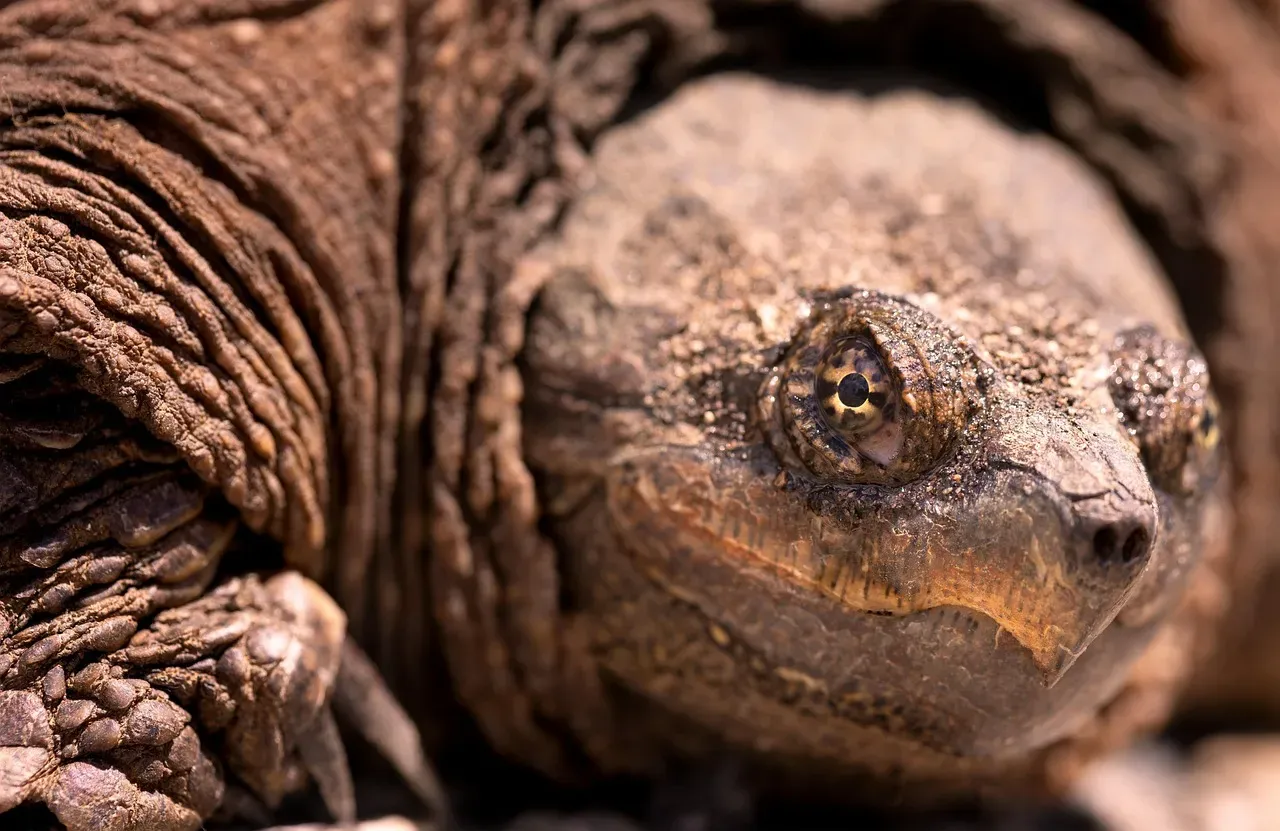
Their lifespan in the wild is estimated to be between 80 and 120 years. That means an alligator snapping turtle born today could still be around well into the 22nd century. It’s hard to say for sure exactly how long they live in the wild, but captive specimens give us clues.
The oldest alligator snapping turtle ever recorded was a captive that reached 70 years old. However, that individual likely didn’t reach its maximum potential lifespan. The species does not reach sexual maturity until 11 to 21 years. They’re in no rush to reproduce, which makes sense for an animal built for the long haul.
Their slow maturation rate is actually a vulnerability. When populations are harvested or disturbed, recovery takes decades because females reproduce so infrequently and take so long to reach breeding age. Think of them as the wise elders of the freshwater world, accumulating decades of experience in their river domains.
They’re Facing Serious Conservation Challenges
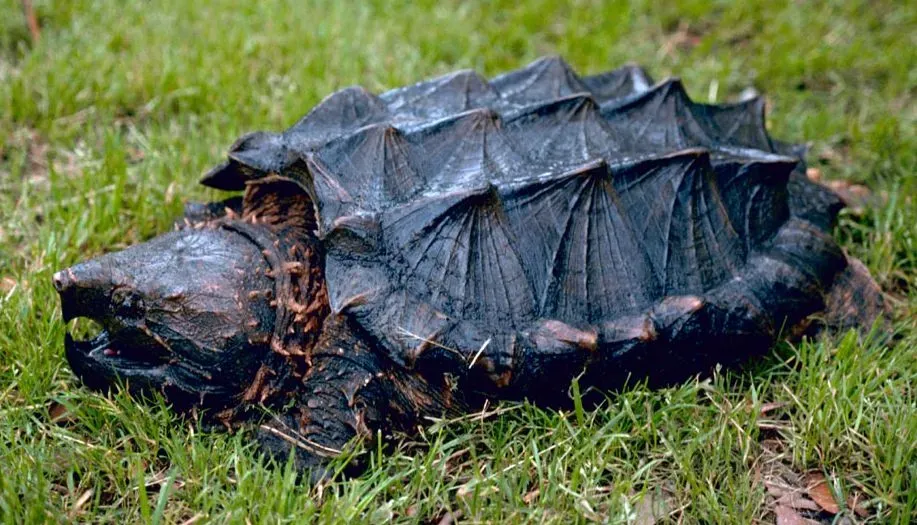
As of 23 February 2023, it was listed as a CITES Appendix II species, meaning international trade (including in parts and derivatives) is regulated by the CITES permit system. The turtle’s status has been upgraded due to declining populations across their range.
The largest threat facing alligator snapping turtles has been uncontrolled wild harvesting for their meat, unique shells and to sell as exotic pets. Because they are large and easy to capture, the turtles’ meat is harvested for consumption in domestic and international markets. The peak harvesting occurred during the 1960s and 1970s, devastating populations that still haven’t recovered.
Surveys conducted in Flint River 22 years after commercial harvest ended showed populations had not recovered. That’s sobering. These ancient creatures need our protection if they’re going to survive into the next century. Habitat destruction, pollution, and accidental capture in fishing lines continue to threaten them today.
Conclusion
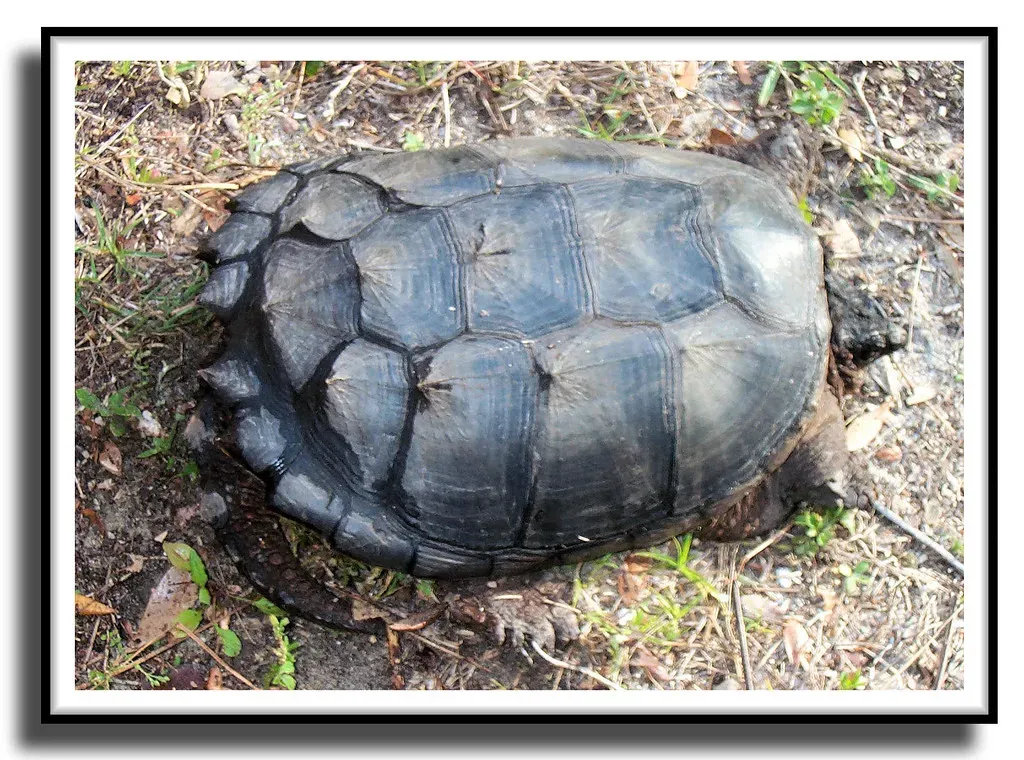
The alligator snapping turtle represents something special, a direct connection to a prehistoric past that still exists in our rivers today. These remarkable creatures have survived for millions of years, outlasting countless other species through ice ages and dramatic climate shifts. Their combination of size, patience, unique hunting strategy, and longevity makes them one of North America’s most fascinating reptiles.
Yet their future is uncertain. Conservation efforts need continued support to ensure these living fossils don’t disappear from our waterways. Every river that still hosts alligator snapping turtles is a treasure worth protecting.
Did you ever imagine a turtle could be this impressive? What do you think about sharing our rivers with such ancient predators?
