
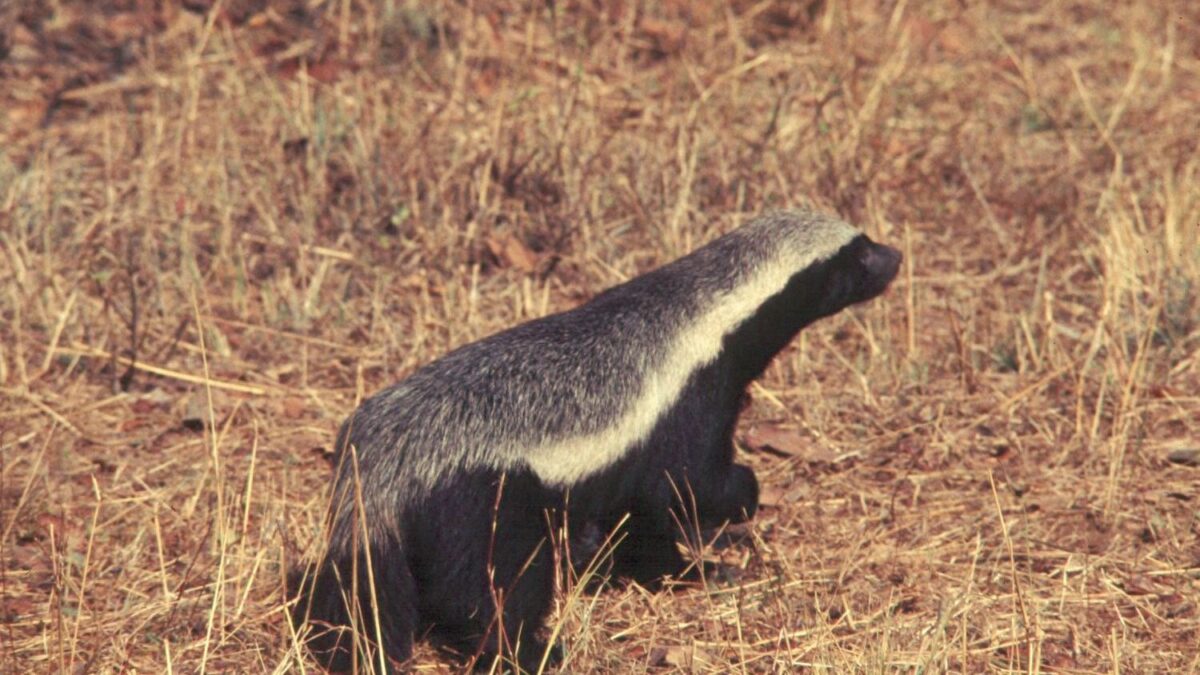
You’ve probably heard the legendary tales about these fearless creatures, but honestly, the reality is even wilder than the folklore. We’re diving into the world of an animal that makes survival look ridiculously easy while scaring off predators that could swallow it whole. Let’s be real, when a creature the size of a small dog can make lions think twice, you know there’s something exceptional going on.
So what makes this compact mammal so extraordinary? Prepare to discover some mind-blowing adaptations that evolution crafted over millions of years. Be surprised by what these unassuming animals are truly capable of doing.
Their Skin Is Basically a Superhero Suit
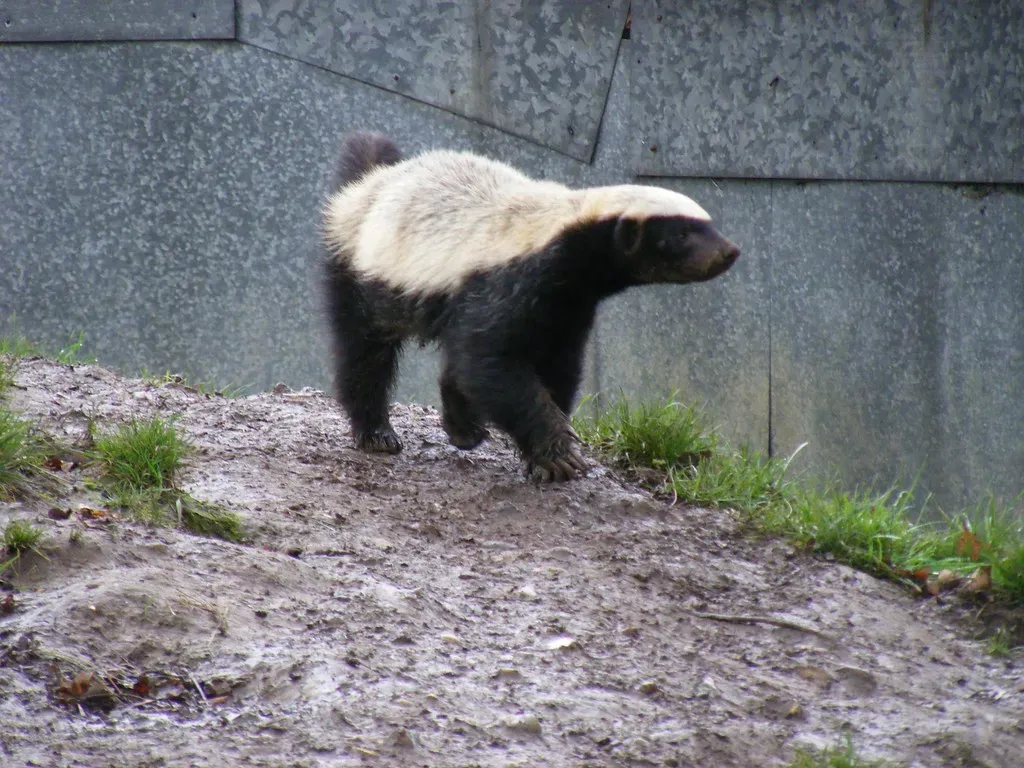
The honey badger’s skin is remarkably loose and allows the animal to turn and twist freely within it, with the skin around the neck being 6 mm thick. Think about that for a moment. Their skin is at least six millimeters thick, which is significantly thicker than that of a buffalo, which is 50 times its size.
Here’s where it gets truly wild. The skin has less connective tissue holding it to the rest of the body, making it really loose, which allows the badger to swivel when being attacked and fight back, and there are numerous observances of lions biting the honey badger on the back of the neck and the honey badger is still able to spin around and bite the lion back. It’s like wearing armor that’s three sizes too big, except this oversized outfit can save your life. If an animal bites the honey badger on the back, it can turn right around and bite the animal right back with its sharp teeth, and inexperienced predators like a young leopard, lion or hyena might try to attack a honey badger once, but they’ll never try it again after the first time.
They’ve Basically Hacked the Venom Code
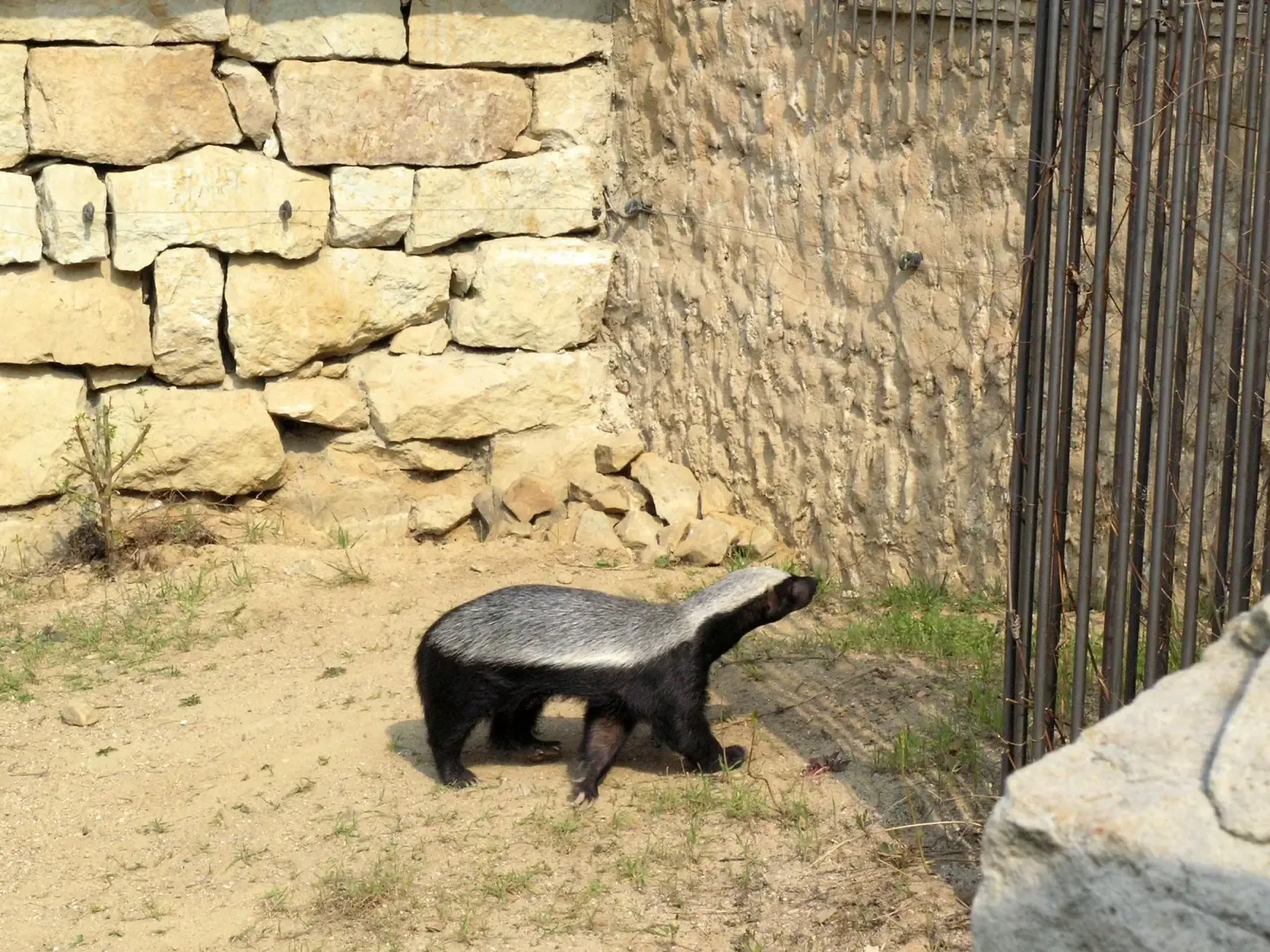
Let’s talk about one of nature’s most remarkable biological tricks. Venom targets a receptor in muscle cells called the nicotinic acetylcholine receptor, and if this receptor comes in contact with venom, paralysis occurs, however honey badgers have developed mutations that make these receptors less compatible with the neurotoxins in venom. It’s like they rewired their own nervous system to reject the poison.
Many of their prey species are venomous, including the puff adder and Cape cobra, and the badgers are thought to develop some immunity to venom over a lifetime of bites and stings, with one individual bitten on the face by a puff adder showing a large swelling on his cheek yet up and chasing snakes again just five hours later. Five hours! Most animals would be dead. Honey badgers hunt venomous cobras, and if a cobra bites the honey badger before dying, the venom may induce a kind of lethargy, however about two hours later the animal wakes up fully reenergized and calmly finishes consuming the slain cobra. They literally take a power nap and then eat their attacker for lunch.
The Guinness World Record Holder for Fearlessness
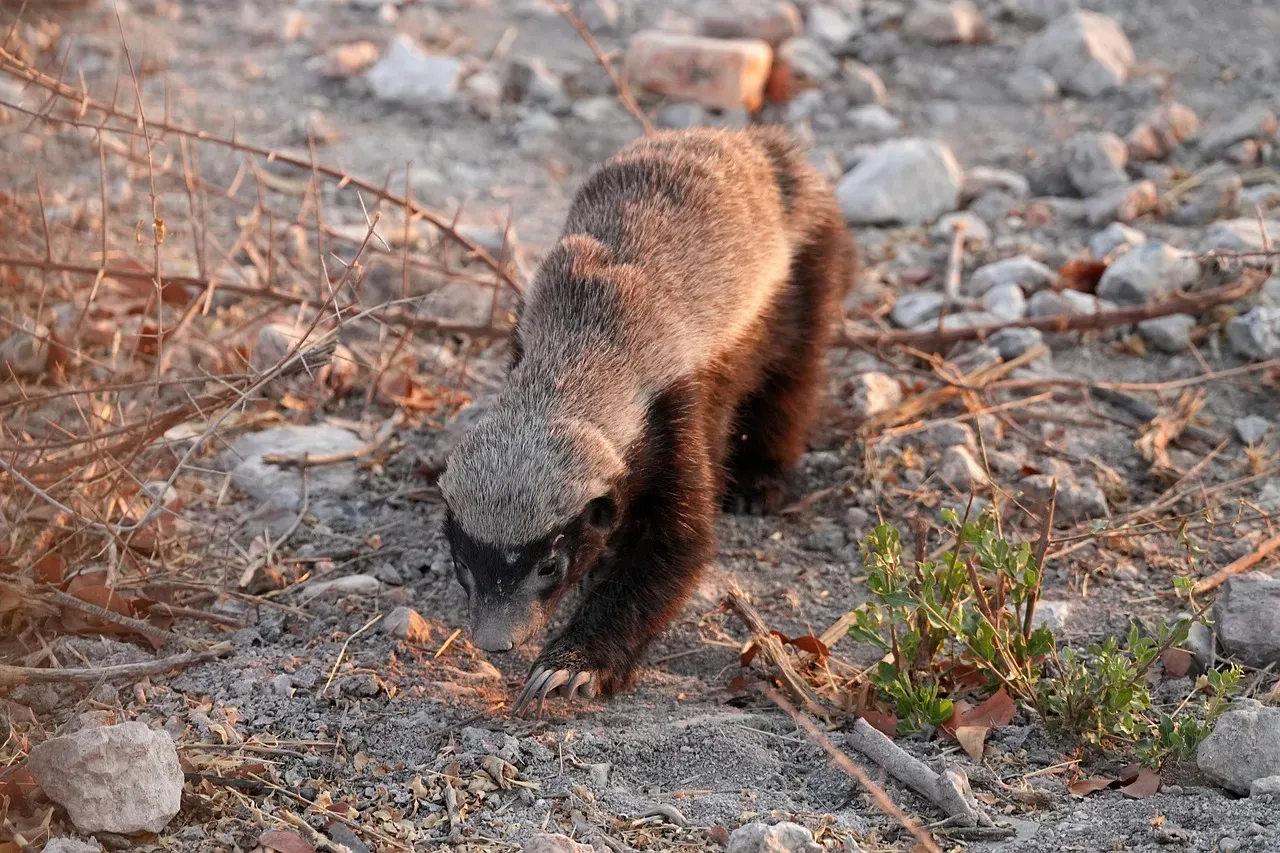
The Guinness Book of World Records has the honey badger listed as the world’s most fearless creature. That’s not just marketing hype or internet folklore. The honey badger is famous for its strength, ferocity and toughness, and is known to savagely and fearlessly attack almost any other species when escape is impossible, reportedly even repelling much larger predators such as lion and hyena.
Honey badgers have been observed attacking lions and buffaloes. I know it sounds crazy, but there are documented cases. Despite their reputation as the world’s most fearless animals, honey badgers try to avoid trouble, with observations of them bolting for a hole after sniffing fresh lion or leopard tracks, usually only attacking when surprised by predators. So they’re not suicidal, just strategically aggressive when cornered. Smart and scary is a dangerous combination.
Their Intelligence Rivals That of Primates
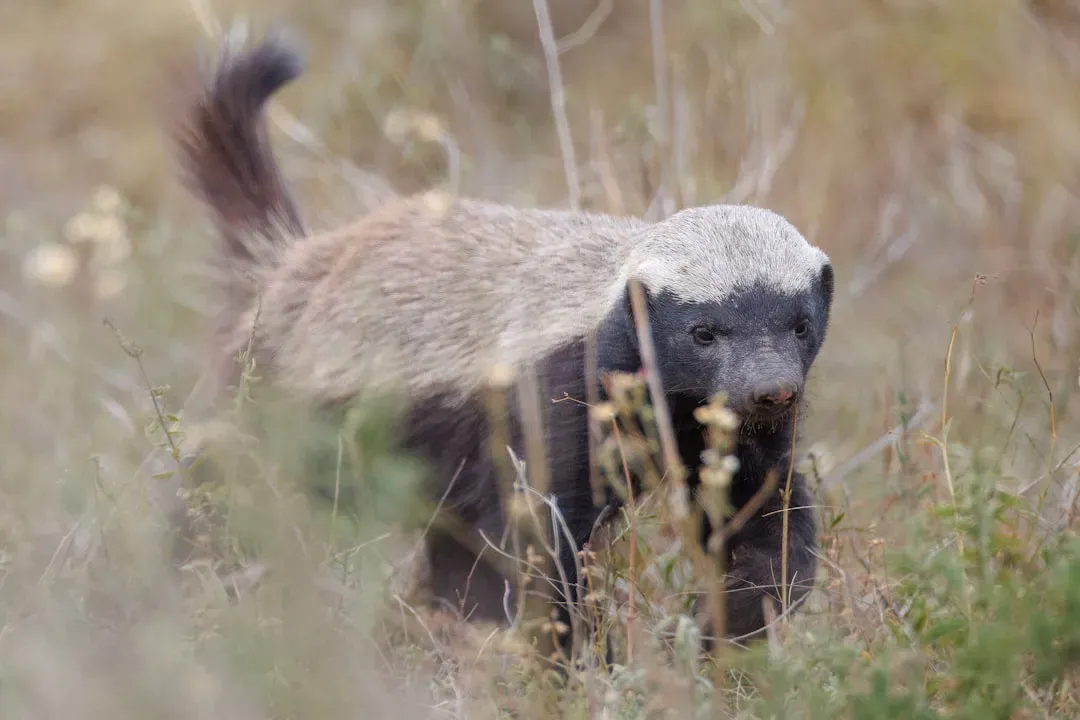
Here’s something that might surprise you even more than their combat skills. Due to its ability of using tools, the honey badger is considered an intelligent creature and according to a BBC documentary, captive individuals may work with others as cohesive units to help unlock gates or enclosures with the use of tools. Tool use is typically associated with primates and certain birds, not members of the weasel family.
There have been reports of honey badgers escaping their enclosures multiple times, to the point that caretakers removed all tall objects so they could not climb over the fence, and they have been known to open gates and pile debris on the side of their enclosures to get out. Think about that. They’re problem solvers who refuse to be contained. Honey badgers are intelligent because they have to be, killing and eating up to 60 different species of animals, and in order to have a diet with this impressive range they need to have problem-solving skills and be some of the most adaptable creatures in the animal kingdom.
They Travel Insane Distances Every Single Night
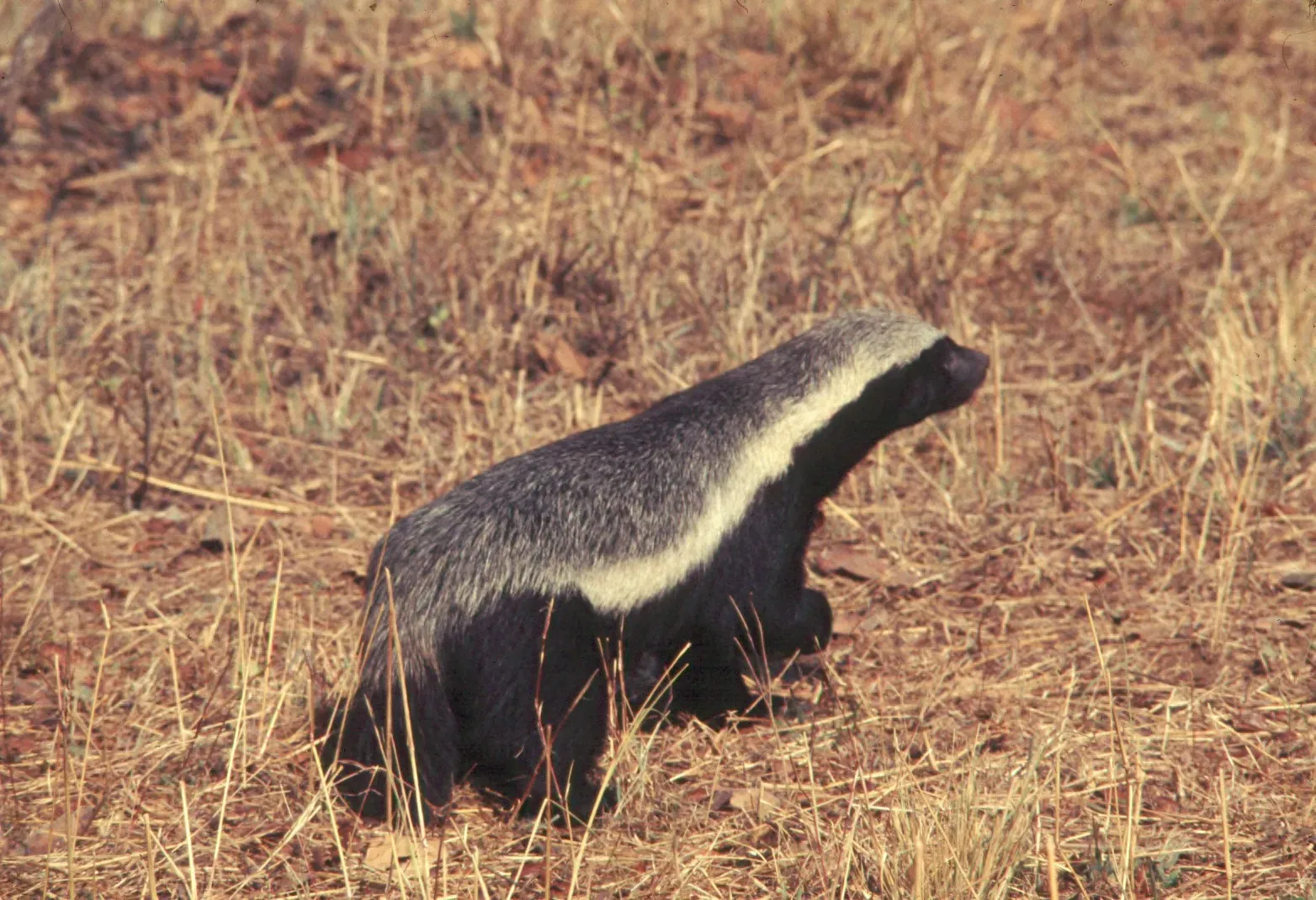
Honey badgers are nomadic, making daily foraging trips with male badgers traveling up to 27 km daily whereas females tend to make shorter trips of about 10 km per day. That’s roughly 17 miles for males every single night. For an animal with such short legs, that’s an absolutely staggering distance.
Adult males have an average home range of 548 km² compared to females’ average of 138 km². To put that in perspective, that’s larger than the entire city of Chicago for a male honey badger. They don’t much care what sort of habitat they hang out in, occupying a wide range of habitats from forests to deserts but mostly living in dry areas of Africa, Southwest Asia and India, with male honey badgers having giant ranges of up to 190 square miles which they mark with their signature stink bomb scent. They’re endurance athletes wearing fur coats.
Their Diet Is Absolutely Wild
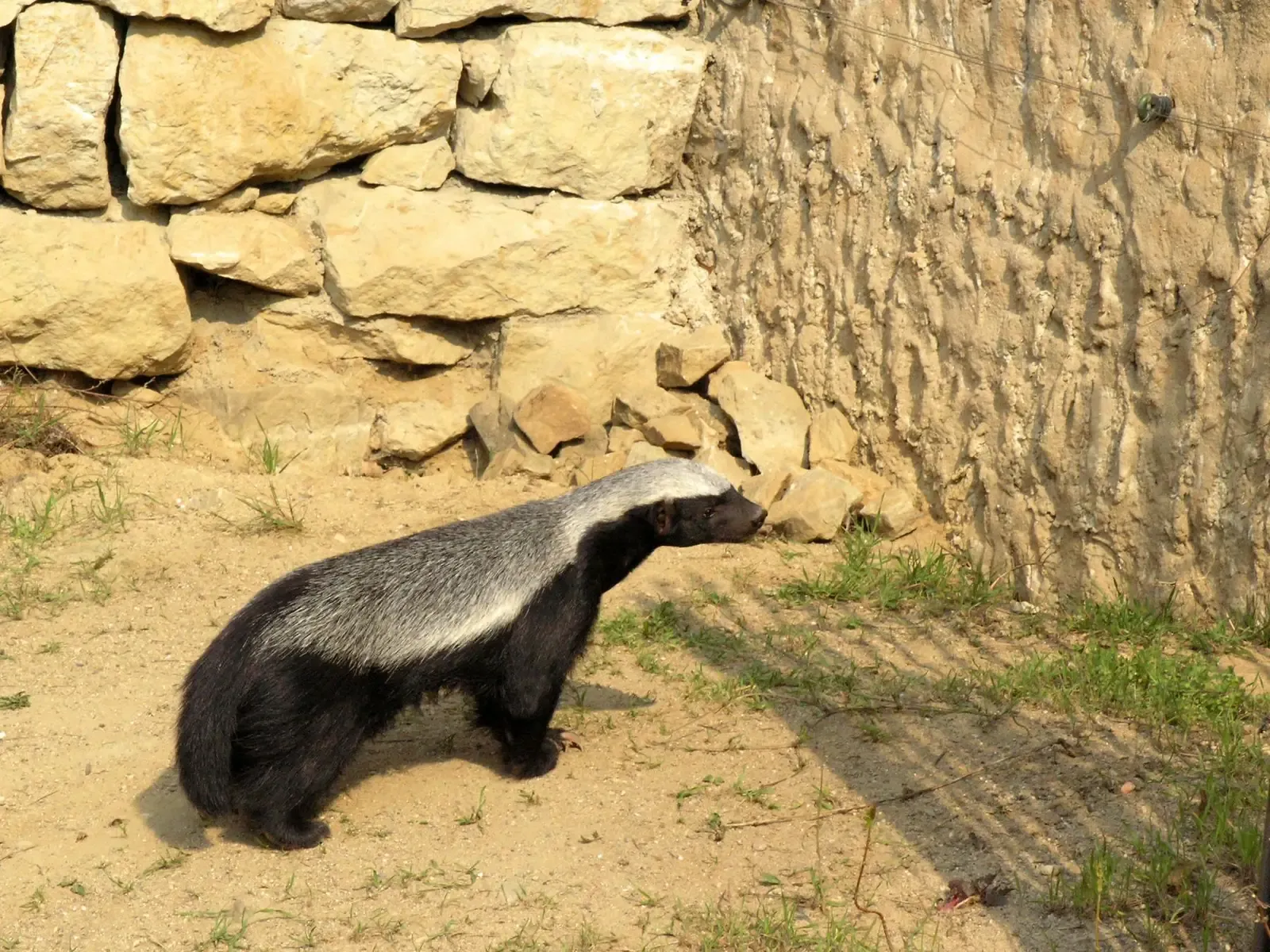
The honey badger has the least specialised diet of the weasel family next to the wolverine, accessing a large part of its food by digging it out of burrows, often raiding beehives in search of both bee larvae and honey, and also feeding on insects, frogs, tortoises, turtles, lizards, rodents, snakes, birds and eggs, as well as berries, roots and bulbs. Basically, if it exists, a honey badger will eat it.
Some individuals have even been observed to chase away lion cubs from kills. Imagine being so bold that you steal food from baby lions. They will even kill and eat black mambas, a highly venomous snake. The black mamba is considered one of the deadliest snakes on the planet, capable of killing a human in minutes. For the honey badger? Just another Tuesday dinner. Snakes make up about a quarter of their diet, which is remarkable when you consider how dangerous most of these snakes are to virtually every other creature on Earth.
Conclusion
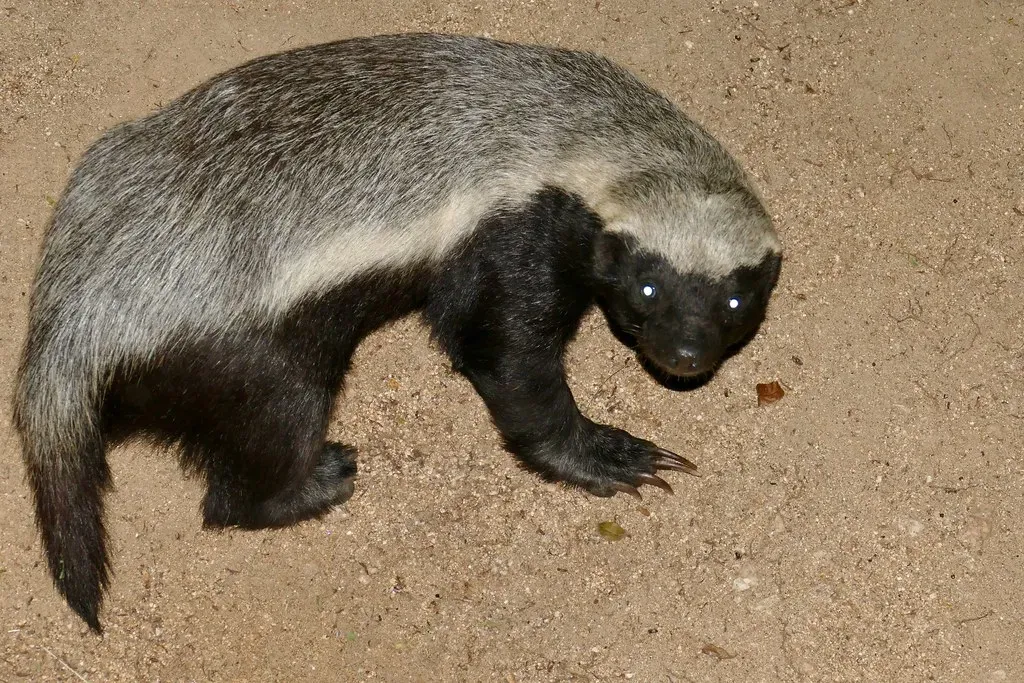
The honey badger proves that size isn’t everything when it comes to survival in the wild. These compact warriors have evolved an incredible arsenal of defenses and offensive capabilities that make them one of nature’s most formidable survivors. From their rubber-like armor skin to their genetically modified venom resistance, from their Einstein-level problem-solving skills to their marathon running stamina, honey badgers are living proof that evolution can create some truly remarkable creatures.
What do you think is the most impressive honey badger trait? Did any of these facts surprise you as much as they surprised me when I first learned about them?
