

The bald eagle, America’s national bird and a symbol of freedom and strength, once faced the very real prospect of extinction in the contiguous United States. Their population, once numbering in the hundreds of thousands, had dwindled to just 417 nesting pairs by the early 1960s. Yet today, over 71,400 nesting pairs soar across American skies, with a total population exceeding 316,700 birds. This remarkable recovery represents one of the greatest conservation success stories in history. The comeback of the bald eagle wasn’t simply a matter of chance but the result of deliberate, multifaceted conservation efforts spanning decades. From legislative protection to habitat restoration and public education, the resurrection of this iconic species demonstrates what can be achieved when science, policy, and public will align toward a common conservation goal.
The Bald Eagle’s Historic Decline

Prior to European colonization, bald eagles flourished across North America, with estimates suggesting a population between 300,000 to 500,000 birds. Their range extended from Alaska and Canada to northern Mexico. However, the 19th and early 20th centuries brought devastating challenges to these majestic raptors. As human settlement expanded westward, eagles were perceived as threats to livestock and competitors for fish. Widespread shooting and poisoning campaigns decimated their numbers, with some states even offering bounties for dead eagles.
The loss of nesting habitat further compounded their decline as forests were cleared for agriculture and development. By the late 1800s, commercial fishing had depleted food sources in many waterways, while market hunting reduced waterfowl populations that eagles relied upon seasonally. The situation reached a critical point after World War II, when the introduction of DDT (dichlorodiphenyltrichloroethane) as an agricultural pesticide inadvertently delivered what nearly became the final blow to the species.
The Silent Spring Connection: DDT’s Devastating Impact

The publication of Rachel Carson’s groundbreaking book “Silent Spring” in 1962 brought national attention to the devastating ecological effects of DDT. This persistent organic pesticide entered aquatic systems through runoff, where it was absorbed by fish that eagles consumed. The chemical didn’t kill adult eagles directly but interfered with their calcium metabolism, causing them to produce eggs with shells so thin they would crack under the weight of incubating parents. Reproduction rates plummeted dramatically across the country, particularly in the continental United States.
Studies conducted in the 1960s revealed alarming concentrations of DDT in eagle tissues and eggs. In areas with heavy DDT use, reproductive success dropped to less than 10% of normal rates. Eagles along the Great Lakes, Atlantic Coast, and other major waterways were especially affected, with some regions experiencing complete reproductive failure for years. Carson’s work catalyzed public understanding of bioaccumulation and biomagnification of pesticides in food chains, creating the scientific and social momentum necessary to ban DDT and protect the eagles’ future.
Legal Protection: The Endangered Species Act and Beyond

The legal framework that ultimately saved the bald eagle began taking shape decades before its population reached its lowest point. The Bald Eagle Protection Act of 1940 (later amended to include golden eagles) made it illegal to take, possess, sell, or transport bald eagles or their parts without permission. Despite this protection, population decline continued until more comprehensive legislation emerged. The passage of the Endangered Species Preservation Act in 1966, followed by the more robust Endangered Species Act (ESA) of 1973, provided the powerful legal tools necessary for recovery.
When the bald eagle was listed as endangered under the ESA in 43 states and threatened in 5 others, it gained unprecedented protection. The ESA prohibited killing, harming, or disturbing eagles, protected critical habitat, and required federal agencies to ensure their actions wouldn’t jeopardize the species. Perhaps most importantly, the ESA mandated the development of recovery plans with specific goals and metrics. The first Bald Eagle Recovery Plan, implemented in 1982, established target numbers of breeding pairs for each region and outlined the conservation measures needed to achieve those targets.
The DDT Ban: A Crucial Turning Point

In a pivotal moment for bald eagle conservation, the Environmental Protection Agency banned the use of DDT in the United States in 1972. This decision came after extensive scientific research demonstrated the pesticide’s harmful effects on wildlife, particularly birds of prey. The ban didn’t produce immediate results, as DDT and its breakdown products remained in the environment for years. However, it marked the beginning of the eagles’ reproductive recovery, addressing the primary biological obstacle preventing population growth.
Data tracked in the years following the ban showed a gradual but steady improvement in eggshell thickness and breeding success. By the late 1970s, eagle pairs in some regions were successfully rearing young for the first time in decades. Studies conducted in the 1980s and 1990s documented decreasing levels of DDT compounds in eagle tissues and eggs, correlating with increasing reproductive rates. While other conservation measures were essential, the scientific consensus holds that without the DDT ban, recovery efforts would have been futile as the species couldn’t maintain itself through natural reproduction.
Captive Breeding and Reintroduction Programs

With natural reproduction hampered in many regions, wildlife biologists turned to captive breeding and reintroduction programs to bolster struggling populations. Beginning in the 1970s, these efforts became crucial components of the recovery strategy. The Patuxent Wildlife Research Center in Maryland established a captive breeding program that produced eagles for release in areas where populations had been extirpated. Other facilities soon followed, developing techniques to raise eagles in captivity without human imprinting, ensuring they retained wild behaviors necessary for survival.
Reintroduction employed various methods, including hacking, where young eagles were placed in artificial nests in suitable habitat and provided food until they could fly and hunt independently. Between 1976 and 1988, New York’s Bald Eagle Restoration Program released 198 nestling eagles, establishing a breeding population in a state where they had been virtually eliminated. Similar programs in Pennsylvania, New Jersey, and other states successfully reestablished breeding pairs. These efforts provided the genetic diversity and numerical boost needed in regions where natural recovery was proceeding too slowly or where eagles had disappeared entirely.
Habitat Protection and Restoration Efforts
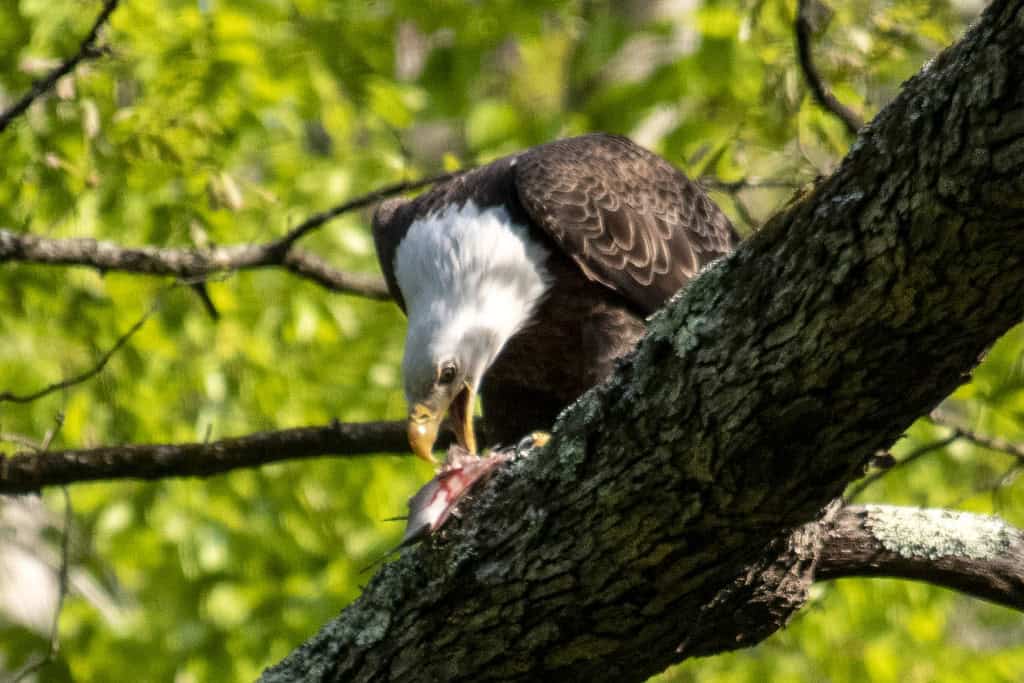
Beyond addressing direct threats like poisoning and shooting, conservationists recognized that habitat loss remained a significant barrier to recovery. The designation of critical habitat under the ESA protected areas essential for feeding, nesting, and roosting. Federal agencies like the U.S. Fish and Wildlife Service and the Bureau of Land Management established eagle management areas where human activities were restricted during breeding seasons. Buffer zones around active nests—typically extending 330 to 660 feet—minimized disturbance that could cause nest abandonment.
Habitat restoration played an equally important role, particularly along waterways degraded by pollution or development. The Clean Water Act of 1972 improved water quality in rivers and lakes, helping fish populations recover and providing eagles with healthier food sources. Conservation organizations and government agencies worked to preserve mature trees suitable for nesting and roosting, particularly in riparian zones. The establishment of wildlife refuges, conservation easements, and land trusts created protected corridors along major waterways, ensuring eagles had access to critical resources throughout their range.
Monitoring and Research: The Science Behind Recovery

Comprehensive monitoring programs provided the scientific foundation for bald eagle recovery. Beginning in the 1960s, the National Audubon Society coordinated volunteer-based winter eagle counts, generating valuable data on population trends and distribution. More sophisticated monitoring emerged in the 1970s, with standardized breeding surveys conducted across the country. These efforts not only tracked progress toward recovery goals but identified emerging threats and evaluated the effectiveness of conservation measures.
Research into eagle biology, behavior, and ecology informed recovery strategies. Studies on habitat requirements helped identify areas needing protection, while research on migration patterns revealed the importance of protecting resources along movement corridors. Advances in satellite telemetry allowed scientists to track individual birds, revealing previously unknown aspects of eagle movement and habitat use. Toxicological studies monitored contaminant levels in eagles and their prey, ensuring that regulatory measures were addressing chemical threats effectively. This science-based approach allowed for adaptive management, with recovery plans modified as new information became available.
Public Education and Changing Attitudes

A shift in public perception played a crucial role in the bald eagle’s recovery. Once viewed as vermin or competitors, eagles gradually became symbols of wilderness and conservation worth protecting. Educational programs in schools, interpretive displays at wildlife refuges, and media coverage helped cultivate public appreciation and concern for the species. Conservation organizations like the National Wildlife Federation and the American Eagle Foundation conducted outreach campaigns highlighting the eagle’s plight and recovery efforts.
The development of eagle cams—live video feeds from nests—brought the breeding cycle of bald eagles into homes across America, creating emotional connections with specific birds and nests. The internet age amplified these connections, with millions of viewers watching eaglets hatch and develop. This visibility transformed eagles from abstract symbols to real creatures with compelling life stories. As public support grew, political will to maintain and fund recovery efforts strengthened, demonstrating how changing cultural attitudes can reinforce conservation policy.
Challenges Overcome: Addressing Threats Beyond DDT

While DDT represented the most publicized threat to bald eagles, recovery efforts addressed numerous other hazards. Lead poisoning from ammunition in hunter-shot game remained a significant mortality factor, with eagles consuming gut piles or wounded animals containing lead fragments. Conservation groups promoted the use of non-lead ammunition, while rehabilitators developed treatments for lead-poisoned birds. Power line electrocutions and collisions claimed many eagles until utilities implemented bird-safe designs with wider spacing between conductors and insulation covers on dangerous components.
Illegal shooting continued despite legal protections, prompting enhanced enforcement and stiffer penalties. The Eagle Repository was established to provide feathers and parts to Native Americans for religious purposes, reducing incentives for illegal possession. Secondary poisoning from rodenticides posed another challenge, addressed through regulatory changes and public education about responsible pesticide use. Each of these threats required specific interventions, demonstrating the comprehensive approach necessary for successful species recovery.
Milestones on the Road to Recovery
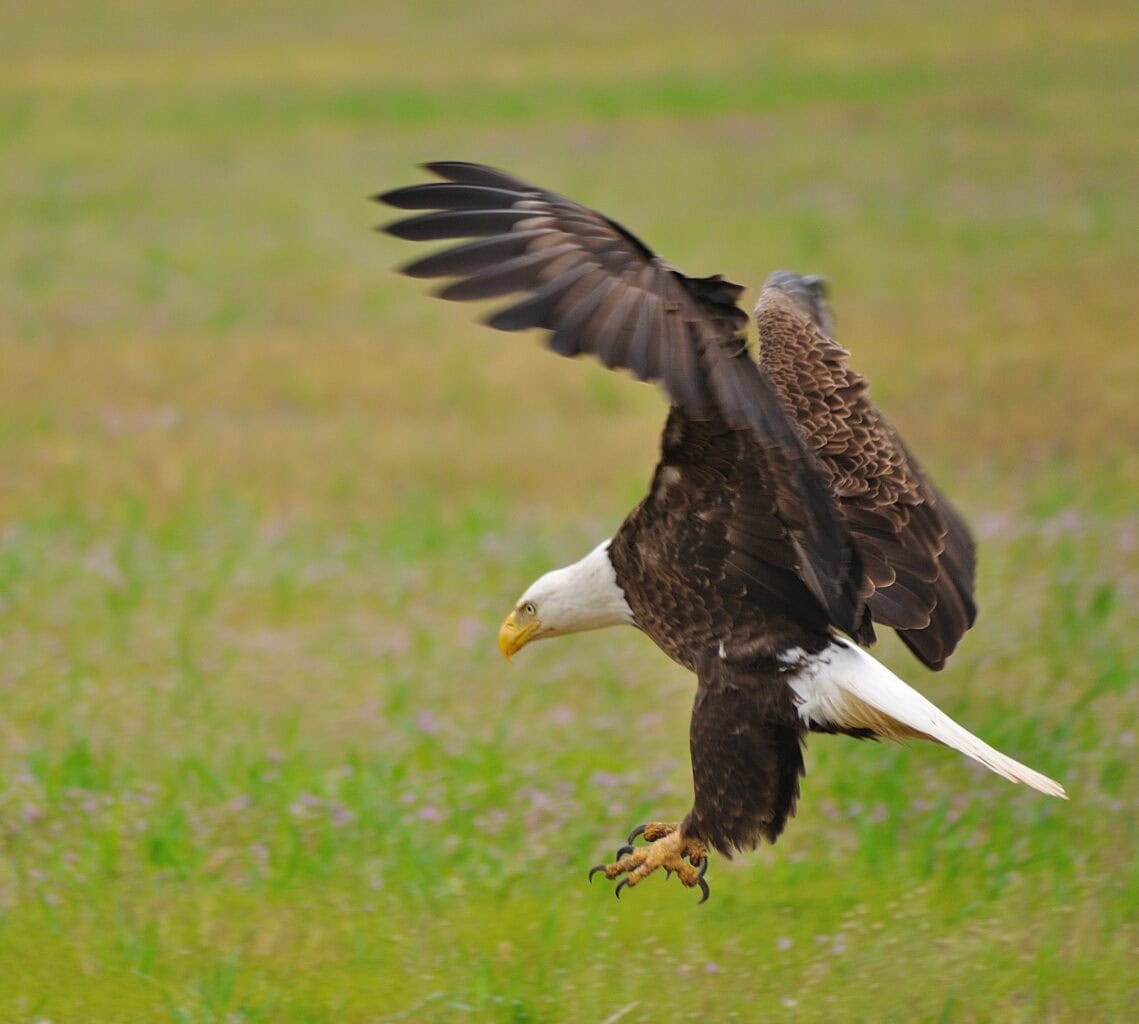
The bald eagle’s recovery progressed through several significant milestones that marked turning points in its conservation story. By 1984, breeding pairs had increased to 1,757 in the contiguous United States, showing that recovery efforts were gaining traction. In 1995, the bald eagle was downlisted from endangered to threatened status, reflecting substantial population growth. The U.S. Fish and Wildlife Service established recovery goals of 3,900 breeding pairs and occupation of at least 80% of designated recovery areas, targets that were met and exceeded by the early 2000s.
On June 28, 2007, the bald eagle was officially removed from the Endangered Species List, though it remained protected under the Bald and Golden Eagle Protection Act and the Migratory Bird Treaty Act. This delisting represented not only biological recovery but institutional success—proof that the Endangered Species Act could achieve its intended purpose. By 2020, population estimates exceeded 316,700 bald eagles in the lower 48 states, with over 71,400 nesting pairs. Alaska alone hosts an estimated 30,000 bald eagles, with British Columbia supporting another 20,000, demonstrating successful recovery throughout most of the species’ historic range.
Ongoing Conservation and Management

Delisting didn’t end conservation efforts for the bald eagle but shifted the focus from recovery to long-term management. The U.S. Fish and Wildlife Service implemented a 20-year post-delisting monitoring plan to ensure populations remained stable. Management now focuses on maintaining habitat quality and addressing emerging threats. Climate change presents new challenges, potentially altering prey availability and suitable nesting habitat. Continued urban development threatens to reduce available habitat in some regions, while increasing recreational use of waterways can disturb nesting sites.
Emerging contaminants such as flame retardants, pharmaceuticals, and microplastics represent potential new threats to eagle health. Researchers continue monitoring these compounds in eagle tissues and eggs to detect problems before they become critical. Wind energy development has created collision risks in some areas, prompting research into siting and operational practices that minimize eagle mortality. Despite these challenges, the robust recovery of bald eagle populations suggests they have the resilience to adapt to changing conditions, provided core habitat needs are met and direct mortality sources remain controlled.
The Broader Conservation Legacy

The success of bald eagle recovery has implications extending far beyond a single species. As a top predator requiring healthy ecosystems, the eagle’s return signifies broader environmental improvements benefiting numerous other species. Conservation measures that protected eagle habitat simultaneously preserved areas for other wildlife, creating a protective umbrella effect. Clean water regulations that improved eagle food sources enhanced entire aquatic communities. The concept of indicator species—using one animal’s health to gauge ecosystem integrity—gained credibility through the eagle’s response to environmental protection.
Perhaps most significantly, the bald eagle recovery demonstrated that extinction is not inevitable when human activities threaten species. It provided a template for successful recovery programs, establishing principles like addressing multiple threats simultaneously, setting measurable recovery goals, and adapting strategies based on monitoring data. The peregrine falcon, brown pelican, and osprey have followed similar recovery trajectories using lessons learned from eagle conservation. For a public often presented with dire environmental news, the bald eagle offers a powerful counternarrative—evidence that concerted conservation action can reverse even severe population declines.
A Conservation Success Worth Celebrating

The recovery of the bald eagle stands as one of conservation’s greatest achievements, demonstrating what can be accomplished through science-based management, legal protection, habitat conservation, and public engagement. From the brink of extinction with just 417 nesting pairs in the early 1960s to today’s thriving population of over 71,400 pairs, the bald eagle’s journey represents a testament to human capacity to repair environmental damage. This success required decades of sustained effort across multiple fronts—addressing toxic contamination, protecting critical habitat, enhancing reproduction, reducing mortality, and building public support.
The eagle’s recovery reminds us that conservation is rarely achieved through single solutions but demands comprehensive approaches addressing all significant threats. It highlights the effectiveness of the Endangered Species Act when fully implemented and funded, while demonstrating the crucial role of public attitudes in sustaining political will for conservation. As we face growing biodiversity challenges globally, the bald eagle provides both practical lessons and inspiration—proof that even species on the brink can recover when we commit to their preservation. This national symbol now represents not only American ideals but the power of environmental stewardship to preserve natural heritage for future generations.

- This Tiny Insect Can Survive in Outer Space—Here’s How - July 21, 2026
- Could the Tasmanian Tiger Be Brought Back to Life? - July 21, 2026
- Why You Should Never Approach a Sleeping Hippo - July 21, 2026