

Ever wonder what makes some dogs seem perpetually joyful while others appear anxious or withdrawn? It’s hard to say for sure, but after observing countless canine companions over the years, there’s definitely a pattern to the behaviors that happy dogs share. These aren’t accidental traits either. They’re habits that can be cultivated, encouraged, and yes, adopted by any dog owner willing to put in just a little bit of consistent effort.
Here’s the thing. Your dog doesn’t need expensive toys or fancy training programs to be truly content. What they crave are simple, reliable routines that meet their emotional and physical needs. So let’s dive into these six essential habits that distinguish the happiest dogs from the rest.
They Embrace a Predictable Daily Routine

Dogs thrive on routine, consistency, and care, and a predictable routine helps them feel secure and settled. Think about it this way: when you know what to expect each day, you feel more relaxed, right? Dogs experience the same sense of calm when their schedule follows a familiar pattern.
Having a routine gives your dog structure and allows them to anticipate what will occur throughout their day, reducing any stress and anxiety from anticipating your next move. Happy dogs aren’t wondering when their next walk will happen or if they’ll get dinner at a reasonable hour. They know these things are coming because you’ve made them consistent.
Dogs benefit from eating meals at the same time each day, and a regular feeding schedule aids digestion and helps with house training. Try setting specific times for meals, walks, play sessions, and even quiet time. Your dog will begin to relax into these rhythms, knowing that their needs will be met reliably. This simple shift can dramatically reduce behavioral issues that stem from uncertainty or boredom.
They Get Quality Rest and Downtime
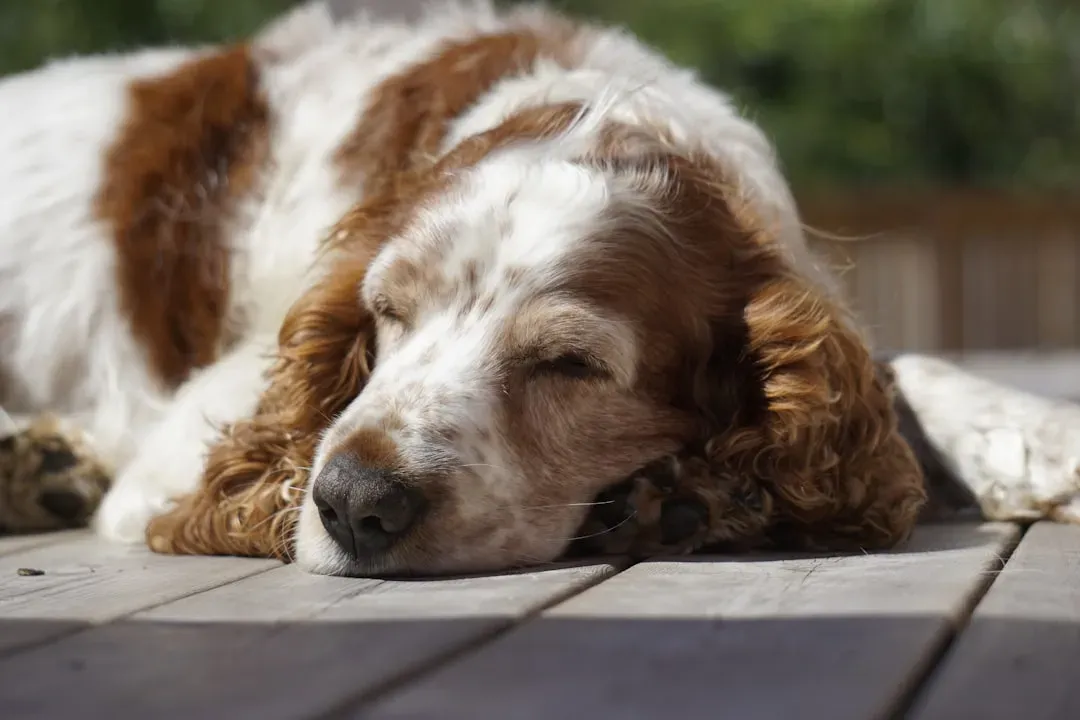
You might assume that a tired dog is simply one that’s been exercised to exhaustion. Yet the happiest dogs understand the value of genuine rest. Dogs need quality sleep to process learning, regulate mood, and support growth, and a predictable routine helps them feel secure and settled, with a well-rested dog being happier, healthier, and more emotionally balanced.
Quality rest means trust and safety so that dogs can rest physically and emotionally, which is instrumental to continued happiness and behavioral stability. Create a cozy, quiet spot in your home where your dog can retreat without interruption. This shouldn’t just be their bed at night but a sanctuary they can access anytime they need to decompress.
Let’s be real: dogs that don’t get enough downtime become irritable, anxious, and prone to destructive behaviors. Honestly, they’re a lot like us after a week of poor sleep. Encourage naps during the day, especially after intense play or training sessions, and resist the urge to constantly engage with them. Sometimes the best thing you can do for your dog is simply let them rest.
They Engage in Regular Physical Activity
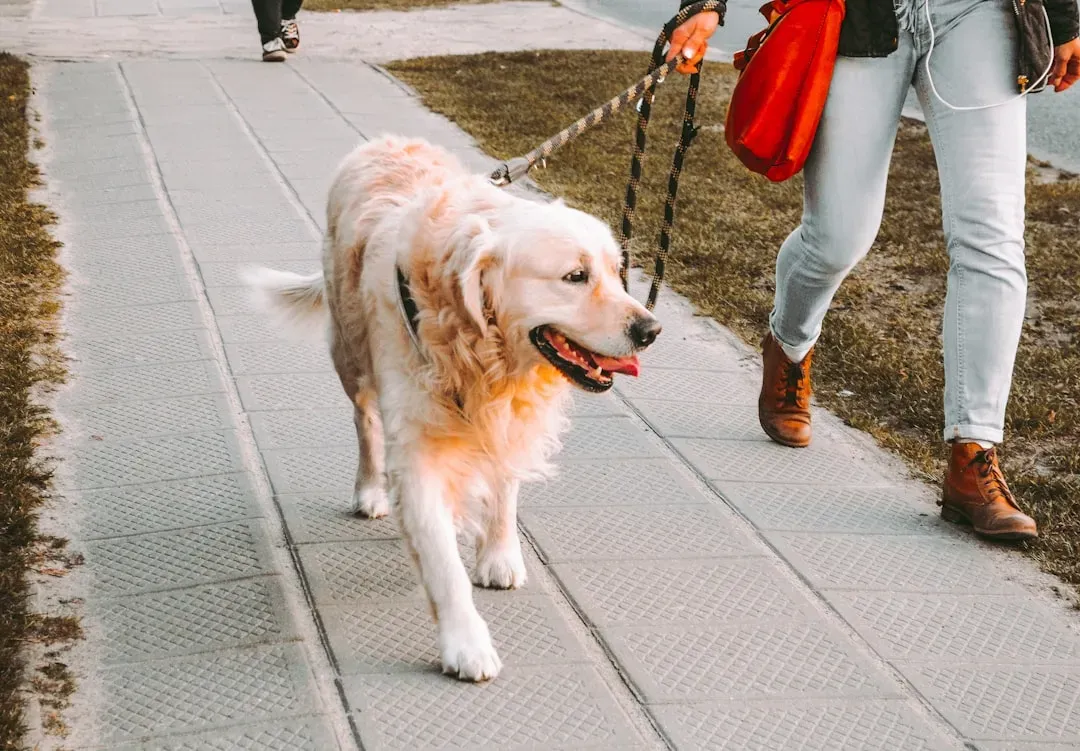
A tired dog is a happy dog, and consistent physical activity keeps your pup mentally stimulated and physically fit while helping prevent behavioral issues that stem from pent-up energy. This doesn’t mean you need to run marathons with your pet every morning. Even moderate, consistent exercise makes a world of difference.
Adult dogs benefit from consistent exercise and mental stimulation, as mental and physical exercise keeps them engaged and reduces destructive behaviors. Daily walks do far more than burn calories. They provide sensory enrichment, social interaction opportunities, and mental stimulation that keeps your dog’s mind sharp and engaged.
Mix things up occasionally. Take different routes, visit new parks, or incorporate playtime into your walks. Plan varied walks in different environments to expose your dog to new sights and smells. The goal isn’t exhaustion but fulfillment. A dog that gets regular, enjoyable exercise is calmer indoors, sleeps better, and displays fewer anxiety-driven behaviors. I think many behavioral problems could be solved if more dogs simply got outside more often.
They Seek and Enjoy Social Connection
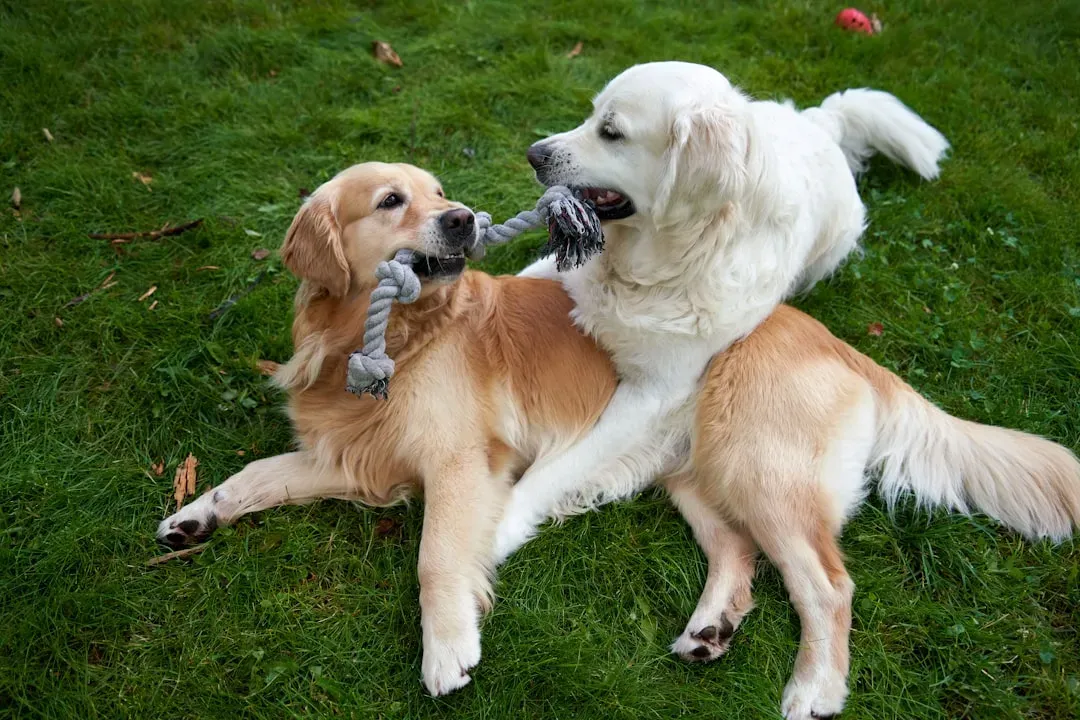
Happy dogs often search for companionship with their humans and enjoy closeness and affection without extreme dependency, building comfort, trust, or an emotional connection through daily interactions. This habit goes beyond simply being in the same room. It’s about genuine, quality interaction that strengthens your bond.
Spending time with your dog can help them behave better, as showing attention to your dog will make your pup feel cared for and loved, and just like people, dogs love attention and spending time with those they love. Set aside dedicated time each day for focused attention. Put your phone down, skip the distractions, and just be present with your pet.
This could mean a training session, a cuddle on the couch, or interactive play. Happy dogs exhibit appropriate social responses to other dogs, acting confidently, whether playful or neutral, but not afraid, avoiding unnecessary reactivity when encountering others socially. Socialization with both humans and other dogs builds confidence and emotional security. Dogs that feel connected to their families are simply happier, more trusting companions.
They Receive Positive Reinforcement for Good Behavior
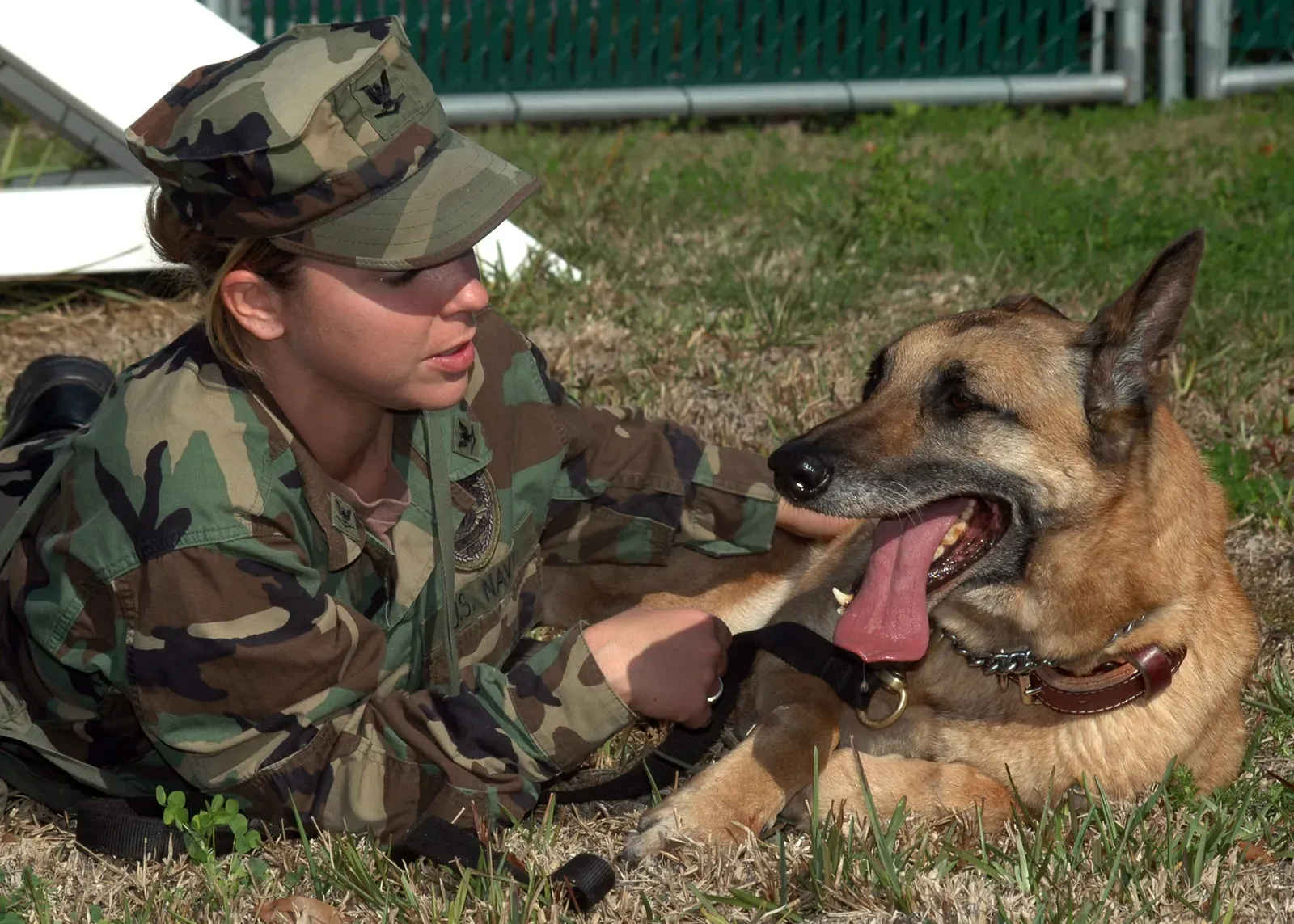
Here’s something many dog owners overlook: happy dogs are praised frequently, not just corrected when they mess up. Sadly, we’re quick to correct our dogs when they make mistakes, which means that we often miss out on acknowledging the many correct choices they make as they navigate our world, leaving dogs to get attention from us when they do the wrong thing while their daily awesomeness goes unrecognized, but by making a tiny shift in your behavior – recognizing those many fleeting moments of good – you’ll find that your dog is more likely to repeat them, and your relationship will start to transform.
Positive reinforcement is a great tool to encourage positive behaviors in your dog, and rewarding good behavior with a treat or snack will support their positive behavior and encourage them to continue doing it. This doesn’t mean you need to carry treats everywhere, though they certainly help during training. Verbal praise, pets, and enthusiastic approval work wonders too.
Frequent feedback helps your dog get life right more often and will encourage him to continue to try to do the right thing, and while treats will always be a powerful primary reinforcer for most dogs, the power of positive feedback from a beloved human is a close second. Notice when your dog chooses to settle down instead of barking at a passerby. Acknowledge when they come when called. The more you reinforce these small victories, the more your dog will understand what makes you happy, and trust me, they genuinely want to please you.
They Stay Mentally Stimulated and Engaged
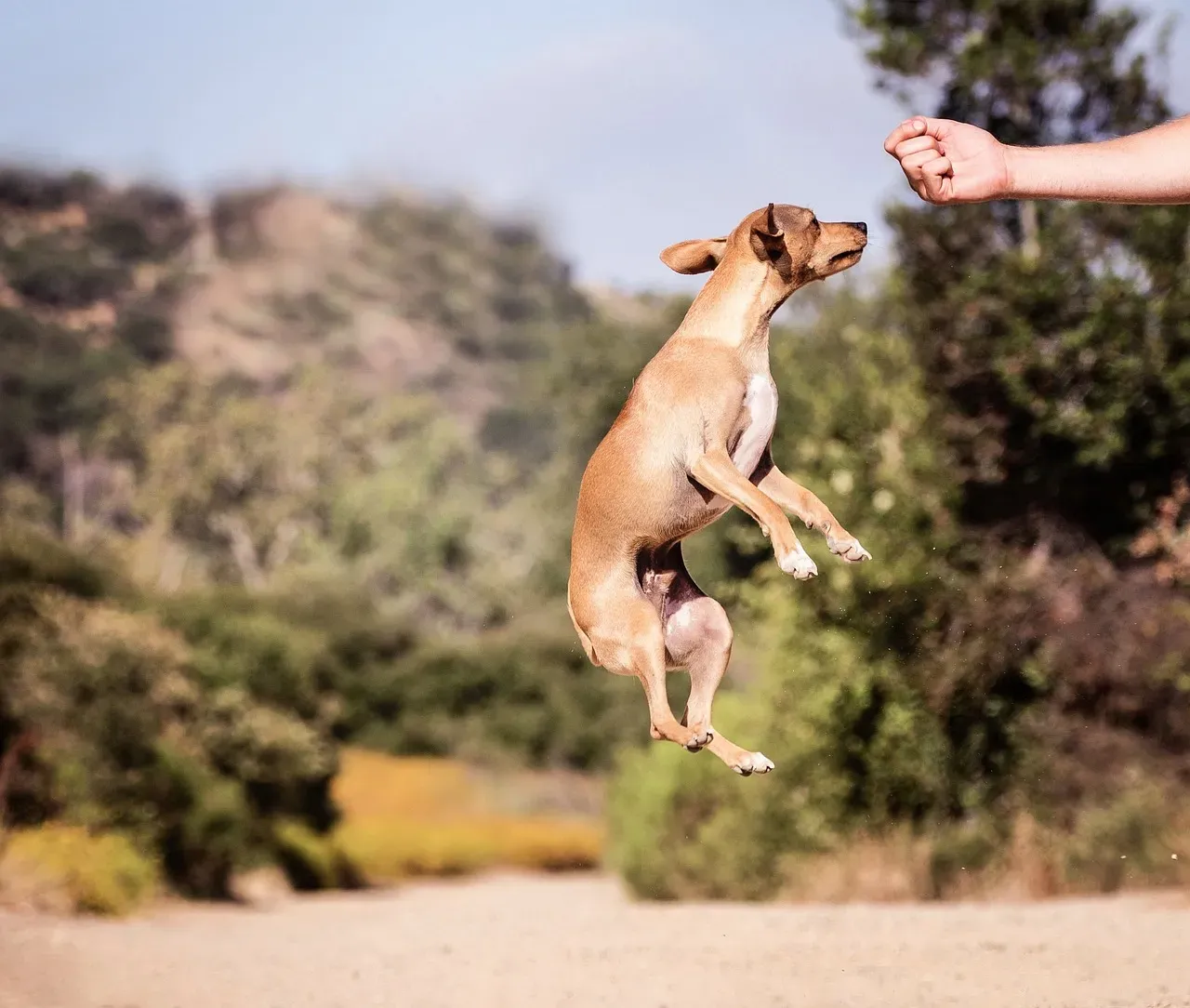
Dogs need more than just food and shelter, as mental and physical exercise keeps them engaged and reduces destructive behaviors, and new interactive toys and training apps available in 2026 make it easier to challenge your dog’s mind. Mental boredom is just as detrimental as physical inactivity, if not more so.
Rotate toys to keep interest high, teach new tricks or commands regularly, and use puzzle feeders to slow down eating and stimulate thinking. Happy dogs are curious, problem-solving creatures that love having a job to do. Even something as simple as hiding treats around the house for them to find can provide meaningful enrichment.
Play is an intense emotional source that can express happiness and confidence, and happy dogs willingly initiate and respond to games positively, and play without feeling frustrated, aggressive, or hyperactive, with the right playfulness demonstrating emotional stability, social ease, and psychological stability. Training new tricks isn’t just about obedience; it’s about keeping your dog’s brain active and giving them a sense of accomplishment. A mentally stimulated dog is less likely to develop anxiety, destructive habits, or depression.
Conclusion
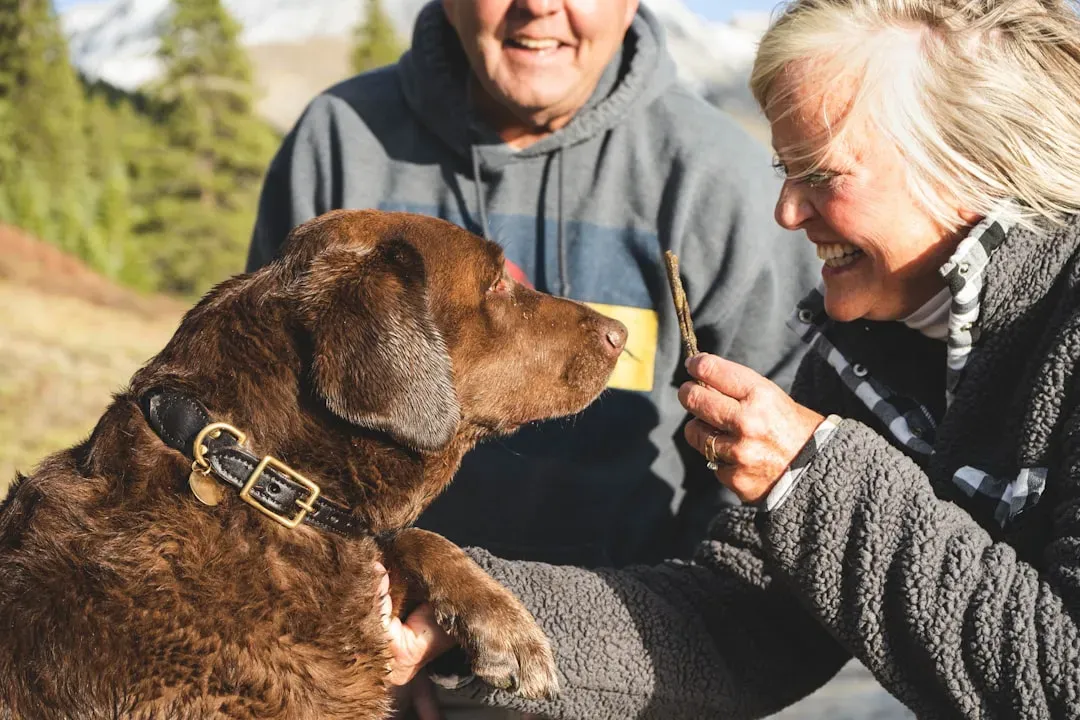
These six habits aren’t complicated, revolutionary, or expensive to implement. They’re simply the building blocks of a content, well-adjusted canine life. When you establish consistent routines, prioritize rest, provide regular exercise, nurture social bonds, offer positive reinforcement, and keep their minds engaged, you’re not just raising a good dog. You’re cultivating genuine happiness.
The beauty of these habits is that they don’t just benefit your dog. They strengthen your relationship, reduce stress in your household, and create a more harmonious living environment for everyone involved. Your dog doesn’t need perfection from you. They need consistency, attention, and love expressed through these simple daily practices.
So what do you think? Which of these habits will you focus on first with your own furry friend?

- 10 Most Dangerous Hikes in The US - July 16, 2026
- 12 Fragrant Herbs That Attract 5x More Honeybees Than Any Traditional Flower Bed - July 16, 2026
- 6 Habits of Happy Dogs That You Can Easily Adopt for Your Own Pet - July 16, 2026