
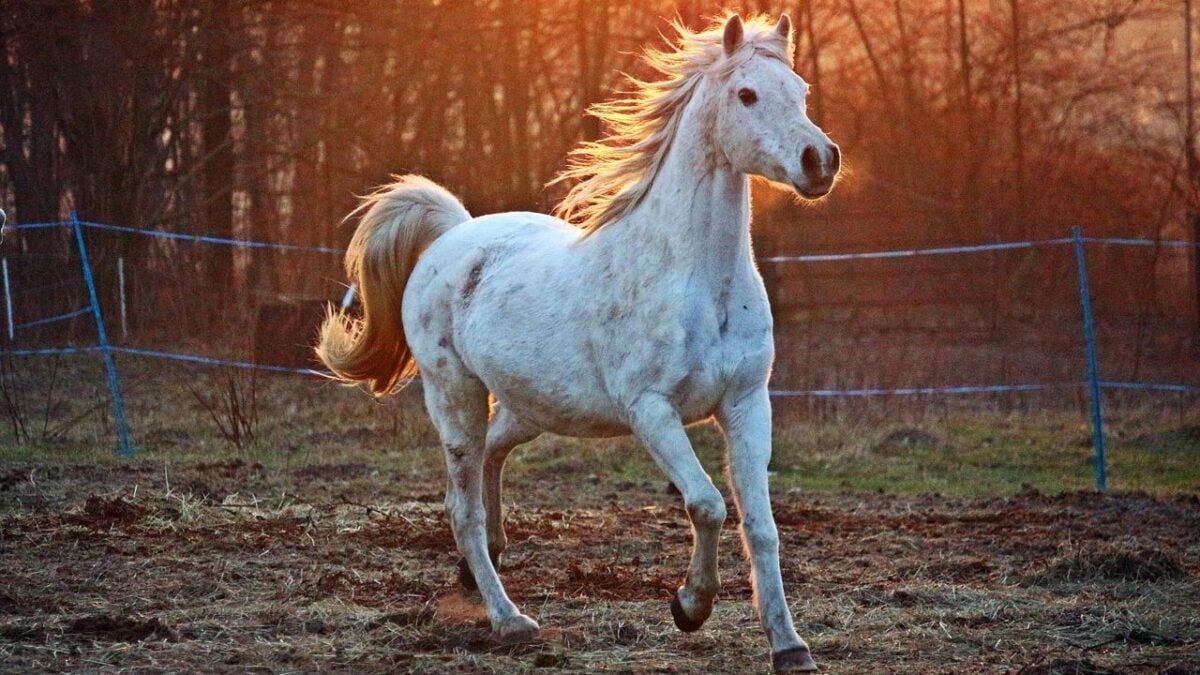
There’s something almost magical about exploring backcountry trails on horseback, feeling the rhythm of hooves beneath you as nature unfolds around every bend. Yet not every horse is cut out for that adventure. Trail riding demands more than just four legs and a saddle, and the same goes for farm work that requires raw pulling power and steady nerves. The right breed can transform a ride from nerve-wracking to unforgettable, or turn a day of heavy hauling into smooth, reliable work.
Let’s be real here, choosing a horse based solely on looks is tempting, especially when you see those stunning spotted coats or flowing manes. However, temperament, stamina, and build matter far more when you’re five miles from the trailhead or trying to plow a stubborn field. The breeds we’re about to explore have proven themselves time and again in their respective roles. So let’s dive in.
American Quarter Horse: The All-Around Trail Champion
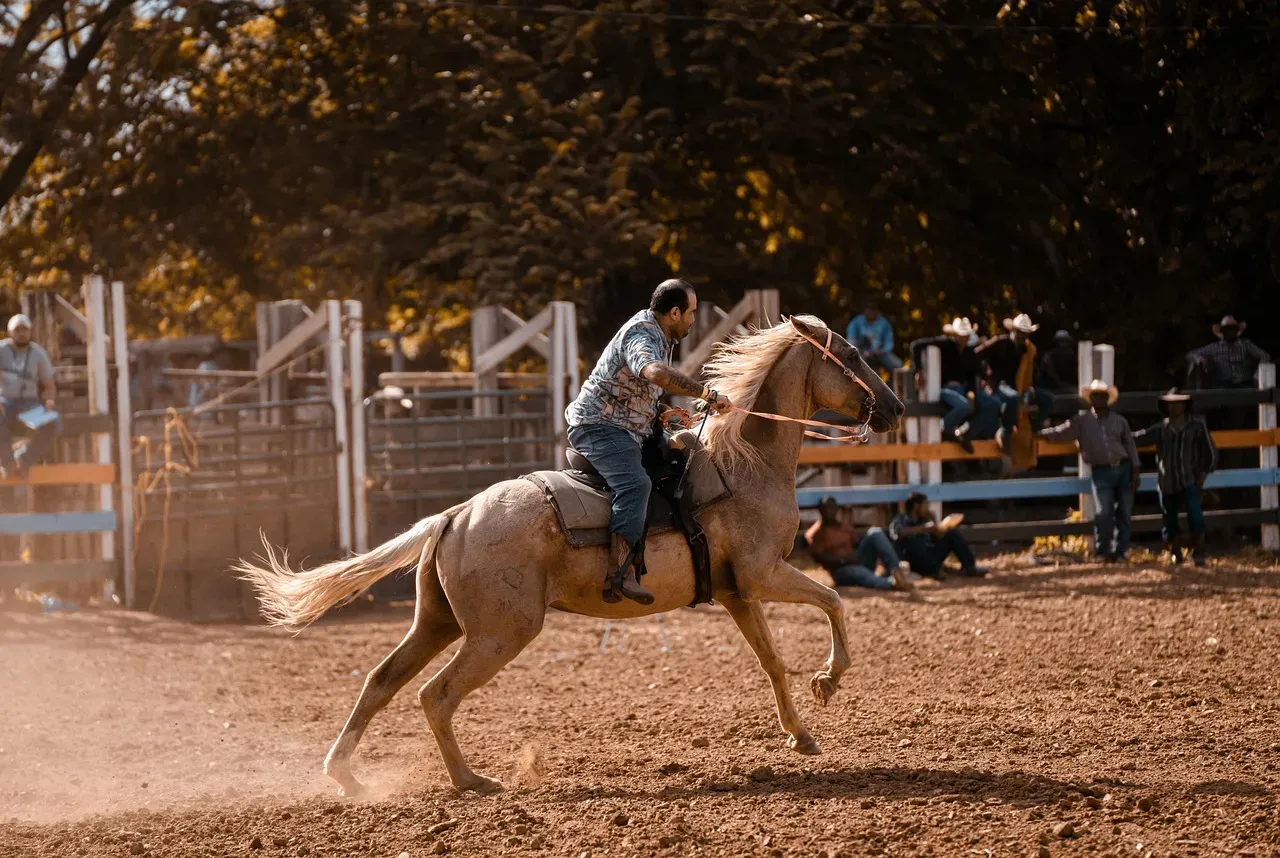
The American Quarter Horse is intelligent, sure-footed, and navigates rough terrain gracefully without greatly discomforting the rider, with a calm and level-headed nature that guarantees maximum cooperation. When you think trail riding, this breed probably springs to mind first, for good reason. At around 15 hands tall, you can climb and handle the Quarter Horse with little trouble, and their compact bodies are perfect for back riding on rough terrain.
Their strong, stocky build provides great balance that helps them over obstacles and unnatural terrain, while their compact bodies are ideal for navigating challenging paths. I’ve seen countless beginners gain confidence on a good Quarter Horse because these animals seem to genuinely want to take care of their riders. They’re not flashy or dramatic, just steady workers who won’t quit on you when the trail gets tough.
Tennessee Walking Horse: Gliding Over Ground
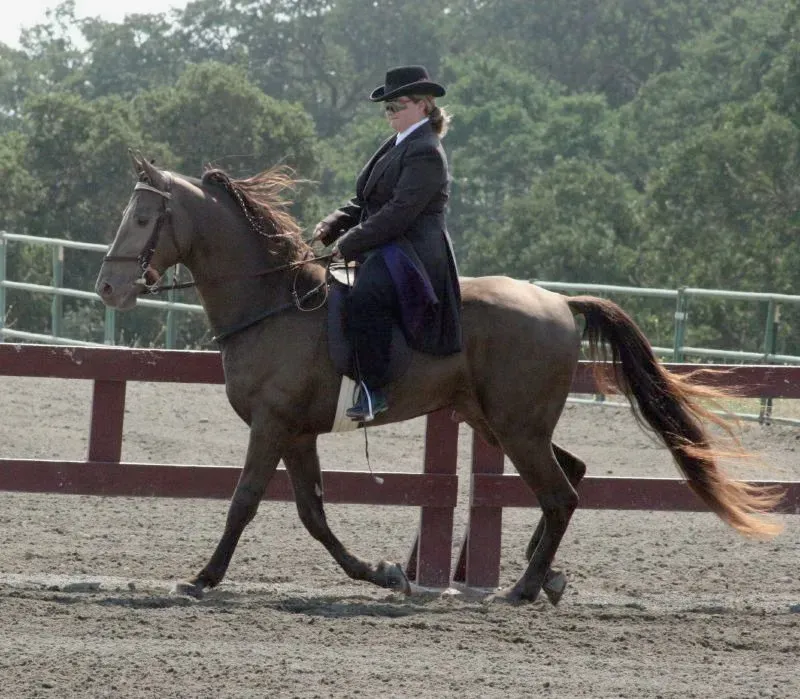
The Tennessee Walking Horse is famous for its unique, comfortable gait, performing a flat-foot walk, running walk, or canter, and can also perform the rack, fox trots, single-foot, and stepping pace walks. Here’s the thing about these horses: they feel like you’re floating rather than bouncing along a rocky path. It’s said that they glide over the ground and that the rider feels as if they’re floating, which is exactly what you want if you’re spending all day in the saddle.
Originally bred for dual purposes on Southern plantations, these horses bring comfort to long rides that other breeds simply can’t match. They can cover a lot of ground very quickly without tiring, have a calm temperament and aren’t prone to spooking, plus they’re friendly horses that can easily be handled by both adults and children. Their smooth gaits reduce wear and tear on your joints during extended trail adventures.
Appaloosa: Wild Beauty With Heart
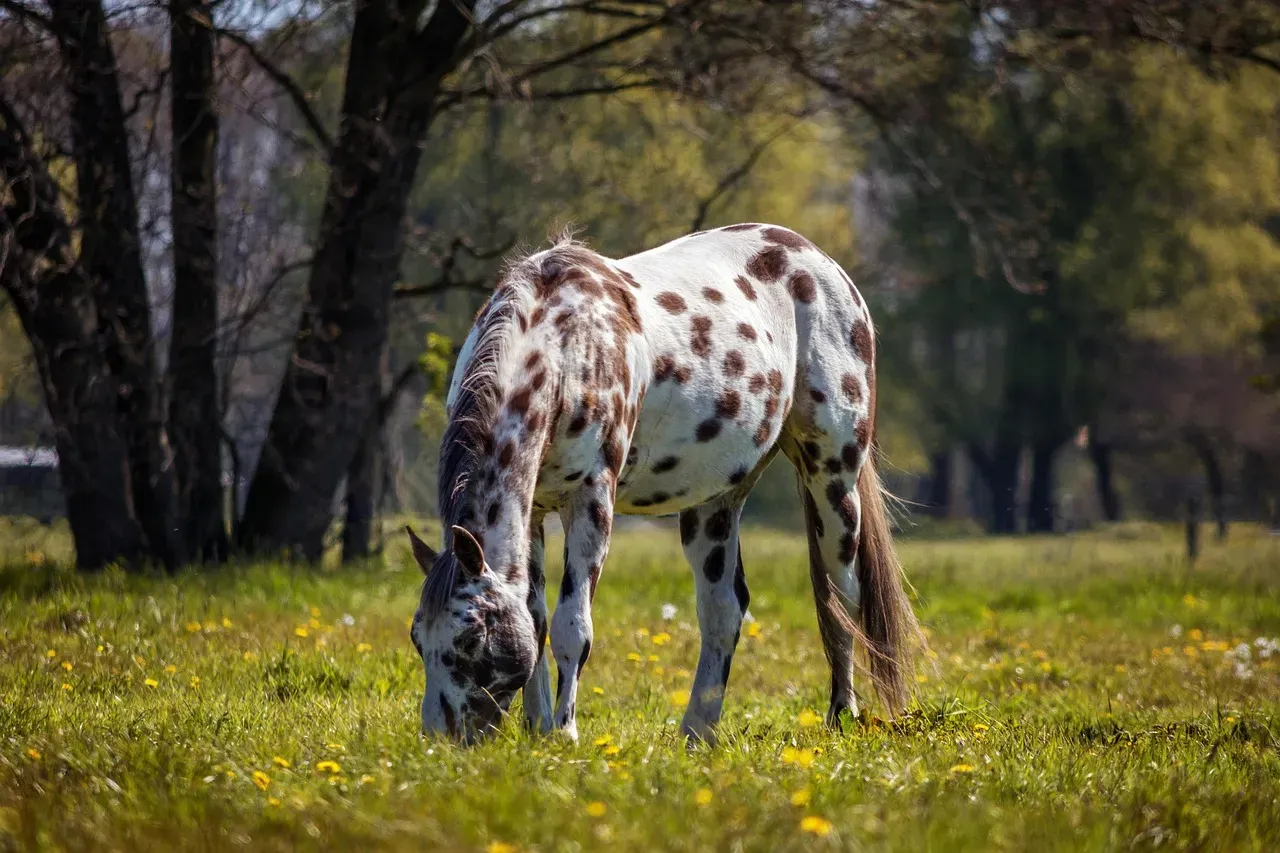
Trail riders mainly adore the Appaloosa for its wild origins, and though they’ve been domesticated for years, Appaloosas were originally wild horses, meaning trailing is in their genes. Those distinctive spotted coats aren’t just for show. These horses carry a legacy of endurance and bravery that makes them natural trail companions. They’re accustomed to harsh weather, especially desert-like conditions, can travel long distances with no qualms, and their bravery is a trait that rarely goes unnoticed.
What surprises most people is how calm they remain in unfamiliar environments. Originally bred by the Nez Percé Indians, the horses had to travel around 1,200 miles in just four months during the infamous Nez Percé war while also being used for fighting, on top of having limited food and drink. That kind of heritage produces horses with serious grit.
Paint Horse: Colorful And Capable
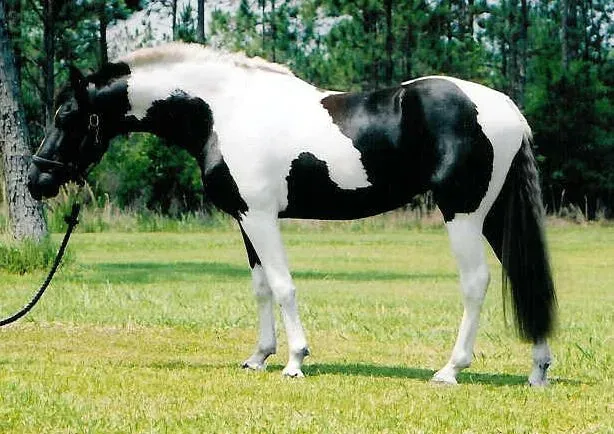
The best horse for trail riding would be the Paint horse breed, known for being social, easygoing, and with a calm temperament. Honestly, these horses offer the best of both worlds: stunning appearance and rock-solid reliability. Paint horses, similar to Quarter Horses, are well known for their temperaments and athleticism, and as an added bonus, these beautiful horses come in a variety of colors and patterns.
Many Paint Horses share bloodlines with Quarter Horses, which explains their versatility and gentle nature. They’re known as being one of the best horse breeds for beginners, and rest assured, they’ll be gentle with first-time riders and children on trail rides. Their striking coats turn heads on every trail, while their steady demeanor keeps riders safe and comfortable throughout the journey.
Morgan Horse: Compact Powerhouse
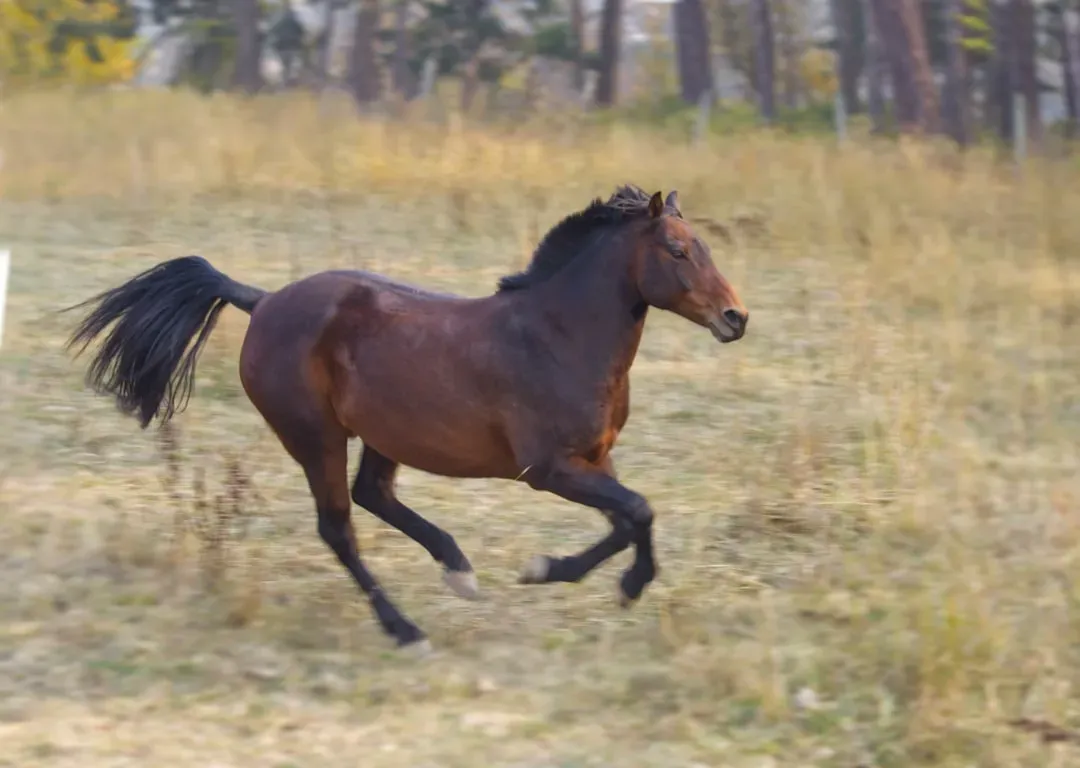
The Morgan is one of the earliest horse breeds developed in the United States, known for its courage, stamina, and gentle disposition, and they are incredibly versatile with a people-oriented personality. Don’t let their smaller stature fool you. Morgans are known for being spirited but sensible, brave and good-natured, making them reliable partners on the trail or in the arena, and they are typically very personable and enjoy human interaction.
These horses played a role in developing other great trail breeds, so their pedigree speaks volumes. They’re quick learners with cooperative natures, meaning they willingly tackle new challenges whether navigating an obstacle course or simply being a dependable family horse. Their compact, powerful build combined with their stamina makes them perfect for riders seeking a versatile companion.
Arabian: The Endurance Legend
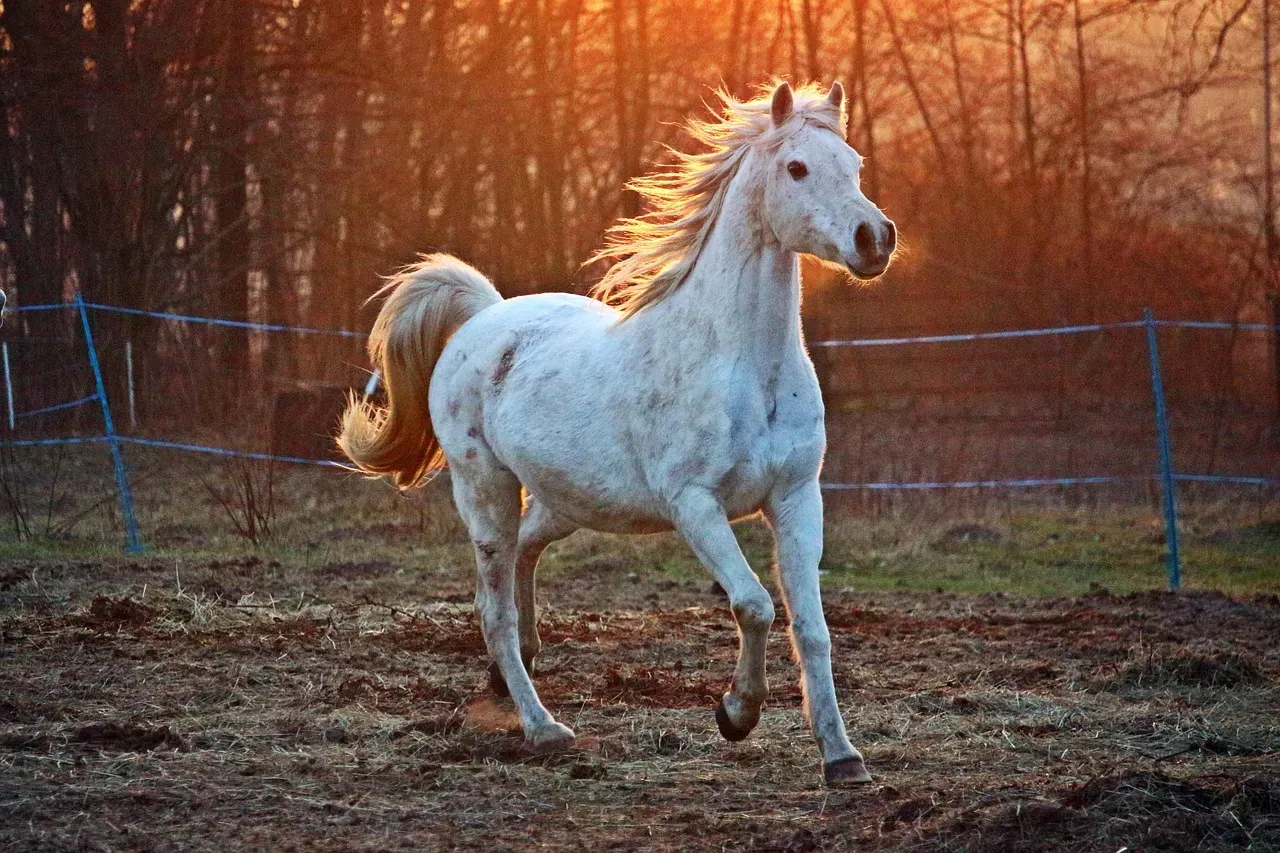
Arabians are a popular breed for those looking for a horse with the stamina and versatility to take on long-distance rides and challenging terrain, known for their high energy and endurance. These horses were literally bred to perform under harsh desert conditions, which gives them an edge few other breeds can claim. Bred to perform under harsh desert conditions, these horses have incredible stamina and are one of the most common breeds used for endurance riding.
They’re intelligent and sensitive, making them responsive mounts for experienced riders who want a horse that can read the trail ahead. Their energy level runs higher than some other trail breeds, so they’re best suited for riders who appreciate a more spirited partner. Still, their ability to cover vast distances while maintaining composure in challenging terrain remains legendary.
Belgian Draft: The Gentle Giant Of The Farm
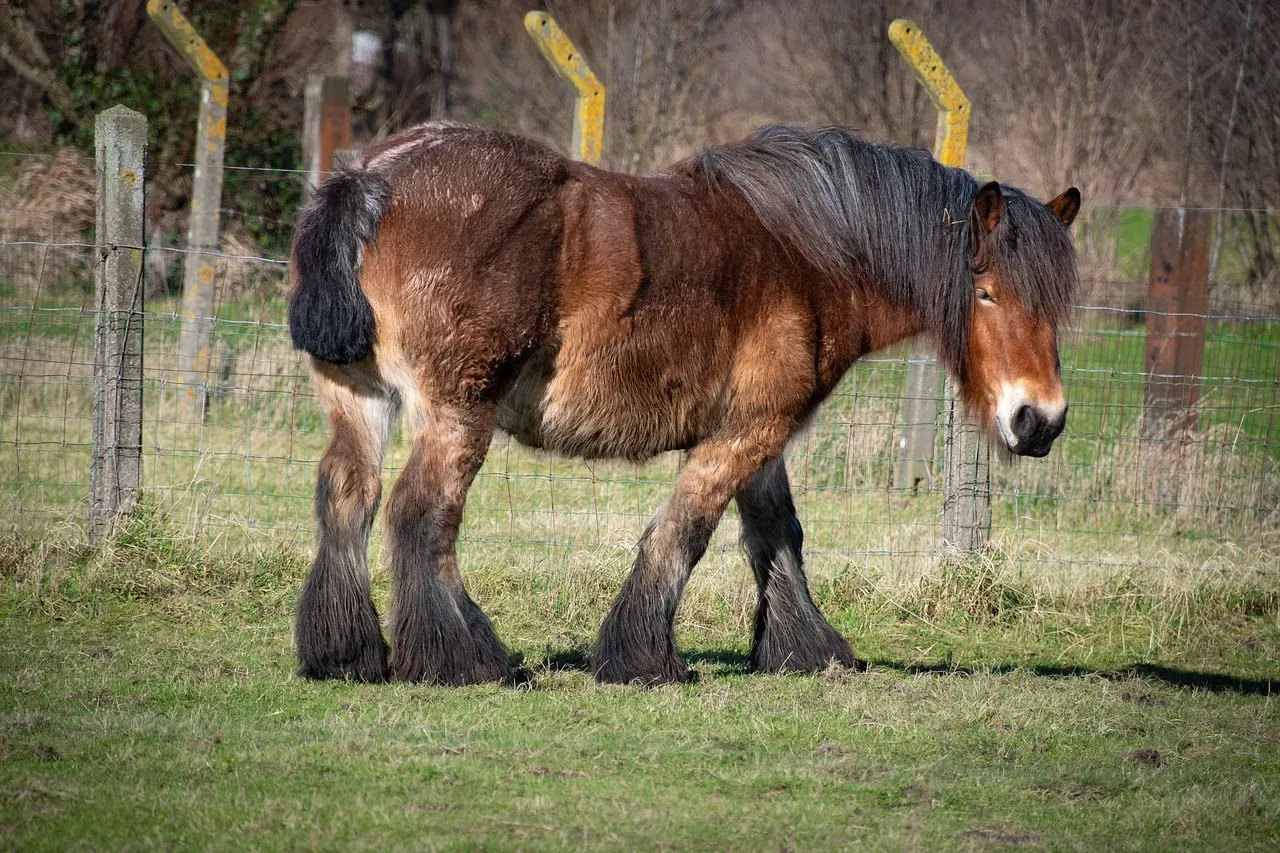
The compact, powerful Belgian has been the most popular U.S. draft breed since 1937, sharing honors with the Shire as the heaviest of the drafters, but often eats less than a thoroughbred. The Belgian Draft originates from Belgium, and it is one of the strongest breeds, usually kept as a farmhand to pull carts and plow, making it the most popular draft horse in the United States.
Despite its physically imposing size, the Belgian has a docile and friendly temperament, with courage, intelligence, and self-awareness that have given it a reputation as an excellent decision-maker, and many horse lovers admire the breed for its sense of humor and quirky personality. Their massive build translates to incredible pulling power, yet they remain surprisingly easy keepers. Working with a Belgian feels like partnering with a patient, willing giant who genuinely enjoys the work.
Percheron: Refined Strength
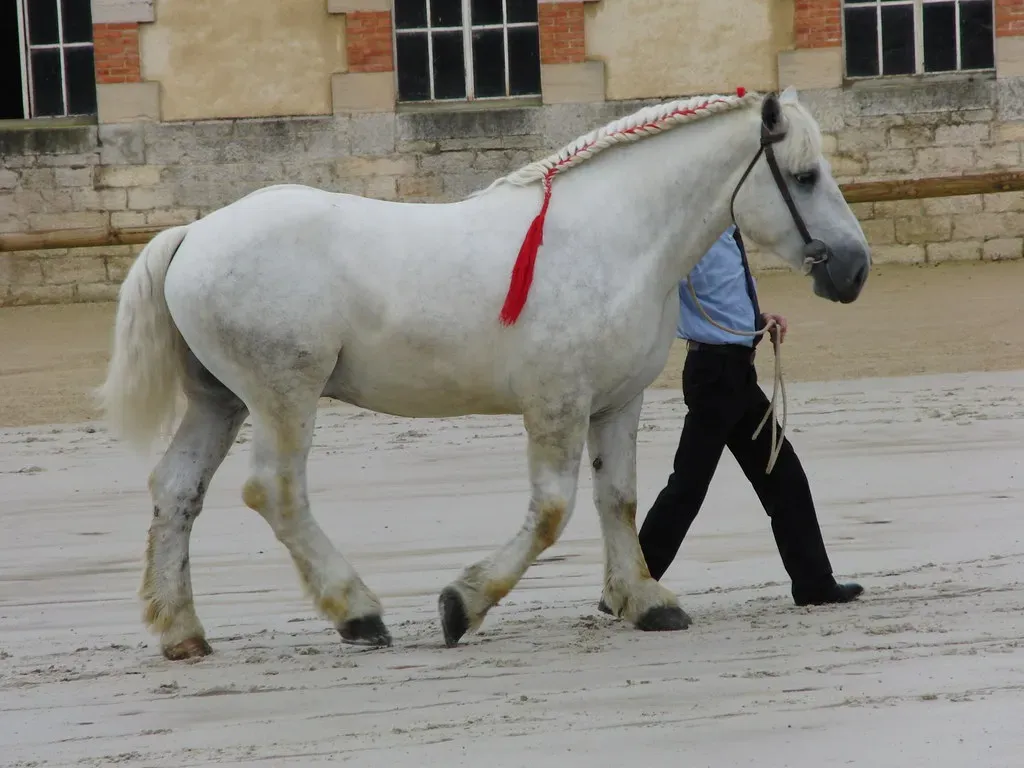
This handsome animal is known for its refined lines, lively action, and hard-pulling stamina, and in 1930, two-thirds of all draft horses registered in the U.S. were Percherons. Their strength and stamina has allowed them to excel today as riding, driving and working horses, and combined with intelligence and willingness to work, the Percheron bears the qualities of a superb draft worker, remaining a popular choice for forestry work and carriage driving.
What sets Percherons apart is their combination of power and elegance. This breed is long-lived and heat-tolerant, also bold and shows quick action at a trot. They move with surprising grace for such large animals, and their Arabian bloodline influences show in their refined features. Farmers appreciate their versatility and endurance when tackling demanding farm tasks.
Suffolk Punch: Built For The Job
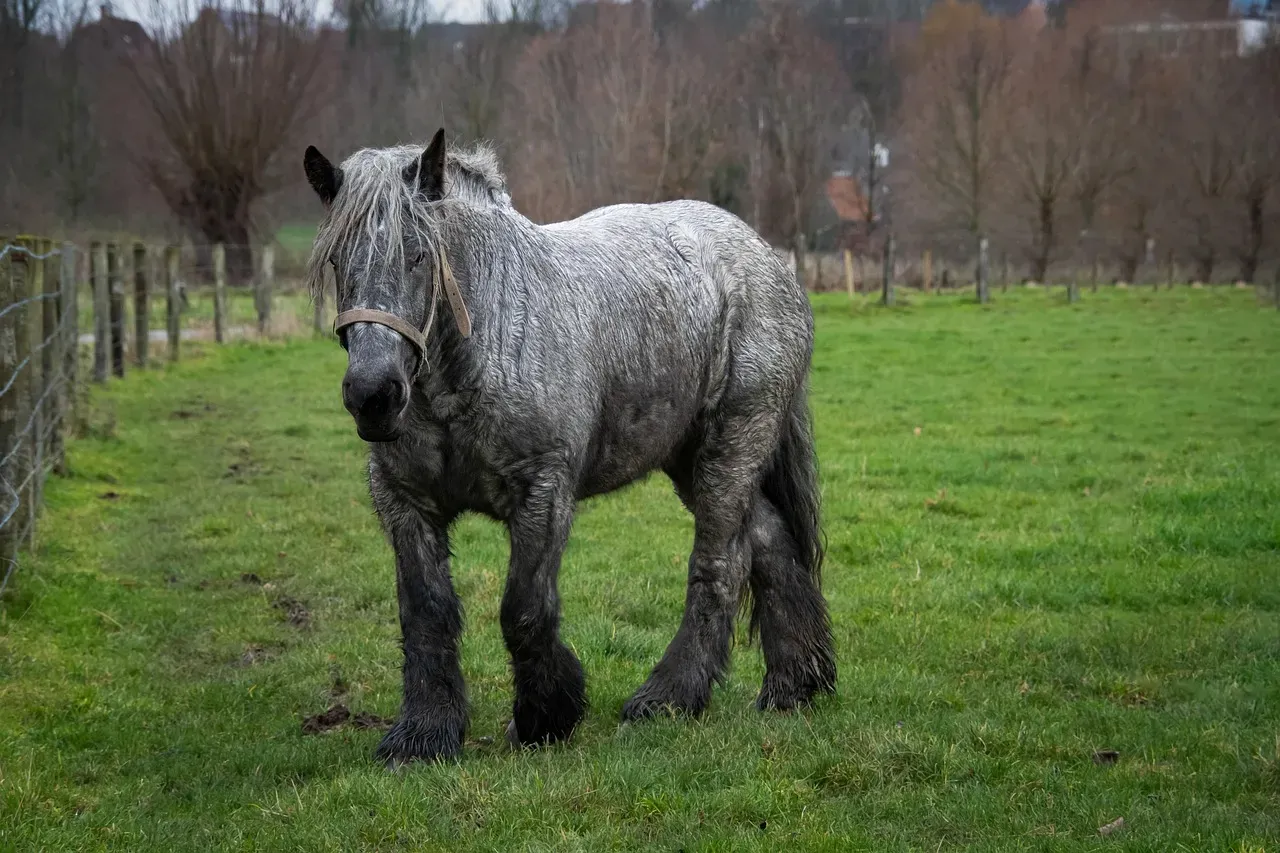
Smallest of the draft types and the only one bred solely for farm use, the fast-paced Suffolk will do a lot of work on relatively little feed and will work for longer periods than most other drafters. This breed shows exceptional stamina and longevity, and makes a gentle, willing worker.
The Suffolk Punch was developed for farm work and gained popularity in the early 20th century for their desirable work ethic, originating in England from Norfolk and Suffolk counties as the oldest English breed registry. Their stocky appearance and wide, muscular build make them perfectly suited for heavy pulling without the need for carriage work. Suffolk Punches are easy keepers and have a long lifespan, with their willingness to work admired by many.
Clydesdale: The Recognizable Workhorse
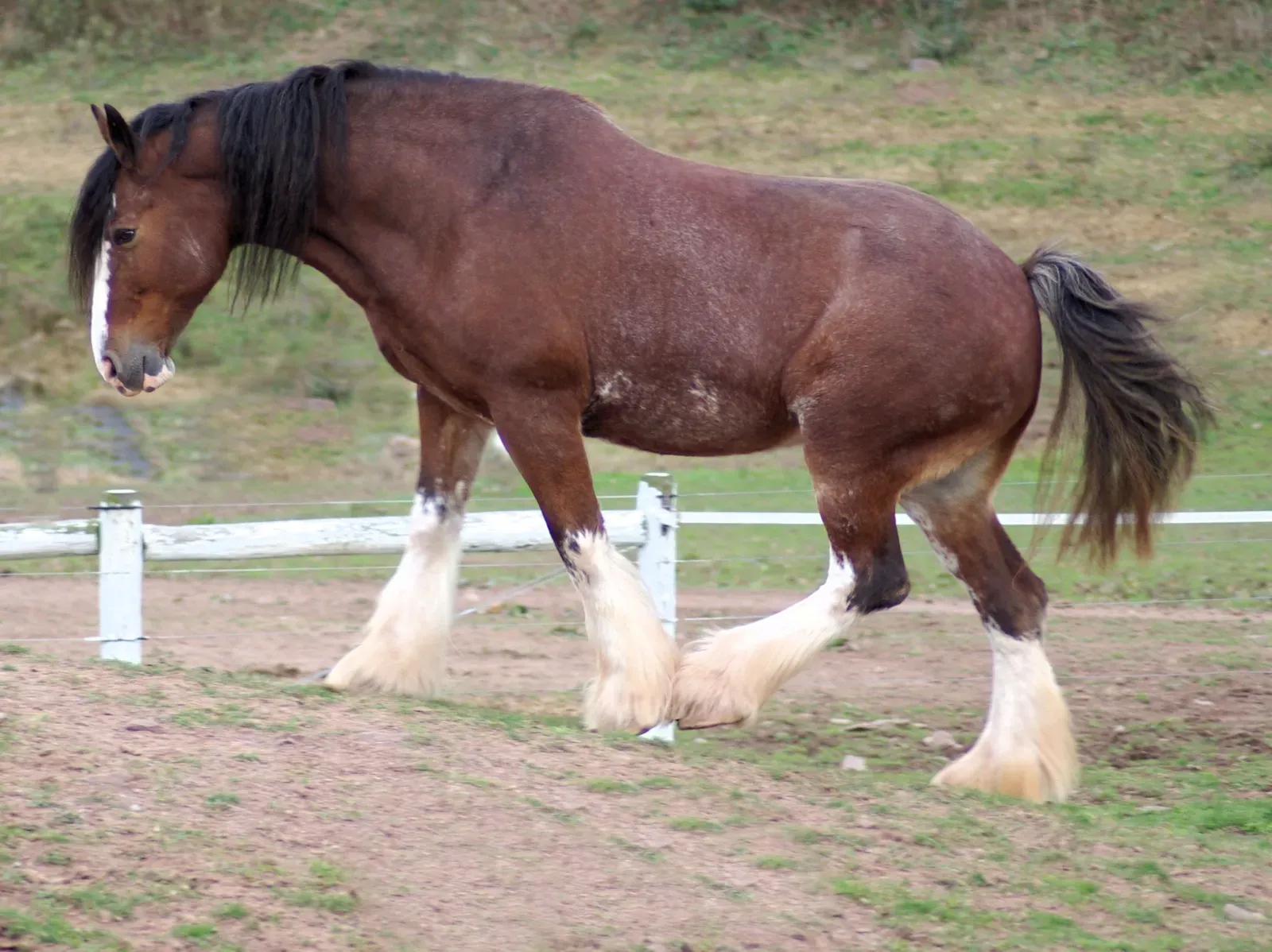
Clydesdales are perhaps the most recognizable breed of draft horses, stunning horses best known for pulling the world-famous Budweiser hitch, which is truly a sight to behold. The Clydesdales and Shires were developed primarily for freight hauling rather than field work. Still, their power and presence make them valuable farm additions when heavy hauling is required.
In the early days when the breed was used for farm work and road haulage, a heavier, stockier horse was required, though later the role of the Clydesdale has shifted towards carriage driving, riding, and promotional work. Their distinctive white feathering and high-stepping gait make them crowd favorites at shows and parades. While they might not be the first choice for daily field work, their strength and gentle nature still serve farms needing reliable hauling power.
Conclusion: Choosing Your Perfect Partner
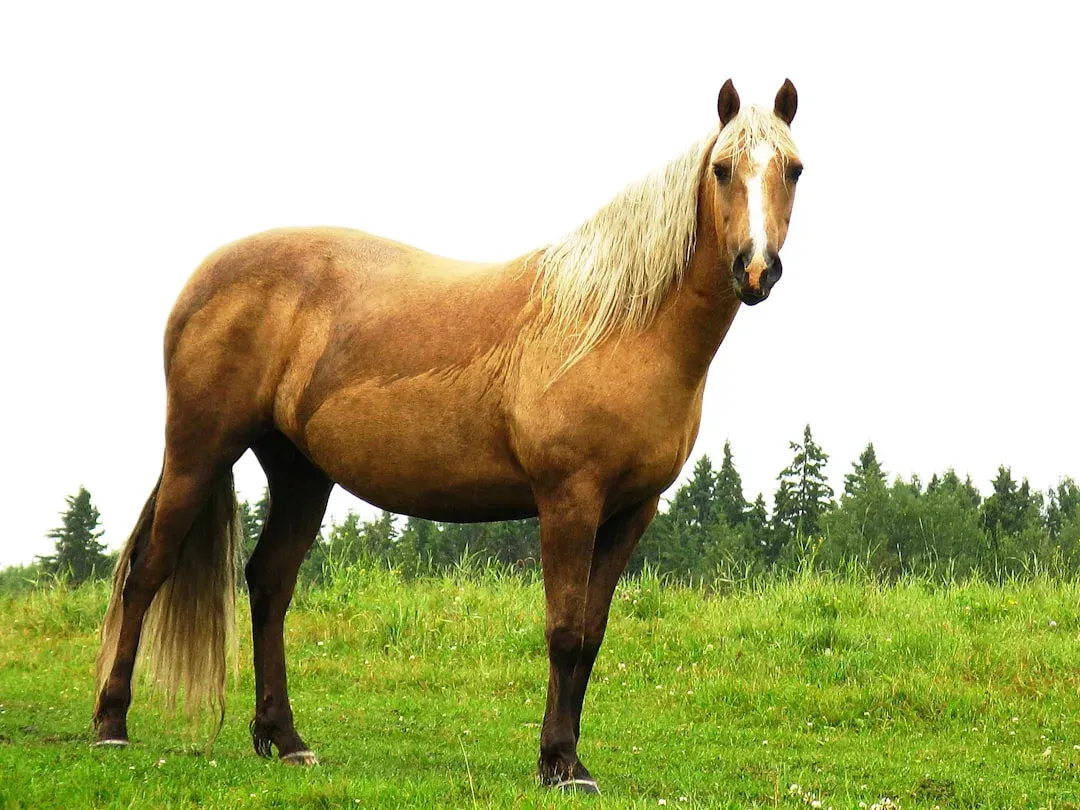
Whether you’re dreaming of weekend trail adventures or need dependable help around the farm, the right horse breed makes all the difference. Trail horses like Quarter Horses, Appaloosas, and Paints offer steady temperaments and sure-footedness that turn challenging rides into memorable experiences. Meanwhile, draft breeds such as Belgians, Percherons, and Suffolk Punches bring the muscle and willing attitudes necessary for serious farm work.
The truth is, individual temperament matters just as much as breed characteristics. Still, starting with breeds that have proven track records in your chosen discipline gives you a solid foundation. Each of these ten breeds has earned its reputation through centuries of reliable service, whether navigating mountain trails or pulling heavy plows through stubborn soil.
What kind of equine partner are you looking for? Tell us in the comments which breed caught your attention.

- 6 Exotic Bird Species You Can Spot in U.S. National Parks - July 19, 2026
- 11 Iconic American Birds Facing New Challenges and How You Can Help - July 19, 2026
- 10 Friendliest Animals in the World - July 19, 2026