
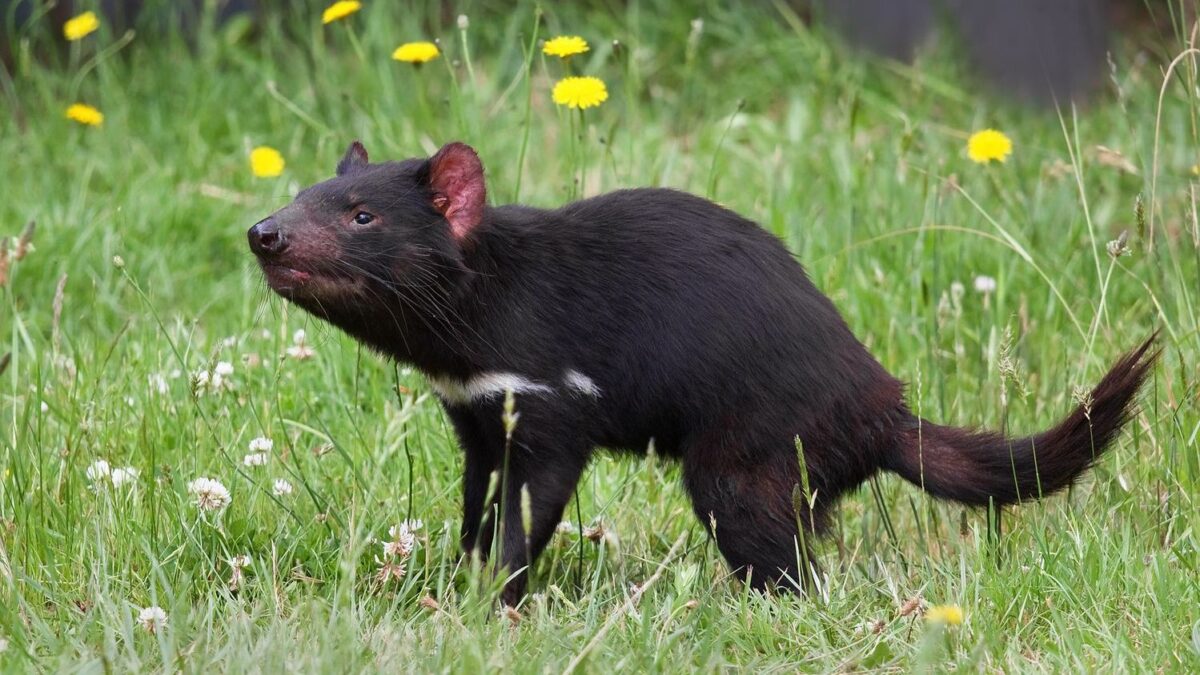
Picture this: You’re camping in the Tasmanian wilderness, surrounded by towering eucalyptus trees and the crisp night air. Suddenly, you hear it. A blood-curdling shriek that sounds like it came straight from the underworld itself. Your heart races. What on earth could make such a terrifying sound?
Welcome to the world of , a creature so misunderstood that early European settlers thought they were being haunted by demons. These compact carnivores are full of surprises, from their bizarre eating habits to their jaw-dropping physical abilities. Let’s dive into some facts about these fascinating marsupials that might just change how you see them forever.
They Have the Most Powerful Bite for Their Size in the Mammal World
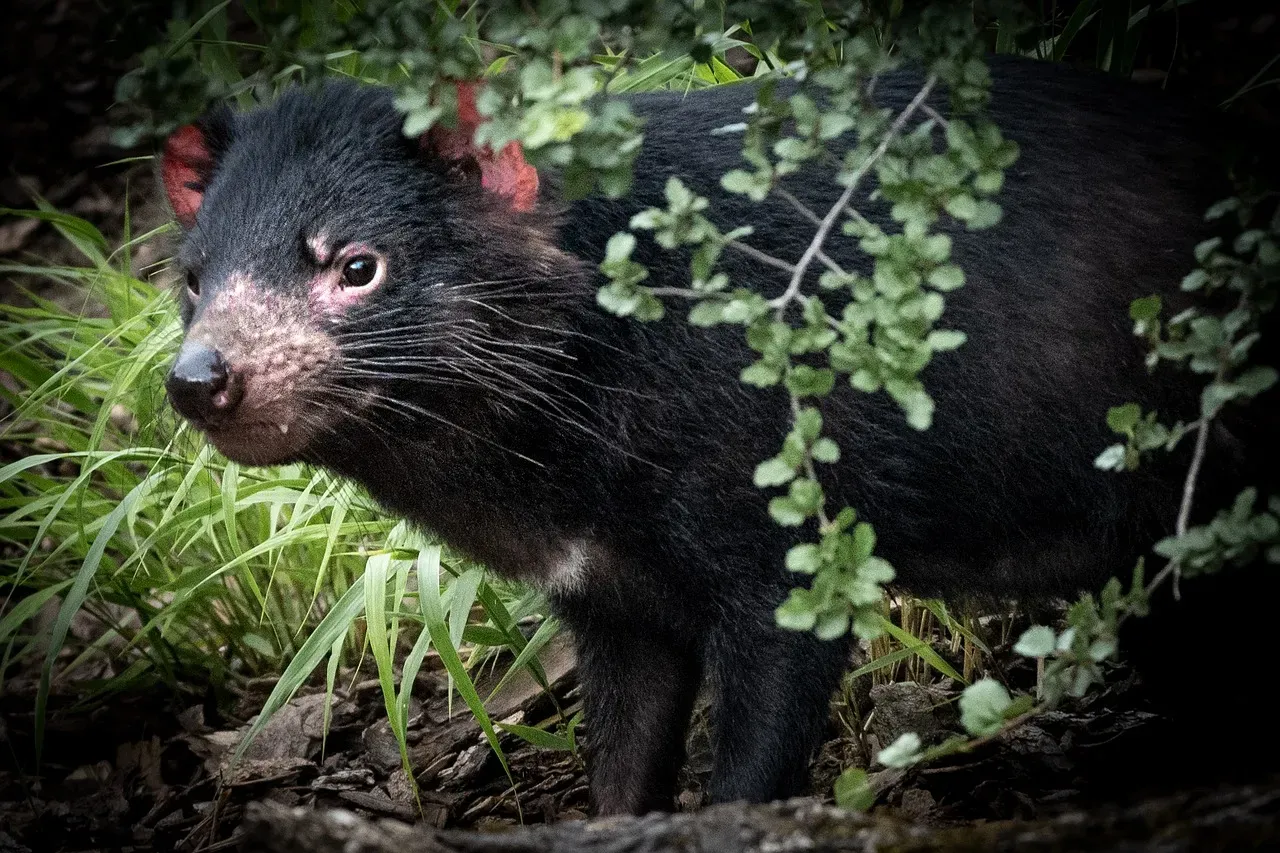
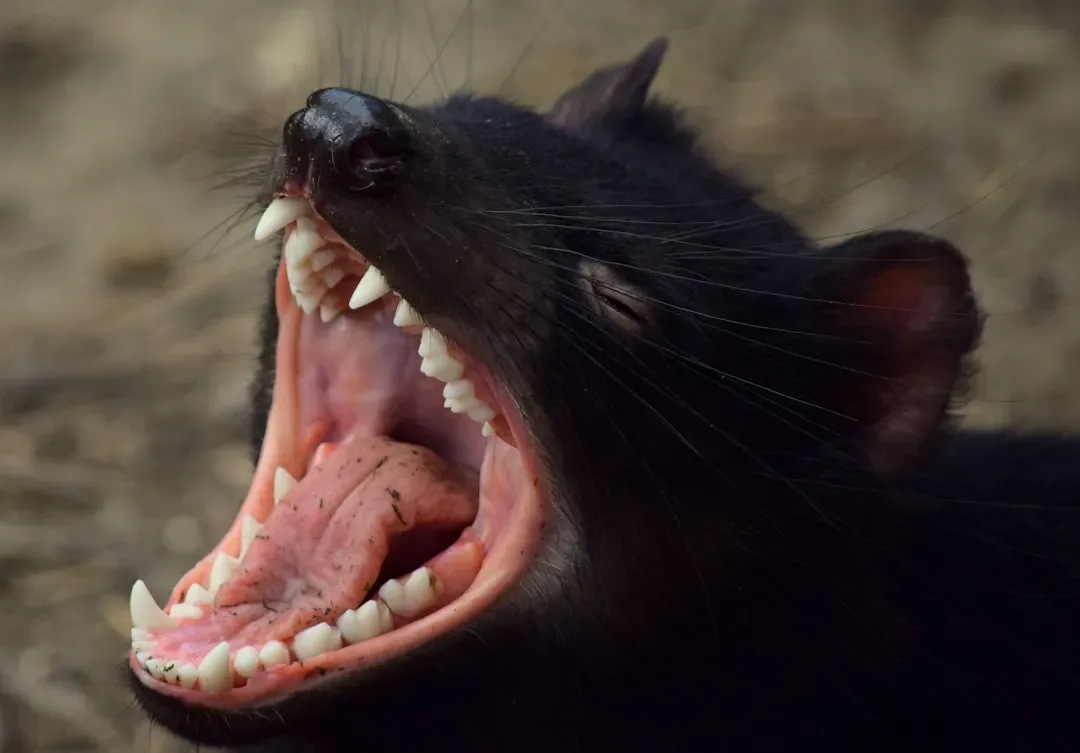
Here’s something wild. delivers the strongest bite-for-size of any mammal in the world, capable of opening their jaws up to 80 degrees and chomping down with enough brute force to crush bone. Think about that for a second. We’re talking about an animal roughly the size of a small dog generating bite forces that rival predators several times their size.
Tests have shown that this large Australian marsupial produces a bite force quotient of 181, compared to the tiger’s 127, the lion’s 112, and the Himalayan black bear’s mere 44. They’ve even been known to bite through metal, breaking the cages of livestock and other animals, using their incredibly powerful jaws to consume game without any leftovers, eating every part of their prey.
Their skull structure is what makes this possible. Short and deep, built like a compression tool, their design allows maximum leverage. Every muscle fiber works with brutal efficiency. It’s honestly hard to imagine such ferocity packed into something that weighs less than most golden retrievers.
Their Tails Work Like Built-In Fuel Tanks
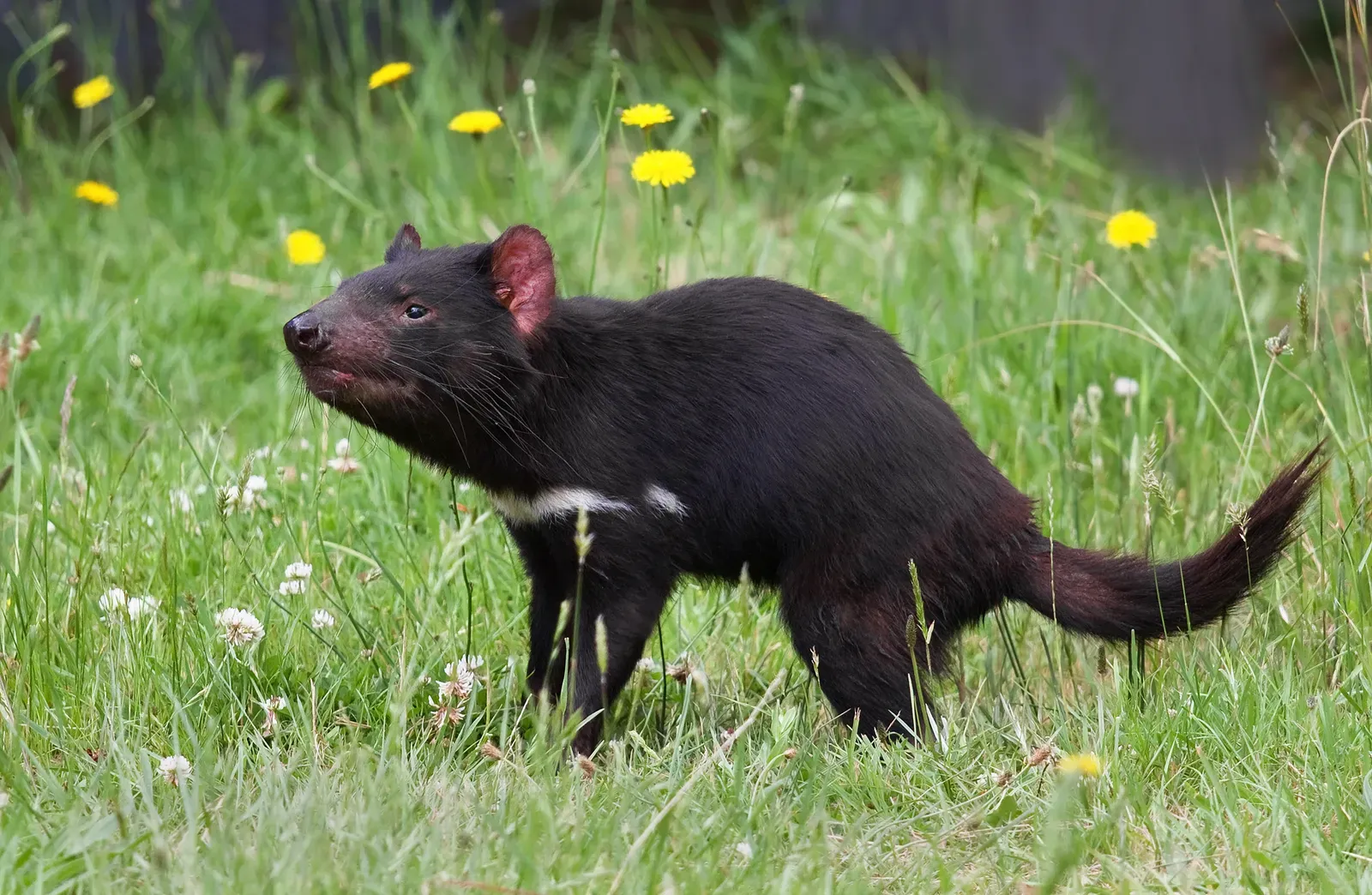
Like all marsupials, Tasmanian devils store fat in their tails, which thicken up like a human’s waistline, with a particularly plump tail being a sign of a healthy devil, considering they can eat up to 40% of their bodyweight in one day. You can literally judge a devil’s health by looking at its rear end.
When food is abundant, the tail swells and becomes rounded. When times are tough, it becomes narrow and limp, kind of like a deflated balloon. This adaptation is brilliant in its simplicity. In an environment where the next meal isn’t guaranteed, having a portable energy reserve can mean the difference between life and death.
Think of it as nature’s version of a battery pack. The devil draws nutrients from this storage system when prey is scarce, keeping itself going until the next carcass appears.
They Sleep Inside Rotting Carcasses
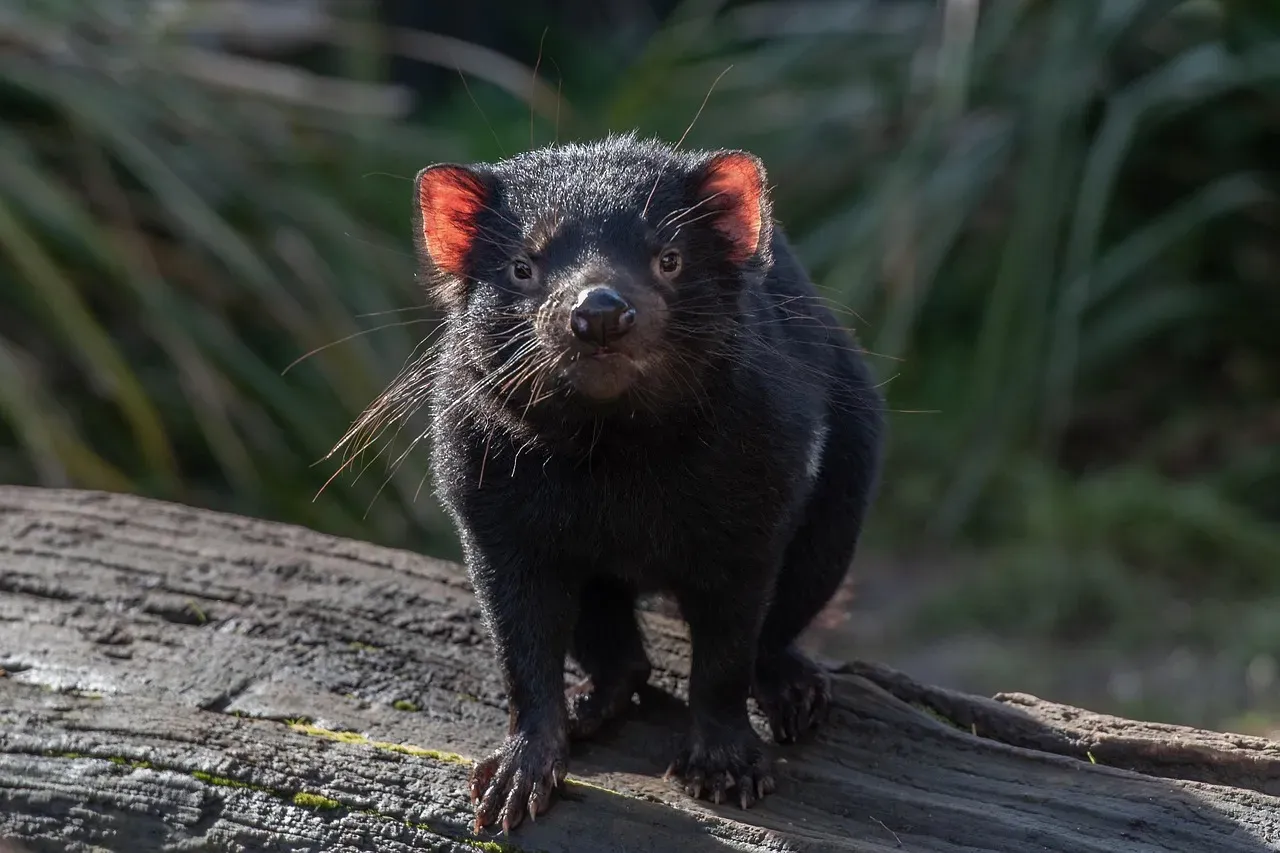
Let’s be real, this one sounds straight out of a horror movie. Tasmanian devils have a habit of napping inside a rotting carcass (called ‘carrion’) so they can wake up and continue eating, though it may sound gruesome, by eating animal carcasses, Tassie devils actually help keep their ecosystem hygienic and free from maggots.
I know what you’re thinking. That’s disgusting. Yet from an evolutionary standpoint, it’s genius. Why leave a perfectly good meal unguarded when you could just curl up inside it? They protect their food source while catching some rest. Plus, by devouring every scrap of meat, bone, and fur, they prevent blowflies from laying eggs and creating maggot infestations.
So yeah, they’re basically nature’s cleanup crew with an unconventional office space. Weird? Absolutely. Effective? You bet.
Mother Devils Give Birth to Dozens of Joeys, But Only Four Survive
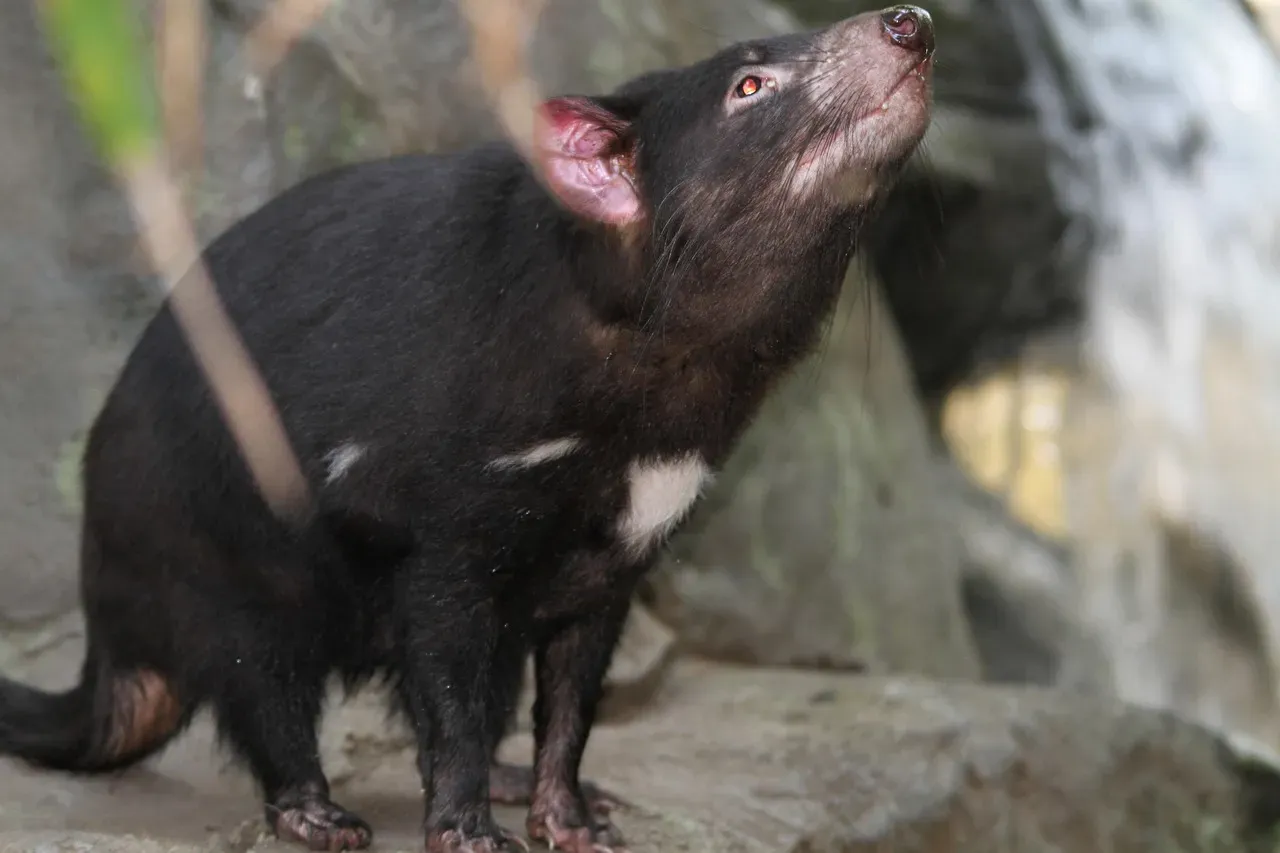
A mother Tassie devil gives birth to around 20-40 joeys at once, however, these joeys have to race to her pouch, which only has four teats. Talk about survival of the fittest from day one. These tiny, underdeveloped babies, roughly the size of a grain of rice, must make a desperate scramble across their mother’s fur to reach her pouch.
Mothers give birth after about three weeks of pregnancy to 20 or 30 very tiny young, these hairless, raisin-size babies crawl up the mother’s fur and into her pouch, however, the mother has only four nipples, so only a handful of babies survive. It’s a brutal lottery, really. Only the strongest, fastest joeys will latch onto one of those four available teats.
Once attached, they remain in the pouch for around four months, growing and developing. It’s a harsh start to life, yet it ensures that only the most resilient individuals make it to adulthood. Nature doesn’t always play fair.
Their Terrifying Sounds Earned Them Their Demonic Name
If a wolf howling at the moon sends shivers up your spine, wait until you hear a Tasmanian devil, in fact, the first Europeans to enter Tasmania imagined demons lurking in the bush when they heard the blood-curdling shrieks and growls, hence being dubbed ‘devils’.
Imagine being a European settler in the 1800s, camping in unfamiliar wilderness, when suddenly the night erupts with unearthly screaming. You’d probably think the apocalypse was starting. It’s now known that their various vocalizations including coughs, growls, snorts, sniffs, screeches, and even sneezes are designed to scare off other animals.
The reality is less supernatural and more practical. Devils are incredibly vocal, especially when feeding in groups. Their chorus of growls, screeches, and guttural noises serves multiple purposes: establishing dominance, warning off competitors, and communicating distress. Still, there’s no denying that hearing it in the pitch-black Tasmanian forest would be absolutely chilling.
They’re Fighting a Devastating Contagious Cancer
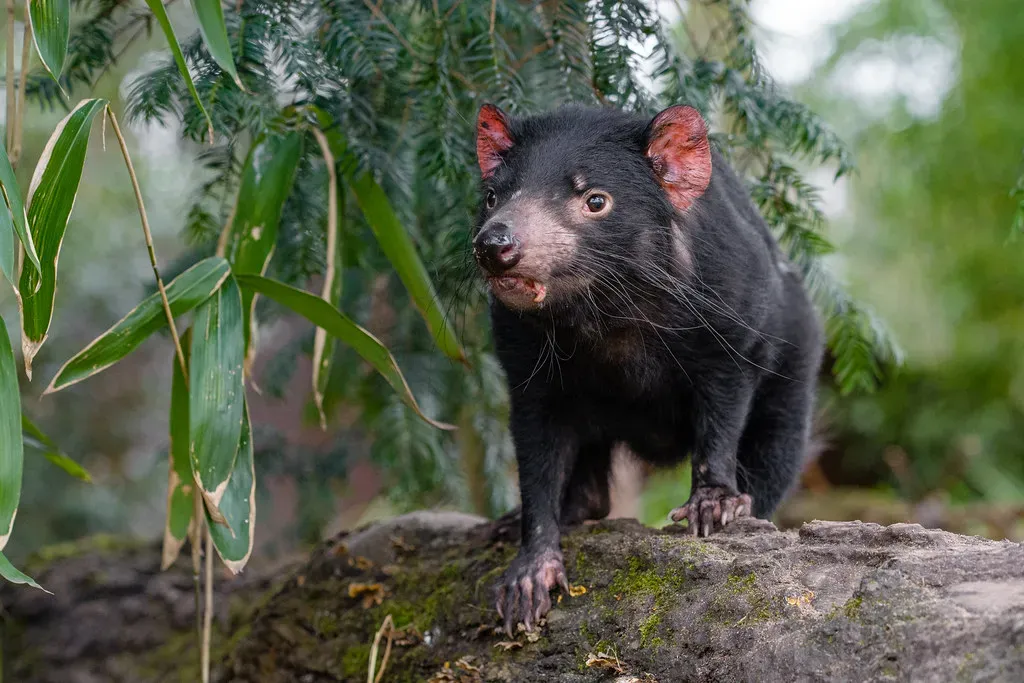
Since the late 1990s, devil facial tumour disease (DFTD) has drastically reduced the population and now threatens the survival of the species, which in 2008 was declared to be endangered. This isn’t your typical disease. It’s a contagious cancer, one of only a handful known to science, and it spreads through biting, something devils do frequently when feeding and mating.
Called devil facial tumor disease (DFTD), this rapidly spreading condition is a rare contagious cancer that causes large lumps to form around the animal’s mouth and head, making it hard for it to eat, the animal eventually starves to death, as a result, Tasmania’s devil population has plummeted from 140,000 to as few as 20,000.
The situation is heartbreaking. Through the program #DevilComeback, the conservation group Aussie Ark is reintroducing devils to the Australian mainland, where they have not lived for over 3,000 years, with the reintroduction plan seeing them thrive and breed in an area free from the contagious cancer. Scientists are working tirelessly to save these remarkable creatures, developing vaccines and establishing disease-free populations.
There’s hope yet. Conservation efforts are making real progress, and the fact that devils are being reintroduced to mainland Australia after thousands of years gives us a fighting chance to preserve this incredible species. It’s a race against time, certainly, yet if there’s one thing we’ve learned about Tasmanian devils, it’s that they’re survivors.
Conclusion
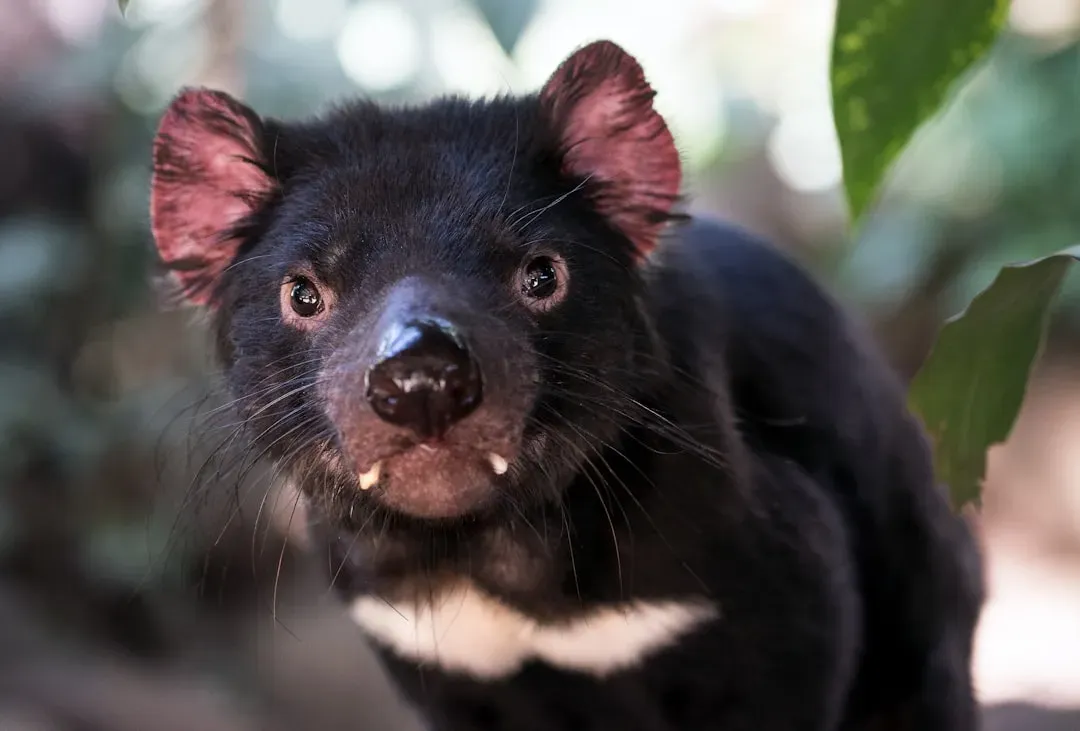
is far more than its demonic reputation suggests. From their bone-crushing jaws to their peculiar sleeping arrangements, these marsupials are perfectly adapted survivors in a harsh environment. They’re ecosystem engineers, keeping landscapes clean and healthy through their scavenging habits.
Yet they’re also vulnerable, facing an existential threat from a disease that could wipe them out entirely. The work being done to save them matters, not just for the devils themselves, but for the entire Tasmanian ecosystem that depends on them. So what do you think? Did any of these facts surprise you? Let us know in the comments.

- The 5 Best Birdwatching Spots in Arizona - August 14, 2026
- Wildlife Biology Says Bobcats Often Live Within Sight of Busy Neighborhoods - August 14, 2026
- Wildlife Biology Says River Otters Return Before Most Rivers Are Fully Restored - August 14, 2026