
Worried about unexpected vet bills?
Pet insurance can cover thousands in unexpected vet costs. Get a free quote from Lemonade in under 2 minutes.
Get My Free Quote →Sponsored · Opens Lemonade.com
There’s something undeniably appealing about large dog breeds. Maybe it’s their impressive stature, or perhaps it’s the way they seem to command attention just by entering a room. Families often imagine the perfect companion – loyal, protective, and gentle with kids. Yet reality can be starkly different when stubbornness enters the equation. Some big dogs come hardwired with independence that makes training feel like negotiating with a furry teenager who has no interest in your rules.
Let’s be honest, a stubborn 100-pound dog isn’t just mildly inconvenient. When that enormous, beautiful creature decides they don’t feel like listening, it becomes a household challenge that can quickly spiral. So let’s explore six large breeds that, while undeniably magnificent, might test your patience beyond what most families can realistically handle.
1. Akita: The Independent Thinker Who Questions Everything
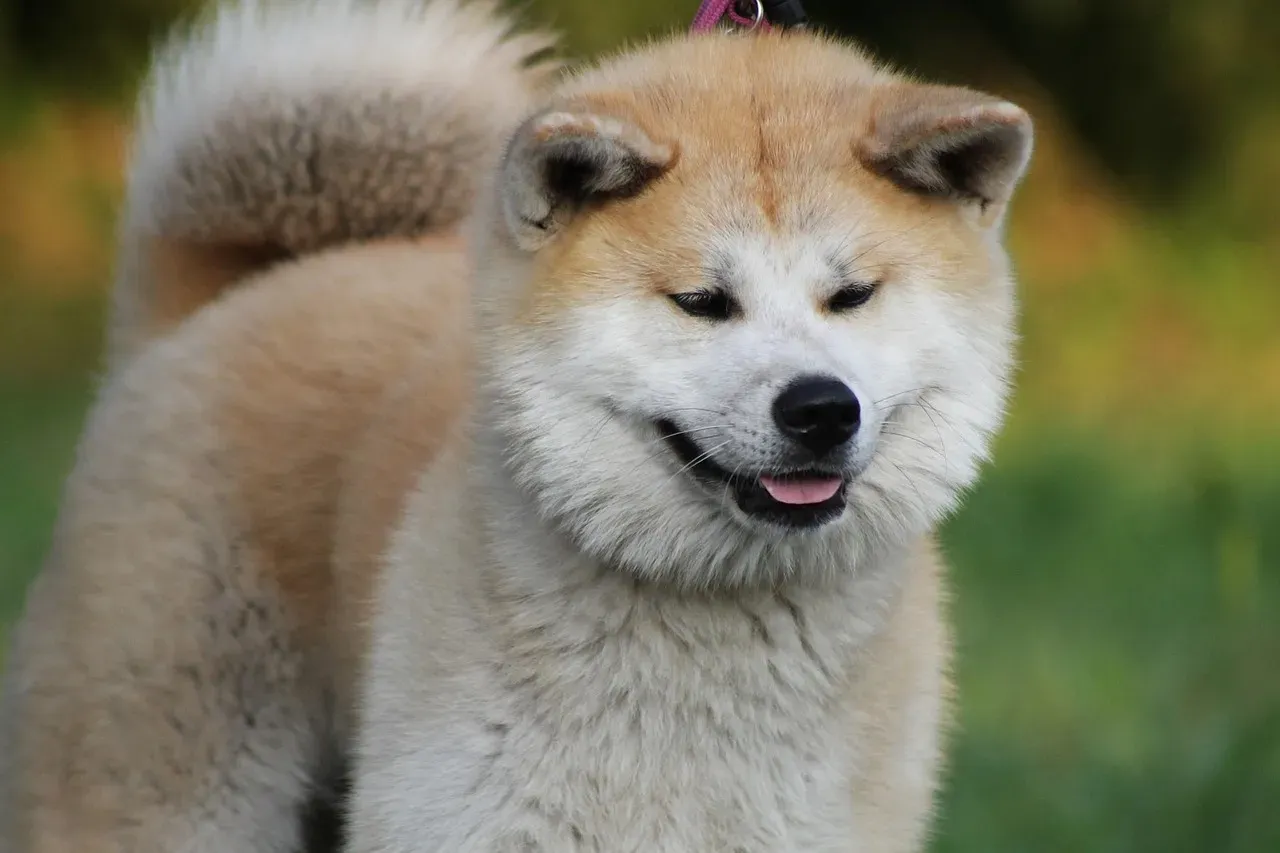
The Akita is considered one of the most stubborn dog breeds in the world. This gorgeous pooch has been known to just walk away when you are trying to train them. Picture this: you’re in the backyard, treats in hand, ready for a productive training session. Your Akita glances at you, seemingly weighs the value of your command against their own priorities, then simply strolls off to investigate something infinitely more interesting.
These fastidious dogs are anything but people pleasers and are hardcore working dogs. Without early socialization and consistent training, Akitas can become territorial and aloof, especially with strangers, and their independent streak means they may not always be motivated by typical rewards.
For families with young children or those new to dog ownership, the Akita presents a formidable challenge. They don’t respond well to repetitive training exercises and require someone who understands their dignified, self-reliant nature. Akitas will first contemplate your order and then think if it makes sense or has some benefit in it for them to follow, and they may ignore commands from those they do not respect.
2. Afghan Hound: Elegance Meets Selective Hearing
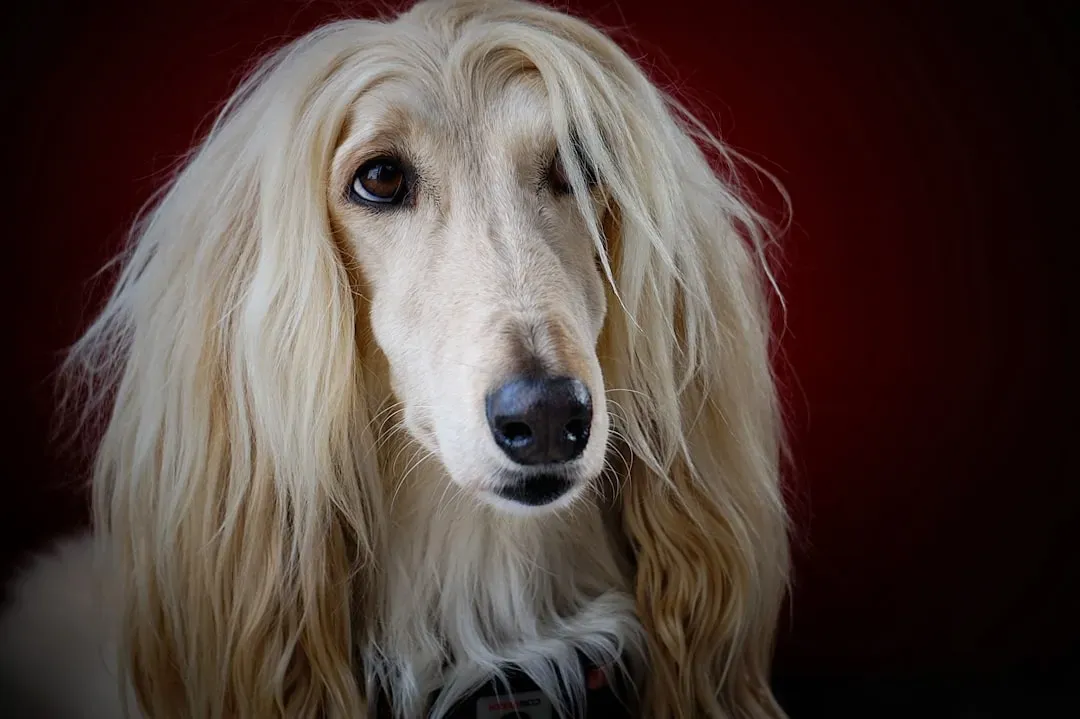
A dignified dog with a true sense of independence, the Afghan Hound is an exquisite breed originally used for hunting in the challenging terrain of the mountains of Afghanistan. Their flowing coats and regal bearing make them look like they stepped straight out of a fashion magazine. That beauty, however, comes with a personality that’s frustratingly self-directed.
Afghan Hounds are extremely intelligent, but have independent qualities more in line with cats, preferring to do what they want when they want and love pretending you didn’t just call their name. I think that’s honestly one of the most maddening aspects – they absolutely hear you. They just choose not to comply.
These dogs are one of the most challenging breeds for even seasoned pet parents, and their independent nature and stubborn streak can make training a test of patience, while their high prey drive means they may get easily distracted. For families expecting an obedient companion who’ll fetch the paper and sit politely during dinner, the Afghan Hound will be a rude awakening. Their selective obedience isn’t defiance – it’s just their nature.
3. Siberian Husky: Born to Run, Not to Listen
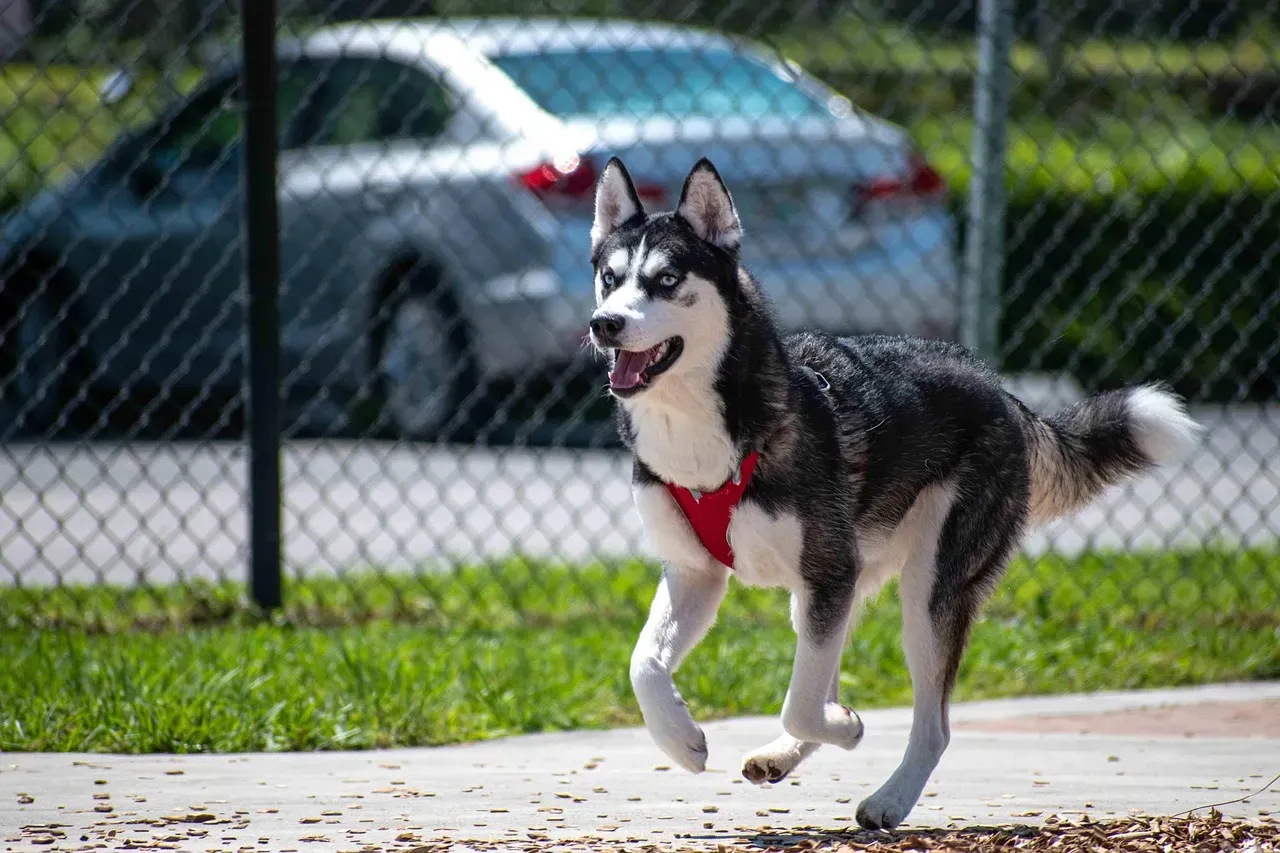
Here’s the thing about Huskies: they’re breathtakingly beautiful, wonderfully vocal, and absolutely exhausting. Siberian Huskies are known for their independent and sometimes stubborn nature, as they were bred to make decisions independently in the harsh Arctic environment. That survival instinct translates poorly to suburban family life where you need them to, you know, actually come when called.
Huskies are an extremely energetic breed that need loads of exercise, were originally bred to run for miles on end in frozen tundra, and without enough exercise they will quickly become destructive; their independence means they have a stubborn streak when it comes to listening to commands.
Families thinking a daily walk around the block will suffice are in for an unpleasant surprise. They are also skilled escape artists and have trouble controlling their small prey drive around cats and small animals. Your fence? They’ll dig under it. Your commands? They’ll evaluate whether they feel like obeying. Their energy? Endless. Unless you’re training for marathons or have acres of land, a Husky might overwhelm your household entirely.
4. Chow Chow: The Aloof Guardian Who Does Things Their Way
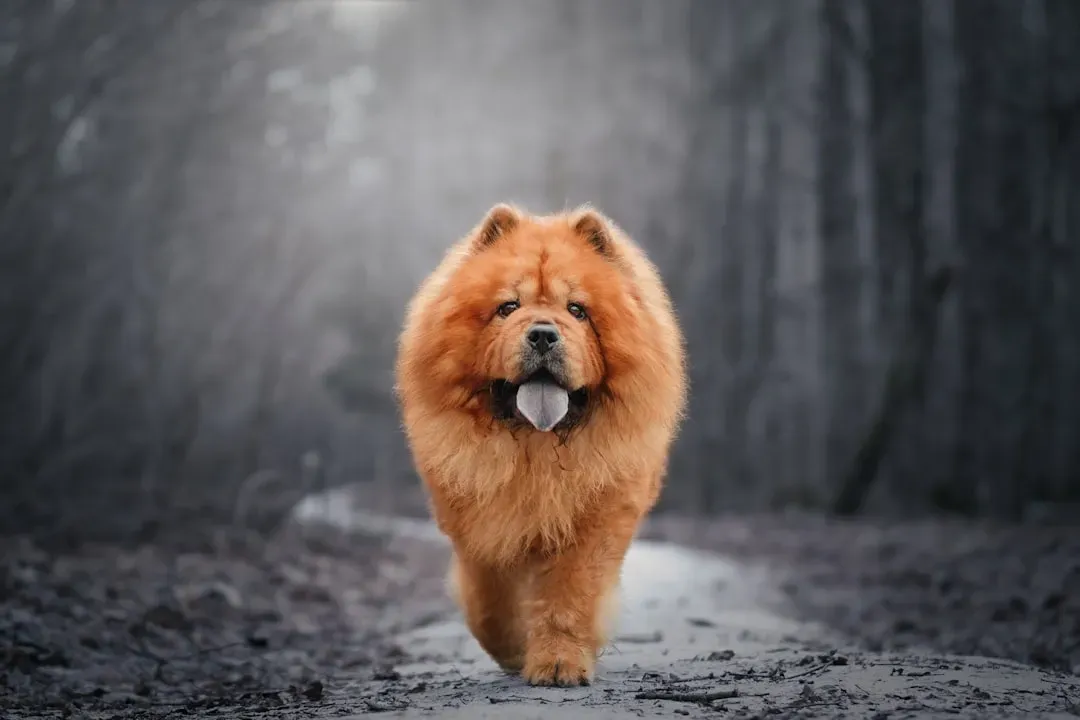
Chow Chows are serious, independent and distant, and they are willful and stubborn, which makes them harder to train. If you’re looking for a cuddly family dog who adores everyone, move along. The Chow Chow resembles a lion in both appearance and attitude – majestic, self-possessed, and entirely unconcerned with your approval.
Chow Chows tend to be aloof and very independent, which can make training a challenge, as they are not naturally inclined to obedience and are independent thinkers who value autonomy. They don’t particularly enjoy training sessions and can seem almost insulted by the suggestion that they should perform tricks for treats.
These breeds have headstrong personas and many have trust issues, but have evolved to be more loving towards their human families while retaining traits such as aloofness and independence hardwired in their genes. Families need to understand that earning a Chow Chow’s cooperation requires respect, patience, and acknowledgment that this breed simply won’t bend to your will like a Golden Retriever might.
5. Mastiff: The Gentle Giant Who’s Stubbornly Lazy

Mastiffs are large, strong dog breeds that are also very relaxed and calm, but they are stubborn which can make training harder than with other breeds, and they bore easily during training so sessions should be short and varied. Honestly, the Mastiff’s stubbornness stems partly from their sheer size and partly from their “why bother?” philosophy toward life.
These dogs can weigh upwards of 200 pounds. When a creature that massive decides they’re comfortable on the couch, convincing them otherwise becomes a Herculean task. Because of their size and natural suspicion of strangers, it is essential for owners to begin training and socialization early so the dogs can develop into well-mannered companions.
The problem for families is timing. Mastiff puppies grow rapidly, and if you haven’t established boundaries and obedience early on, you’ll find yourself living with an enormous dog who believes furniture privileges are non-negotiable. Their calm demeanor is wonderful, but their stubborn resistance to commands they find pointless can be genuinely frustrating. Training needs to be engaging and rewarding, or they’ll simply tune you out.
6. Rottweiler: Loyal Protector With a Mind of Their Own
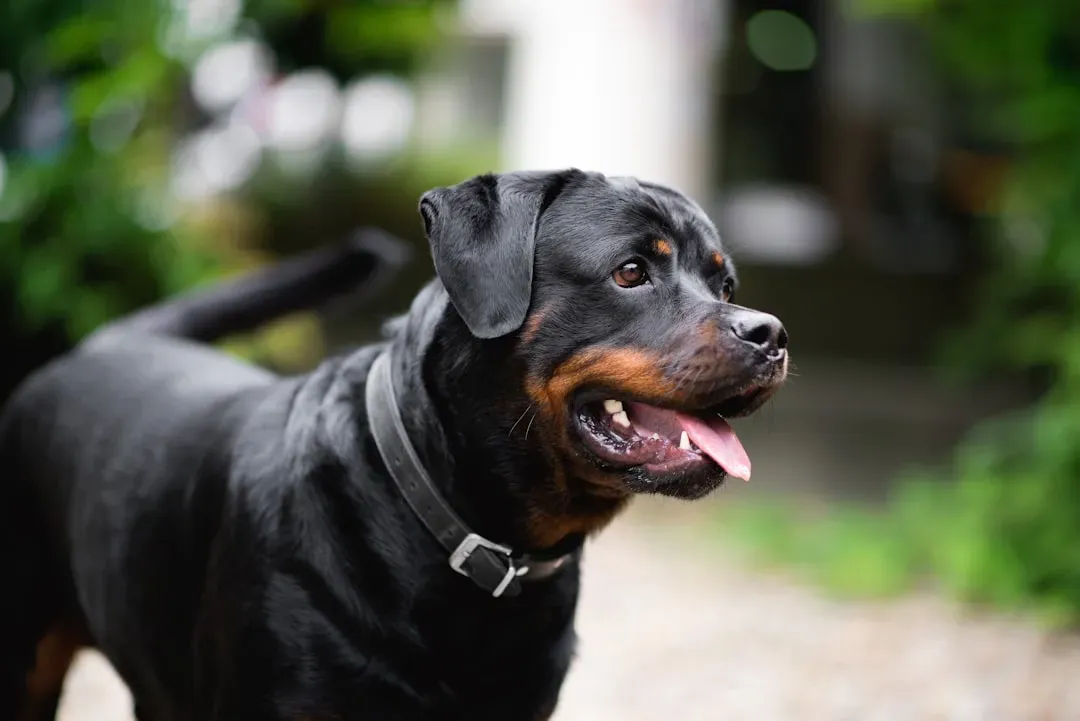
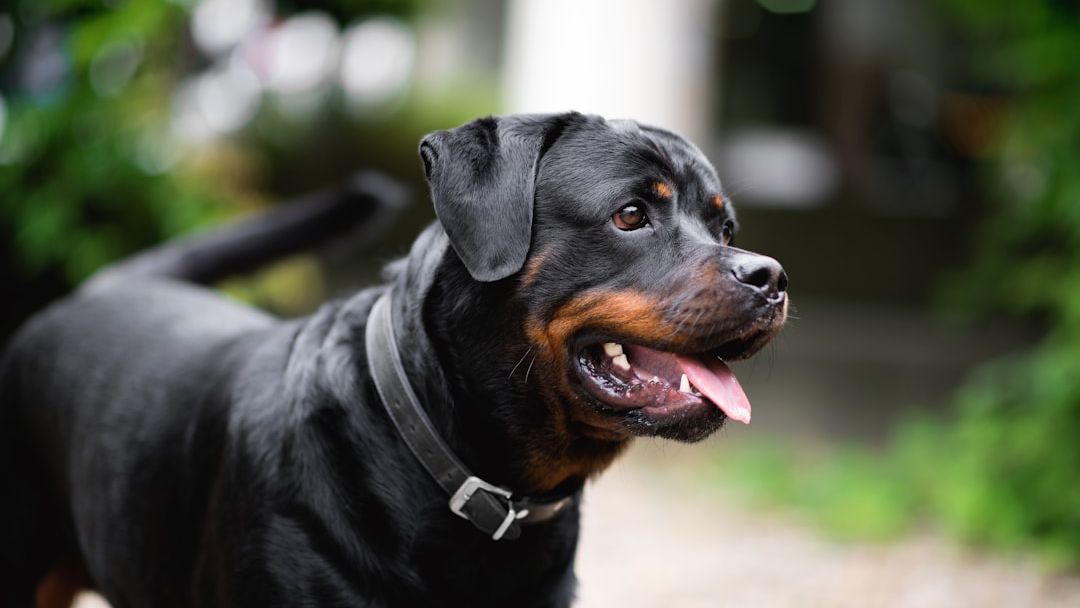
Rottweilers are known for their loyalty, intelligence, and protective instincts, qualities that can sometimes manifest as stubbornness, especially if they’re not convinced of the reason behind a command, and they thrive under consistent, firm training from an owner who respects their intelligence and strength. Rottweilers aren’t stubborn out of spite – they’re evaluating whether your instructions make sense.
This breed demands respect, not dominance. They’re incredibly smart, which means they quickly recognize inconsistency or weakness in training methods. Rottweilers can be difficult to train due to their loyalty to one individual, making listening to others challenging. For families where multiple people need to handle the dog, this presents a real obstacle.
The Rottweiler’s protective instincts also mean they can become overprotective if not properly socialized. Large breeds can be difficult to control especially on a leash, and some are well aware of their own size and can have an attitude when they want, so these dogs need a relationship with mutually built respect. Without firm, consistent leadership from someone who truly understands the breed, a Rottweiler can become unmanageable in a family setting.
Conclusion: Beautiful Breeds That Demand More Than Love
These six breeds are magnificent animals with admirable qualities. Their stubbornness isn’t a flaw – it’s the flip side of traits like independence, intelligence, and self-reliance that made them excellent at their original jobs. The challenge arises when families underestimate what living with such strong-willed dogs actually entails.
Training stubborn large breeds requires time, experience, patience, and often professional help. It’s not impossible, but it’s demanding work that extends far beyond basic obedience classes. For first-time dog owners or families with young children expecting an easy-going companion, these breeds can quickly become overwhelming.
If you’re considering any of these dogs, ask yourself honestly: do you have the dedication, consistency, and expertise to handle a powerful animal who might question every command? Can you commit to extensive training and socialization starting from puppyhood? If the answer is anything less than an enthusiastic yes, you might want to consider breeds known for their eagerness to please instead. What do you think – would you take on the challenge, or would you choose an easier path? Tell us in the comments.
Worried about unexpected vet bills?
Pet insurance can cover thousands in unexpected vet costs. Get a free quote from Lemonade in under 2 minutes.
Get My Free Quote →Sponsored · Opens Lemonade.com
