
1. Peppermint Oil: The Sharp, Minty Knockout
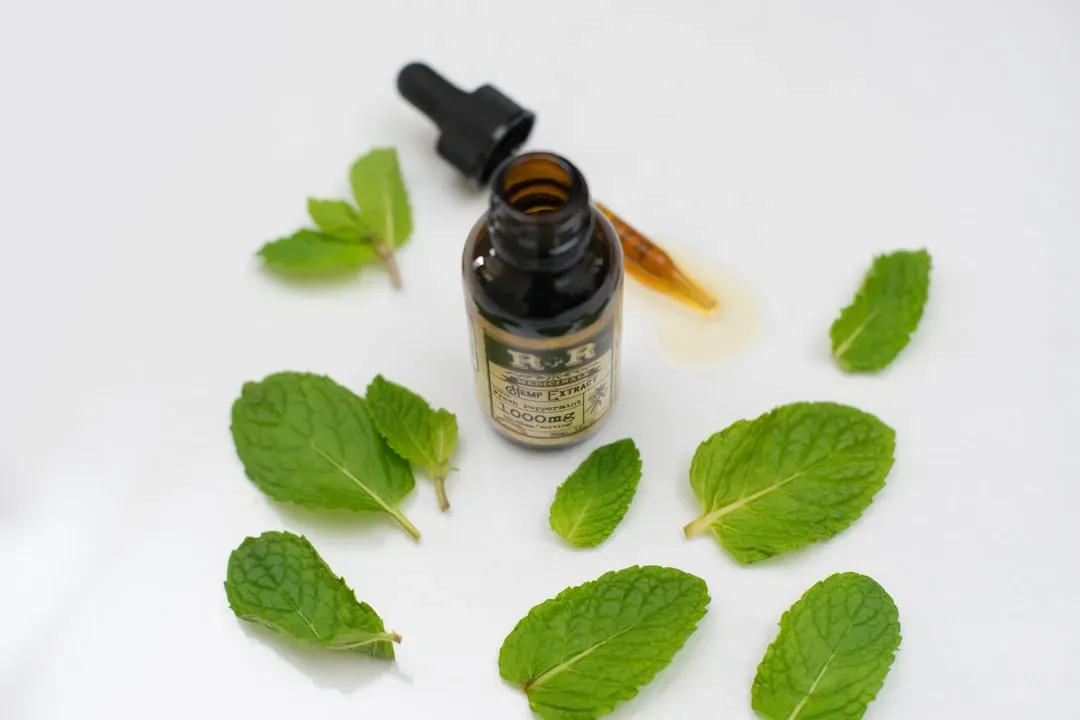
Of all the natural scents documented to affect cockroaches, peppermint oil has arguably the most research behind it. Roaches do hate mint, and the reason is quite interesting: they rely on their strong sense of smell to find food and navigate, but the strong scent of mint, especially peppermint, overwhelms them by disrupting their nervous system, making it a natural repellent. It’s not just that they find it unpleasant. The mechanism goes deeper than that.
The active ingredient in peppermint oil that repels cockroaches is menthone, which you’ll also find in other mint essential oils. Several natural cockroach repellents have demonstrated measurable effectiveness in laboratory studies, particularly essential oils like peppermint and rosemary, and research demonstrates that menthone exhibits both toxicity and repellent effects against German cockroaches, with significant impacts on cockroach egg case hatch rates. For practical use, mixing peppermint, winter mint, or spearmint essential oils in a spray bottle with water and applying it to baseboards, windows, doors, and other areas where roaches might enter is a straightforward place to start. That said, peppermint oil for cockroaches has very mixed results overall, and even if it may cause roaches to avoid treated areas for a short time, the effect is temporary, and oils don’t kill roaches or stop egg cases from hatching.
2. Eucalyptus Oil: The Long-Lasting Woody Barrier
Eucalyptus has a sharper, more medicinal edge compared to peppermint, and cockroaches want nothing to do with it. Compounds found in eucalyptus oil prevent roach infestations, making it an effective natural repellent, and the medicinal scent is powerful enough to disrupt normal behavior among roaches, preventing their entry into affected zones. What makes eucalyptus particularly appealing for home use is its staying power.
The fresh, woody smell of eucalyptus sends roaches scrambling, with a natural, pungent aroma that’s just too powerful for them to handle, and it lingers for a long time, making it a solid choice for repelling these pests over an extended period. The cineole in eucalyptus disrupts roach cell membranes while also wiping out odor-causing microbes. You can dilute a few drops with water for a spray, or soak cotton balls in eucalyptus oil and strategically place them near potential entry points or infested areas, since cockroaches find the smell unpleasant and will actively avoid these treated spots. It’s a low-effort application with a genuinely unpleasant result for any roach that wanders near.
3. Lavender: Calming for Humans, Chaos for Cockroaches

There’s something quietly satisfying about the fact that one of the most soothing, spa-like scents known to humans is also deeply distressing to one of nature’s most resilient pests. Lavender is famous for its calming, soothing qualities, but it has the opposite effect on roaches, who find the floral scent too overpowering and particularly irritating to their sense of smell. The effect isn’t just anecdotal either.
Key compounds linalool and linalyl acetate in lavender disrupt insect neurotransmitters, making treated areas unbearable for roaches. Lavender’s soothing fragrance doesn’t just deter roaches; it also disrupts their communication channels, interfering with their pheromone trails and creating confusion among these invaders. To use it practically, you can create sachets filled with dried lavender flowers and place them in areas prone to roach infestation, or mix lavender essential oil with water and use it as a spray around entry points or areas where roaches are commonly found. As a bonus, lavender also keeps other insects, like flies and mosquitoes, at bay, making it a great scent for overall pest control.
4. Citrus: Fresh Peels With a Surprisingly Fierce Bite

Most people have citrus somewhere in their kitchen. Turns out, that’s already a mild line of defense. Citrus is one of the scents cockroaches are most known to hate, notably lemon and orange, and keeping a dish of lemon juice on your kitchen counter can deter these pests. The science behind this is rooted in a specific compound found in citrus rinds.
Research from the University of Florida found that d-limonene is effective as a repellent and a contact insecticide against several cockroach species. The peels are loaded with d-limonene, a solvent-like terpene that dissolves insect cell membranes in high doses and, at lower doses, overpowers a cockroach’s scent receptors so it can’t locate crumbs. For everyday application, scatter citrus peels in kitchen cabinets and pantry shelves, replacing them every few days for a continued effect. It’s worth noting that citrus peels contain limonene compounds that provide repellent effects, but the rapid evaporation rate and relatively low natural concentration mean this method works best as a complement to other strategies rather than a standalone solution.
5. Bay Leaves: The Unassuming Kitchen Hero
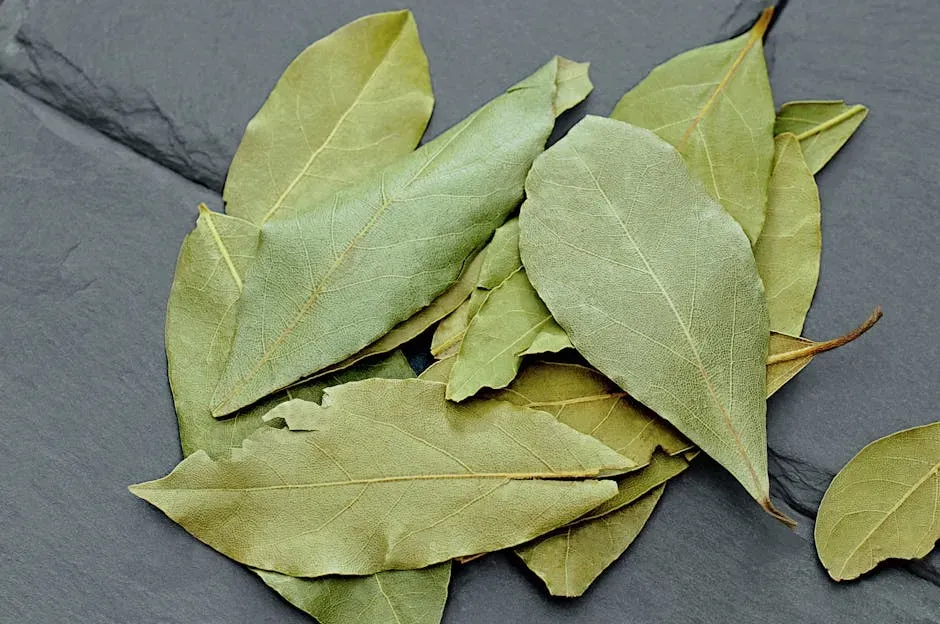
Bay leaves sit quietly in most people’s spice racks, doing nothing dramatic. Yet their chemical profile is genuinely impressive when it comes to deterring cockroaches. Bay leaves are a natural deterrent for cockroaches due to certain compounds they contain, including 1,8-Cineole, β-linalool, methyl eugenol, and α-terpinyl acetate, and all of these compounds are scientifically proven to repel cockroaches. That’s a meaningful roster of active ingredients hiding in a dry, unassuming leaf.
While bay leaves don’t have the strongest aroma to humans, they release a scent that is enough to make roaches uncomfortable, making them an ideal choice for placing in pantry areas or around food storage spaces. Bay leaves quietly repel roaches while lending the pantry a clean aroma, with dry leaves emitting eucalyptol and myrcene, terpenes that overload cockroach antennae and blur the scent trails they follow. One important practical note: fresh leaves are more effective than dry ones, and you should crush them first to release the essential oils that are full of cockroach-repellent compounds. You’ll need to replace fresh leaves at least once every few weeks, since they lose their potency quickly.
6. Garlic: Pungent, Polarizing, and Powerfully Effective
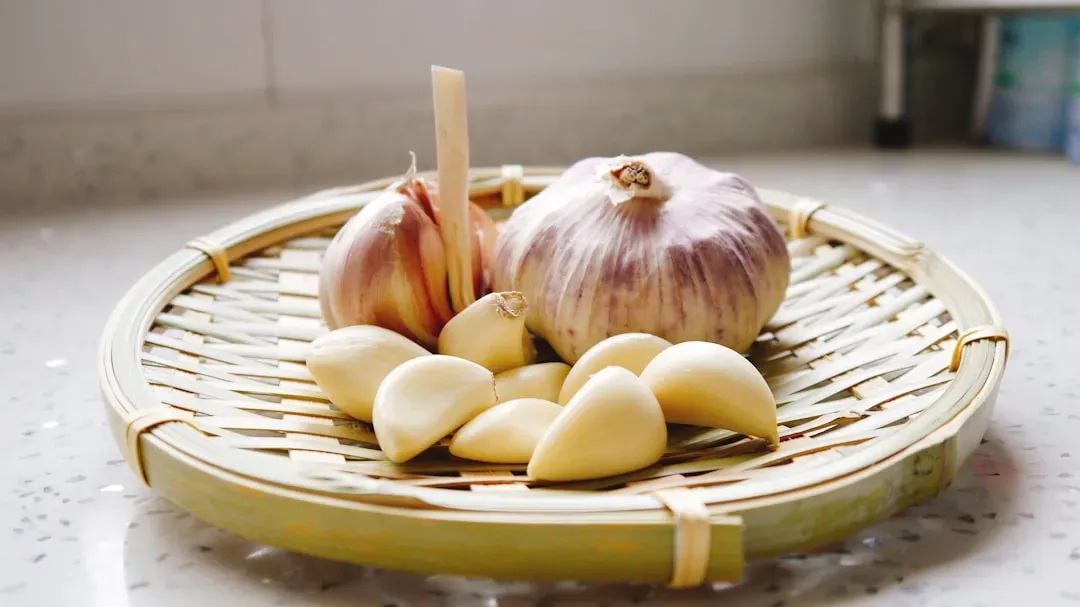
Garlic is a scent that divides opinion sharply among humans. Cockroaches, however, are unanimous in their verdict. The pungent odor emitted by garlic is highly disliked by roaches and can be used as an effective natural cockroach repellent. Sulfur compounds in garlic create an acrid scent that overloads roach antennae, essentially scrambling their ability to navigate toward food sources.
Cockroaches are known to hate garlic, and cooking with it is an effortless way to repel them from your home, though you could also try crushing cloves and placing them in areas of your home where cockroaches are most active to deter these insects. For a more concentrated approach, you can harness the power of garlic by creating a natural cockroach repellent spray by mixing minced garlic or garlic powder with water, letting it sit for a couple of hours to infuse, then straining the liquid into a spray bottle and applying it along baseboards, crevices, and other areas where roaches are likely to hide. The obvious trade-off is the smell in your own home, so this one tends to work best in utility areas, under sinks, or near rubbish bins rather than living spaces.
A Realistic View on Natural Repellents
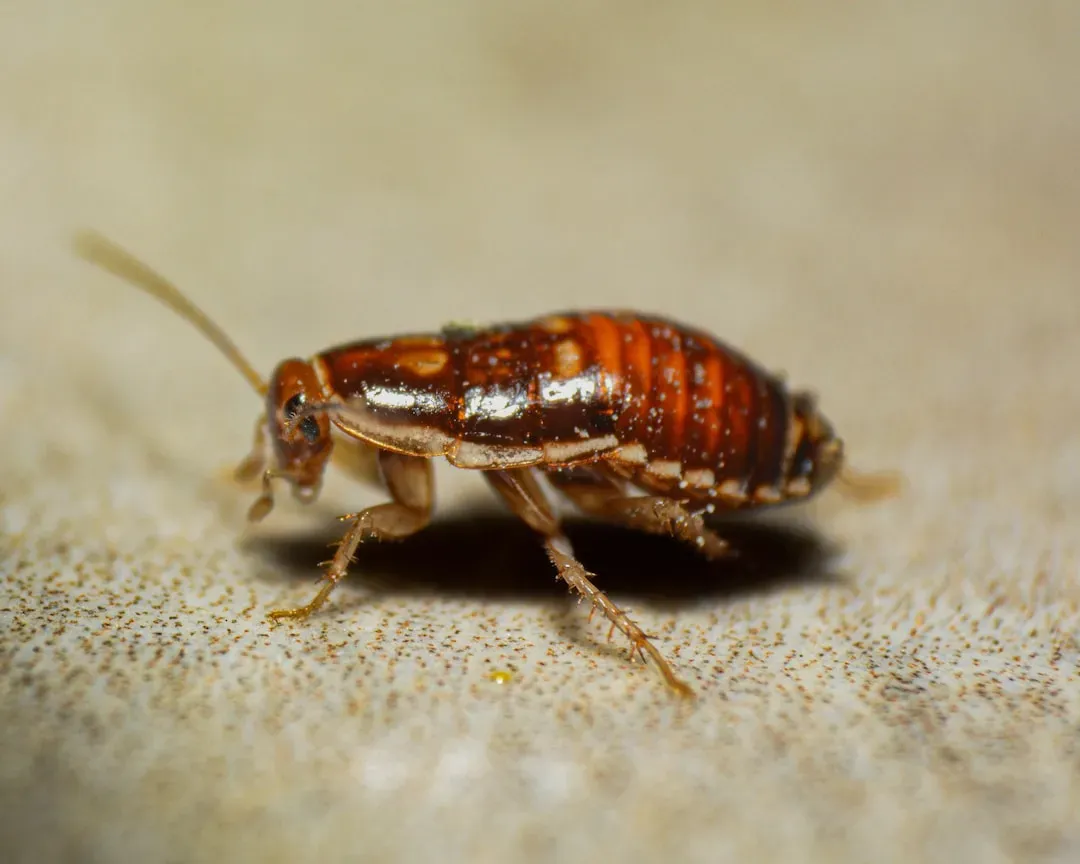
These six scents are genuinely useful tools, but they deserve honest framing. Scents are an excellent option for those that do not have a roach infestation yet, and if you spot one or two scuttling about, that’s the time to start using repellent scents, though if a home becomes infested with cockroaches, using scent repellents must be paired with other management strategies to effectively eliminate the pests. Natural scents create barriers. They don’t eliminate existing populations.
Natural smells work best as short-term support, helping with light activity and prevention, but once roaches settle in, scent alone cannot reach eggs, hidden harborages, or wall voids. These scents work best when applied regularly and combined with proper sanitation practices. That means sealing food properly, fixing moisture problems, and eliminating the conditions that attract roaches in the first place. The scents do the deterring. A clean, sealed home does the heavy lifting.
Think of these natural repellents less as a cure and more as a smart first line of defense. Used consistently, they make your home a far less hospitable place for cockroaches to explore. That’s not nothing. In fact, for keeping early roach interest from turning into a full infestation, it might be exactly enough.