
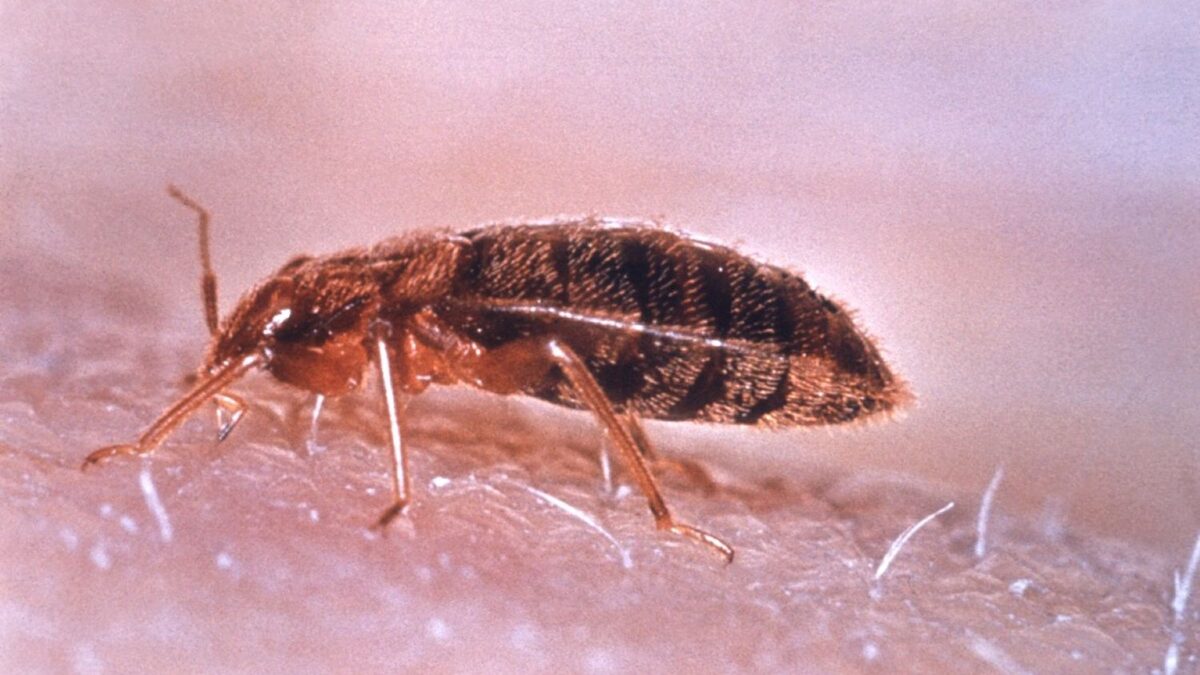
Most people don’t think about bed bugs until it’s too late. One morning you wake up with mysterious welts on your arm, strip back the sheets, and the dread sets in. These tiny, resilient parasites are notoriously difficult to get rid of, and the internet is full of remedies that range from genuinely useful to completely useless.
Here’s the thing though – nature has a few tricks up its sleeve. Certain scents genuinely make bed bugs uncomfortable, causing them to retreat and avoid treated areas. The science is real, even if it comes with important caveats. So before you reach for a chemical spray, let’s explore what your nose, and a few clever plants, might already know. Let’s dive in.
1. Lavender Oil – The Calming Scent That Drives Bed Bugs Wild (With Panic)

There’s something almost poetic about a scent humans find deeply relaxing being completely intolerable to bed bugs. Lavender essential oil has a calming reputation for humans, but bed bugs seem to dislike its floral intensity, with some studies suggesting it has mild repellent properties, though results vary. It’s one of those cases where what soothes us genuinely unsettles them.
The scent wards off bed bugs thanks to a compound within the oil called linalool. Think of linalool as a kind of chemical alarm bell that fires inside the bed bug’s nervous system the moment it gets close. Another good thing about lavender oil is it does not only keep bed bugs away but can also help improve your sleep. That’s honestly a win-win situation most other repellents can’t claim.
Bed bugs hate the floral, calming scent of lavender, which disrupts their nervous system, and it also promotes relaxation, making it perfect for bedrooms under attack. Spray a diluted solution around your mattress seams and along the bed frame for the best chance of deterring them from settling in.
2. Peppermint Oil – Nature’s Most Aggressive Air Freshener
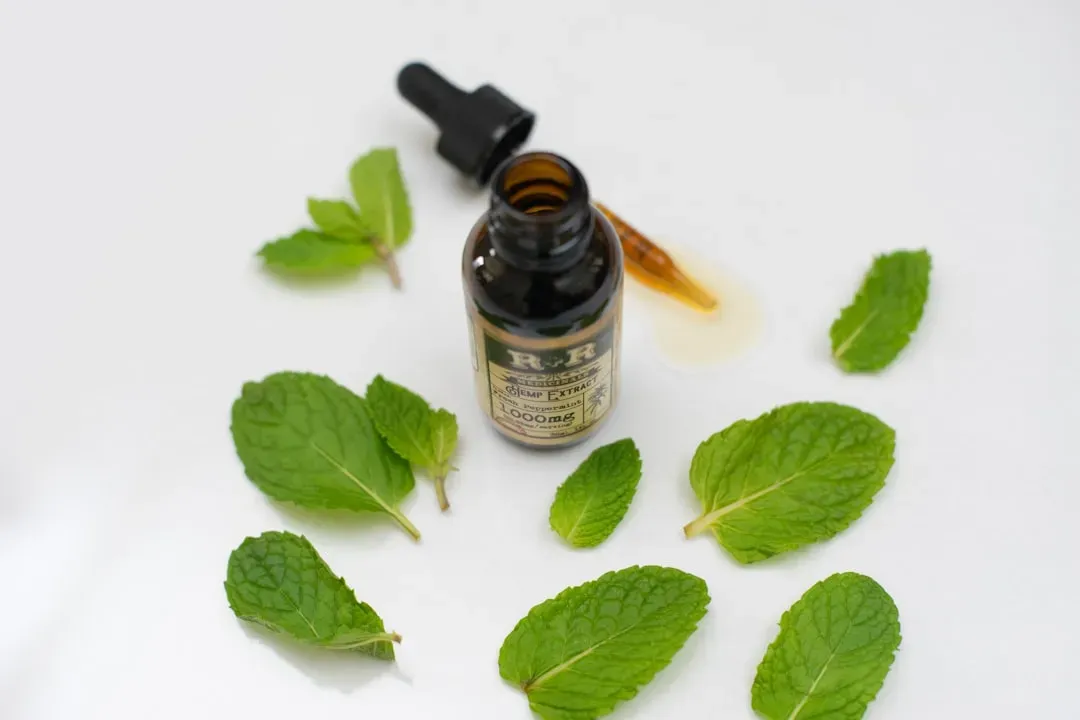
If lavender is the gentle nudge, peppermint oil is the full-on shove. Peppermint oil gets attention because bed bugs dislike strong menthol smells. That sharp, cooling intensity that makes peppermint so refreshing to us is essentially a sensory overload for these little insects.
The sharp menthol scent overwhelms bed bugs’ senses and drives them away, and it’s a refreshing bed bug repellent you can spray around sleeping areas. Honestly, it’s hard not to appreciate a pest control solution that also leaves your bedroom smelling like a spa. Peppermint is the most researched solution for keeping bed bugs away from your home, as this plant can provide a smell that bed bugs and other pests in general hate, and it will drive the pests out and keep your home fresh at the same time.
3. Tea Tree Oil – The Multipurpose Warrior Against Tiny Invaders

Due to its antibacterial, anti-inflammatory, and antifungal properties, tea tree oil has become a well-known natural home remedy for warding off bed pests. But its power doesn’t stop at surface-level repelling. This oil actually goes deeper than just smell alone.
The ingredient called terpinen-4-ol found in tea tree oil can eliminate these bugs, as it harms their nervous and respiratory systems when they are subjected to the oil, and bed bugs may also avoid regions that have been treated with the substance due to the oil’s strong scent, which can be repulsive to them. That’s a two-pronged attack most essential oils can’t match.
A word of caution though. Undiluted tea tree oil may irritate some people’s skin and trigger allergic reactions in others, so before using the oil on your skin or in your house, dilute it with a carrier oil, such as almond or coconut oil. A little care goes a long way when deploying this potent natural weapon.
4. Clove Oil – The Heavy Hitter Backed by Real Science
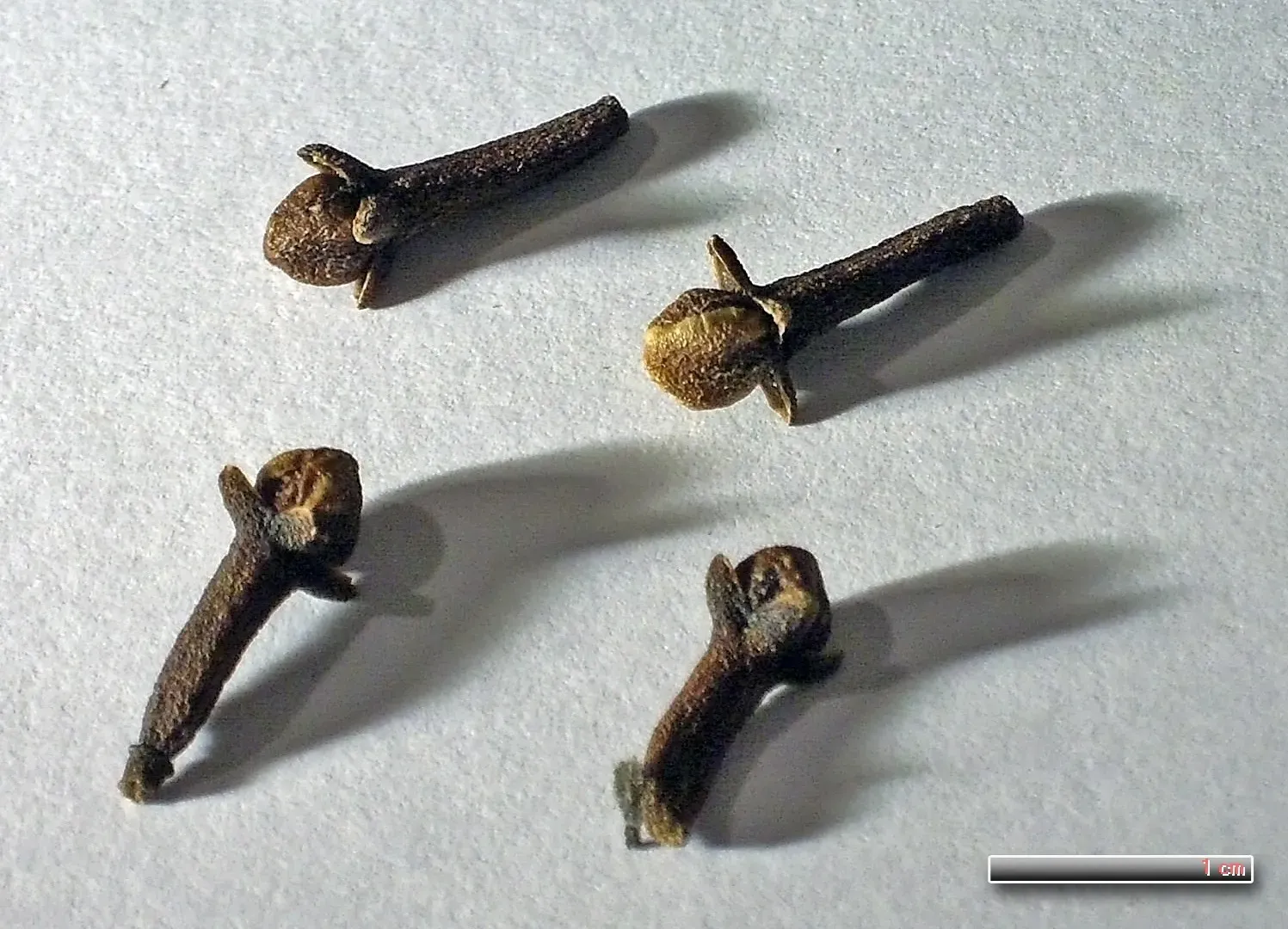
Let’s be real, if there’s one essential oil that has earned serious scientific respect in the fight against bed bugs, it’s clove oil. Clove oil has natural compounds like beta-caryophyllene and eugenol, which have repellant and insecticidal properties. That’s not marketing language. That’s chemistry doing its job.
Clove oil stands out as one of the more researched essential oils when it comes to bed bugs, with studies showing it has contact toxicity, meaning it can kill bed bugs when applied directly, though its effectiveness as a vapor repellent is much weaker. So it works best when you’re actually targeting known hiding spots rather than just misting the air.
Researchers at Purdue University found that eugenol, the active compound in clove oil, depressed the bed bug nervous system. That’s not a mild inconvenience for the bug. That’s a full neurological shutdown. Thanks to its eugenol content, clove oil has powerful pest-repelling properties, and its strong scent acts as a natural barrier against bedbugs.
5. Eucalyptus Oil – The Scent That Masks Your Presence

Bed bugs are frighteningly good at locating humans. They follow carbon dioxide, body heat, and even the chemical compounds in your sweat. Eucalyptus oil plays a clever game by disrupting that tracking ability entirely. Its strong medicinal scent masks human odors and repels bed bugs naturally, and eucalyptus is a common ingredient in natural bed bug spray products.
Eucalyptus oil brings a cooling, camphor-like scent that many people find refreshing, and its repellent potential against bed bugs is modest at best, as like other essential oils it may discourage bed bugs temporarily, though the effects are short-lived, working better as part of a broader prevention strategy rather than a standalone solution. Think of it less like a silver bullet and more like a reliable piece of armor in your overall defense strategy.
6. Oregano Oil – The Surprisingly Powerful Kitchen Staple
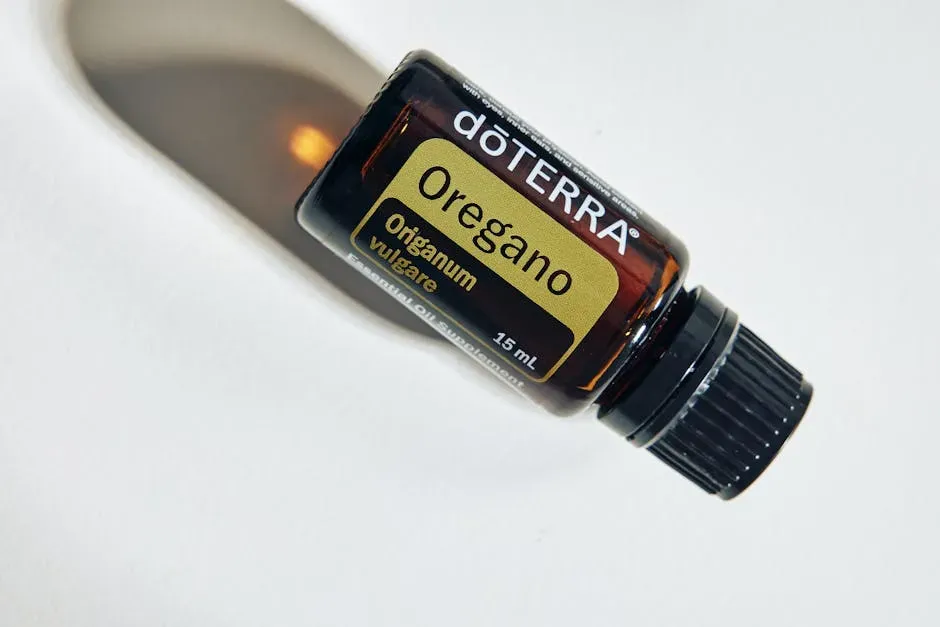
This one genuinely surprises most people. You probably have dried oregano sitting in your spice rack right now, completely unaware that its oil form is one of the most potent natural repellents known to science. A study by Purdue University indicates that essential oils derived from thyme, oregano, citronella, and clove are the most effective against bed bugs. That’s a pretty remarkable finding for something most of us associate with pizza.
Carvacrol, found in oregano oil, stood out among several oils for its potency as a fumigant against bed bugs in research settings. When used as a concentrated spray around mattress seams and baseboards, oregano oil creates an environment that bed bugs actively want to escape. The 40% oregano essential oil exhibited 100% repellency against bed bugs at 3, 5, 9 and 24 hours after application, and oregano oil at 40% concentration exhibited more repellency compared to a commercial insect repellent stick containing 33% DEET. I know it sounds crazy, but oregano oil outperforming DEET is a result that genuinely deserves more attention than it gets.
A Final Word: Scents Are Shields, Not Swords
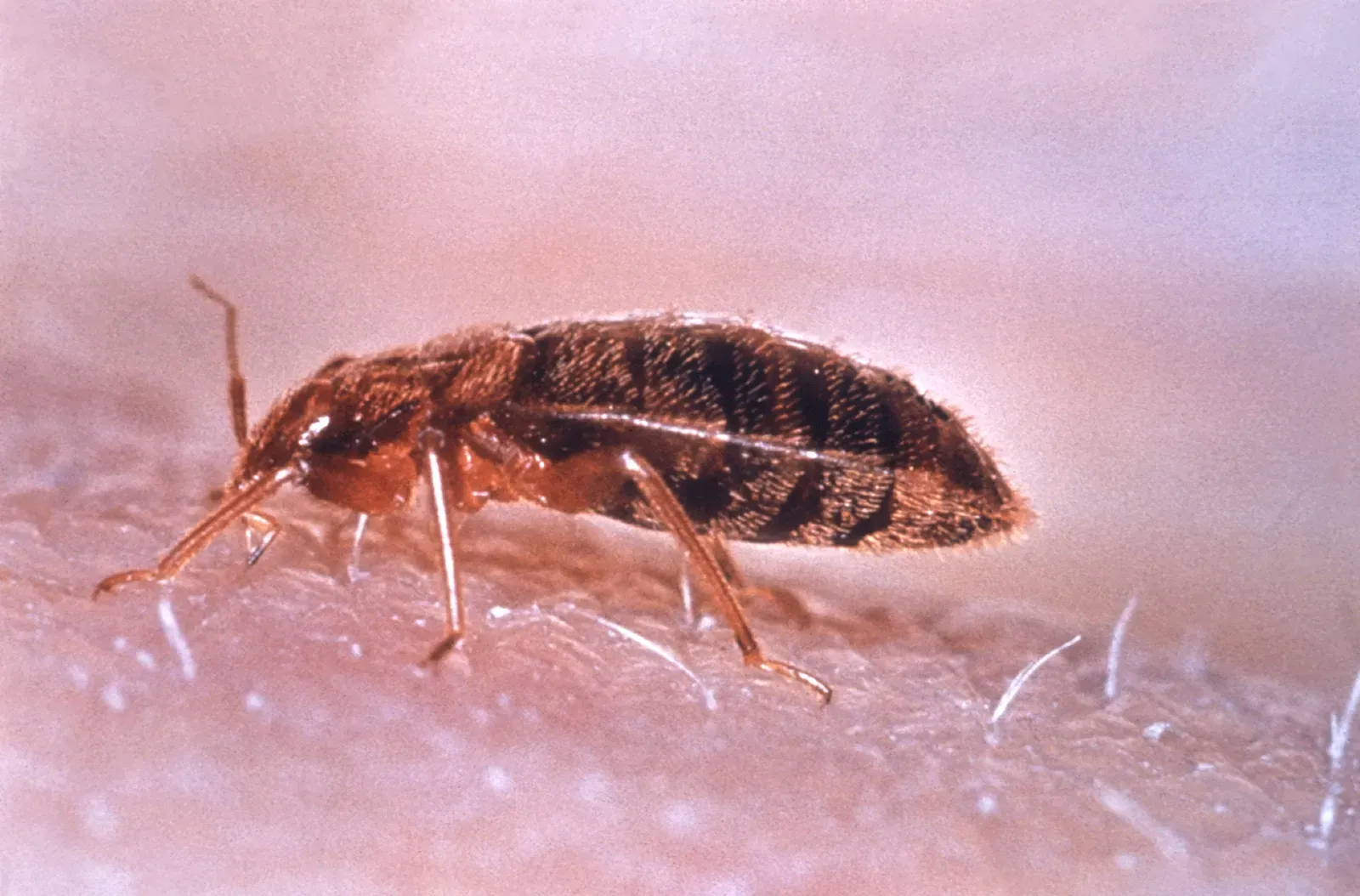
Note: Not all PHIL images are public domain; be sure to check copyright status and credit authors and content providers.
العربية | Deutsch | English | македонски | slovenščina | +/−, Public domain)
There’s something deeply satisfying about the idea of fighting a pest invasion with lavender and peppermint rather than harsh chemicals. These six scents are real, research-supported options that can make your sleeping environment genuinely less inviting to bed bugs. They work. Just not miraculously.
Researchers find that most oils act more like short-term repellents than true insecticides, and while the strong scent may temporarily repel bed bugs, it doesn’t eliminate them at the source like professional treatments do. That’s the honest truth, and it’s worth keeping in mind before you invest in a cabinet full of essential oils and call it a solution.
Used consistently, as part of a broader cleaning and prevention routine, these scents can genuinely reduce bed bug activity and help protect your space. Purdue University researchers have uncovered mechanisms that make plant-based essential oils lethal for bed bugs especially in combination with synthetic treatments, offering new options for control of this pest. The future of natural pest control is genuinely exciting.
Nature gave us these scents for a reason. The question is just how smartly we use them. What would you have guessed could outperform a commercial DEET product? Tell us your thoughts in the comments below.

- 9 Touching Stories of Animal Loyalty That Redefine Family Bonds - July 25, 2026
- 8 Unique Dog Breeds That Are Perfect for Older Owners - July 25, 2026
- The Way You Pet Your Dog Can Make All the Difference to Their Comfort - July 25, 2026