

You’re staring at a small trail of ants across your kitchen counter. Maybe you hear an occasional scratching in the walls. These seem like minor nuisances, nothing serious. So instead of calling a professional, you head to the hardware store, grab a can of spray, and handle it yourself. Problem solved, right? Except weeks later, the ants are back. That scratching gets louder. What started as a small issue has turned into something much bigger, and now the solutions are more invasive, more disruptive, and way more expensive.
This is the pattern that traps thousands of homeowners every year. The mistake isn’t ignoring pests entirely; it’s the decision to delay proper treatment in favor of quick fixes that mask the real problem. By the time most people realize they need professional help, the damage has already begun. Let’s dive into exactly what this mistake looks like and why it drains bank accounts faster than almost anything else in home maintenance.
Waiting Until You Can See the Problem
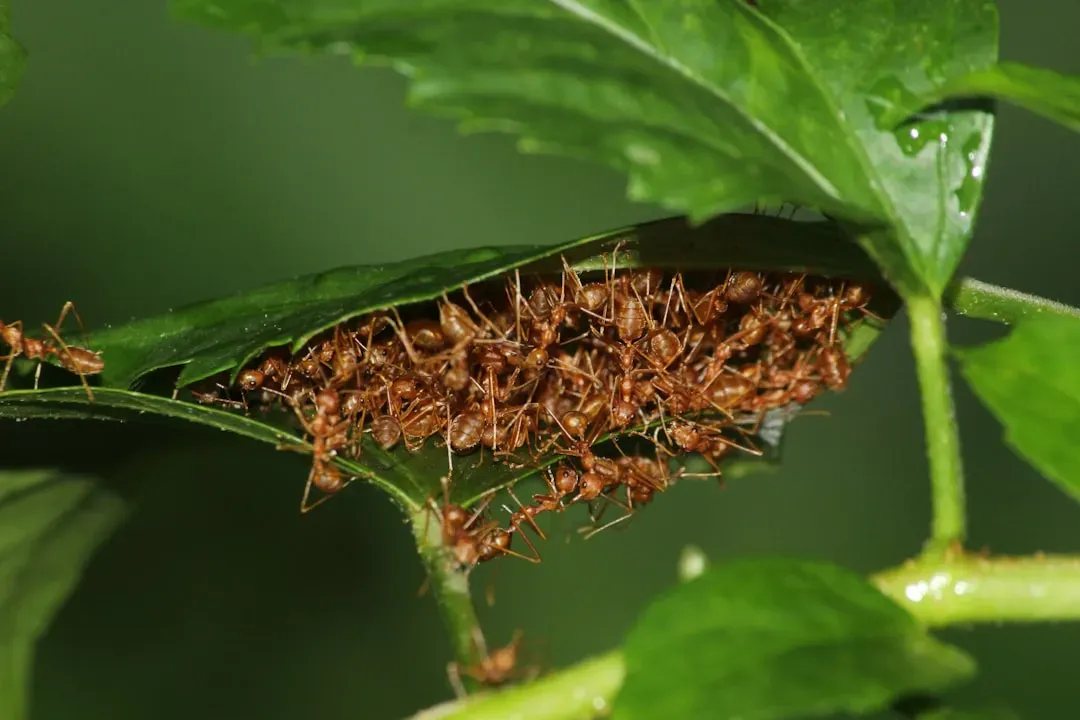
The initial signs of a pest infestation can often be subtle, yet they are crucial indicators that should not be overlooked. Homeowners may notice small droppings, gnaw marks, or even the occasional sighting of a pest scurrying across the floor. These early warning signs are often dismissed as minor inconveniences, but ignoring them can lead to a full-blown infestation that is much more difficult and costly to manage.
Let’s be real, nobody wants to admit their home has a pest problem. It feels embarrassing, like a reflection of cleanliness or upkeep. So when you spot one roach or a few mouse droppings, it’s tempting to convince yourself it’s just a fluke. Maybe it wandered in from outside. Maybe it’ll go away on its own.
It won’t. Many individuals tend to wait until they observe pests to take action. By then, colonies are established, eggs are hatching, and the infestation is spreading behind walls and under floors where you can’t even see it. A few ants in the kitchen may seem harmless, but they can quickly multiply and establish a colony within the walls of a home, leading to significant structural damage and health risks.
Here’s the thing: pests don’t announce themselves until their numbers are overwhelming. Termites silently chew through support beams. Rodents nest in insulation. Bed bugs reproduce behind your headboard. Waiting for visible proof is the first expensive mistake.
Honestly, I think the psychological impact gets underestimated. The presence of rodents or insects can create an atmosphere of unease and discomfort, affecting the overall quality of life. Homeowners may find themselves constantly on edge, worrying about potential health hazards associated with pests, such as the spread of diseases or allergens. That stress alone should be enough to pick up the phone.
Trying DIY Methods That Only Work on the Surface
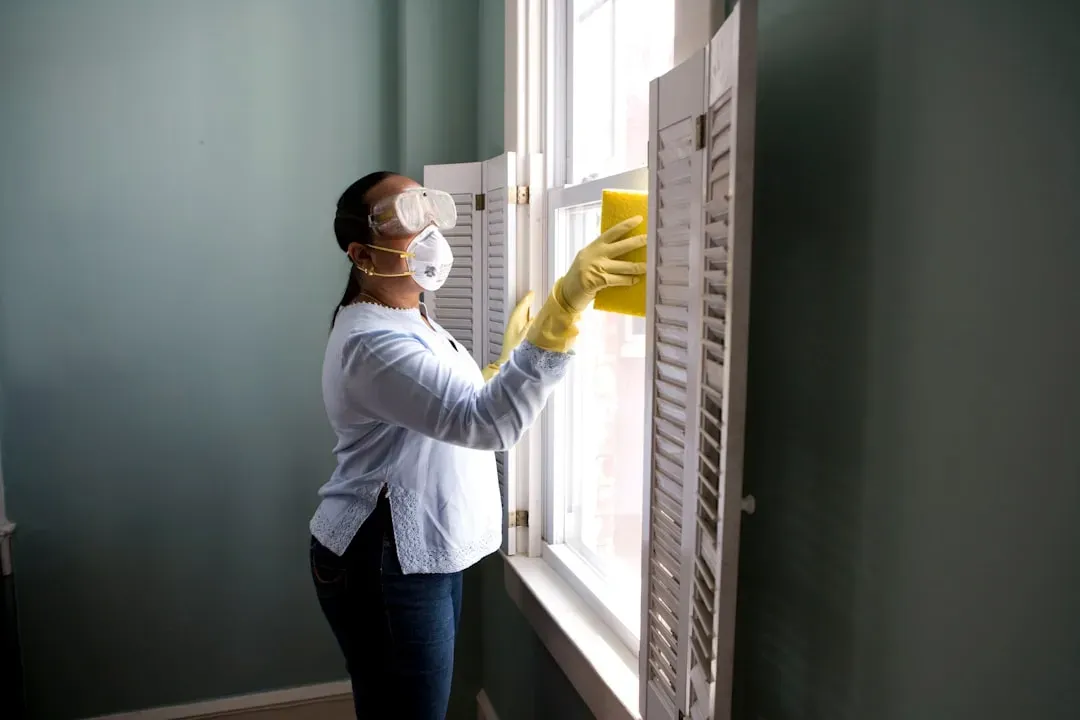
DIY pest control often gives homeowners a sense of confidence that doesn’t match the reality of what’s happening behind the walls, beneath the floors, or above the ceiling. While it may handle what you can see, it rarely addresses the root of the problem – or the hidden risks you didn’t know existed.
So you grabbed that spray can. You set up traps. You even tried those ultrasonic devices someone swore by on a forum. And sure, you stopped seeing pests for a week or two. Victory, right? Not quite.
The issue with using DIY pest control is the root of the problem is often left untreated. These products and methods will likely only take care of the pest problems you can see. Lingering issues can still be lurking in your walls, attic, or underneath your house. Consumer products are designed for general use, which means they’re weaker and less targeted than professional treatments. DIY products are not the same as commercial-grade treatments. The formulations available in stores are made for general consumer use – meaning they’re designed to be safe, easy to use, and broad-spectrum. But that also means they’re often less potent and shorter-lasting than professional-grade solutions.
One of the most frequent errors is the incorrect identification of pests. Different pests require different treatment methods, and misidentifying the pest can result in using the wrong product or technique, which may not only fail to solve the problem but can also exacerbate it. Using ant bait for termites? That’s like trying to fix a broken engine with duct tape.
Some pests – especially termites and rodents – can cause expensive damage if not treated properly. A failed DIY attempt can give pests time to spread, turning a $200 problem into a $2,000 repair. Meanwhile, you’ve spent money on multiple products, burned weekends, and the infestation is still growing.
Underestimating How Fast Pests Reproduce and Spread
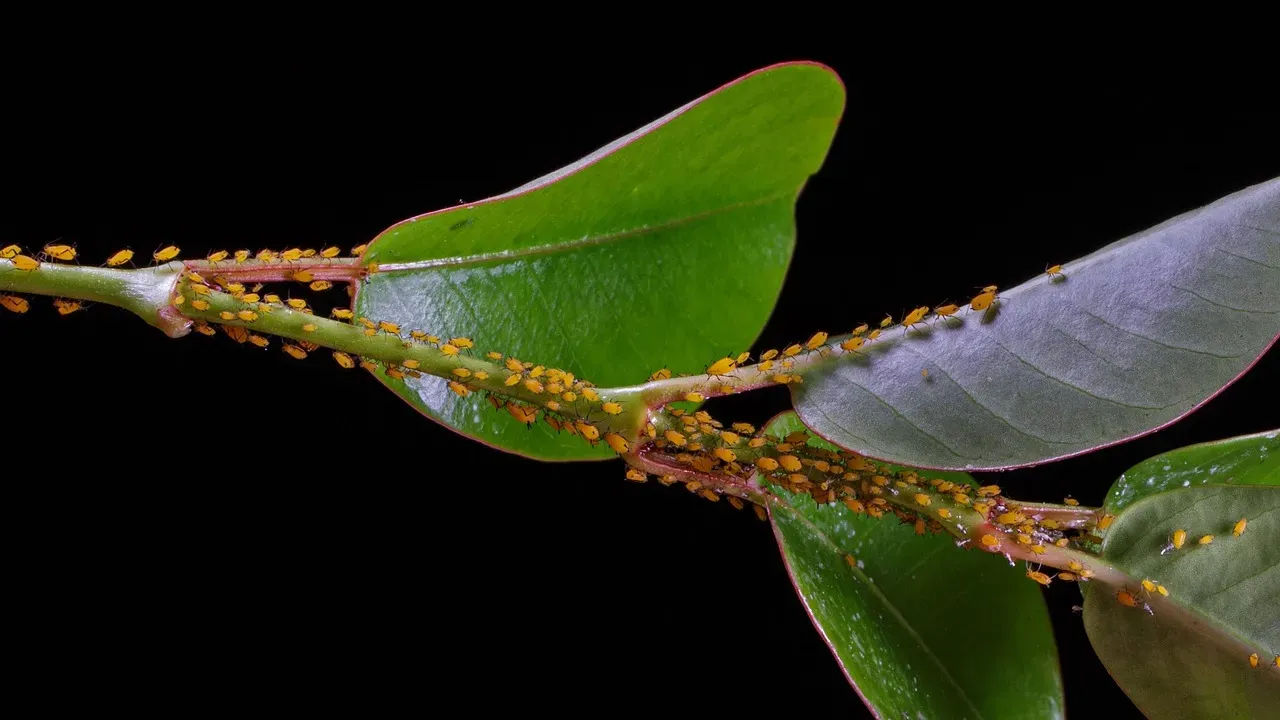
One mouse doesn’t stay one mouse for long. Pests reproduce at rates that would make your head spin. A single pair of mice can produce dozens of offspring in just months. Cockroaches? They can lay egg cases that hatch into dozens more roaches every few weeks. Bed bugs double their population rapidly when left untreated.
Delaying professional pest control doesn’t just give pests time to reproduce – it gives them time to establish satellite nests, contaminate food supplies, and damage your home’s structure. By the time most homeowners call in help, it’s not because of a few ants or roaches – it’s because the problem has spiraled. That’s when treatment becomes more invasive, more expensive, and more disruptive.
These real incidents show just how fast pests can take over and how costly infestations can become when they go unnoticed. It’s hard to say for sure, but I’d guess most people don’t realize how quickly a small problem becomes a structural nightmare. Termites, for instance, work 24 hours a day eating through wood. Wood-destroying insects alone generate an estimated $11 billion in prevention and repair costs across the U.S. every year.
Because they multiply rapidly, a small problem can turn into a major infestation in just weeks. By delaying treatment, you’re basically giving pests a head start. And the longer they’re active, the more damage they cause, the more expensive the solution becomes.
This isn’t just about inconvenience. Ignoring pest control can cost you thousands in repairs, health expenses, and reduced property value. That’s money you could have saved if you’d acted early.
Ignoring the Root Cause of the Infestation
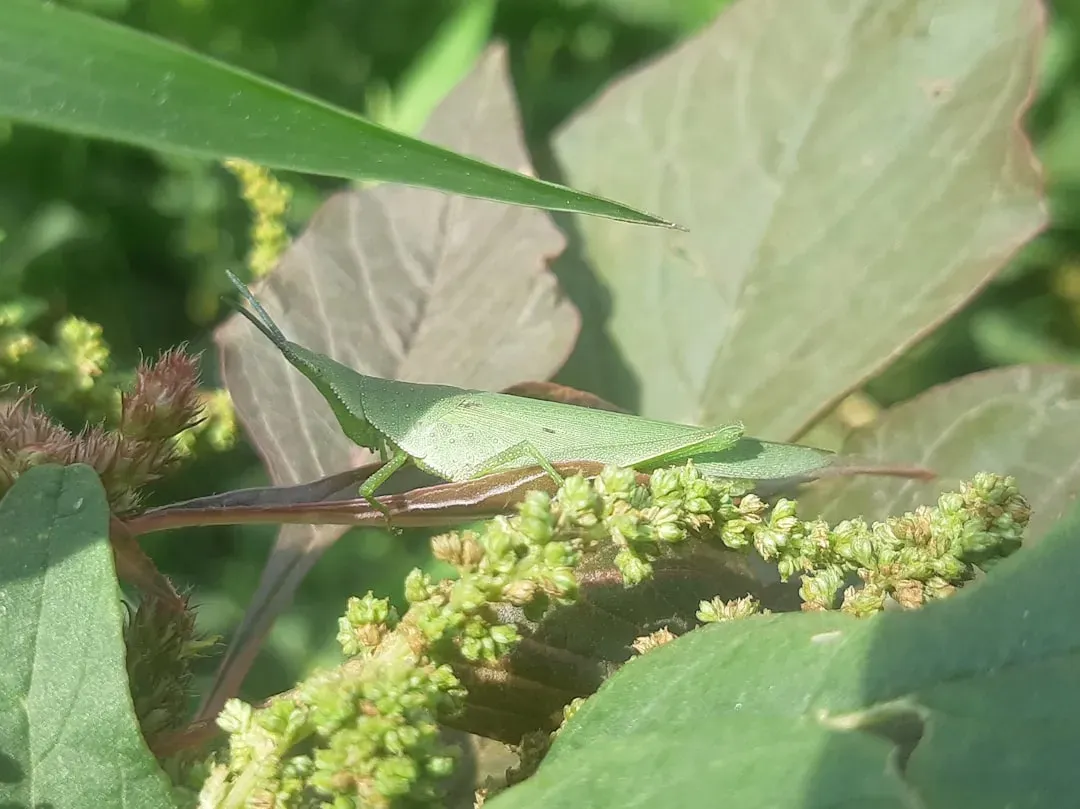
A common mistake in pest management is focusing solely on eliminating visible pests without addressing the underlying causes of the infestation. If a homeowner discovers a mouse problem but fails to identify and seal entry points or eliminate food sources, they are likely to face recurring issues. Pests are often attracted to specific conditions within a home, such as standing water, cluttered spaces, or easy access to food.
You can kill every roach you see, but if there’s a leaky pipe under your sink creating moisture or crumbs left out every night, new roaches will keep showing up. Same goes for rodents sneaking through gaps in your foundation or bats finding their way into attic vents. Treating symptoms without fixing the cause guarantees you’ll be dealing with this again soon.
Addressing the root cause requires a comprehensive approach that includes not only pest elimination but also habitat modification. For example, ensuring that food is stored in airtight containers, maintaining cleanliness in kitchens and dining areas, and repairing leaks can significantly reduce the likelihood of attracting pests. Professionals don’t just spray and leave. They inspect, identify entry points, recommend repairs, and create a prevention plan.
When DIY pest control fails, the hidden costs can be substantial. You might need to purchase additional products, spend more weekends dealing with the problem, or ultimately call professionals anyway – often when the infestation is worse and more expensive to treat. It’s frustrating, wasteful, and completely avoidable.
Homeowners who skip this step end up in a cycle. Treat the pests, they come back, treat again, they come back again. Such oversights can create a recurring cycle of infestations, making pest management an ongoing and costly endeavor instead of a one-time solution. Breaking that cycle requires understanding what’s drawing pests in the first place.
The True Financial Cost of Delayed Professional Treatment
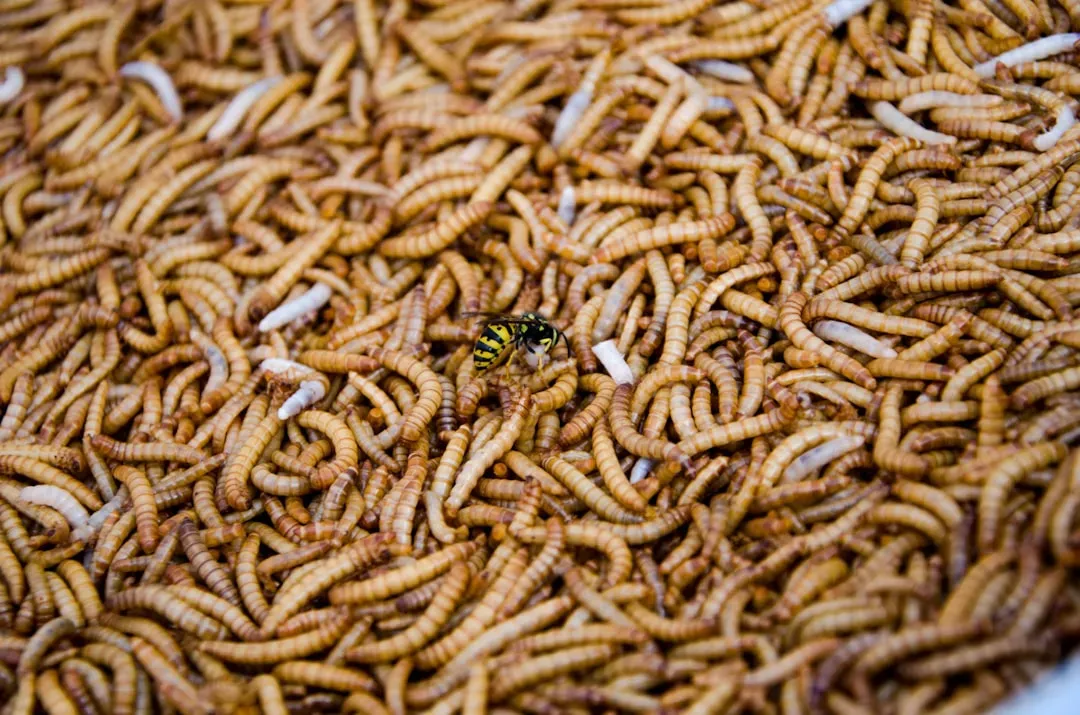
Let’s talk numbers. The average pest control service costs in 2026 is around $187, though it can range from $93 to up to $561. That’s for a standard treatment. Now compare that to the cost of letting an infestation fester.
Termites alone can cause $3,000 to $10,000 in damages. Bed bugs can cost homeowners thousands of dollars in damage each year. Bed bug exterminator costs vary based on the severity of the infestation, treatment type, and home size. Expect to pay $1,500–$5,000 for the entire home. And that’s just treatment, not including furniture you might need to throw out, time off work, or the mental toll.
Perhaps the most significant hidden cost of DIY pest control comes from property damage that occurs while ineffective treatments allow infestations to expand. Subterranean termites can cause thousands of dollars in structural damage during the months homeowners spend attempting DIY solutions. While homeowners focus on trapping visible mice or rats, colonies continue reproducing and expanding throughout wall voids and attic spaces. The resulting damage to insulation, wiring, and stored items often exceeds $1,000-3,000 by the time professional intervention becomes necessary.
One of the most common reasons people don’t want to call a professional exterminator is because they are afraid to spend a lot of money. But what if we told you that DIY pest control could actually cost you more in the long run? Imagine buying products every few months or so to temporarily solve your problem. Add in the time you spend driving back and forth to the store, researching products and solutions, and the time it takes to apply the pesticide (and hope it works) – it’s quite a lot of time, money, and energy spent.
The hidden costs of DIY pest control – repeated product purchases, property damage, health risks, and time investment – typically exceed professional service costs within months of beginning treatment attempts. While the initial appeal of saving money drives many homeowners toward DIY solutions, the long-term financial and practical benefits clearly favor professional pest control services. Paying a few hundred dollars upfront beats paying thousands later. Every single time.
Conclusion
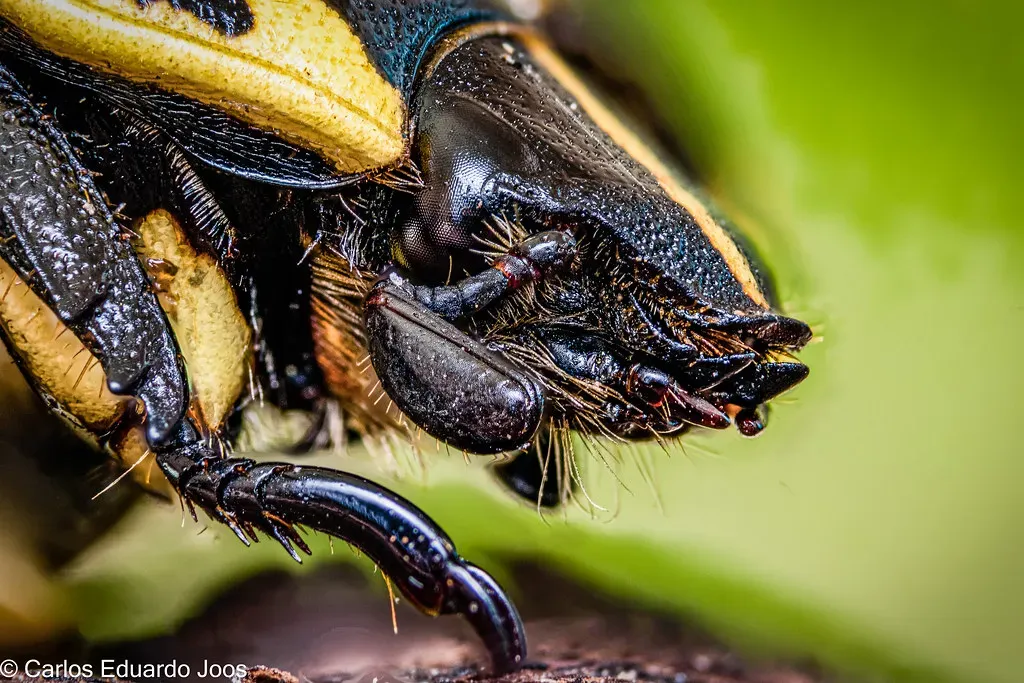
The pest infestation mistake that drains bank accounts isn’t about ignoring pests entirely. It’s about underestimating them, delaying action, and believing you can handle it on your own with store-bought solutions. It’s the choice to treat what you see instead of what’s really happening behind your walls. It’s hoping the problem will just go away if you ignore it long enough.
Pests don’t wait. They multiply, they spread, they cause damage that racks up repair bills faster than you’d think. What could have been a couple hundred dollars in professional treatment turns into thousands in structural repairs, furniture replacement, and repeated failed attempts at DIY fixes. The smartest financial decision you can make when you spot the first signs of an infestation is to call a professional immediately.
Your home is your biggest investment. Protect it before a small pest problem becomes a catastrophic money pit. What would you have guessed it would really cost to ignore those early warning signs?

- 9 Touching Stories of Animal Loyalty That Redefine Family Bonds - July 25, 2026
- 8 Unique Dog Breeds That Are Perfect for Older Owners - July 25, 2026
- The Way You Pet Your Dog Can Make All the Difference to Their Comfort - July 25, 2026