
Most plant owners don’t set out to create a pest paradise on their windowsill. Yet with the right mix of indoor warmth, moisture, and a few overlooked care habits, that’s exactly what can happen. Pests don’t show up randomly. They respond to conditions, and your houseplants may be quietly broadcasting an open invitation.
Pests often thrive indoors due to stable temperatures, the lack of natural predators, and care practices like overwatering, poor air circulation, and excessive fertilization that increase plants’ vulnerability to infestations. The tricky part is that many of these signals are subtle and easy to dismiss as normal plant behavior. Knowing what to look for makes all the difference.
Your Soil Is Staying Wet for Too Long
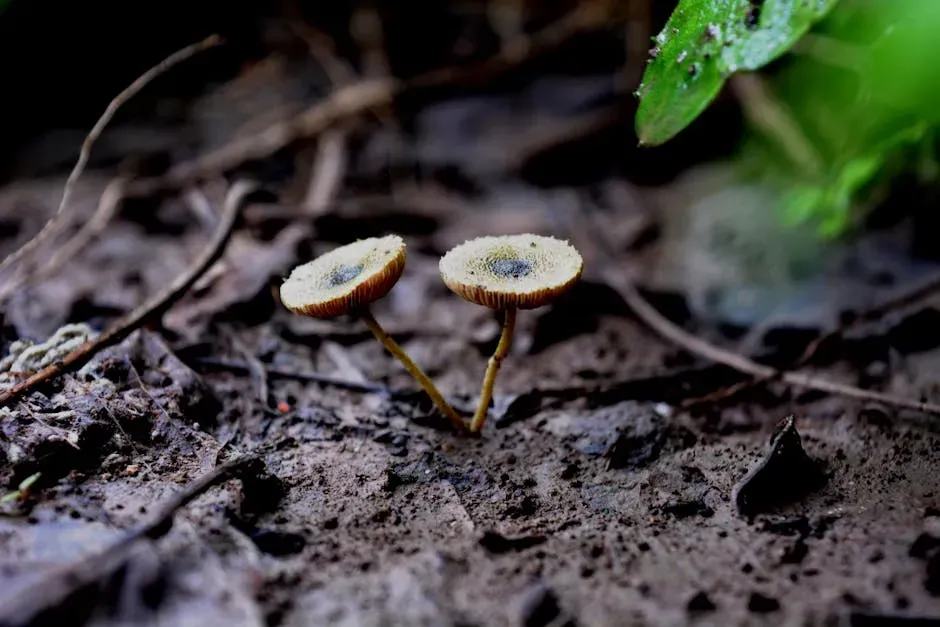
Of all the conditions that draw pests indoors, persistently damp soil sits at the top of the list. Overwatering is the leading culprit in attracting fungus gnats, creating a damp environment that supports both their eggs and their favorite food sources: fungus and decaying organic material in the soil.
Fungus gnat larvae thrive in damp conditions for two reasons. Moist soil is the perfect environment for the adults to lay their eggs, and for the larvae to hatch and develop without drying out. The infestation can build surprisingly fast.
Because of their relatively short life cycle, approximately 12 days for some species, fungus gnats can seem to suddenly appear from nowhere in great numbers. What starts as one or two small flies circling a pot can become a full-blown infestation within weeks.
For the majority of houseplants, water when the soil is dry to the touch to a depth of about one knuckle. Some plants may need more or less frequent watering, but this is a good rule of thumb to start with. Be aware that plants’ watering needs change over time, so watering on a strict schedule can actually cause problems like fungus gnats.
Dead Leaves and Debris Are Piling Up in the Pot
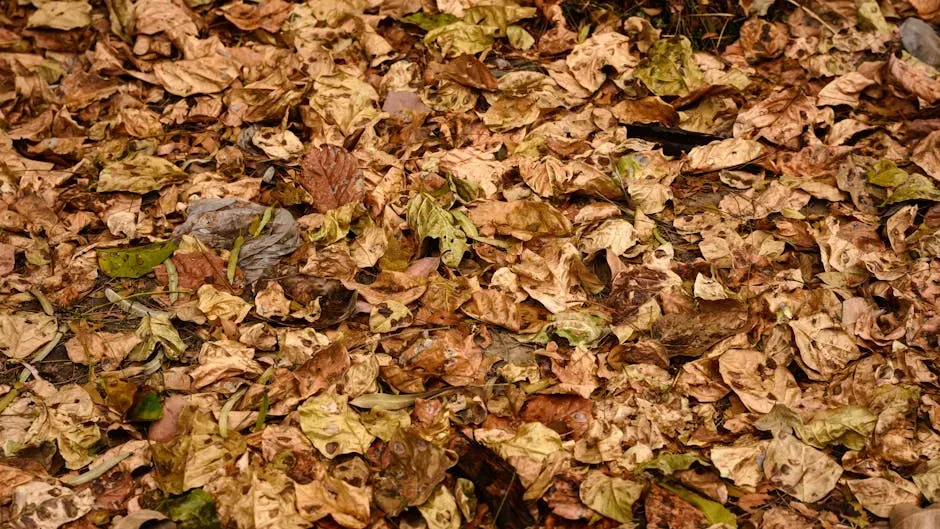
It’s easy to let fallen leaves sit where they land, especially when they blend into the surface of the soil. The problem is that decaying organic matter is one of the most reliable pest attractants an indoor plant can have.
Dead leaves and organic matter that accumulate on the soil surface can attract insects like fungus gnats and other pests. The same holds for old flower heads, shed bark, and any other plant material that gets left behind.
Damp leaves lying on the soil are an ideal breeding environment for pests. Combined with moisture from regular watering, this creates a layer that’s almost tailor-made for egg-laying insects.
Keeping the soil surface free of dead leaves, stems, and flowers is one of the simplest preventive steps a plant owner can take. It takes less than a minute per plant and removes a key resource that pests rely on to establish themselves.
Your Plants Are Packed Too Closely Together
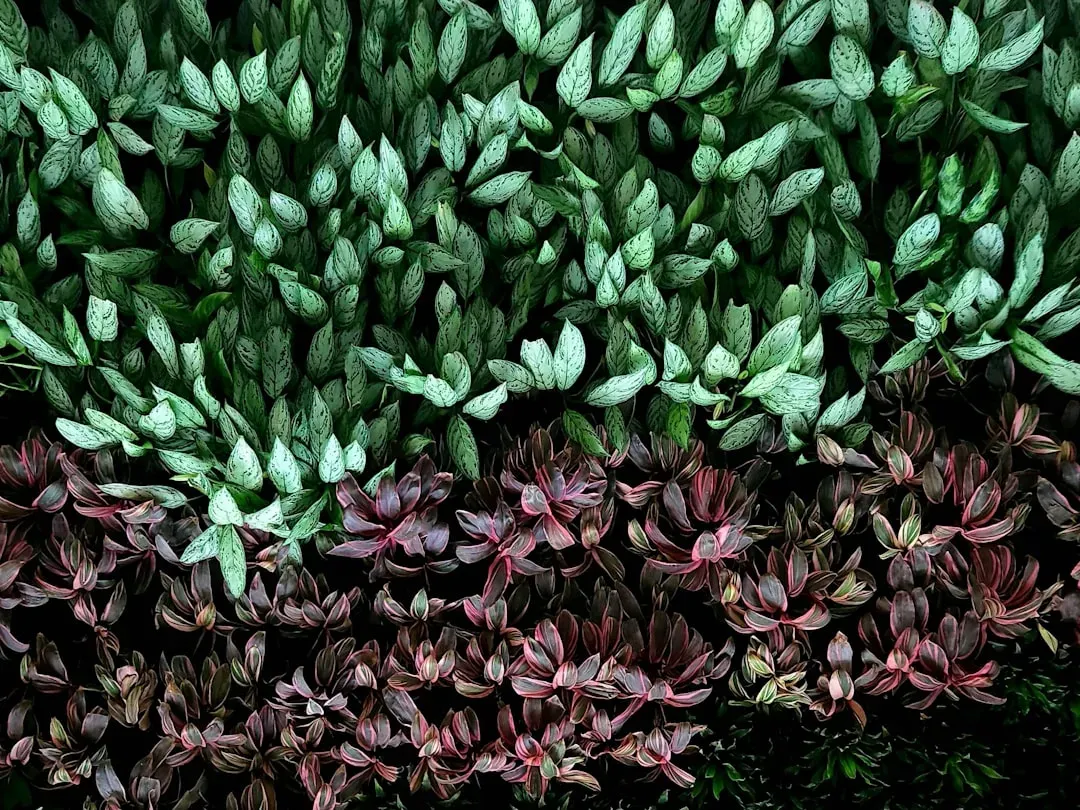
A tightly grouped plant shelf looks beautiful, but it can quietly become a problem. When pots are arranged so that leaves touch or nearly touch, you’ve made it very easy for insects to travel between plants without any effort at all.
Poor air circulation can lead to an increase of fungal diseases in an overcrowded setting. Pests, including aphids and mites, can also more easily move between plants if they are spaced so closely that they touch.
Appropriate plant spacing can help. When too crowded, airflow to each plant decreases, increasing the chance of mildew production and infestations. Pests can spread more easily in close proximity to other plants.
Overcrowded plants compete for resources, develop weaker stems, and are more susceptible to disease and pests. Even indoor container plants need enough space between pots for air to circulate and light to reach lower leaves. Giving each plant a little breathing room is a genuinely effective, low-effort way to reduce infestation risk.
You Notice a Sticky or Shiny Residue on Leaves
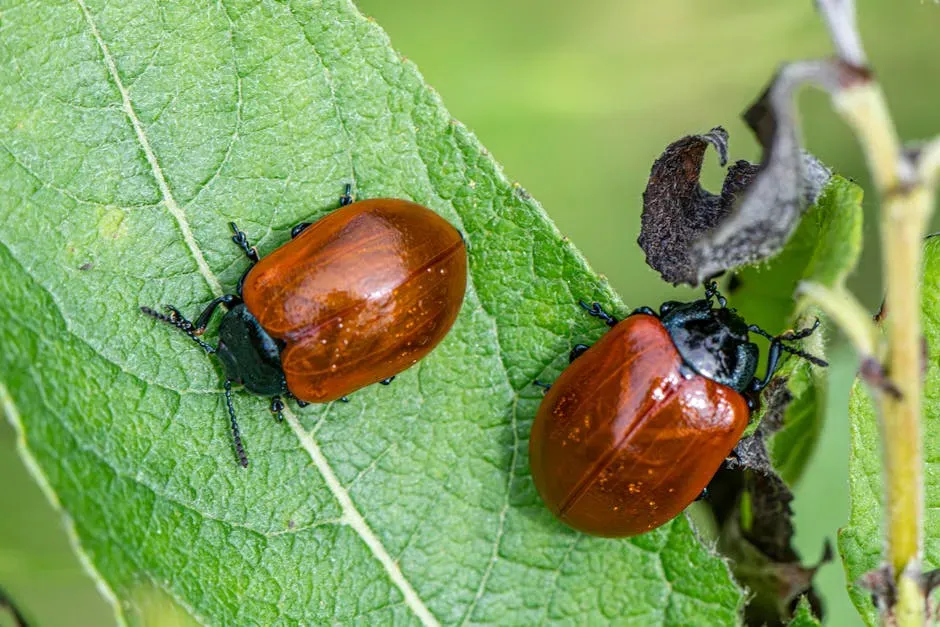
If you run a finger across a leaf and it feels tacky, that’s not just dirt or water residue. That sticky film is likely honeydew, a substance secreted by several common pest species.
You may not see the insects afflicting your houseplants, but honeydew, a clear sticky excrement, is often seen. Aphids, whitefly, mealybugs, and scale secrete honeydew when feeding. Honeydew is shiny and sticky and is a medium for sooty mold growth, which will inhibit photosynthesis.
This sticky substance left by aphids, mealybugs, and scale insects can attract ants and lead to sooty mold growth. So if you’re suddenly noticing ants visiting a plant that never attracted them before, a pest problem may already be underway beneath your notice.
Aphids are small, soft-bodied insects that are often green, brown, or reddish in color. They typically cluster on growing points, underneath leaves, along stems, and on flower buds. They have sucking mouthparts and produce honeydew which makes lower leaves, tables, and floors sticky, and over time, the sticky deposits turn black with sooty mold. Catching this early, before the mold develops, gives you the best chance of a clean recovery.
Your Plant Is Stressed from Poor Light or Wrong Conditions
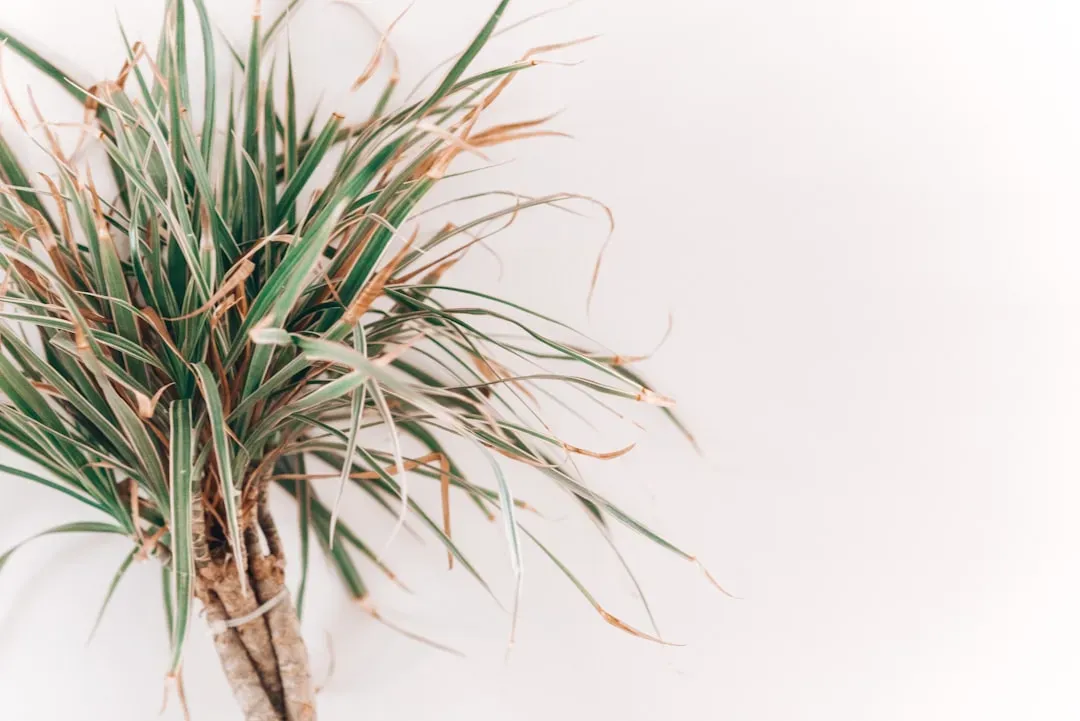
A struggling plant is a vulnerable plant. Most houseplants prefer bright, warm, and humid climates like their native lands. Living in a less than ideal environment is a significant stress on a plant, and a stressed plant tends to be weaker and more susceptible to pests.
Plants cannot fight off pests when they are struggling to grow in too little light, overly wet or dry soil, or air temperatures that are too hot or too cold. Essentially, the same care problems that make a plant look unhealthy also make it far more attractive to insects and mites looking for a host.
Many interior plants are tropical or subtropical in origin and undergo stress when placed in locations where light, temperature, or humidity is not optimal. Plants become more susceptible to insects, diseases, and other types of problems in less than ideal growing environments. Because interior conditions may be more suitable for various pests, they can easily multiply and quickly spread from one plant to another.
Spider mites are a particularly useful indicator here. Spider mites prefer hot, dry conditions with low relative humidity. Dusty environmental conditions can contribute to the success of a population, and water-stressed plants can attract spider mites. If your plant looks parched and neglected, it may already be on a mite’s radar.
You Skipped Quarantine for New Plants
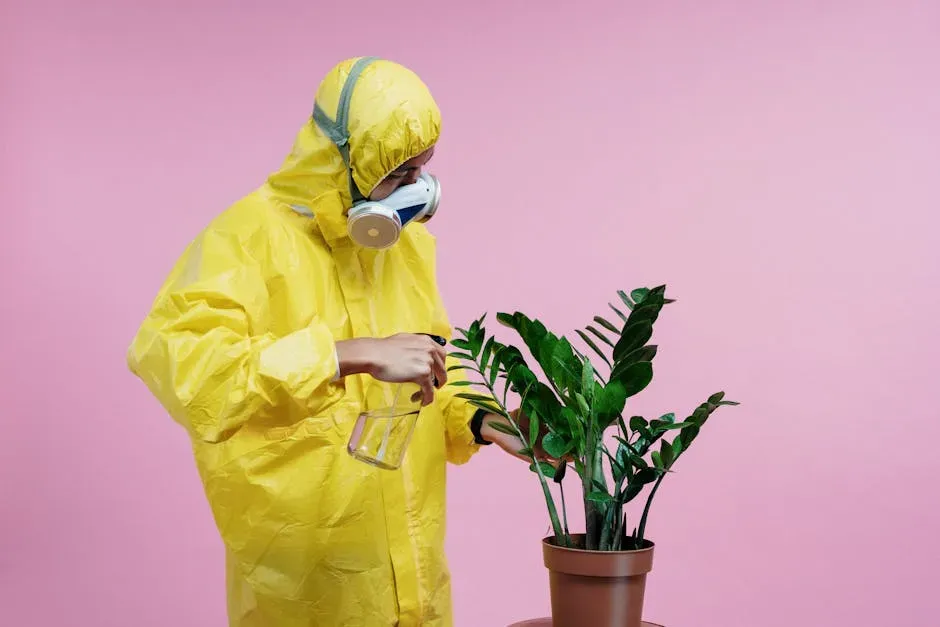
Bringing home a new plant is one of the most common ways pests enter a home. It’s an easy mistake to make, since a plant can look completely healthy on a garden center shelf while still harboring eggs or early-stage larvae in its soil or tucked into leaf joints.
Infestations of insects including scale, mealybugs, and whiteflies are almost always established from infested plants recently purchased or received as gifts. As a precaution, new plants should be placed in quarantine in a separate area of the household for at least three weeks.
Gnats can enter your home in a number of ways, but often eggs are already laid in the soil of a new plant you’re bringing home. Once they’re present in your house, they can multiply and wreak havoc very quickly, which is why it’s important to catch them early and take preventative measures.
Before buying or bringing a plant indoors, always check it and its container for signs of pests. A plant that has been outside for the summer, especially one sitting on the ground, may have pests that have crawled in through the drainage holes. A quick inspection before you set it down next to your other plants is a habit worth building.
What to Do When You Spot the Warning Signs
Recognizing these signs early is the real advantage. The best way to control insects and related pests on houseplants is through prevention, as it is almost always easier to prevent a pest infestation than to eliminate one. Still, if an infestation is already underway, acting quickly limits how far it spreads.
Isolating any infested plants prevents pests from spreading to other houseplants. From there, adjusting watering habits, removing debris, improving air circulation, and using targeted treatments like insecticidal soap or neem oil can address most common infestations without resorting to harsh chemicals.
Recognizing the signs of pest presence early, such as discoloration, stunted growth, or visible insects on the plant, allows for more effective and less harmful control methods. The plants themselves are usually resilient enough to recover, provided the underlying conditions are corrected alongside any treatment.
Ultimately, pest-free houseplants are less about luck and more about attention. Healthy soil, clean pots, adequate spacing, and a careful eye when bringing new plants home do most of the heavy lifting. The pests are opportunists. Give them fewer opportunities, and they’ll mostly look elsewhere.

- 10 Dog Breeds That Are Surprisingly Good Apartment Dwellers - June 17, 2026
- The World’s Rainforests Teem With Undiscovered Species Waiting to Be Found - June 17, 2026
- 7 Surprising Benefits of Having a Cat in Your Home - June 17, 2026