

Worried about unexpected vet bills?
Pet insurance can cover thousands in unexpected vet costs. Get a free quote from Lemonade in under 2 minutes.
Get My Free Quote →Sponsored · Opens Lemonade.com
There’s a soft ache that comes with watching your dog move a little slower, or noticing your cat sleeping more than usual. That realization your beloved companion is growing older can feel overwhelming. Yet here’s the thing: aging doesn’t have to mean suffering or declining quality of life.
Pets are living longer now than they ever have before. With thoughtful care and a few intentional adjustments, you can dramatically improve not just the length, but the richness of your senior pet’s golden years. Let’s explore some practical, evidence-based steps that truly make a difference.
Schedule Twice-Yearly Vet Visits
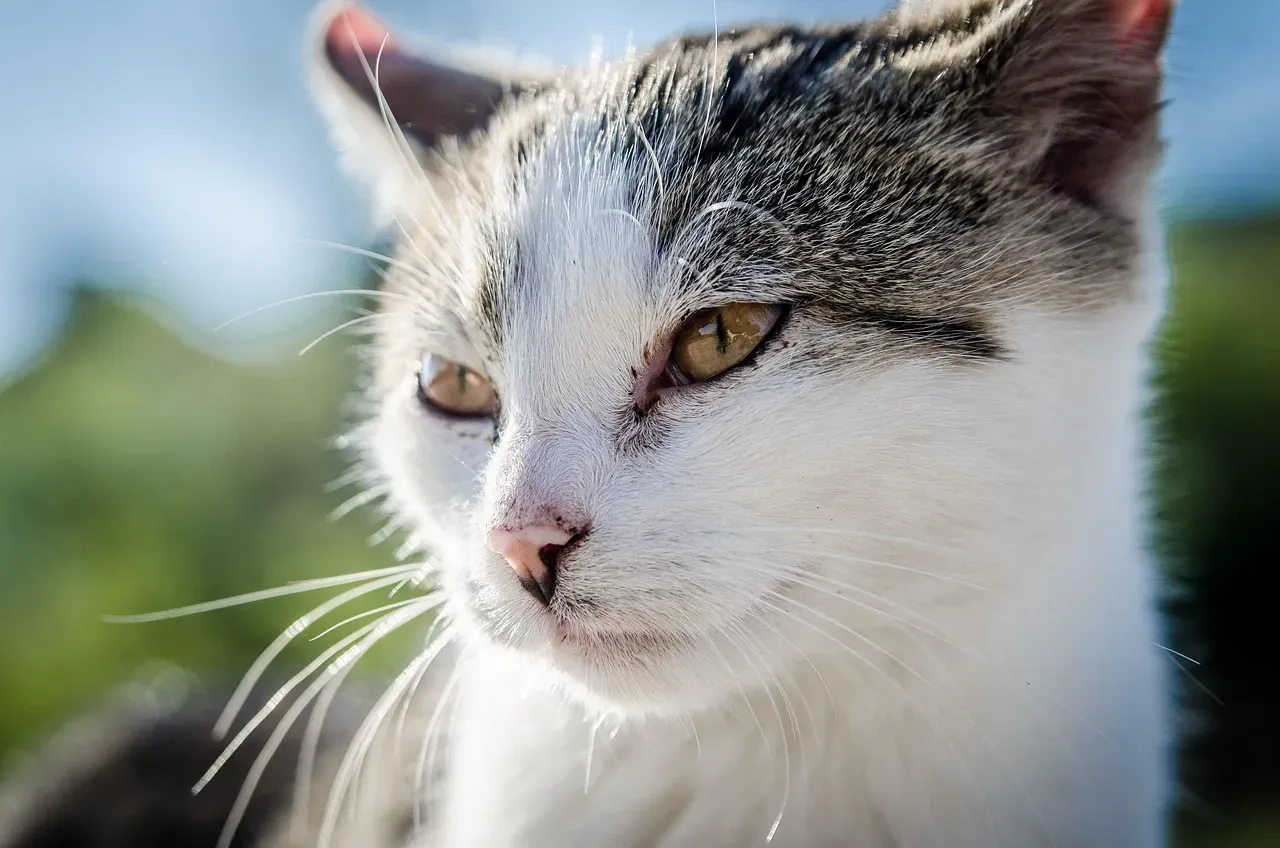
If you’ve been taking your pet for annual checkups, it’s time to double that frequency once they hit their senior years. Senior pets – dogs older than 7 years and cats older than 10 – should be examined by their veterinarian every six months. This isn’t overkill or unnecessary spending. Think about it this way: pets age much faster than we do, and a lot can change in six months for an older animal.
Regular veterinary examinations can detect problems in older pets, before those problems become serious or life-threatening, which can lead to a longer, healthier life for your pet. During these visits, your vet will monitor everything from weight changes to dental health, organ function, and mobility. Early detection often means the difference between managing a condition successfully and facing a crisis later.
Keep Your Pet at a Healthy Weight
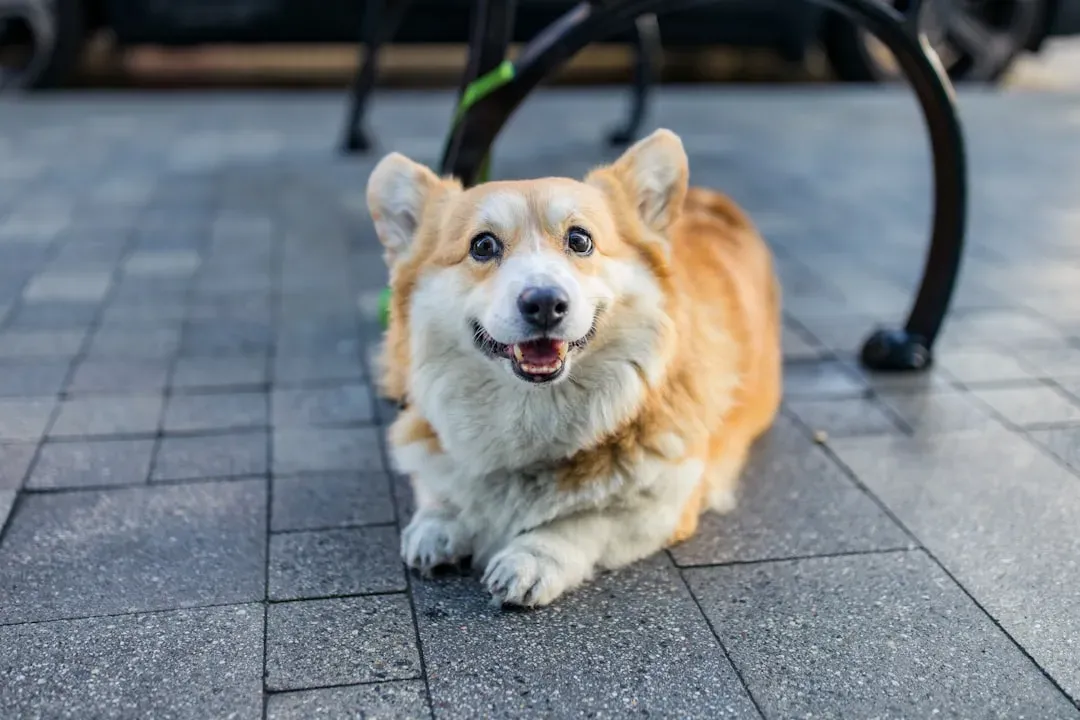
Let’s be real: those pleading eyes at dinnertime can be hard to resist. Yet maintaining a healthy weight might be the single most impactful thing you can do for your aging pet. Research has shown that overweight dogs live an average of 2.5 years less than dogs at an ideal body weight. That’s not just months. That’s potentially years of companionship lost to extra treats and table scraps.
As pets get older and slow down, their metabolism is going to slow down as well. Unfortunately, weight gain can be hard on senior pets. The added pounds put extra strain on already aging joints, increase inflammation throughout the body, and raise the risk of diabetes and heart disease. Working with your vet to adjust portions and switch to senior-specific food can help your pet maintain that ideal body condition.
Make Your Home Senior-Friendly
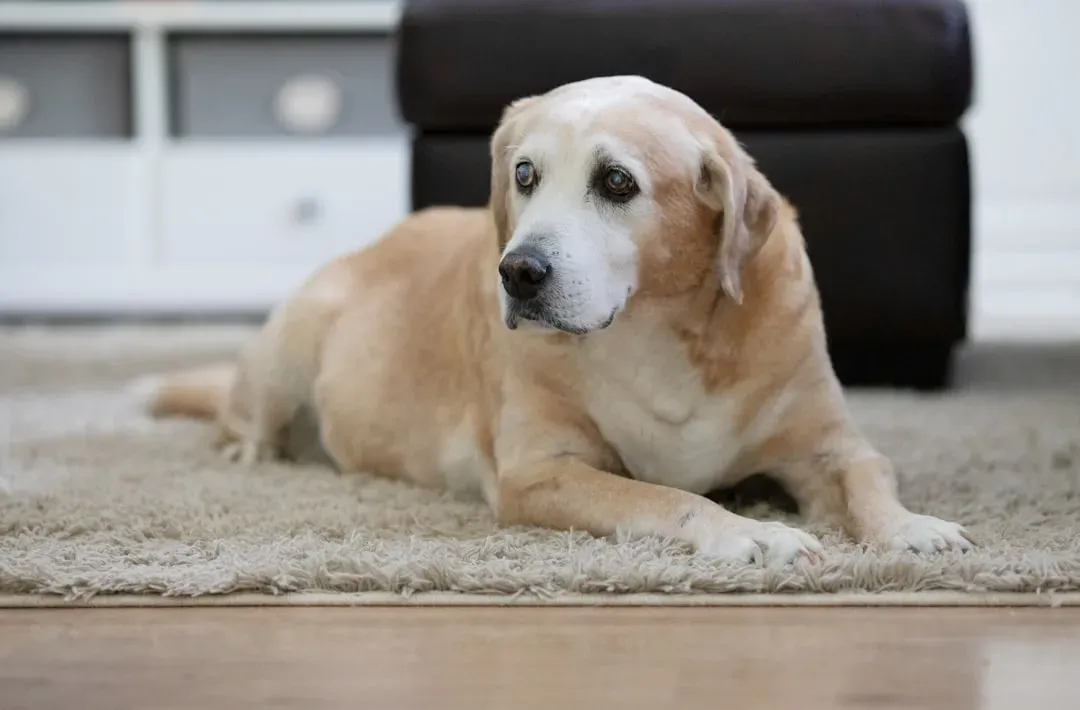
Imagine trying to navigate slippery floors with arthritic knees, or climbing stairs when every step hurts. That’s the daily reality for many older pets. Small environmental changes can dramatically improve their comfort and confidence. Simple recommendations – elevated food bowls, ramps, yoga mats or carpet runners for traction, accessible bedding, lower-sided litter boxes, toe grips, mobility harnesses, and barriers around stairs or pools – can significantly enhance quality of life.
Make sure they have easy access to the essentials: food and water bowls, litter boxes and pet beds. Use food and water bowls with nonslip bottoms. If your pet loves snuggling on the couch or bed, consider adding pet stairs or a ramp so they don’t have to jump. These adjustments preserve their independence and prevent painful injuries from falls or missteps.
Maintain Gentle, Consistent Exercise
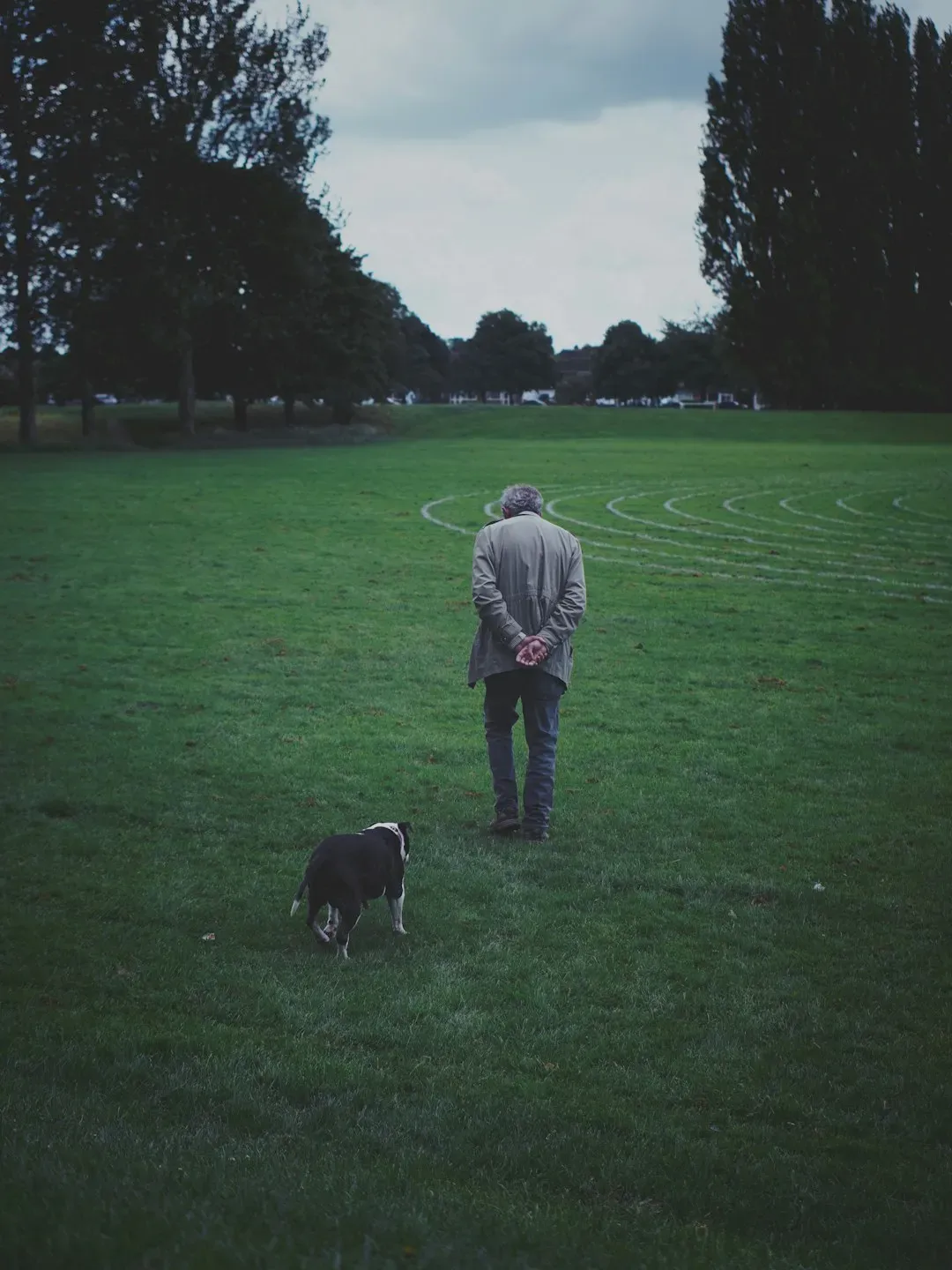
Just because your pet has slowed down doesn’t mean they should stop moving altogether. Exercise can help minimize loss of muscle and strength, decrease weight gain and obesity, and can help with joint pain and stiffness. The key word here is “gentle.” We’re not talking about marathon runs or aggressive fetch sessions anymore.
Short, frequent walks work better than one long outing. Swimming is fantastic for dogs with joint issues since the water supports their weight. Even indoor play sessions, kept brief and positive, help maintain muscle tone and provide mental stimulation. Gentle, regular exercise, such as short walks or light play, helps maintain muscle tone without stressing joints. Pay attention to your pet’s signals. If they’re limping or reluctant, it’s time to rest or adjust the activity level.
Prioritize Dental Care
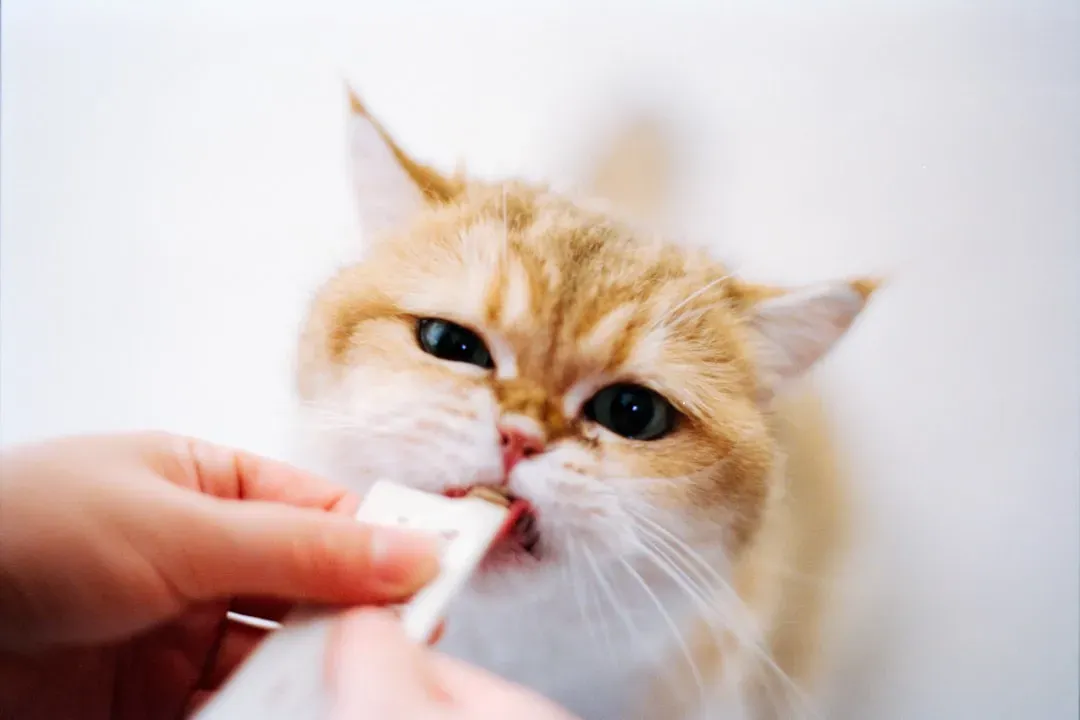
Honestly, dental disease is one of the most overlooked issues in senior pets, yet it’s incredibly common and surprisingly dangerous. Dental disease is incredibly common in senior pets and often goes unnoticed. Bad breath isn’t just unpleasant. It can be a sign of infection, pain, and even bone loss. Left untreated, dental issues can lead to more serious health problems, including heart, liver, and kidney disease. That’s not an exaggeration – bacteria from infected gums enters the bloodstream and damages vital organs.
Regular professional cleanings paired with at-home brushing can make a tremendous difference. Even brushing a few times a week helps. Dental chews and water additives provide additional support. Your senior pet shouldn’t have to live with chronic mouth pain, and proper dental care prevents that suffering while protecting their overall health.
Stimulate Their Mind and Spirit

Cognitive enrichment keeps aging brains active. Puzzle feeders, interactive toys, and short positive-reinforcement training sessions help maintain problem-solving abilities while reducing stress. Mental decline isn’t inevitable, and you can actively fight against it. Even simple changes to routine – a new walking route, a puzzle toy with treats hidden inside, or short training sessions learning a new trick – keep their minds engaged.
Social interaction matters too. Senior pets may seem low maintenance, but they still need positive social interactions with their human families to feel safe and loved. Ensure your senior pet enjoys quality time with loved ones, whether that means sitting quietly with them or playing their favorite game. Your companionship is powerful medicine for an aging pet. Never underestimate how much they still need your attention and affection, even if the nature of your activities together has changed.
Conclusion
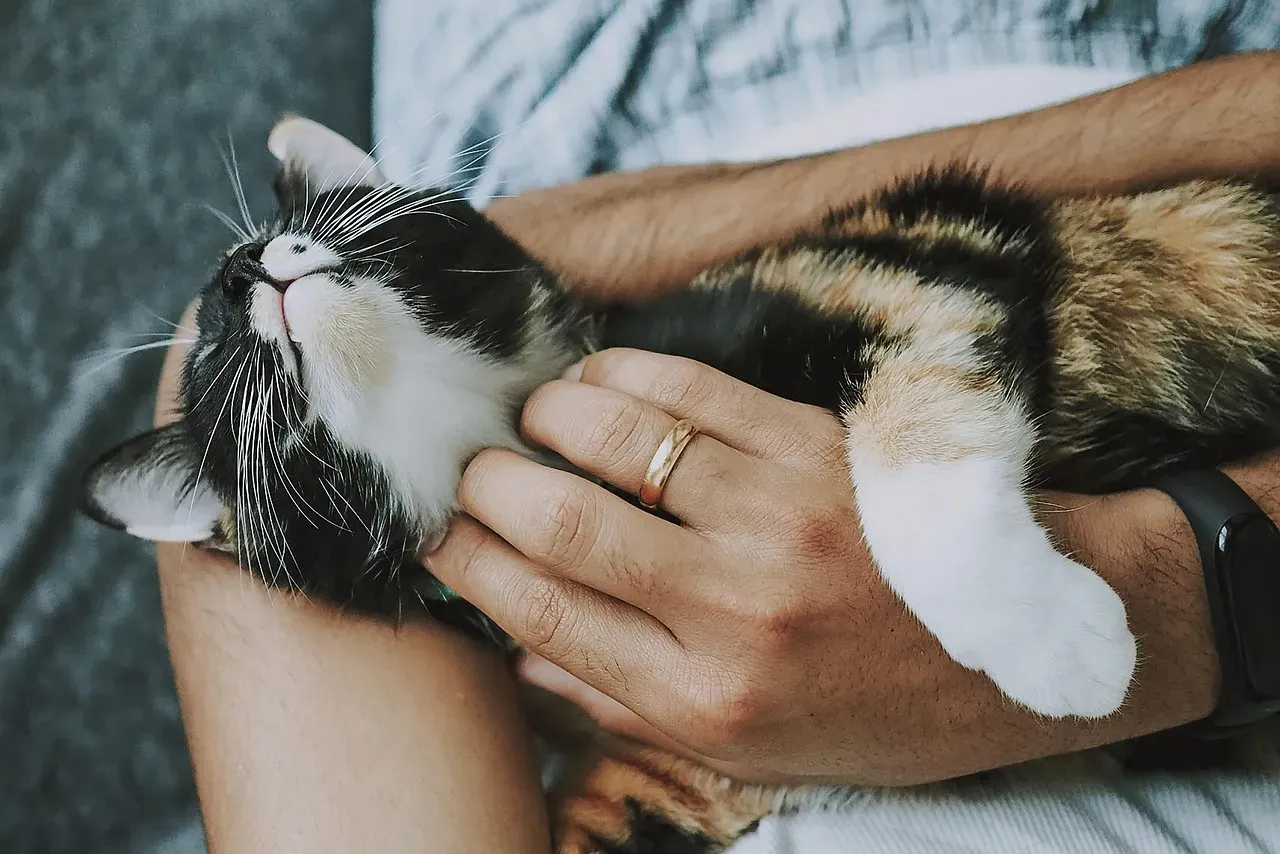
Caring for a senior pet isn’t about stopping the inevitable. It’s about making every remaining day as comfortable, joyful, and pain-free as possible. These six strategies – regular vet visits, weight management, home modifications, gentle exercise, dental care, and mental stimulation – work together to support your aging companion through their golden years with dignity and love.
The efforts you make now will reward you both with more quality time together. Your senior pet has given you years of unconditional love and loyalty. Returning that gift with thoughtful, compassionate care is the least we can do. What small change will you make today to improve your senior pet’s life?
Worried about unexpected vet bills?
Pet insurance can cover thousands in unexpected vet costs. Get a free quote from Lemonade in under 2 minutes.
Get My Free Quote →Sponsored · Opens Lemonade.com
