
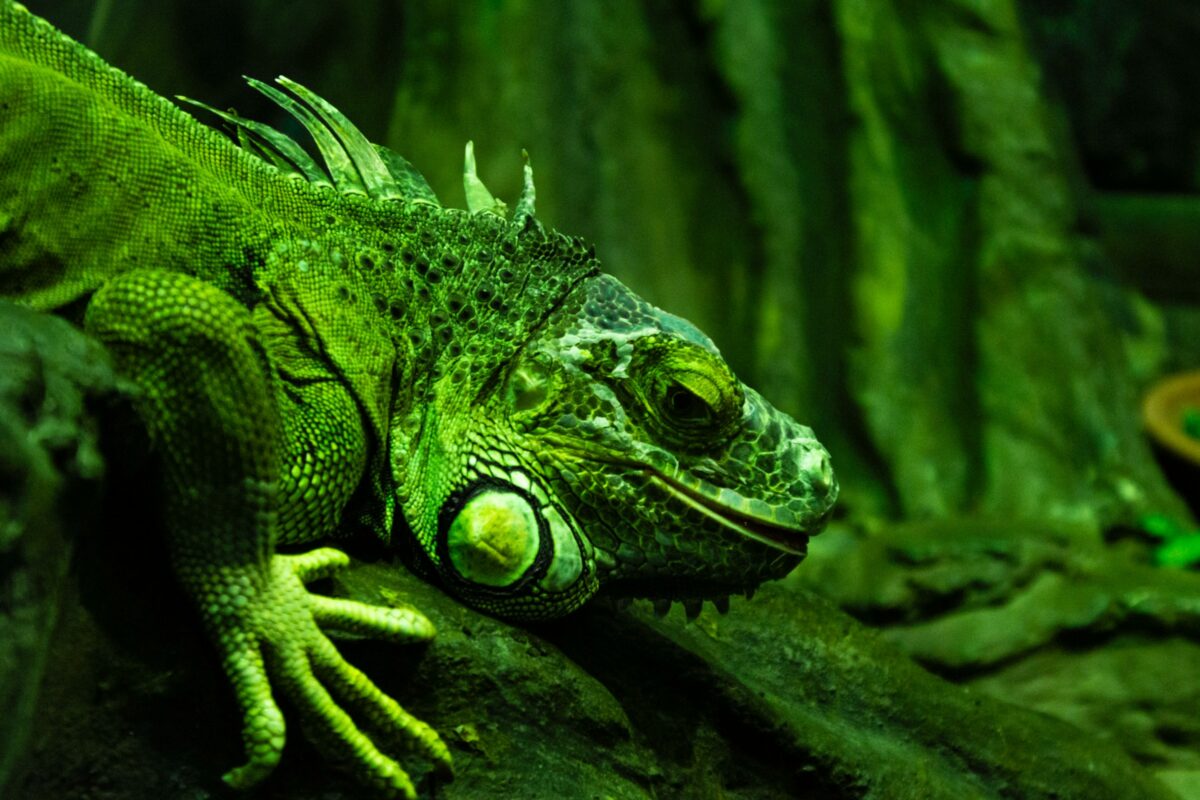
Green iguanas slipped into the American landscape through the pet trade decades ago. What started as colorful backyard curiosities has turned into a persistent headache for homeowners and infrastructure managers in warmer regions.
Their appetite for plants combines with a talent for digging deep burrows. This combination creates headaches that range from ruined flower beds to weakened canal walls and cracked foundations. The story unfolds differently across states, with some places facing far more pressure than others.
6. California
🔥 Would you like to save this?
We'll email this post to you, so you can come back to it later!
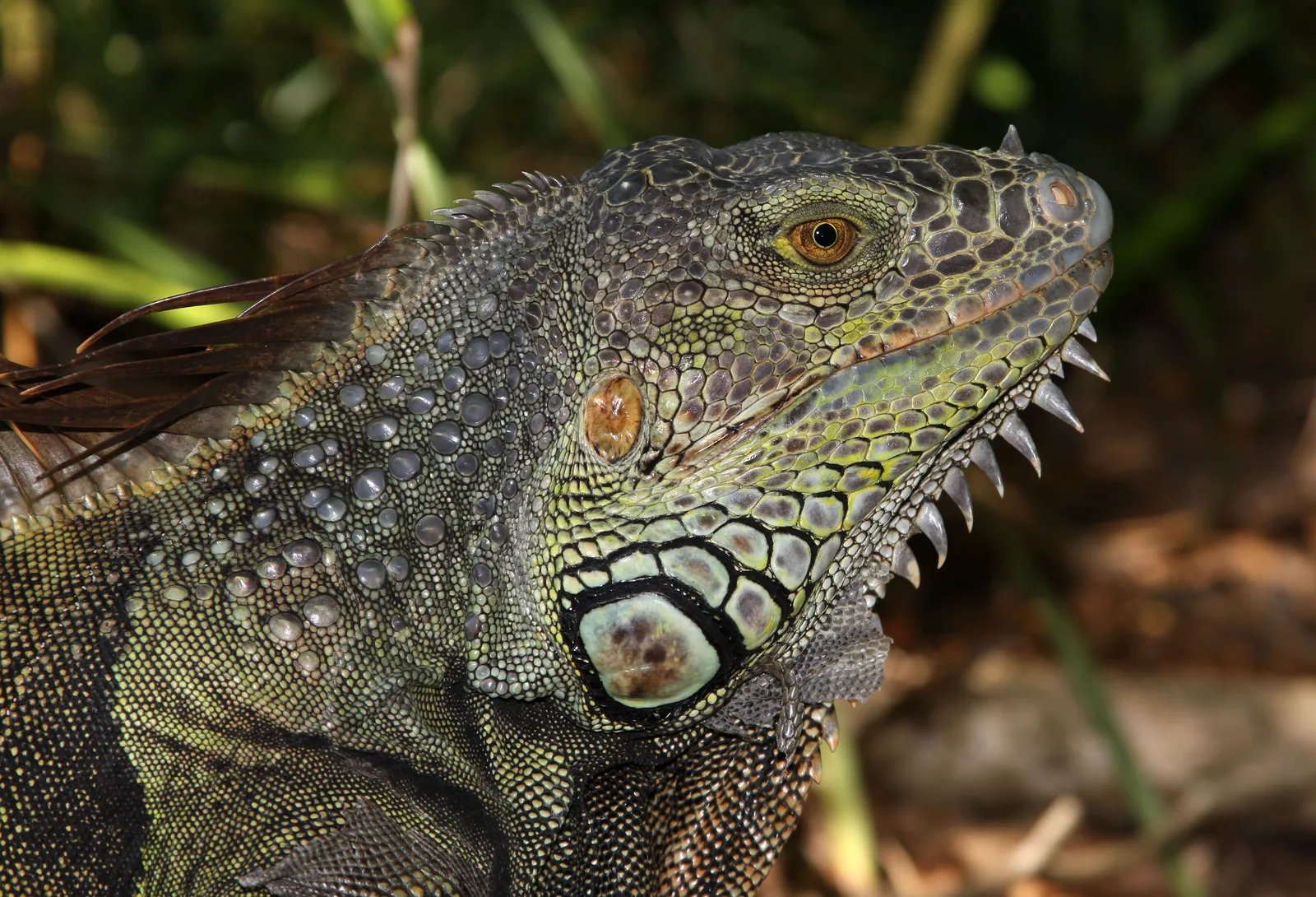
Green iguanas appear in scattered locations across southern California, mostly as escaped or released pets rather than self sustaining populations. Gardeners in coastal areas sometimes report nibbled leaves on hibiscus and other ornamentals, yet the scale remains small compared with more established regions.
Burrowing activity shows up occasionally near residential pools or drainage features, but documented cases of major structural harm stay rare. Cold snaps further limit any northward spread, keeping the overall footprint modest for now.
5. Texas
🔥 Would you like to save this?
We'll email this post to you, so you can come back to it later!
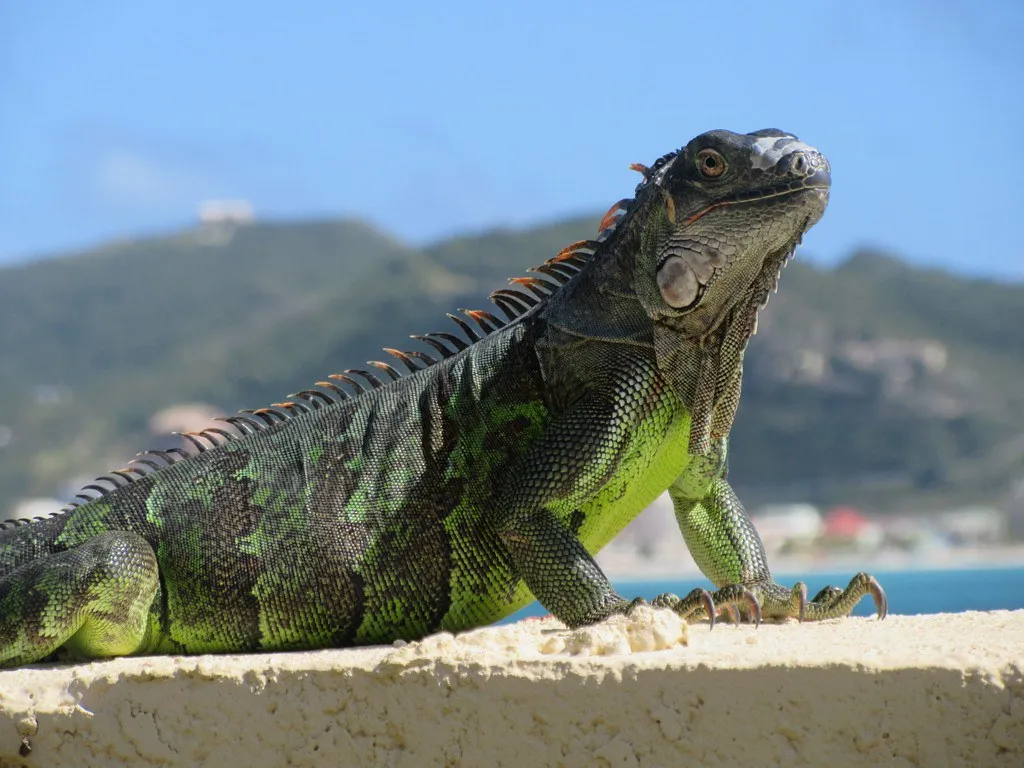
Southern Texas hosts established groups of green iguanas that date back to the 1990s. These lizards favor areas near the Rio Grande where mild winters allow breeding to continue year after year.
Property owners note damage to backyard gardens and occasional undermining of small retaining walls. Canal and levee impacts remain limited because populations have not reached the densities seen farther east, though warmer trends could change that balance over time.
4. Hawaii
🔥 Would you like to save this?
We'll email this post to you, so you can come back to it later!
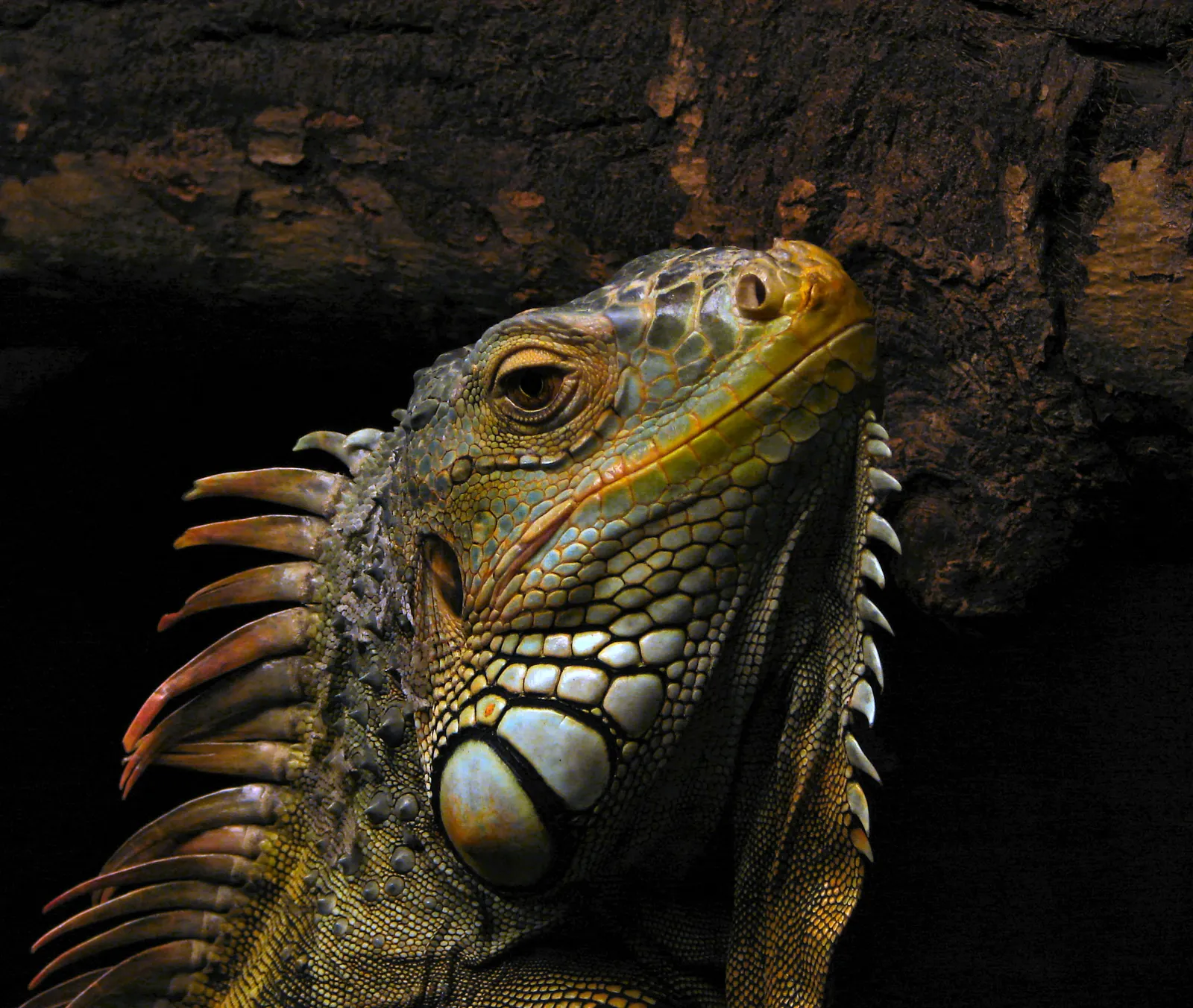
Island environments in Hawaii provide ideal conditions for green iguanas once they escape captivity. Established groups appear on Oahu and a few other islands, where they feed on native and ornamental vegetation alike.
Burrows along stream banks and near residential foundations create localized erosion concerns. The isolated geography slows wider dispersal, yet the animals still generate regular complaints from homeowners dealing with defoliated plants and droppings near water features.
3. Louisiana
🔥 Would you like to save this?
We'll email this post to you, so you can come back to it later!
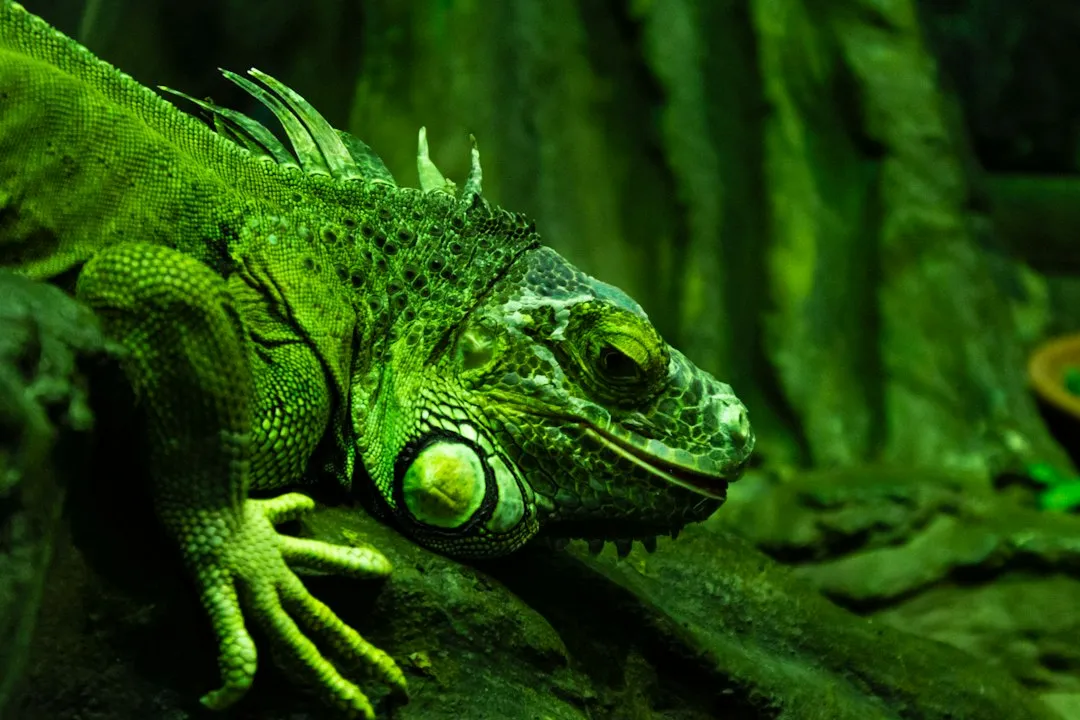
Reports of green iguanas in Louisiana remain scattered and tied mostly to escaped pets. Mild coastal zones offer suitable habitat, and occasional sightings occur near New Orleans and other southern parishes.
Garden damage surfaces in a handful of neighborhoods, while burrowing near drainage ditches has prompted a few infrastructure checks. Populations have not exploded the way they have elsewhere, leaving the state in an early monitoring phase rather than full crisis mode.
2. Georgia
🔥 Would you like to save this?
We'll email this post to you, so you can come back to it later!
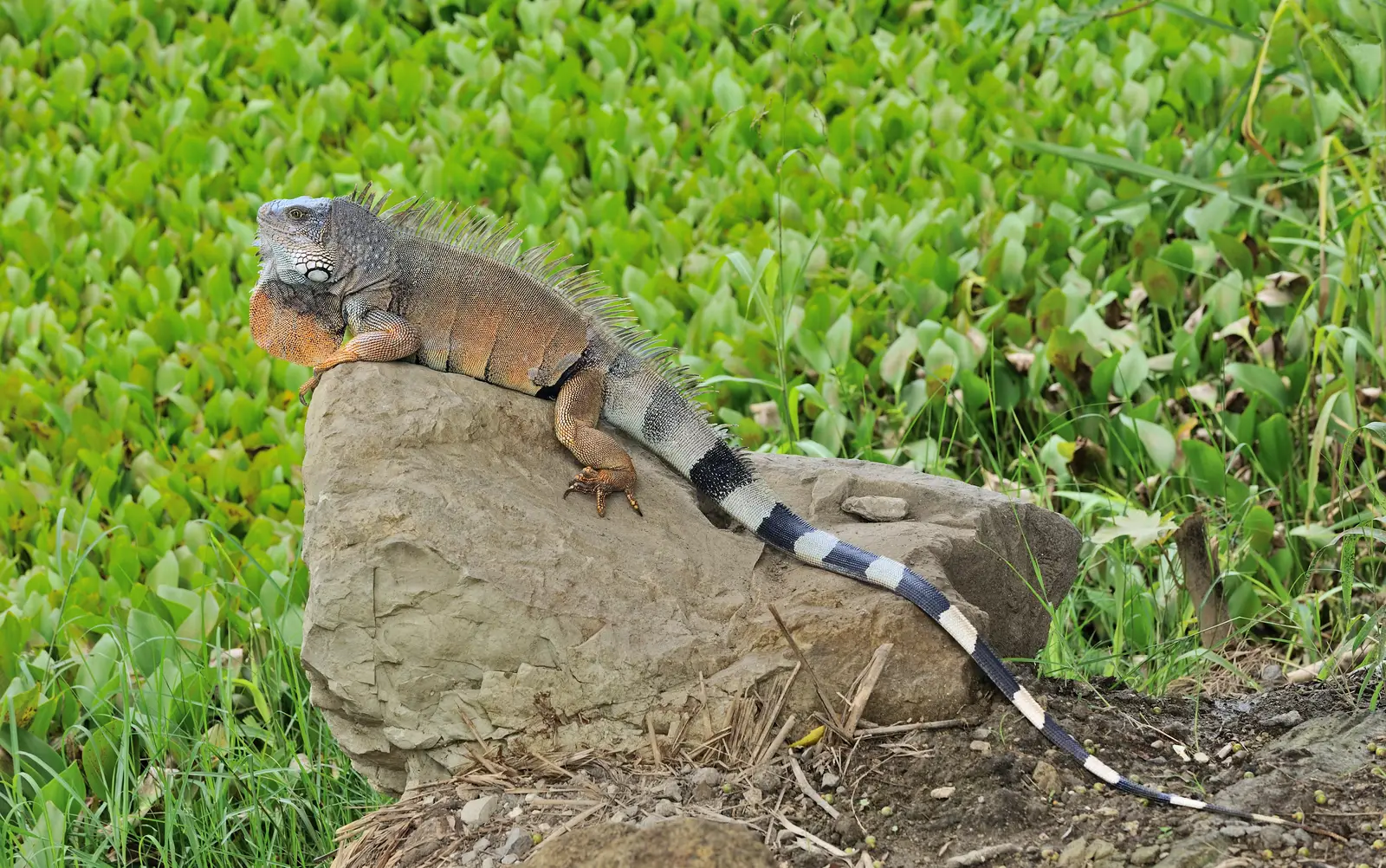
Georgia sees sporadic green iguana observations, concentrated in the warmer southern counties. Most individuals likely stem from releases or escapes, with limited evidence of widespread breeding success so far.
Where they do appear, gardeners report losses to vegetable patches and flowering shrubs. Canal bank or foundation issues stay uncommon, though continued mild winters could allow numbers to build in coming years.
1. Florida
🔥 Would you like to save this?
We'll email this post to you, so you can come back to it later!
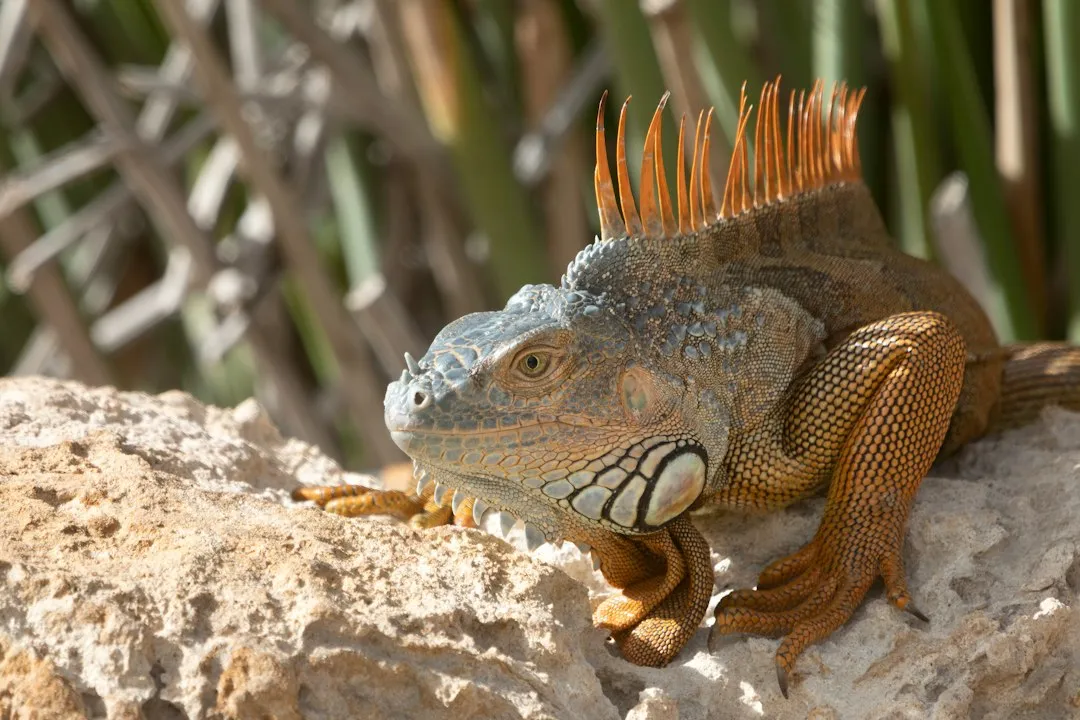
Florida stands as the clear center of the invasive green iguana story in the United States. Populations stretch along both coasts, with the highest concentrations in Miami Dade, Broward, Palm Beach, Monroe, Collier, and Lee counties.
These lizards strip gardens of hibiscus, orchids, and fruit trees in a matter of days when several animals target one yard. Their burrows erode canal banks, undermine seawalls, and crack sidewalks and pool decks, leading to repair bills that reach thousands of dollars per incident in some neighborhoods.
State agencies have spent over a million dollars on removal efforts, and residents can legally remove the animals from private property year round. The extensive canal network acts as a highway that helps the lizards reach new subdivisions quickly.
The Bottom Line
🔥 Would you like to save this?
We'll email this post to you, so you can come back to it later!
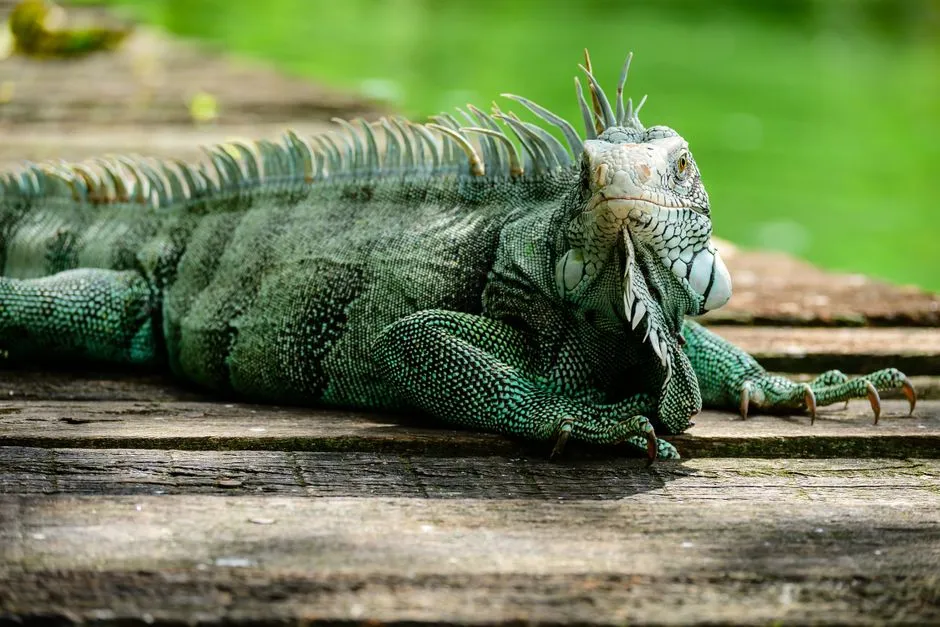
Green iguanas illustrate how a once popular pet can shift from novelty to nuisance when climate and human infrastructure align in their favor. Florida carries the heaviest load, while other states face lighter or emerging pressures that still warrant attention.
Prevention through responsible pet ownership and early removal efforts offers the clearest path forward. As temperatures trend warmer, the map of affected areas may expand, making vigilance in every warm state a practical step rather than an afterthought.

- 7 Everyday Habits That Can Make Your Senior Dog Happier - November 5, 2026
- 10 Enigmatic Structures That Continue to Puzzle Scientists Today - November 5, 2026
- 10 Strange Ruins in the Americas That Challenge What We Know About Early History - November 5, 2026