
Most people notice obvious threats to nature, like pollution or habitat loss, but some of the biggest shifts in American ecosystems happen through animals that arrived quietly and spread without fanfare. These invaders often go overlooked until their effects on native wildlife, water systems, and even local economies become hard to ignore. The changes unfold gradually across forests, rivers, wetlands, and coastlines, reshaping food webs and landscapes in ways that many residents never connect to a single source.
Understanding which species drive these transformations helps highlight why prevention and early action matter more than ever. The following eight stand out for their reach and the subtle yet profound ways they alter environments from the Everglades to the Great Lakes and beyond.
8. Feral Swine
🔥 Would you like to save this?
We'll email this post to you, so you can come back to it later!
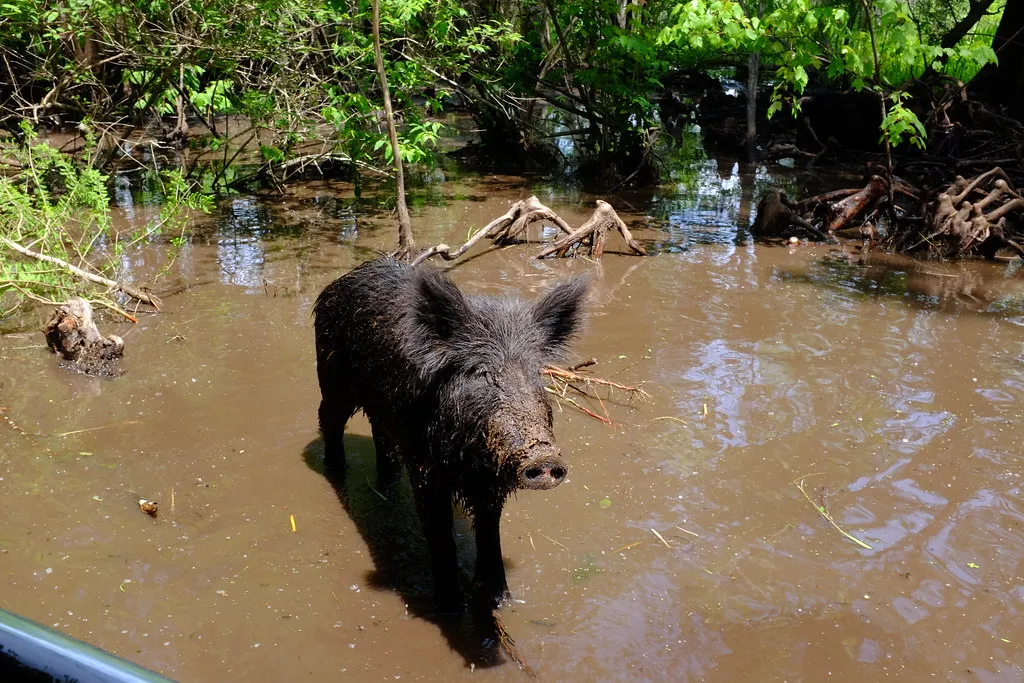
Feral swine, descendants of escaped domestic pigs and Eurasian wild boars, now number in the millions across at least 38 states. They root through soil and vegetation at night, turning over acres of ground in search of food and creating bare patches that invite erosion and invasive plants. This behavior disrupts native plant communities and destroys nesting sites for ground-dwelling birds and amphibians.
Their appetite extends to crops, small mammals, reptiles, and invertebrates, which reduces biodiversity in affected areas. Agricultural losses alone reach billions annually, with additional costs from disease transmission to livestock and wildlife. Because they adapt quickly to new regions and reproduce rapidly, their presence often goes unnoticed until damage accumulates in rural and suburban edges alike.
Control efforts involve trapping and hunting, yet populations continue expanding into new territories. Their rooting also stirs up sediment in waterways, affecting water quality downstream. These pigs function as ecosystem engineers in reverse, leaving altered habitats that favor weeds over native species.
7. Burmese Python
🔥 Would you like to save this?
We'll email this post to you, so you can come back to it later!
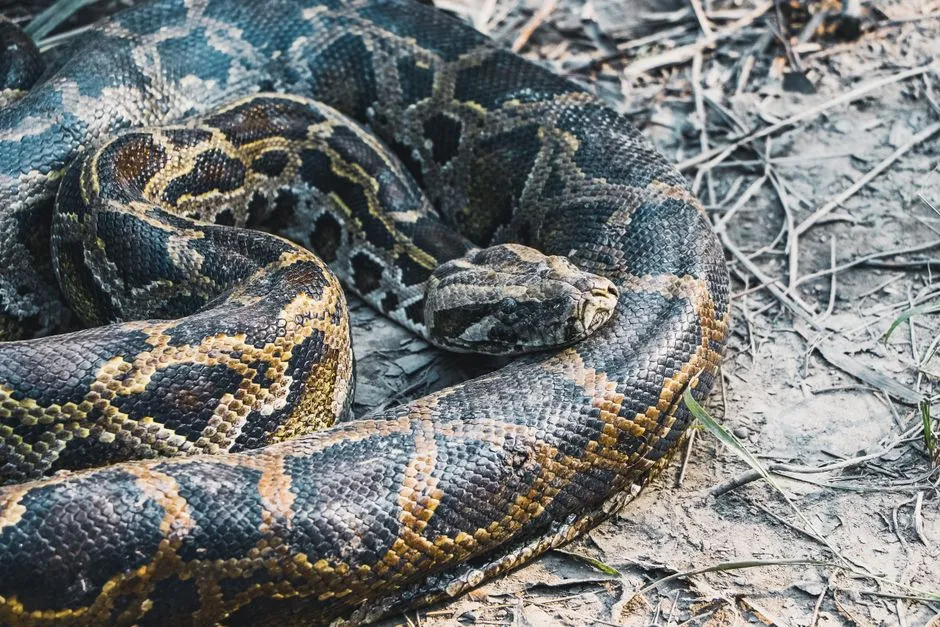
Burmese pythons entered Florida through the pet trade and established breeding populations in the Everglades by the 1980s. These large constrictors now prey on a wide range of native mammals and birds, leading to sharp declines in species such as raccoons, opossums, and bobcats. Road surveys have documented drops exceeding 90 percent for several mammals in python-heavy zones.
The snakes grow over 18 feet long and consume prey that smaller native predators cannot handle, shifting the balance of the food web. Their presence alters how smaller animals behave, with some species avoiding areas where pythons hunt. This top-down pressure cascades through the ecosystem, affecting vegetation that once relied on those mammals for seed dispersal or grazing control.
Because pythons blend into the swampy terrain and remain active at night, residents rarely encounter them until populations surge. Efforts to remove them through targeted hunts have had limited success against their rapid reproduction. The result is a quieter Everglades where familiar wildlife becomes scarce without obvious signs of the cause.
6. Nutria
🔥 Would you like to save this?
We'll email this post to you, so you can come back to it later!
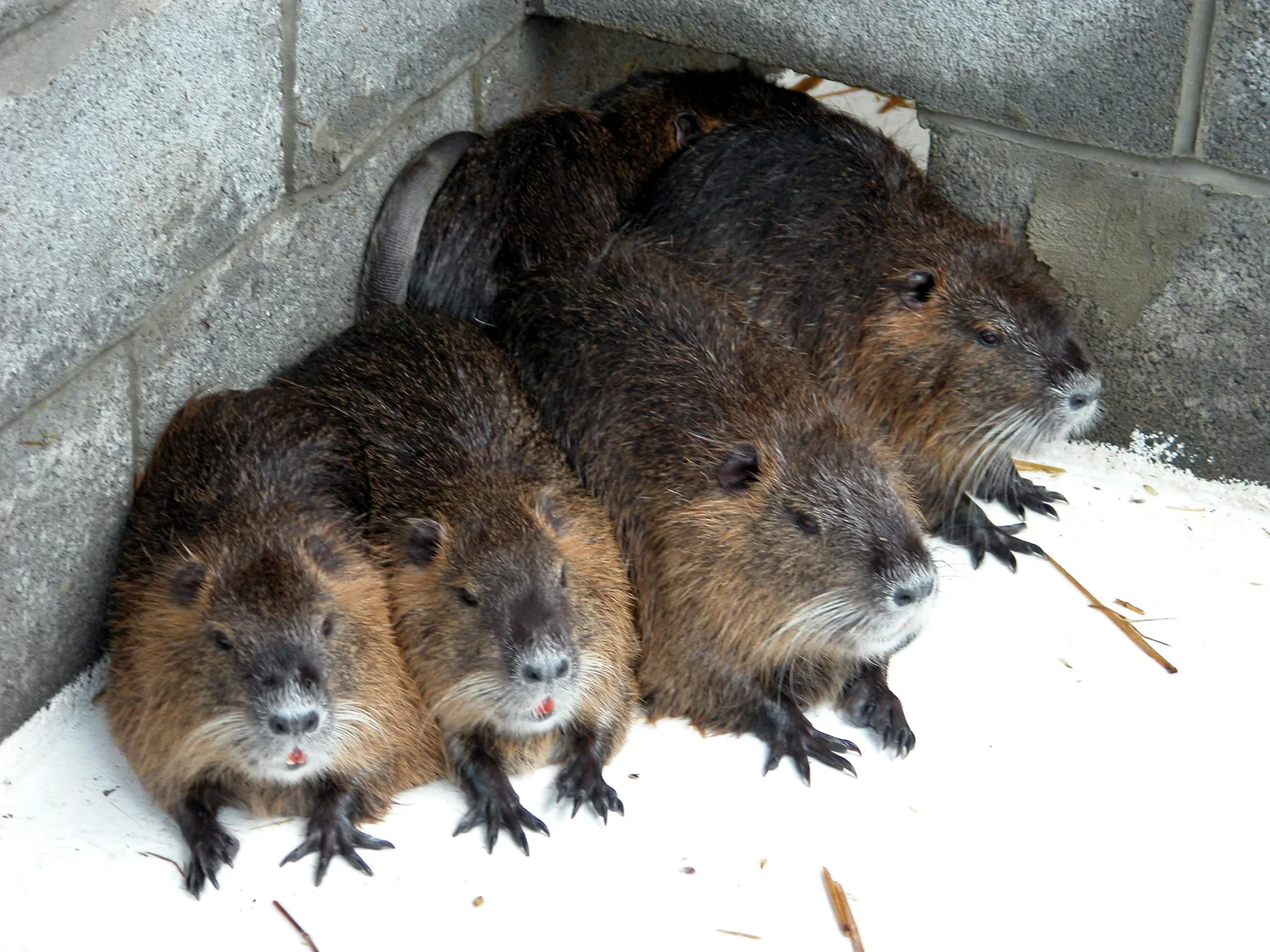
Nutria, large semi-aquatic rodents from South America, were introduced for fur farming and later released into wetlands across the Southeast and parts of the West. They consume up to a quarter of their body weight daily in vegetation, stripping roots and stems that hold marsh soils together. This feeding destroys the structure of wetlands that protect coastlines from erosion and storms.
Their burrowing weakens levees and banks, increasing flood risks in agricultural and urban areas nearby. Nutria also compete with native muskrats and beavers for resources while carrying parasites that can affect other wildlife. In places like Maryland’s Blackwater National Wildlife Refuge, removal programs have shown how quickly marshes recover once the rodents are gone.
Populations spread through connected waterways, often unnoticed until vegetation loss becomes visible from the air or during high water events. Their impact on carbon-storing wetlands adds another layer to long-term environmental change. Management focuses on trapping, yet new arrivals continue to test containment strategies.
5. Zebra Mussel
🔥 Would you like to save this?
We'll email this post to you, so you can come back to it later!
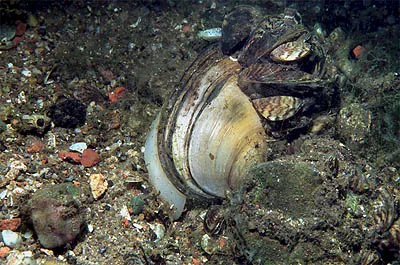
Zebra mussels arrived in the Great Lakes via ship ballast water in the 1980s and quickly spread to rivers and lakes across much of the eastern and central United States. These thumbnail-sized shellfish filter vast amounts of plankton from the water, clearing it but starving native mussels and young fish that depend on the same food source. The clearer water also promotes algae blooms that harm other aquatic life.
They attach in dense clusters to boats, docks, pipes, and power plant intakes, driving up maintenance costs into the hundreds of millions each year. Recent detections in western rivers like the Colorado highlight ongoing risks to new watersheds. Native mussel populations have plummeted in infested areas, altering the entire bottom-dwelling community.
Because the mussels hitch rides on recreational boats and equipment, their spread often happens between weekend outings without immediate notice. Larvae drift in water currents or survive in small amounts of moisture, making complete eradication nearly impossible once established. The quiet filtering changes lake chemistry and food availability in ways that ripple through fisheries and recreation.
4. Asian Carp
🔥 Would you like to save this?
We'll email this post to you, so you can come back to it later!
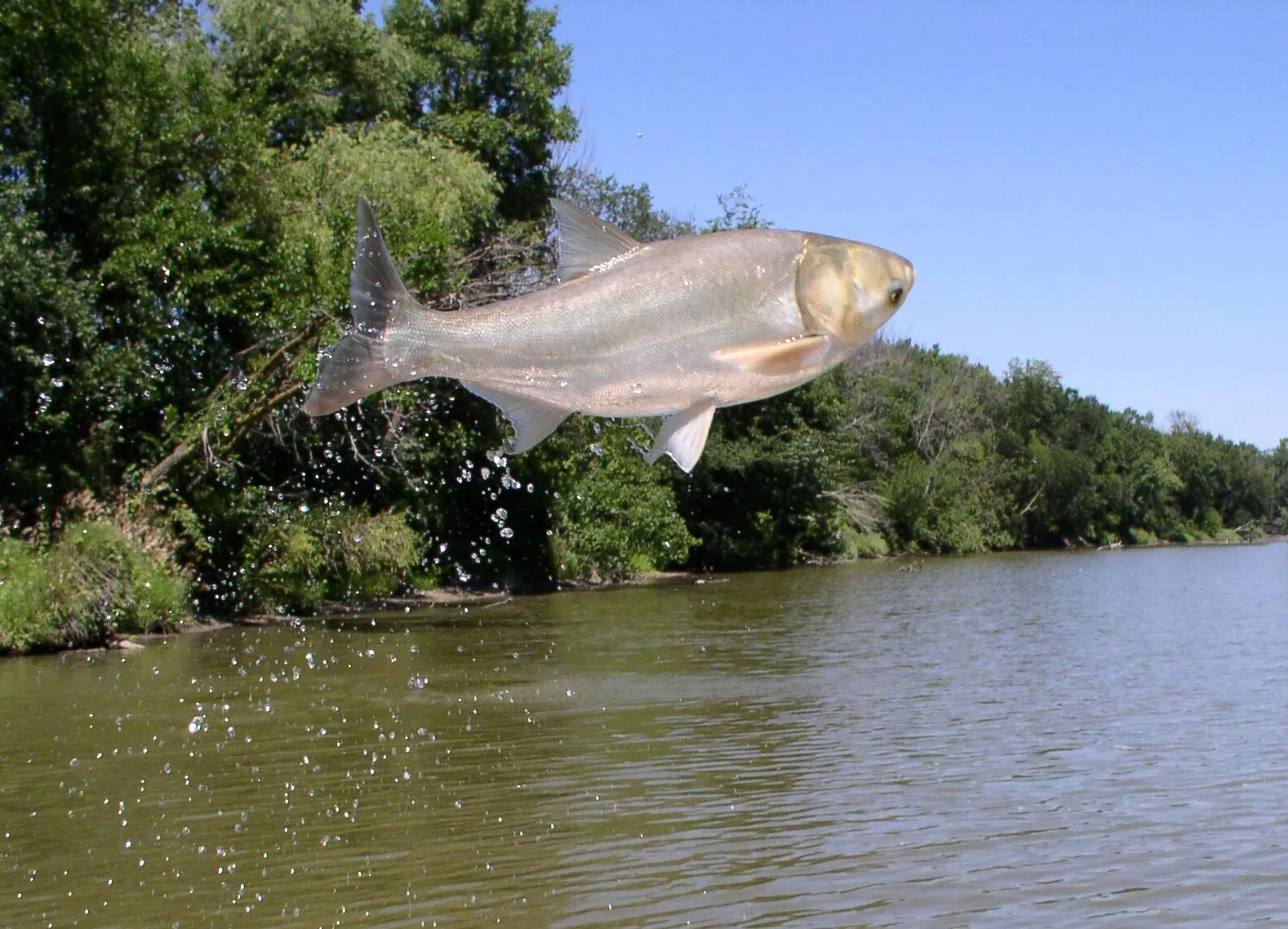
Asian carp species, including silver and bighead varieties, escaped from southern aquaculture ponds decades ago and now dominate stretches of the Mississippi River basin and its tributaries. They consume enormous quantities of plankton, outcompeting native fish and the young of sport species that rely on the same resource. Silver carp famously leap from the water when disturbed, creating hazards for boaters.
Their rapid growth and high reproduction rates allow them to overwhelm local populations in a short time. In some lakes, harvests have removed tens of millions of pounds, yet the fish persist and continue expanding northward toward the Great Lakes. This competition reshapes the base of the aquatic food web, reducing support for larger predators and commercial fisheries valued in billions.
Electric barriers and other deterrents aim to block further movement, but flooding events can bypass these measures. The carp’s presence changes how anglers and managers approach entire river systems. Their impact remains largely invisible to casual observers until fish surveys reveal the shift in species composition.
3. Lionfish
🔥 Would you like to save this?
We'll email this post to you, so you can come back to it later!
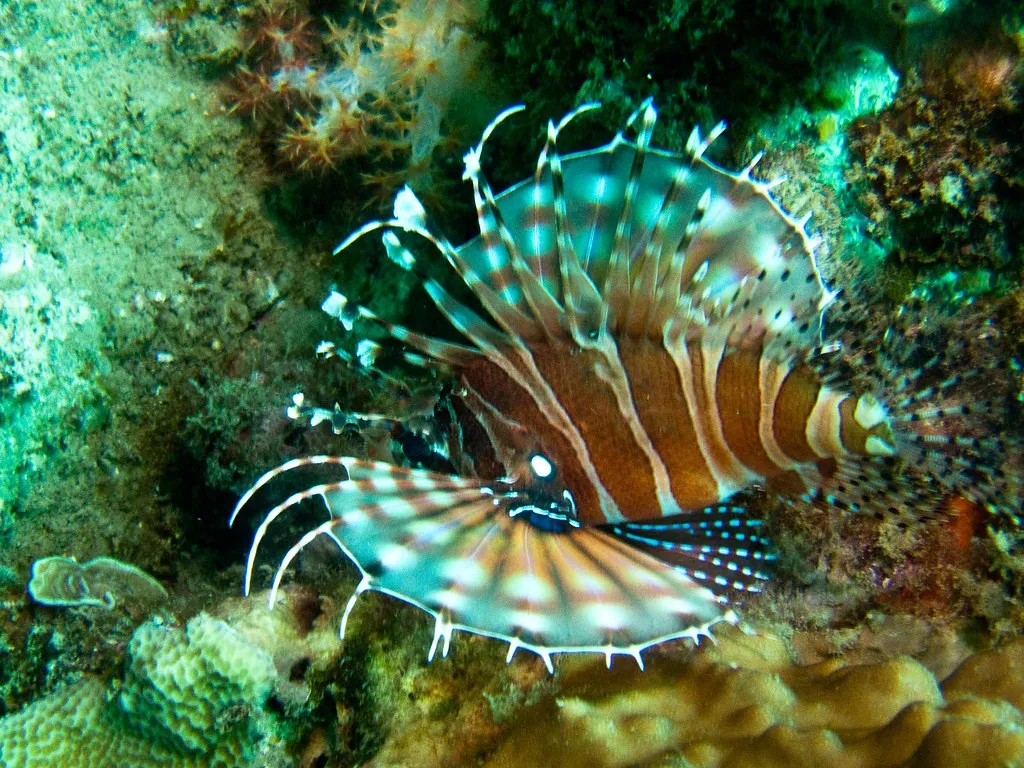
Lionfish, native to the Indo-Pacific, appeared in Atlantic waters in the 1980s and have since spread along the southeastern coast and into the Gulf of Mexico. These striped predators eat native reef fish at high rates, including juveniles of commercially important species. Their venomous spines deter most native predators, giving them an advantage in new habitats.
Reef ecosystems suffer as lionfish reduce the abundance and diversity of smaller fish that maintain coral health through grazing. Divers and fishermen report fewer sightings of familiar reef inhabitants in heavily invaded areas. The fish also compete with native groupers and snappers for space and food.
Because they tolerate a range of depths and reproduce year-round, lionfish populations grow steadily without seasonal checks. Removal tournaments help in popular diving spots, but the species continues to expand into deeper waters. The change on reefs happens gradually, with fewer colorful fish and more bare patches over time.
2. Northern Snakehead
🔥 Would you like to save this?
We'll email this post to you, so you can come back to it later!
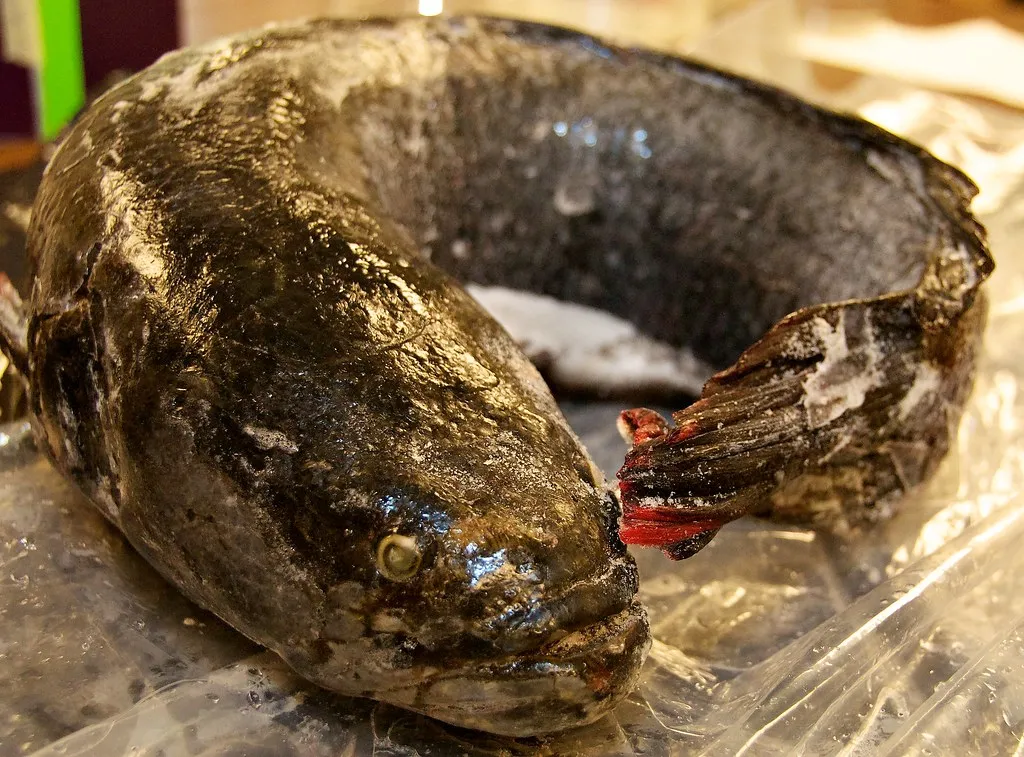
Northern snakeheads, predatory fish from Asia, first appeared in Maryland waters in 2002 and have since established populations in several eastern states. They breathe air and can survive brief periods out of water, allowing them to move between ponds and streams during wet conditions. Their diet includes native fish, frogs, and invertebrates, placing them at the top of local food chains.
These fish grow large and reproduce quickly, reducing numbers of desirable sport fish in invaded waterways. Their ability to tolerate varied conditions helps them persist where other species struggle. Managers have used targeted removals and public reporting to slow spread, yet new sightings continue in connected systems.
The snakehead’s presence alters how anglers and biologists view entire watersheds, with shifts in catch composition appearing over seasons rather than overnight. Because they resemble some native species at a glance, early detection often relies on careful identification. Their predatory pressure changes the balance of river and lake communities in subtle but lasting ways.
1. Sea Lamprey
🔥 Would you like to save this?
We'll email this post to you, so you can come back to it later!
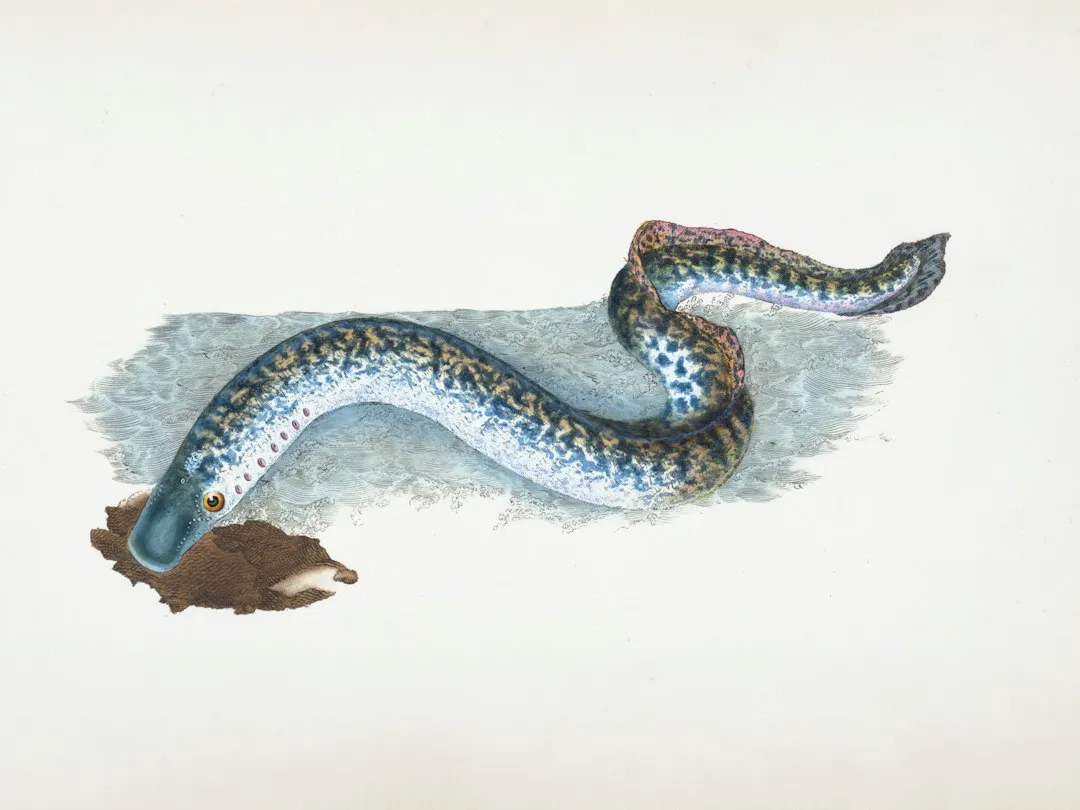
Sea lampreys entered the Great Lakes through shipping canals in the early 20th century and became parasitic attackers on native fish. Adults attach to lake trout, salmon, and other species, feeding on blood and fluids that often prove fatal. This parasitism contributed to the collapse of valuable fisheries decades ago and continues to require ongoing control.
Lamprey larvae live in stream sediments for years before transforming and migrating to open water. Control programs use barriers, traps, and chemical treatments in tributaries to limit reproduction. Without these efforts, populations could rebound and further stress recovering fish stocks.
The lamprey’s life cycle keeps much of its impact hidden below the surface until adult fish show wounds or populations decline. Native species have limited defenses against this ancient predator in the altered Great Lakes environment. Continued vigilance prevents the kind of widespread fishery losses seen in the past.
Looking Ahead
🔥 Would you like to save this?
We'll email this post to you, so you can come back to it later!
These eight animals illustrate how introductions, whether accidental or intentional, can quietly rewrite the rules of American ecosystems over decades. Their effects compound with climate shifts and habitat pressures, making early detection and consistent management essential. Public awareness plays a larger role than many realize, since simple steps like cleaning boats or reporting unusual sightings help slow further spread.
The real cost shows up not just in dollars but in lost biodiversity and altered landscapes that future generations inherit. While complete eradication remains rare once a species takes hold, targeted actions have proven effective in specific places. Paying attention to these less obvious invaders offers one of the better chances to protect the natural systems that still function well.

- 7 Everyday Habits That Can Make Your Senior Dog Happier - November 5, 2026
- 10 Enigmatic Structures That Continue to Puzzle Scientists Today - November 5, 2026
- 10 Strange Ruins in the Americas That Challenge What We Know About Early History - November 5, 2026