
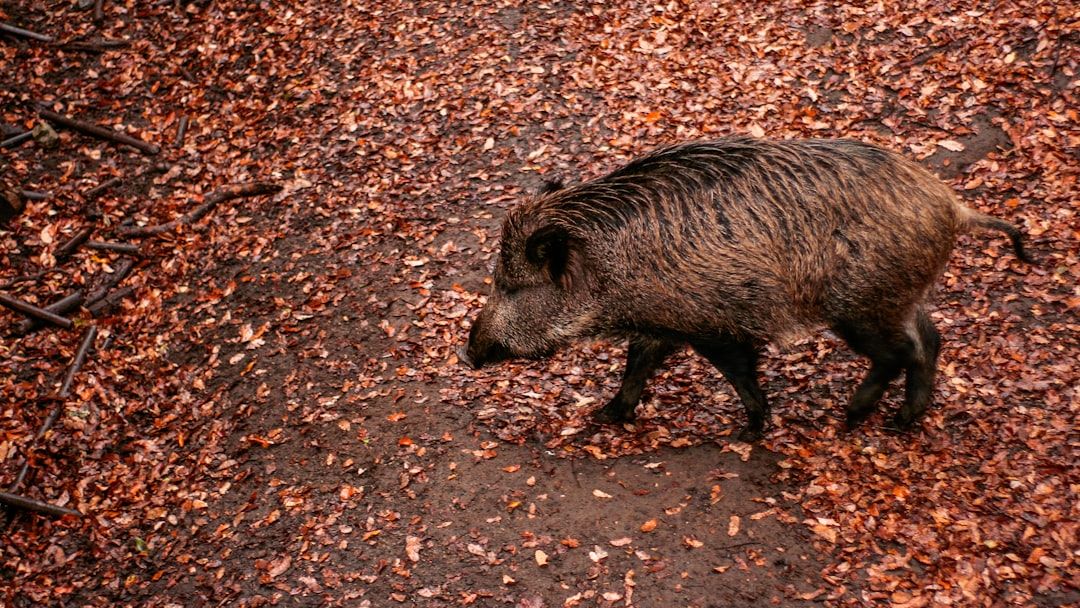
Picture this: you wake up one morning, step outside, and your carefully manicured lawn looks like a war zone. Irrigation systems torn apart, gardens upended, fences damaged. Welcome to the reality that many Texas landowners face daily thanks to an invasive species that shows no sign of slowing down.
Wild boar populations in Texas have exploded over the past few decades, creating headaches for property owners across the state. These animals aren’t just a nuisance. They represent a genuine threat to land value, agricultural productivity, and even human health. Let’s dive into the facts that keep Texas landowners up at night.
Their Population Numbers Are Staggering
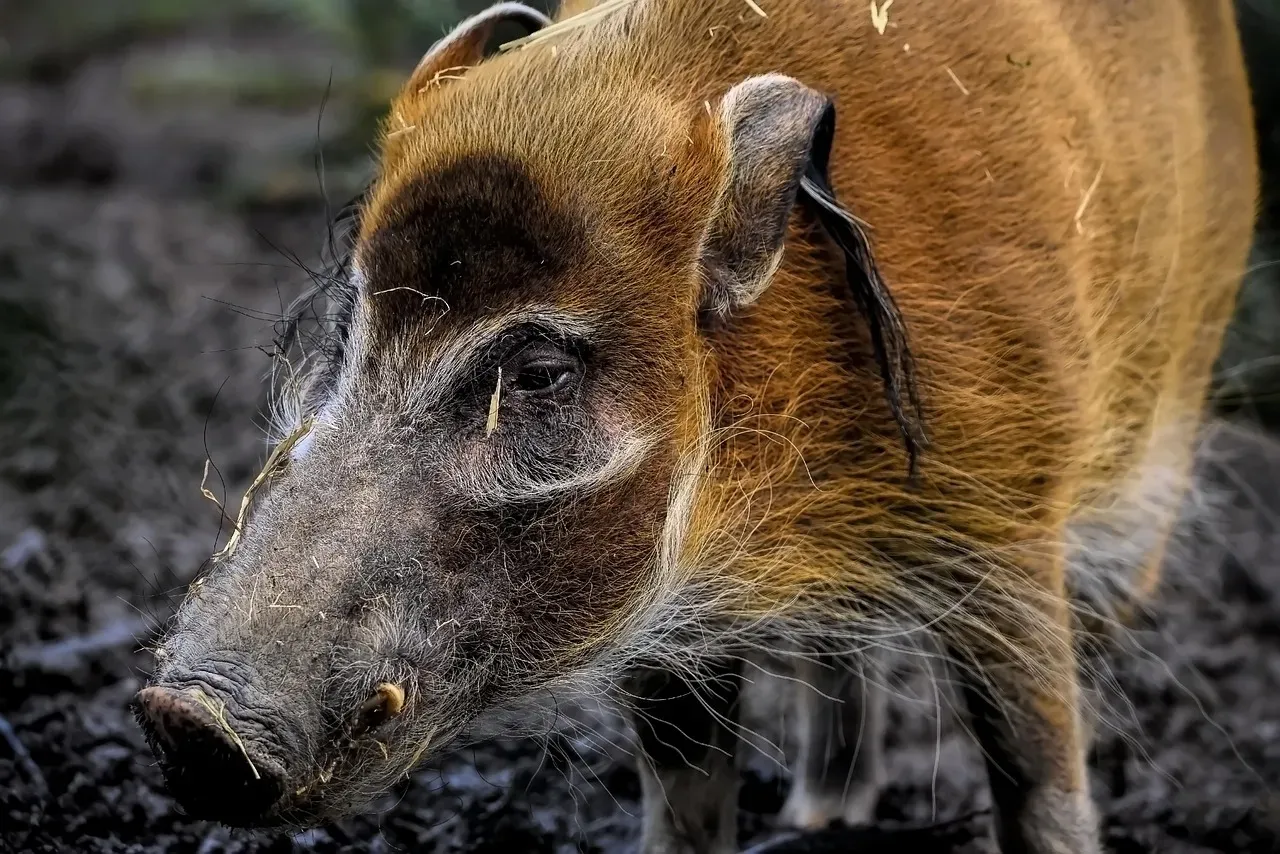
Current estimates put the feral hog population in Texas at around 3 million as of early 2026, according to Texas A&M Natural Resources Institute and Texas Parks & Wildlife Department. Think about that for a second. That’s roughly one wild hog for every ten Texans.
El Paso County is the only county in Texas not occupied by feral swine as of 2019. Essentially, if you own land in Texas, chances are wild boar have either already visited your property or will soon enough. The animals have spread so successfully that controlling them feels like trying to bail out a sinking ship with a teaspoon.
The sheer scale of the problem means that individual landowners can’t tackle this alone. Even coordinated efforts struggle to make a meaningful dent in the overall population. The population of this invasive species has the potential to triple in just 14 – 16 months and they have no natural predators.
They Reproduce at an Alarming Rate
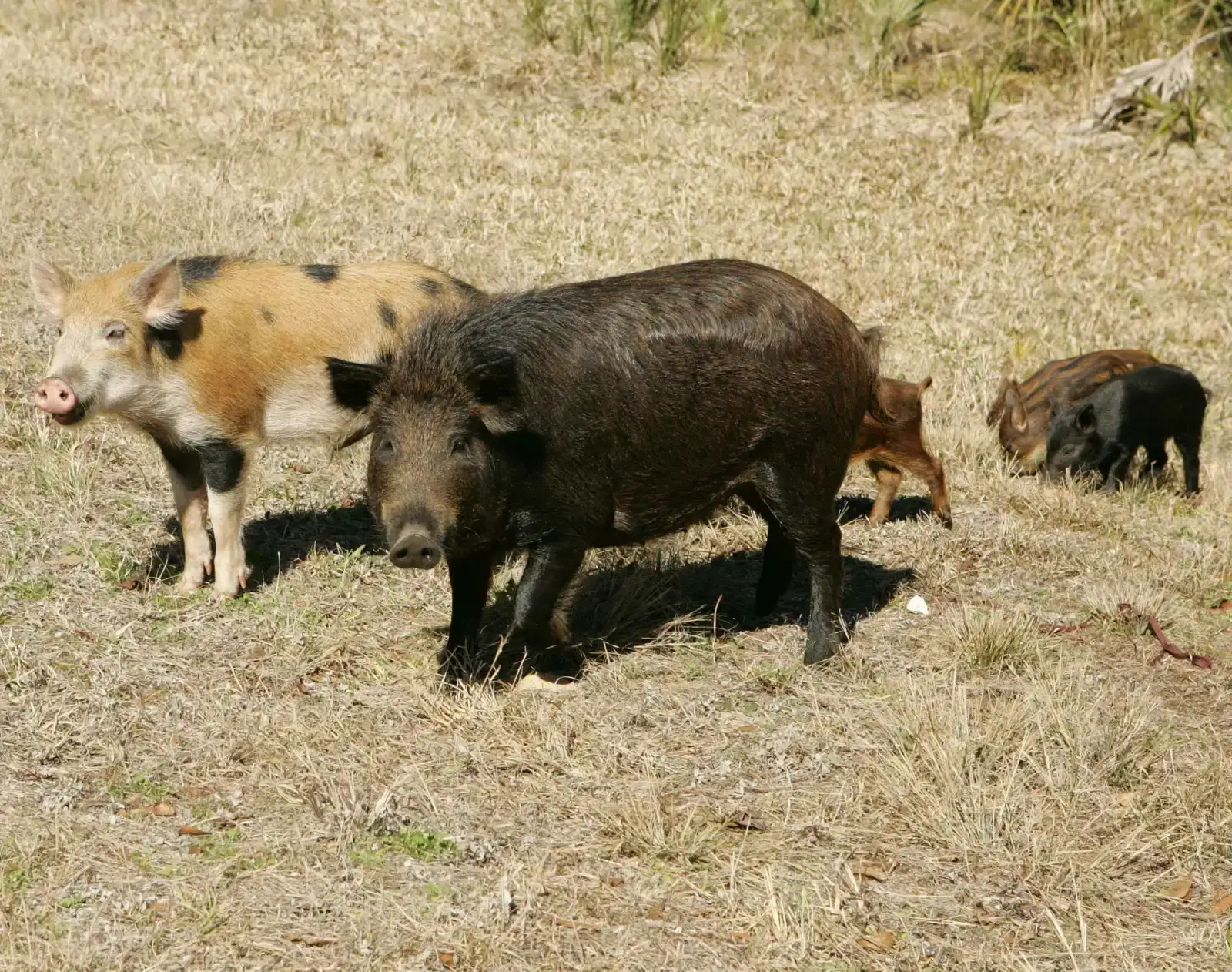
Here’s where things get truly worrisome. Feral hogs have a gestation period of only 115 days and reach sexual maturity in just 6 months. Let’s be real, that’s an incredibly short reproductive cycle for a mammal of their size.
Female hogs don’t just have one litter and call it quits. They can produce multiple litters throughout the year, with each litter containing four to six piglets on average. Do the math, and you’ll quickly understand why population control efforts often feel futile.
This rapid breeding cycle is one of the main reasons eradication seems impossible. Even if landowners successfully remove a significant portion of the hogs from their property, the remaining animals can repopulate the area shockingly fast. It’s a biological numbers game that wild boar are winning hands down.
The Financial Damage Is Devastating
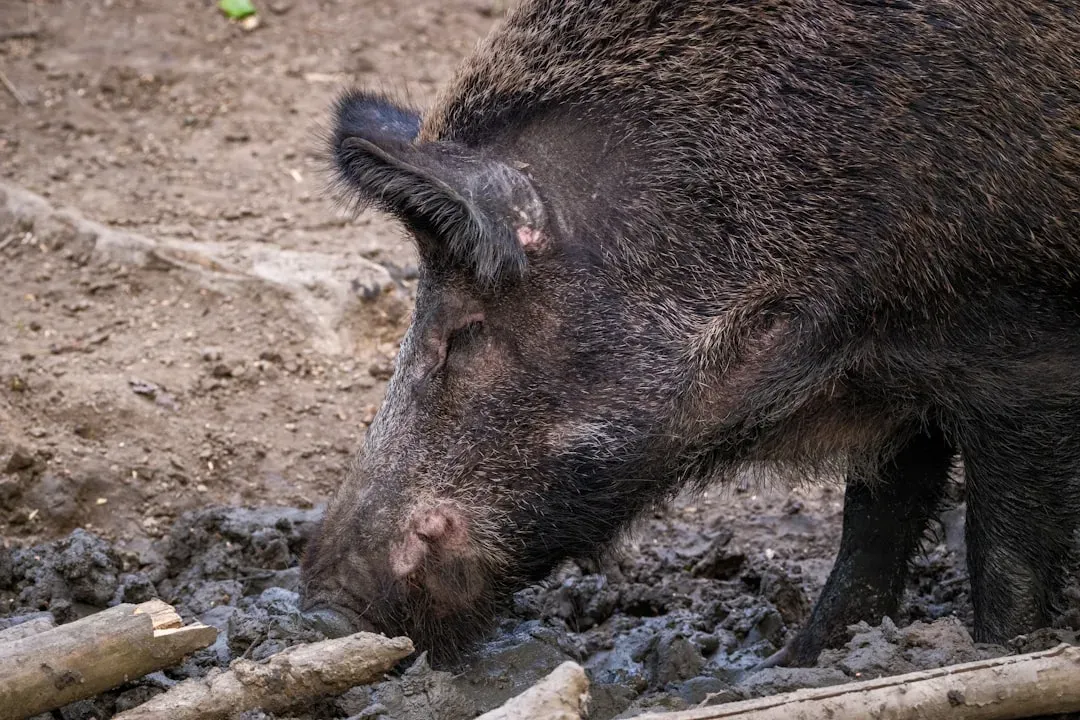
Texas’ boar population is responsible for an estimated 500 million to 1 billion dollars worth of annual crop damage caused by the hogs living in and feeding on field crops. That’s not a typo. We’re talking about hundreds of millions of dollars in losses every single year.
Crop damage is just the tip of the iceberg. Large 400 pound adult hogs have been know to damage property and equipment while moving from ranch to ranch. Fences get torn down, irrigation systems get destroyed, and expensive farm equipment can be damaged when these animals roam through properties.
Landowners also spend considerable money trying to control the population. Texas landowners spend $7 million a year trying to control and repair damages left by feral hogs. That’s money coming directly out of property owners’ pockets, money that could have been invested elsewhere. Honestly, it’s a lose-lose situation where landowners pay both for the damage and for attempts to prevent future damage.
They Contaminate Water Sources
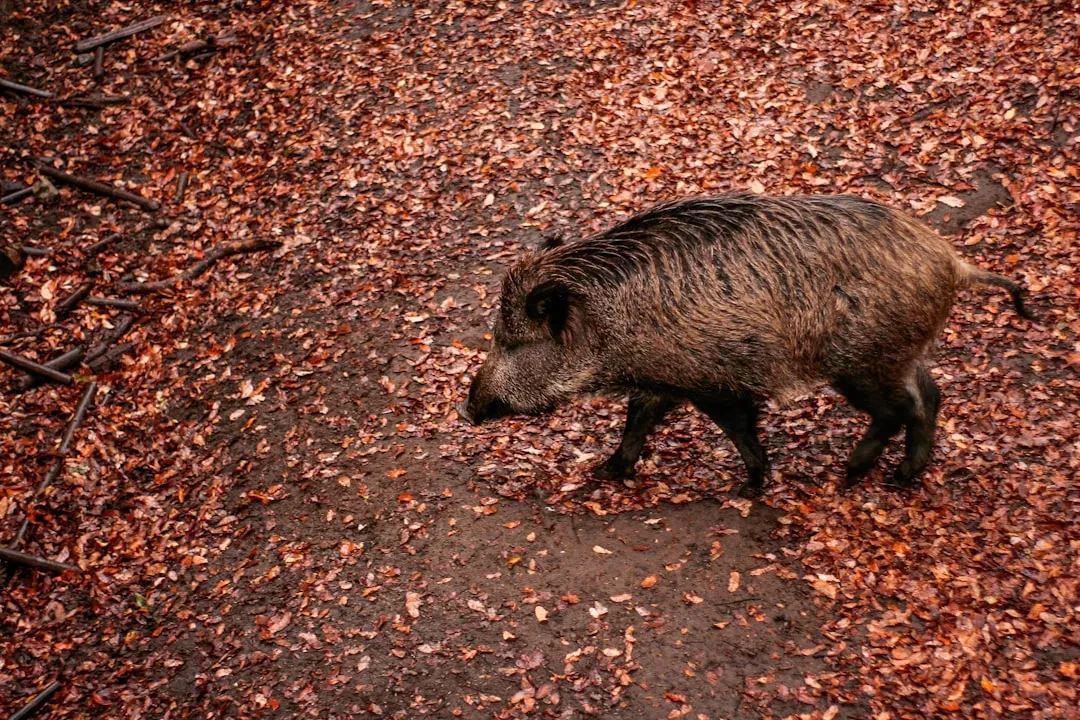
They do not have sweat glands, so they stay cool by keeping close to creeks and rivers, contaminating the water. They are considered a national threat due to their impact on waterways and ecosystems. Wild boar don’t just visit water sources occasionally; they practically live in and around them during hot Texas summers.
The contamination issue is serious. A recent study in Alabama showed that streams in watersheds with feral hogs had 40 times the bacteria levels than those in watersheds without them. Forty times. That’s not a marginal increase; it’s a public health crisis waiting to happen.
When hogs wallow near streams and bayous, they disturb vegetation and soil along the banks. This leads to increased sediment in the water, which changes acidity and oxygen levels. Native fish and plant species suffer, and the riparian ecosystem degrades rapidly. If you’re a landowner drawing water from a creek or river on your property, this fact alone should worry you immensely.
They Carry Dangerous Diseases
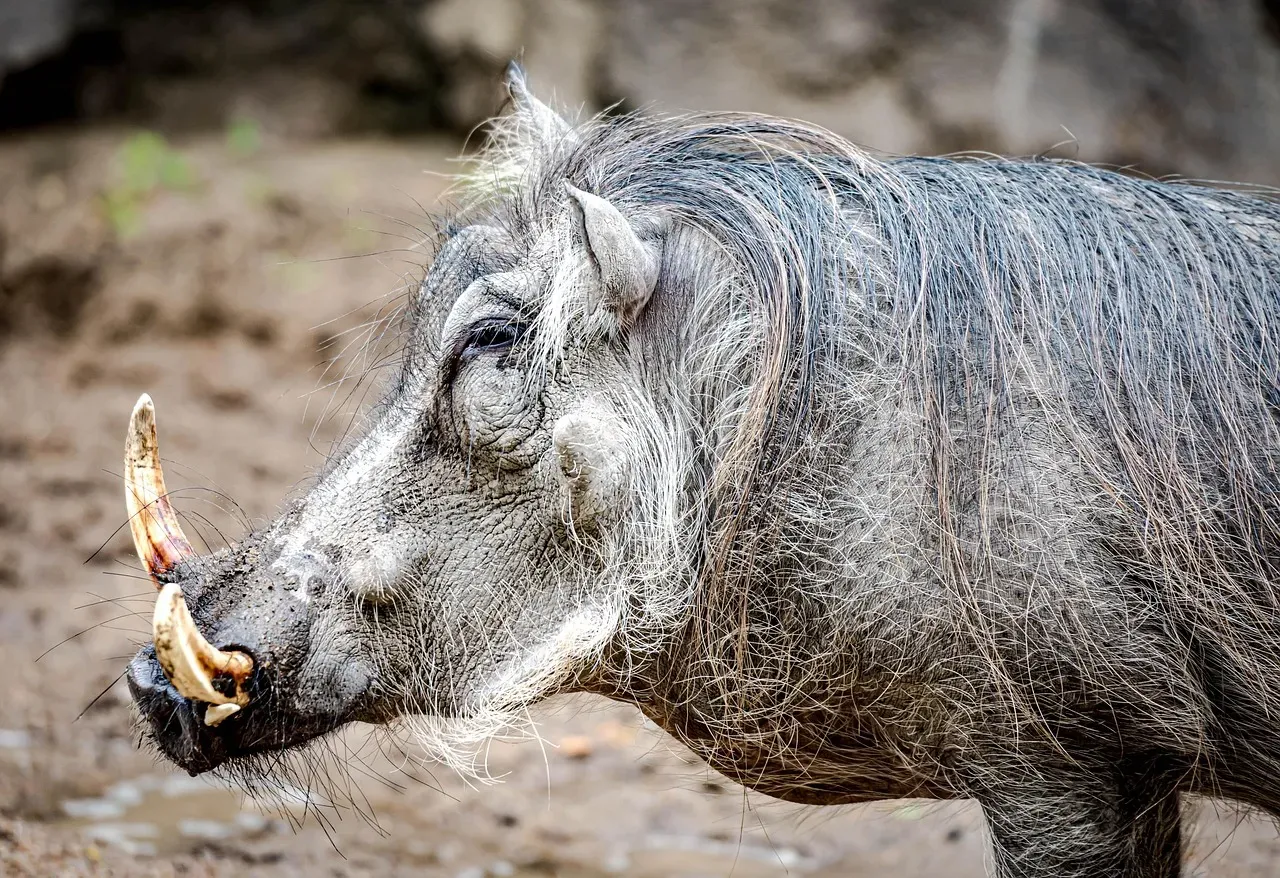
Wild pigs are capable of carrying and transmitting at least 30 bacterial, fungal, and viral diseases which threaten humans, livestock, and wildlife. Let that sink in. Thirty different diseases. These aren’t just minor ailments either.
They have been known to carry brucellosis, a bacterial disease that spreads among pigs through close contact. Infected pigs carry these bacteria for life. This disease can cause severe, long-lasting health problems, and even death, if it is not diagnosed and treated quickly.
The disease risk extends beyond humans. Livestock can contract illnesses from wild boar, potentially devastating a rancher’s entire herd. Some diseases that have been eradicated from domestic pig populations could potentially be reintroduced through contact with feral populations. For landowners raising cattle, sheep, or other livestock, wild boar represent a genuine biosecurity threat that’s impossible to fully control.
Traditional Control Methods Often Make Things Worse
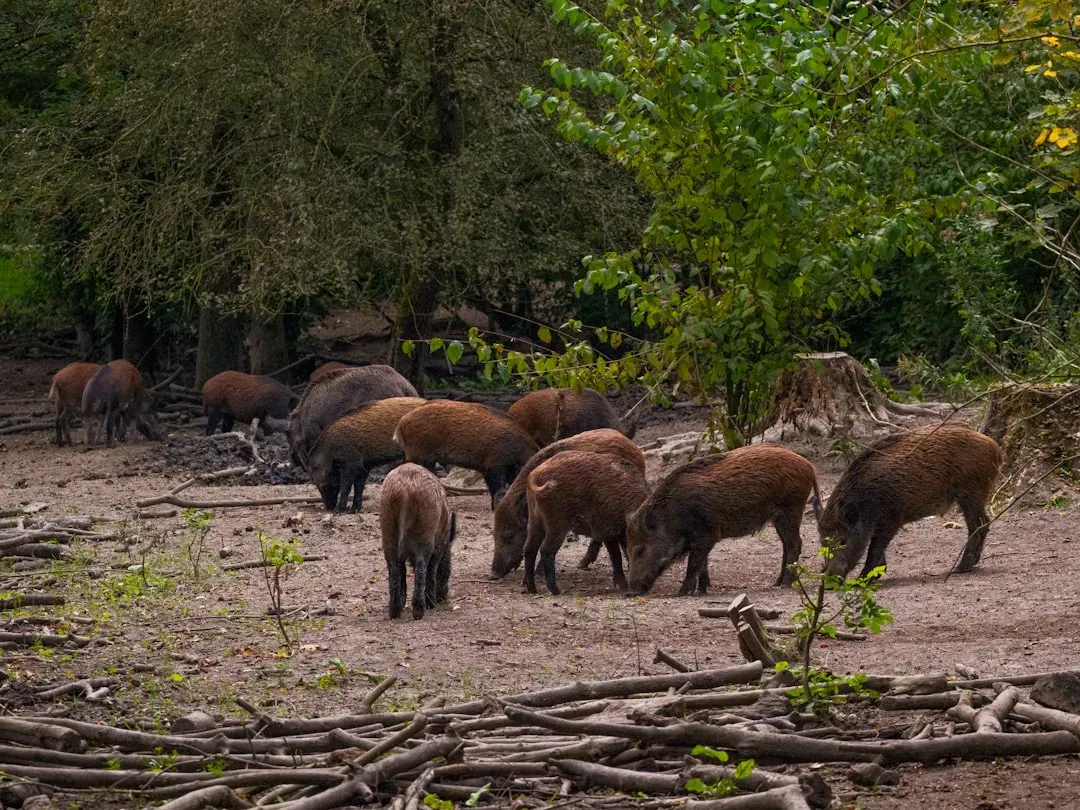
You might think hunting would solve the problem, but here’s the thing: it often backfires. If we were to just go out and hunt them, I liken it to taking a dandelion and blowing on it. You’ve just spread the infestation all across your yard. But if you just shoot one, the rest scatter. Now you’ve got little pockets everywhere else, makes them harder to track them down, and creates new points where they can gain a foothold and start spreading again.
Wild hogs travel in groups called sounders. The most effective control methods involve eliminating entire sounders at once through corral trapping or coordinated aerial operations. Shooting individual hogs simply educates the survivors, making them warier and harder to manage in the future.
Some states have actually seen their wild boar populations explode after making recreational hunting easier. The financial incentives created by hunting tourism can lead landowners to maintain hog populations rather than eliminate them. It’s a perverse outcome where the solution becomes part of the problem. Texas landowners face a difficult choice between short-term hunting revenue and long-term property protection.
Conclusion
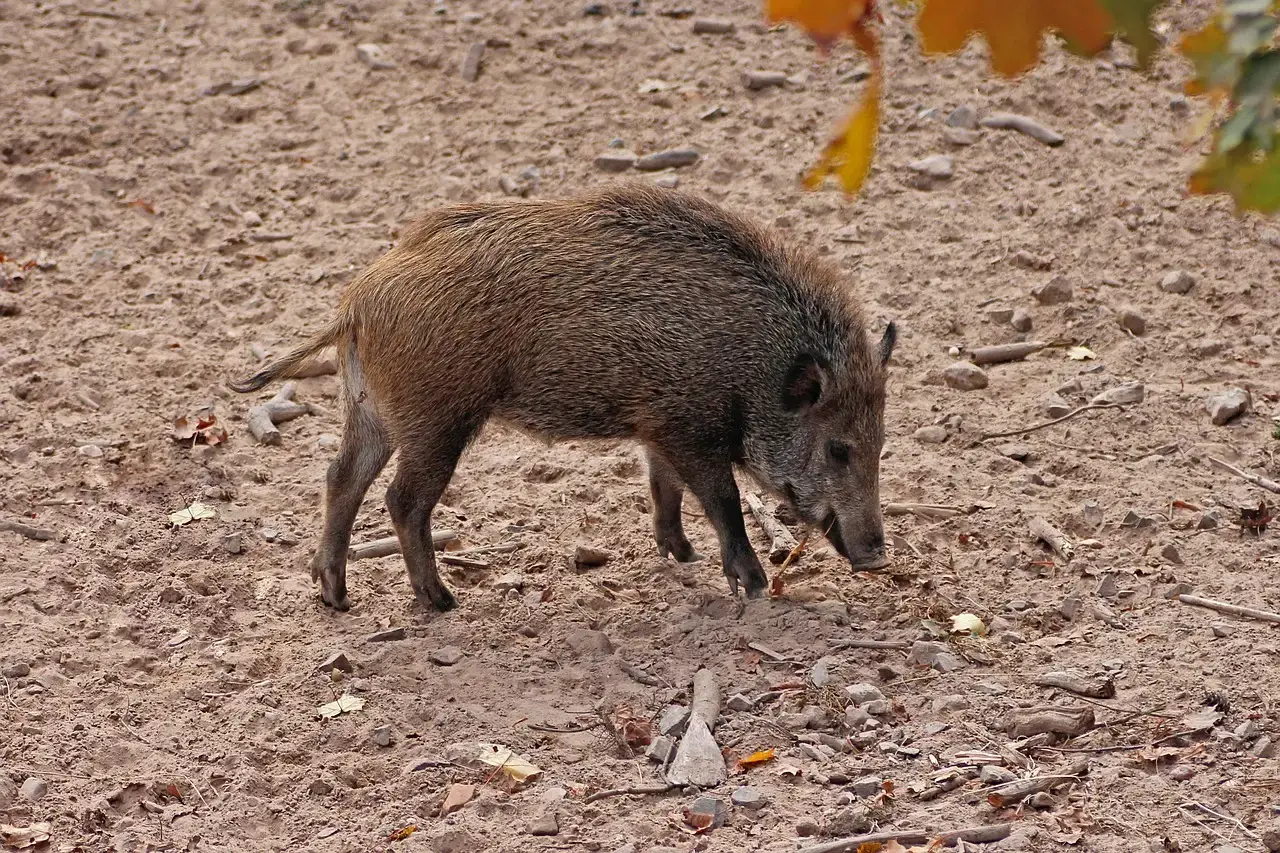
The wild boar situation in Texas isn’t going away anytime soon. With populations in the millions, reproduction rates that defy control efforts, and the ability to cause massive financial and ecological damage, these animals represent one of the most serious invasive species challenges facing landowners today.
The key takeaway? Individual efforts matter, but coordinated, science-based approaches are essential. Landowners need to work together, employ effective trapping methods, and remain vigilant. Eradication may be impossible, but management and population control are achievable with sustained effort.
What’s your experience with wild boar on your property? Have you found any methods that actually work?
