
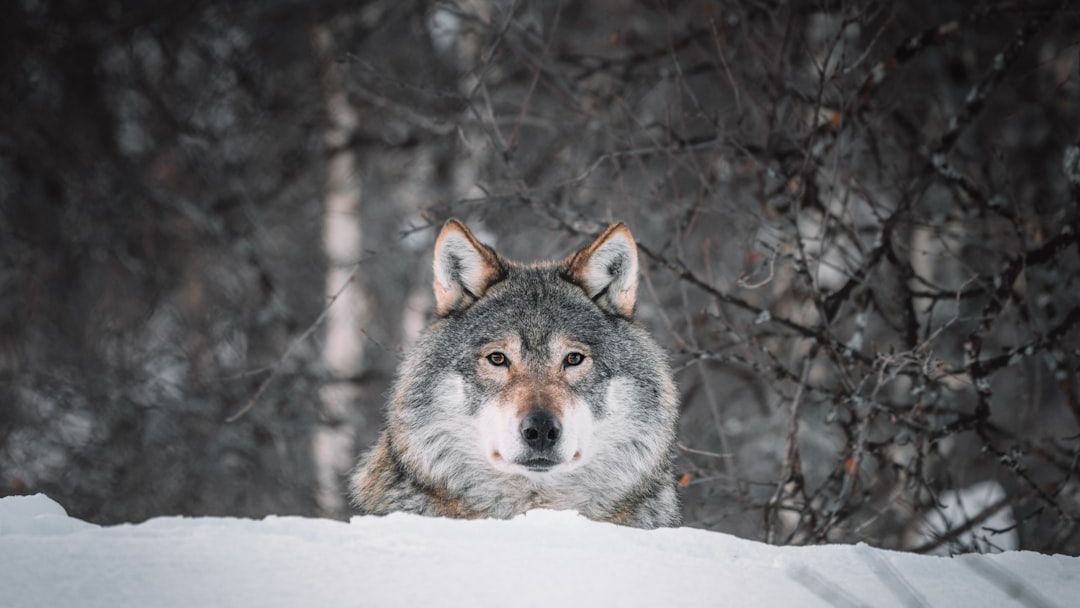
Think about the last time you caught a whiff of something cooking from a few rooms away. Maybe it made your stomach rumble, or perhaps you knew instantly what was on the menu. Now imagine that ability amplified roughly a hundred times, layered with information you can’t even begin to process. That’s the world a gray wolf lives in every single day.
Wolves have a sense of smell about 100 times greater than humans, and this isn’t just some party trick. Their survival depends on it. While we navigate our surroundings primarily through sight, wolves read the landscape through invisible trails of scent that tell stories we’ll never understand. Let’s dive into the fascinating realm of what these apex predators can actually detect from distances that would leave our noses completely useless.
Prey Animals Lurking in the Distance
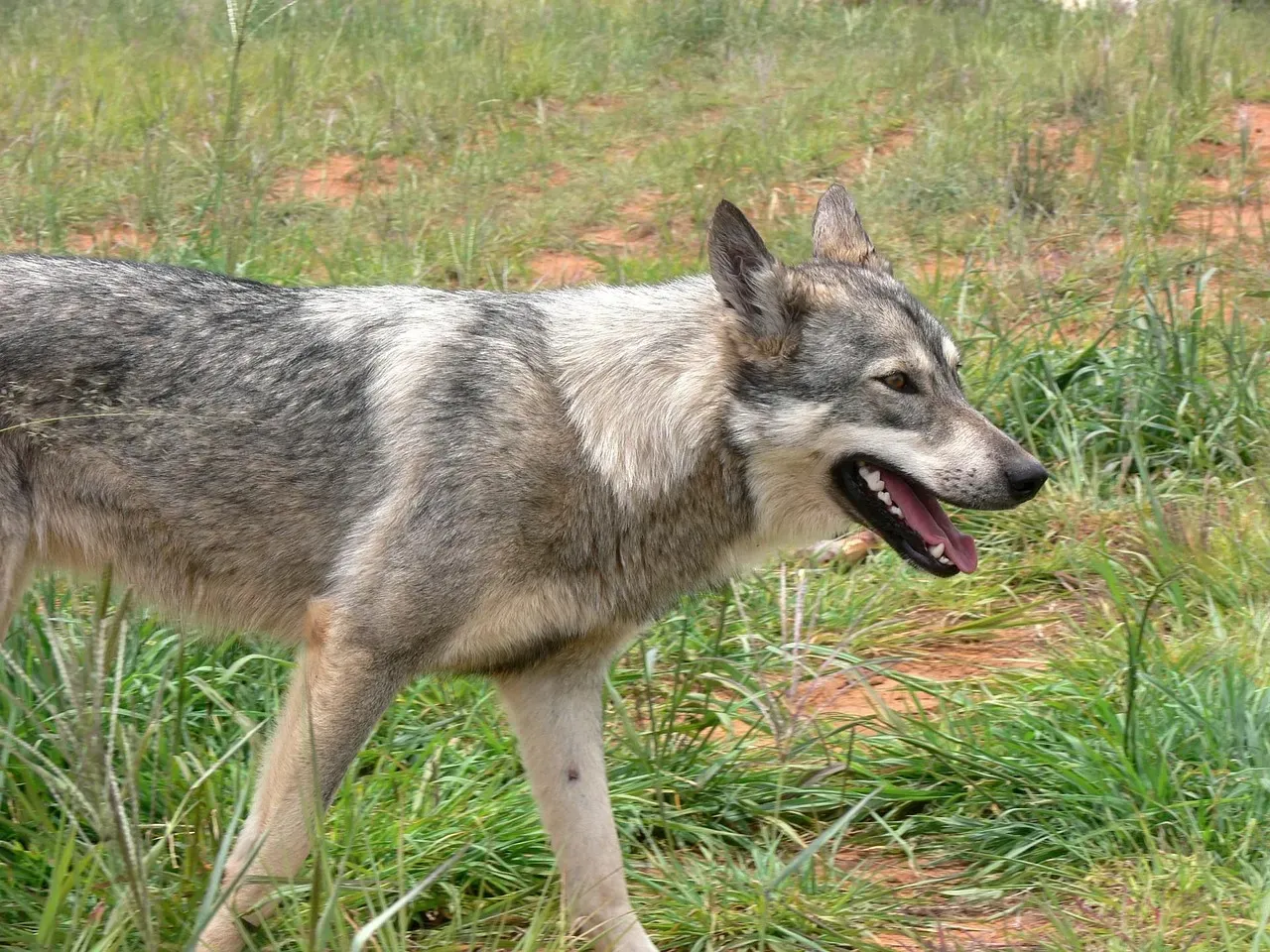
Here’s something that’ll blow your mind. In good weather conditions, a wolf can smell its prey from about 1.75 miles away. Imagine standing in your neighborhood and being able to smell a deer grazing nearly two miles down the road. It sounds impossible, yet for wolves, it’s just another Tuesday.
Inside the broad snout are approximately 280 million scent receptors, compared to our measly five to six million. That’s not just a slight advantage; it’s an entirely different sensory universe. When wolves hunt, they don’t rely solely on spotting movement or hearing a twig snap.
The really fascinating part? Wolves often travel until they detect the scent of a prey species, and will then follow that smell directly to the prey. They’re essentially following invisible highways of scent molecules that guide them straight to dinner. It not only helps them locate their prey, but it also helps them to detect if a member of the herd is sick, weak, or injured so they can choose the most vulnerable target. Nature can be brutal, I know, but it’s also incredibly efficient.
Blood From Several Miles Out
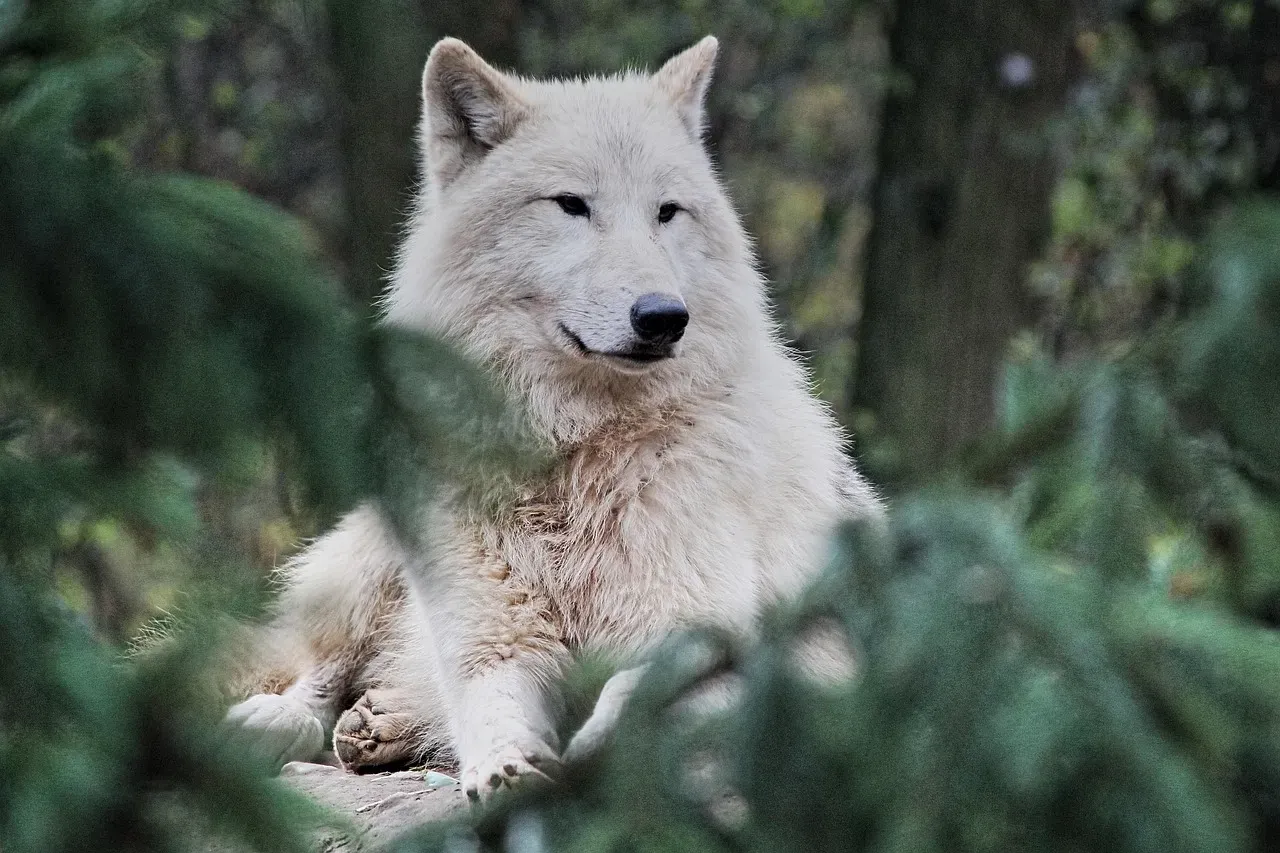
Let’s talk about something even more remarkable. When it comes to blood, wolves can smell it from several miles away, even if it’s only a small amount. This is because blood has a distinct scent due to the iron in haemoglobin.
This ability isn’t just for tracking wounded prey. It’s a survival mechanism that alerts wolves to potential feeding opportunities or warns them of recent conflicts in the area. Think about it: a single drop of blood contains enough iron-rich compounds to create a scent signature that carries on the wind.
The implications are wild. A wolf could be traveling through its territory and suddenly catch the metallic tang of blood from an animal that was injured miles away. That information alone could change the pack’s entire hunting strategy for the day. It’s like having a biological GPS that runs on scent instead of satellites.
Human Presence Upwind
Wolves aren’t just tuned into their natural prey and environment. They’re acutely aware of us, too. Wolves can pick up the scent of a human upwind, and that is often enough to keep wolves away.
This is actually why wolf attacks on humans are so incredibly rare. Long before you’d ever spot a wolf in the wild, it’s already smelled you and made the decision to avoid you entirely. Field technicians on the Wood River Wolf Project use this to their advantage by camping upwind of a band of sheep, so any wolf that approaches will know a person is there too.
Our scent acts as a natural deterrent, which is both comforting and humbling. We walk around thinking we’re at the top of the food chain, but wolves have been monitoring our movements from distances we can’t even fathom. Wolves can likely differentiate between individual humans based on scent. Each person has a unique scent profile that is detectable by a wolf’s sensitive nose. They might know more about us than we realize.
Other Wolf Pack Members and Territories
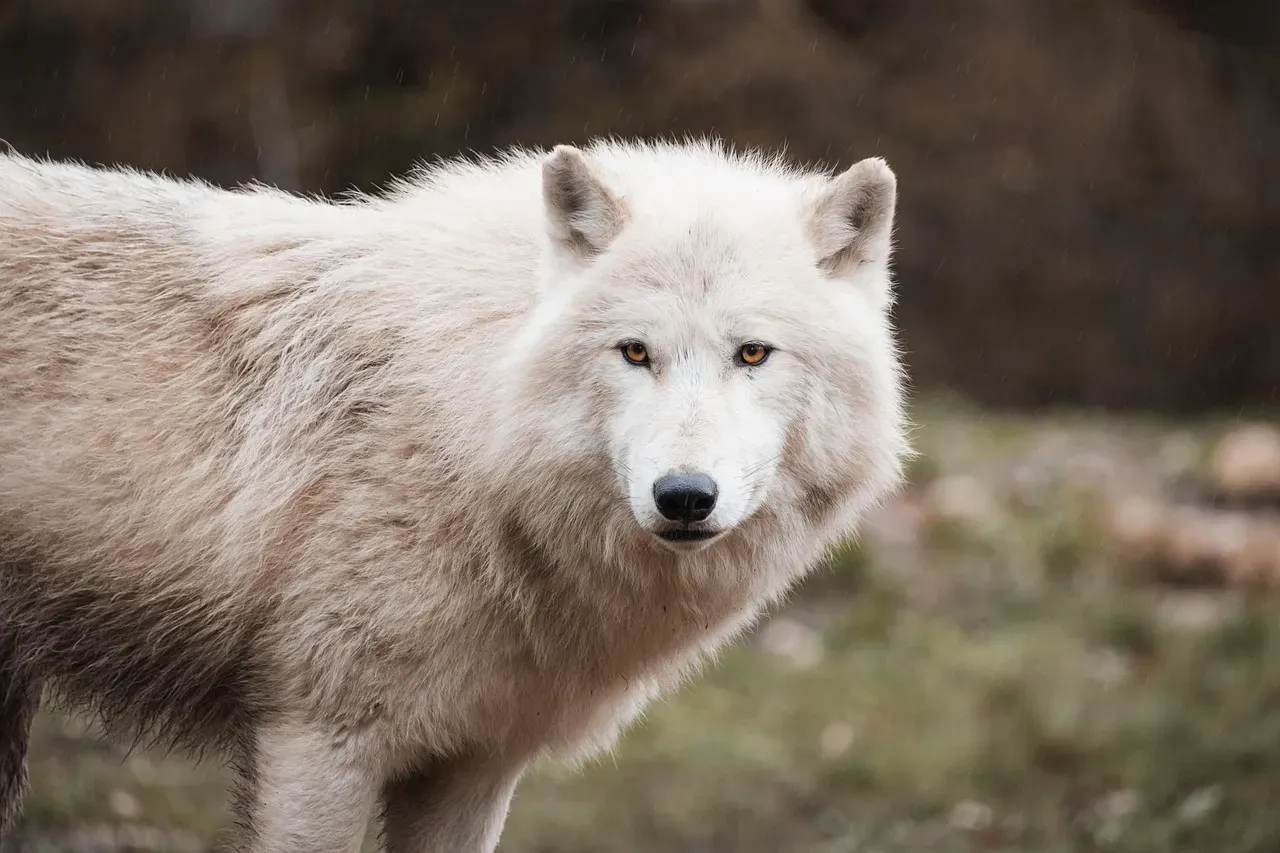
By smell alone wolves can locate prey, other pack members or enemies. It can tell them if other wolves were in the territory, if they were male or female, and how recently they visited. This is social networking at a completely primal level.
A wolf can recognize a member of their pack just by scent. Their specialized scent glands are as unique as a human’s fingerprint. Every wolf carries their own signature blend of pheromones that broadcasts information to anyone with the nose to read it.
Territory marking isn’t just about drawing invisible property lines in the forest. The dominant wolves in pack (both male and female) use raised leg urination to mark the trail with urine and feces every 100 yards. These scent posts are essentially billboards saying “this land is taken” or “the Smith Pack was here three days ago.”
The crazy thing is wolves can smell these markers from over a mile away and extract an incredible amount of information. Was the wolf healthy? Was it a rival pack’s alpha? How long ago did they pass through? All of this data gets processed in seconds.
Carrion Buried Under Snow
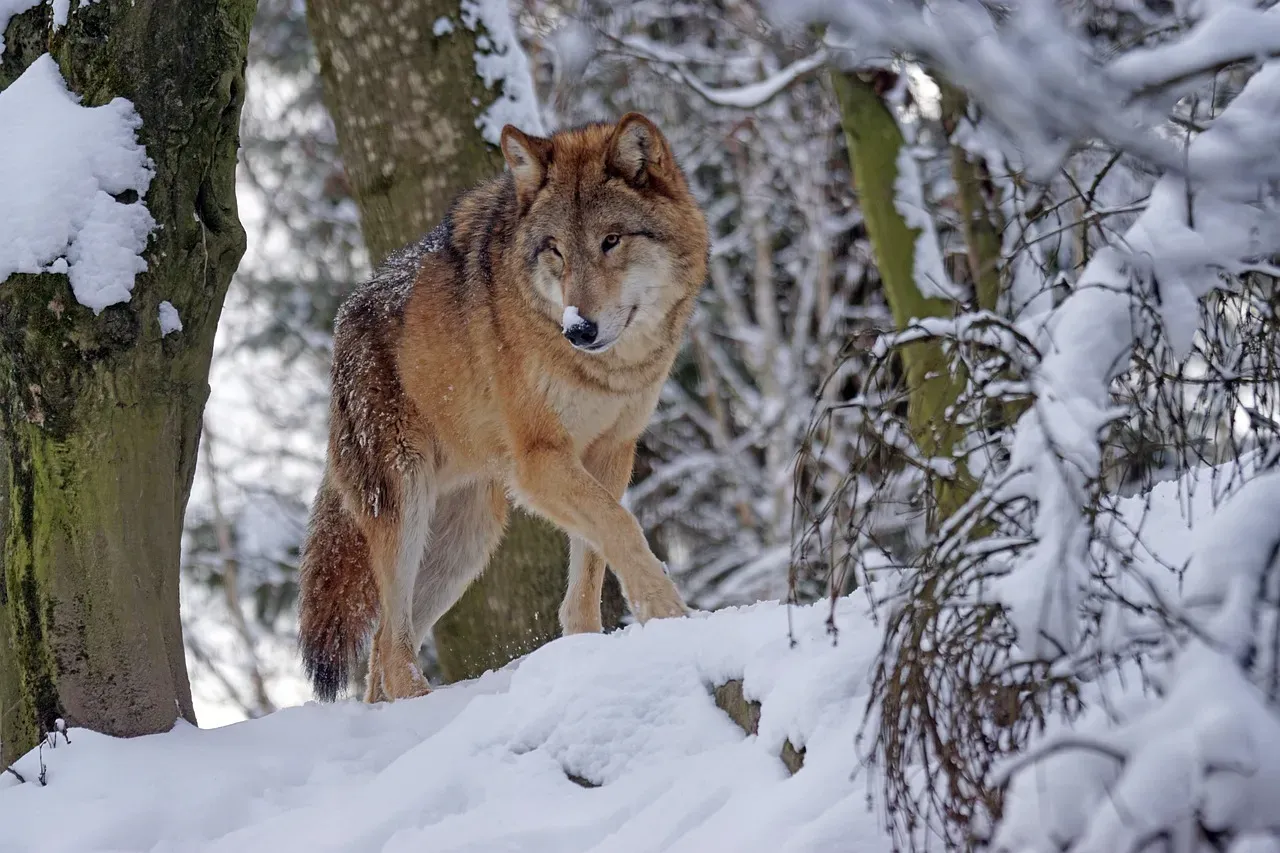
This one honestly sounds like a superpower from a comic book. Gordon Haber, who spent most of his life researching wolves in Alaska, was convinced that wolves could smell a dead moose or caribou buried under three metres (ten feet) of snow, even if the wind was blowing the wrong direction.
Ten feet of snow. Let that sink in for a moment. We’re talking about a thick blanket of frozen water that would completely obscure any visual or auditory cues, yet wolves can still detect decomposing flesh underneath. The scent molecules somehow work their way up through all those layers of ice and snow, and the wolf’s nose is sensitive enough to pick them up.
This ability becomes especially crucial during harsh winters when fresh prey is scarce. A buried carcass represents calories that could mean the difference between survival and starvation for a wolf pack. Their noses literally help them find food that no other predator could possibly detect.
Female Wolves in Heat
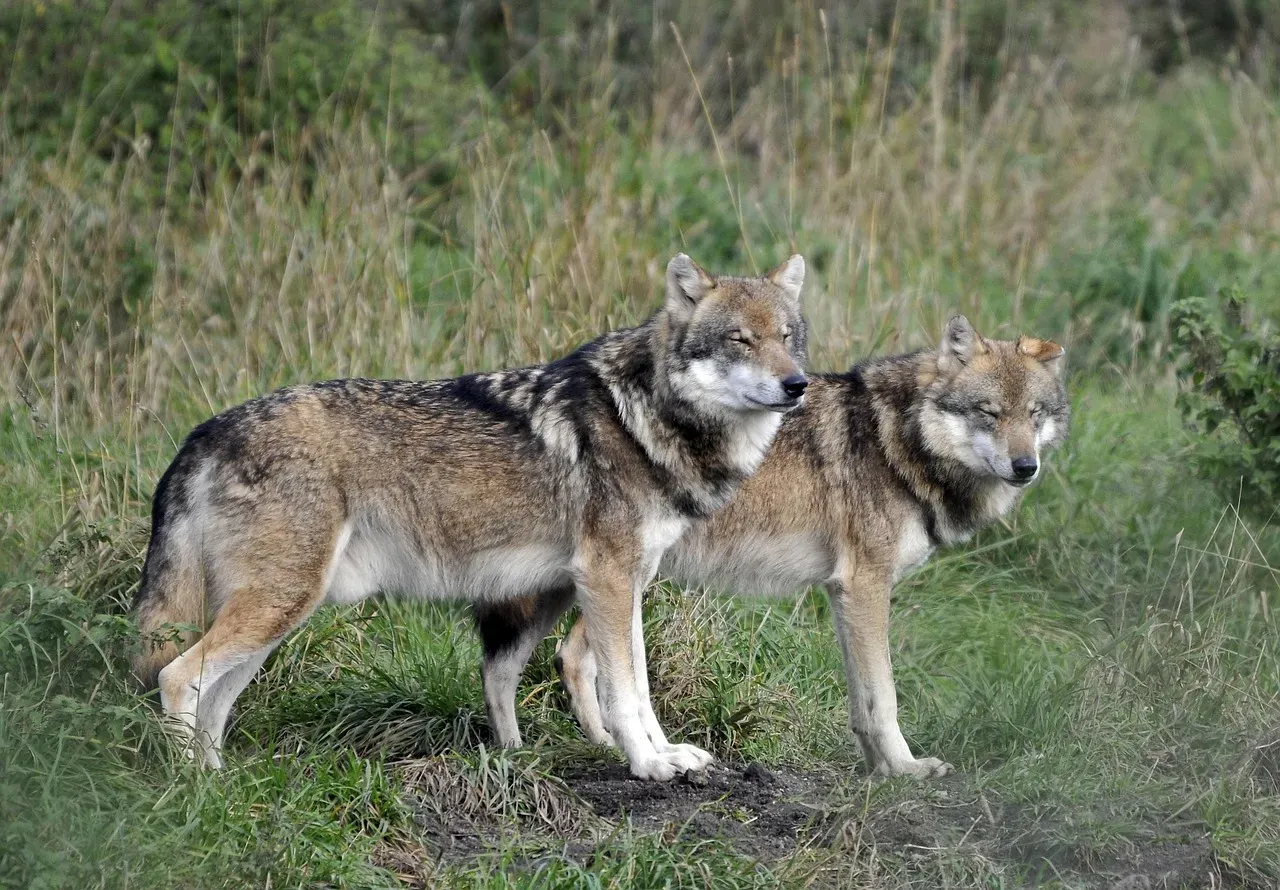
By smelling these pheromones, male wolves can tell when female wolves are ready for mating. This along with the social aspects of a wolf’s scent and sense of smell make it a pivotal part of the mating process.
This isn’t some random biological quirk. It’s a precisely tuned system that helps maintain pack structure and ensures breeding happens at the optimal time. The alpha female won’t mate with any male, and not all males would smell the alpha female in heat and try to mate with her, as this would go against the social order of the pack.
The pheromones released by females in estrus can be detected from considerable distances, allowing male wolves to know exactly when breeding season has arrived. This chemical communication prevents unnecessary conflict within packs and helps coordinate reproduction in ways that maximize pup survival.
It’s worth noting that this scent-based mating system is far more complex than just attraction. It involves hierarchies, timing, pack politics, and survival strategies all wrapped into invisible chemical messages floating on the breeze.
Conclusion
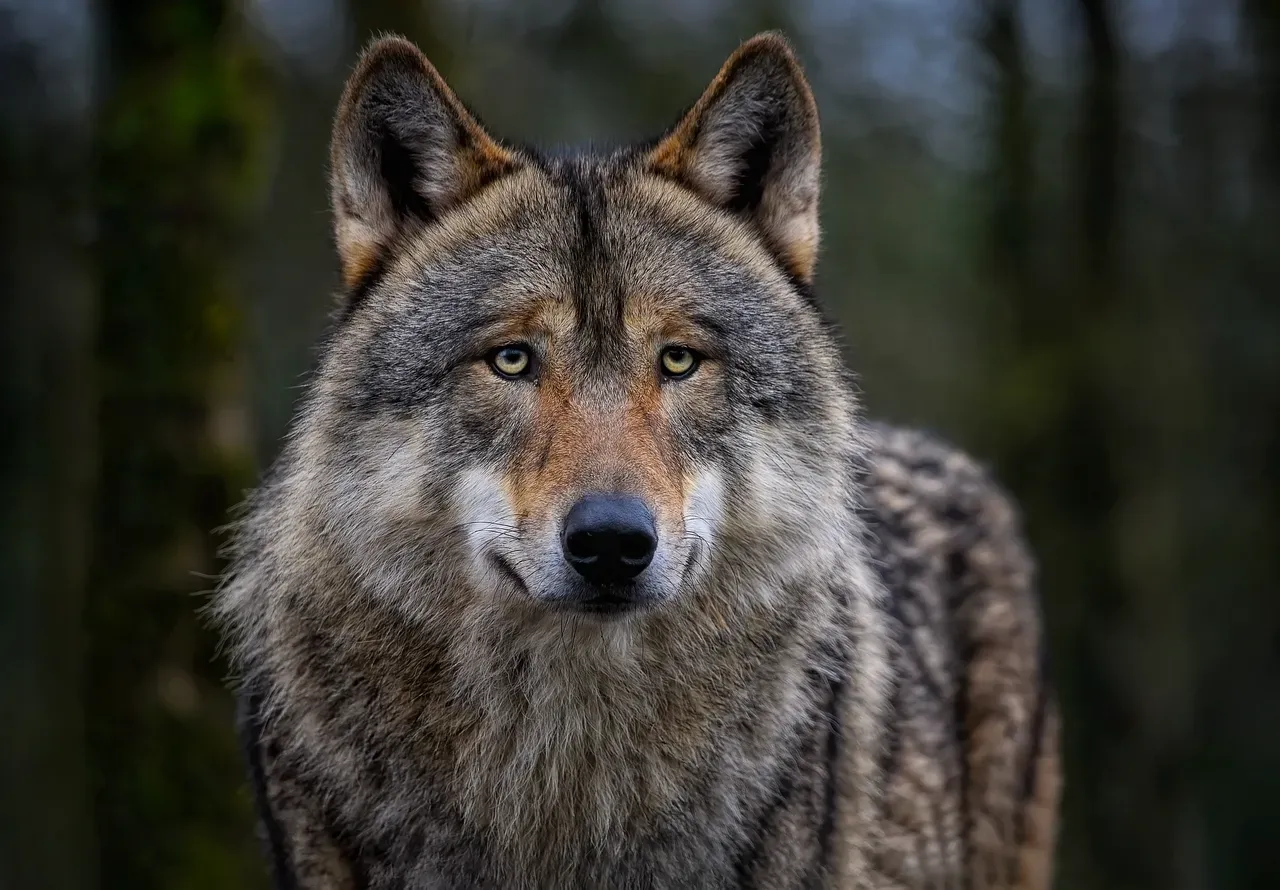
The olfactory world of a gray wolf is something we can barely comprehend. While we rely on visual cues and occasionally notice strong smells nearby, wolves are constantly swimming through oceans of scent information that dictate nearly every decision they make. From detecting prey almost two miles away to identifying individual pack members by their unique chemical signature, their noses are arguably their most valuable survival tool.
To a large degree, a wolf navigates the world through its sense of smell, and understanding this helps us appreciate just how different their experience of reality truly is. Next time you’re out in nature, take a moment to consider all the invisible information floating past your nose that you’ll never detect. Somewhere out there, a wolf is reading that same air like a detailed newspaper, making decisions based on data you can’t even perceive. What do you think about these incredible abilities? Pretty humbling, isn’t it?
