

You know that sinking feeling when you spot a tiny ant crawling across your kitchen counter, only to realize there’s a whole trail of them marching toward your pantry? It happens to the best of us. Whether it’s spring, summer, or even those warmer winter days, ants always seem to find their way inside our homes. The good news is that you don’t need to resort to harsh chemicals or call an exterminator immediately.
There are actually quite a few natural methods that can help you reclaim your space from these persistent little invaders. Some of these tricks use items you probably already have sitting in your cupboards right now. Let’s be real, nobody wants to share their home with an ant colony. So let’s dive into six effective for good.
White Vinegar: The Kitchen Staple That Ants Absolutely Hate
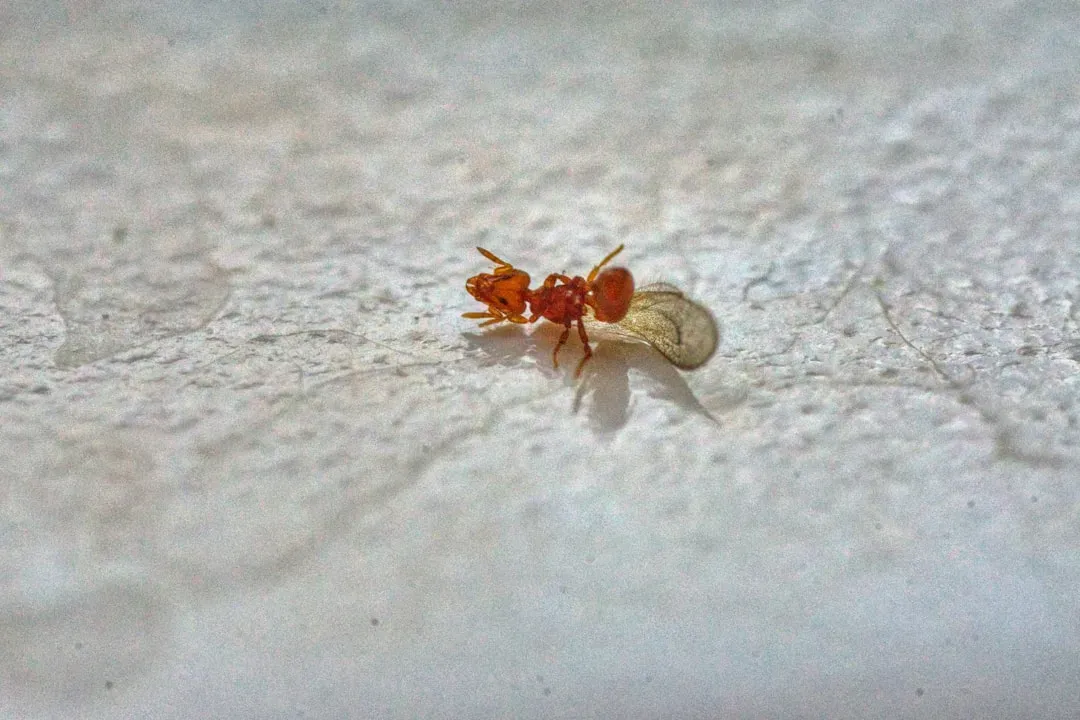
White vinegar is not only cheap and readily available at any grocery store, but it’s also surprisingly effective at killing and repelling ants. Here’s the thing about ants: they rely heavily on scent trails to navigate and communicate with each other.
A simple mixture of equal parts water and white vinegar in a spray bottle disrupts these scent trails and deters them from returning. You can spray this solution directly onto ant trails, entry points, and even on the ants themselves.
The acetic acid in vinegar not only kills ants on contact but also disrupts their scent trails, making it harder for their buddies to follow the same path. What I love about this method is that vinegar doubles as a natural cleaning agent.
You can mop floors and clean counters with a 50/50 vinegar and water solution, which means you’re keeping your home clean while simultaneously making it inhospitable to ants. The vinegar smell fades pretty quickly for humans, but ants can still detect it and will steer clear.
Just remember, this isn’t a one-and-done solution. You’ll need to reapply regularly, especially in high-traffic ant areas. Also, avoid using vinegar on natural stone surfaces as it can damage them.
Essential Oils: Powerful Scents That Send Ants Packing
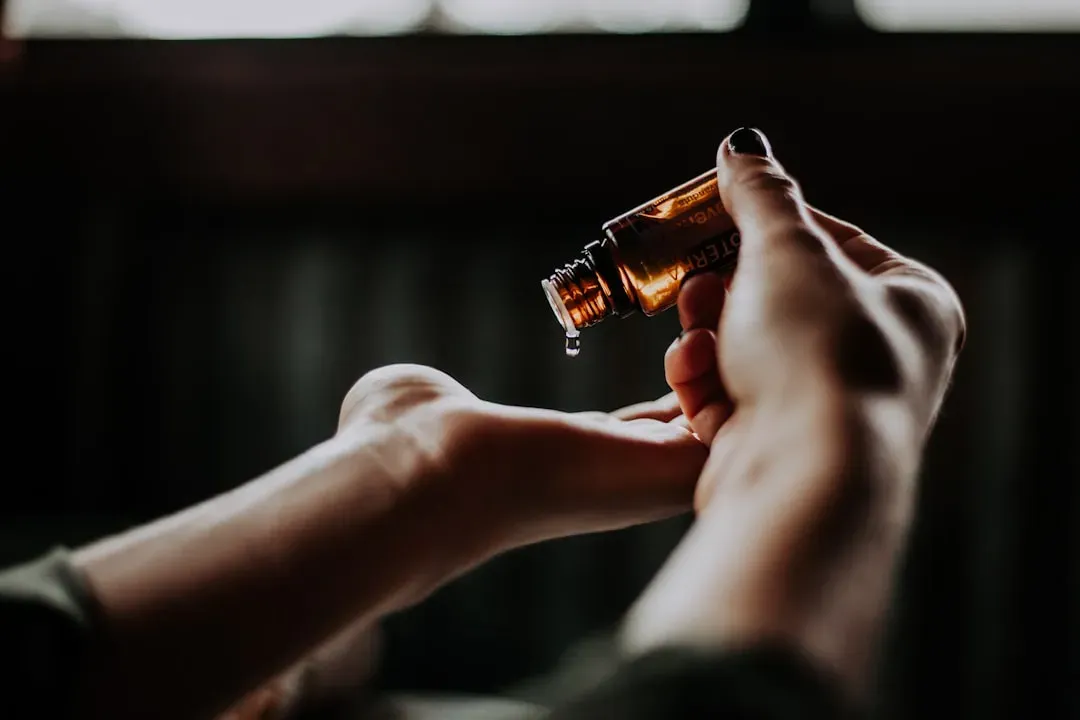
If you’re looking for something that smells better than vinegar, essential oils might be your answer. A 2020 study found that peppermint oil helped repel the invasive European red ant, which is pretty impressive when you think about it.
Mix 10 to 20 drops of peppermint essential oil with 2 cups of water in a clean spray bottle and spray the mixture around baseboards and windows. The strong scent overwhelms ants and masks their pheromone trails, leaving them confused and disoriented.
Peppermint isn’t the only oil that works, though. Eucalyptus, cinnamon, clove, and citrus oils are also effective as insect repellents. You can experiment with different combinations to find what works best in your home.
Some people even soak cotton balls in these oils and place them in cabinets, behind appliances, or near entry points. The effect can last for days, though you’ll want to refresh them weekly for maximum effectiveness.
One word of caution: keep essential oils away from pets, especially cats and birds, as some oils can be toxic to them. Always do your research before using essential oils around animals.
Cinnamon: A Sweet Spice With Serious Ant-Repelling Power

Cinnamon is not only a spice but also a natural ant repellent, and its pungent smell disrupts the ants’ scent trails, keeping them away. It’s hard to say for sure why ants dislike it so much, but the strong aroma seems to interfere with their ability to communicate and navigate.
You can sprinkle ground cinnamon or place cinnamon sticks around entry points and ant trails. This works particularly well around windowsills, door frames, and any cracks or gaps where ants might be sneaking in.
A 2008 study found that compounds in cinnamon leaf essential oil, including trans-cinnamaldehyde, could be effective at killing and repelling ants. So if you want to take things up a notch, consider using cinnamon leaf essential oil instead of just the powder.
You can saturate cotton balls with the oil and place them in areas where you typically see ant activity. The scent is pleasant for most people but unbearable for ants.
Honestly, cinnamon is one of those solutions that feels almost too simple to work, yet it does. Plus, your home will smell like you’ve been baking all day, which is a nice bonus.
Just be aware that ground cinnamon can stain lighter surfaces, so use it carefully on countertops and floors.
Coffee Grounds: Turn Your Morning Waste Into Ant Defense
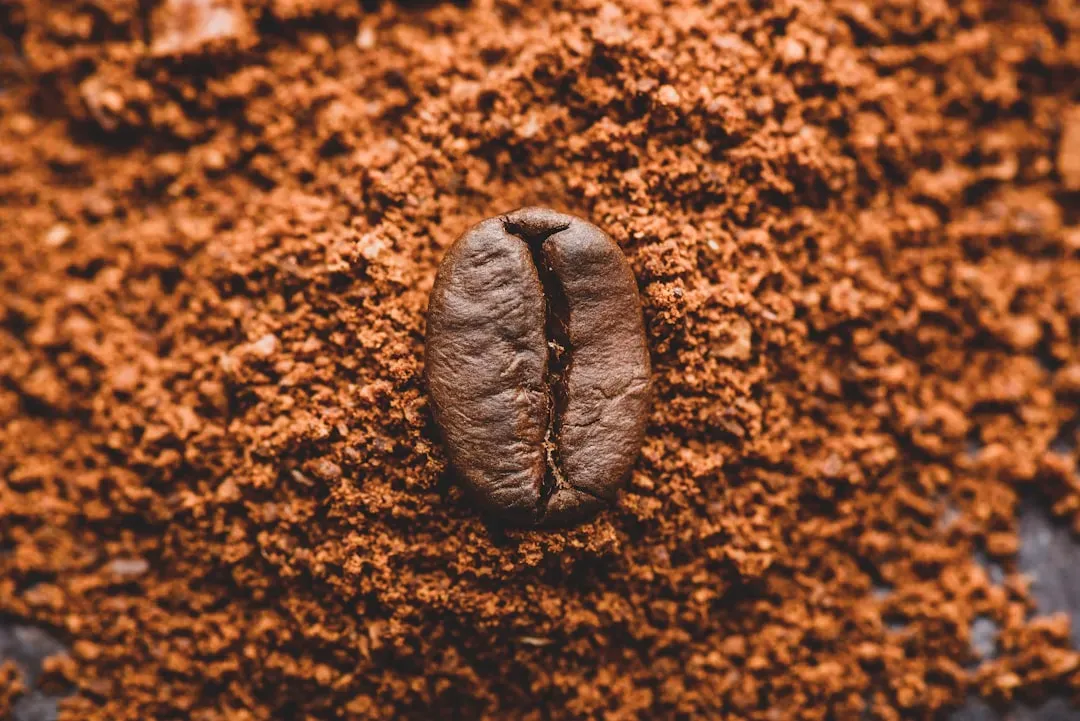
Here’s something you might not have guessed: used coffee grounds can repel ants due to their strong smell, and you can sprinkle them around the perimeter of your home and in areas where you’ve seen ants. This is one of my favorite methods because it recycles something you’d normally throw away anyway.
Coffee grounds confuse ants so that they end up losing track of scent trails. Some experts believe ants are repulsed by the smell, while others think they simply dislike the texture under their feet.
Either way, it works. You can spread fresh or used coffee grounds around the stems of indoor and outdoor plants, along foundation walls, and near entry points.
Coffee grounds lose their potency when washed away by rain or as they decompose, so it’s crucial to replenish them periodically. A good rule of thumb is to refresh them after rainfall or on a regular schedule, like every couple of weeks.
The beauty of this method is that it’s completely natural, safe for pets and kids, and costs you absolutely nothing if you’re already a coffee drinker. Let’s be real, that’s a win on multiple levels.
Diatomaceous Earth: The Natural Powder That’s Deadly to Ants
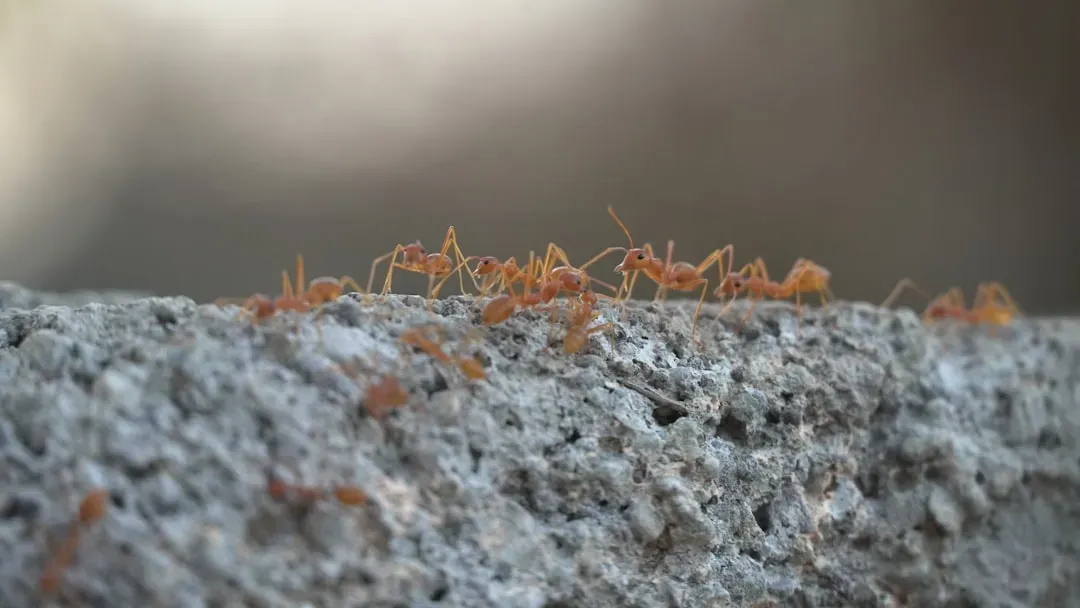
Diatomaceous earth is made up of silica from fossilized remains of aquatic organisms called diatoms, and it kills ants by absorbing the oils in their exoskeletons, which dries them out. It sounds like something out of a science fiction novel, right?
Food-grade diatomaceous earth is harmless to mammals but very harmful to ants. You can find it at most home improvement stores or online, and it’s surprisingly affordable.
Sprinkle food-grade powder around door thresholds, near pet food bowls, or in crevices along the foundation. When ants walk through it, the powder sticks to their bodies and eventually dehydrates them.
The best part? It’s a great option for keeping ants out without risking your pets’ safety. Just make sure you purchase food-grade diatomaceous earth, not the kind used for pool filters, as that type can be harmful to breathe.
One thing to keep in mind is that moisture reduces its effectiveness, so you may need to reapply after cleaning or if the area gets wet. Still, it’s one of the most reliable natural methods out there.
Also, wear a mask when applying it in large quantities, as the fine powder can irritate your lungs if you breathe too much of it in.
Lemon Juice: Citrus Power That Disrupts Ant Highways
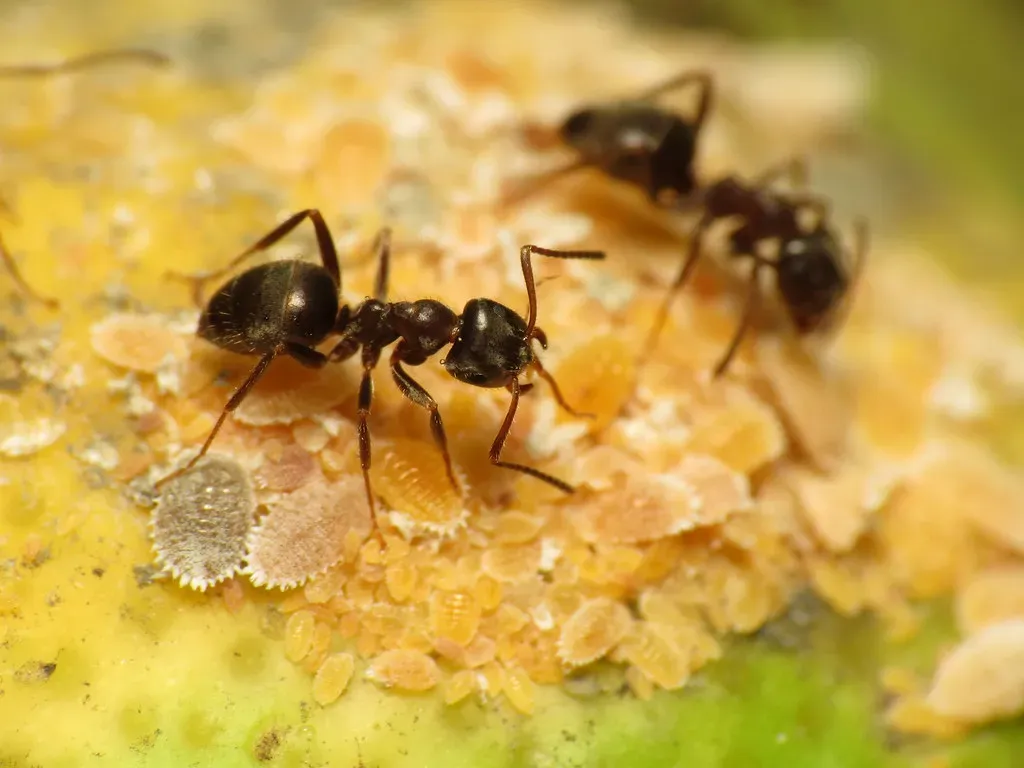
Lemon juice works similarly to vinegar in repelling ants, as its acidic nature masks the scent trails ants use to navigate. If you’ve ever noticed ants following the exact same path over and over, it’s because they’re following a pheromone trail left by scout ants.
Squeeze fresh lemon juice around door frames, windowsills, and other entry points, or mix it with water and use it as a spray. The citrus scent is pleasant for humans but absolutely confusing for ants.
The acidity in lemon juice destroys pheromone trails and works as a natural ant repellent, and it has been tested against the red imported fire ant with some effectiveness as a deterrent. You can even place lemon peels in areas where ants congregate, like inside cabinets or near trash cans.
Some people combine lemon juice with vinegar for an extra powerful solution, though that might create a rather pungent smell. Like vinegar, you’ll need to reapply lemon juice regularly for it to remain effective.
Be cautious about using it on certain surfaces, as the acidity can discolor or damage furniture, upholstery, and some types of flooring. Test it in a small, inconspicuous area first if you’re unsure.
Conclusion
Dealing with ants doesn’t have to mean filling your home with toxic chemicals or spending a fortune on professional exterminators. These six natural methods offer practical, affordable solutions that actually work when used consistently. From the vinegar sitting in your pantry to the coffee grounds you’d normally toss in the trash, you have more ant-fighting tools at your disposal than you might have realized.
The key to success is persistence and combining multiple methods for the best results. Remember, natural solutions might take a bit longer to work than commercial pesticides, but they’re safer for your family, pets, and the environment. Keep your home clean, seal up entry points, and maintain these natural barriers regularly.
What’s your go-to method for keeping ants away? Have you tried any of these tricks, or do you have a secret weapon of your own? Let us know in the comments.

- 14 Quiet Signs Your Dog Knows Its Time Is Near and Wants You Close - July 22, 2026
- 10 Falcon Facts That Will Blow Your Mind - July 22, 2026
- 5 Incredible Migratory Journeys Animals Make Every Year - July 22, 2026