
Worried about unexpected vet bills?
Pet insurance can cover thousands in unexpected vet costs. Get a free quote from Lemonade in under 2 minutes.
Get My Free Quote →Sponsored · Opens Lemonade.com
Think you know what it takes to survive in a desert? Let’s be real, most of us struggle on a hot summer day without air conditioning. Now imagine living where temperatures can soar past fifty degrees Celsius, water is virtually nonexistent, and food is scarce enough to make any creature desperate.
The desert isn’t just hot and dry. It’s one of nature’s most brutal testing grounds, where only the most ingeniously adapted creatures manage to endure. From rodents that never take a single sip of water to lizards that drink through their skin, these animals have evolved remarkable survival strategies that would make any survival expert jealous. Let’s dive into the fascinating world of these incredible desert dwellers.
Fennec Fox: The Desert’s Heat-Shedding Master
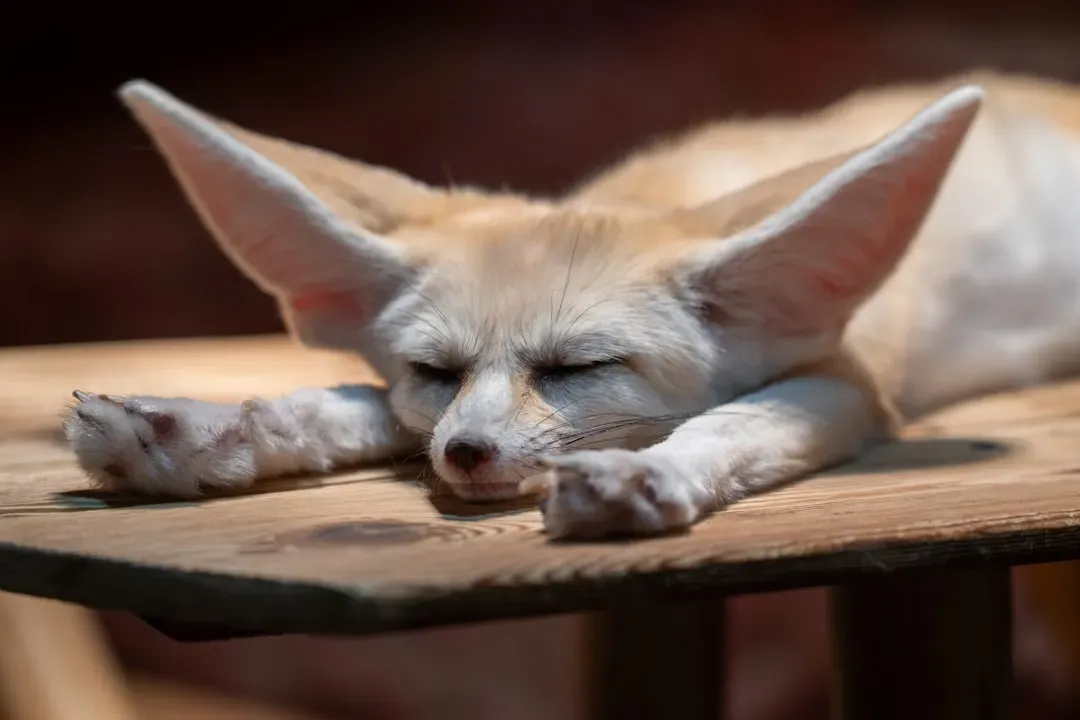
The fennec fox of North Africa has large ears which serve a dual purpose: they are great for listening for bugs to eat that may be moving around underground, but they are also loaded with blood vessels, allowing the animals to dissipate excess body heat. These remarkable creatures have adapted to one of the most punishing landscapes on Earth through a combination of physical and behavioral traits.
Fennec foxes dissipate heat through oversized ears, losing up to 100W, and hunt during cooler evenings to avoid daytime peaks exceeding 50°C. Their light-colored fur acts like a natural sunscreen, reflecting harsh sunlight to reduce heat absorption. Honestly, it’s hard to say for sure, but these little foxes might have one of the most efficient cooling systems in the entire animal kingdom.
Living in the Sahara Desert, fennec foxes spend their days in underground burrows and emerge at night when the desert transforms from an oven into something more tolerable. Their nocturnal lifestyle isn’t just about avoiding heat. It’s a calculated survival strategy that allows them to hunt insects and small prey while conserving precious energy and moisture.
Kangaroo Rat: Never Needing a Drop to Drink
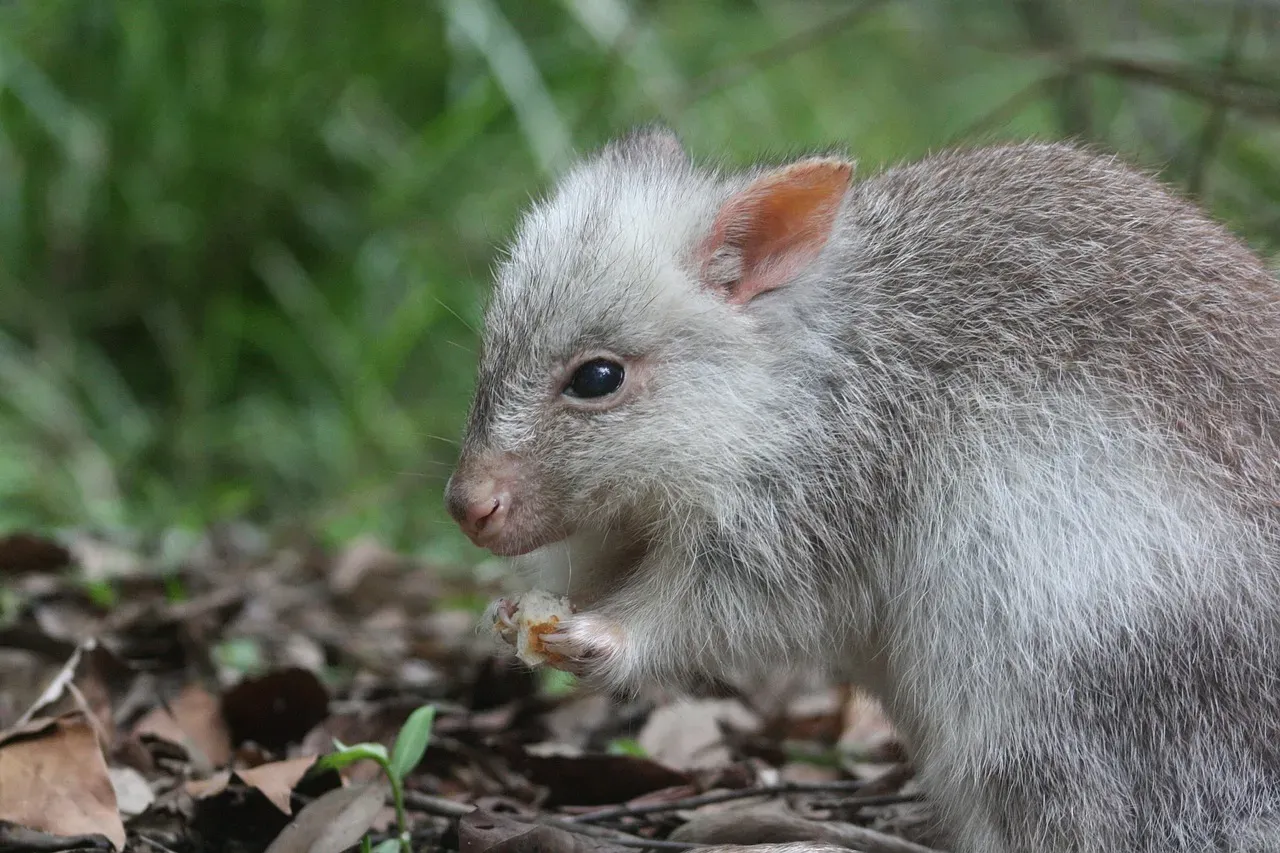
Here’s the thing about kangaroo rats that blows my mind. Kangaroo rats can go without water for their entire lives, instead obtaining moisture from their food. Think about that for a moment. These small rodents have evolved to be so efficient that they literally never need to drink water.
Kangaroo rats live in underground dens which they seal off to block out midday heat and to recycle the moisture from their own breathing. These ingenious rodents also have specialized kidneys with extra microscopic tubules to extract most of the water from their urine and return it to the blood stream. The efficiency doesn’t stop there either.
Kangaroo rats have kidneys that concentrate urine up to 5,500 mOsm/L, extracting up to 90% of water from dry seeds, and can survive without direct water intake for months. They even recapture moisture that would normally be lost through breathing using specialized nasal organs. I know it sounds crazy, but these rodents essentially manufacture water metabolically from digesting dry seeds.
Thorny Devil: Drinking Through Its Skin
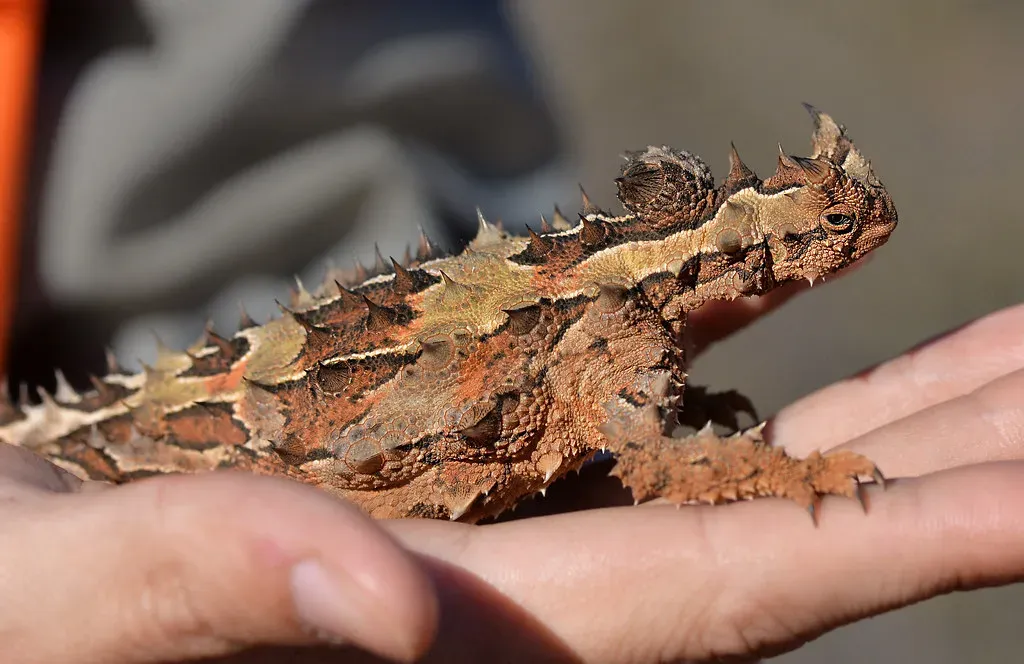
The thorny devil lizard looks like something out of a fantasy novel, covered head to tail in intimidating spines. Living in the harsh Australian Outback, this bizarre reptile has developed one of nature’s most ingenious water collection systems.
The thorny devil has developed skin that can absorb water like blotter paper through capillary action, and the way the scales on the body are structured, it collects dew and channels it down to the corners of the mouth where the lizard drinks it. Picture tiny grooves between each scale acting like natural water channels.
Thorny devils channel rainwater across their scale grooves directly to their mouths at a rate of 1 mL/hour; they also tilt their bodies to maximize moisture capture during rare rainfall. This lizard can literally stand on a damp patch of sand and drink water through its feet. The moisture travels across the entire body through microscopic channels until it reaches the mouth. Truly, evolution has crafted something extraordinary here.
Addax Antelope: The Ghost of the Sahara
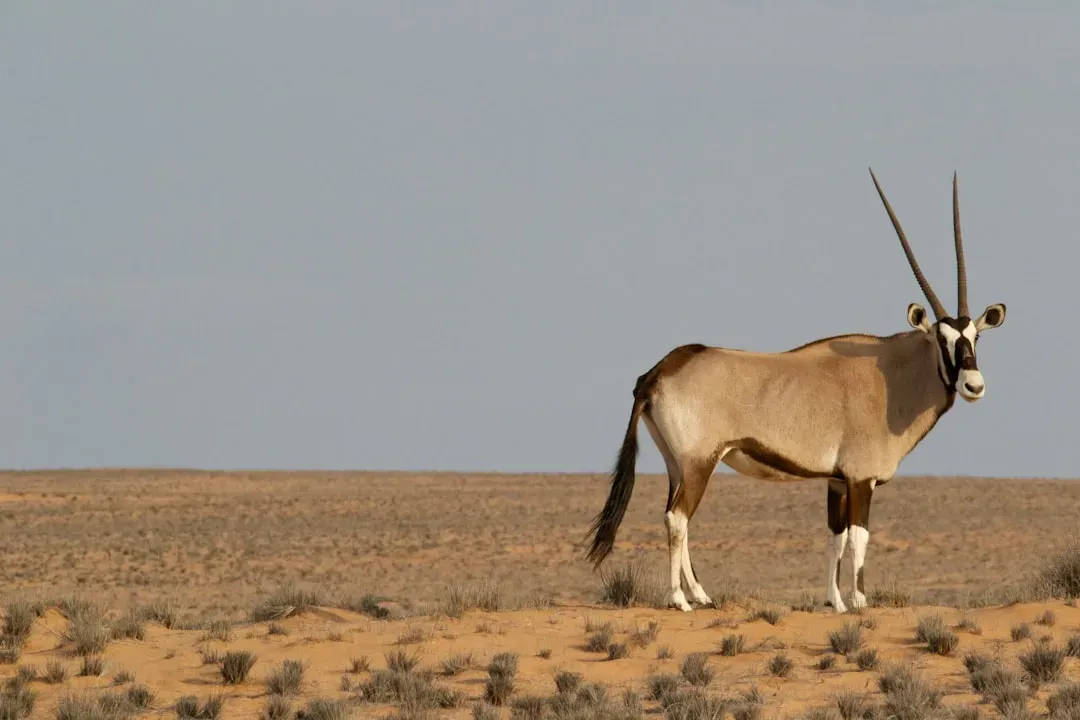
The Addax antelope wanders the scorching Sahara like a pale ghost, its white coat shimmering in the relentless sun. Addax antelopes have a white coat which reflects heat to keep them cool. These large mammals represent one of the desert’s most endangered yet perfectly adapted inhabitants.
Addax antelopes are well-adapted to desert life, able to go for long periods without drinking water by getting moisture from the plants they eat. They graze on grasses and other desert plants that provide them with nutrients and hydration. Their wide, flat hooves help them navigate sandy terrain with surprising agility, preventing them from sinking into loose dunes.
What’s fascinating is how rarely these animals actually need to drink. They can survive indefinitely on the moisture content of desert vegetation alone, which honestly isn’t much considering how dry those plants are. Their bodies have become so efficient at conserving water that they produce highly concentrated urine and dry fecal pellets, wasting virtually no moisture.
Saharan Silver Ant: Speed Demon of the Scorching Sands
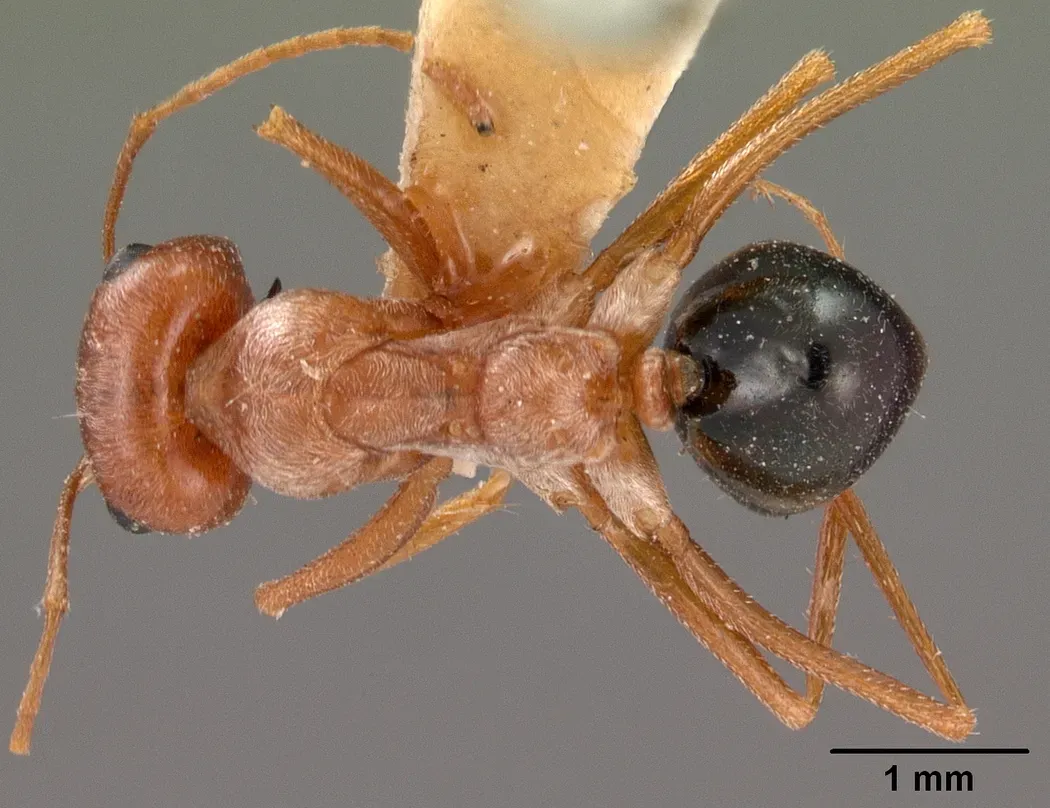
The Saharan silver ant may be tiny, but it’s one of the fastest insects on Earth, capable of sprinting across scorching sand at astonishing speeds. Active during the hottest part of the day, it uses this extreme niche to avoid predators that cannot withstand the same temperatures. Most creatures flee from midday desert heat, but not this ant.
The Saharan silver ant has evolved a highly reflective exoskeleton that helps it to regulate its body temperature in the scorching heat of the desert. Those silvery hairs covering its body aren’t just for show. They reflect solar radiation and create a thin layer of insulating air around the ant’s body.
These remarkable insects dash out onto sand that can reach temperatures exceeding seventy degrees Celsius to scavenge the bodies of creatures that couldn’t handle the heat. Their foraging trips last only minutes because even they can’t survive prolonged exposure to such extreme conditions. Speed, timing, and that reflective armor are what keep them alive in conditions that would kill almost anything else.
Spadefoot Toad: The Desert’s Master of Patience
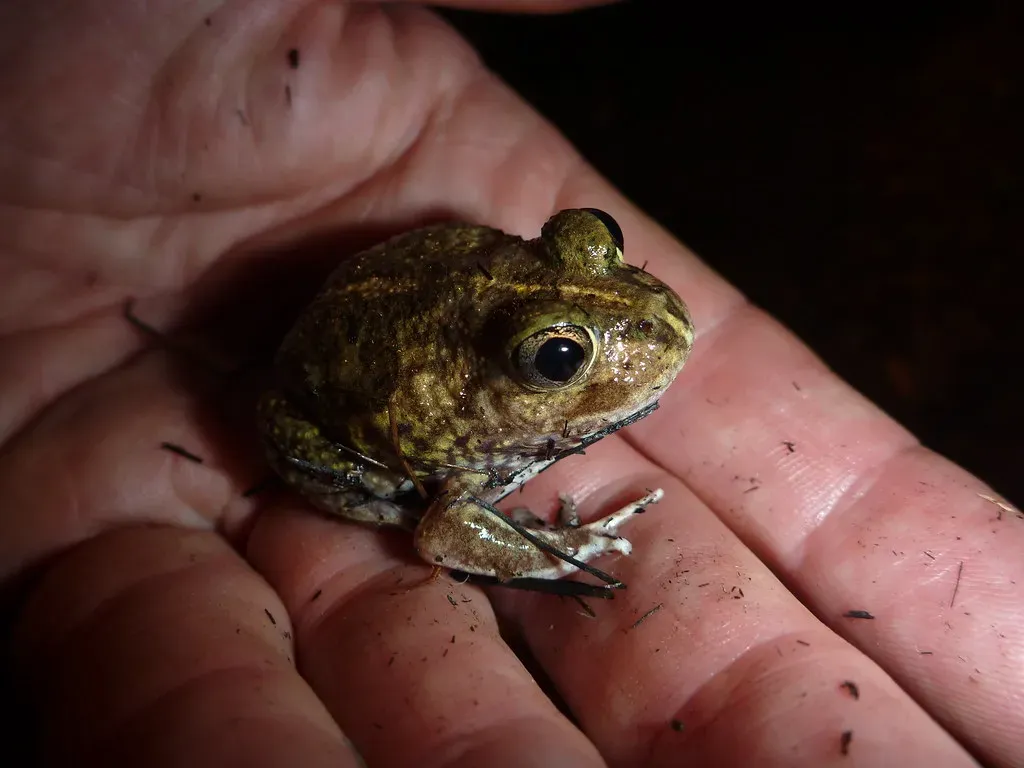
The spadefoot toad spends 10-11 months out of the year buried in the soil, only to emerge to breed and feed during summer rainstorms. Let that sink in. This amphibian spends nearly its entire existence underground in a state of dormancy, waiting for conditions that might never come.
When rare desert rains finally arrive, spadefoot toads emerge en masse, transforming temporary pools into frenzied breeding grounds. They have only days or weeks to mate, lay eggs, and for those eggs to develop into tadpoles and then into young toads before the water evaporates. It’s an evolutionary gamble with incredibly high stakes.
The ability to survive underground for such extended periods requires entering a state similar to hibernation called aestivation. Their metabolism slows to a crawl, and they create a moisture-retaining cocoon from shed skin layers. When you think about patience and adaptation, few creatures embody these qualities better than the humble spadefoot toad.
Conclusion
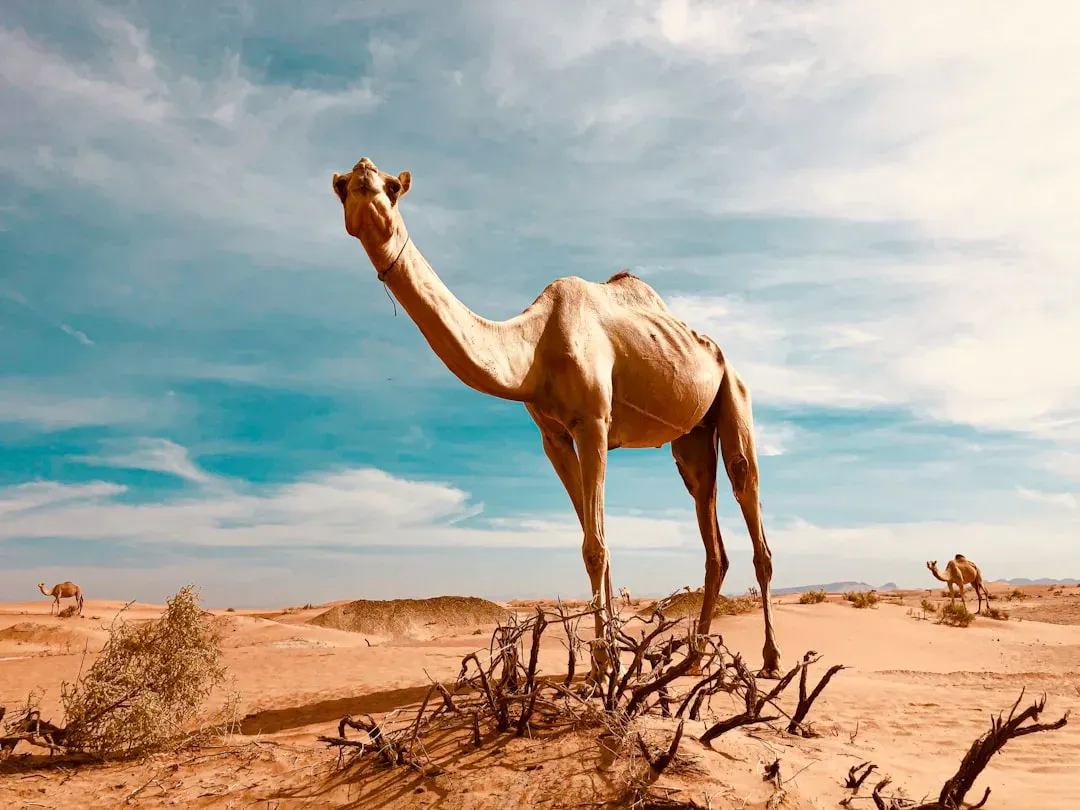
Desert animals have taken evolution to extraordinary extremes. From foxes with oversized radiator ears to rodents that manufacture their own water, these creatures prove that life finds a way even in the most inhospitable conditions. Their survival strategies are testaments to millions of years of adaptation, innovation, and sheer persistence.
What strikes me most is how diverse these solutions are. There’s no single blueprint for desert survival. Instead, each species has carved out its own unique niche using a combination of physical adaptations, behavioral changes, and physiological innovations that would seem impossible if we didn’t see them functioning in real time.
These remarkable animals remind us that nature’s ingenuity knows no bounds. What’s your take on these incredible survivors? Which adaptation surprised you the most?
Worried about unexpected vet bills?
Pet insurance can cover thousands in unexpected vet costs. Get a free quote from Lemonade in under 2 minutes.
Get My Free Quote →Sponsored · Opens Lemonade.com
