
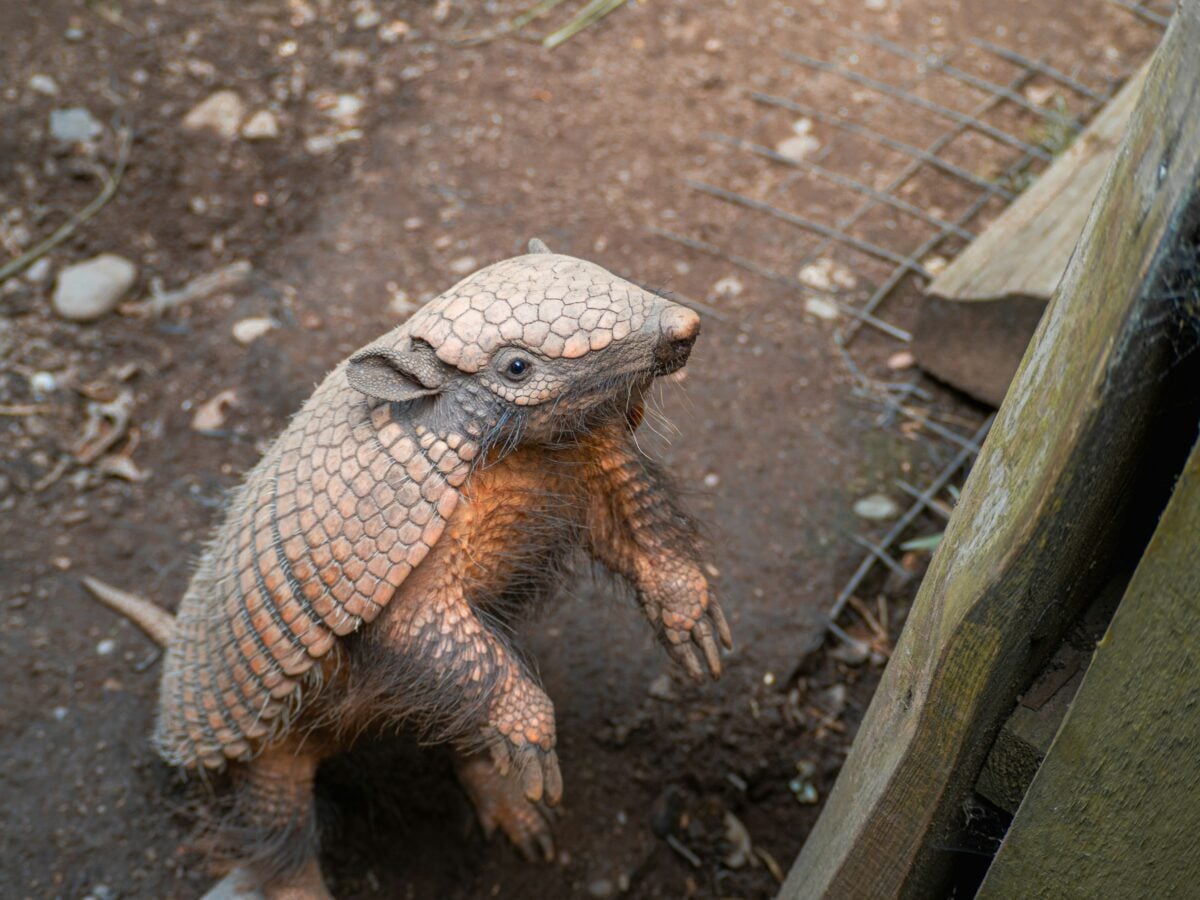
If you think armadillos are just dusty little tank-like creatures from nature documentaries, the United States might surprise you. These oddly charming, armor-plated mammals have quietly marched their way across the South and well beyond, turning up in places where no one expected to see them a few decades ago.
Today, armadillos are so common in some states that they’re road-trip regulars, backyard diggers, and even a weird kind of unofficial mascot. But they’re not evenly spread out; a handful of states really stand out as armadillo hotspots. Let’s walk through the six states where you’re most likely to bump into one of these midnight gardeners – and why they’ve fallen in love with those places.
#1 Texas: The Unofficial Armadillo Capital
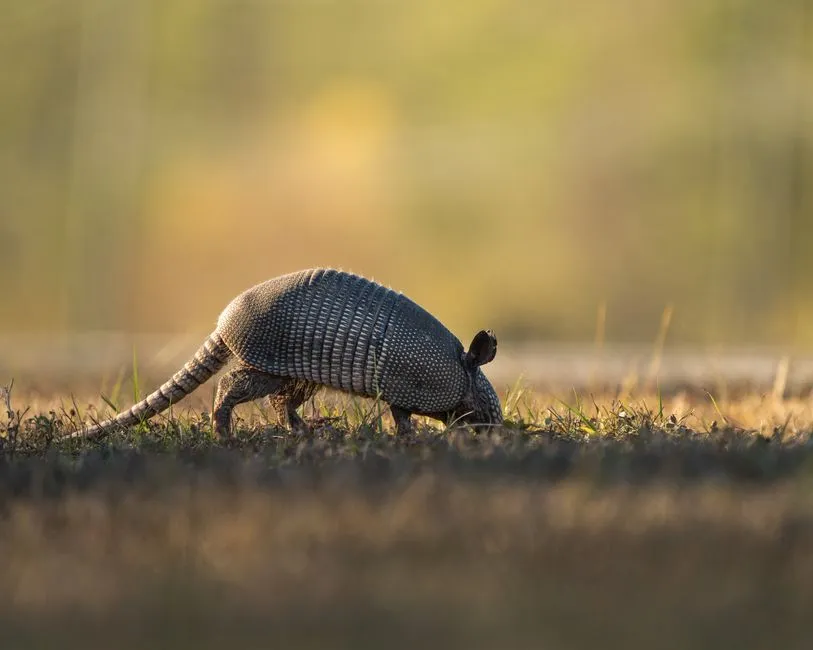
Texas and armadillos go together so strongly that a lot of people assume they’re native only to this state. They actually pushed north from Latin America over the past century, but Texas offers just about everything an armadillo could hope for: warm winters, huge stretches of scrubby land, and plenty of soft soil to dig for insects and grubs. From the Gulf Coast to the Hill Country and across central Texas, spotting an armadillo at dusk is almost a rite of passage.
Because of its sheer size and mostly mild climate, Texas probably has more armadillos than any other state. They’ve become part of the local culture, popping up in art, roadside souvenirs, and tall tales. Yet for all the jokes, there’s a serious ecological story here: as generalist insect-eaters, armadillos help control beetles, ants, and other invertebrates, while their digging reshapes soil and even creates hiding spots for smaller animals. Texans might not always love them tearing up lawns, but the relationship is surprisingly deep.
#2 Florida: Armadillos in the Sand and Suburbs
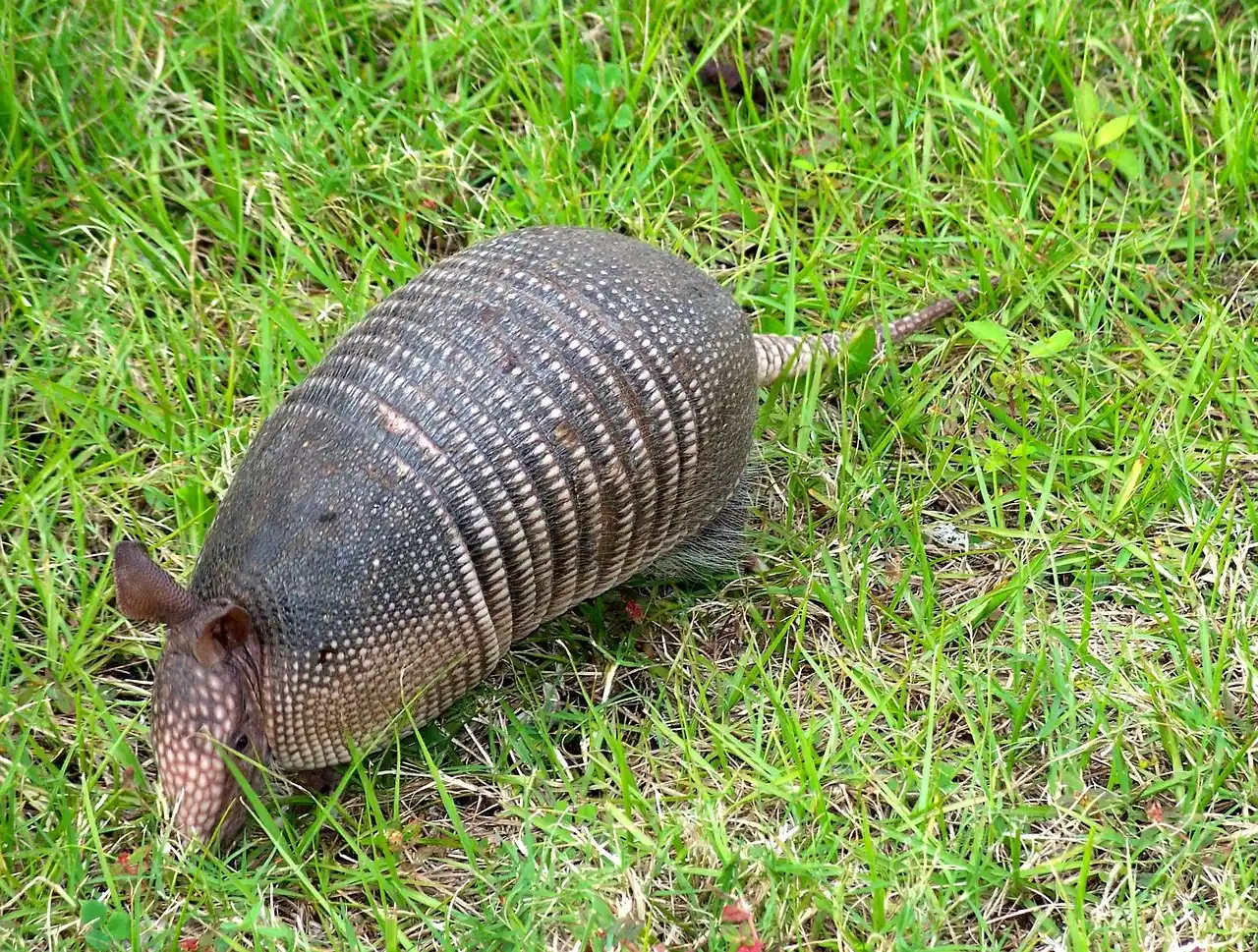
If you picture Florida wildlife, you might think of alligators and manatees first – but armadillos are right there in the mix. Florida’s sandy soils are perfect for digging, and the warm, humid climate gives them long feeding seasons with plenty of insects and worms. They thrive in a patchwork of habitats: pine forests, pasturelands, roadside edges, and the green strips between housing developments.
In many parts of Florida, armadillos now feel as common as raccoons. Gardeners complain about flower beds getting tilled up overnight, while homeowners sometimes only notice them from little cone-shaped burrow holes and flipped-over mulch. At the same time, biologists watch them as living indicators of how quickly species can spread when the climate is favorable and predators are limited. Florida is a reminder that once armadillos get comfortable, they rarely move on.
#3 Louisiana: Bayou Country Burrowers
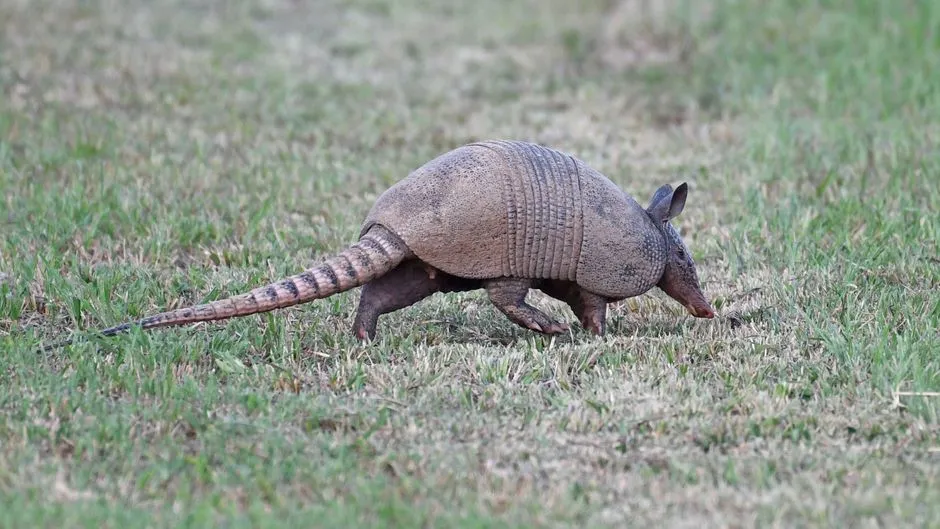
Louisiana might be defined in people’s minds by its bayous and wetlands, but just beyond the cypress trees and flooded ground lies excellent armadillo territory. They do well in the state’s mix of forests, farmlands, and upland areas, feeding in the soft, moist soil that makes it easy to sniff out beetles, larvae, and other protein-rich snacks. Warm nights and long summers keep them active much of the year.
Because Louisiana has fewer long, hard freezes than states further north, armadillos can survive winters with less stress and keep slowly expanding into new territory. They often end up as roadkill along rural highways, which is one reason people think of them as more common than they might actually be. Still, the combination of climate, habitat variety, and relatively low winter mortality makes Louisiana one of the most reliable places to find them.
#4 Oklahoma: On the Northern Edge of the Armadillo Wave
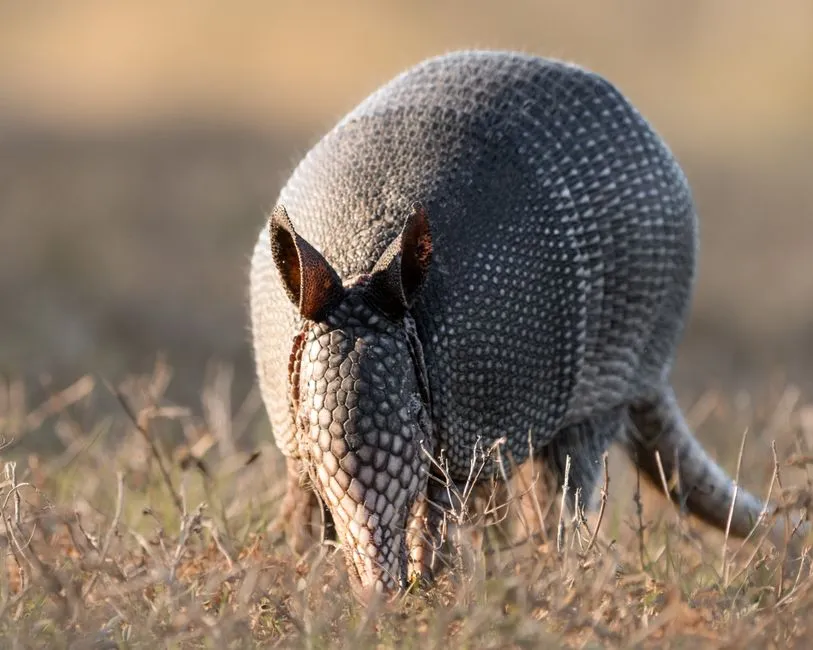
Oklahoma sits closer to the northern edge of the nine-banded armadillo’s range, but that hasn’t stopped them from moving in and spreading out. Over the last several decades, armadillos have marched through the southern plains and found Oklahoma’s mix of prairies, woodlands, and agricultural land surprisingly welcoming. Mild winters in many years, especially in the southern and central parts of the state, give them just enough cushion to survive and reproduce.
What makes Oklahoma especially interesting is that it shows how flexible armadillos can be. They’re not just tropical creatures hugging the coast anymore; they’re turning up in places with more variable weather and occasional cold snaps. When winters are harsh, their numbers can drop, but during stretches of warmer years they rebound and push a bit farther. Oklahoma really feels like a frontline in their slow-motion invasion of the central United States.
#5 Georgia: Quietly Becoming Armadillo Country
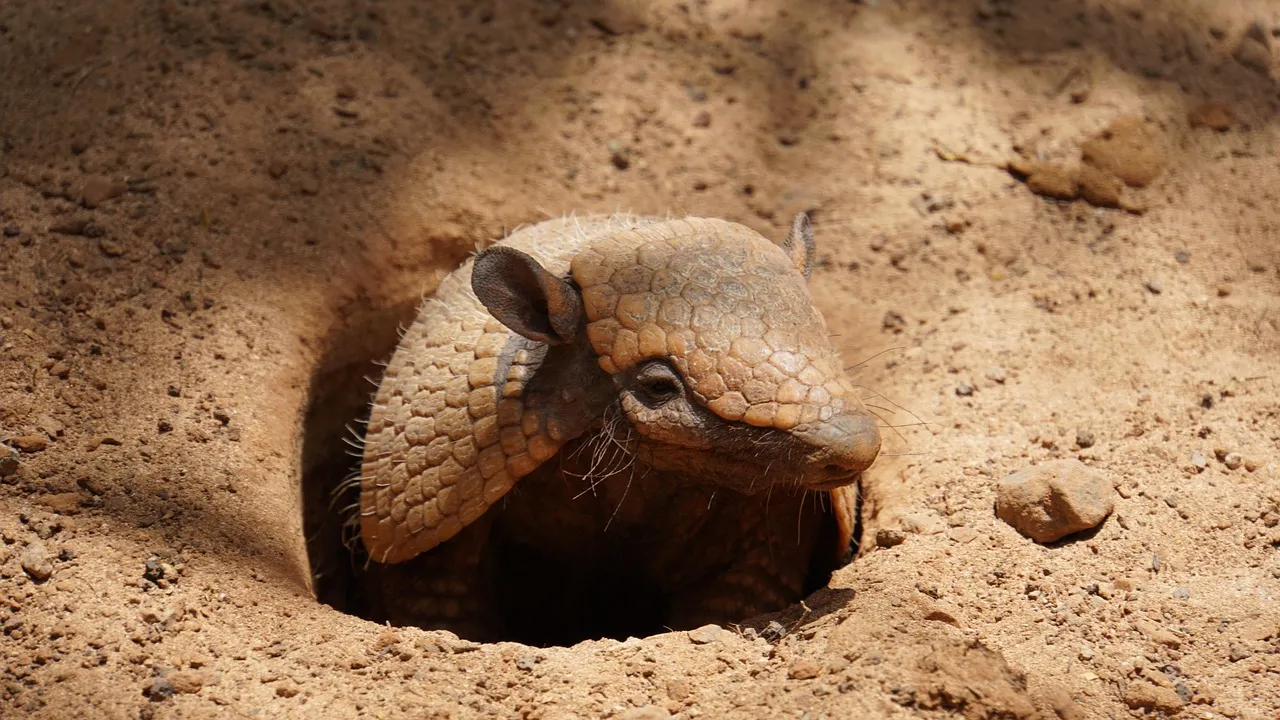
Georgia does not always get the same armadillo fame as Texas or Florida, but it has quietly become prime habitat for them. The state’s warm climate, patchy forests, and sprawling suburbs create exactly the edge environments armadillos love. They tend to work the margins – fence lines, ditches, and the transitions between woods and yards – where soil is disturbed and insects are plentiful.
As development has spread across Georgia, armadillos have followed the human footprint: highway shoulders, golf courses, and landscaped neighborhoods all turn into foraging territory. People sometimes discover their presence only from little craters in the lawn or a dog going wild at a burrow entrance. In my own travels through the Southeast, Georgia was where I went from thinking, “Oh wow, an armadillo!” to “Okay, they’re basically neighbors now,” and that shift says a lot about how established they’ve become there.
#6 Mississippi: A Corridor for Expansion
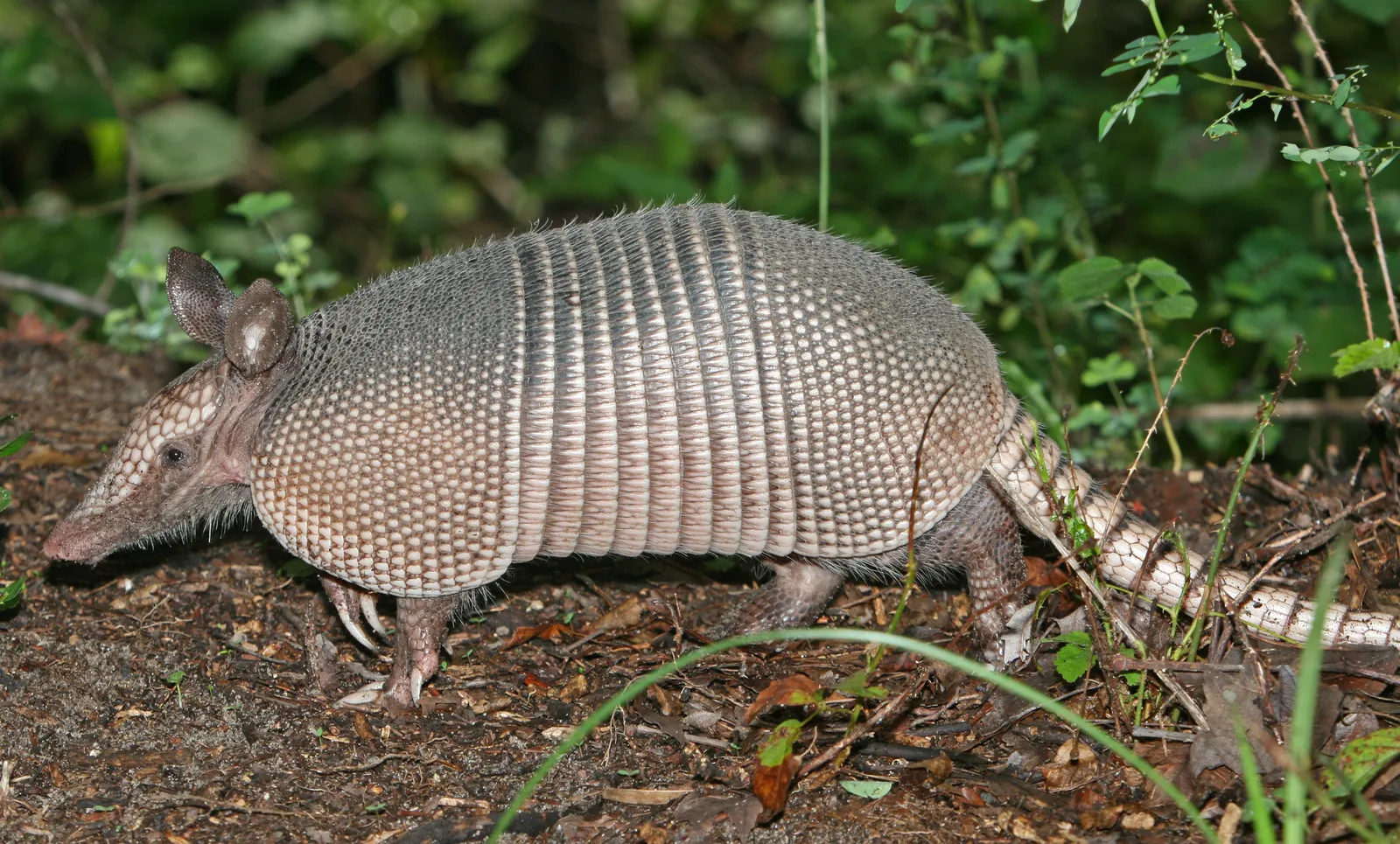
Mississippi is often overshadowed in wildlife conversations, but for armadillos, it is a kind of corridor state. Its location between Louisiana, Alabama, and Tennessee puts it right in the path of the species’ northward and eastward spread. Warm, humid conditions, broad stretches of forest and farmland, and relatively soft soils mean armadillos can move in, find food, and carve out new home ranges without much trouble.
In many Mississippi communities, they’re now familiar midnight visitors, especially near fields, creek banks, and semi-rural neighborhoods. Their presence here matters beyond just local lawns: Mississippi helps connect populations from the western Gulf states to those pushing into the Southeast and even farther north. If you picture the armadillo’s range as a slowly spreading inkblot on the map, Mississippi is one of the key spots where those blotches meet and merge.
Conclusion: The March of the Little Armored Mammal
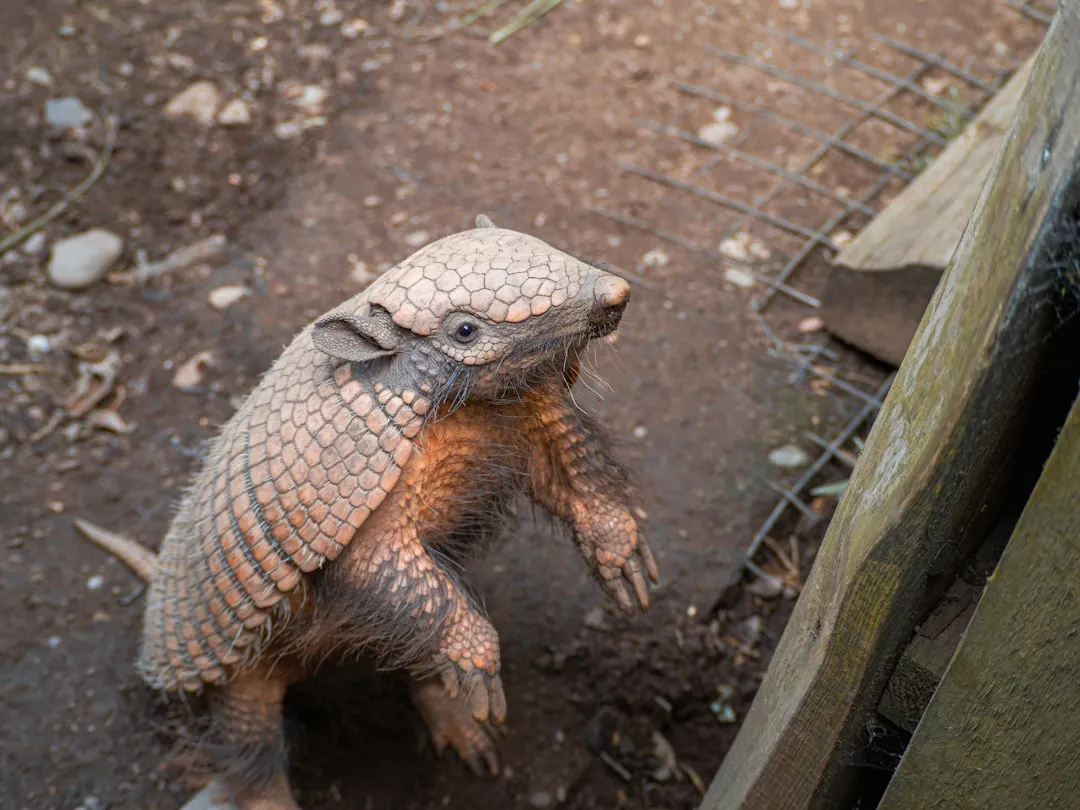
When you zoom out, these six states – Texas, Florida, Louisiana, Oklahoma, Georgia, and Mississippi – look like stepping stones in a bigger story. Armadillos are not just quirky roadside curiosities; they’re a living example of how animals track climate, land use, and opportunity. Warmer winters, highways cutting across the landscape, and miles of lawns and fields have all combined to help them spread, especially across the southern United States.
Personally, I think we underestimate how dramatic this quiet expansion really is. In just a few generations, a creature once tied to much warmer regions has become a common sight across huge parts of the country, and it is very likely to keep moving north as long as conditions allow. That might mean more dug-up gardens and more late-night surprises, but it also forces us to face how quickly ecosystems can change in our own backyards. The real question is not whether armadillos will keep spreading – it is how far north you think they will get in your lifetime.

- 8 Signs Your Rabbit Trusts You Completely - August 1, 2026
- How Light Pollution Is Impacting Wildlife and What We Can Do to Help - August 1, 2026
- 10 Most Beautiful Buildings In New York City - August 1, 2026