
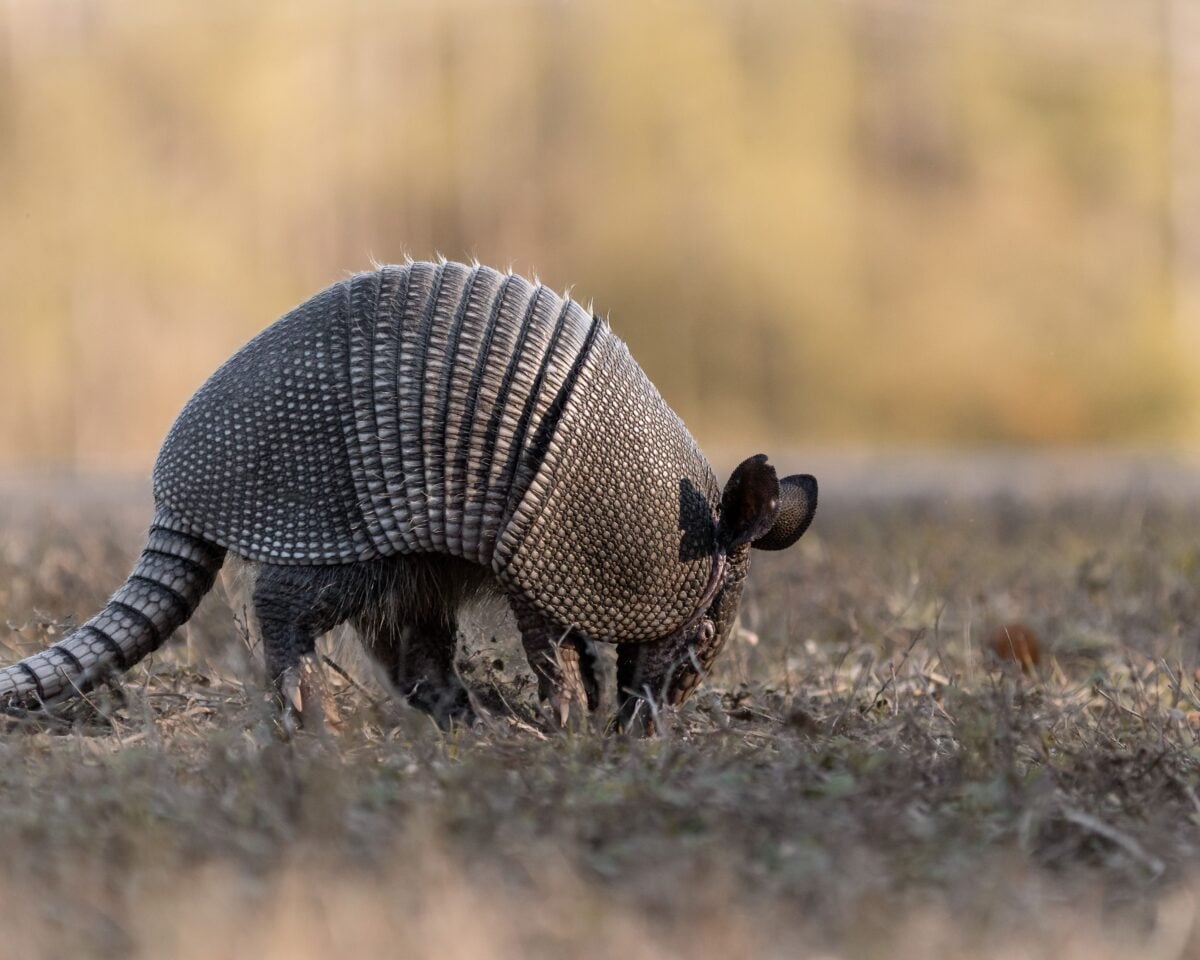
Armadillos have been quietly reshaping the southern landscape for well over a century. Their range has crept steadily northward from an initial foothold in Texas, and today they turn up in places that once seemed far too cold or dry for them. The states where they reach their highest numbers share a mix of loose soils, mild winters, and plenty of insects to fuel their digging lifestyle.
#1 Texas
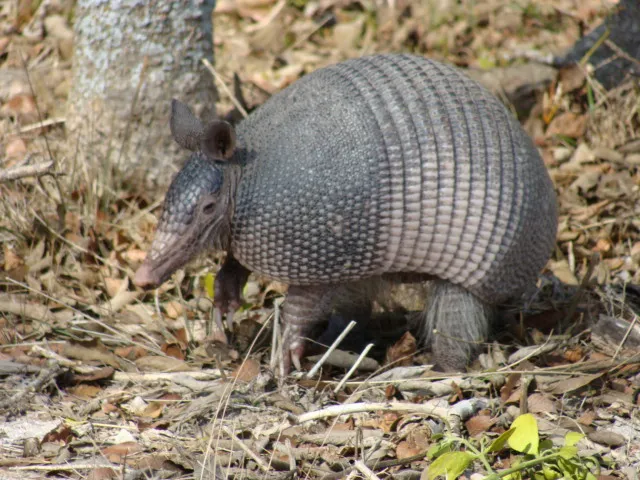
Texas stands out as the state where armadillos first established themselves in the United States back in the mid nineteenth century. The nine banded species now lives across nearly the entire state except for the driest western stretches. Residents often spot them foraging at dusk in suburban yards and along roadsides where grubs and beetles are easy to find.
Loose sandy soils make burrowing simple here and support large local populations. The animal even serves as the official state mammal, a nod to how common it has become. People sometimes view them as garden pests because of the holes they leave behind yet many appreciate their appetite for lawn damaging insects.
#2 Oklahoma
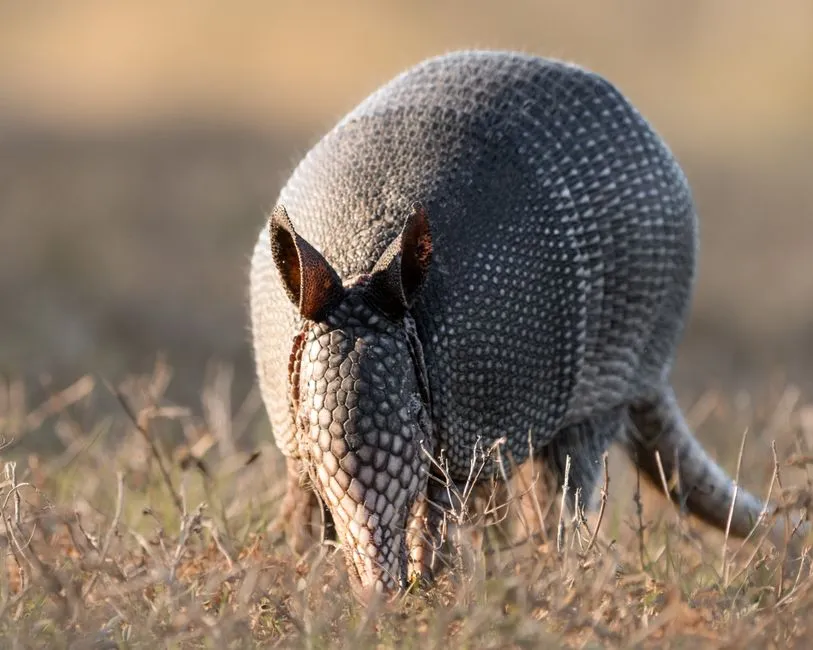
Oklahoma hosts steady populations of armadillos across its eastern and central regions where the climate stays warm enough year round. The animals arrived here decades ago as part of the broader northward expansion and have settled into wooded edges and open fields. Sightings remain frequent enough that drivers regularly encounter them on rural highways after dark.
The state offers the right balance of moisture and soil texture that armadillos need to thrive. Winters are generally mild enough to avoid the cold stress that limits them farther north. Local wildlife reports show consistent presence without the dramatic boom and bust cycles seen in newer expansion zones.
#3 Arkansas
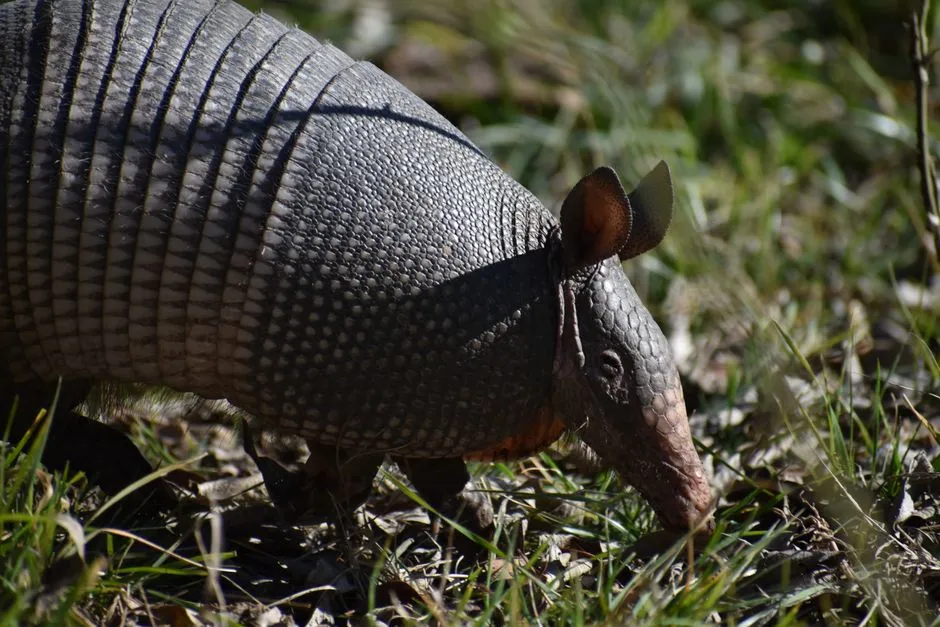
Armadillos reached Arkansas in the early twentieth century and now appear in every county. The mix of forests, pastures, and river bottoms provides ideal cover and food sources. Residents describe them as a familiar sight in both rural areas and the edges of growing towns.
Soil conditions across much of the state allow easy excavation for dens and foraging. Populations have remained stable for generations once the animals filled available habitat. Their presence has become so routine that many locals no longer give second glances to the distinctive tracks left in soft ground.
#4 Louisiana
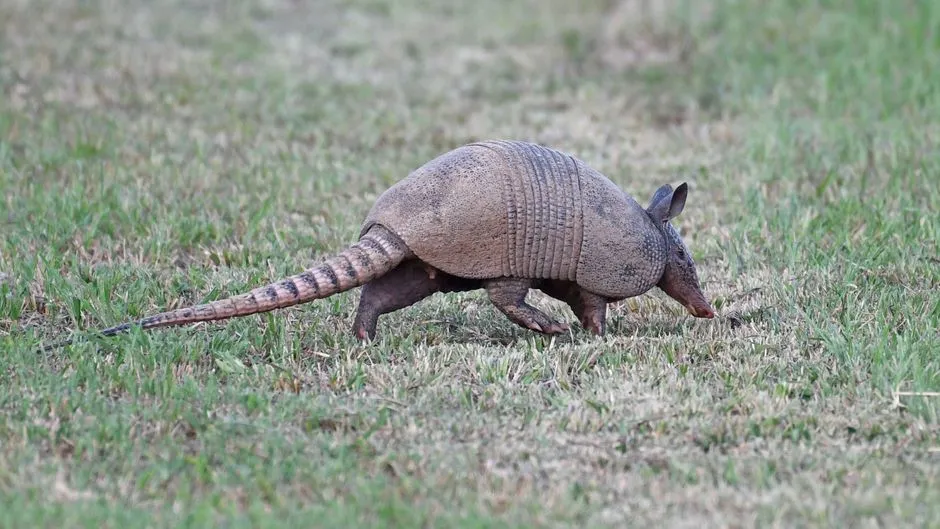
Louisiana supports robust armadillo numbers thanks to its warm subtropical climate and abundant wetlands edges. The animals favor the higher ground and levees where digging stays practical. They have lived here long enough to become part of the everyday natural scene in many parishes.
Insect rich soils and mild winters keep food supplies reliable throughout the year. Populations show little sign of decline even as development changes some landscapes. Observers note that armadillos often share space with other common southern mammals without major conflict.
#5 Mississippi
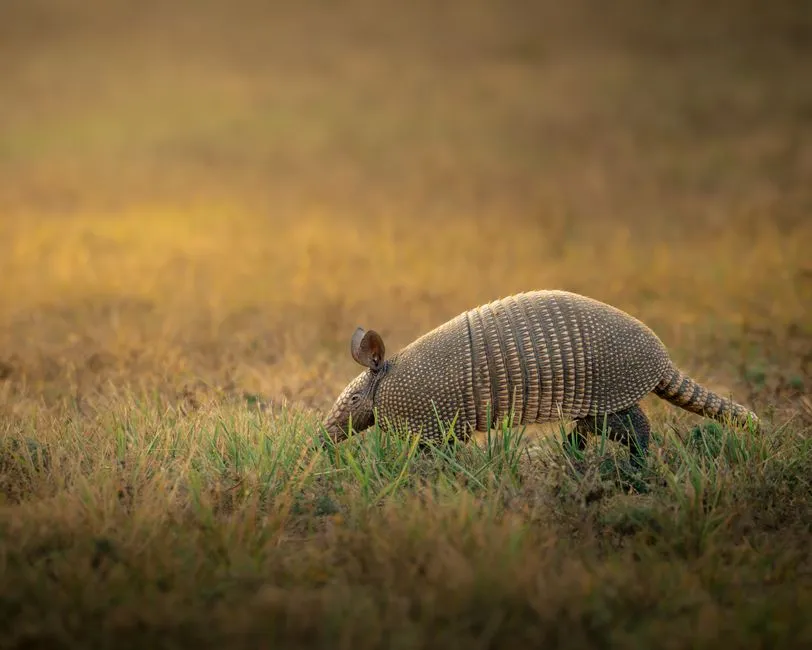
Mississippi offers extensive suitable habitat across its piney woods and coastal plain regions. Armadillos moved into the state early in the expansion wave and have maintained healthy numbers ever since. Evening drives through rural counties frequently reveal them crossing roads or rooting in leaf litter.
The combination of sandy soils and consistent moisture supports both burrows and a steady diet of invertebrates. Local reports indicate the species remains common even in areas with moderate human activity. Their adaptability has allowed steady presence without requiring special conservation measures.
#6 Alabama
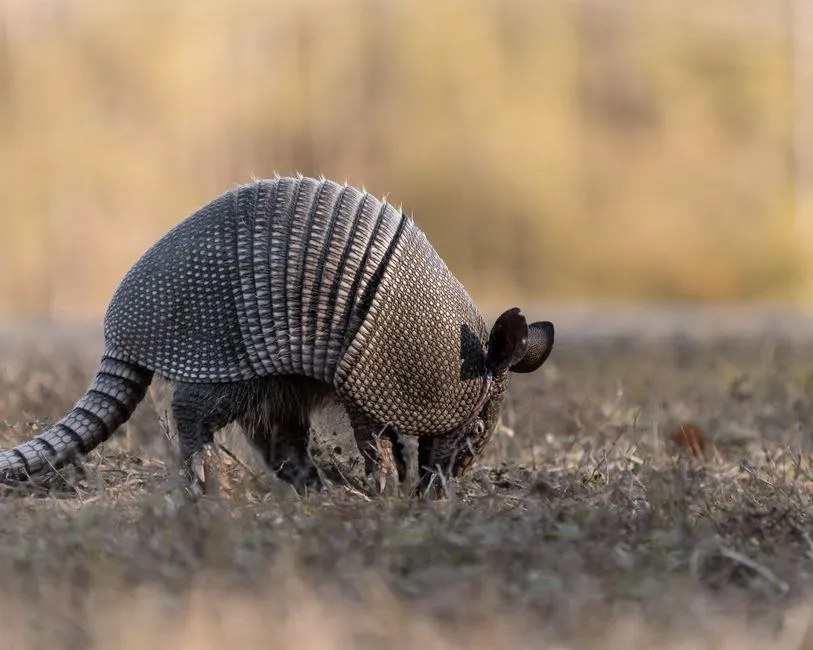
Alabama ranks among the states with some of the longest established armadillo populations in the southeast. The animals occupy most counties outside the highest mountain zones and appear regularly in both forests and farmland. Their digging activity often becomes visible after rains soften the ground.
Warm temperatures and diverse habitats from the coastal plain to the interior hills keep conditions favorable. Populations have grown steadily as the species filled every available niche decades ago. Many residents consider them a normal part of the local wildlife rather than newcomers.
Looking Ahead
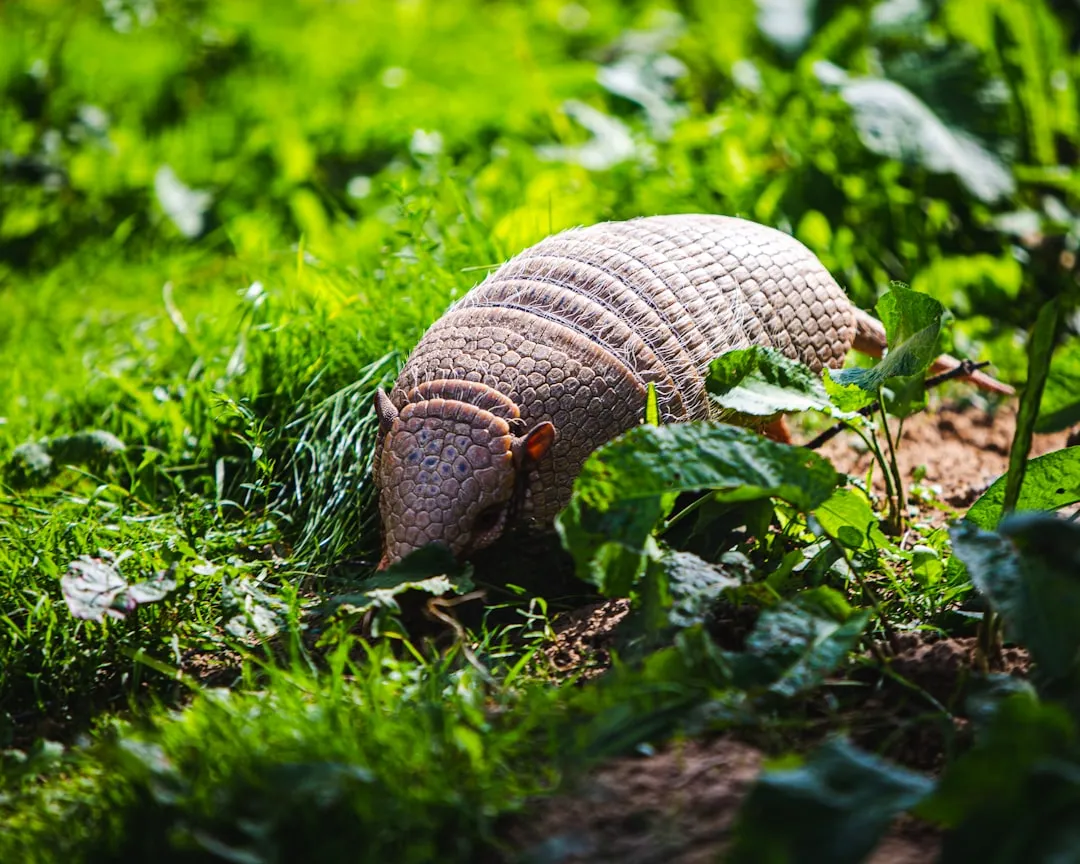
Armadillos will likely keep testing the northern edges of their range as winters moderate in coming decades. Their success in these six states shows how a single species can reshape expectations about where wildlife belongs. Coexistence will depend on simple steps like securing trash and filling unwanted burrows rather than dramatic interventions. In the end their quiet expansion reminds us that nature keeps adjusting long after we think the map is settled.

- 6 US States With the Most Armadillos - August 15, 2026
- 11 Ways Your Cat Is Secretly Protecting You Every Day - August 14, 2026
- 10 Mistakes People Make When Camping in Wolf Country - August 14, 2026