
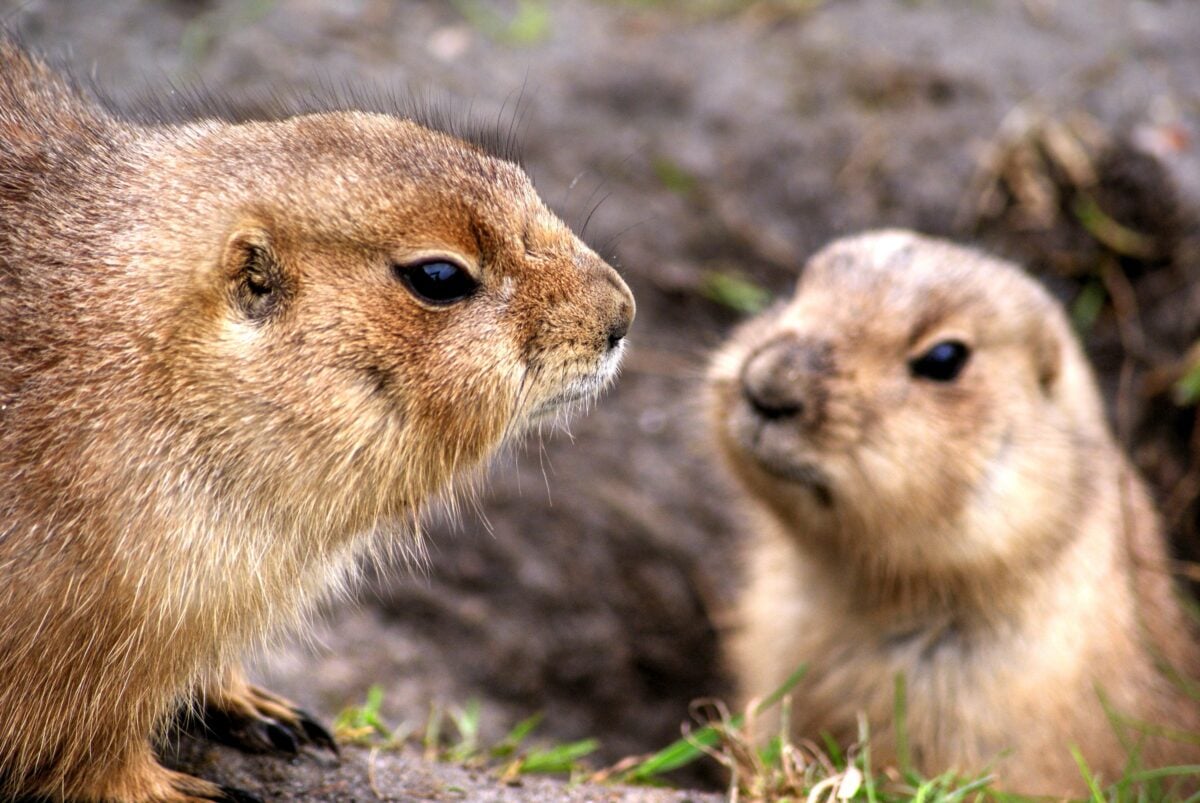
#1 Issuing Predator Specific Alarm Calls

Prairie dogs produce distinct vocalizations that convey the type of predator approaching. Different calls trigger different colony wide reactions, such as diving underground for aerial threats like hawks or standing alert for ground predators like coyotes.
Playback experiments confirm that colony members respond to recorded calls in the same manner as they do to live predators. This referential quality allows the group to prepare effectively without every individual needing direct visual confirmation of the danger.
#2 Amplifying Alerts Through Choruses

When one prairie dog begins an alarm call, others often join in to create a chorus that spreads the message across the entire colony. Longer calls tend to recruit more participants, increasing the chance that distant members hear the warning.
This collective vocal effort reduces the risk that any single animal misses the alert. It also helps reinforce the shared vigilance that defines colonial living for these rodents.
#3 Prioritizing Kin in Warnings
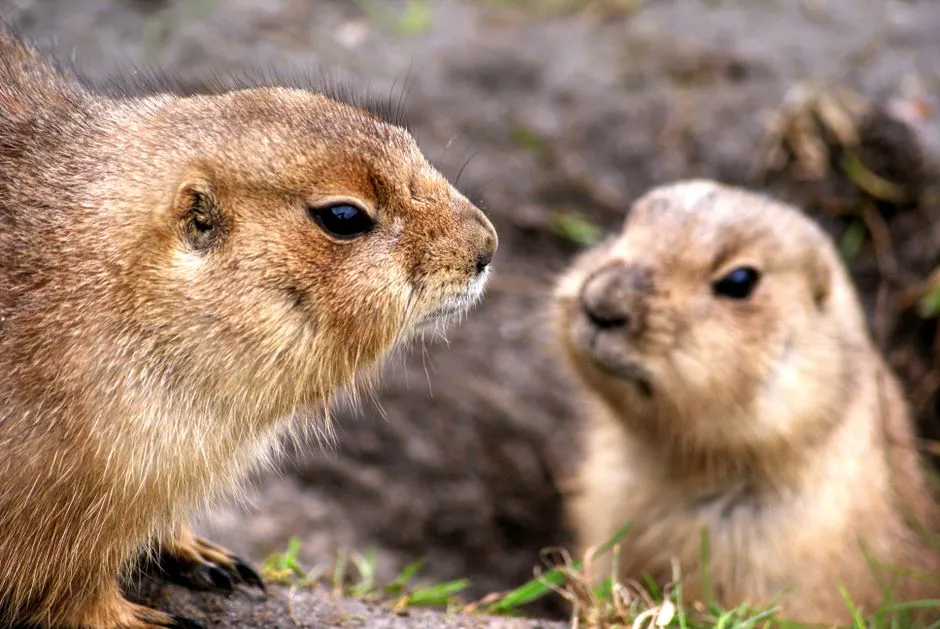
Individuals are more likely to sound alarms when close relatives or offspring are nearby. This pattern aligns with kin selection principles that favor protecting genetic relatives even at personal risk.
Studies show higher calling rates in the presence of family members compared to unrelated colony residents. Such selectivity helps direct protective efforts where they yield the greatest evolutionary benefit for the group.
#4 Employing Jump Yip Signals

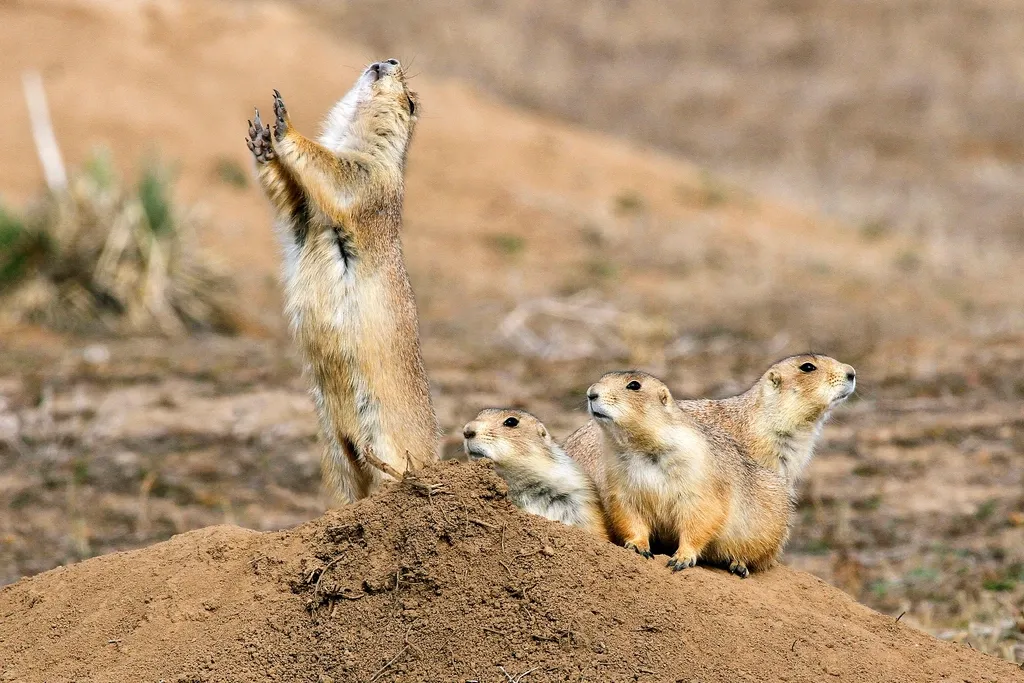
The jump yip combines a distinctive vocalization with a physical leap and serves multiple coordination roles during and after threats. Colony members often respond by becoming alert or joining the display themselves.
These signals can mark the end of immediate danger or simply maintain contact among coterie members. Their use adds a visual and auditory layer that complements standard alarm barks.
#5 Maintaining Sentinel Positions
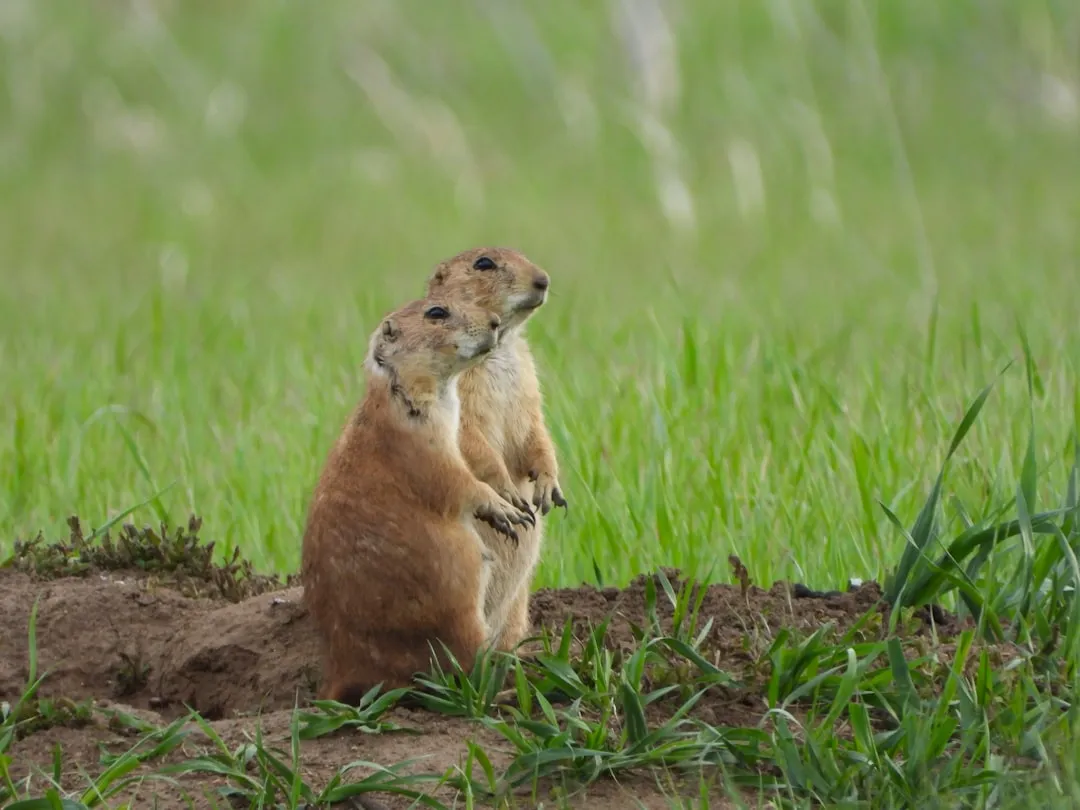
Some prairie dogs take turns acting as lookouts from elevated burrow mounds while others forage. A sentinel can spot threats early and initiate the first alarm call.
This division of labor allows the colony to balance feeding needs with constant monitoring. Sentinels rotate duties, preventing any one animal from bearing the full cost of vigilance.
#6 Coordinating Escape Based on Call Type
Responses vary sharply depending on the information in the alarm call. Calls associated with hawks or humans prompt rapid runs to burrows and dives inside, while coyote or dog calls lead to standing upright at burrow entrances.
These tailored behaviors match the hunting style of each predator and minimize unnecessary energy expenditure. The consistency between live predator encounters and call playbacks shows the colony interprets the signals reliably.
#7 Encoding Predator Details in Calls
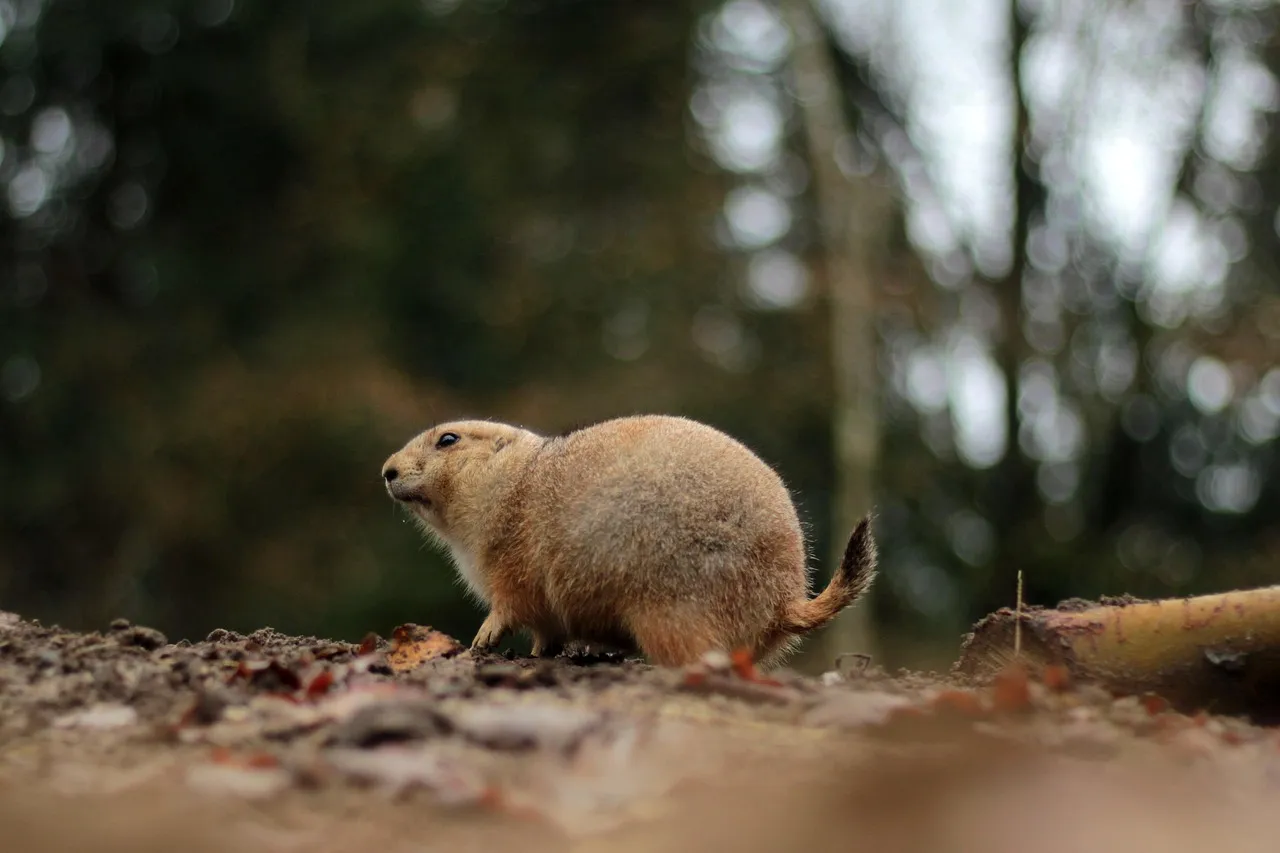
Beyond broad categories, prairie dog alarms can include specifics such as a predator size, color, or approach speed. This extra layer of information helps listeners fine tune their reactions even further.
Research on Gunnison prairie dogs demonstrates that calls distinguish among individual predator traits. Such detail supports more nuanced group decisions about when to hide versus when to remain watchful.
#8 Utilizing Burrow Networks for Safety
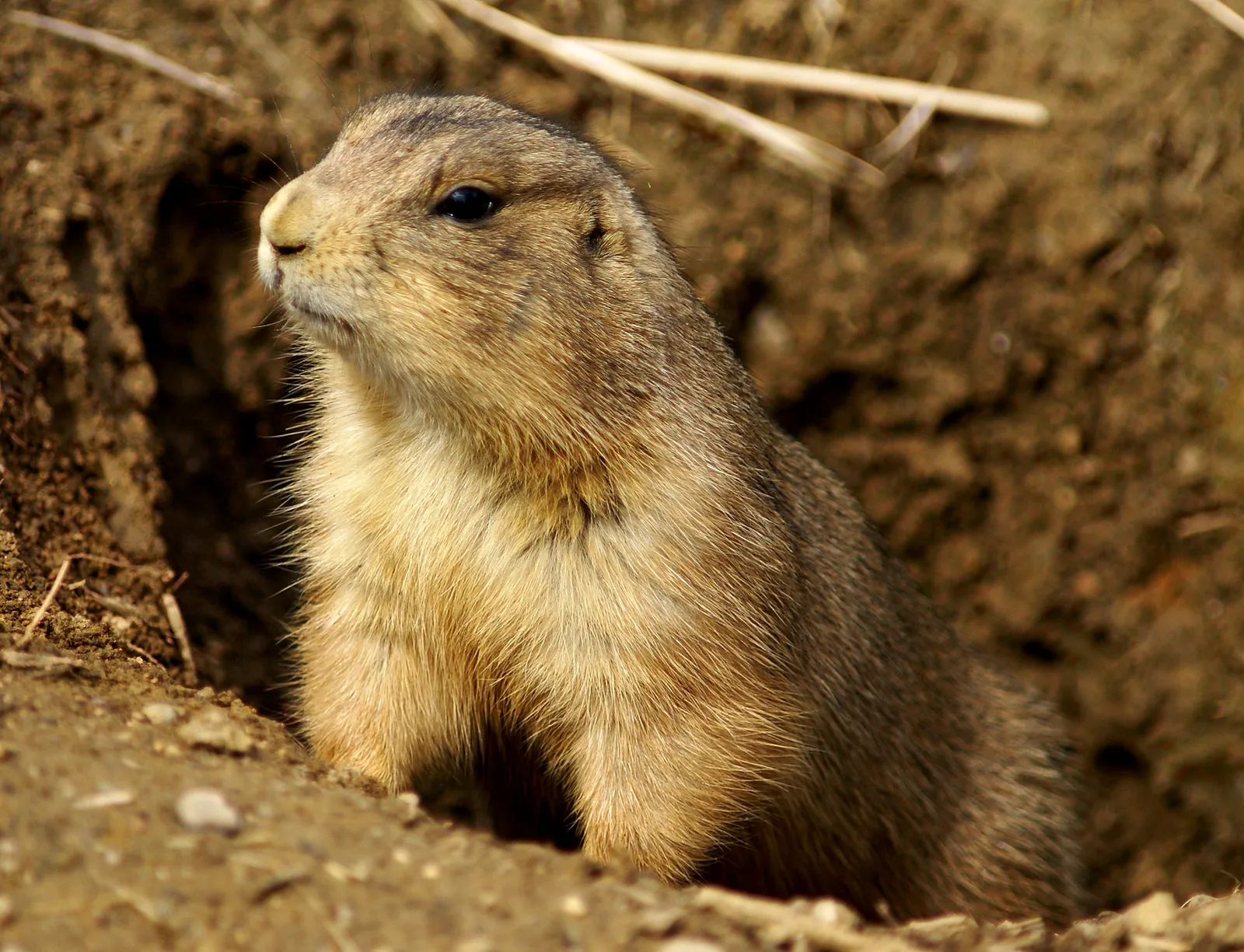
Extensive underground tunnel systems provide multiple escape routes and hiding spots that the colony uses in tandem with vocal warnings. Different call types guide whether animals enter burrows or stay near entrances.
Badger threats, for instance, prompt immediate full submersion because these predators can dig. The combination of mapped burrows and timely signals turns the colony into a resilient defensive unit.
Reflections on a Sophisticated System
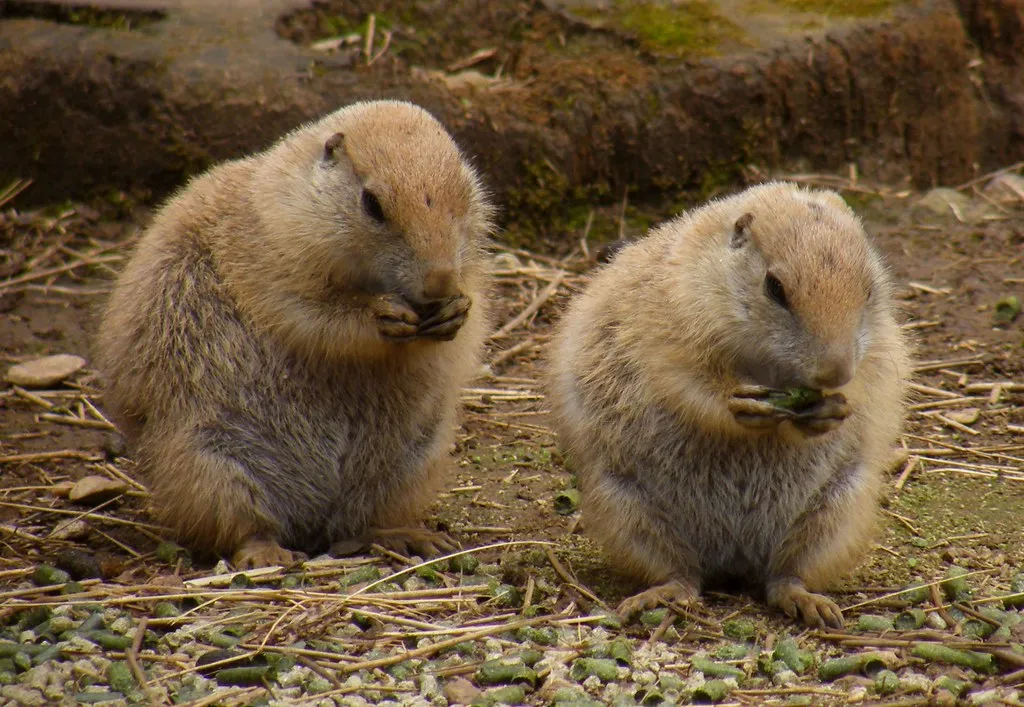
The coordination seen in prairie dog colonies highlights how social rodents can achieve impressive levels of collective awareness through simple yet effective signals. Their approach blends vocal precision, behavioral flexibility, and shared vigilance in ways that support survival across open landscapes.
Observing these patterns invites a broader appreciation for the quiet complexity of grassland ecosystems. It also underscores that effective group defense often relies on information sharing rather than individual heroics. In the end, prairie dogs remind us that even modest creatures can build remarkably organized responses to danger when evolution favors cooperation.

- 12 Incredible Animal Architects Whose Creations Will Astonish You - August 15, 2026
- 8 Ways Prairie Dogs Coordinate a Colony During Danger - August 15, 2026
- 6 US States With the Most Armadillos - August 15, 2026