

Nature’s tiniest creatures sometimes pack the deadliest punch. You might think the most dangerous animals are the ones with massive jaws or razor-sharp claws. Honestly, though, the real killers are often small enough to fit in your hand. These venomous creatures have evolved toxins so potent that they can stop a human heart before help arrives.
Here’s the thing: most people never expect something beautiful or tiny to be lethal. That’s exactly what makes these animals so fascinating and terrifying. Let’s dive into the world of six creatures whose venom works faster than you’d ever imagine.
Box Jellyfish: The Transparent Terror
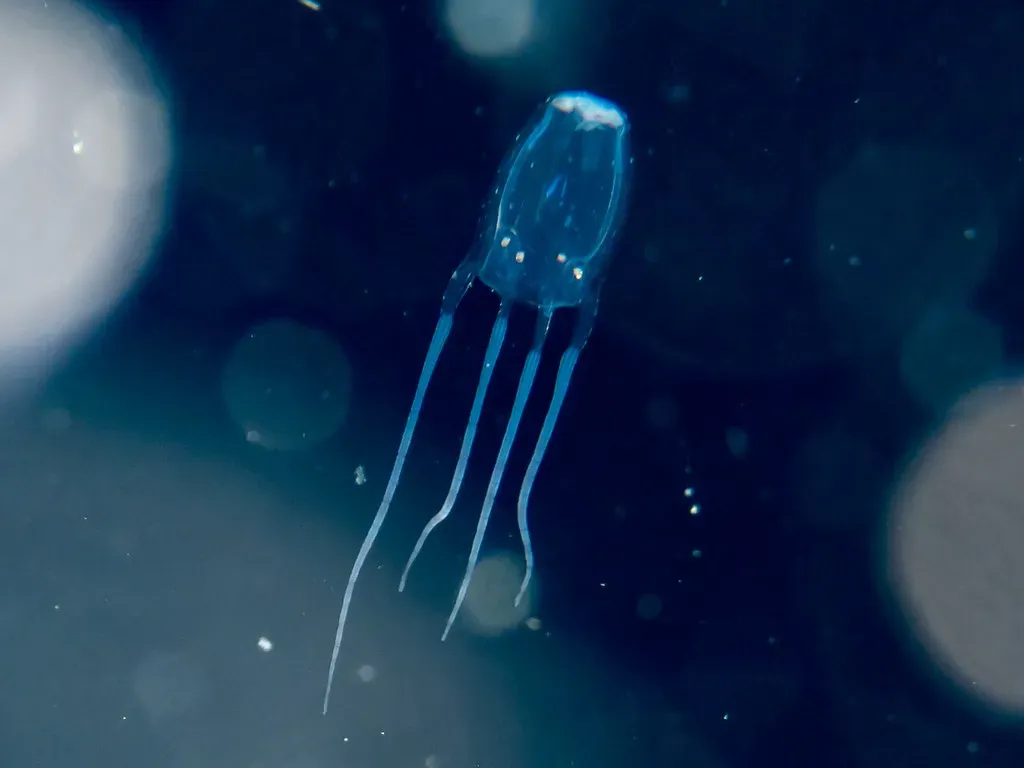
The Australian box jellyfish is considered the most venomous marine animal, and it deserves that title for good reason. The venom causes cells to become porous enough to allow potassium leakage, causing hyperkalemia, which can lead to cardiovascular collapse and death as quickly as within 2 to 5 minutes. Think about that for a second. Five minutes.
The largest box jellyfish can have body sizes reaching up to one foot in diameter and thick, bootlace-like tentacles up to 10 feet long. The box jellyfish Chironex fleckeri is extremely venomous, and envenoming causes tissue necrosis, extreme pain and death within minutes after severe exposure. After severe Chironex fleckeri stings, cardiac arrest can occur quickly, within just two minutes.
What makes them even more dangerous is that they’re nearly invisible in water. Box jellyfish can swim at maximum speeds approaching four knots and can also see, making them active hunters rather than passive drifters.
Inland Taipan: The World’s Most Toxic Snake
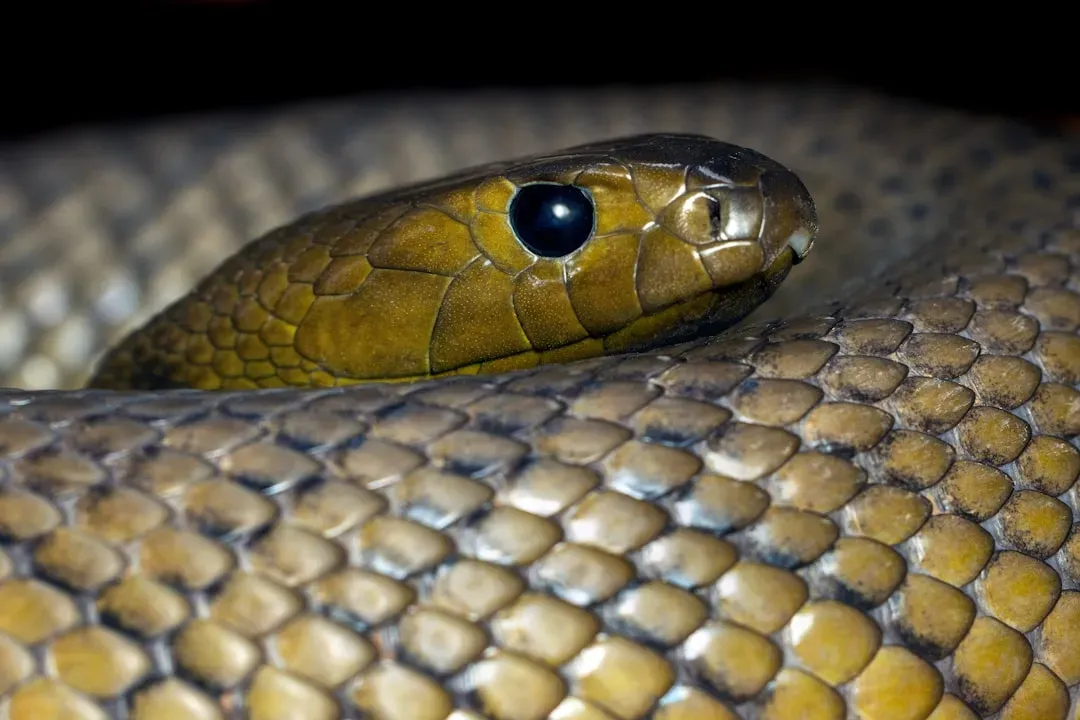
The most venomous snake in the world is considered to be the inland taipan, endemic to central-eastern Australia, which has by far the highest median lethal dose of venom of any snake. This species has enough venom in one bite to kill approximately 100 adult humans. Let that sink in. One hundred people from a single bite.
This snake, native to Australia, possesses venom so potent that a single bite can kill a human in under 30 minutes, with venom containing neurotoxins that cause rapid organ failure. Medical scientists have concluded that death can occur in as few as 30-45 minutes.
Interestingly enough, it is quite shy and rarely encounters humans, so it is not actually the most dangerous. There has never been a single recorded human fatality from a bite of this snake, likely because it lives in such remote areas and has a placid temperament.
Blue-Ringed Octopus: Golf Ball-Sized Killer
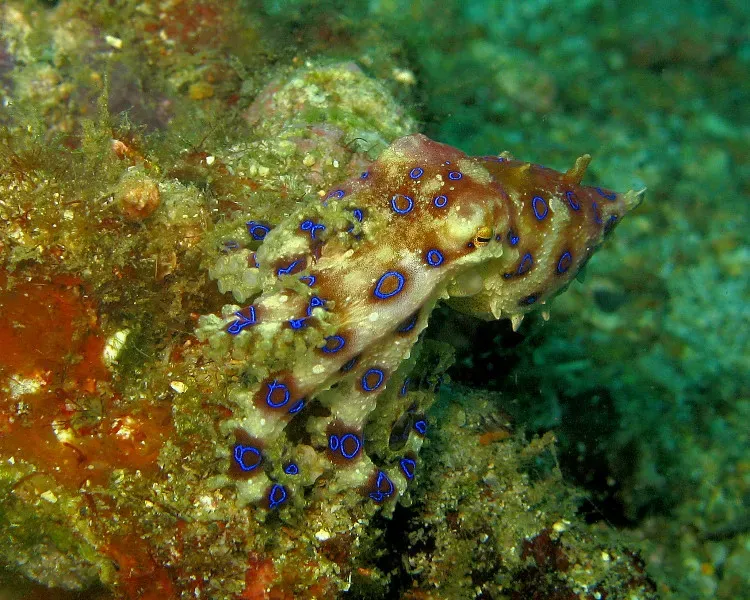
The blue-ringed octopus, despite its small size, carries enough venom to kill 26 adult humans within minutes. The blue-ringed octopus’ venom is 1,000 times more powerful than cyanide, and this golf-ball sized powerhouse packs enough venom to kill 26 humans within minutes.
The scariest part? Their bites are tiny and often painless, with many victims not realizing they have been envenomated until respiratory depression and paralysis begins. The toxin from these animals can kill a human in as little as 20 minutes.
Tetrodotoxin blocks sodium channels, causing motor paralysis and respiratory arrest within minutes of exposure. No blue-ringed octopus antivenom is available, which means survival depends entirely on getting respiratory support fast enough. There have been only three known deaths from blue-ringed octopus bites, mostly because these creatures are shy and give plenty of warning.
Cone Snail: Death in a Beautiful Shell
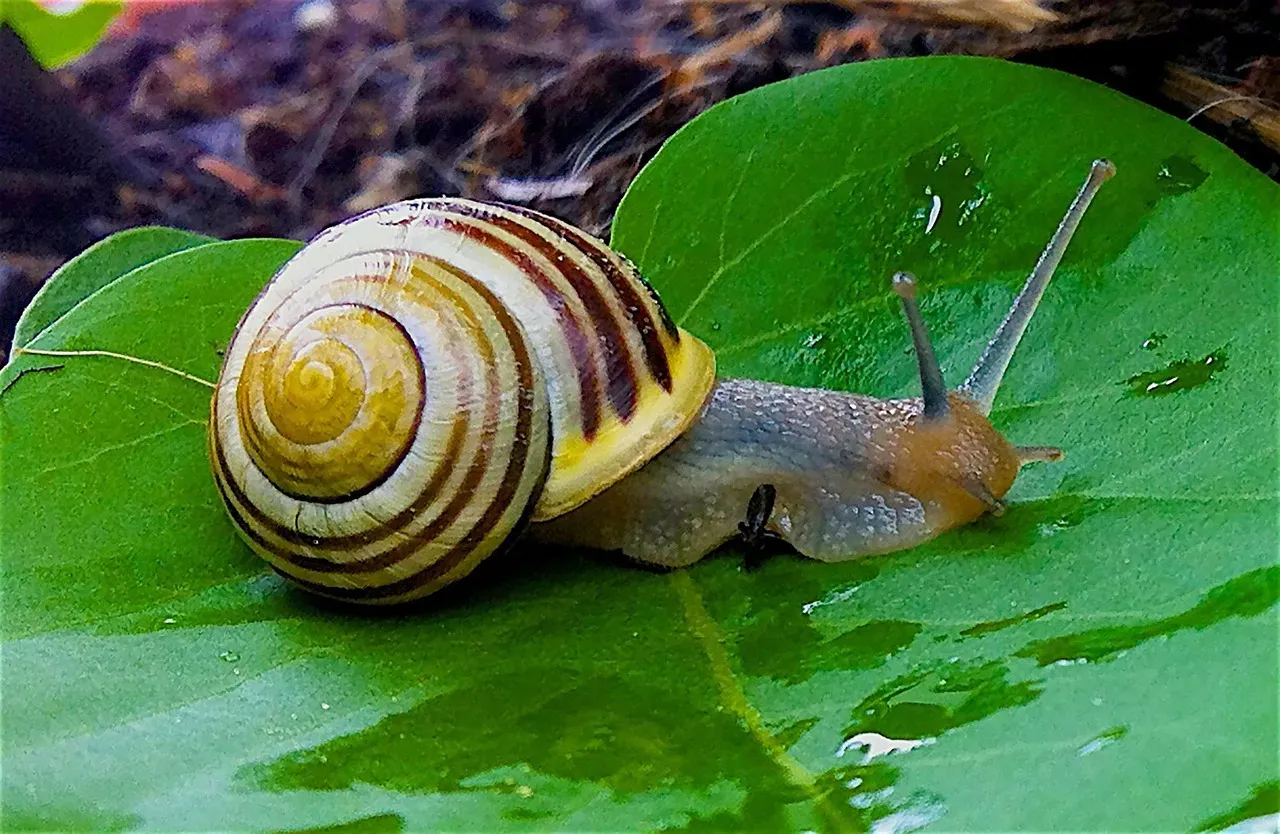
Some cone snail species reportedly can kill a human in under five minutes, thus the name “cigarette snail” as supposedly one only has time to smoke a cigarette before dying. It’s hard to say for sure whether the nickname is entirely accurate, but the threat is real.
The venom from one cone snail has a hypothesized potential of killing up to 700 people. The geographic cone is the most toxic of the known species, and several human deaths have resulted from envenomation. There are approximately 30 records of humans killed by cone snails.
Here’s the crazy part: human victims suffer little pain, because the venom contains an analgesic component. You might not even realize you’ve been stung. These predatory snails deliver venom through a specialized harpoon-like tooth, which can paralyze or kill prey within moments.
Eastern Brown Snake: Australia’s Deadliest Serpent
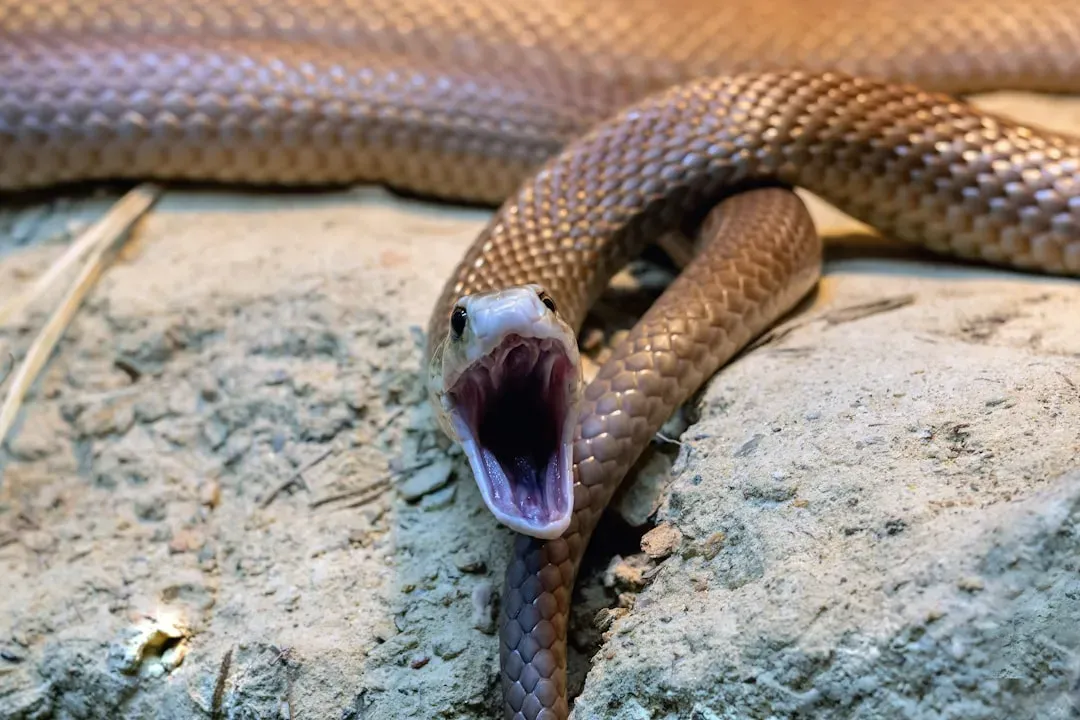
The Eastern brown snake is another dangerous species found in rural areas of eastern Australia, drawn to places that were cleared out for agricultural purposes. Those tiny fangs still deliver a potent venom that can kill a human within 15 minutes due to its neurotoxins, cardiotoxins, and nephrotoxins that result in uncontrollable bleeding, paralysis, and eventually death.
Eastern brown snakes hold the title of “Responsible for the Most Human Deaths,” which is a competitive fight in Australia. Its fangs are tiny, averaging around 3 millimeters, to the point that some people didn’t realize they were bitten. That’s what makes it especially dangerous.
These snakes aren’t naturally aggressive. They would rather flee than fight. Still, their proximity to human settlements and the potency of their venom make them a serious threat when encounters do happen.
Sydney Funnel-Web Spider: Fangs That Pierce Fingernails
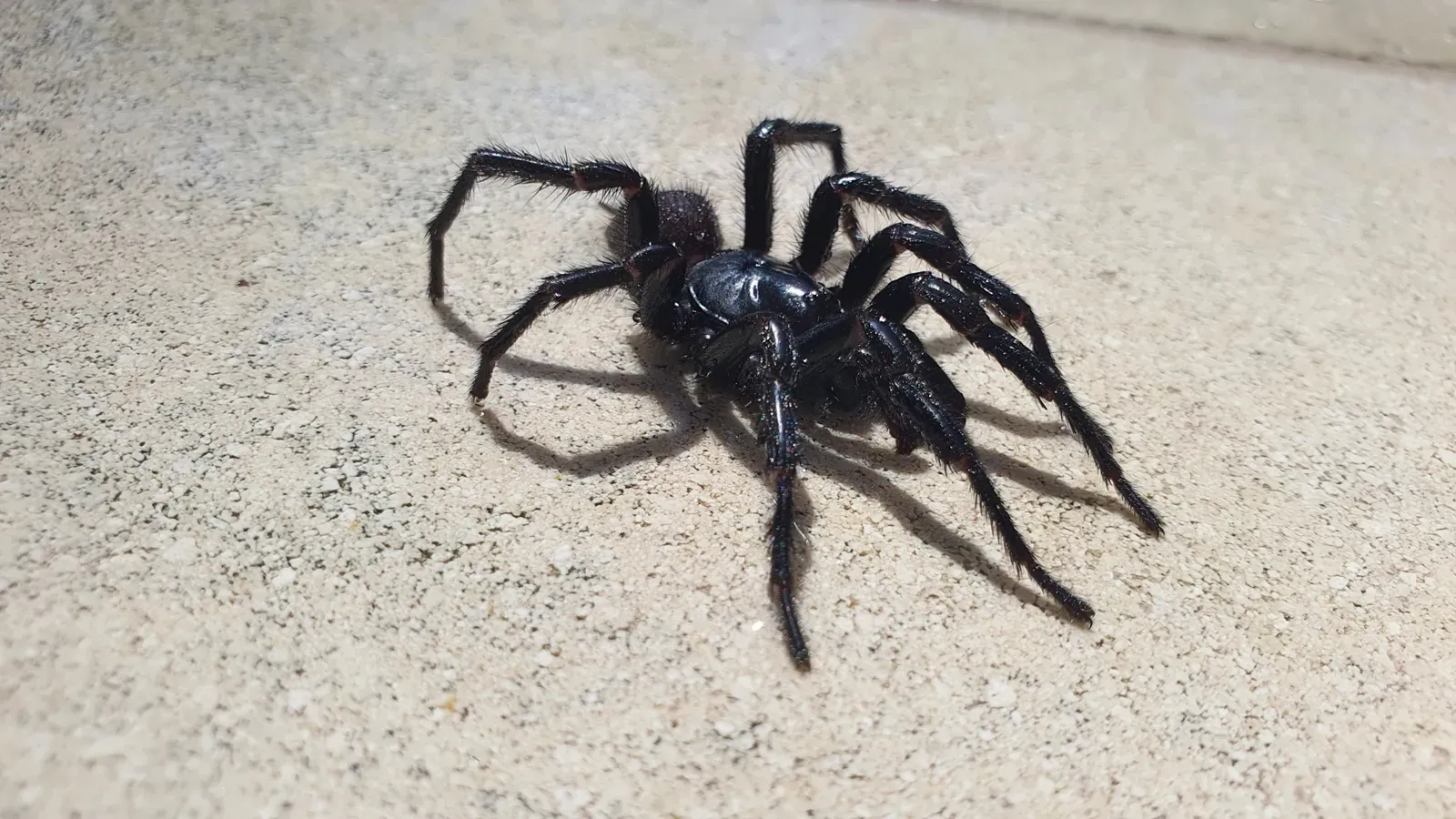
The 2-inch-long Sydney funnel-web spider (Atrax robustus) is the scariest of all the 40 funnel-web spider species and is considered the deadliest spider in the world. Their fangs are powerful, piercing fingernails and soft-toed shoes like paper and can inject enough venom to kill a human child within 15 minutes or a healthy adult within a few days.
This spider’s venom is a top-tier neurotoxin that causes muscle spasms, paralysis, and respiratory failure, with effects that can kill a human within 30 minutes without anti-venom. The male is particularly dangerous, packing ten times more venom than the female.
The good news? Fatalities have dropped thanks to anti-venom. Still, this is one spider you definitely don’t want to encounter in your backyard.
Conclusion
These six animals prove that size means nothing when it comes to lethality. From jellyfish drifting through tropical waters to spiders lurking in Australian gardens, the fastest-acting venoms belong to creatures that often go unnoticed. The common thread? Their toxins evolved to immobilize prey instantly, and humans just happen to be vulnerable to the same biological attacks.
What’s remarkable is how rare fatal encounters actually are. Most of these animals would rather escape than attack. They only strike when threatened, cornered, or accidentally touched. Respect and awareness go a long way toward preventing tragedy. What do you think is the most surprising animal on this list?

- 12 Amazing Facts About Owls That Make Them Nature’s Perfect Hunters - August 13, 2026
- The Largest Mountain Lion Ever Recorded in California - August 13, 2026
- 14 Birds of Prey That Dominate the Skies of North America - August 13, 2026