
1. The Sharp Territorial Chirp: The First Warning Shot
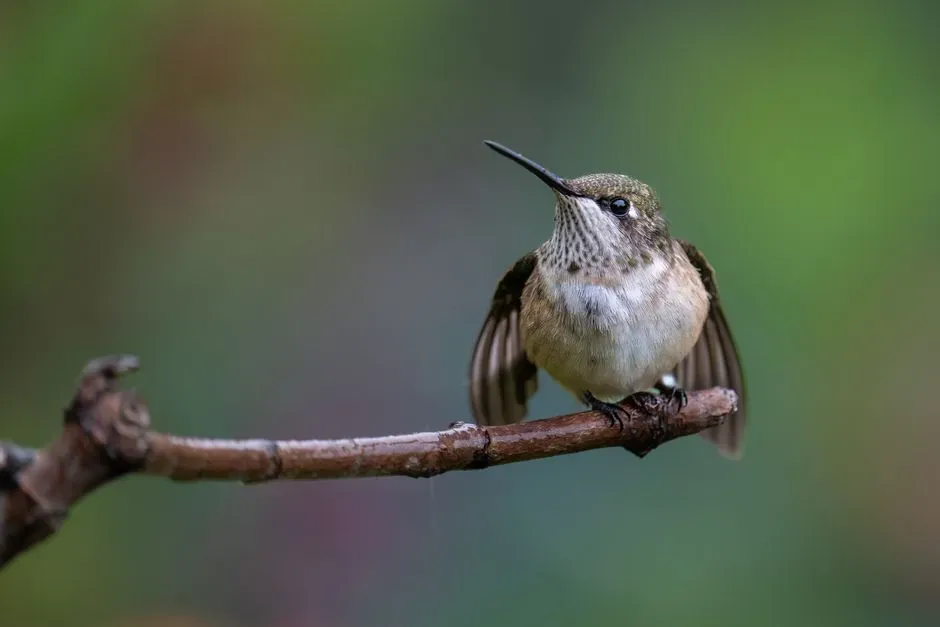
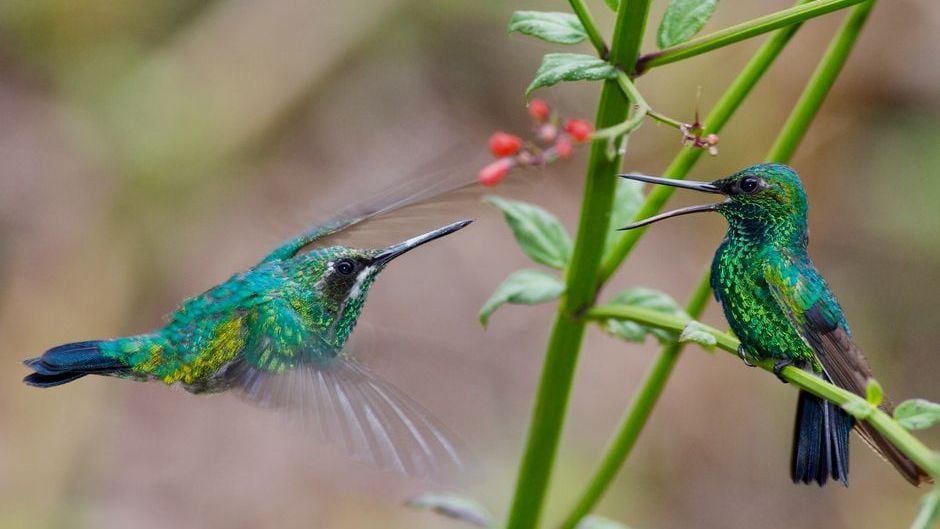
Before anything physical happens near your feeder, a hummingbird will nearly always announce its claim vocally. Hummingbirds often use chirping to warn others that a particular spot is their territory. These tiny birds can be surprisingly territorial and may become aggressive when it comes to protecting food and water sources. For males, one of the first lines of defense is sound. A sharp, persistent chirp serves as a warning meant to drive away intruders.
A loud staccato sound from a male is a direct signal that it is defending its territory. Think of it as a verbal “keep out” sign. A bird might repel potential intruders by advertising its presence through sound alone. If this signal is not effective, the bird will produce different calls and change to aggressive behaviors that culminate with fights and expulsions. The sharp chirp is always the opener, the polite-ish request before things escalate.
2. Rapid Chittering: When the Argument Heats Up
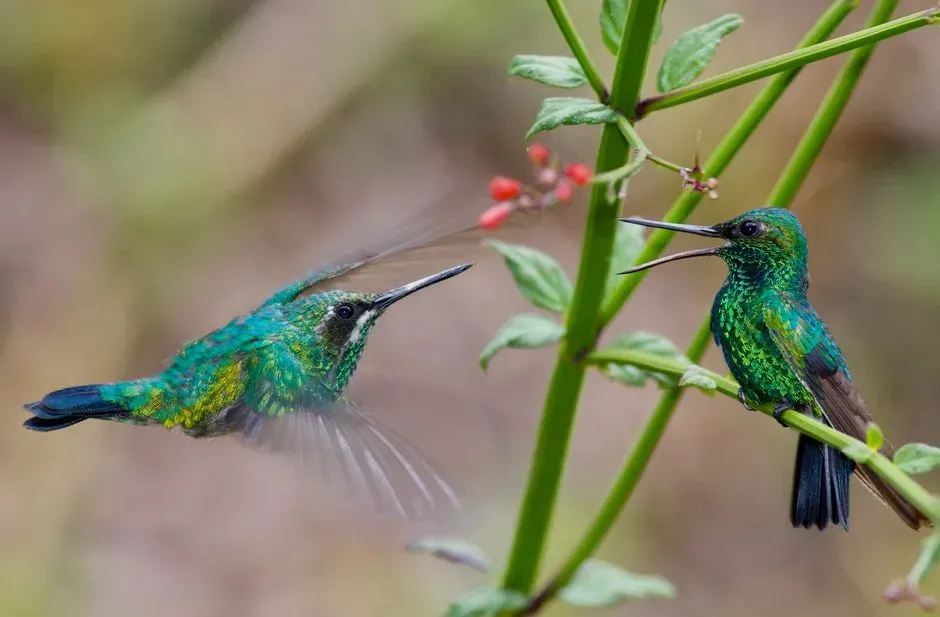
Aerial confrontations near feeders are almost always accompanied by a cacophony of tiny, agitated vocalizations. This is the chitter-chatter, a rapid-fire series of high-pitched chirps, squeaks, and buzzes. It is the sound of a hummingbird having a heated argument. You’ve probably heard this and assumed it was a cheerful conversation. It is not.
When another hummingbird dares to approach, the resident bird will often launch into an aggressive chase, accompanied by this rapid chittering. The faster and more intense the chase, the more frantic the chittering tends to be. If you’re hearing a machine-gun burst of tiny squeaks near your feeder, a confrontation is either already underway or moments away from one.
3. The Wing Buzz: A Sound That Doubles as a Threat
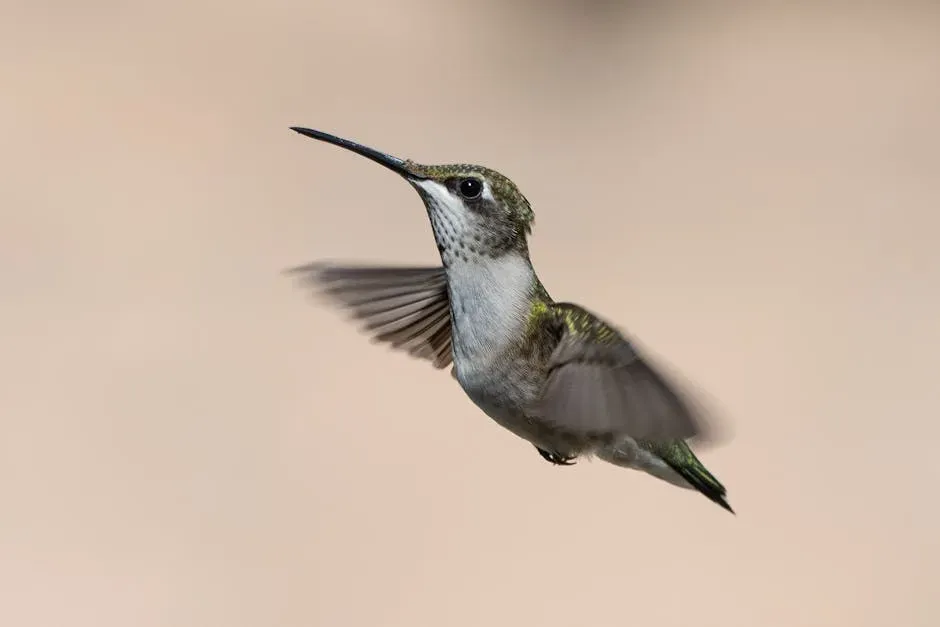
Hummingbirds may produce buzzing noises with their wings when defending territories or chasing other birds away from food sources. The buzz serves as an audible warning signal for other hummingbirds to leave the area. It’s one of those signals that works on two levels at once, part locomotion, part intimidation.
The whistling, buzzing, or toneless wind sounds produced by hummingbird wings in flight can provide important information. The wind noise varies based on flight speed and wingbeat pattern. Higher pitched wind noises indicate faster flight during territorial chases or rapid loops and dives. So the next time you hear a noticeably shrill, high-pitched wing buzz by your feeder, pay attention. A chase is almost certainly in progress.
4. The Scolding Call: Sustained Agitation Made Audible
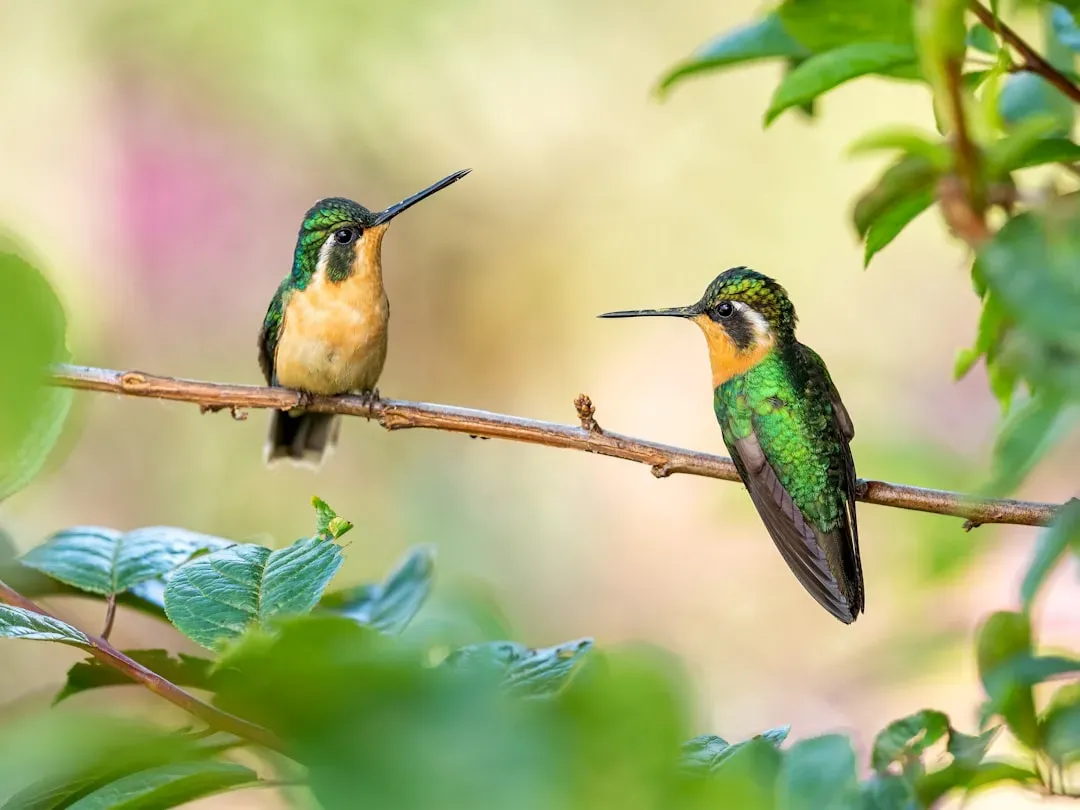
A scolding call is a chattering sound that can be heard when a bird is agitated, usually when defending its feeding area or nest. It has a distinctly nagging quality to it, less staccato than the chittering, more sustained. It communicates frustration rather than immediate threat, and it tends to happen when an intruder lingers too long without backing down.
In general, hummingbird calls are used mostly in defense of a food-centered territory. The scolding call fits squarely in that category. A territorial hummer usually starts by making warning sounds, such as loud, fast chirping and buzzing. This is simply meant to alert a new hummingbird that the territory is already taken. The scolding call is the vocal middle ground between a warning and a charge, not quite an emergency, but close.
5. The Dive Chirp: Sound Used as a Weapon
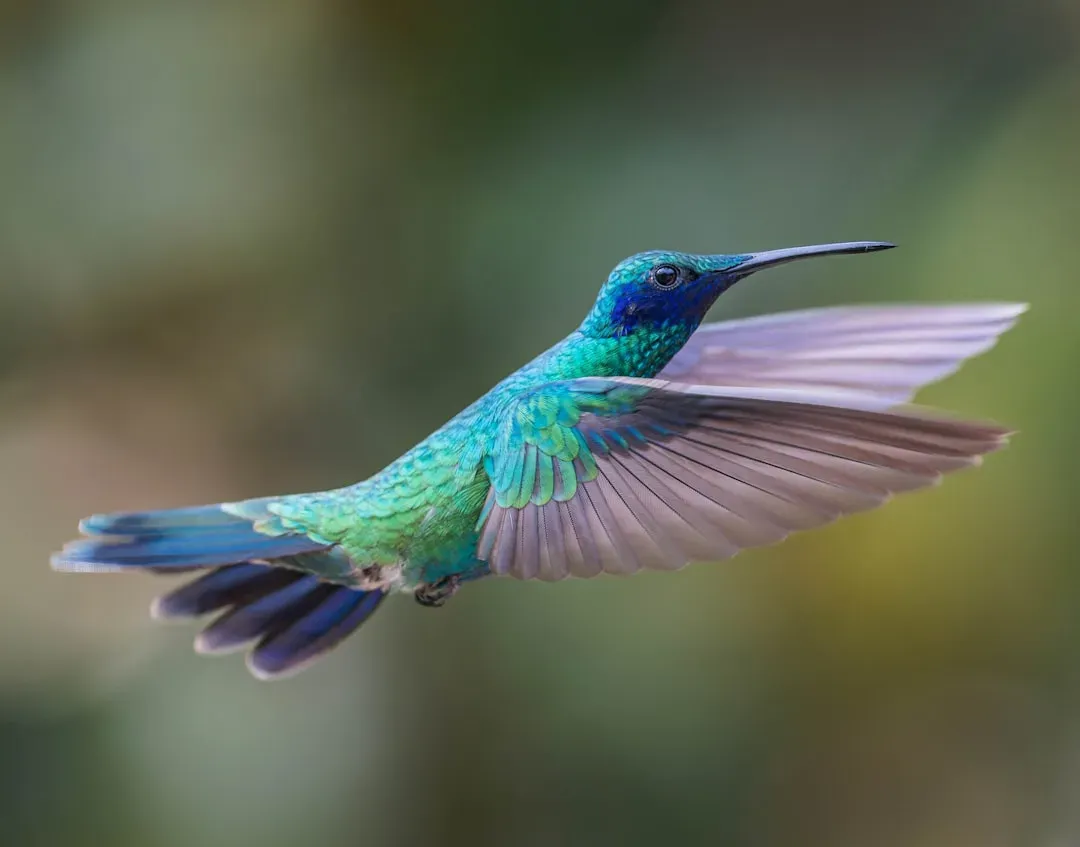
Dive behavior is a common occurrence at feeders. An aggressive hummer will hover above intruders then dive straight at them, whether it is another hummingbird or not. The dive is paired with a loud chirp sound to warn the visitor. The combination of sudden downward movement and sharp vocal burst is designed to be startling, and it usually works.
What makes this sound particularly interesting is its mechanical origin in some species. Research has shown that the chirp element of the Anna’s hummingbird dive is a sonation created by fluttering of the trailing vane of the R5 tail feathers. In other words, the “chirp” you hear isn’t always coming from the throat. It can be the tail feathers themselves cutting through air at speed, a biological instrument built for confrontation.
6. The Guttural Grumble: The Sound Right Before Contact
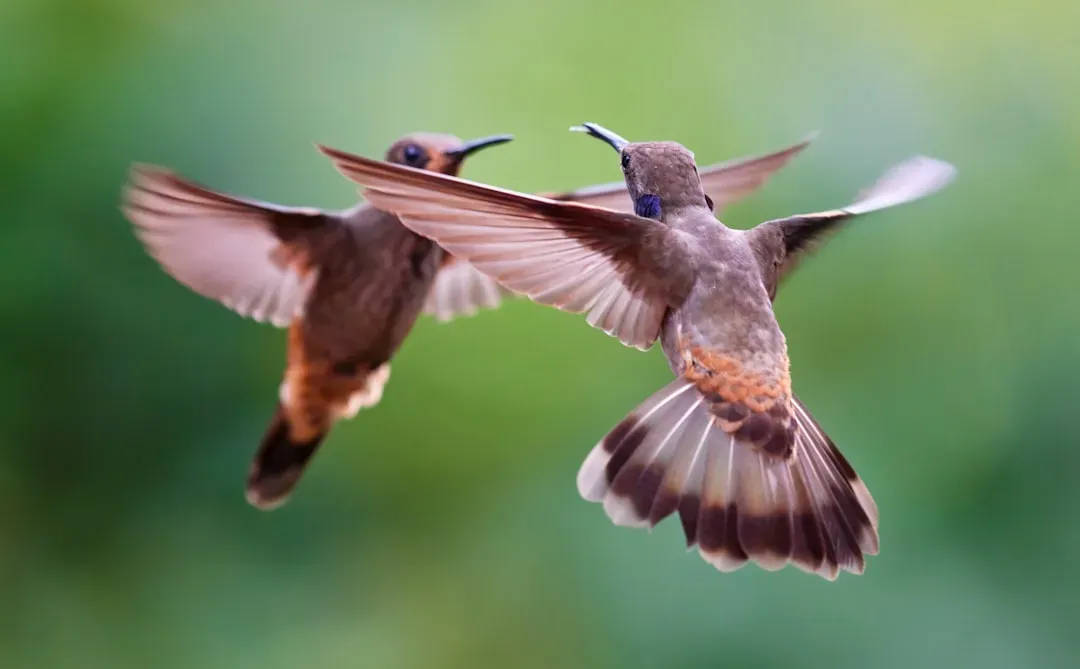
This is the one most people never hear because it means things have already gone quite far. In fights, the guttural call is produced, which sounds like an unfriendly grumble and fits within motivational rules as a signal of high aggressiveness. It’s low, rough, and nothing like the delicate squeaking most people associate with these birds.
Calls used during agonistic interactions tend to show more modulation than those produced in less aggressive encounters. The guttural grumble is modulated all the way toward conflict. Physical fighting is typically the last choice if none of the other warnings have been heeded. An aggressive hummer will use their bill and talons to attack the invader. This can result in serious injury or even death for the hummingbird that does not opt to leave. The grumble, when it comes, is essentially the final signal before that happens.
7. The High-Frequency Patrol Song: Territory Marking You Probably Can’t Hear
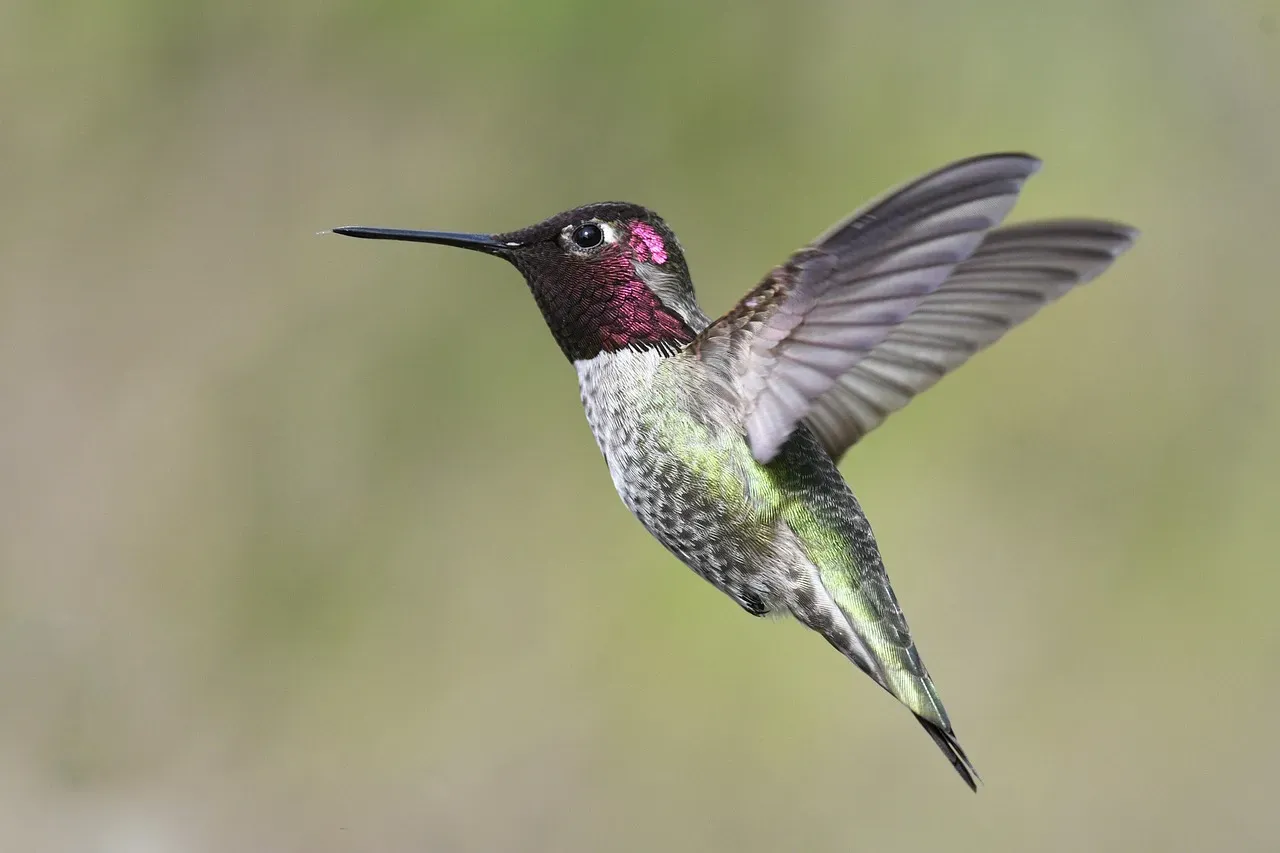
This one is genuinely surprising. Some hummingbird species produce vocalizations that sit at the edge or even beyond typical human hearing range. For example, the Ecuadorian Hillstar uses its high-frequency song as a territorial call when patrolling its territory. However, in the event of an actual intrusion, both males and females employ a lower-frequency chasing call, the most aggressive vocalization in the species. The high-frequency song is the preemptive broadcast, the “I’m here and this is mine” signal before any rival has even been spotted.
Males change their behavior depending on the social context in which they produce the song. If a male is vocalizing in its own territory, it usually perches at a preferred high branch while patrolling the site, suggesting that the high-frequency song is used as a territorial signal. You might be sitting by your feeder, hearing nothing unusual, while just above you a territorial patrol call is already being broadcast to rivals in the area. The fight hasn’t started. The declaration has.
Why Your Feeder Is Almost Certainly the Trigger
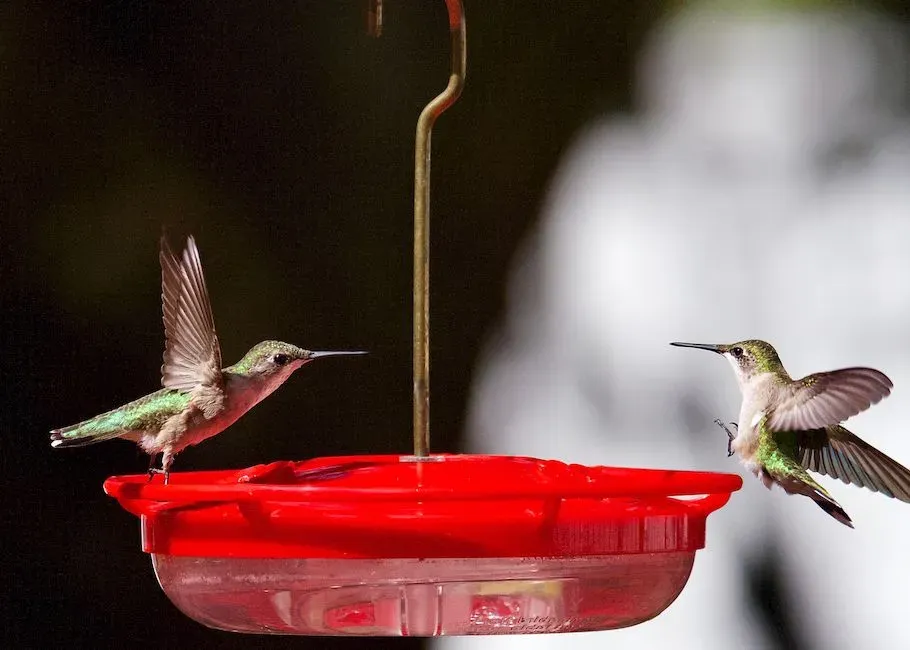
A hummingbird’s territorial instinct is so strong that it often carries over to situations where it’s not as needed, for example at hummingbird feeders with an endless supply of sugar water. The birds simply aren’t wired to recognize an inexhaustible food source. Hummingbirds have an instinct to protect their food sources, because in nature, a patch of flowers will produce only so much nectar in a day. The tiny birds carry this defensiveness over to artificial feeders. So no matter how often you refill your feeder, the hummingbirds don’t realize that they don’t have to fight over it.
Territorial behavior at feeders is usually stronger in male hummingbirds than in females. One aggressive individual may try to dominate a whole row of feeders, zooming in to drive away every other bird. If you’re only running one feeder, you may be inadvertently concentrating competition into a single flashpoint. If the layout of your yard allows, try positioning feeders on opposite sides of the house so it is impossible for one bird to see them all at once, or place two or three feeders close together and then another one as far away as possible. Spreading feeders out removes the conditions that trigger most of the sounds described above in the first place.
Conclusion: Your Feeder Is a Stage, Not Just a Snack Bar
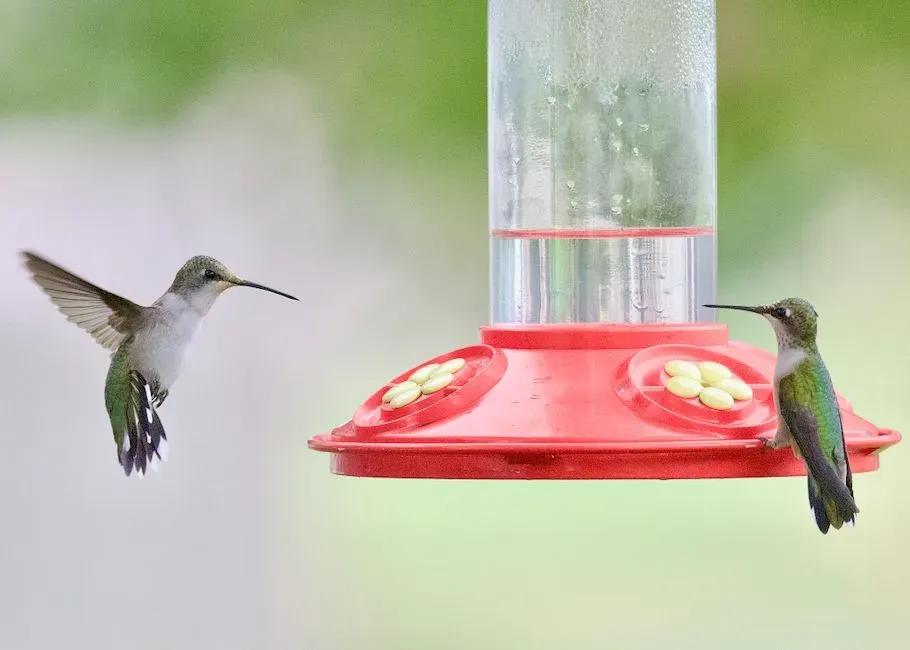
There’s something genuinely compelling about realizing that a backyard hummingbird feeder is, acoustically speaking, one of the noisiest conflict zones in your garden. What sounds like birdsong is often a layered warning system, moving from polite territorial chirps all the way through dive chirps and guttural grumbles before a fight ever becomes physical. The variety of hummingbird sounds provides a window into their complex social lives, from subordinate chirps to aggressive buzzing.
Understanding these seven sounds changes how you experience watching them. You stop seeing cheerful flashes of color and start reading a behavioral vocabulary that’s been refined over millions of years. A direct advantage of having territorial vocalizations is the assurance of access to food and thus reproductive success. For the hummingbird, this isn’t drama. It’s survival strategy, wrapped in iridescent feathers and delivered at roughly sixty wingbeats per second.
The best thing you can do is listen more carefully and set up your feeders more thoughtfully. These birds aren’t aggressive because they’re bad-tempered. They’re aggressive because they’re very, very good at staying alive. There’s a lesson in that, if you’re inclined to take it from a creature the size of your thumb.

- 19 Regrets Horse Owners Describe Most Often That First-Time Buyers Are Never Warned About - August 14, 2026
- What a Hummingbird Decides About Your Garden Before Returning 16 Signals Most People Miss - August 14, 2026
- 18 Dog Breeds That Suit a Quiet Retired Household and 18 That Would Never Cope at All - August 14, 2026