


Maintaining a pristine aquarium is an ongoing battle against algae—those persistent green, brown, or red growths that can transform a beautiful underwater display into an unsightly mess. While algae are a natural part of any aquatic ecosystem, excessive growth can obscure your view, compete with plants for nutrients, and indicate imbalances in your tank. Enter the algae-eating fish: nature’s cleaning crew that can help maintain balance while adding life and movement to your aquarium. However, not all fish marketed as algae-eaters live up to their reputation—some may even contribute to your tank’s maintenance challenges rather than solving them. In this comprehensive guide, we’ll explore seven efficient algae-eating fish that will keep your tank sparkling clean, and warn you about three popular species that might actually add to your aquarium woes.
Understanding Algae in Aquariums

Before diving into our fish recommendations, it’s important to understand what causes algae growth in the first place. Algae thrive when there’s an abundance of light, nutrients (particularly nitrates and phosphates), and carbon dioxide. Common sources of excess nutrients include overfeeding, inadequate water changes, overstocking, and decaying plant matter. While some algae presence is normal and even beneficial for a balanced ecosystem, excessive growth indicates underlying problems that should be addressed alongside introducing algae-eating fish.
It’s also worth noting that different types of algae—including green spot algae, black beard algae, hair algae, and diatoms (brown algae)—may require different approaches and fish species for effective control. No single fish species will eliminate all types of algae, which is why understanding both the algae type and the specific feeding preferences of different fish is crucial for maintaining a clean, healthy aquarium.
The Siamese Algae Eater The Diligent Worker
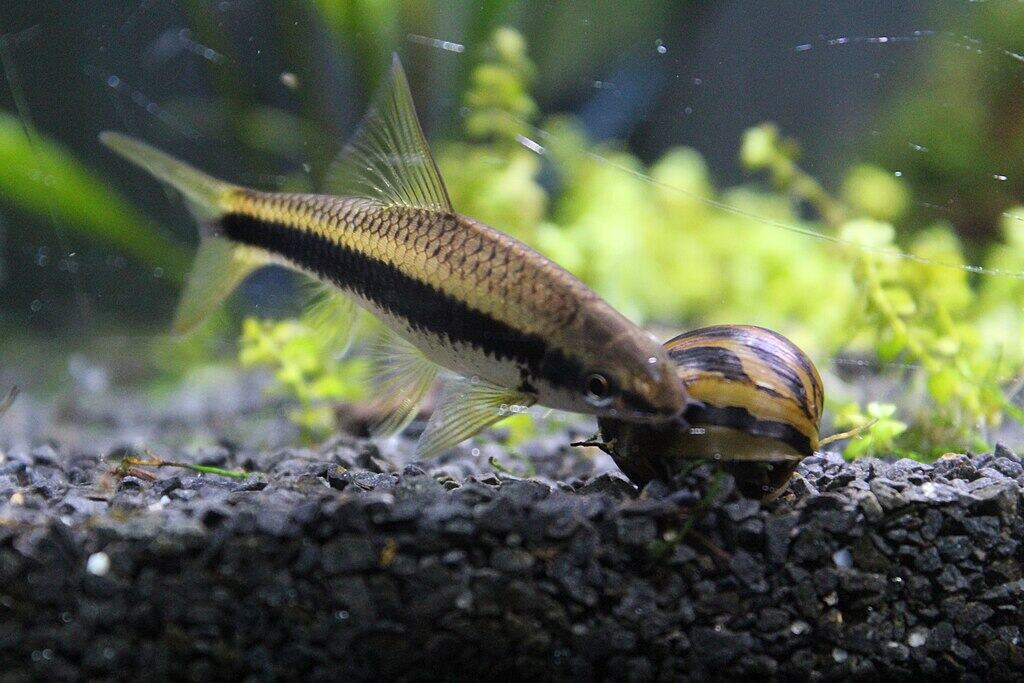
The Siamese Algae Eater (Crossocheilus oblongus) stands out as one of the most effective algae controllers available to aquarists. Unlike many fish that lose interest in algae as they mature, the Siamese Algae Eater maintains its appetite for algae throughout its lifespan, making it an invaluable long-term solution. These fish are particularly renowned for their willingness to consume black beard algae (Audouinella), which many other algae-eaters avoid. Growing to about 6 inches in length, they’re active swimmers that will diligently patrol all surfaces of your tank, from glass to decorations and plant leaves.
When choosing a Siamese Algae Eater, be careful not to confuse it with similar-looking species like the Flying Fox or Chinese Algae Eater, which don’t share the same algae-eating enthusiasm. True Siamese Algae Eaters can be identified by the straight black line that runs from their nose to tail and their transparent fins. These peaceful community fish do best in groups in tanks of at least 30 gallons, with water temperatures between 75-79°F (24-26°C) and slightly acidic to neutral pH (6.5-7.0).
Otocinclus Catfish The Gentle Cleaners
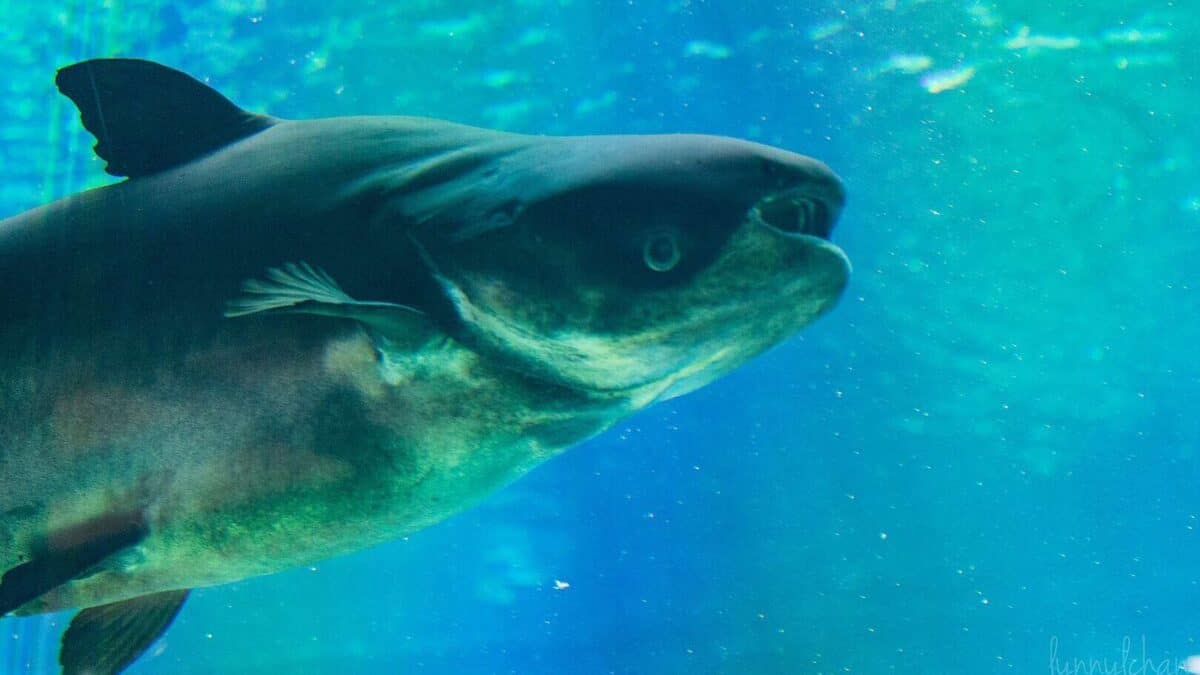
For smaller aquariums, few algae-eaters can match the efficiency and charm of Otocinclus catfish (Otocinclus spp.), commonly known as “Otos.” These diminutive South American natives rarely grow larger than 2 inches, making them perfect for nano tanks as small as 10 gallons. Despite their small size, Otos are powerhouses when it comes to consuming soft green algae and diatoms, using their specialized mouths to gently rasp algae from surfaces without damaging delicate plant leaves. Their peaceful nature makes them compatible with virtually any community tank that doesn’t contain large, predatory species.
Otos are shoaling fish that should be kept in groups of at least six to ensure they feel secure and display natural behaviors. These sensitive fish require stable water parameters, with temperatures between 72-82°F (22-28°C) and a pH of 6.0-7.5. One caveat with Otos is that they may struggle in newly established tanks with insufficient algae growth, so be prepared to supplement their diet with blanched vegetables like zucchini, cucumber, or specialized algae wafers if natural algae sources are depleted. Their sensitivity to water conditions means they’re best suited for experienced aquarists who can maintain excellent water quality.
Bristlenose Pleco The Hardworking Suction Cup

The Bristlenose Pleco (Ancistrus spp.) has earned its place as one of the most popular algae-eating fish in the hobby, and for good reason. Unlike their massive common pleco cousins that can grow to over 24 inches, Bristlenose Plecos typically max out at a manageable 4-6 inches, making them suitable for aquariums as small as 25-30 gallons. These armored catfish are known for their distinctive bristle-like appendages on their snouts (particularly pronounced in males) and their incredible ability to adhere to surfaces with their specialized mouth structure, allowing them to access algae in places other fish can’t reach.
Bristlenose Plecos excel at consuming soft green algae, brown algae, and even some types of green spot algae from glass, driftwood, rocks, and other hard surfaces. They’re particularly fond of brown diatoms that often plague new aquariums. Hardy and adaptable, these nocturnal fish can thrive in a wide range of water conditions, with temperatures from 60-80°F (15-27°C) and pH levels from 6.5-7.5. They appreciate the presence of driftwood in their environment, which they rasp on for both dietary fiber and territorial purposes. While generally peaceful, males may become territorial with each other, so it’s best to keep only one male per tank unless the aquarium is very large with multiple territories.
Nerite Snails The Algae Specialists
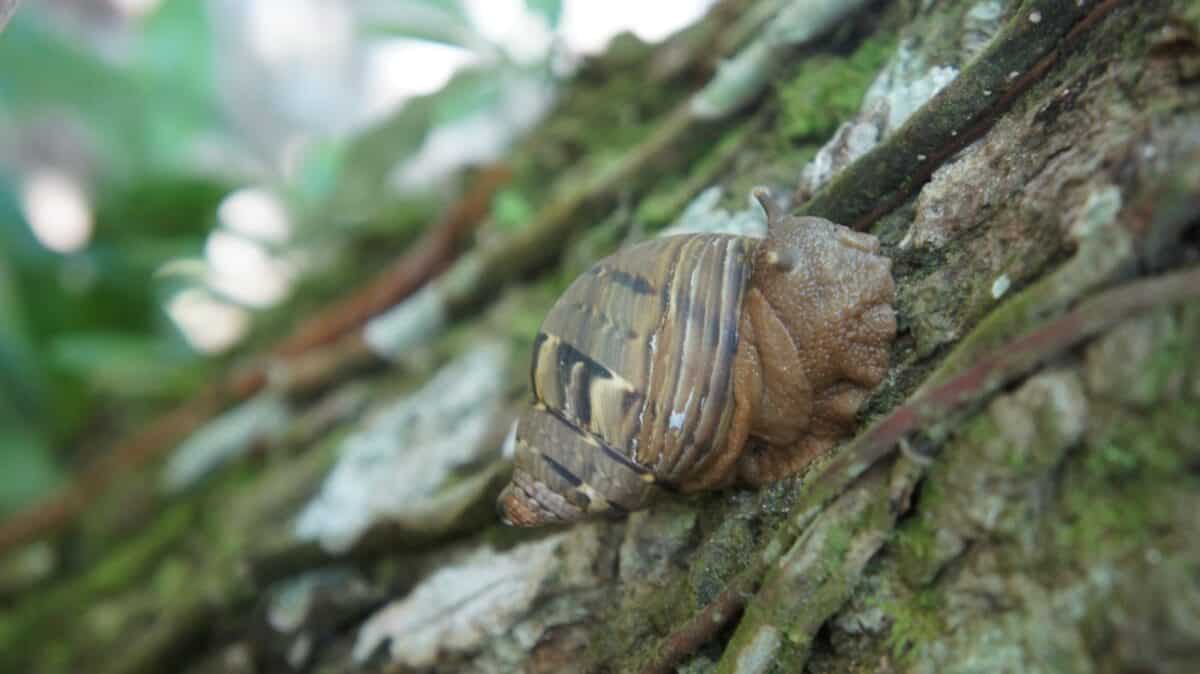
While not fish, Nerite snails (Neritina spp.) deserve special mention as perhaps the most dedicated algae eaters available to aquarists. These small but mighty invertebrates are unmatched in their ability to consume hard green spot algae that many fish species avoid, making them perfect complementary cleaners to fish like Otos or Siamese Algae Eaters. Nerites come in various attractive patterns and species, including Zebra, Tiger, and Horned Nerites, adding both utility and visual interest to your aquarium. Their small size (rarely exceeding 1 inch) means they can access tight spaces and crevices where algae may accumulate.
One of the most appealing aspects of Nerite snails is their inability to reproduce in freshwater, preventing the population explosions common with other aquarium snails. While they may lay small white eggs on hard surfaces, these eggs will not hatch without brackish water conditions. Nerites are incredibly hardy, tolerating temperatures from 65-85°F (18-29°C) and pH levels from 6.5-8.5. They’re completely peaceful and can be kept with any fish that won’t see them as a snack. For optimal cleaning efficiency, stock approximately one Nerite snail per 5-10 gallons of aquarium water, depending on the level of algae growth.
Amano Shrimp The Tireless Algae Consumers
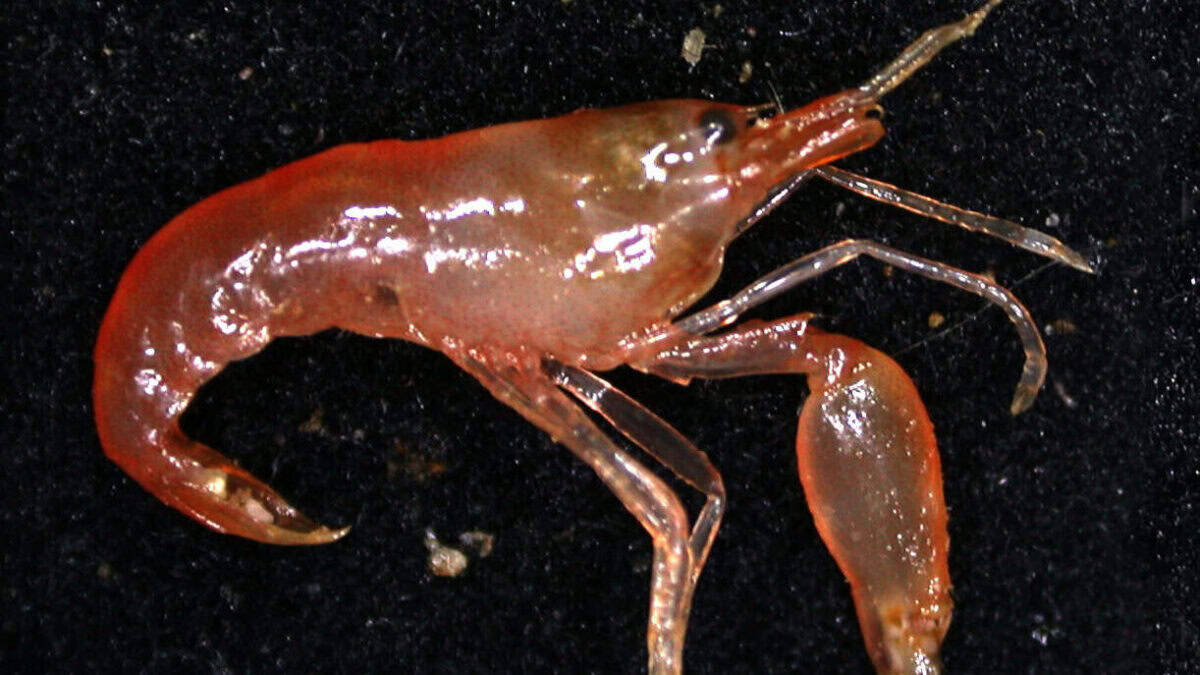
Amano shrimp (Caridina multidentata), named after the legendary aquascaper Takashi Amano who popularized their use, are among the most effective invertebrate algae controllers available. These large freshwater shrimp, growing to about 2 inches, possess an insatiable appetite for various algae types, particularly hair algae and thread algae that many fish won’t touch. Their transparent bodies with distinctive dots make them both functional and attractive additions to planted aquariums. Amano shrimp work tirelessly, using their specialized appendages to pick algae from plants, hardscape, and substrate without damaging even the most delicate aquarium plants.
These hardy invertebrates thrive in temperatures between 70-80°F (21-27°C) with a pH of 6.0-7.5, making them compatible with most community tank setups. However, they require protection from larger, predatory fish that might view them as an expensive snack. Amano shrimp are particularly valuable in densely planted “Nature Aquarium” style tanks, where they help maintain the immaculate appearance that these aquascapes demand. Like Nerites, Amano shrimp cannot reproduce in freshwater aquariums (their larvae require brackish to saltwater conditions), ensuring their population remains controlled. For best results, keep them in groups of 3-5 per 20 gallons, increasing the number for tanks with significant algae issues.
Mollies The Versatile Algae Nibblers

Mollies (Poecilia sphenops) may not be the first fish that come to mind when thinking about algae control, but these popular livebearers have a natural inclination to graze on soft algae growths. Available in a stunning variety of colors and fin types, mollies combine their algae-eating utility with bright, active personalities that enliven any community tank. Their omnivorous diet includes a significant component of vegetable matter in the wild, which translates to an eagerness to consume green algae films from aquarium surfaces in captivity.
These adaptable fish thrive in slightly alkaline conditions with a pH between 7.5-8.5 and temperatures from 75-82°F (24-28°C). One advantage of mollies is their ability to adapt to varying salinity levels, from freshwater to full marine conditions, though a small amount of aquarium salt (1-2 tablespoons per 5 gallons) often improves their health and disease resistance in home aquariums. While not as specialized for algae consumption as some other species on this list, mollies provide moderate algae control while adding color, movement, and interest to community tanks. Their live-bearing reproductive strategy means they can quickly multiply if males and females are kept together, which can be either an advantage or a challenge depending on your perspective.
Florida Flagfish The Underrated Algae Controller
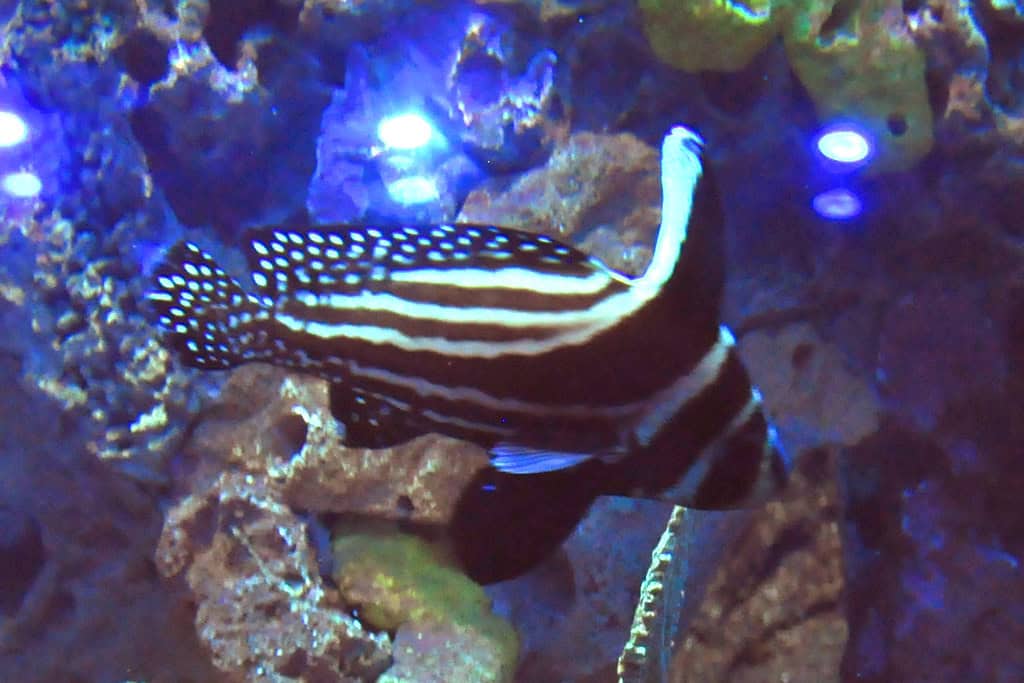
The Florida Flagfish (Jordanella floridae) is perhaps one of the most underappreciated algae-eating fish in the hobby. Native to Florida’s freshwater habitats, these killifish relatives have evolved to consume significant amounts of algae as part of their natural diet. Males display striking coloration with red-edged scales and a distinctive black spot (their “flag”) on their sides, while females show more subtle but still attractive patterning. Growing to about 2.5 inches, their compact size makes them suitable for aquariums as small as 15-20 gallons.
Florida Flagfish are particularly effective against hair algae and filamentous algae types that many other algae-eaters ignore. They prefer cooler water than many tropical fish, thriving in temperatures between 64-75°F (18-24°C) with a pH range of 7.0-8.2. While they can show territorial behavior, especially between males during breeding times, they generally coexist peacefully with similarly sized community fish. These hardy natives are also excellent choices for outdoor water gardens in warmer climates, where they’ll happily control algae while adding a flash of color. For aquarists seeking a native North American species that combines beauty with functionality, the Florida Flagfish offers an excellent and often overlooked option.
Common Pleco The Oversized Disappointment
The Common Pleco (Hypostomus plecostomus) is perhaps the most frequently misrepresented fish in the aquarium trade when it comes to algae control. Often sold as small, inexpensive “algae eaters” to novice aquarists, these South American catfish are actually ticking time bombs for most home aquariums. While juvenile Common Plecos do consume some algae, their appetite for it diminishes substantially as they mature, at which point they prefer protein-rich foods and produce significant waste. More problematically, these fish can grow to an enormous 24 inches or more in length, requiring tanks of 125 gallons or larger to accommodate their adult size.
Their massive adult size contributes to their status as one of the most surrendered fish species, with many ending up dumped in local waterways (where they’ve become invasive in numerous regions) or cramped in inappropriate tanks. Beyond their size issues, Common Plecos become increasingly territorial and aggressive as they mature, often causing damage to tank decorations and even slow-moving tank mates. Their substantial waste production can actually contribute to algae problems by increasing nutrient levels in the water. For effective, appropriately-sized algae control, aquarists should opt for the smaller Bristlenose Plecos mentioned earlier rather than these gentle giants that quickly outgrow their usefulness and their welcome in most home aquariums.
Chinese Algae Eater The Deceptive Name
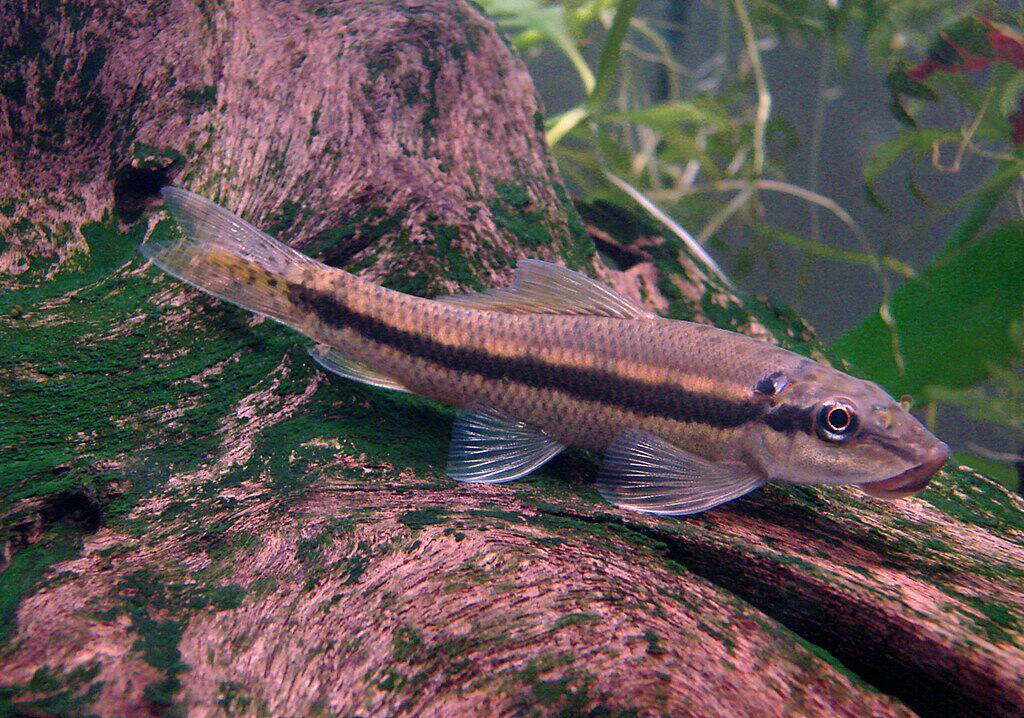
The Chinese Algae Eater (Gyrinocheilus aymonieri) represents one of the most misleading names in the aquarium hobby. While juveniles do consume some algae, mature specimens largely abandon this diet in favor of protein-rich foods. What makes these fish particularly problematic is their increasingly aggressive and territorial nature as they age. Growing to 10-11 inches in length, adult Chinese Algae Eaters develop a concerning habit of attaching to the sides of slow-moving fish to rasp on their protective slime coats, causing stress, injuries, and potentially fatal infections to their tank mates.
These fish are often confused with the more beneficial Siamese Algae Eater due to superficial similarities, but their behavior couldn’t be more different. Chinese Algae Eaters are highly territorial, especially toward bottom-dwelling species, and their aggressive tendencies increase with age. They require large aquariums of at least 50 gallons due to their size and activity level. Their reputation for clearing tanks of algae is largely undeserved beyond their juvenile stage, making them a poor choice for their intended purpose. For aquarists seeking genuine algae control without the aggressive behavior, the true Siamese Algae Eater represents a far superior choice that stays committed to its algae-eating duties throughout its lifespan.
Goldfish The Messy Misconception
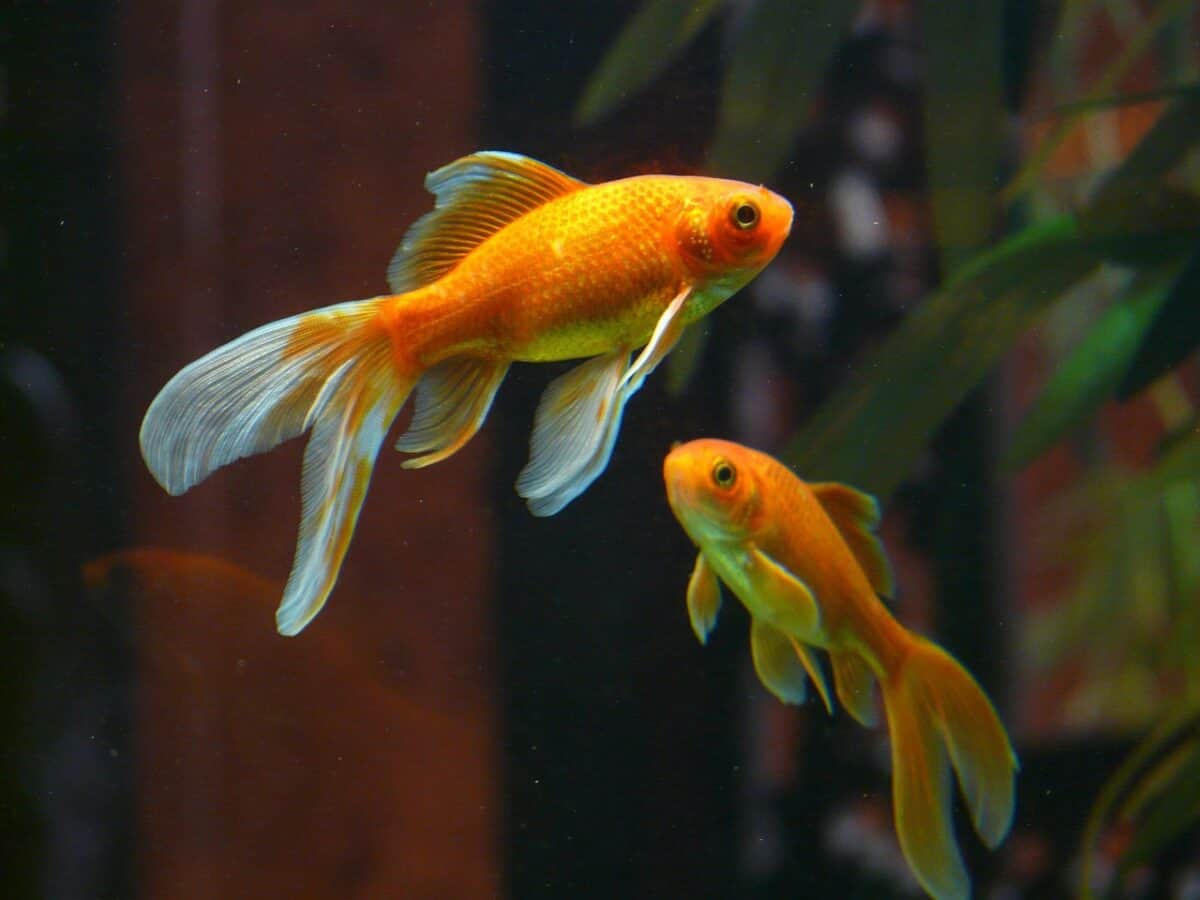
Goldfish (Carassius auratus) are occasionally suggested as algae control for ponds or even aquariums, but this recommendation couldn’t be more misguided. While goldfish will nibble at some soft algae, any minimal algae control they provide is dramatically outweighed by their contribution to algae growth. These fish are extraordinarily messy eaters that stir up substrate and produce copious amounts of waste with high ammonia content. This waste becomes a perfect fertilizer for algae, effectively creating far more algae than the fish could ever consume. Their constant foraging behavior also uproots plants and disturbs the substrate, releasing additional nutrients into the water column.
Beyond their counter-productive effect on algae control, goldfish have specific care requirements that make them incompatible with many tropical community setups. As cold-water fish, they prefer temperatures between 65-72°F (18-22°C), significantly cooler than most tropical species. They require substantial space due to their potential size (commons can reach 12+ inches) and heavy bioload, with even the smallest fancy varieties needing at least 20-30 gallons per fish. Their oxygen requirements are also higher than many tropical species. Rather than using goldfish for algae control, aquarists should opt for dedicated algae-eaters appropriate to their specific tank parameters and address the root causes of excessive algae growth through proper tank maintenance, appropriate lighting periods, and nutrient management.
Conclusion: Creating a Balanced Cleaning Crew

Algae-eating fish can be valuable allies in keeping your aquarium clean and balanced. Species like the Siamese algae eater, otocinclus, and bristlenose pleco are not only efficient at grazing on algae, but also generally peaceful and compatible with a wide range of tank mates. By adding these natural cleaners to your tank, you reduce the need for frequent manual maintenance while promoting a healthier aquatic environment.
However, not all fish that seem helpful truly are. Some species, while interesting or attractive, can actually contribute to the mess with excessive waste or aggressive behavior that disrupts other algae-eaters. It’s important to research thoroughly before choosing fish for your aquarium. A well-informed selection ensures your tank remains both visually appealing and easy to maintain.

As a little kid, I fell in love with nature, wildlife, and animals. Living in the USA, South Africa, Italy, China and Germany gave me the opportunity to discover the world's Wildlife. My favorite animals are Mountain Gorillas, Siberian Tigers, and Great White Sharks.
I'm a certified PADI Open Water Diver, went to Everest Base Camp and Trekked Gorillas in Uganda. I hold a Master of Science in Economics and Finance.
Please send any feedback to feedback@animalsaroundtheglobe.com
- The Deadly Sting of the Box Jellyfish A Silent Predator - July 25, 2026
- 7 Algae-Eating Fish That Keep Tanks Clean And 3 That Add to the Mess - July 25, 2026
- 12 Predators That Stalk Silently - July 25, 2026
Leave a comment
You must be logged in to post a comment.