
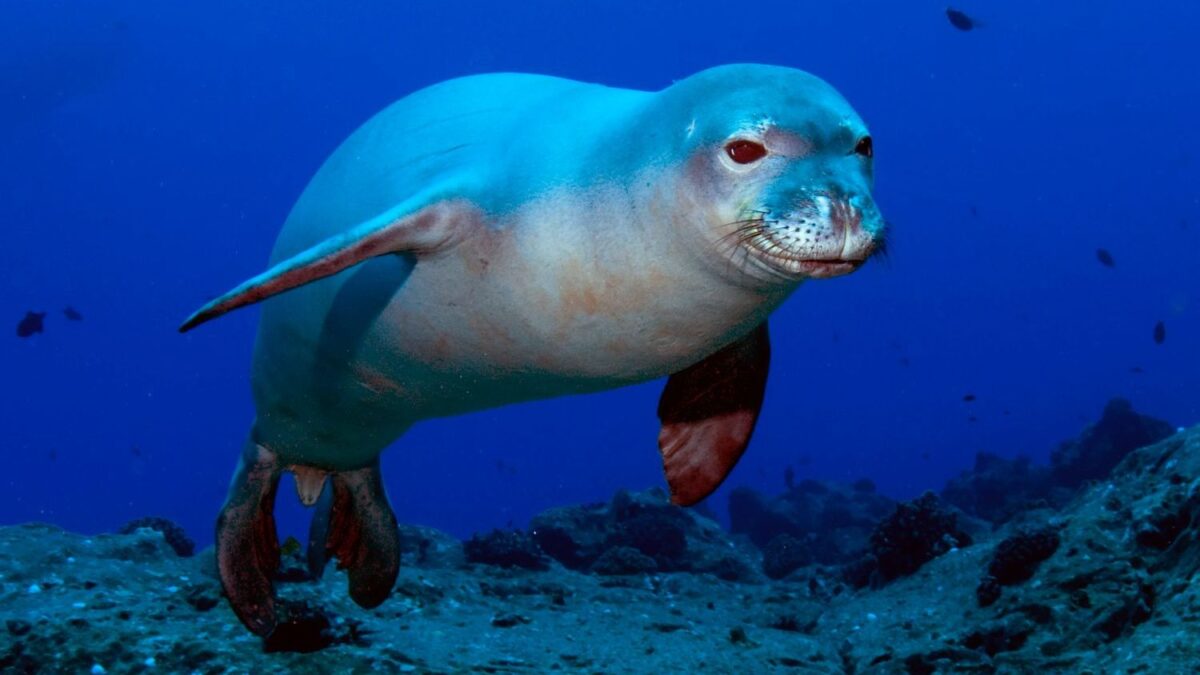
Picture this: a sandy Hawaiian beach, crystal-clear turquoise waters gently lapping at the shore, and a lone seal basking in the afternoon sun. Most people would assume it’s a common sight, maybe even walk over to snap a selfie. They’d be wrong on both counts. The Hawaiian monk seal is one of the most endangered marine mammals in the world, and getting too close could spell trouble for both you and this critically threatened creature. What makes these seals so special, and why should we care about their survival?
Hawaiian monk seals are endemic to the Hawaiian archipelago – occurring nowhere else in the world. Genetic evidence indicates that Hawaiian monk seals have occupied the archipelago for millions of years. They are one of only two mammal species endemic to present-day Hawai’i that occupied the islands before the arrival of humans, which gives you some sense of just how ancient and unique these animals truly are. Let’s dive into the remarkable world of these solitary swimmers and discover what makes them so extraordinary.
They’ve Been Swimming in Hawaiian Waters for Millions of Years
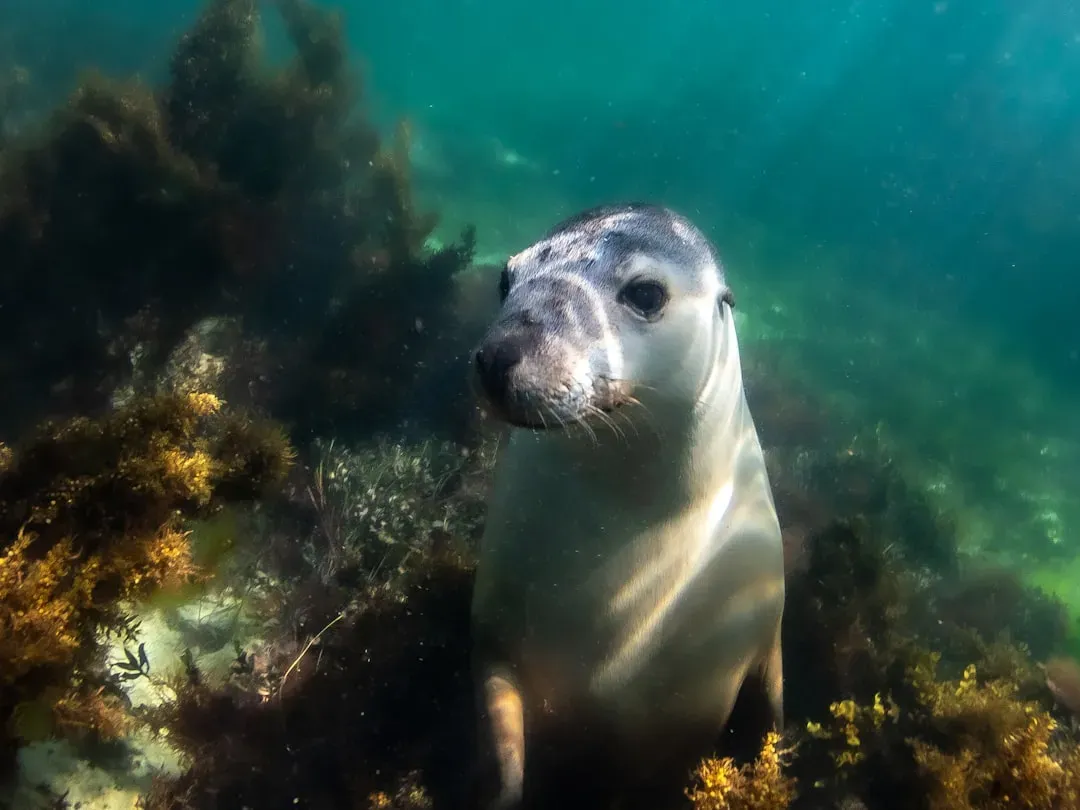
Here’s something most people don’t know: Hawaiian monk seals have been part of the Pacific ecosystem since the Central American seaway between North and South America closed 3 to 6 million years ago permanently separating monk seals in the Pacific from those in the Caribbean (which are now extinct). Think about that for a moment. These creatures were gliding through Pacific waters long before humans ever set foot on the islands, before the first Polynesians navigated by stars, before anyone even knew Hawaii existed.
Their ancient Hawaiian name tells you everything about how they were perceived: Their ancient Hawaiian name is ‘llio holo I ka uaua meaning “dog that runs in rough water”. It’s a perfect description of these seals, which move with surprising agility through churning ocean waters despite their hefty size. Archeological and historical records indicate the seals have occupied the main Hawaiian Islands for at least the past several hundred years, and everything we know about monk seals suggests that the entire archipelago has served as monk seal habitat for millions of years.
Their Population Has Hit Rock Bottom
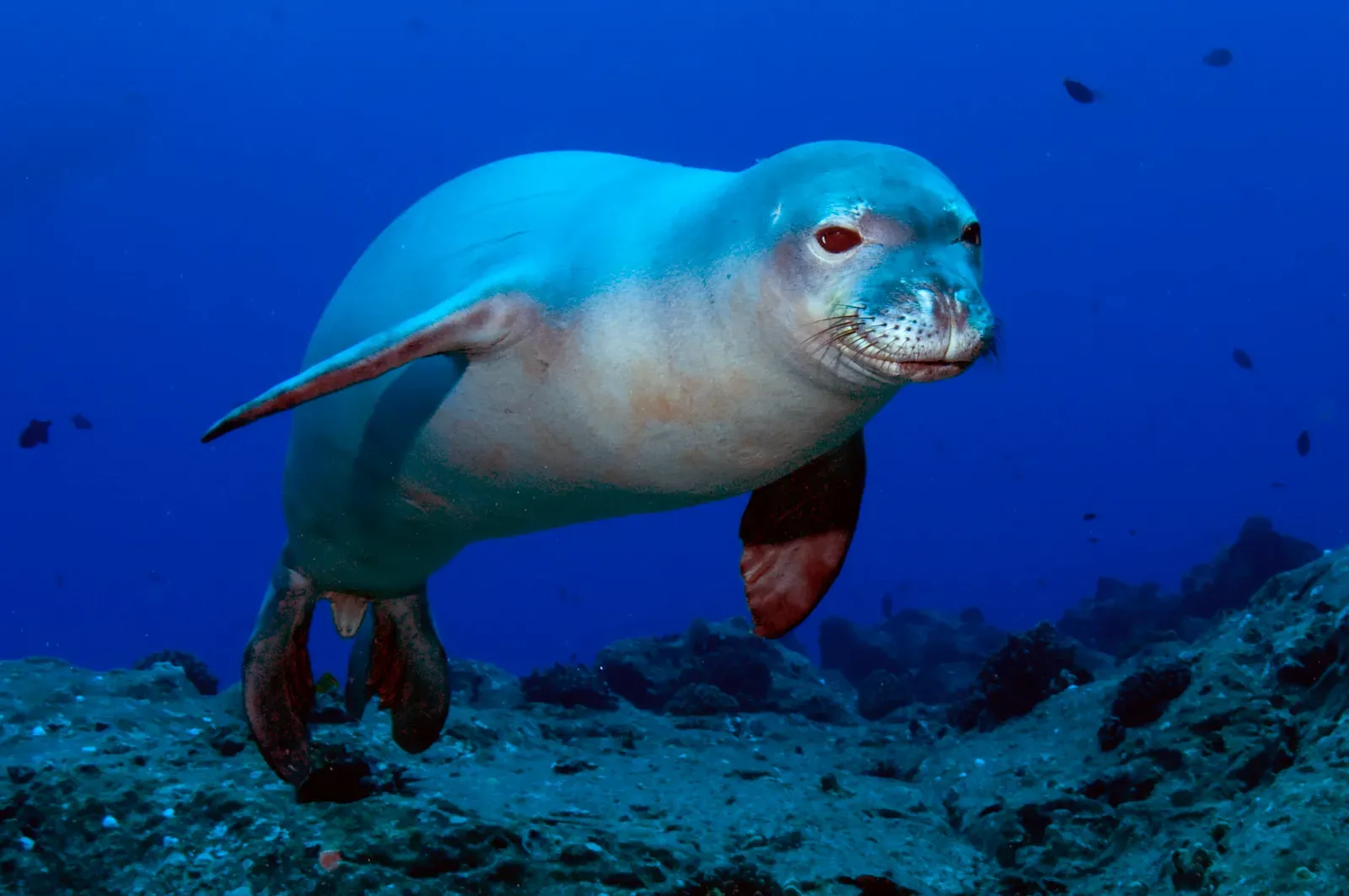
NOAA’s 2024 estimate is that 1,580 seals remain in the total Hawaiian monk seal population, a fraction of their historical population. To put this in perspective, that’s fewer individuals than students at many American high schools. Today, the population is increasing, but it is still only about a third of its historic size.
The decline didn’t happen overnight. In the late 19th century, hunting in the NWHI pushed the species to the brink of extinction. Their numbers had rebounded substantially by the late 1950s. Subsequently the population declined again over the next 50 years to a level 70% lower than that of the late 1950s. Honestly, it’s almost miraculous they survived at all. The good news? Intensive planning and implementation of conservation actions have helped Hawaiian monk seal numbers to rebound significantly, the upward trend beginning in earnest around 2013. The overall population has seen a consistently positive growth trend of 2% every year between 2013 and 2021.
They Have the Lowest Genetic Diversity of All Seal Species
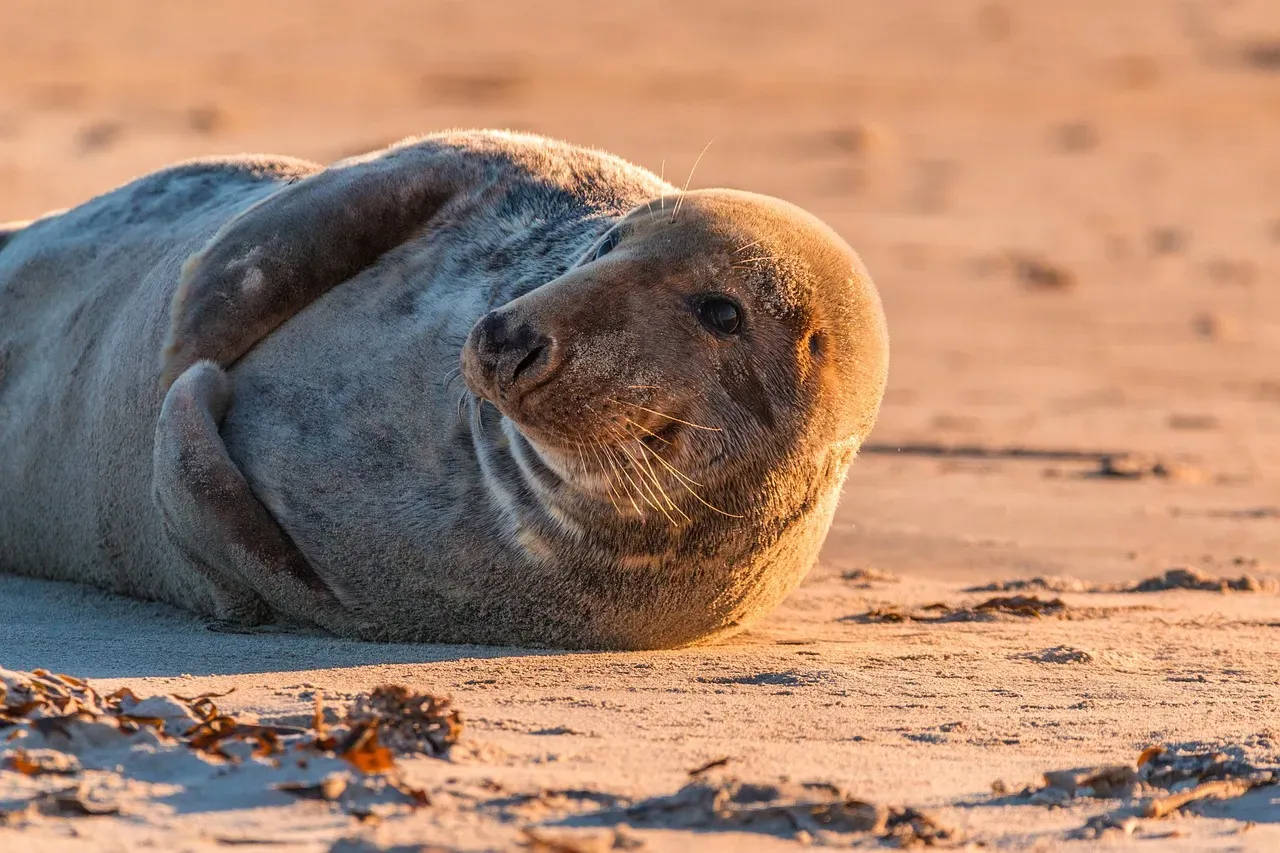
The Hawaiian monk seal has the lowest level of genetic variability among the 18 phocid species. This low genetic variability was allegedly due to a population bottleneck caused by intense hunting in the 19th century. What does this mean in practical terms? Imagine if everyone in your town was somehow related to everyone else. That’s essentially what’s happening with these seals.
Low genetic diversity is bad news for any species because it makes them more vulnerable to diseases, reduces their ability to adapt to environmental changes, and can lead to inbreeding problems. The small population of about 1,400 individuals is threatened by human encroachment, very low levels of genetic variation, entanglement in fishing nets, marine debris, disease, and past commercial hunting for skins. It’s hard to say for sure, but scientists worry that this lack of genetic variety could hamper long-term recovery efforts even if population numbers increase.
They’re Losing Their Beaches to Rising Seas
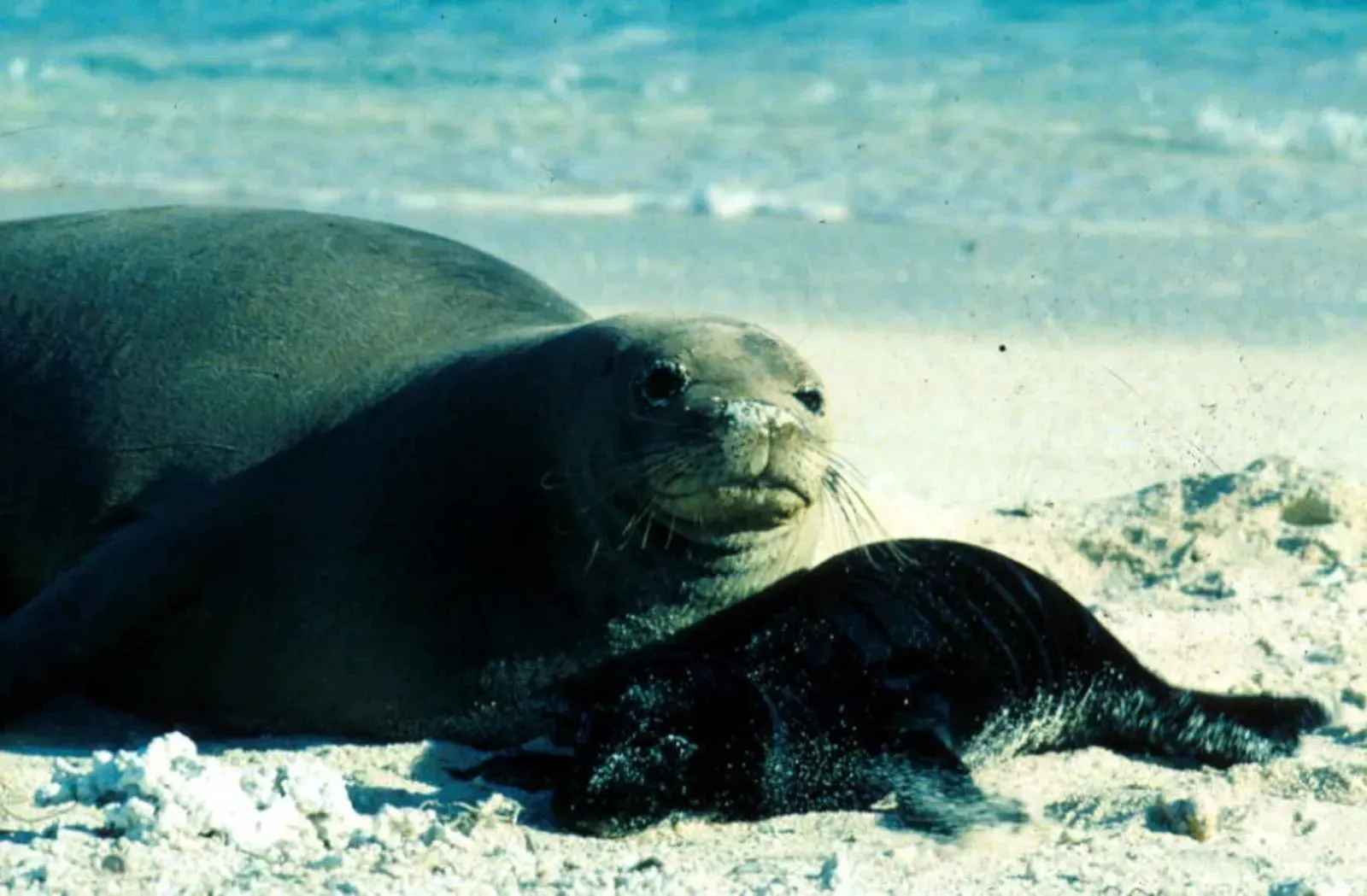
In Hawaiʻi, where the islands are very low lying, endangered Hawaiian monk seals have already lost an estimated 50 percent of their historic breeding beaches to rising seas. With increased erosion and intensity of storms, such as hurricanes, we have seen substantial habitat loss over the last few years. Let’s be real: climate change isn’t some far-off threat for these animals. It’s happening right now.
This has been particularly evident at French Frigate Shoals, where several islets have already been greatly diminished or completely washed away. Efforts to preserve, and ideally restore, terrestrial habitat will likely be essential to ensure the French Frigate Shoals monk seal population remains viable. Galapagos sharks – a medium sized shark but big enough to kill seal pups – were coming in. They were killing 20-30% of the pups that were born at French Frigate Shoals, which at the time was the largest population of monk seals. When the beaches disappear, pups become more vulnerable to shark attacks in deeper water. It’s a devastating chain reaction.
Roughly One Third of Today’s Population Exists Because of Direct Conservation Efforts
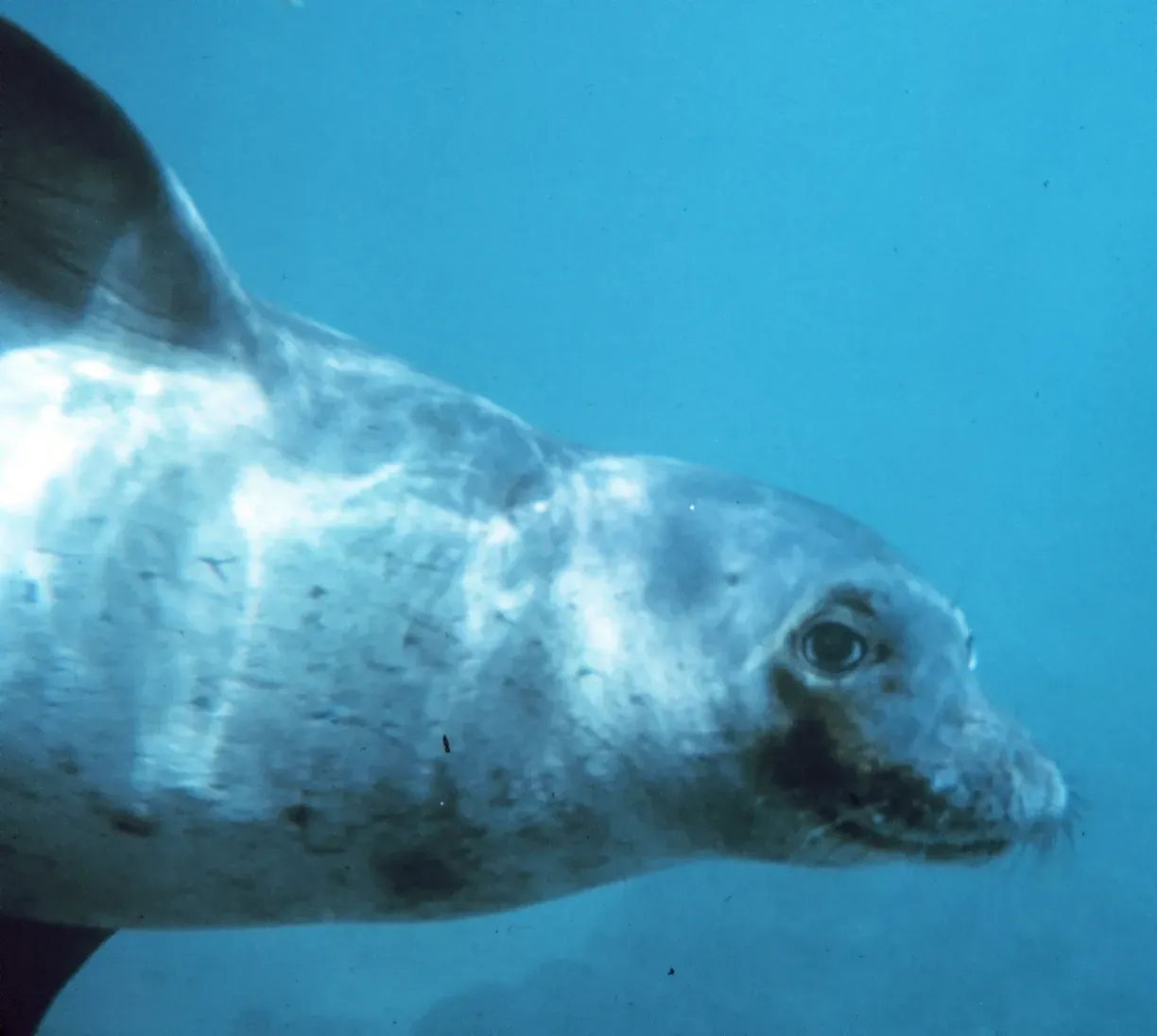
In fact, about 30 percent of today’s Hawaiian monk seal population is alive directly due to conservation efforts led by the National Oceanic and Atmospheric Administration (NOAA) and their partners. That statistic is both encouraging and sobering. It means conservation works, yet it also means these animals can’t survive without our help.
What exactly are scientists doing? Teams disentangle seals, and a large-scale effort to remove marine debris from the seals’ habitat has reduced entanglement risk according to a recent paper published in Science. Other conservation measures include efforts to mitigate shark predation, reunite or foster unpaired pups with mothers, intervene to deter attacks by aggressive male seals on other seals, and move pups from sites with low survival to sites with higher survival. NOAA Fisheries launches an effort to vaccinate Hawaiian monk seals against morbillivirus, a genus of virus that has killed thousands of marine mammals in other parts of the world. This initiative is the first to ever try to vaccinate a wild marine mammal species.
A Deadly Parasite from Cat Feces Is Killing Them
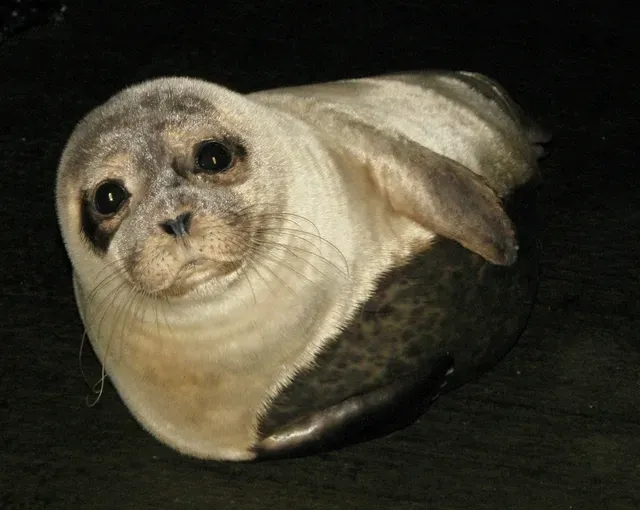
Here’s something that sounds almost too bizarre to be true, yet it’s deadly serious. Toxoplasmosis, a parasite that originates in cat feces and can make its way into waterways through feral cats or flushing cat litter down the toilet, has become an emerging threat to endangered monk seals in the main Hawaiian Islands over the last few years. Once it infects a monk seal, the result is typically lethal.
Toxoplasmosis is now a leading cause of Hawaiian monk seal mortality and a growing concern in the populated main Hawaiian Islands. The connection is straightforward but tragic: cat waste containing the parasite washes into the ocean, marine creatures ingest it, seals eat those creatures, and then the seals die. Given their isolation on the Hawaiian Islands, monk seals are particularly vulnerable as they do not have many antibodies to diseases commonly found in other parts of the world. Who would’ve thought that something as mundane as cat litter could threaten an entire species?
Male Aggression Is a Surprising Threat to Recovery
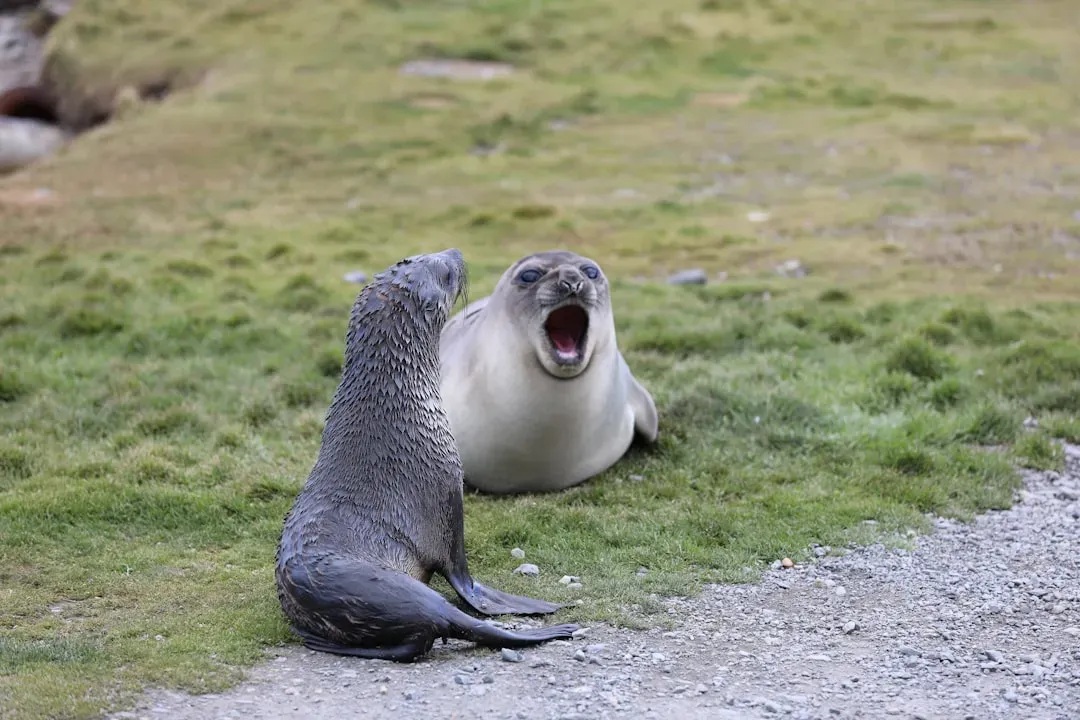
One cause of Hawaiian monk seal decline, especially during the 1980s and early 1990s was due to male aggression. This aggression can lead to severe wounds and death. The first is groups of males mobbing other male and female seals. This aggression is likely due to a skewed sex ratio of more males than females in the monk seal population. The second is males attacking recently weaned pups.
This isn’t just rough play. It has been attributed to numerous deaths of both male and female juvenile seals, particularly in the NWHI, which poses severe consequences to the recovery of the species when young, healthy, or reproductively viable seals are removed from the population. Conservationists have had to intervene by relocating aggressive males to different areas, essentially acting as peacekeepers in the seal world. It’s one of those natural threats that reminds us wildlife conservation isn’t always about protecting animals from humans – sometimes it’s about protecting them from each other.
Conclusion
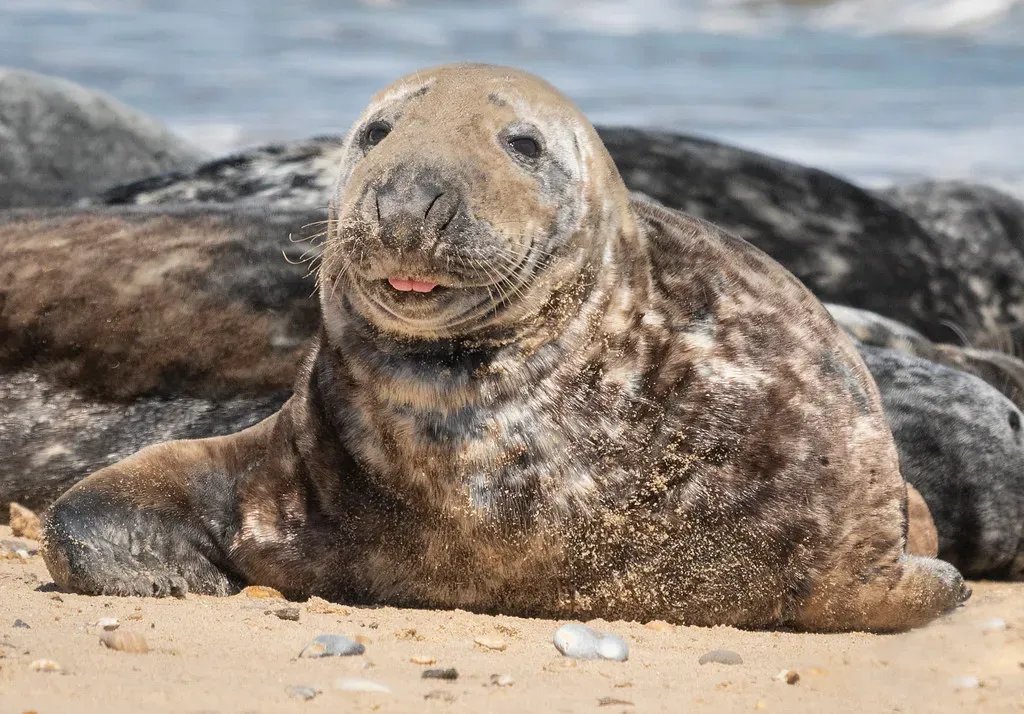
The Hawaiian monk seal’s story is one of resilience against staggering odds. From near-extinction in the 1800s to the current slow recovery, these ancient mariners have survived hunting, habitat loss, disease, and climate change. Every seal matters when your entire species numbers barely over fifteen hundred individuals.
Conservation efforts are working, yet the seals remain critically dependent on human intervention. The next time you see one of these creatures resting on a Hawaiian beach, remember you’re looking at a living relic that’s been swimming these waters since before our ancestors walked upright. Their survival depends not just on scientists and conservationists, but on everyday choices we make – from how we dispose of cat litter to whether we use single-use plastics.
What do you think? Did you realize just how precarious their situation was? These remarkable animals deserve our attention and protection.
