

We often associate specific animals with particular habitats: dolphins in the ocean, lions on the savannah, and polar bears in the Arctic. However, the natural world is full of surprises, and many animals have adapted to thrive in unexpected environments. These adaptations often involve remarkable evolutionary changes that allow them to survive in conditions that might initially seem inhospitable. In this article, we explore seven fascinating animals that call surprising places home.
1. Pallas’s Cat – The Altai Mountains
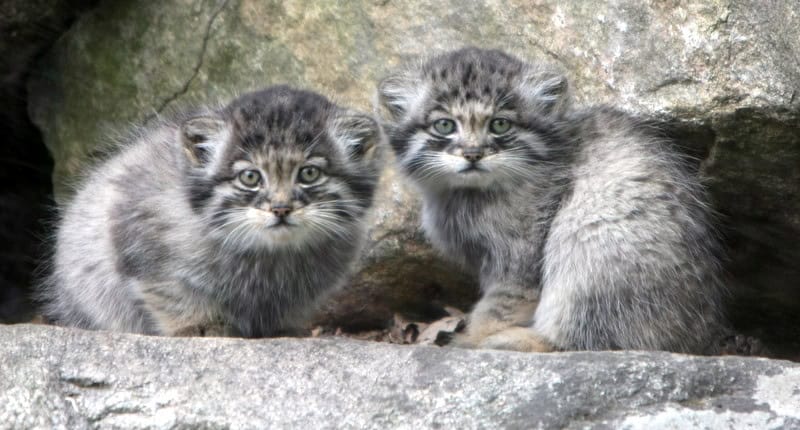
The Pallas’s cat, also known as the manul, occupies the cold, desolate steppes and mountainous regions of Central Asia, especially the Altai Mountains. Despite its fluffy, domestic cat appearance, the Pallas’s cat is uniquely adapted to its harsh environment. Its thick fur provides insulation against frigid temperatures, while its low-lying ears and camouflaged coat help it ambush prey in the rocky terrain. Living at altitudes of up to 16,000 feet, these solitary cats have evolved to hunt small mammals, such as pikas and voles, and are rarely seen by humans.
2. Sand Cat – The Desert Edges

The sand cat is a remarkable species perfectly adapted to the arid desert climates of North Africa and Central Asia. Unlike most felines, it can live without water for extended periods, deriving moisture from its prey. Its padded feet help it walk on hot sand, and its pale, sandy fur provides effective camouflage. Sand cats spend daylight hours underground in burrows to avoid extreme temperatures, emerging at night to hunt small rodents, reptiles, and insects.
3. Marine Iguana – Galápagos Islands
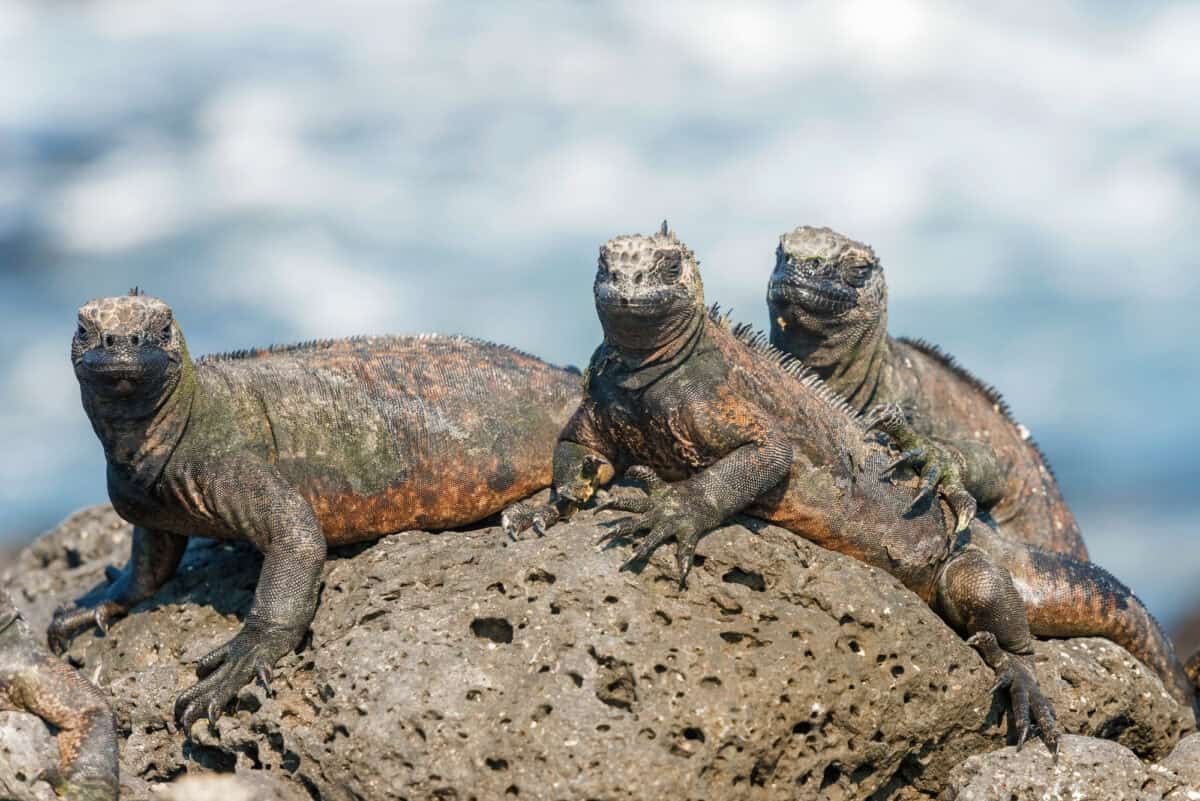
The marine iguana is the only lizard in the world to have adapted to life in the sea, and it is found exclusively on the Galápagos Islands. These iguanas have evolved to feed on algae and seaweed, diving into the cold ocean where few other reptiles dare to venture. Their flat tails and strong limbs make them proficient swimmers, while their darker skin helps them absorb heat after emerging from the water. During periods of food scarcity, marine iguanas can shrink their bones and reabsorb nutrients, making them a truly unique adaptation story.
4. Snow Leopard – The High Altitude Landscapes

Known as the “ghost of the mountains,” the elusive snow leopard resides in the rugged landscapes across the mountain ranges of Central and South Asia, including the Himalayas. These majestic cats possess extraordinary climbing abilities and thick fur that insulates them against cold temperatures. Their wide, fur-covered feet act like snowshoes, distributing their weight on snow and providing traction on icy surfaces. Snow leopards are perfectly camouflaged against their rocky, snowy environment, making them almost invisible to both prey and threats.
5. Blind Cavefish – Subterranean Waters
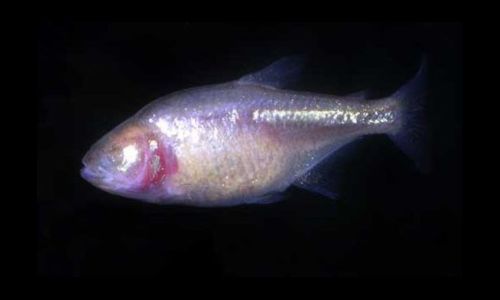
The blind cavefish, found in cave systems across North America, is one of the most incredible examples of adaptation to a dark environment. Having evolved in complete darkness, these fish have lost their eyesight and pigmentation over generations. Instead, they rely on an acute sense of touch and water pressure detection to navigate their underwater world. This adaptation offers insight into evolutionary biology and how species can lose unnecessary organs when they no longer serve a purpose in their habitat.
6. Flamingo – High-Altitude Lagoons
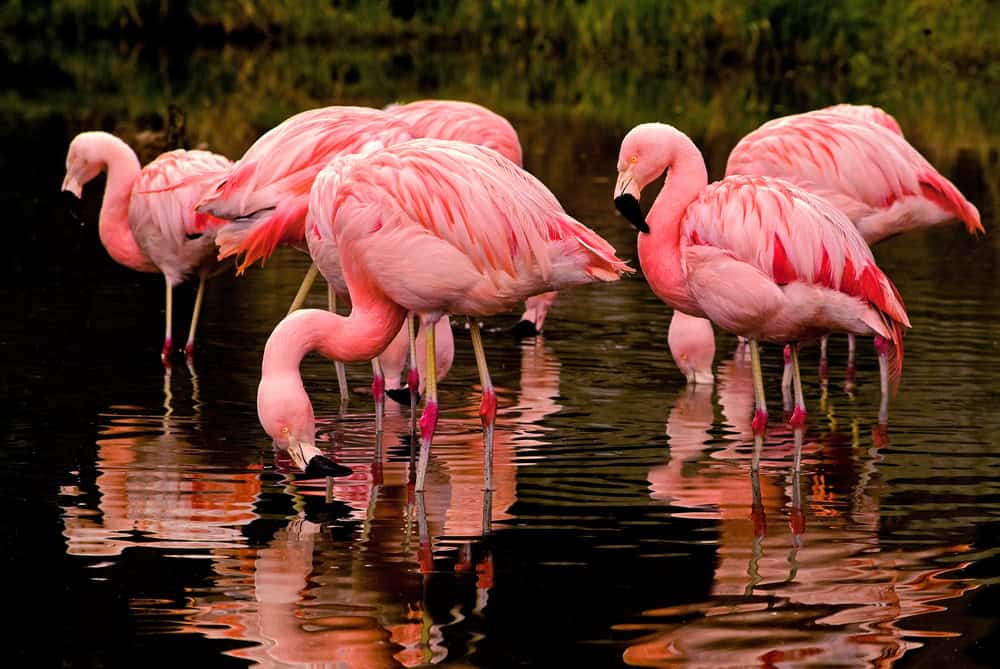
Flamingos are often pictured in tropical lagoons, but several flamingo species inhabit high-altitude salt lakes in the Andes Mountains. These birds have adapted to fly and forage in extreme conditions, where the waters are often highly alkaline and filled with toxic minerals. Flamingos filter-feed on algae, which is abundant in these harsh environments, giving them their characteristic pink hue. Remarkably, they maintain high thermal resistance and specific metabolisms to survive the frigid Andean nights and the harsh sunlight during the day.
7. Arctic Fox – The Tundra
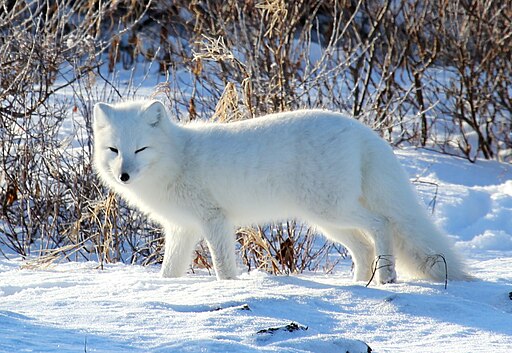
The Arctic fox is a small yet remarkably resilient predator, thriving in the freezing climates of the Arctic tundra. With a dense, warm coat that changes color with the seasons—white to blend with snow in winter, brown in summer—this fox is a master of camouflage. Its thick fur covering even the paws provides insulation against the cold surfaces. Remarkably, the Arctic fox can survive temperatures as low as -58°F (-50°C) by lowering its metabolic rate and using its tail as a warm blanket. The adaptability of this species is a testament to evolution’s power.
Conclusion

These fascinating animals serve as a testament to the incredible adaptability of life on Earth. From the frozen tundra to the darkest caves, these creatures not only survive but thrive in environments where we might least expect them to. Their unique adaptations to various ecological niches remind us of the intricate balance of nature and how species can evolve in response to their environment over time. Understanding these animals’ abilities not only enriches our knowledge of biological diversity but also inspires greater appreciation and conservation of the unique habitats they occupy.

- The Deadliest Floods That Wiped Out Entire Cities - July 17, 2026
- How a Fisherman’s Shocking Discovery Led to a Scientific Breakthrough - July 16, 2026
- The Largest Bobcat Ever Spotted in U.S. Woods - July 15, 2026