
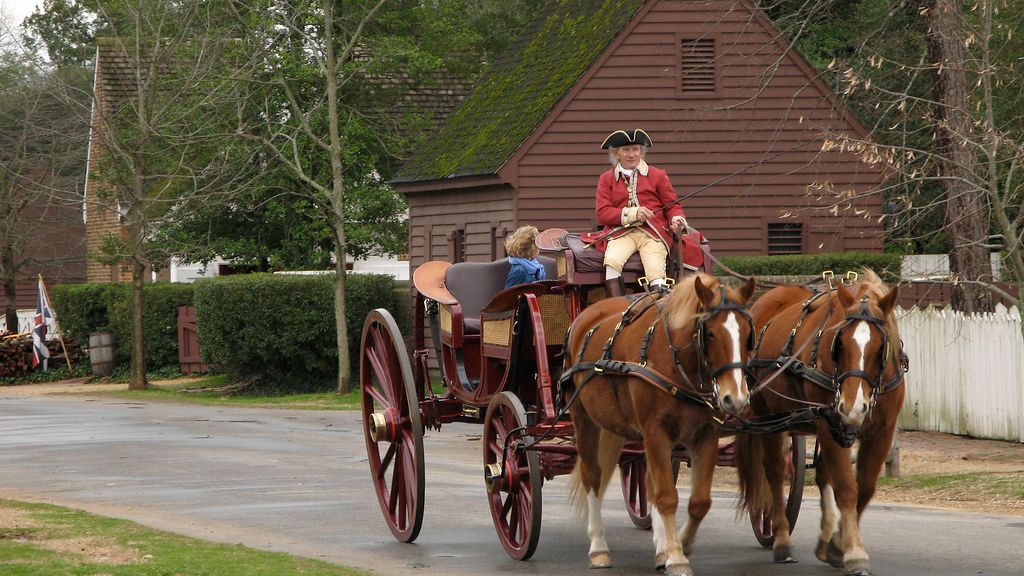
When we picture colonial America, we often imagine sturdy log cabins and fields of corn stretching toward the horizon. Yet beneath this romanticized vision lies a more fascinating truth about survival, adaptation, and the remarkable bond between humans and animals. The success of European colonists in the New World didn’t rest solely on human determination or advanced tools. Instead, it depended on an unlikely cast of characters with four legs, feathers, and hooves.
These creatures were more than mere livestock – they became the backbone of colonial society, providing food, labor, and the foundation for entire economic systems. The story began with Christopher Columbus, who first brought cattle to the island of Hispaniola (now Haiti and the Dominican Republic) in 1493, setting in motion a transformation that would reshape two continents forever.
Cattle: The Powerhouses That Built Colonial America
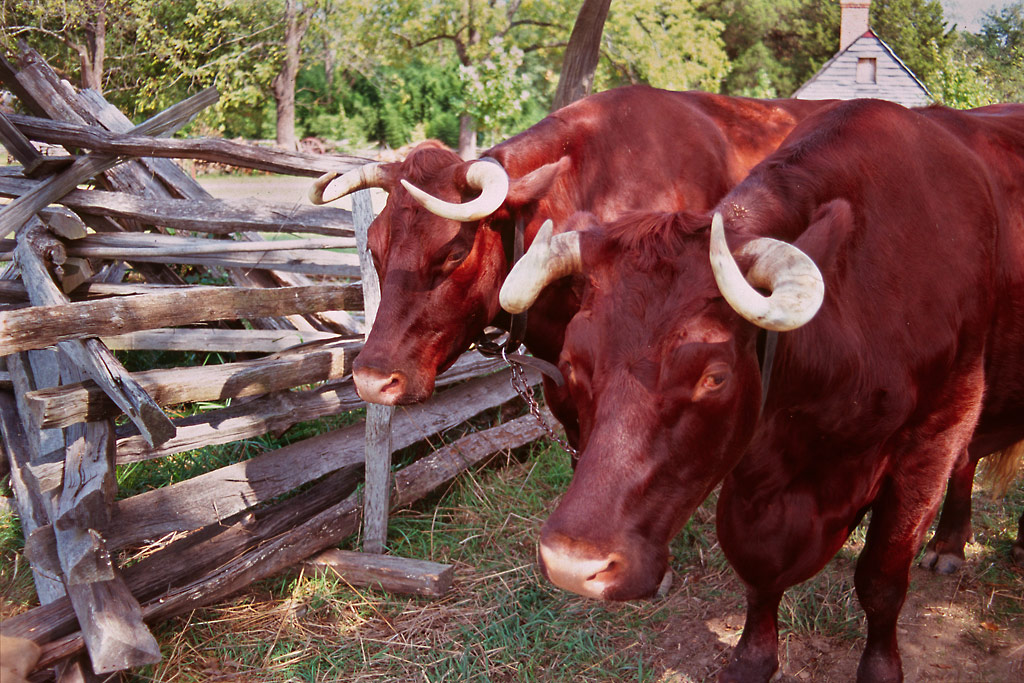
American Milking Red Devon cattle, descended from British stock and brought to New England by the Pilgrims in 1624, became prized for their extraordinary versatility. These remarkable animals provided not just meat and high butterfat milk ideal for making butter and cheese, but also the raw strength needed for plowing fields and hauling heavy loads. Their gentle temperament and intelligence made them perfect candidates for oxen work.
The arrival of cattle in America created what one researcher described as “a major cultural shock wave that had a tremendous impact on social structures, agriculture, and the economy,” as these animals transformed entire landscapes by trampling rangelands and consuming vast quantities of vegetation. They catalyzed industries previously unknown in North America, including large-scale butchering and leather tanning operations, while creating demand for skilled cowboys called vaqueros. What started with a handful of animals would eventually reshape the very fabric of colonial society.
Horses: The Engines of Colonial Transportation
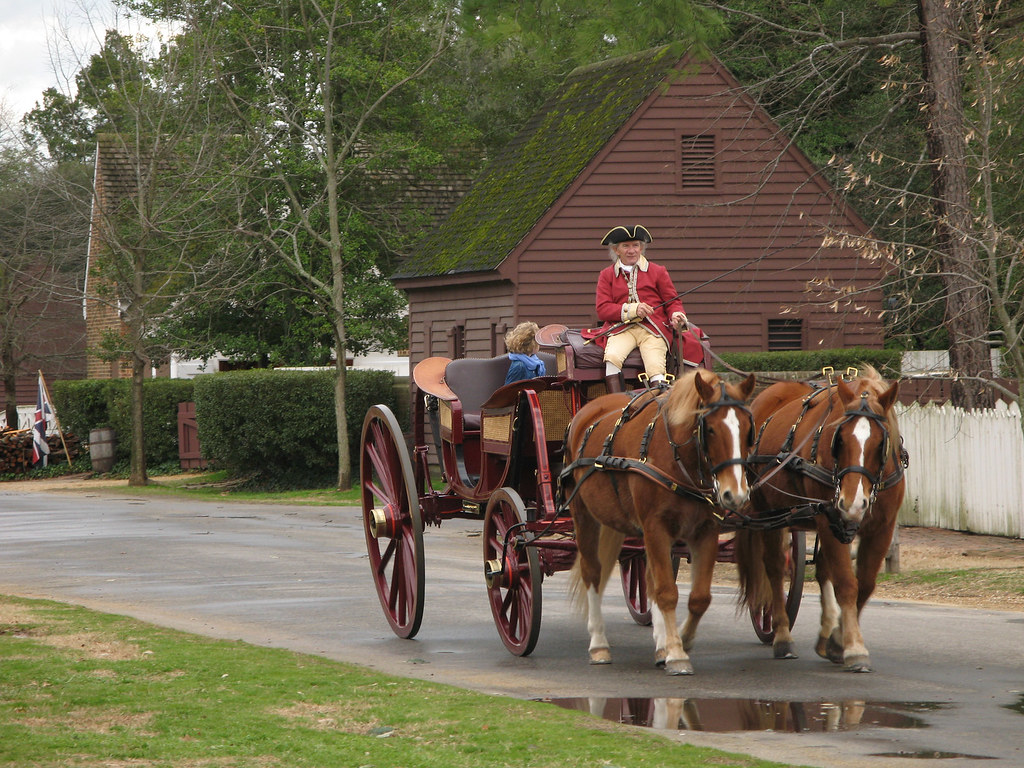
Horses returned to the Americas with Christopher Columbus in 1493, first arriving at Hispaniola and later spreading to Panama, Mexico, Brazil, Peru, Argentina, and Florida by 1538. The first horses to reach the mainland arrived with Hernán Cortés in 1519, followed by larger numbers brought by explorers like Coronado and De Soto.
These animals carried people and goods, pulled vehicles, and provided power for farm implements and industry, becoming absolutely essential to . Horses worked everywhere – in cities, towns, factories, on farms, canals, streets, roads, and around ports, forts, and railroad depots. Stagecoaches became the fastest form of overland transportation at ten miles per hour, with large companies owning hundreds of horses by the 1820s. Think of horses as the pickup trucks of their era – reliable, versatile, and absolutely indispensable for getting anything done.
Pigs: The Self-Sufficient Survivors
Hogs became incredibly valuable to colonists because they could be allowed to run wild and forage in the woods until autumn, when they were caught, fattened, and slaughtered. Early explorers brought livestock to the Americas beginning in the 1500s, including pigs that either escaped or were deliberately set free to forage.
This low-maintenance approach to pig farming proved genius for struggling colonies. Unlike cattle or horses that required constant care and protection, pigs could essentially raise themselves in the wilderness. The Ossabaw Island Hog, a feral breed that has lived for centuries on Ossabaw Island off the coast of Georgia, represents the closest genetic link to these original colonial swine. These resourceful animals turned the abundant forests into meat production facilities, requiring minimal human input while providing maximum protein output.
Sheep: The Woolly Patriots of Independence
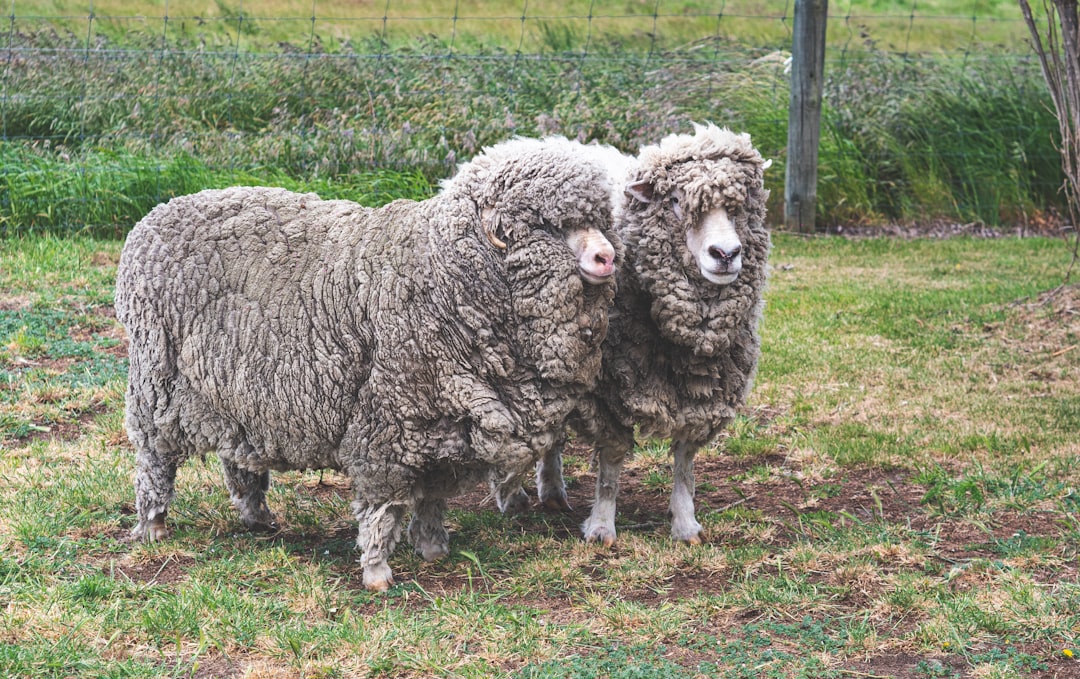
Sheep likely first arrived in North America at Jamestown Virginia Colony in 1609, probably Southdown sheep from Sussex, England, known for producing quality wool and surviving on highland grasses with little nutrition. By the mid-1600s, roughly ten thousand sheep lived in the colonies, and sheep became so important that Massachusetts reportedly passed laws encouraging children to learn spinning and weaving.
Wool dominated as the primary fiber for fabrics, particularly for durable and cold-weather wear, and unlike furs, wool was sustainable since sheep didn’t need to be killed to yield fibers. The British Parliament’s Wool Act of 1699 banned colonial wool exports, forced colonies to import only British wool, and taxed wool sales – becoming one of the first major trade restrictions that would eventually fuel the American Revolution. These fluffy revolutionaries literally helped start a war for independence.
Chickens: The Backyard Multitaskers
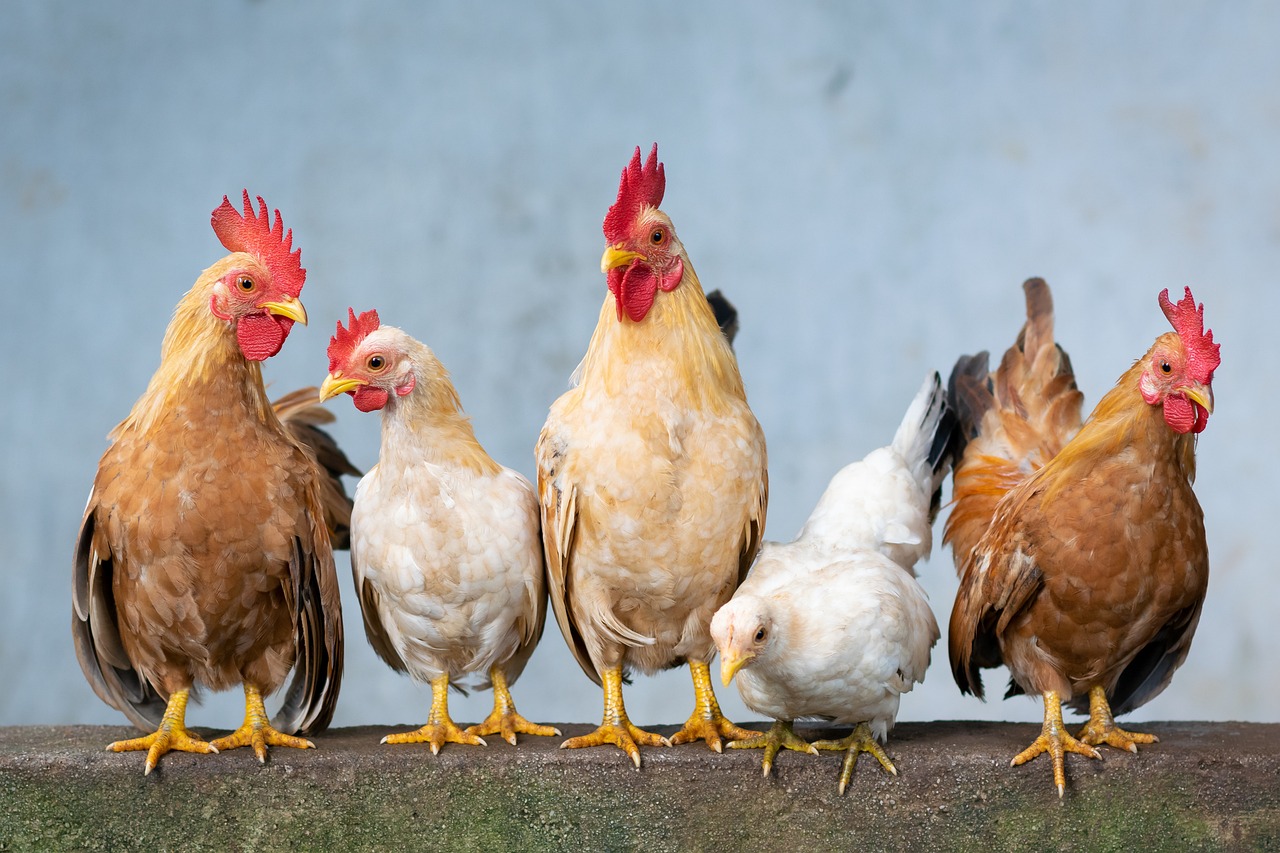
Poultry was as important in the 18th century as today, with chickens, ducks, and geese providing not only meat and eggs but also helping to keep bug populations under control in colonial gardens. The Dominique chicken became one of the first breeds developed in the United States, small to medium in size with very hardy constitutions and heavy plumage that protected them during harsh winters.
English colonists relied on farm animals for milk, meat, eggs, and manure to fertilize their crops, and they probably brought goats, pigs, and chickens aboard the Mayflower in 1620. The first mention of livestock in Plymouth Colony occurred in March 1623, when Edward Winslow wanted to make chicken soup for the ailing Native sachem Massasoit, but Massasoit refused to have the chickens killed and kept them for breeding instead. These feathered friends proved their worth as reliable protein providers and natural pest control specialists.
Goats: The Hardy Mountain Climbers
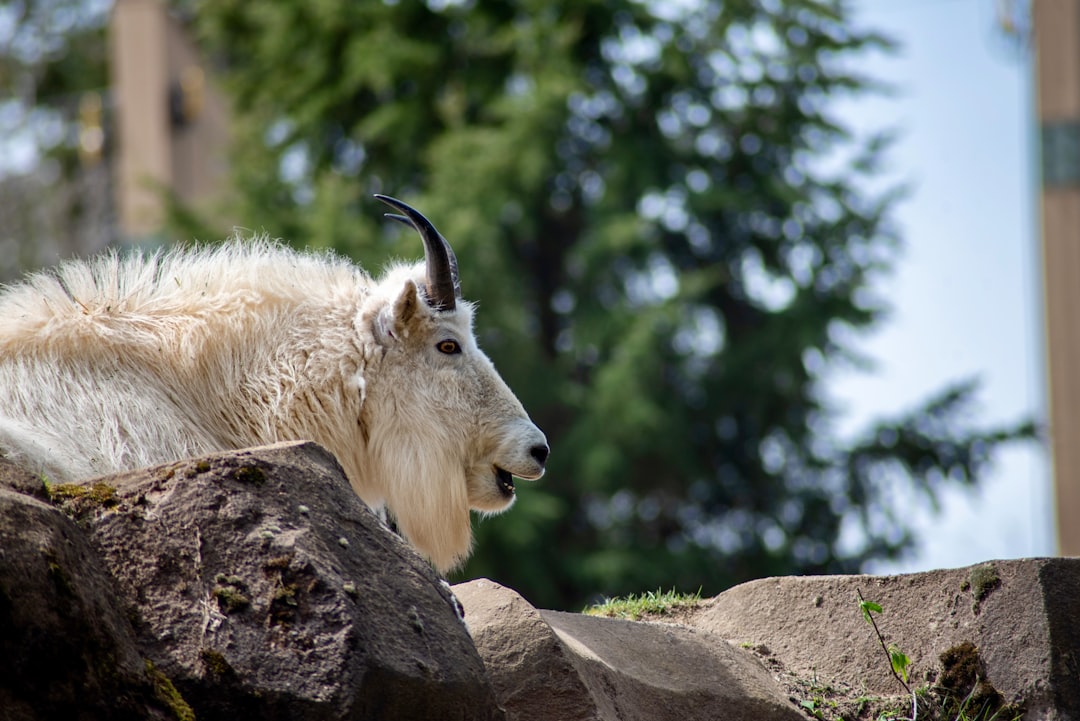
Goats became an integral part of subsistence farming, providing milk, meat, and hides, while eating goat meat allowed cattle to be preserved as draft animals for crop production and transportation. Spanish goats were the only goats known across the southern United States and most other parts of the Americas for more than 300 years.
Goats were well known for their hardiness and survival ability in wild areas, commonly brought by fishermen and those who wanted a small, tough milk producer that could survive in the wilds of New England. Goats were raised for milk, meat, skins, and possibly hair, with young kids being slaughtered and she-goats being bred from one to eight years old. These scrappy survivors could thrive where other animals struggled, making them perfect for the challenging frontier conditions that colonial families faced daily.
Geese: The Feathered Providers
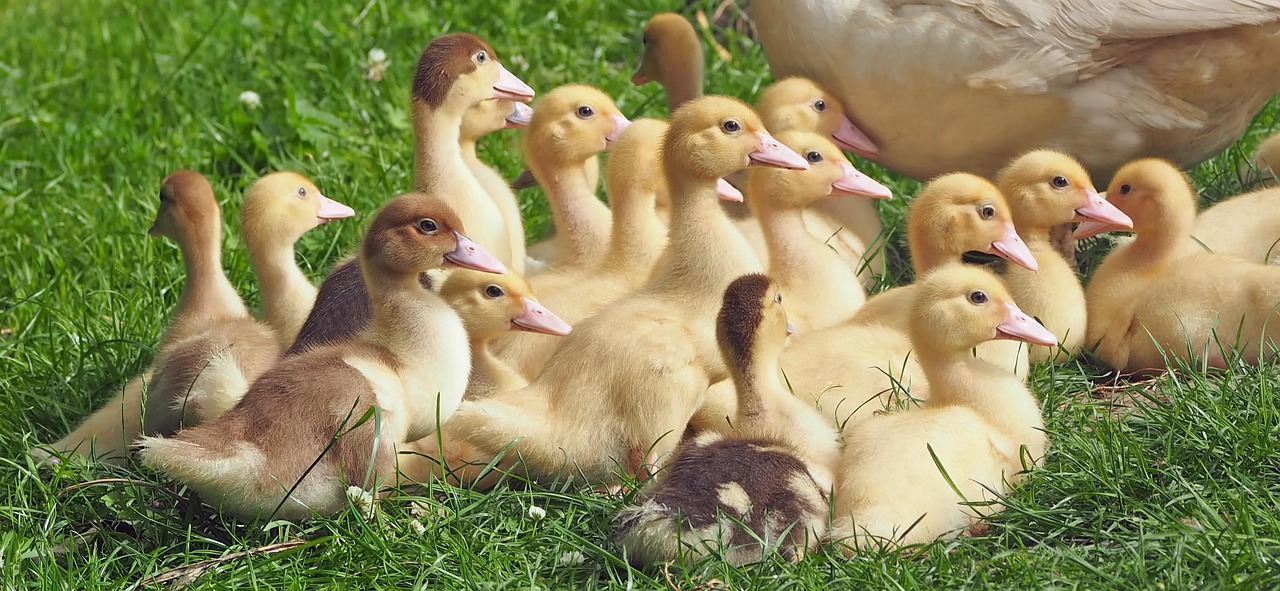
In Washington’s time, geese were raised mainly for their feathers, which were used in feather beds, pillows, arrows, and quill pens. It was common in the Chesapeake region to let domestic geese interbreed with their wild cousins, as these mixed-breed birds were often preferred because their meat tasted better than either purely wild or domesticated birds.
Wild geese might be slightly wounded or have their wings clipped to keep them on the farm, and another tactic involved taking wild goose eggs and introducing them to domestic nests. These versatile birds provided more than just holiday dinners – they supplied the writing instruments that recorded colonial history, the bedding that provided comfort during harsh winters, and the arrows that helped hunters feed their families. Imagine trying to write the Declaration of Independence without goose quill pens!
Conclusion
These seven remarkable animals didn’t just accompany European settlers to the New World – they fundamentally transformed it. From the cattle that powered colonial agriculture to the horses that connected distant settlements, from the self-sufficient pigs that fed families to the sheep that clothed them, each species played an irreplaceable role in colonial survival and success.
By the end of the colonial period, these animals had become such powerful agents of change that some historians argue they were the true architects of early American empire. They shaped landscapes, created industries, influenced trade policies, and even helped spark a revolution. The next time you see a chicken pecking in a backyard or a horse grazing in a pasture, remember – you’re looking at descendants of the creatures that helped build America.
What do you think about these unsung heroes of American history? Tell us in the comments.

- The 6 Zodiac Signs Whose Spirit Animals Reveal Their Darkest Secrets - August 15, 2026
- 10 Things You Should Never Do Around Cats (Even If You Think They Like It) - August 15, 2026
- What Legendary Animal Are You According to Your Zodiac Sign - August 15, 2026