

You know those fluffy, floppy-eared creatures hopping around pet stores? The ones that look like they’d be perfectly content munching carrots all day? Here’s the thing, though. There’s way more happening beneath that adorable exterior than most of us realize.
Domestic rabbits are far more complex, intelligent, and fascinating than their reputation suggests. They’re not just cute little lawn ornaments or kids’ starter pets. These remarkable animals have secret lives, surprising abilities, and needs that would astonish even seasoned animal lovers.
So let’s dive into what makes rabbits truly extraordinary. What you’re about to discover might completely transform how you see these underestimated companions.
Their Vision Is Almost Supernatural
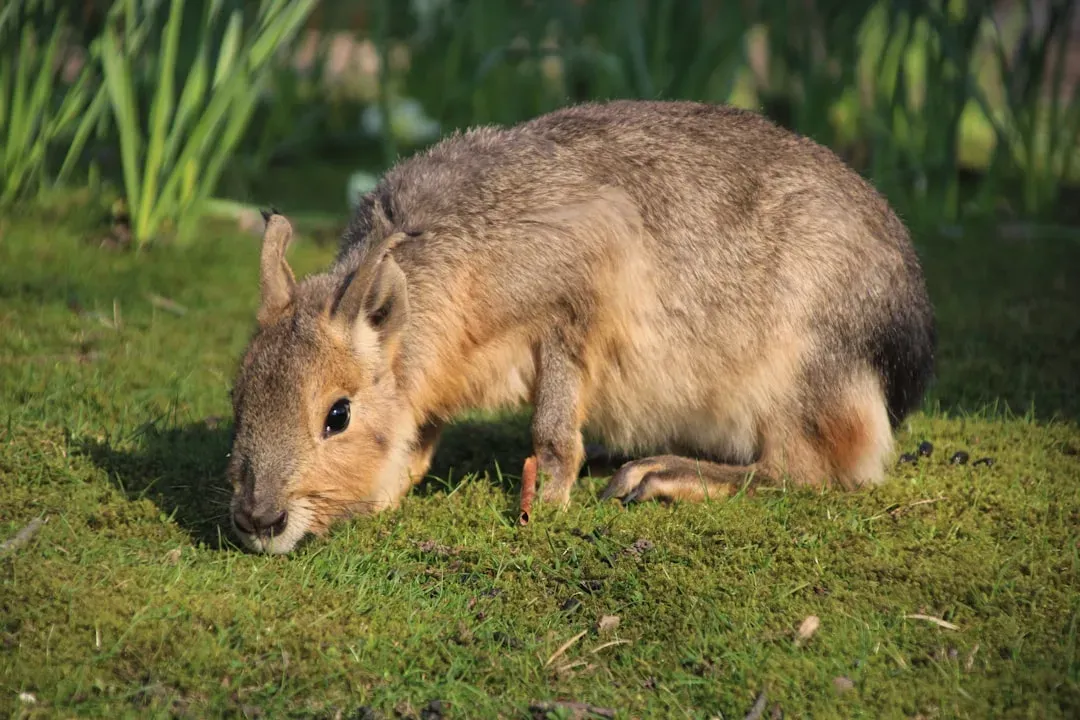
Rabbits can see almost 360 degrees around them without turning their heads. Imagine having eyes that let you spot danger from nearly every angle simultaneously. Their only blind spot is directly in front of their nose.
This remarkable field of vision evolved because rabbits are prey animals constantly scanning for predators. This near-360-degree vision helps them detect potential threats in a heartbeat. When you’re watching your bunny seemingly stare off into space, they’re actually monitoring everything happening around them. It’s like having built-in security cameras that never stop recording.
They Actually Have Two Types of Poop

Let’s be real, this one sounds bizarre until you understand the genius behind it. Rabbits pass two different kinds of feces to completely break down their food, and they re-ingest their feces on the first pass to get all of the nutrients they need.
Rabbits produce hard, dry waste pellets and softer moist pellets known as caecotrophs, which they eat directly from their own bottoms as a healthy way to get as much goodness as possible from their food. It’s not gross when you think about it. It’s actually brilliant evolutionary engineering. Their digestive system is so efficient that they extract every possible nutrient from their plant-based diet through this two-stage process.
Rabbits Can Live Over a Decade
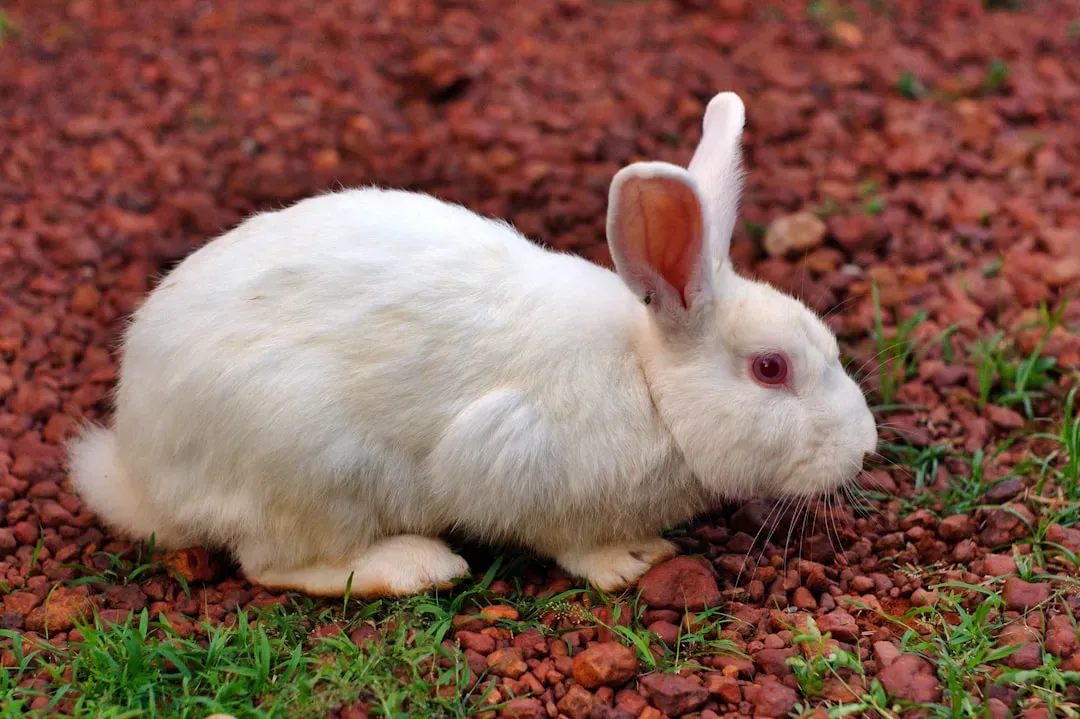
Most people assume rabbits only live a few years, making them short-term commitments. That’s completely wrong. Domestic rabbits typically live 8-12 years with proper care. Some sources even suggest the average lifespan for a pet rabbit is now 10 to 14 years.
Think about that for a moment. A rabbit could be with you through an entire childhood, multiple moves, career changes, or life transformations. The oldest known rabbit lived 18 years, recorded for an Australian rabbit named Flopsy who reached 18 years and 10 months. These aren’t disposable pets. They’re genuine long-term companions who deserve the same commitment you’d give a dog or cat.
Female Rabbits Face Shocking Cancer Risks

This fact honestly terrifies me, yet so few rabbit owners know about it. Up to 60% of unspayed female rabbits develop uterine adenocarcinoma by age 4. That’s more than half. Female rabbits who aren’t spayed are 80% more likely to develop uterine tumors by age 3.
These statistics should be plastered on every pet store wall. Spaying or neutering also limits behavior problems such as aggressiveness, destructive chewing and digging, and not using the litter box. The surgery isn’t just about preventing babies. It’s literally life-saving preventive medicine that can add years to your rabbit’s life.
The Binky Is Pure, Unfiltered Joy

Have you ever seen a rabbit suddenly leap into the air, twist their body mid-flight, and land with what looks like pure satisfaction? A happy rabbit jumps into the air with all four paws off the ground and twists in mid-air before landing, called ‘binkying,’ which is a sign the rabbit is happy or excited.
When a rabbit binkies, the happy hop in the air, twist of the body, and kicking of the feet look unmistakably like pure joy. There’s no other animal behavior quite like it. Dogs wag tails. Cats purr. Rabbits binky. It’s their way of shouting to the universe that life is absolutely wonderful right now. Honestly, watching a binky never gets old.
They’re Secretly Master Communicators

Rabbits might seem silent compared to barking dogs or meowing cats, but they’re constantly talking. Rabbits communicate with humans using a wide variety of body positions and facial expressions, and a few vocalizations. You just need to learn their language.
Rabbits communicate using body language, such as thumping hind legs when alarmed or performing a “binky” when excited. Licking is a sign of affection in rabbits, meaning “I love you, I trust you.” Even their nose movements tell stories. The rate of nose wiggle shows a rabbit’s current level of interest, with fast wiggling meaning something is interesting and no wiggling indicating daydreaming.
Their Brains Actually Changed Through Domestication
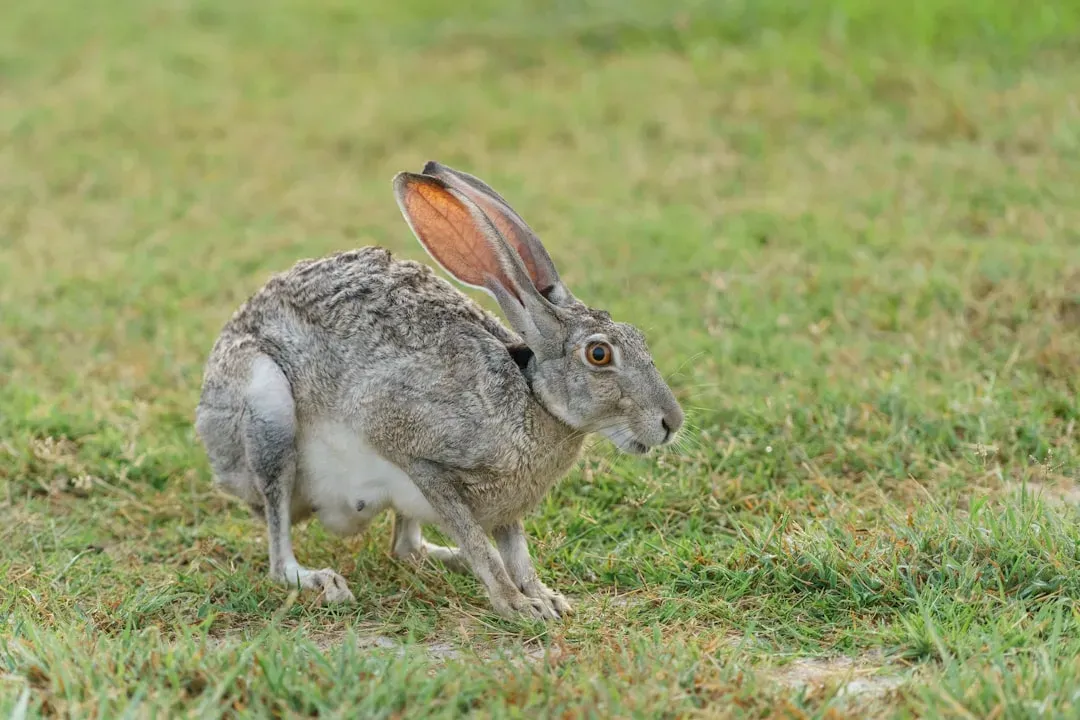
This blows my mind every time I think about it. Scientists have discovered that domestication physically altered rabbit brains. The amygdala, a region of the brain that processes fear and anxiety, is 10% smaller in domesticated rabbits than in wild rabbits. Meanwhile, the medial prefrontal cortex, which controls responses to aggressive behavior and fear, is 11% larger in domesticated rabbits.
These aren’t just behavioral changes. We’ve literally reshaped their neurological architecture through selective breeding. Domestic rabbits have been bred by humans to be more docile and trusting than their wild counterparts. It’s fascinating and slightly humbling to realize how profoundly we’ve influenced another species at such a fundamental level.
Conclusion
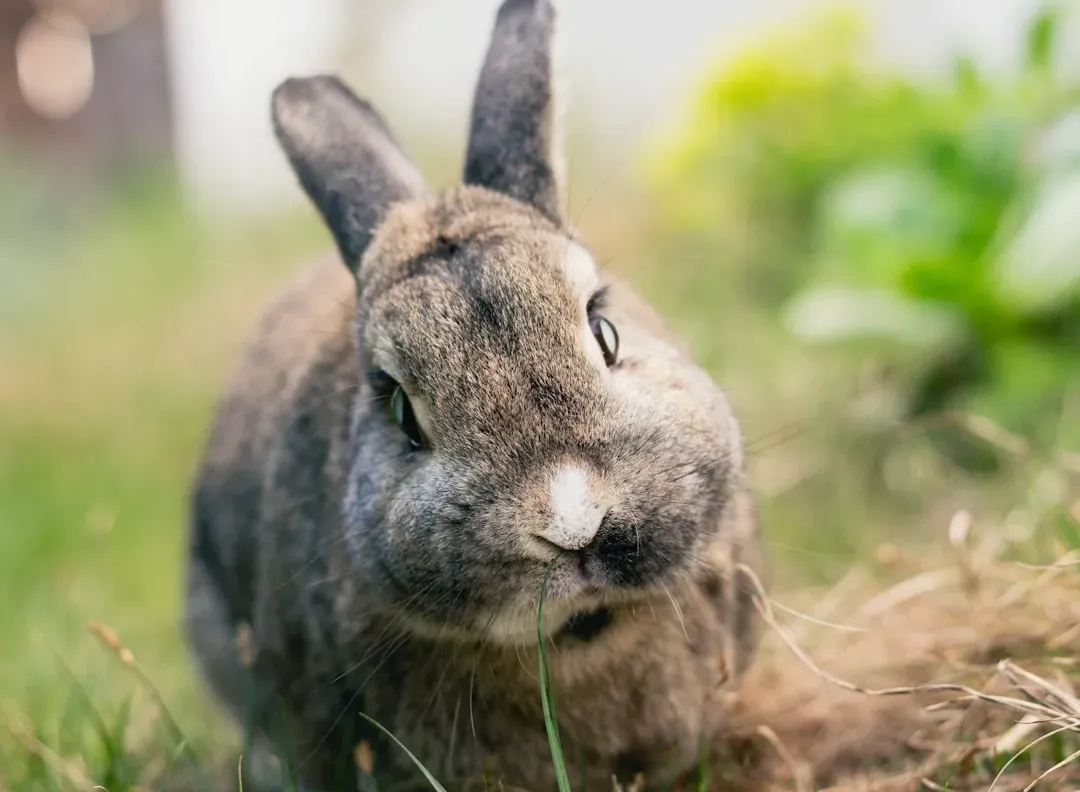
Rabbits are so much more than cute, fluffy pets that sit in cages. They’re sophisticated creatures with remarkable adaptations, complex emotional lives, and surprising intelligence. From their panoramic vision to their brain-altering domestication, these animals deserve far more respect and understanding than they typically receive.
The next time you see a rabbit, whether in a pet store or someone’s home, remember what’s really happening beneath that soft fur. They’re not simple animals. They’re survivors with nearly all-around vision, efficient digestive wizards, potential decade-long companions, and communicators speaking a language most humans never bother to learn.
What surprised you most about these rabbit facts? Did any of them completely change how you think about these amazing animals?

- Could Rising Ocean Temperatures Create Super Hurricanes? - July 13, 2026
- These Majestic Birds Are Soaring to Unprecedented Heights Across the US - July 13, 2026
- 12 Amazing Things Only Dog Owners Truly Understand - July 13, 2026