
#1 Secretarybird
🔥 Would you like to save this?
We'll email this post to you, so you can come back to it later!
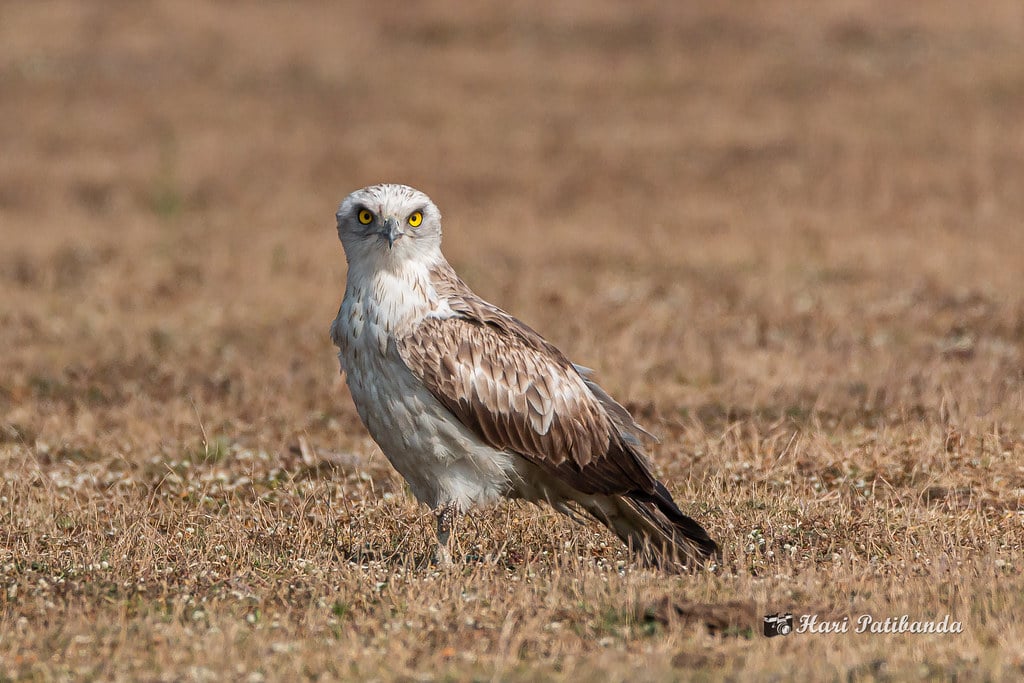
The secretarybird is the oddball of this list, a long legged hunter that stalks the African grasslands on foot rather than patrolling from the sky. Instead of talons doing the killing work, this bird relies on its legs, which can deliver a downward strike carrying roughly five times its own body weight, all in a contact window of just ten to fifteen milliseconds. Researchers found an adult male trained to strike at a rubber snake on a force plate hit with force equal to five times its own body weight, with contact lasting only 10-15 milliseconds, suggesting the bird relies on superior visual targeting to locate the prey’s head.
The hunting sequence itself looks almost choreographed. The bird first uses its long, thin legs to quietly move across the ground while searching for prey, then fans its wings to create a distraction that encourages the snake to strike at a non-vital part of its body, before delivering a powerful stomp to the snake’s head that breaks its vertebrae and skull. Even cobras and other dangerously venomous species rarely get the chance to land a meaningful bite before the bird’s legs end the encounter.
#2 Short-toed Snake Eagle
🔥 Would you like to save this?
We'll email this post to you, so you can come back to it later!
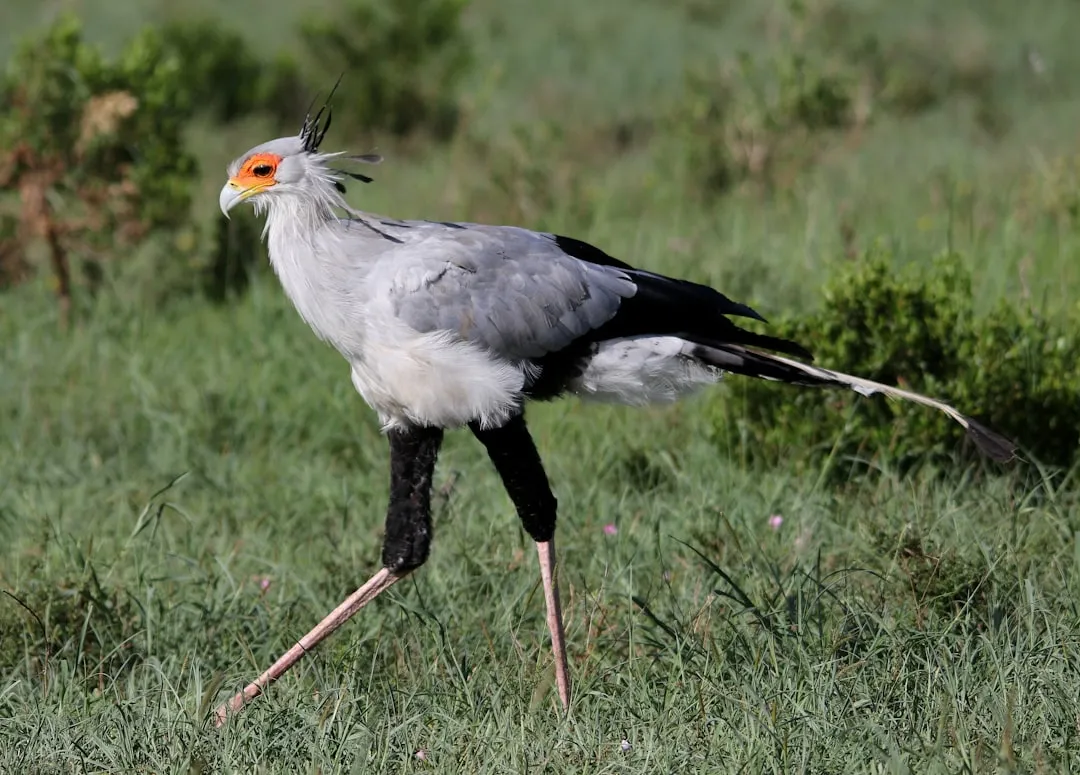
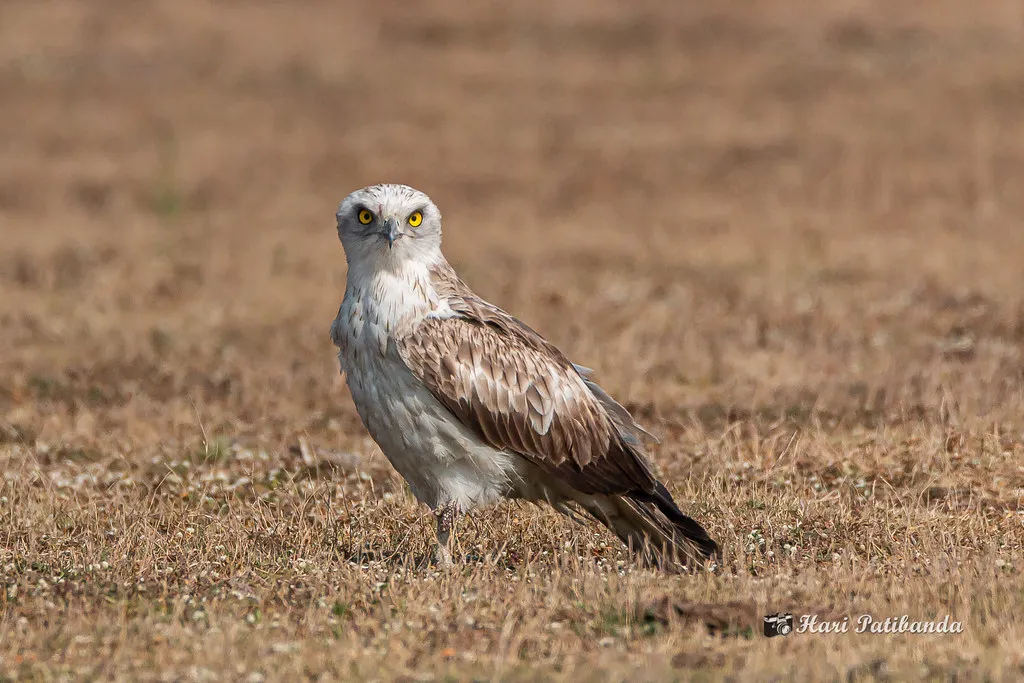
Named for its stubby, scale covered legs, the short-toed snake eagle is one of the most dedicated reptile hunters in Europe, Asia, and parts of Africa. Snakes make up 80 percent or more of this raptor’s diet, and some regional studies have found the figure climbing even higher. In one detailed study, snakes represented 82.3 percent of prey items, a number that leaves little doubt about where this eagle’s priorities lie.
Its hunting style is patient and aerial. It hunts from the air, often soaring or hovering to spot prey before striking. Once a snake is pinned, the eagle doesn’t take chances with a live, thrashing opponent. Usually, the eagle crushes or severs the head of the snake before swallowing it, and its own defenses are built right into its body, since it is protected from venom by scales on the legs and thick plumage on the thighs and body.
#3 Bateleur
🔥 Would you like to save this?
We'll email this post to you, so you can come back to it later!
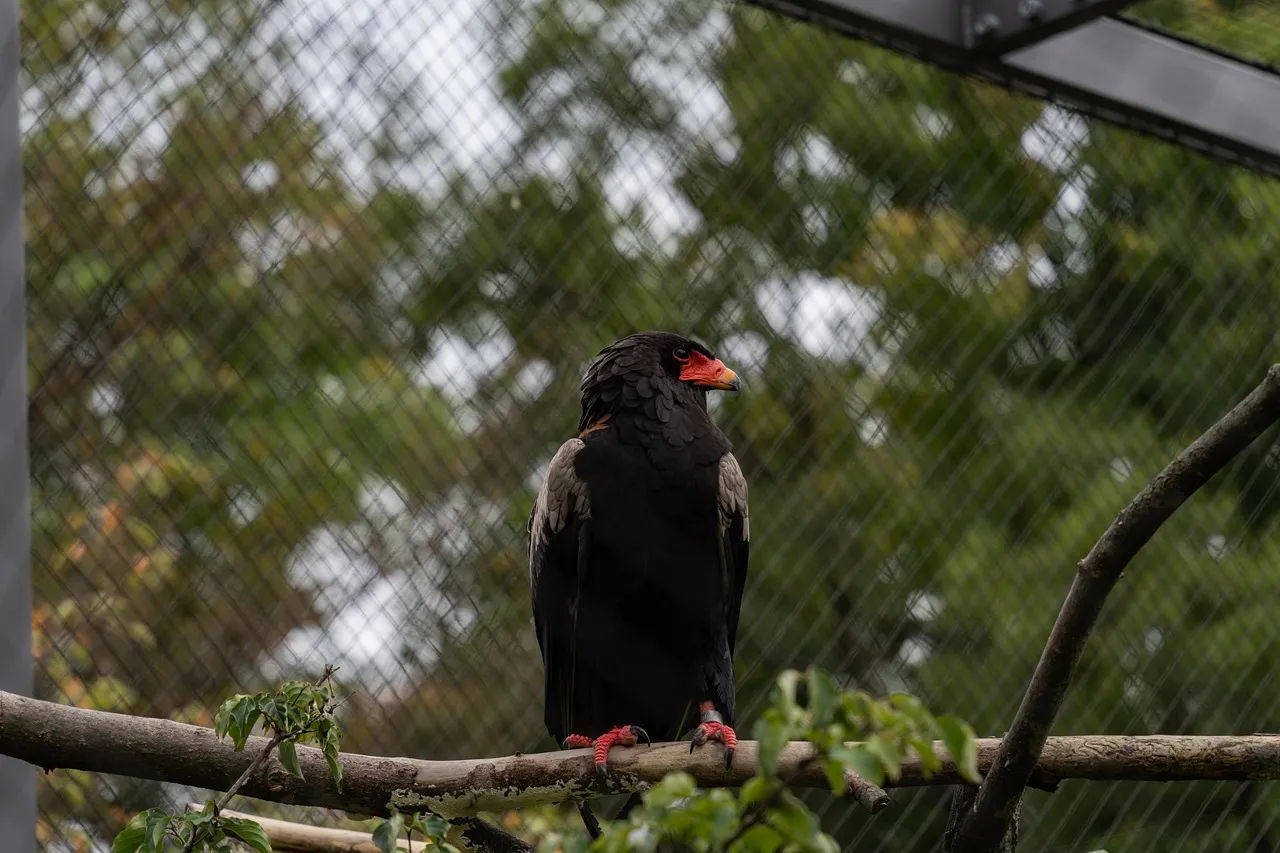
Few raptors look quite as distinctive in flight as the bateleur, with its stubby tail and rocking, wing tilted glide that gave it its French name meaning acrobat. Within the family of birds of prey, the bateleur eagle belongs to a group of eagles called snake eagles. The name comes from the bird’s ability to kill snakes, such as puff adders, and other reptiles, such as monitor lizards.
Unlike some of its relatives that prefer to wait on a perch, the bateleur covers enormous ground in search of a meal. It spends eight to nine hours each day in the air looking for food, and is most commonly seen in rapid, direct flight, which is its preferred method of hunting. That relentless coverage, sometimes reported at hundreds of kilometers per day, means fewer snakes in its territory ever go unnoticed for long, though the bird supplements its reptile catches with carrion and small mammals whenever the opportunity arises.
#4 Brown Snake Eagle
🔥 Would you like to save this?
We'll email this post to you, so you can come back to it later!
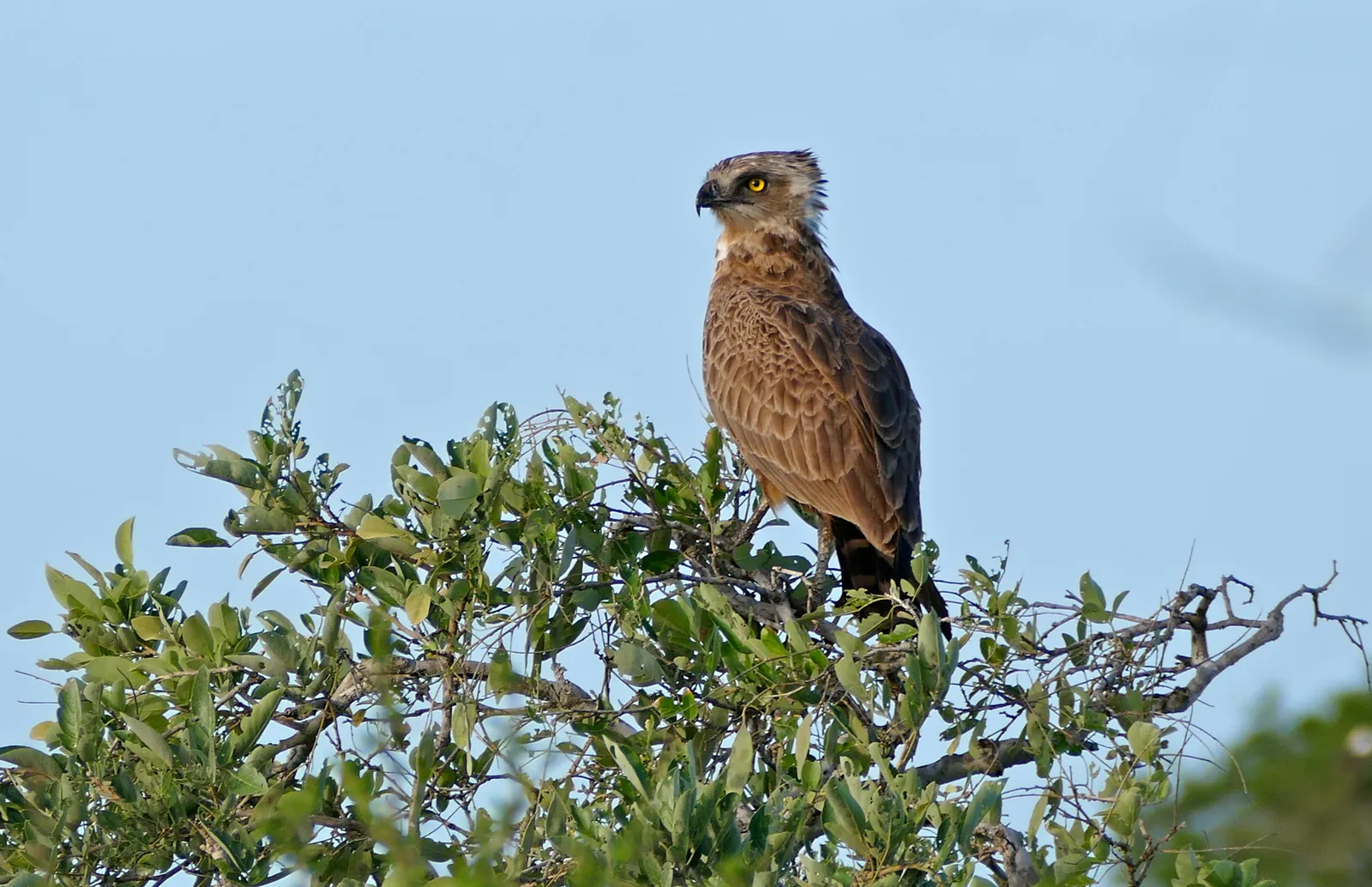
If the short-toed snake eagle is a generalist among reptile hunters, the brown snake eagle is more of a heavyweight specialist willing to take on the biggest and most dangerous targets. The Brown Snake-Eagle is a fearless bird capable of killing and carrying off a two metre long snake. That kind of prey size sets it apart from most other raptors, which tend to avoid snakes anywhere near their own body length.
Much of its success comes down to hunting style and sheer nerve. The Brown Snake-eagle is able to catch large and poisonous snakes, making long strikes at the prey and consuming it on the ground. It typically works alone, favoring quiet, secretive movement through woodland edges where it can watch and wait before committing to an attack, a habit reflected in the fact that they usually hunt solitary and are secretive birds.
#5 Black-chested Snake Eagle
🔥 Would you like to save this?
We'll email this post to you, so you can come back to it later!
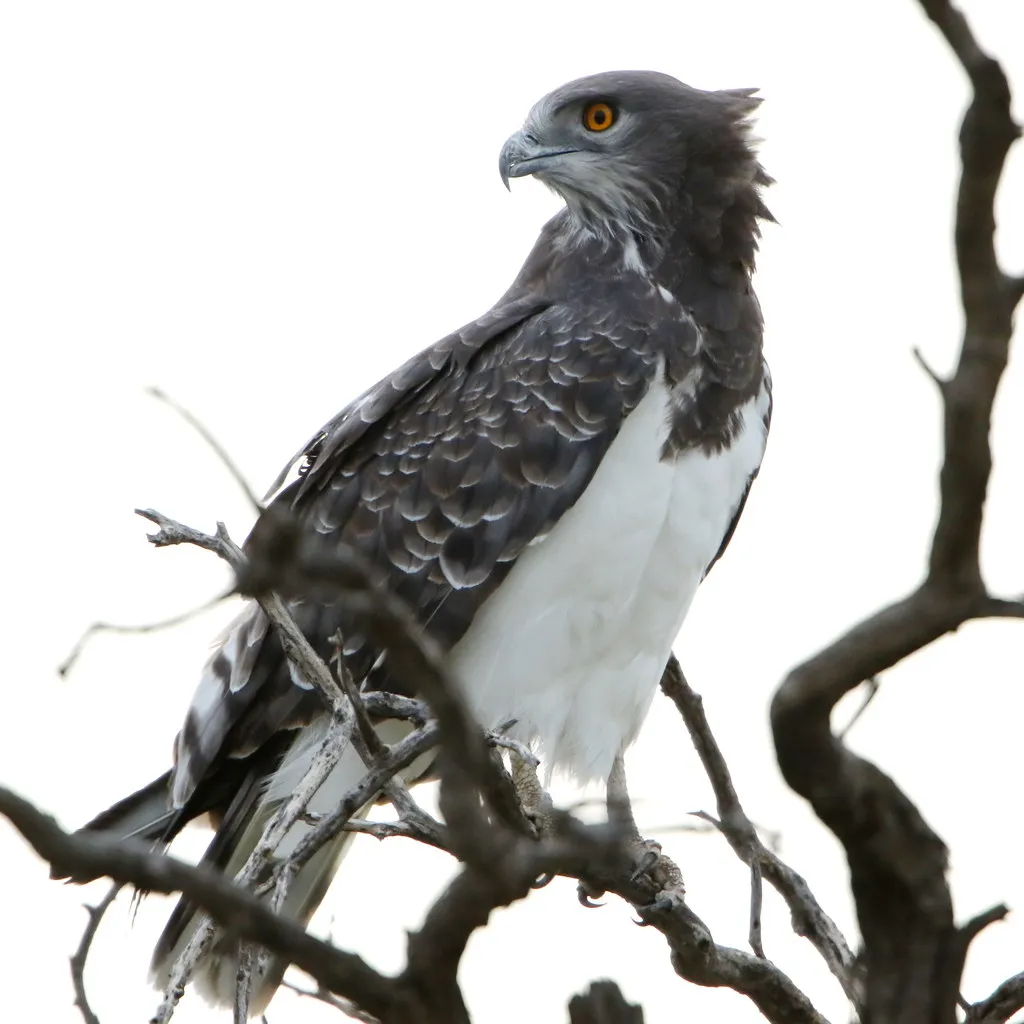
Closely related to its short-toed cousin, the black-chested snake eagle fills a similar ecological role across a wide swath of African habitat. Black-chested snake eagles inhabit a wide range of habitat types, including savannah, woodlands, grasslands, thornveld, and deserts, avoiding forests and mountainous regions. That flexibility across dry and open country gives it plenty of hunting ground to work with.
Its menu leans heavily toward reptiles, though it isn’t shy about tackling dangerous prey. Like the brown snake eagle, it preys on venomous snakes, and it also takes small mammals, lizards, frogs, and insects. Interestingly, some observers note this species tends to favor smaller reptile prey more than its relatives, with the Black-breasted Snake-Eagle taking this type of prey more than the other Snake-Eagles, mainly small reptiles. The bird also shows a surprising comfort around people, often nesting near human settlements where prey remains plentiful.
#6 Crested Serpent Eagle
🔥 Would you like to save this?
We'll email this post to you, so you can come back to it later!
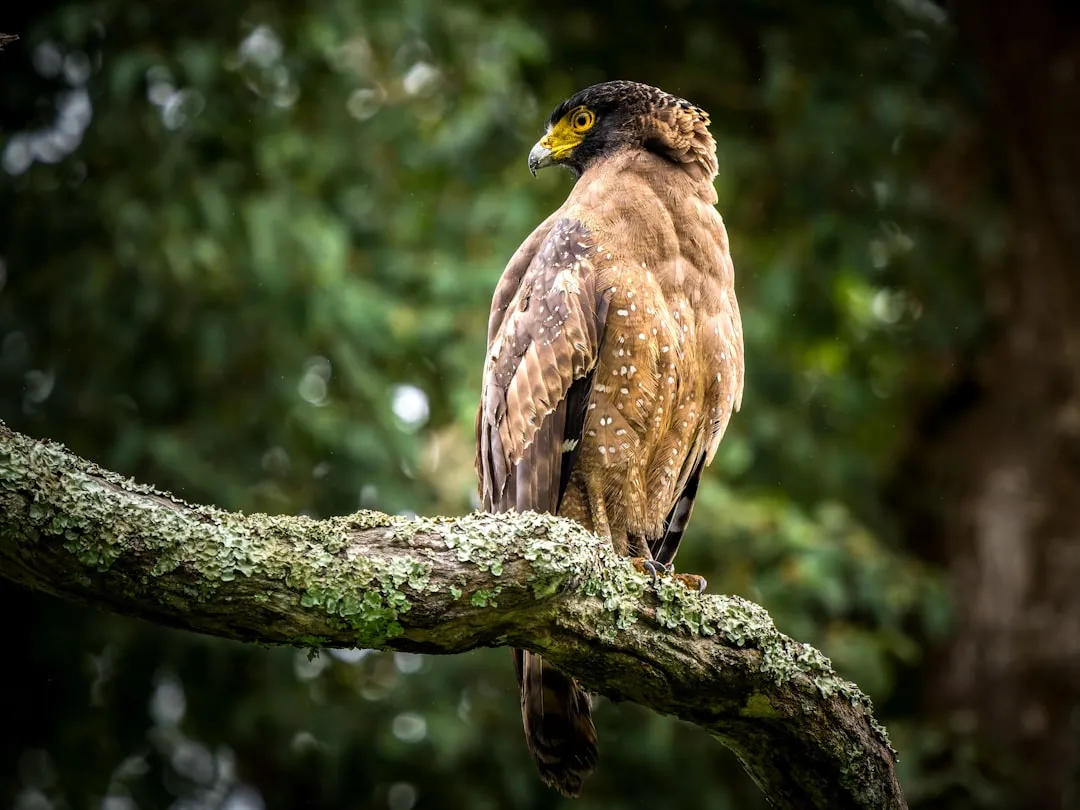
Ranging across South and Southeast Asia, the crested serpent eagle occupies forests and wetlands where it hunts snakes, frogs, and lizards from concealed perches. This species belongs to the same broader group of specialized reptile hunters as its African cousins, sharing the tell tale bare, scaled legs that offer some protection against strikes. Its loud, screaming call is often the first sign of its presence long before the bird itself comes into view above the forest canopy.
Unlike the wide ranging bateleur or the aerial short-toed eagle, the crested serpent eagle favors a still hunting approach, perching quietly and scanning the undergrowth below for movement. When a snake is spotted, the eagle drops down suddenly, pinning its target with strong feet before dispatching it. This ambush style suits its dense, forested habitat far better than the open sky patrols favored by savanna dwelling snake eagles, and it remains one of the most widespread and successful raptors across its Asian range.
#7 Laughing Falcon
🔥 Would you like to save this?
We'll email this post to you, so you can come back to it later!
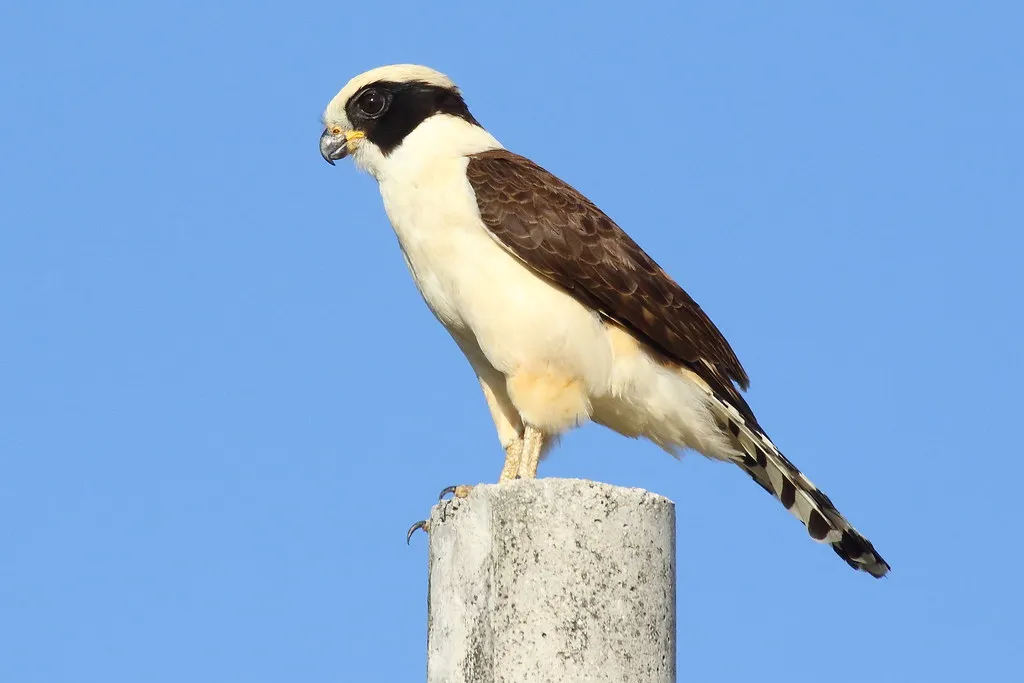
Named for its distinctive, almost human sounding call, the laughing falcon of Central and South America has built its entire identity around one prey item. Laughing falcons are Neotropical raptors that prey almost exclusively on snakes. That includes some of the most dangerous species in the Americas, since the laughing falcon mainly feeds on snakes, including venomous ones such as coral snakes, and some large ones as well.
Its hunting method is a study in patience followed by a burst of violence. Researchers have reported that this falcon pounces on snakes with great force, hitting the ground with an audible thud. Once captured, it holds the snake just behind the head with its beak, then readily bites off the snake’s head before flying the carcass to a favored perch to feed. Scientists still aren’t entirely sure how the species avoids being fatally envenomated during these encounters, though its speed and precise grip appear to be the main defenses.
Final Thoughts
🔥 Would you like to save this?
We'll email this post to you, so you can come back to it later!
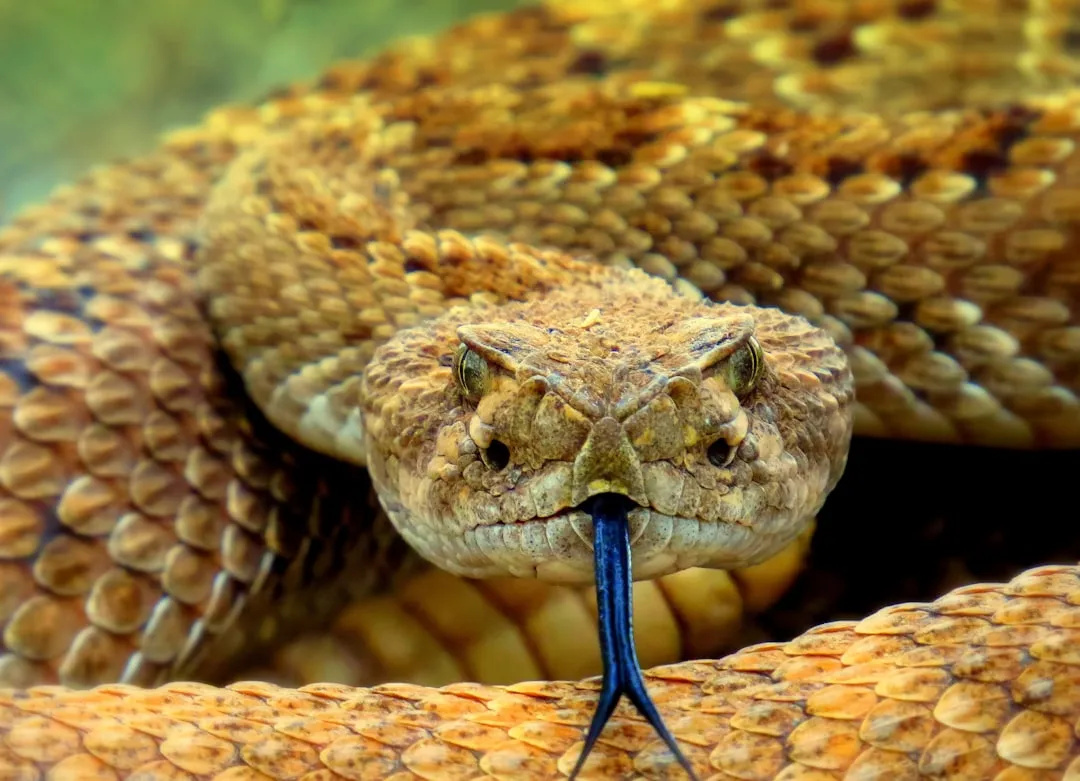
What strikes me most about this group is how differently each species solved the same basic problem. The secretarybird turned its legs into a weapon, the short-toed eagle turned its scales into armor, and the laughing falcon simply learned to move faster than a striking snake ever could. There’s no single blueprint for hunting something that can kill you back, and that variety is exactly what makes these birds worth paying attention to.
It’s also worth remembering that several of these specialists, particularly the bateleur, are facing real population declines from habitat loss and poisoning. A world with fewer snake hunting raptors isn’t just a loss of spectacle, it’s a loss of a natural check on reptile populations that few other predators are equipped to replace.

- 7 Everyday Habits That Can Make Your Senior Dog Happier - November 5, 2026
- 10 Enigmatic Structures That Continue to Puzzle Scientists Today - November 5, 2026
- 10 Strange Ruins in the Americas That Challenge What We Know About Early History - November 5, 2026